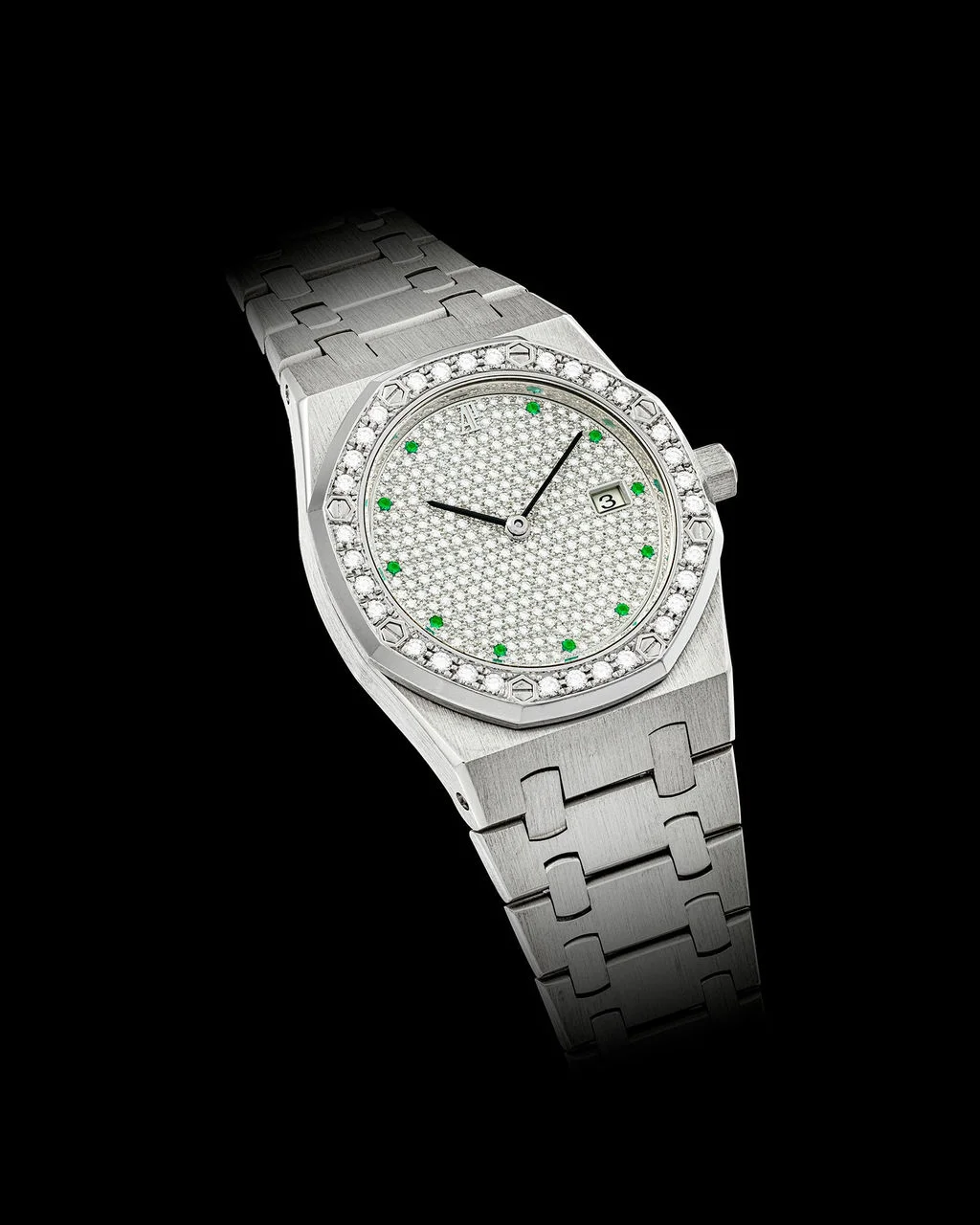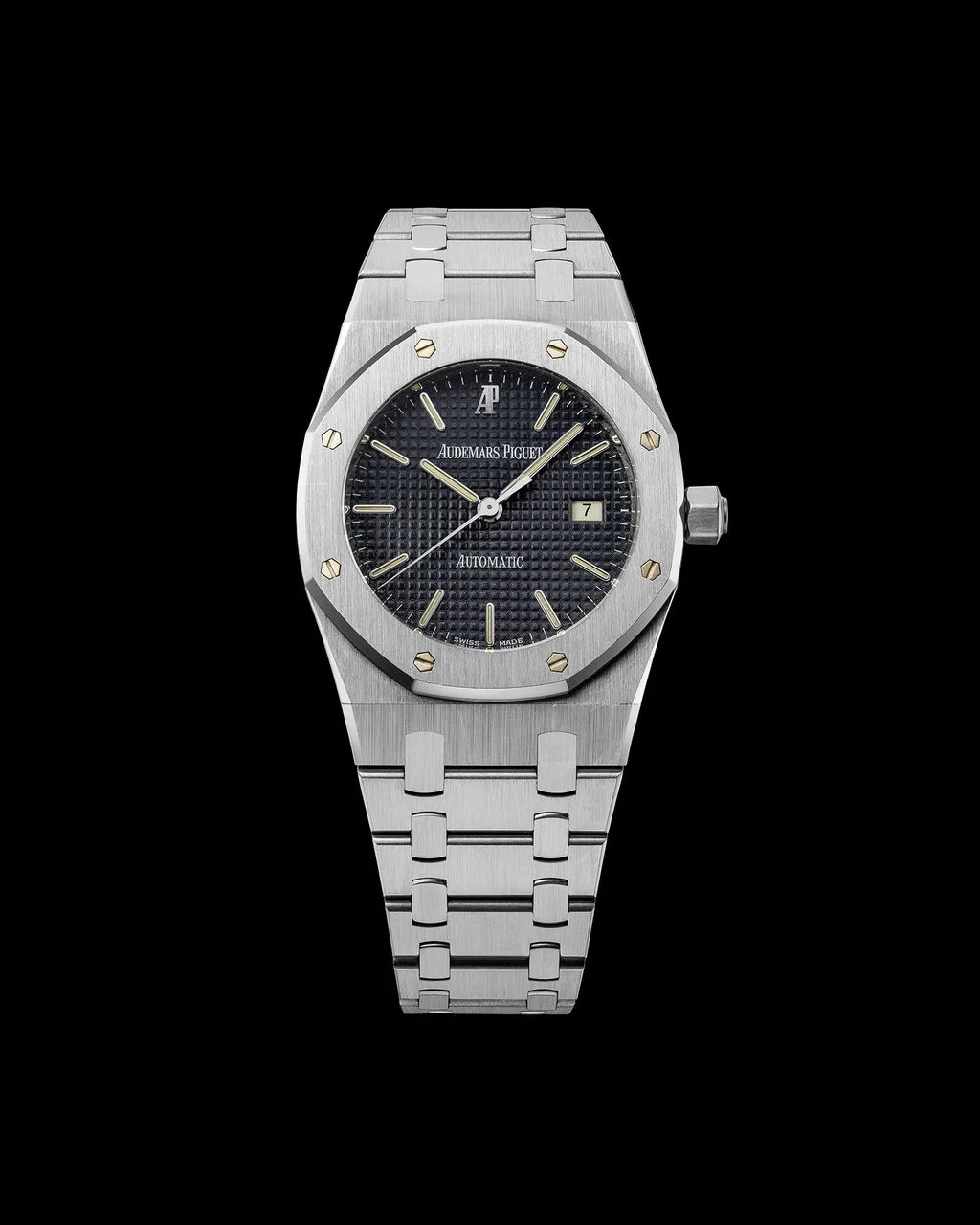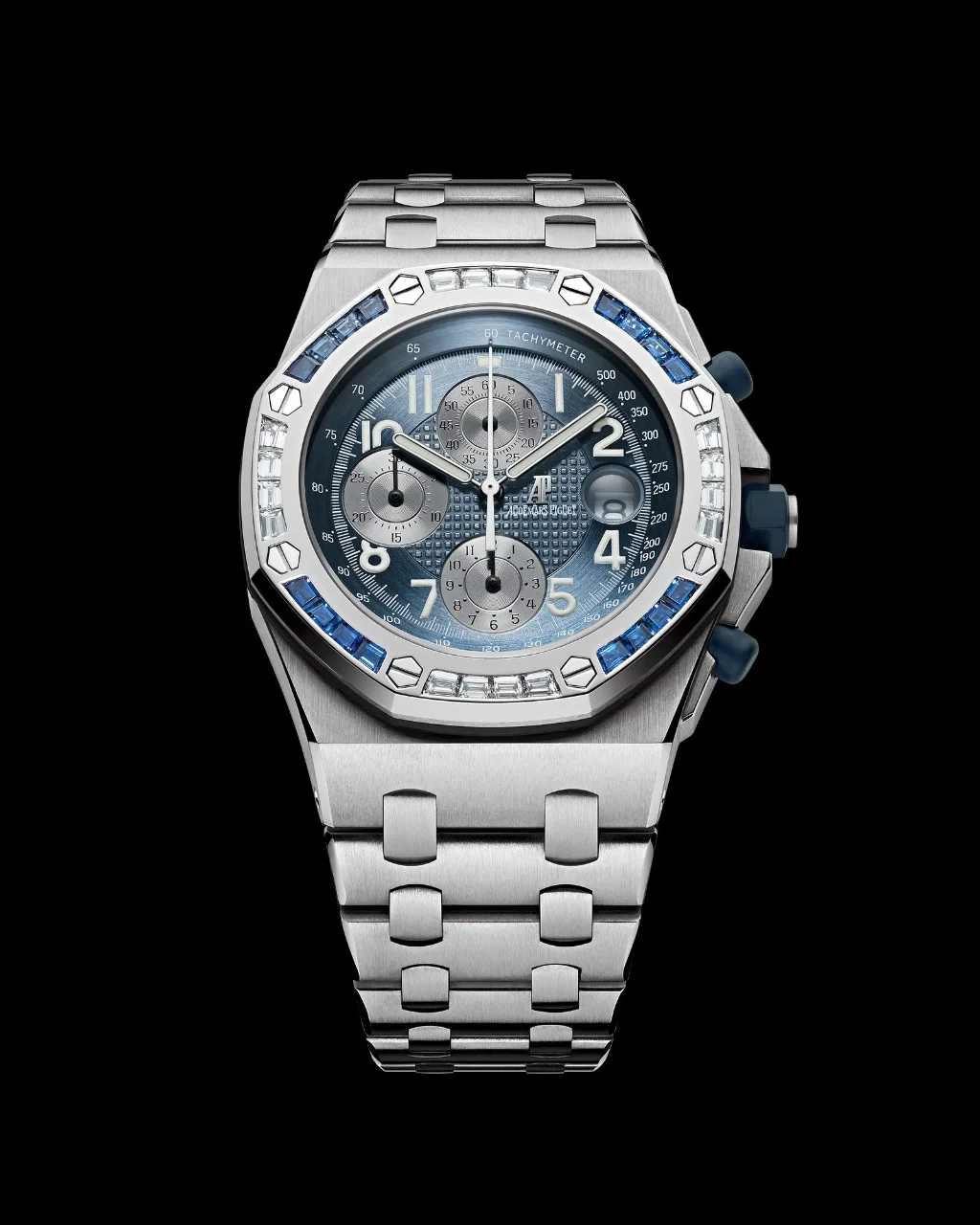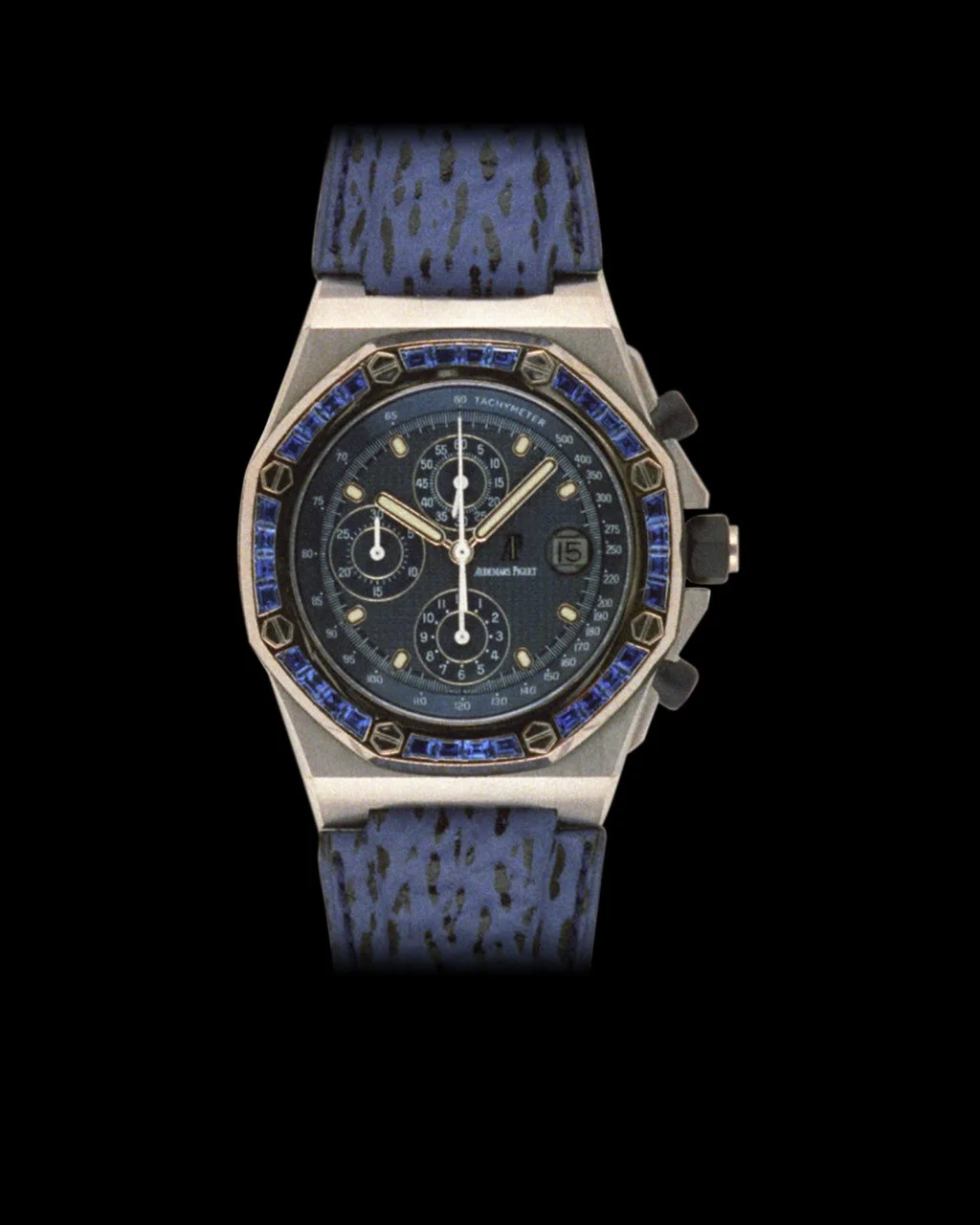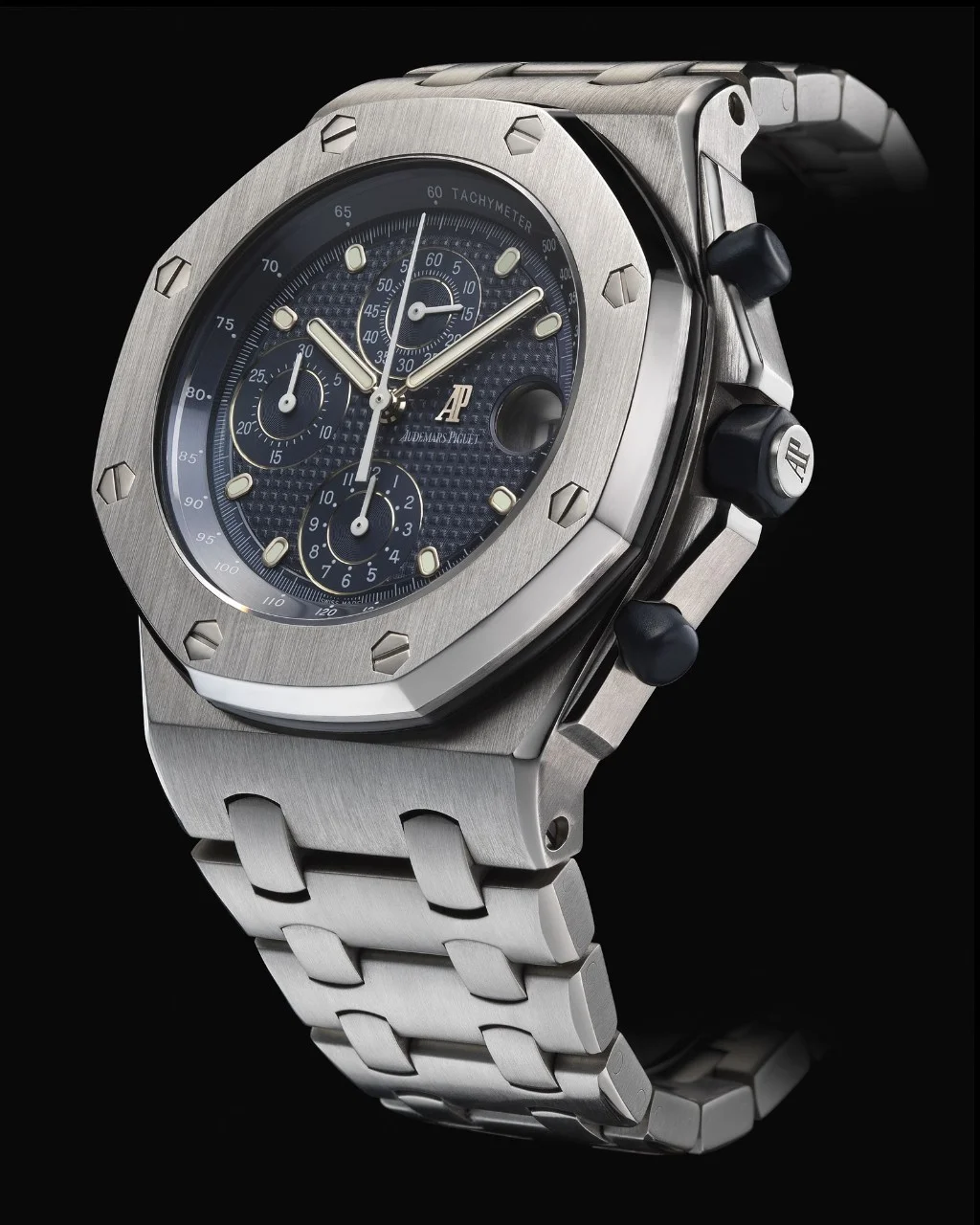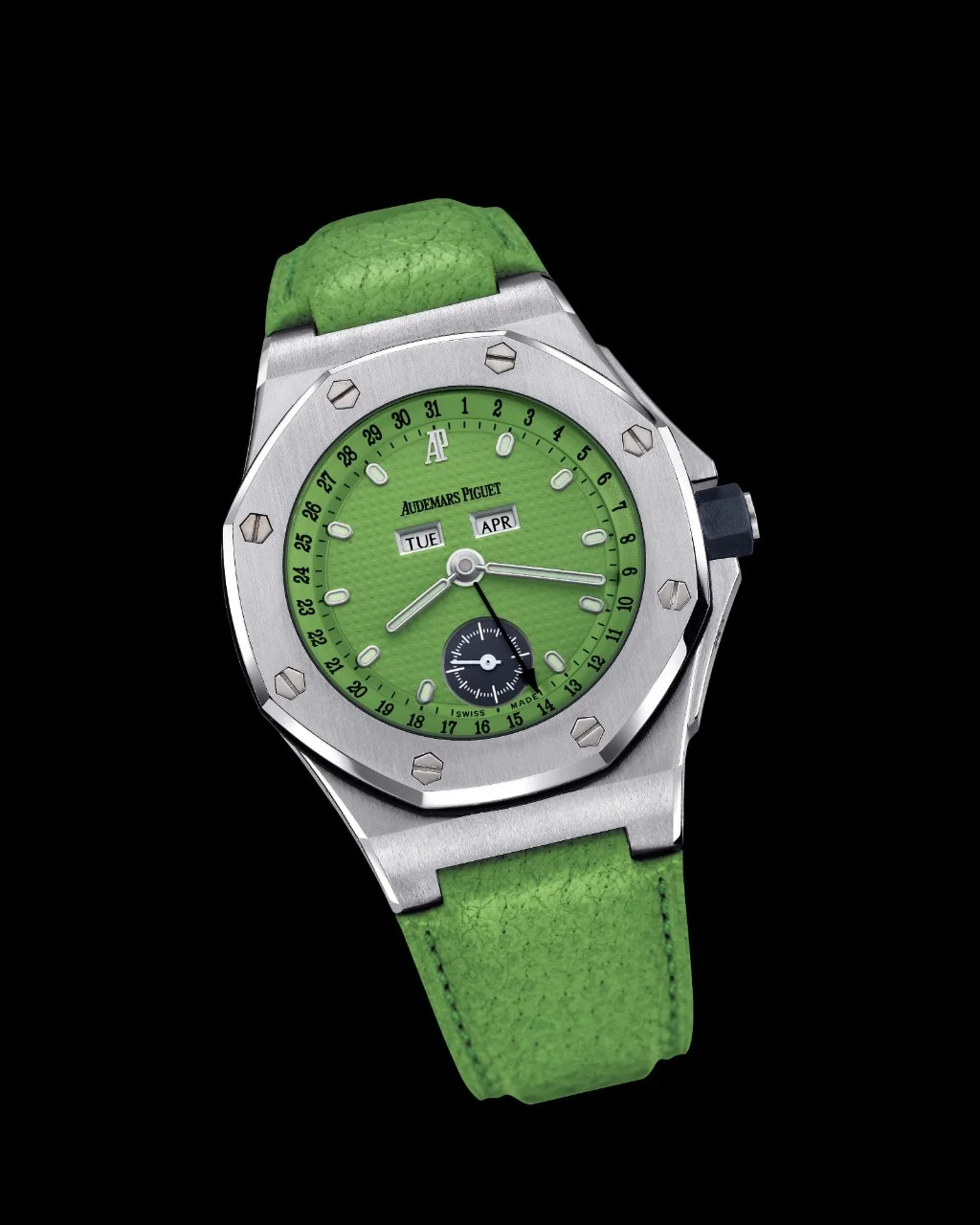
79290, Royal Oak Offshore Lady
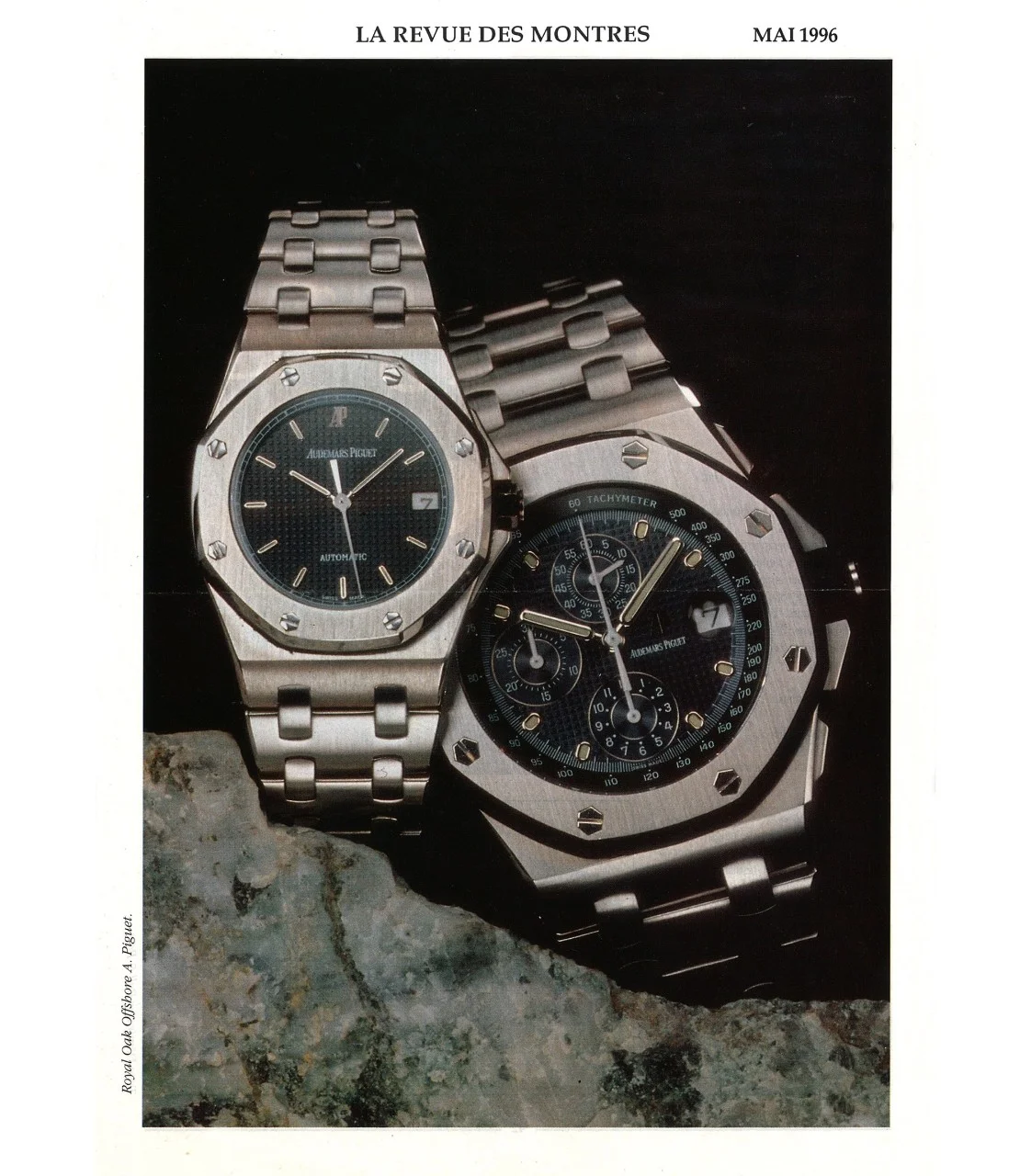
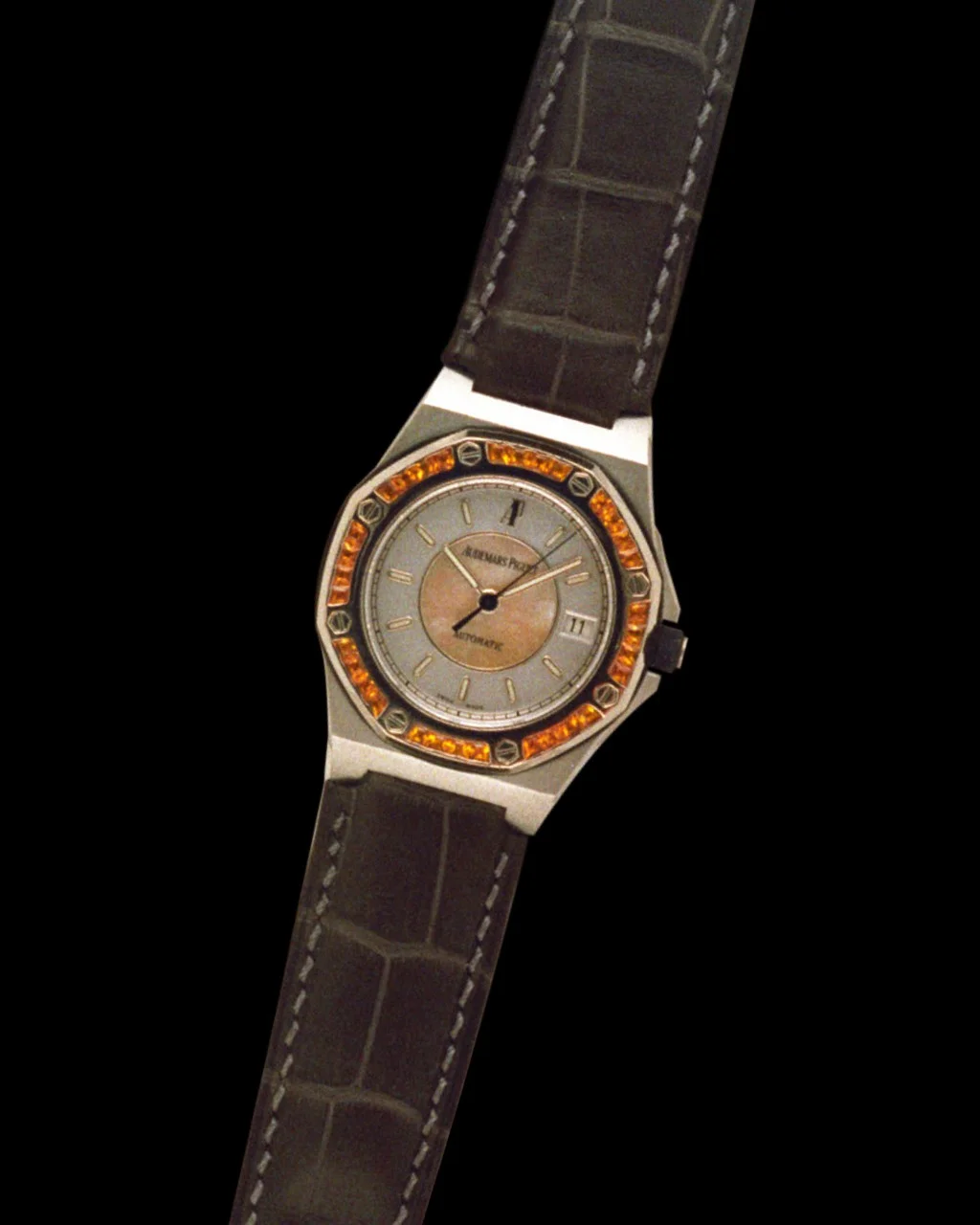
1996. Royal Oak Offshore 25721 et 79290. One of the first variations of the original Royal Oak Offshore 25721 was made in 1996 for women, in a 30 mm diameter. Picture from La Revue de Montres. May 1996. Audemars Piguet Archives.

Circa 1993. Identification image of Model 79290. Audemars Piguet Archives.

1996. Launch data for Model 79290. Intended for retailers, this document announces the date of the first deliveries planned for the first women's Royal Oak Offshore. Audemars Piguet Archives.

1997. Royal Oak Offshore brochure. Four years after its launch, the Royal Oak Offshore has many variations: variants with metal bracelets and leather strap; diameters of 30 mm, 38 mm and 42 mm; chronograph, complete calendar or date only functions; steel or yellow gold cases; blue, gold or yellow dials, etc. Audemars Piguet Archives.

2000. Exploded view of Case 79290. This document, intended for the watchmakers in the After-Sales Service Department provides details of the case components for the first women's Royal Oak with a metal bracelet. Audemars Piguet Archives.
Presented in 1996, at the same time as its variant on a leather strap Model 77151, the Royal Oak Offshore 79290 was the first feminine representative of this collection.
Its history is reminiscent of that of Model 8638 (29 mm) which, 20 years earlier, represented the very first evolution of the Royal Oak. Like the Royal Oak 8638, it offered women a smaller version while retaining the qualities of the men's model: a selfwinding calibre (enriched with high frequency), a fully integrated steel case water-resistant to 100 metres, a dial with Petite Tapisserie motif, etc.
Measuring 30 mm in diameter and 9.85 mm thick, the Royal Oak Offshore 79290 has a volume almost three times smaller than that of the men's version 25721 (42mm x 14.05mm)! In watchmaking, miniaturisation has always represented significant added value because it requires exceptional expertise.
The technical data for the model bears the initials EG, meaning that the watch was designed by Emmanuel Gueit.
Sales from 1996 to 2001: a total 409 units, of which 65 (1996), 174 (1997), 53 (1998), 74 (1999), 39 (2000) and 4 (2001).
Presented in 1996, at the same time as its variant on a leather strap Model 77151, the Royal Oak Offshore 79290 was the first feminine representative of this collection.
Its history is reminiscent of that of Model 8638 (29 mm) which, 20 years earlier, represented the very first evolution of the Royal Oak. Like the Royal Oak 8638, it offered women a smaller version while retaining the qualities of the men's model: a selfwinding calibre (enriched with high frequency), a fully integrated steel case water-resistant to 100 metres, a dial with Petite Tapisserie motif, etc.
Measuring 30 mm in diameter and 9.85 mm thick, the Royal Oak Offshore 79290 has a volume almost three times smaller than that of the men's version 25721 (42mm x 14.05mm)! In watchmaking, miniaturisation has always represented significant added value because it requires exceptional expertise.
The technical data for the model bears the initials EG, meaning that the watch was designed by Emmanuel Gueit.
Sales from 1996 to 2001: a total 409 units, of which 65 (1996), 174 (1997), 53 (1998), 74 (1999), 39 (2000) and 4 (2001).
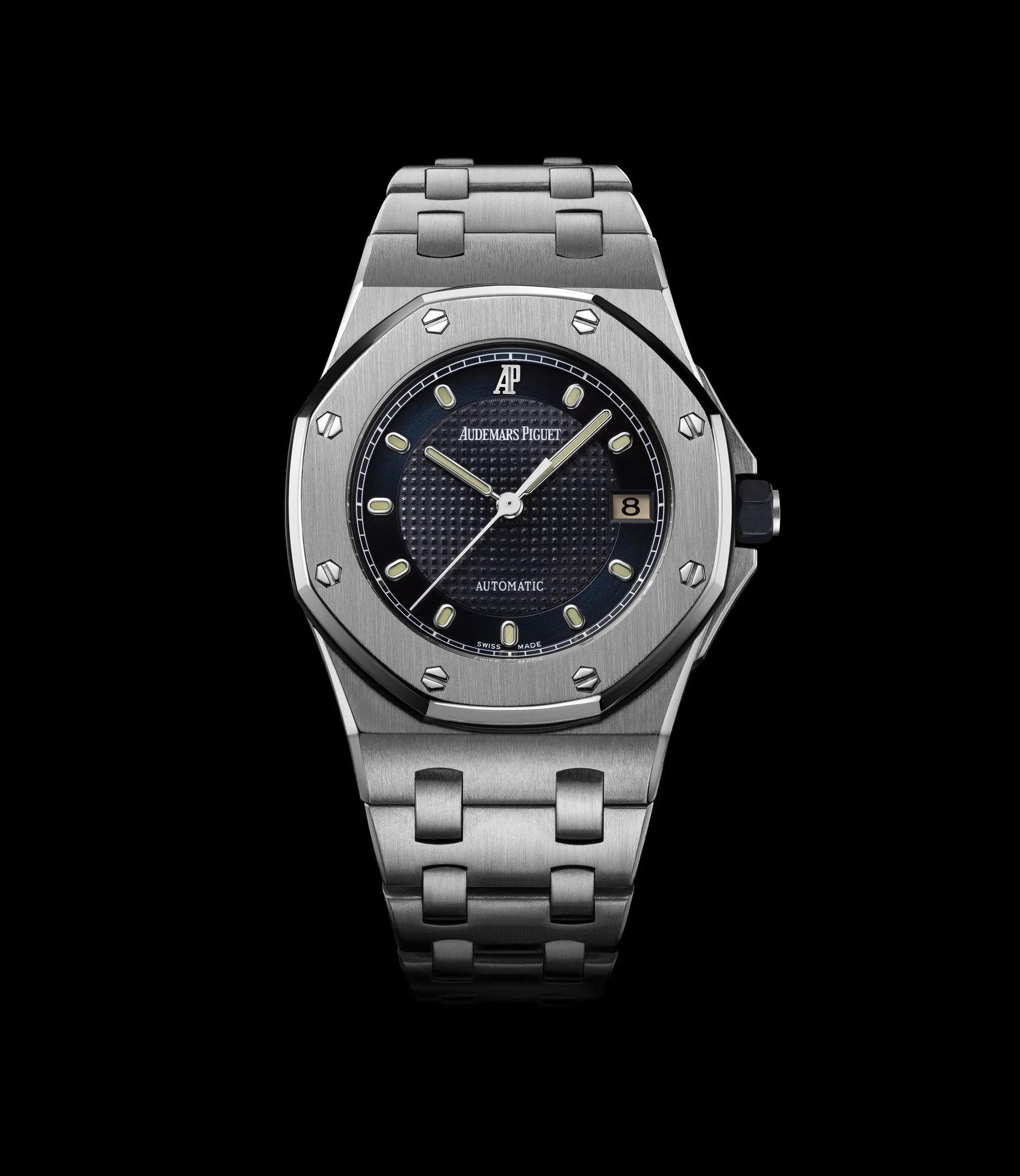
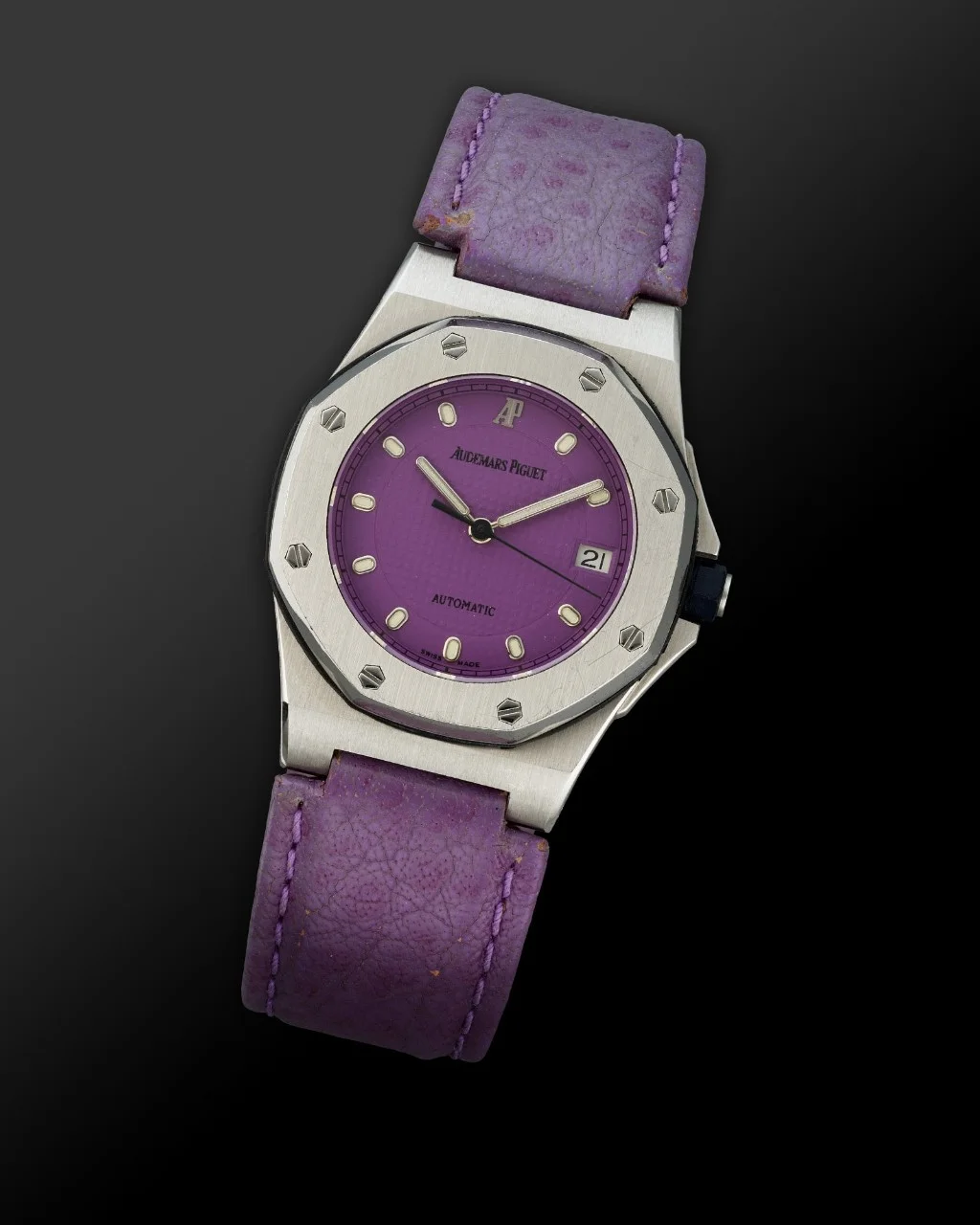
1997. Royal Oak Offshore 79290ST No. 130. Date. Selfwinding Calibre 2140, Movement 443340. 30 mm steel Case D86296. Sold in 1997 in the United States. Audemars Piguet Heritage, inv. 1407.

1996. Royal Oak Offshore Chronograph 79290ST. The first variant of the model remained in the Audemars Piguet catalogue from 1996 to 2001. 1996 advertising brochure. Audemars Piguet Archives.

Circa 1996. Technical data for Model 79290ST. Audemars Piguet Archives.

Circa 1996. Identification image of Model 79290ST. Audemars Piguet Archives.
Only 337 examples of the very first women's Royal Oak Offshore, in a steel case and bracelet version, were produced.
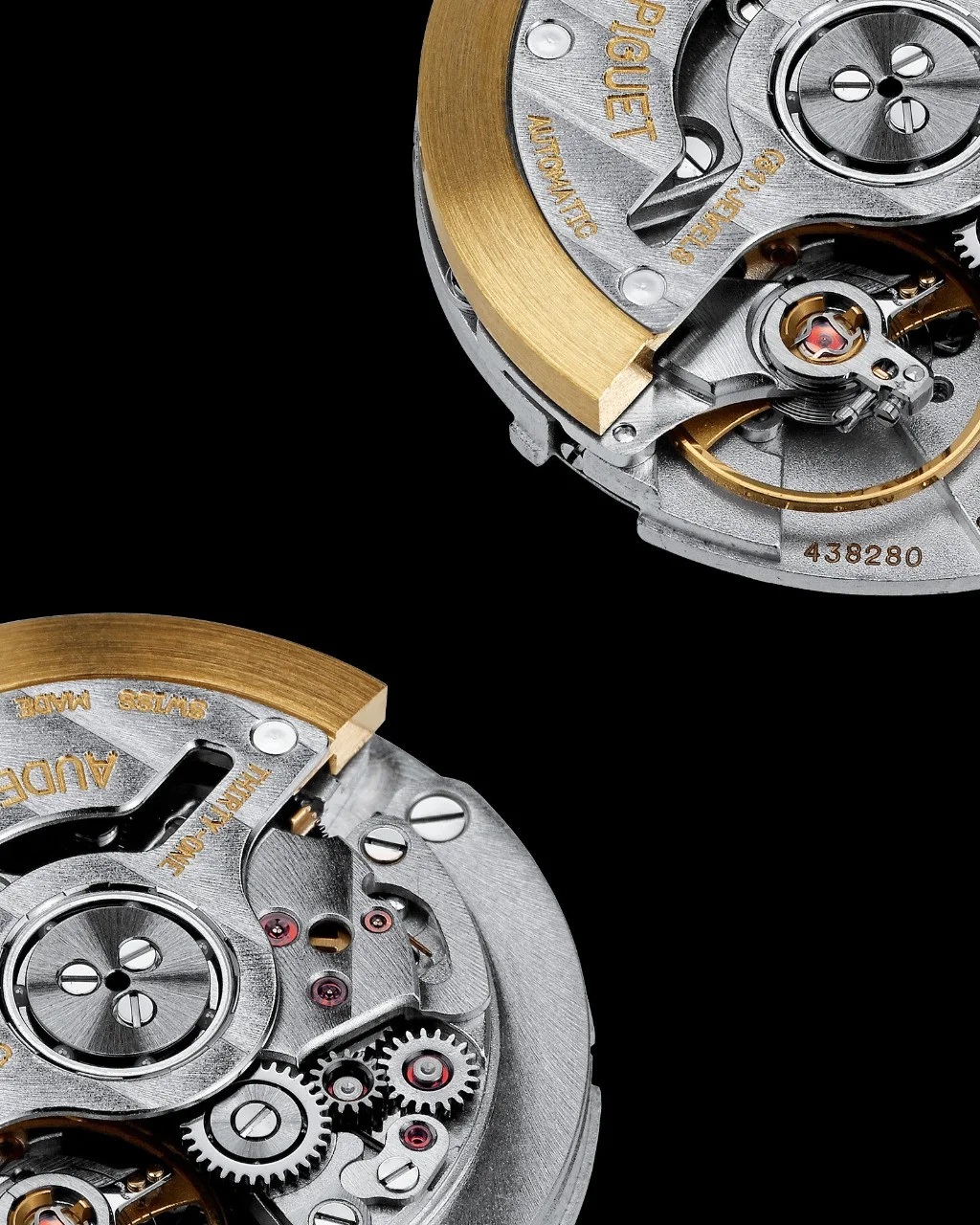
At the time of their launch, Audemars Piguet was preparing to implement a vertical production process. This model is therefore one of the last to be produced in établissage model involving a network of interconnected skills. While the the watch was designed by Audemars Piguet, the cases were from Centror, founded in 1982 in Geneva, which joined the Audemars Piguet group in 1991 and was renamed Audemars Piguet Meyrin in 2021. The bracelet was made by the Italian company GTF, formerly Lascor (see article on bracelets). The T21 tapisserie guilloché dials are from the workshops of the famous Stern dial-maker in Geneva. As for the mechanism, the movement "ébauche" of Calibre 2140 was produced by the Manufacture Jaeger-LeCoultre.
All these components were finished, adjusted, assembled and fitted within Audemars Piguet’s workshops in Le Brassus.
Sales from 1996 to 2000: a total of 337 units, of which 46 (1996), 140 (1997), 44 (1998), 68 (1999) and 39 (2000).
Only 337 examples of the very first women's Royal Oak Offshore, in a steel case and bracelet version, were produced.
At the time of their launch, Audemars Piguet was preparing to implement a vertical production process. This model is therefore one of the last to be produced in établissage model involving a network of interconnected skills. While the the watch was designed by Audemars Piguet, the cases were from Centror, founded in 1982 in Geneva, which joined the Audemars Piguet group in 1991 and was renamed Audemars Piguet Meyrin in 2021. The bracelet was made by the Italian company GTF, formerly Lascor (see article on bracelets). The T21 tapisserie guilloché dials are from the workshops of the famous Stern dial-maker in Geneva. As for the mechanism, the movement "ébauche" of Calibre 2140 was produced by the Manufacture Jaeger-LeCoultre.
All these components were finished, adjusted, assembled and fitted within Audemars Piguet’s workshops in Le Brassus.
Sales from 1996 to 2000: a total of 337 units, of which 46 (1996), 140 (1997), 44 (1998), 68 (1999) and 39 (2000).
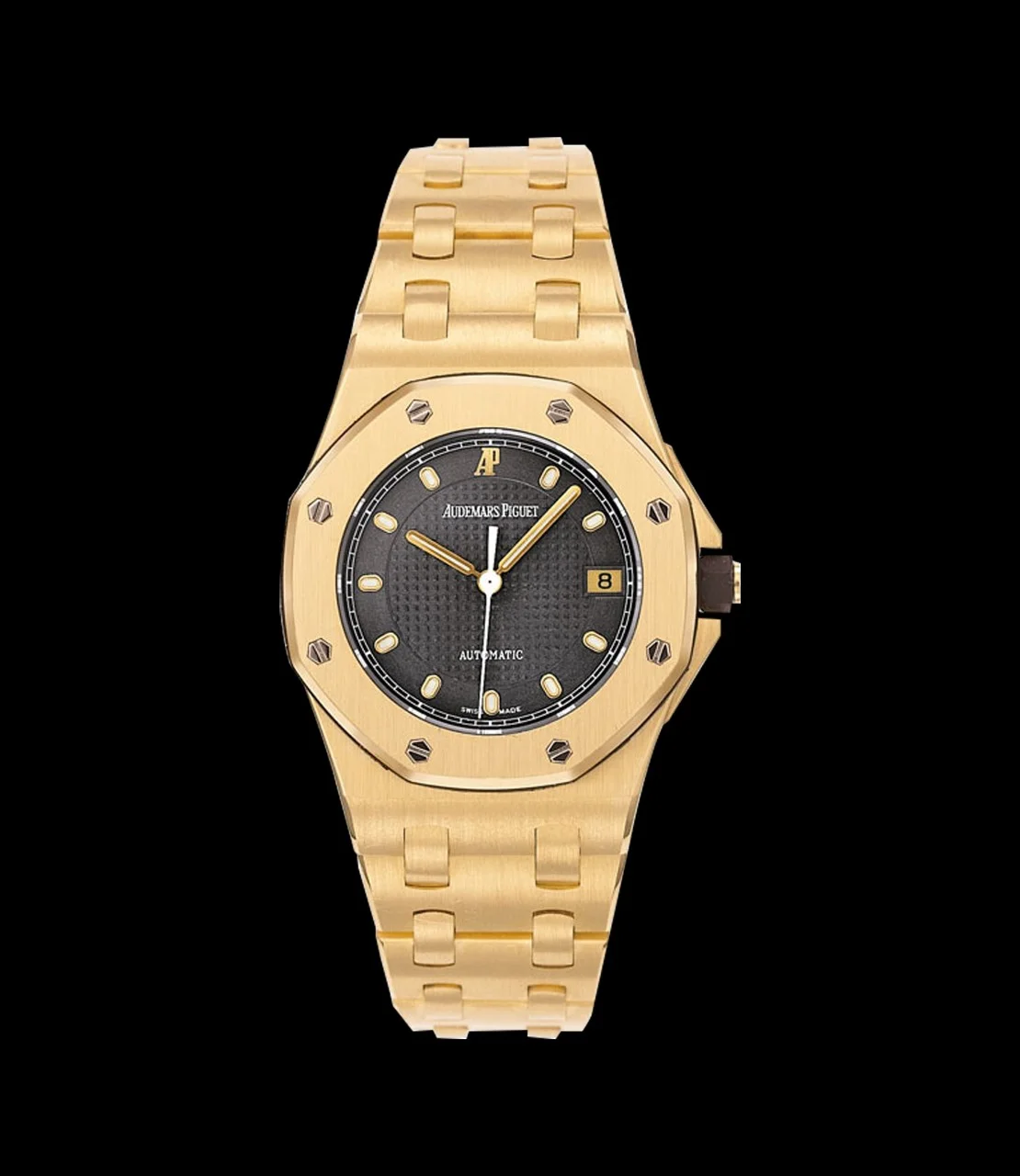
Circa 1996. Identification image of Model 79290BA. Audemars Piguet Archives.
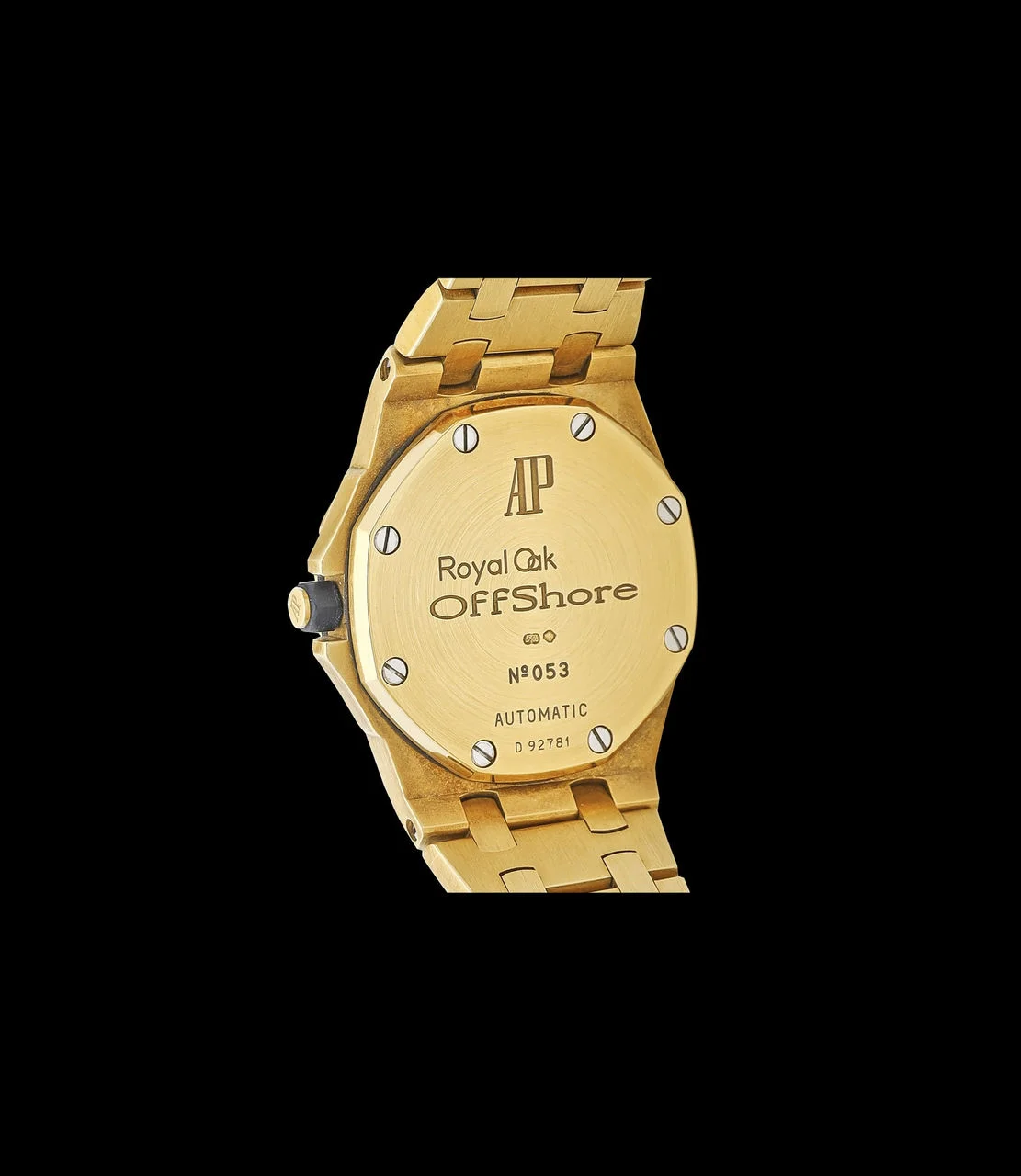
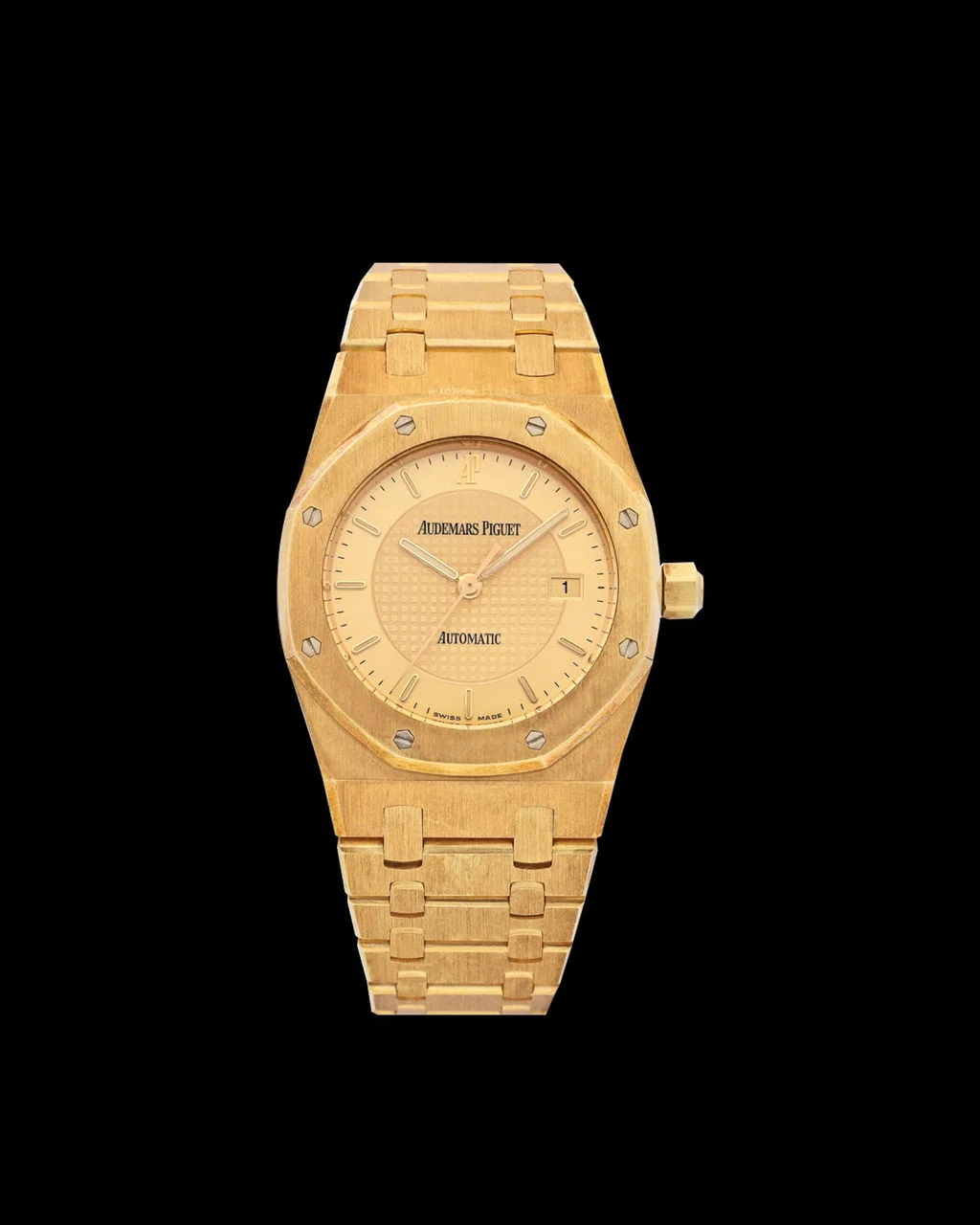
1998. Royal Oak Offshore 79290BA No. 53. Date. Calibre 2140, Movement 443315. 30 mm Case D92781 in 18-carat yellow gold. Sold in Japan in June 1998. Auctioned by Sotheby's Hong Kong on December 8, 2021, lot 8044. @ Sotheby's

Circa 1996. Technical data for Model 79290BA. Audemars Piguet Archives.
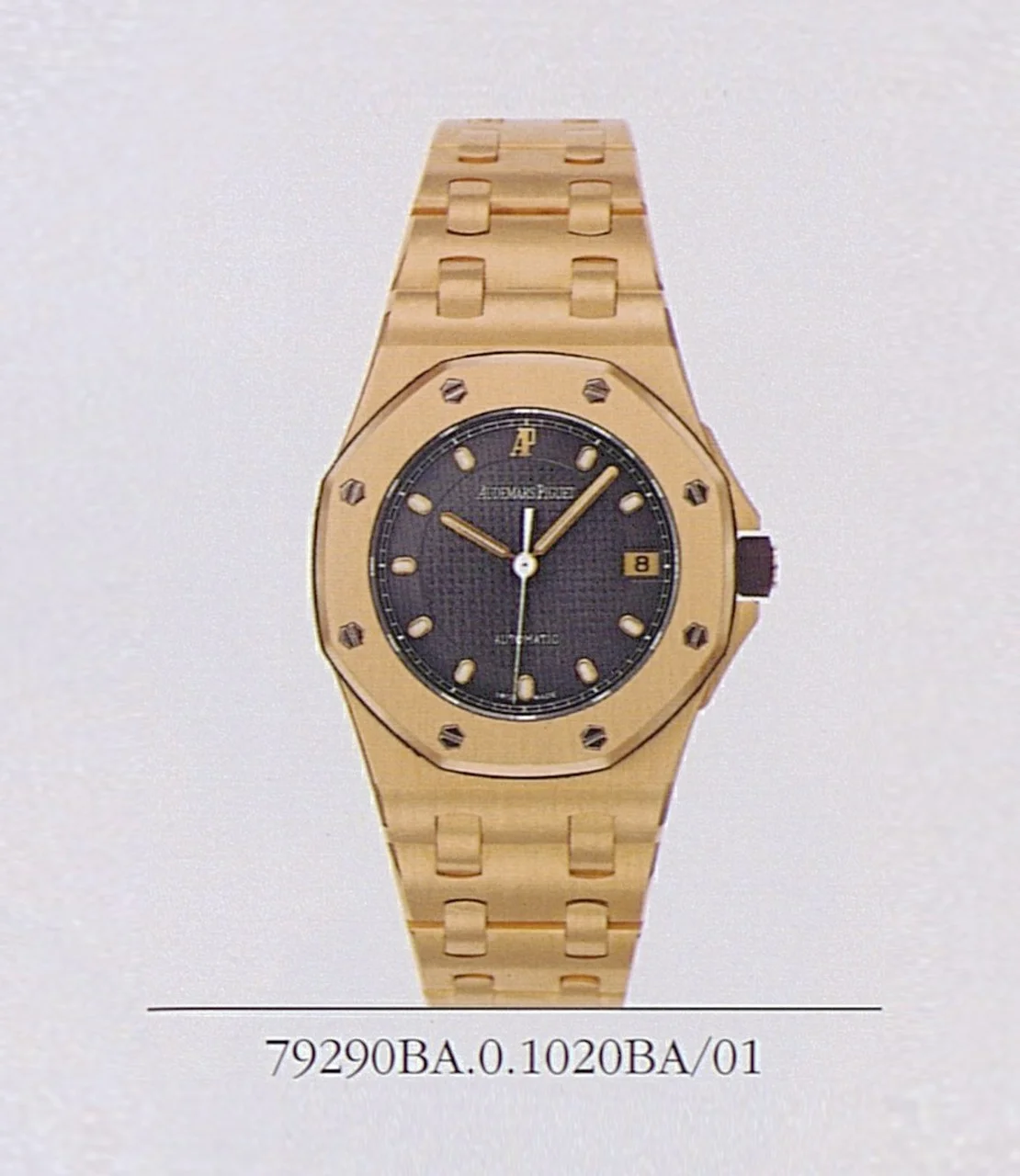
1996, Royal Oak Offshore Chronograph 79290BA. The first variant of the model remained in the Audemars Piguet catalogue from 1996 to 2001. 1996 advertising brochure. Audemars Piguet Archives.
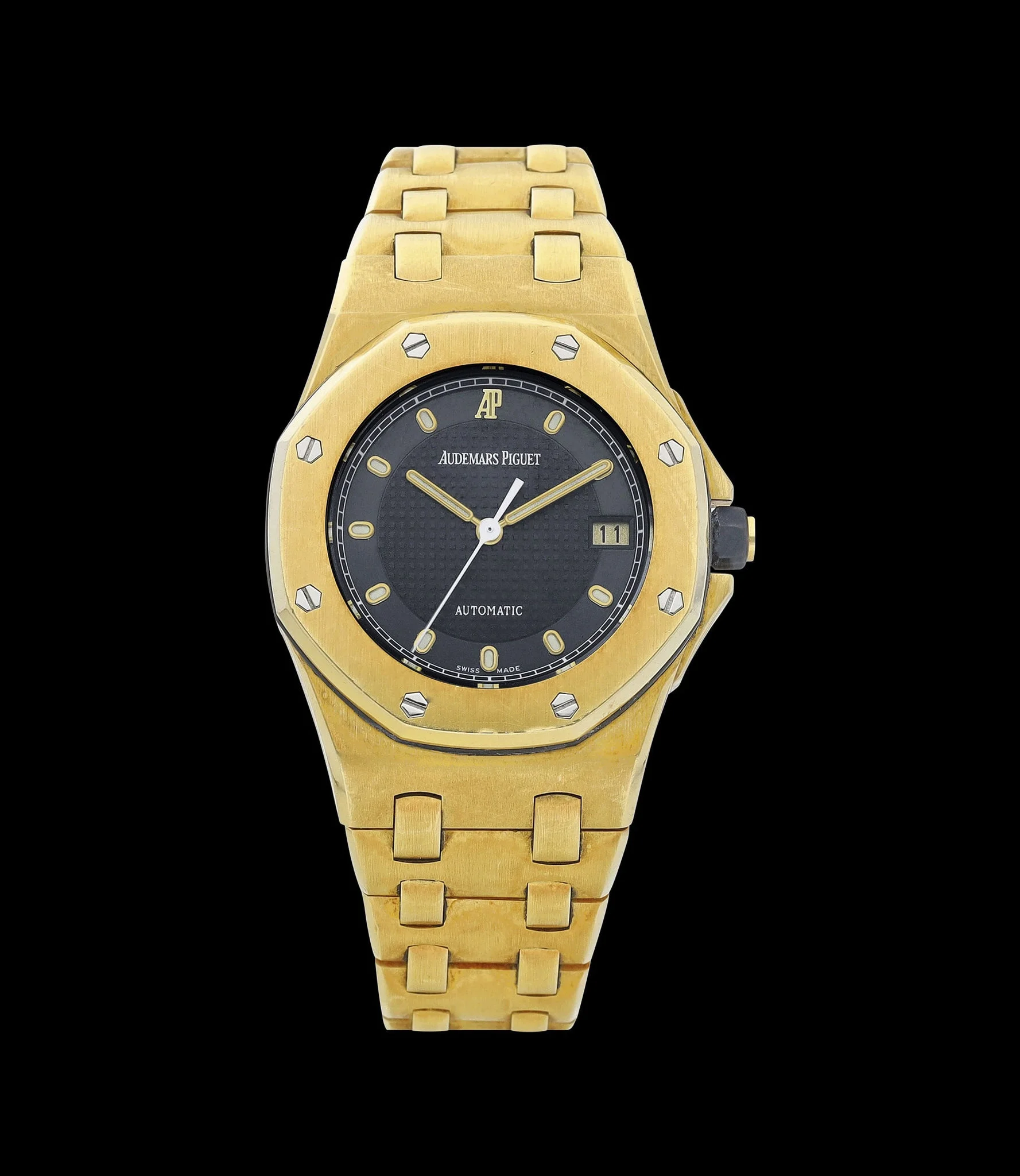
Circa 1996. Identification image of Model 79290BA. Audemars Piguet Archives.
Present in the Audemars Piguet catalogue for four years, the yellow gold variant of Model 79290 was distributed in a run of 72 units, three-quarters of which were sold in 1996 and 1997.
Sales from 1996 to 2001: a total of 72 units, of which 19 (1996), 34 (1997), 9 (1998), 6 (1999) and 4 (2001).
Present in the Audemars Piguet catalogue for four years, the yellow gold variant of Model 79290 was distributed in a run of 72 units, three-quarters of which were sold in 1996 and 1997.
Sales from 1996 to 2001: a total of 72 units, of which 19 (1996), 34 (1997), 9 (1998), 6 (1999) and 4 (2001).