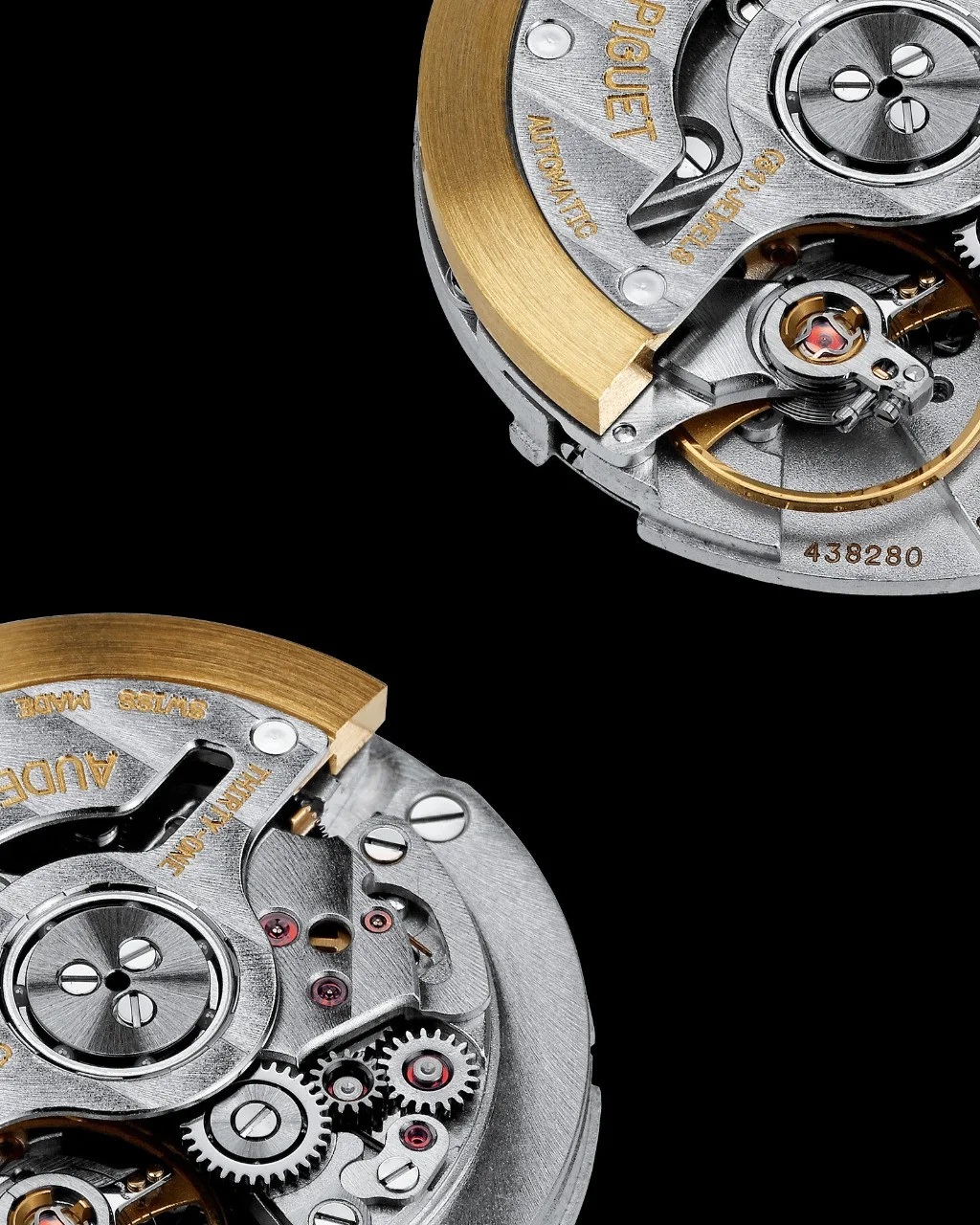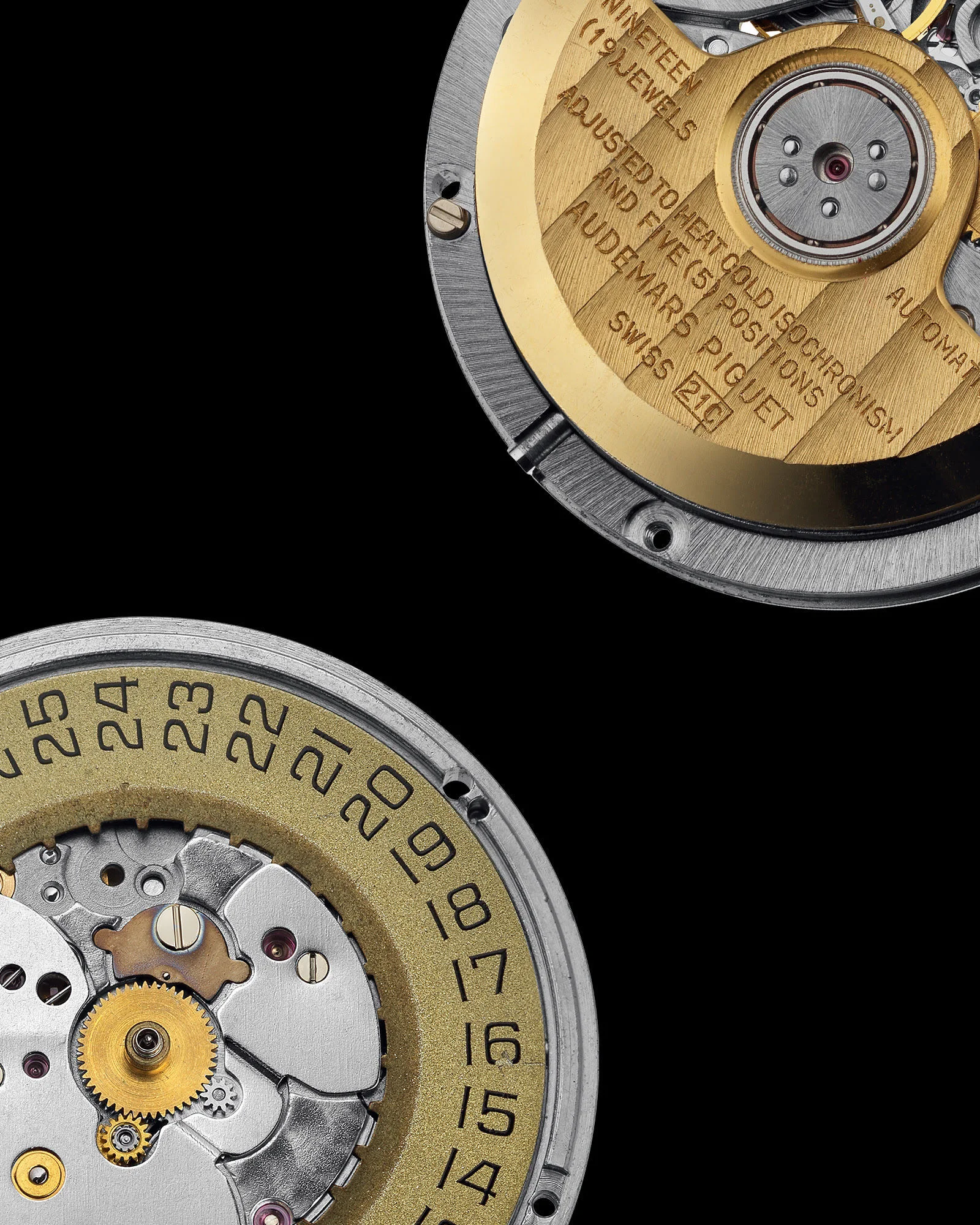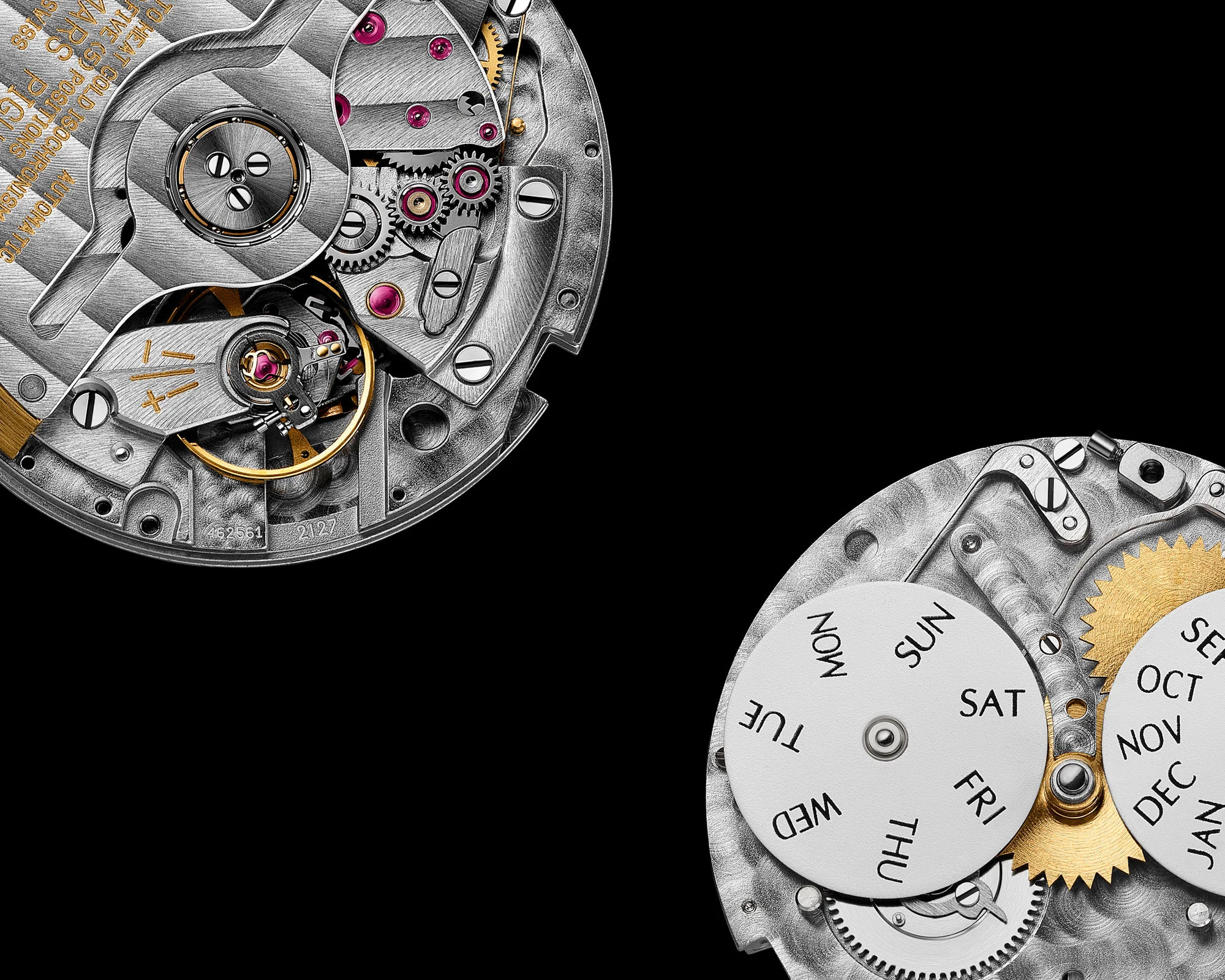
CALIBRE 2126/2840 and its derived versions 2226/2840 and 2326/3840

1986. Internal memo relating to the launch of chronograph Calibre 2126/1840 After Model 25644 was favourably receied at the 1986 Basel Fair, Georges-Henri Meylan increased production. Audemars Piguet Archives.

1986. Calibre 2126/2840. Technical drawing of the Dubois Dépraz 2840 chronograph under-dial work. Audemars Piguet Archives.

1985. Calibre 2126/2840. This cross-section provides a detailed view of the clutch and time-setting system. Plan drawn up by the Dubois Dépraz company. Audemars Piguet Archives.

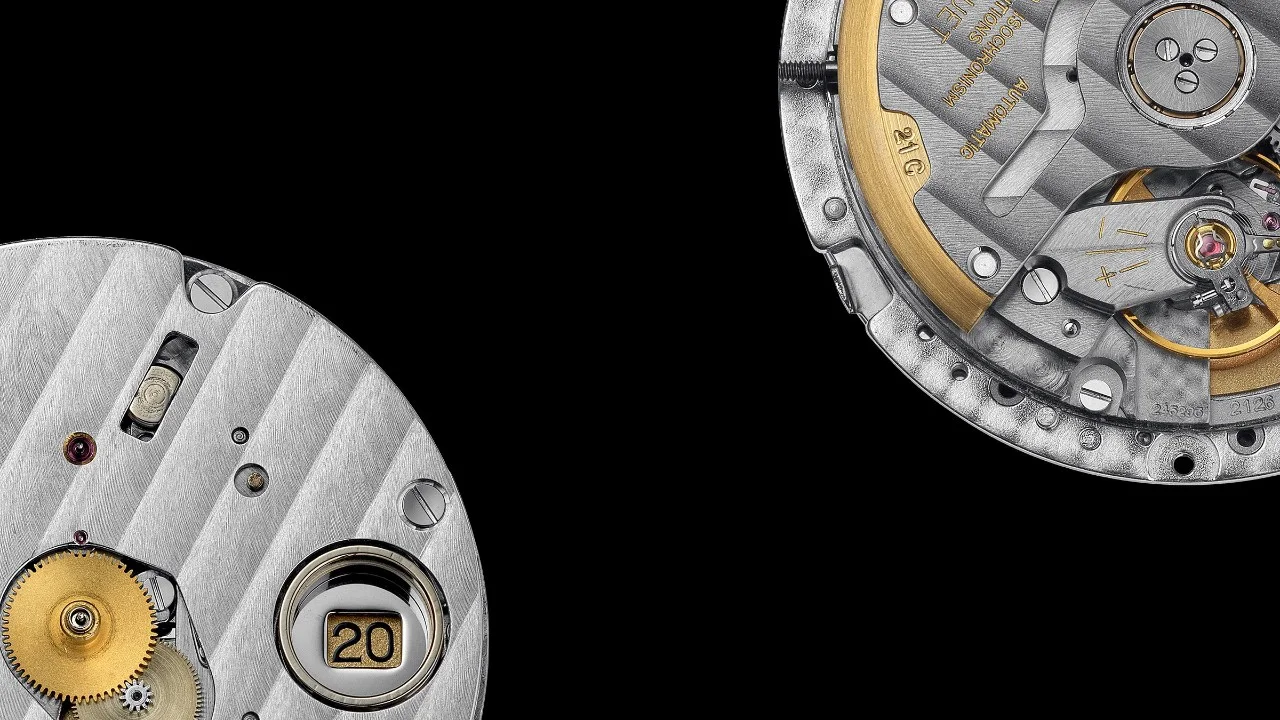
1986. Calibre 2126/2840. Jaeger-LeCoultre Movement "ébauche" 2126 (26 mm); Dubois Dépraz chronograph under-dial work (30 ). 6.15 mm thick. Hours ,minutes, small seconds, date, selfwinding. Movement 295243 made in 1988. Audemars Piguet Heritage.

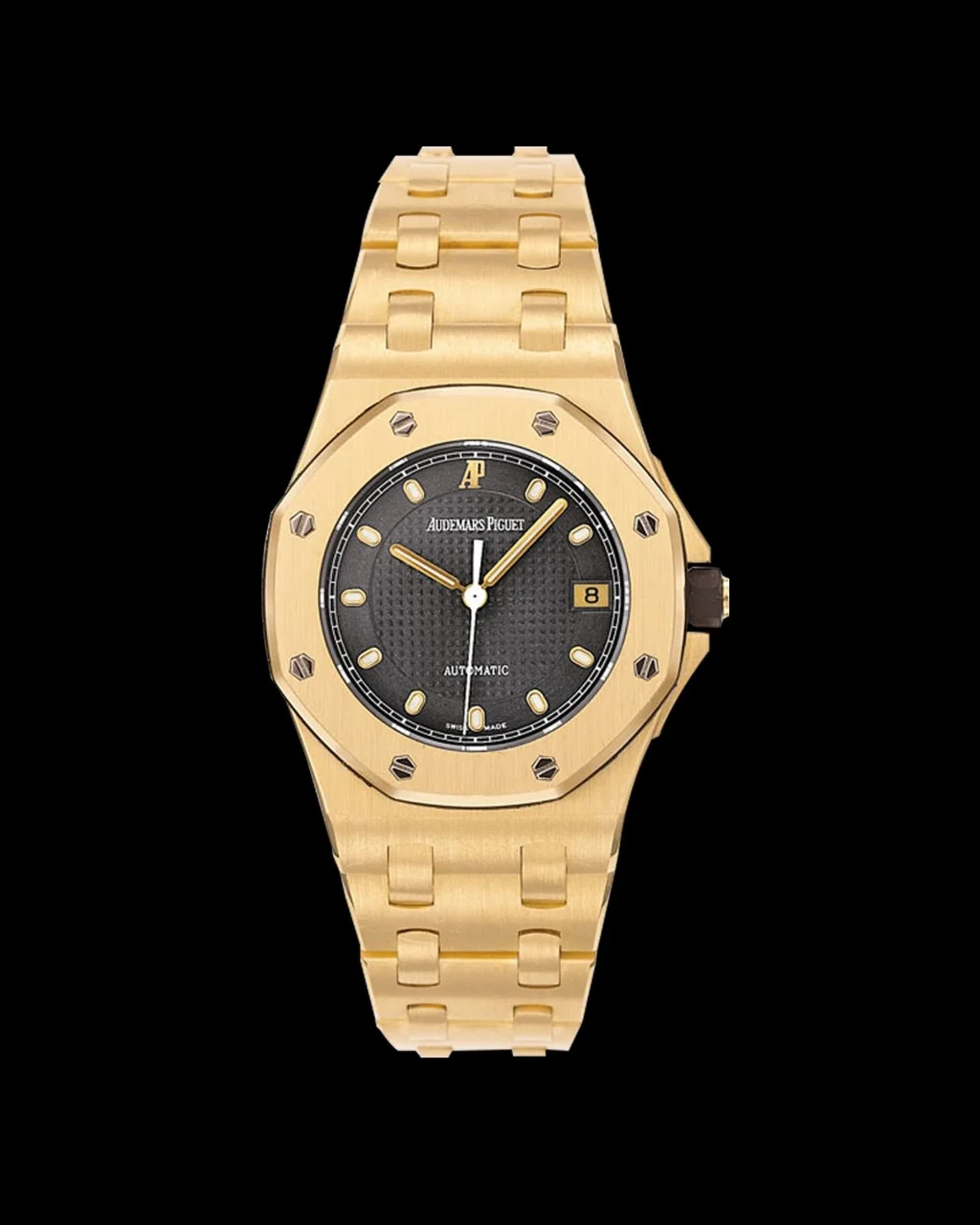
1987. “Huitième” 25645BA watch. . Chronograph, date, automatic winding. Calibre 2126/2840, Movement no. 245293. Case No. C38320 and yellow gold bracelet. Audemars Piguet, Heritage inv. 1124.

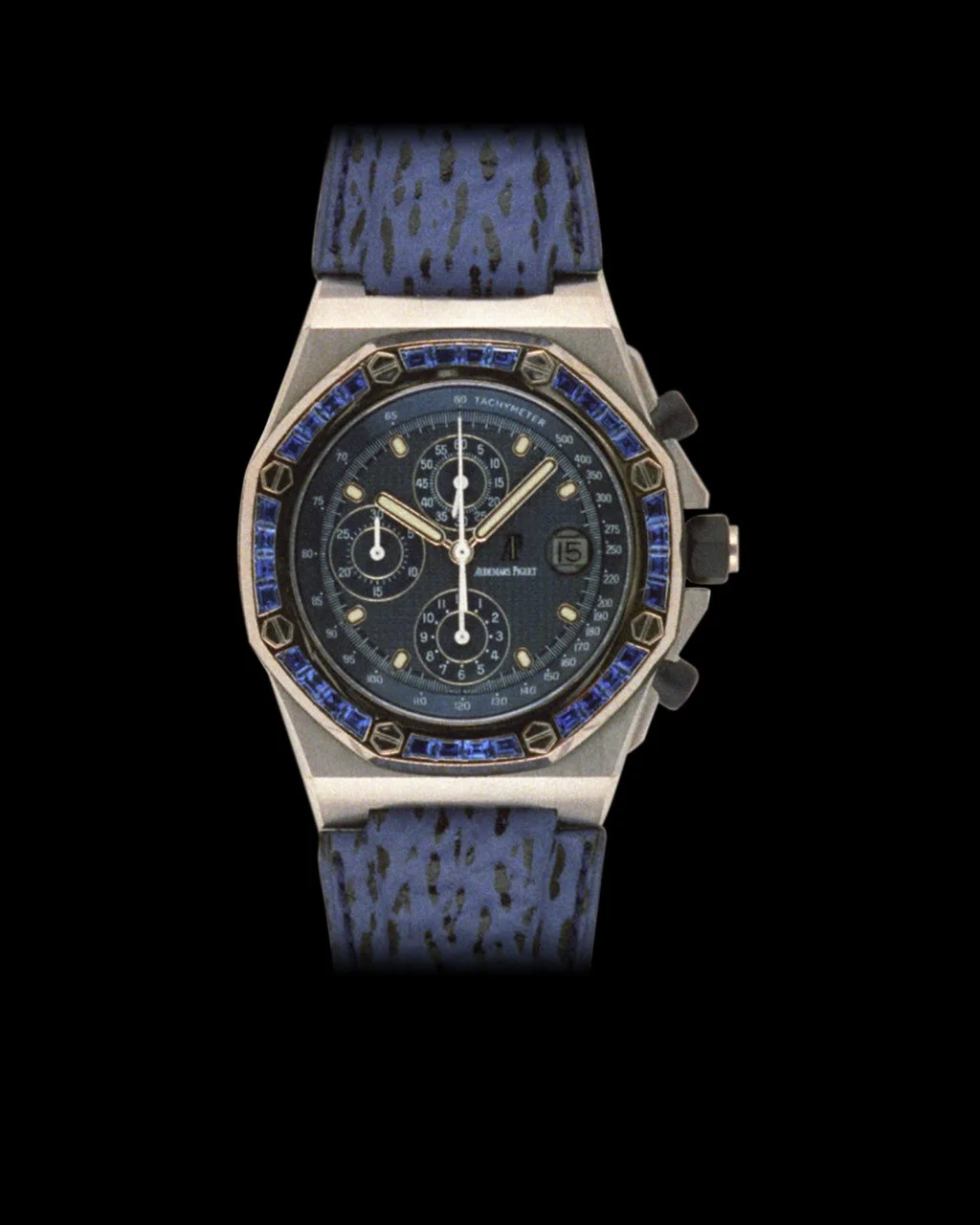
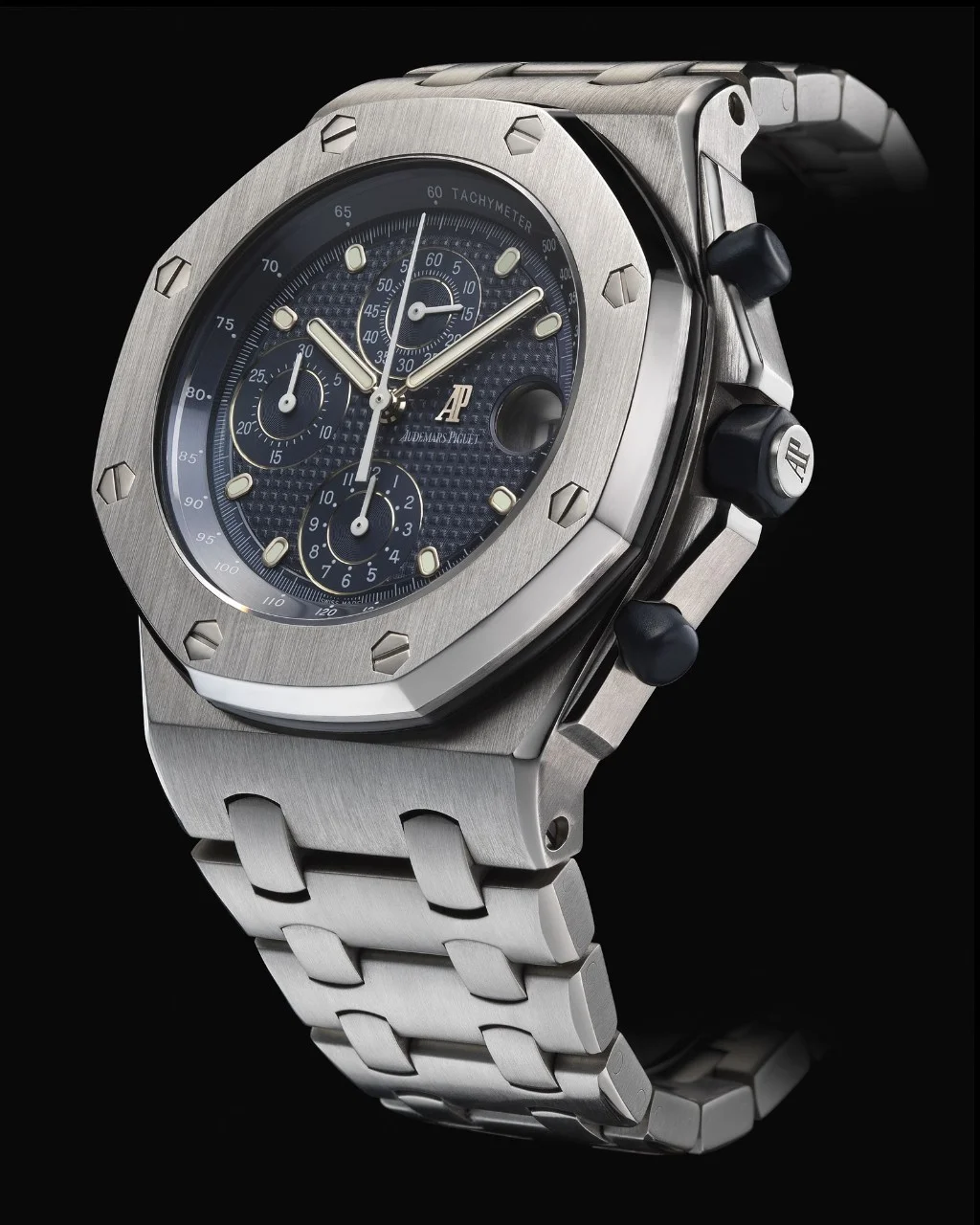
1993. Royal Oak Offshore 25721 no. 32. Chronograph, automatic winding, blue Petite Tapisserie dial.. Like the 100 first examples of Model 25721, this watch bears a Royal Oak engraving on the caseback, without the word Offshore. Calibre 2126/2840, Movement No. 369368. Steel 14.05 mm Case D23775.. Sold in Italy on December 13, 1993. Audemars Piguet Heritage, inv. 1382.
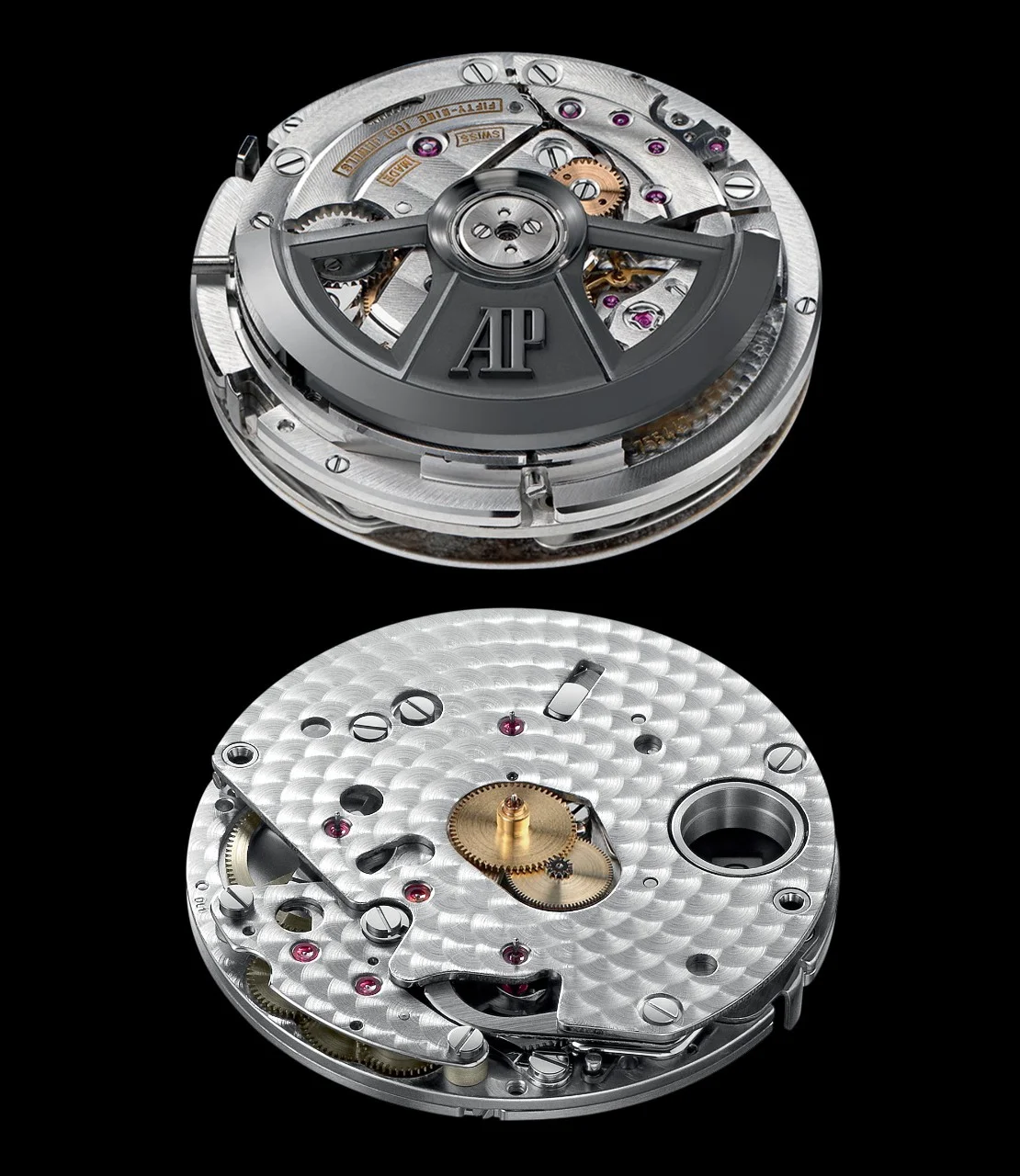
Circa 2010. Calibre 3126/3840 Self-winding base Calibre 3126 developed and made by Audemars Piguet. Chronograph under-dial work 3840 made by Dubois Dépraz. 13¾ lignes (29.9 mm), 7.16 mm, 50-hour power reserve. Images shot by Audemars Piguet in 2011 and 2012. Audemars Piguet Archives.
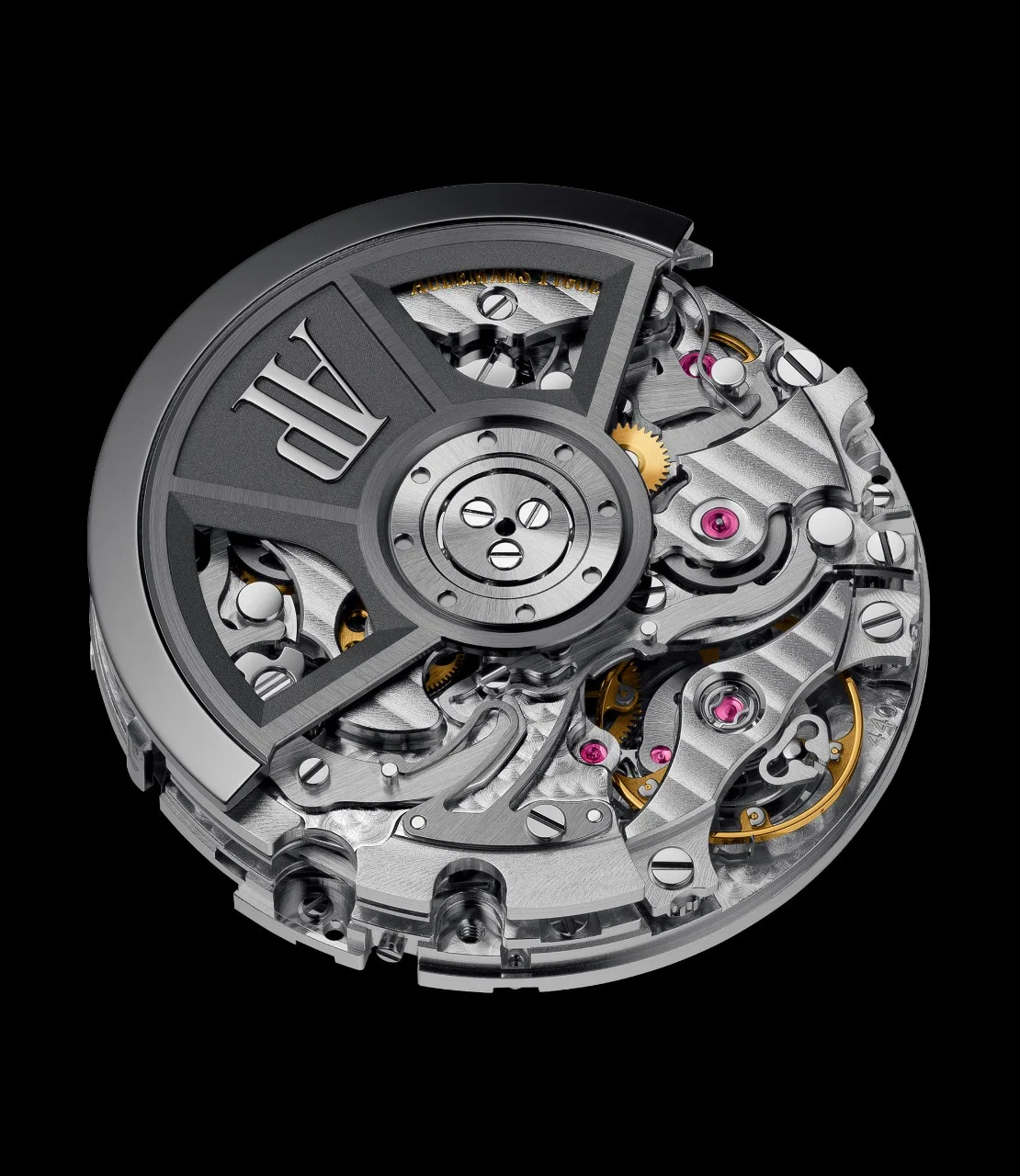
2021. Calibre 4401 Counter-type flyback chronograph developed, integrated and made by Audemars Piguet, launched in 2019. 14 lignes (32 mm), 6.8 mm, 70-hour power reserve. Variant dedicated to the Royal Oak Offshore 43 mm 26420TI.
Mechanism
Selfwinding
Functions
Hours, minutes, small seconds, chronograph, date.
Diameter
29.9 mm (13 lignes)
Thickness
6.15 mm
Frequency
21,600 vph (3Hz)
Power Reserve
42 h
Jewels
51
Dates
1986-2003
Movement Blank
Jaeger-LeCoultre 889 (et 900) and Dubois Dépraz 2000 (A9)
Like its reference number, the history of Calibre 2126/2840 has two parts: on the one hand, base Calibre 2126; and on the other, its additional chronograph mechanism (under-dial work) 2840. These two elements were designed for each other, yet were nonetheless developed and manufactured by two different companies in the Vallée de Joux and featured different diameters, different degrees of longevity and different development rhythms in terms of their technical evolutions.
Produced by Jaeger-LeCoultre in the village of Le Sentier, selfwinding base Calibre 2126 belongs to the large family of 11½-ligne (or 26 mm) calibres, known at JLC under No. 889 – and which at Audemars Piguet notably includes Calibres 2123 (from 1980), 2124, 2125, 2126 and 2127. This family was born in the 1980s and evolved until the 2010s. From 1997, several technical evolutions –including the transition to the high 4 Hertz frequency (28,800 vph rather than 21,600 vph) – are reflected in the evolution of the names: the calibres were given reference numbers 2224, 2225, 2226, etc... A third technical generation followed from 2004 onward, under the names 2324, 2325, 2326, etc.
Meanwhile, the 2840 chronograph under-dial work was made by Dubois Dépraz in its workshops located a stone's throw from the Lac de Joux in the village of Le Lieu. Until then, Audemars Piguet had equipped its chronograph wristwatches with a hand-wound Valjoux calibre. Wishing to add automatic winding, the Le Brassus watchmakers commissioned their neighbour and partner in Le Lieu in 1981 to develop an additional mechanism that could be combined with base Calibre 2125 (soon thereafter adapted to become the 2126).
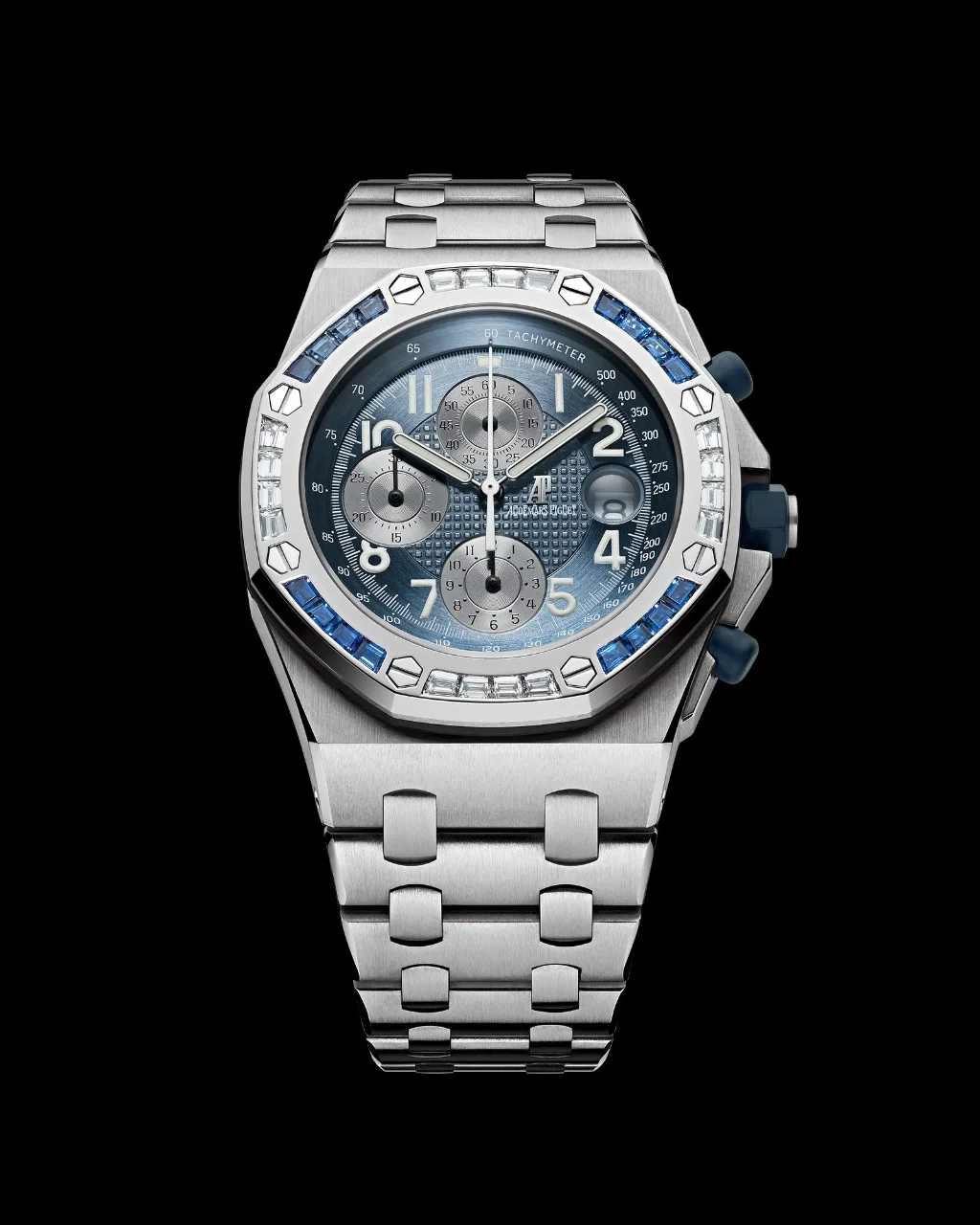
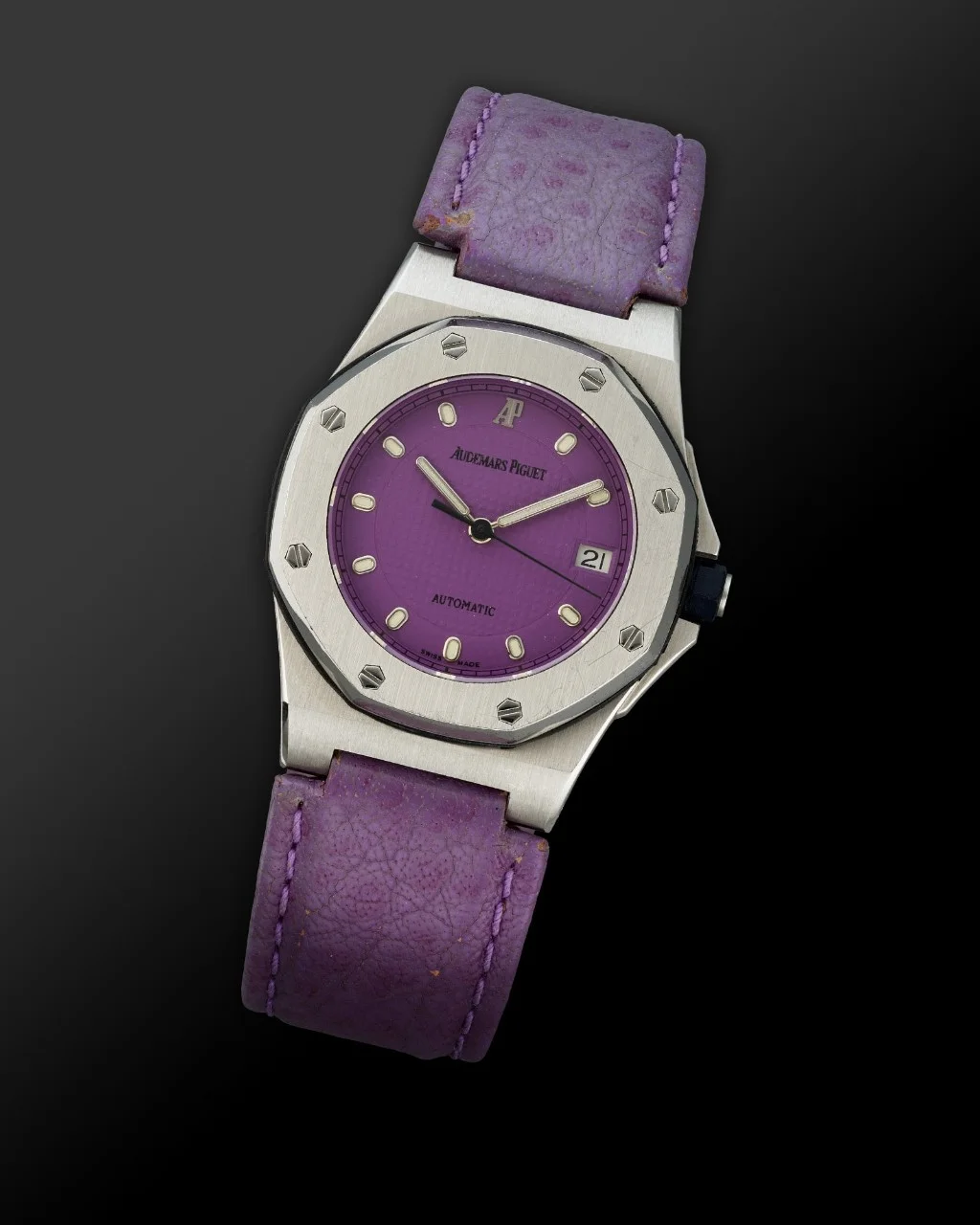
While the project progressed slowly, the Italian market became insistent and in 1986”Huitème" Model 25644 became the very first Audemars Piguet wristwatch equipped with a selfwinding chronograph calibre (2126/2840). A few years later, this same calibre was naturally chosen to equip the first Royal Oak Offshore (25721), of which the origins are described here. Until the early 21st century, Calibre 2126/2840 (and subsequently 2226/1840) accompanied the development of the Royal Oak Offshore collection, but from 2003 onwards, the 2226 base calibre (still produced by Jaeger-LeCoultre) was gradually replaced by Calibre 3126, entirely developed and produced in the Manufacture Audemars Piguet. It should be noted, however, that the chronograph under-dial work continued to be made by Dubois Dépraz, adapted and renamed"3840". From that point on, the calibre of the Royal Oak Offshore 42 mm 25721 (and its successor 26170) was named 3126/3840. It was not until 2021 that Royal Oak Offshore watches were fitted with integrated chronographs entirely developed and produced by Audemars Piguet (Calibres 4404 and 4401).
This long and complex history, as well as the disparate nature of the archives, makes it difficult to record sales. The records show that 42,184 units of Calibres 2126/2840, 2226/2840 and 3126/3840 were sold between 1986 and 2014. They also indicate that 2,8622 units of Calibre 2126 and its 2226 evolved version were sold between 1986 and 2012. Furthermore, we have identified 54,747 examples of the 2840 (and 3840) between 1986 and 2013. Finally, records show 13,562 units of Calibre 3126/3840 as having been produced from 2007 to 2014. One should recall that production continued until 2021.
It is worth noting that Calibre 2840 (and its 3840 evolution) were used as the basis for the 2839 and 2845 derived versions.
Like its reference number, the history of Calibre 2126/2840 has two parts: on the one hand, base Calibre 2126; and on the other, its additional chronograph mechanism (under-dial work) 2840. These two elements were designed for each other, yet were nonetheless developed and manufactured by two different companies in the Vallée de Joux and featured different diameters, different degrees of longevity and different development rhythms in terms of their technical evolutions.
Produced by Jaeger-LeCoultre in the village of Le Sentier, selfwinding base Calibre 2126 belongs to the large family of 11½-ligne (or 26 mm) calibres, known at JLC under No. 889 – and which at Audemars Piguet notably includes Calibres 2123 (from 1980), 2124, 2125, 2126 and 2127. This family was born in the 1980s and evolved until the 2010s. From 1997, several technical evolutions –including the transition to the high 4 Hertz frequency (28,800 vph rather than 21,600 vph) – are reflected in the evolution of the names: the calibres were given reference numbers 2224, 2225, 2226, etc... A third technical generation followed from 2004 onward, under the names 2324, 2325, 2326, etc.
Meanwhile, the 2840 chronograph under-dial work was made by Dubois Dépraz in its workshops located a stone's throw from the Lac de Joux in the village of Le Lieu. Until then, Audemars Piguet had equipped its chronograph wristwatches with a hand-wound Valjoux calibre. Wishing to add automatic winding, the Le Brassus watchmakers commissioned their neighbour and partner in Le Lieu in 1981 to develop an additional mechanism that could be combined with base Calibre 2125 (soon thereafter adapted to become the 2126).
While the project progressed slowly, the Italian market became insistent and in 1986”Huitème" Model 25644 became the very first Audemars Piguet wristwatch equipped with a selfwinding chronograph calibre (2126/2840). A few years later, this same calibre was naturally chosen to equip the first Royal Oak Offshore (25721), of which the origins are described here. Until the early 21st century, Calibre 2126/2840 (and subsequently 2226/1840) accompanied the development of the Royal Oak Offshore collection, but from 2003 onwards, the 2226 base calibre (still produced by Jaeger-LeCoultre) was gradually replaced by Calibre 3126, entirely developed and produced in the Manufacture Audemars Piguet. It should be noted, however, that the chronograph under-dial work continued to be made by Dubois Dépraz, adapted and renamed"3840". From that point on, the calibre of the Royal Oak Offshore 42 mm 25721 (and its successor 26170) was named 3126/3840. It was not until 2021 that Royal Oak Offshore watches were fitted with integrated chronographs entirely developed and produced by Audemars Piguet (Calibres 4404 and 4401).
This long and complex history, as well as the disparate nature of the archives, makes it difficult to record sales. The records show that 42,184 units of Calibres 2126/2840, 2226/2840 and 3126/3840 were sold between 1986 and 2014. They also indicate that 2,8622 units of Calibre 2126 and its 2226 evolved version were sold between 1986 and 2012. Furthermore, we have identified 54,747 examples of the 2840 (and 3840) between 1986 and 2013. Finally, records show 13,562 units of Calibre 3126/3840 as having been produced from 2007 to 2014. One should recall that production continued until 2021.
It is worth noting that Calibre 2840 (and its 3840 evolution) were used as the basis for the 2839 and 2845 derived versions.