Calibre 5020

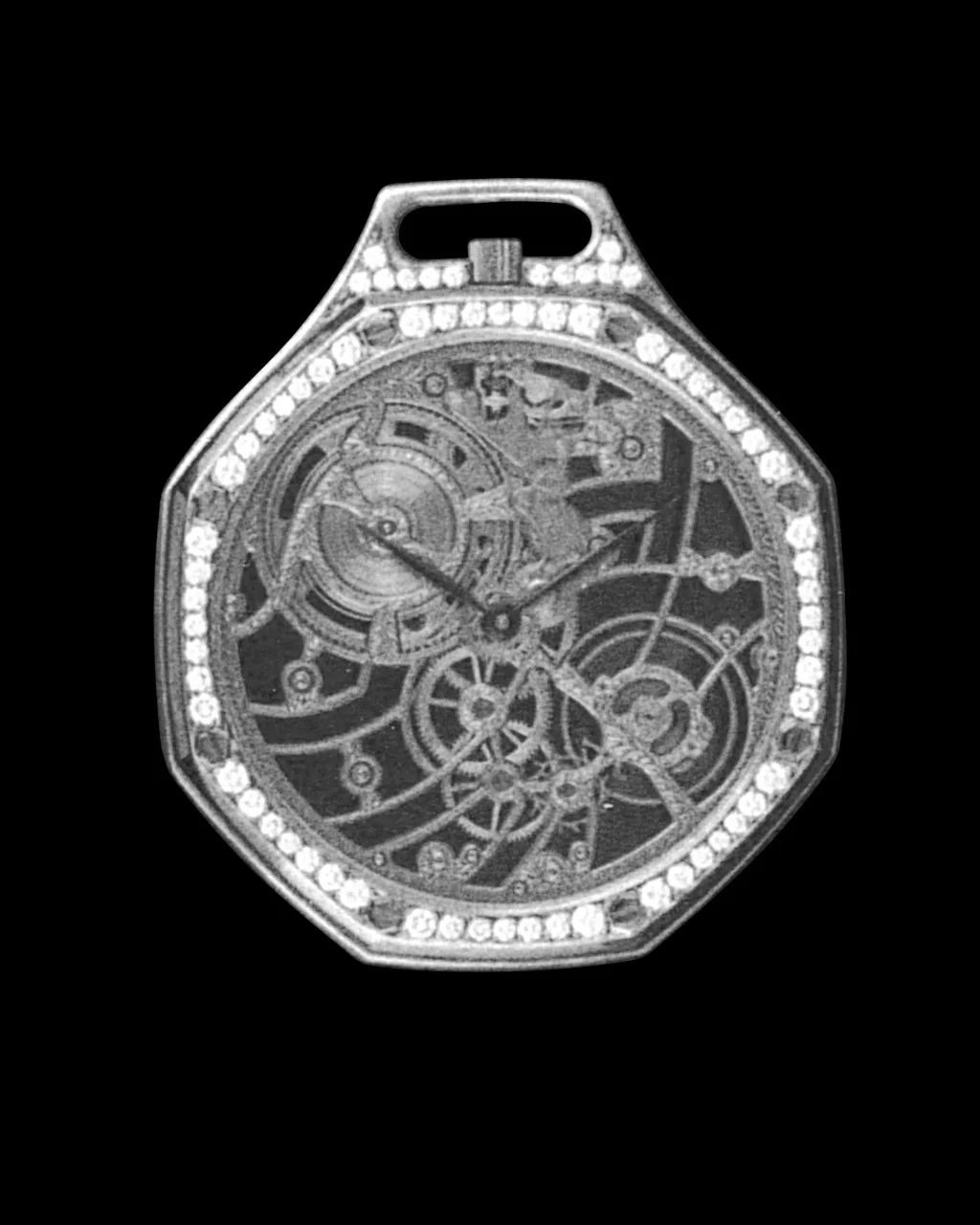
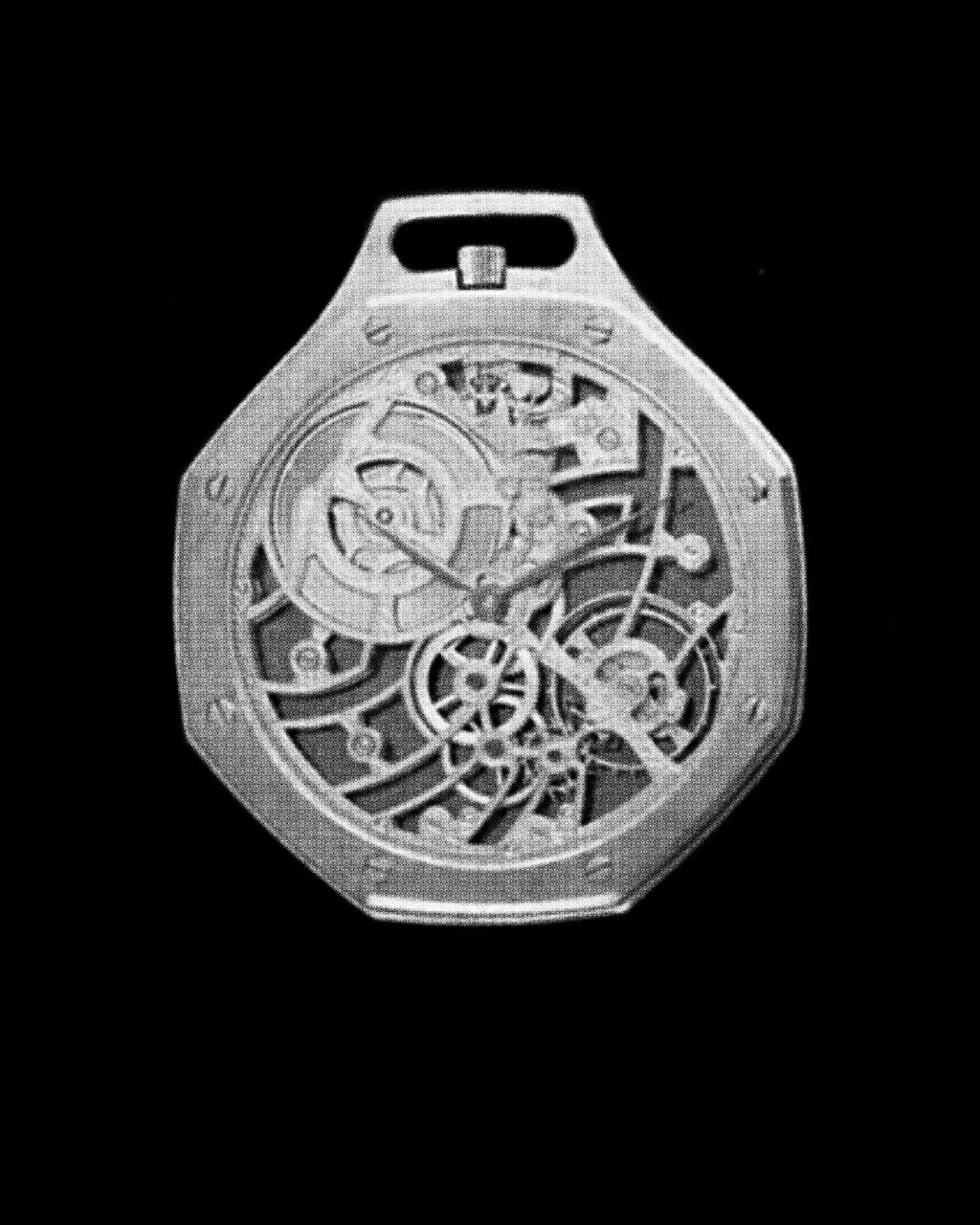
1979. Calibre 5020, caseback side. Diameter of 34.64mm (16 lignes), extra-thin (1.9 mm). Hours, minutes, 20 jewels. Movement 227380. Cased up in 1980 in a 5691BA Royal Oak pocket watch. Audemars Piguet Heritage, inv. 894.

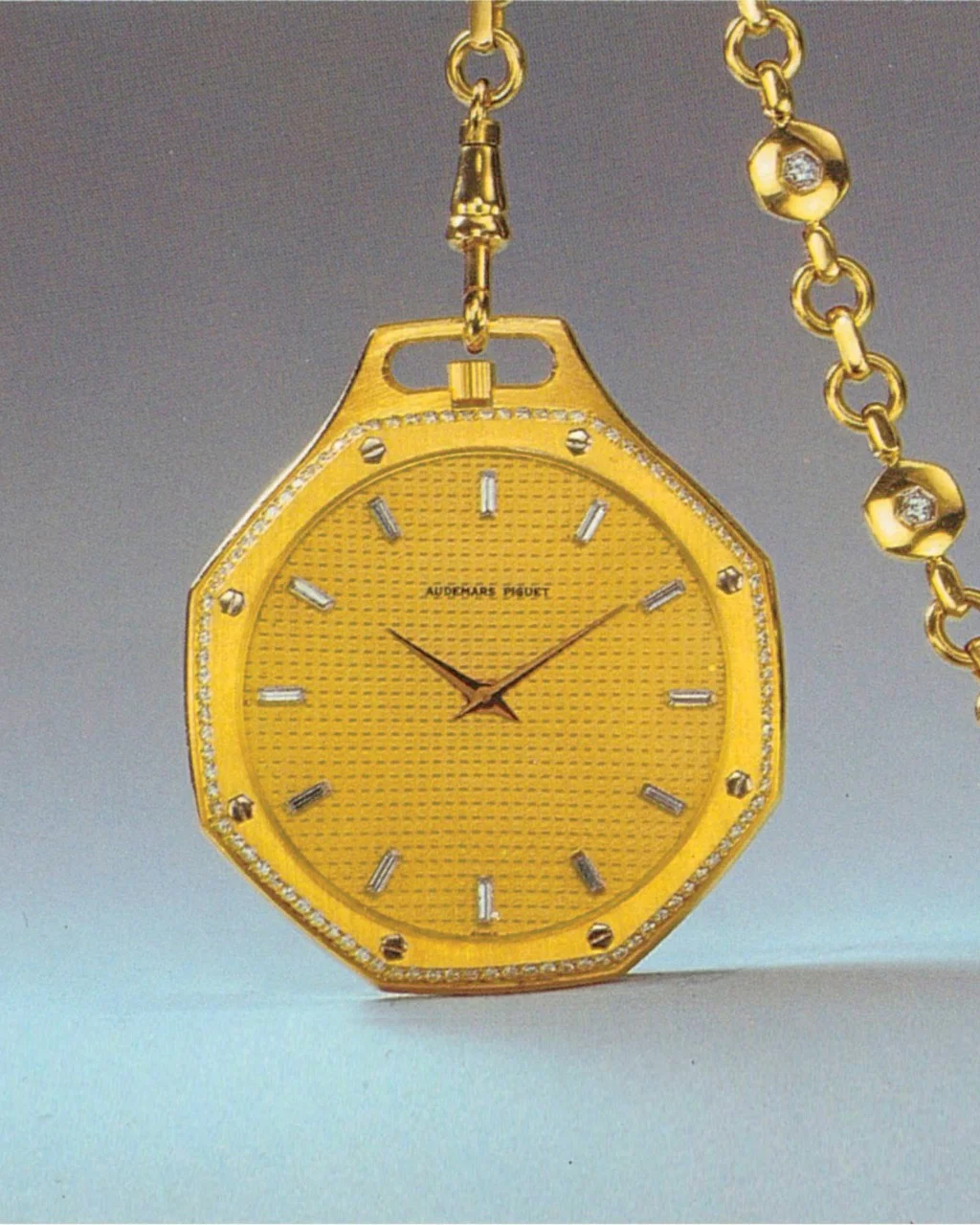
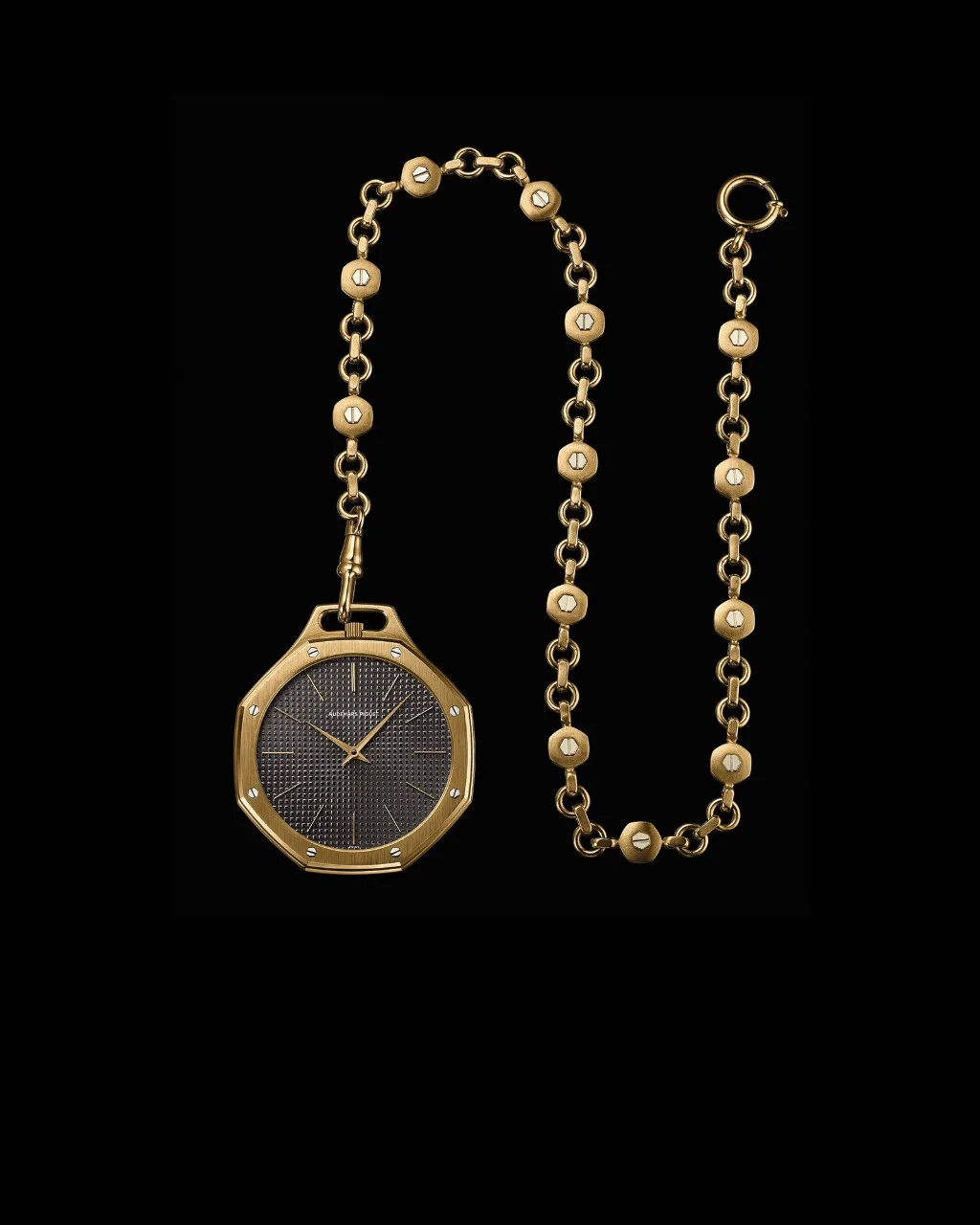
1979. Calibre 5020, dial side. Diameter of 34.64mm (16 lignes), extra-thin (1.9 mm). Hours, minutes, 20 jewels. Movement 227380. Cased up in 1980 in a 5691BA Royal Oak pocket watch. Audemars Piguet Heritage, inv. 894

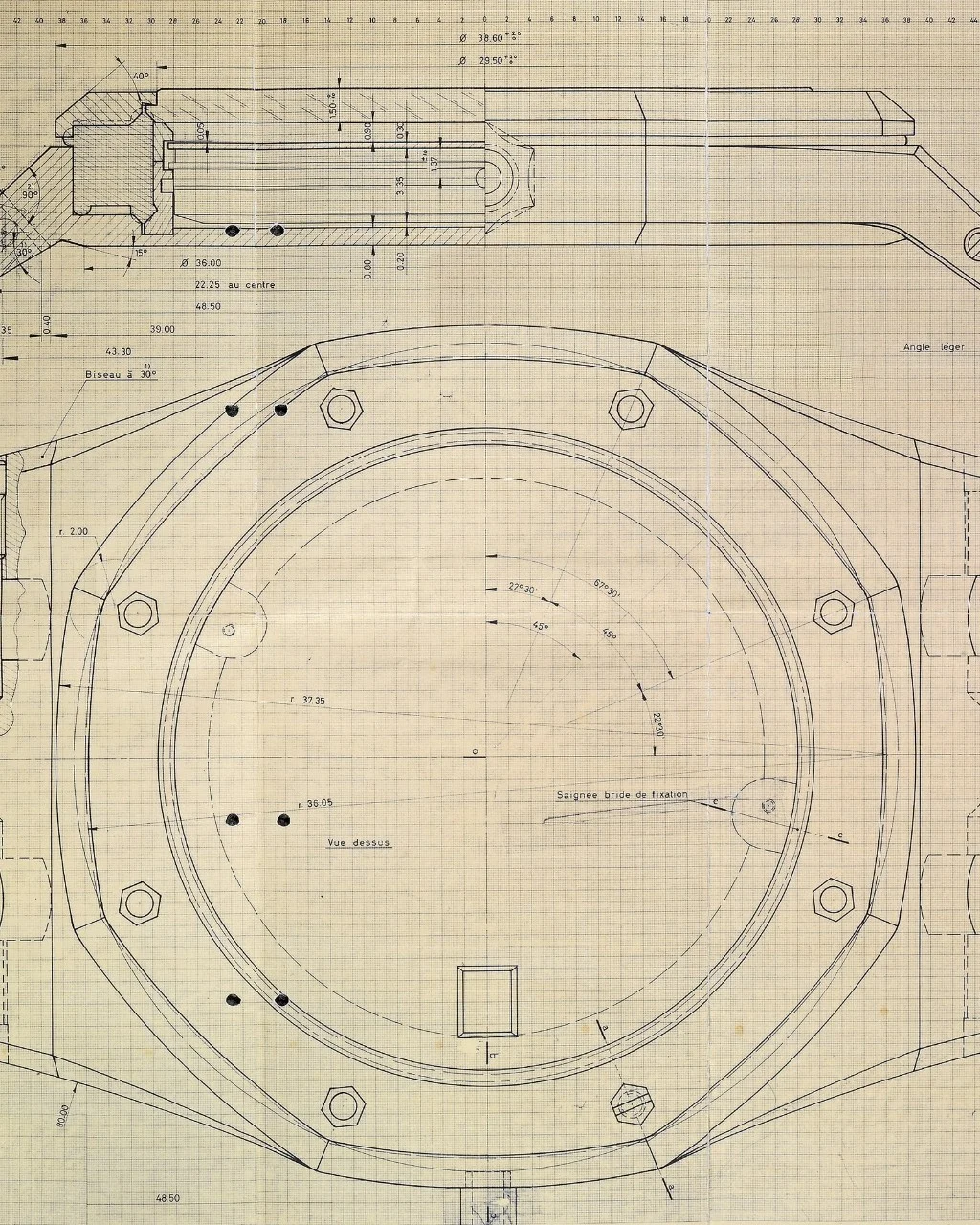
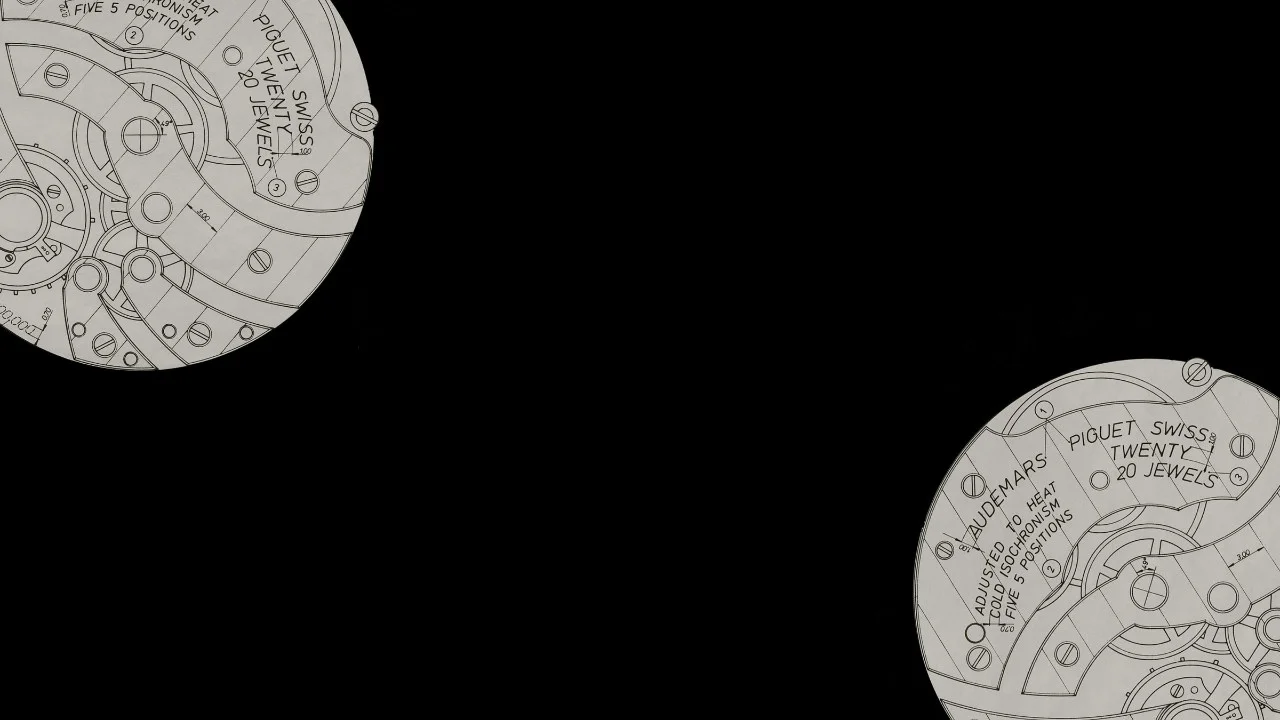
Circa 1979. Plan of Calibre 5020 Audemars Piguet Archives.

Circa 1985. Technical guide for watchmaker repairers. Audemars Piguet Archives.
Mechanism
Hand-wound
Functions
hours, minutes
Diameter
35.6 mm (16 lignes)
Thickness
1.9 mm
Frequency
21,600 vph
Power Reserve
42 hours
Jewels
20
Particularity
cover-free barrel
Dates
from 1979
Movement Blank
Frédéric Piguet (152)
Derivatives
5020/2817 (1994), 5020/2819, 5021/2820 (1980), 5025/2821 (1981), 5025/2822, 5025/2825, 5025 (1981), 5026/2813
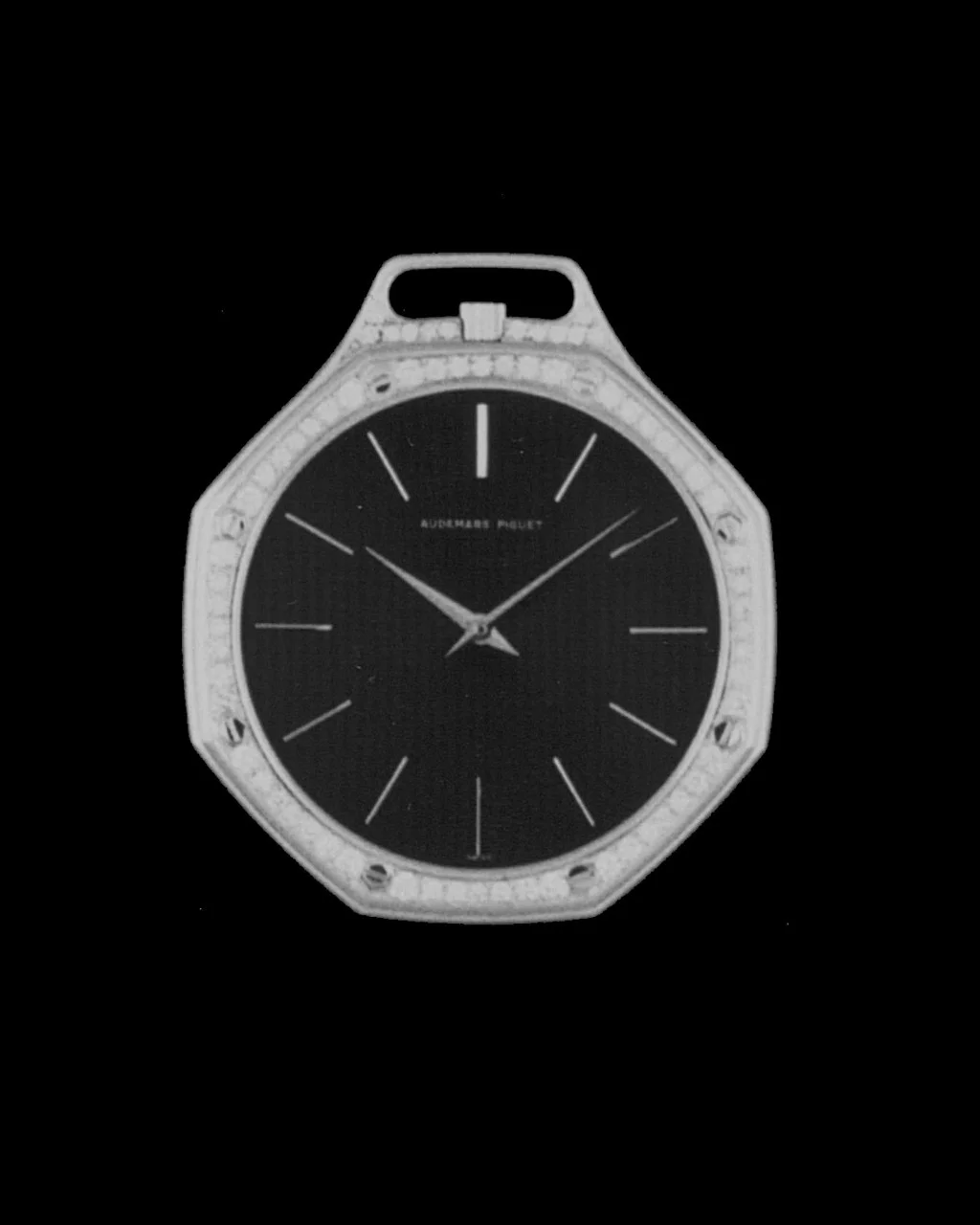
Combining impressive thinness (at just 1.9 mm thick) with a large diameter (35.6 mm), this calibre was used to equip pocket watches, starting with the Royal Oak 5691 (1979), followed by Models 5709, 5710, 5745 and 5746 in the early 1980s, and then Models 35797, 35798 and 35801 in the early 1990s. Apart from the Royal Oak, several round pocket watches were equipped with this calibre, notably the perpetual calendar Models 5555 and 5559.
Between 1979 and 1995, more than 1,000 Calibres 5020 were produced, including more than 300 openworked versions. In 1982, a variation with a perpetual calendar was added, Calibre 5020/2820, of which just under 200 were produced, including about 50 openworked models. This was followed by a starwheel (wandering hours) variation in the mid-1990s. These figures come from statistics produced in 1995 and could only be confirmed by an exhaustive examination of the company archives.
Calibre 5020 is the successor to the 5017 (IWC "ébauche", ref. 952) from the 1960s–1970s. The 5020 "ébauche" came from the workshops of Frédéric Piguet in Le Brassus, a company founded by the famous Louis Elisée Piguet, with whom Audemars Piguet had created exceptional watches as early as the 19th century, in particular the Universelle (1899), which comprised 21 complications.
Around 1988, Calibre 5025 added a small seconds hand to the base calibre. It was fitted in several Royal Oak pocket watches, available in simple variations (35796, 35800) or with a perpetual calendar (25728, 25729).
Combining impressive thinness (at just 1.9 mm thick) with a large diameter (35.6 mm), this calibre was used to equip pocket watches, starting with the Royal Oak 5691 (1979), followed by Models 5709, 5710, 5745 and 5746 in the early 1980s, and then Models 35797, 35798 and 35801 in the early 1990s. Apart from the Royal Oak, several round pocket watches were equipped with this calibre, notably the perpetual calendar Models 5555 and 5559.
Between 1979 and 1995, more than 1,000 Calibres 5020 were produced, including more than 300 openworked versions. In 1982, a variation with a perpetual calendar was added, Calibre 5020/2820, of which just under 200 were produced, including about 50 openworked models. This was followed by a starwheel (wandering hours) variation in the mid-1990s. These figures come from statistics produced in 1995 and could only be confirmed by an exhaustive examination of the company archives.
Calibre 5020 is the successor to the 5017 (IWC "ébauche", ref. 952) from the 1960s–1970s. The 5020 "ébauche" came from the workshops of Frédéric Piguet in Le Brassus, a company founded by the famous Louis Elisée Piguet, with whom Audemars Piguet had created exceptional watches as early as the 19th century, in particular the Universelle (1899), which comprised 21 complications.
Around 1988, Calibre 5025 added a small seconds hand to the base calibre. It was fitted in several Royal Oak pocket watches, available in simple variations (35796, 35800) or with a perpetual calendar (25728, 25729).