Calibre 2124/2825

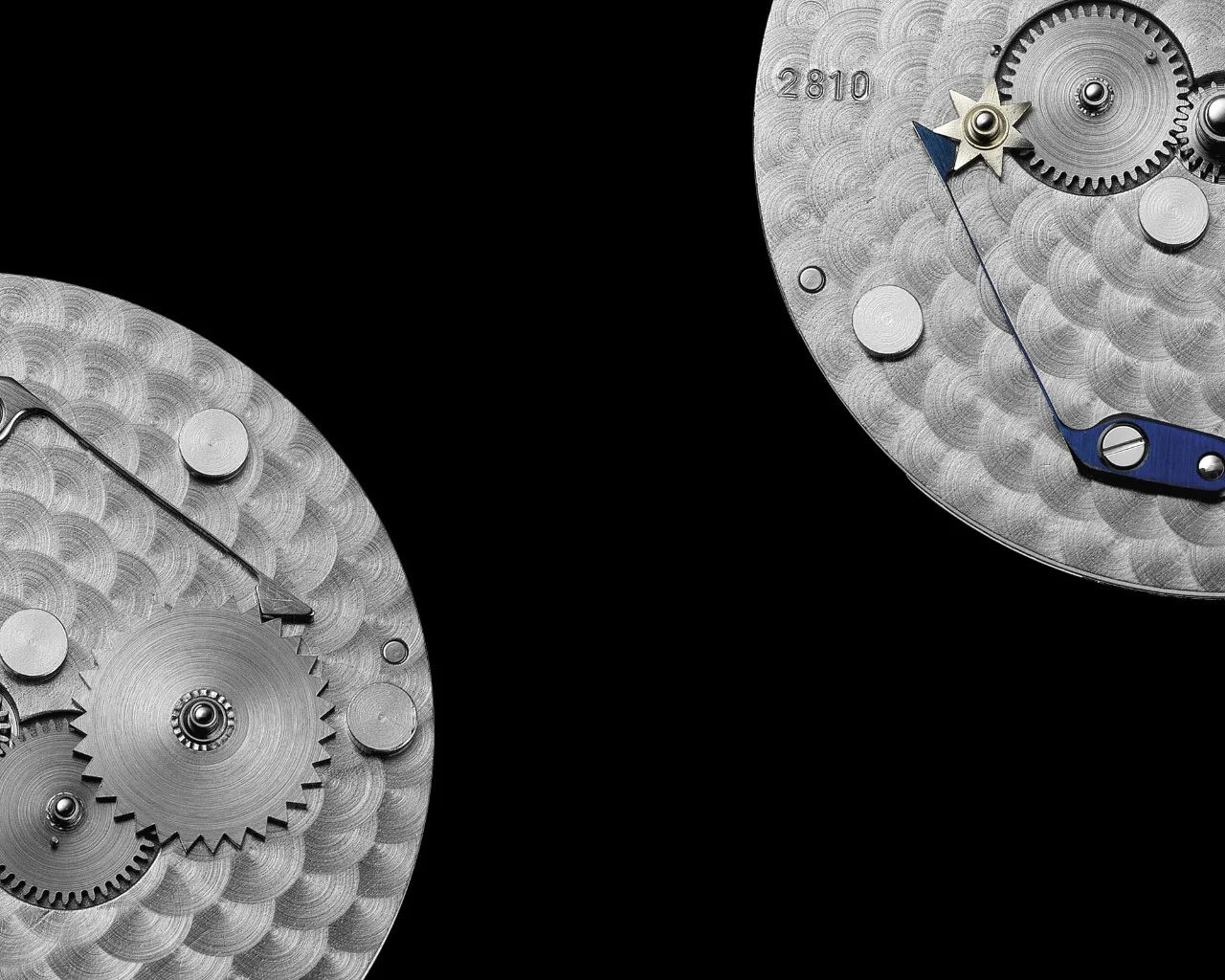
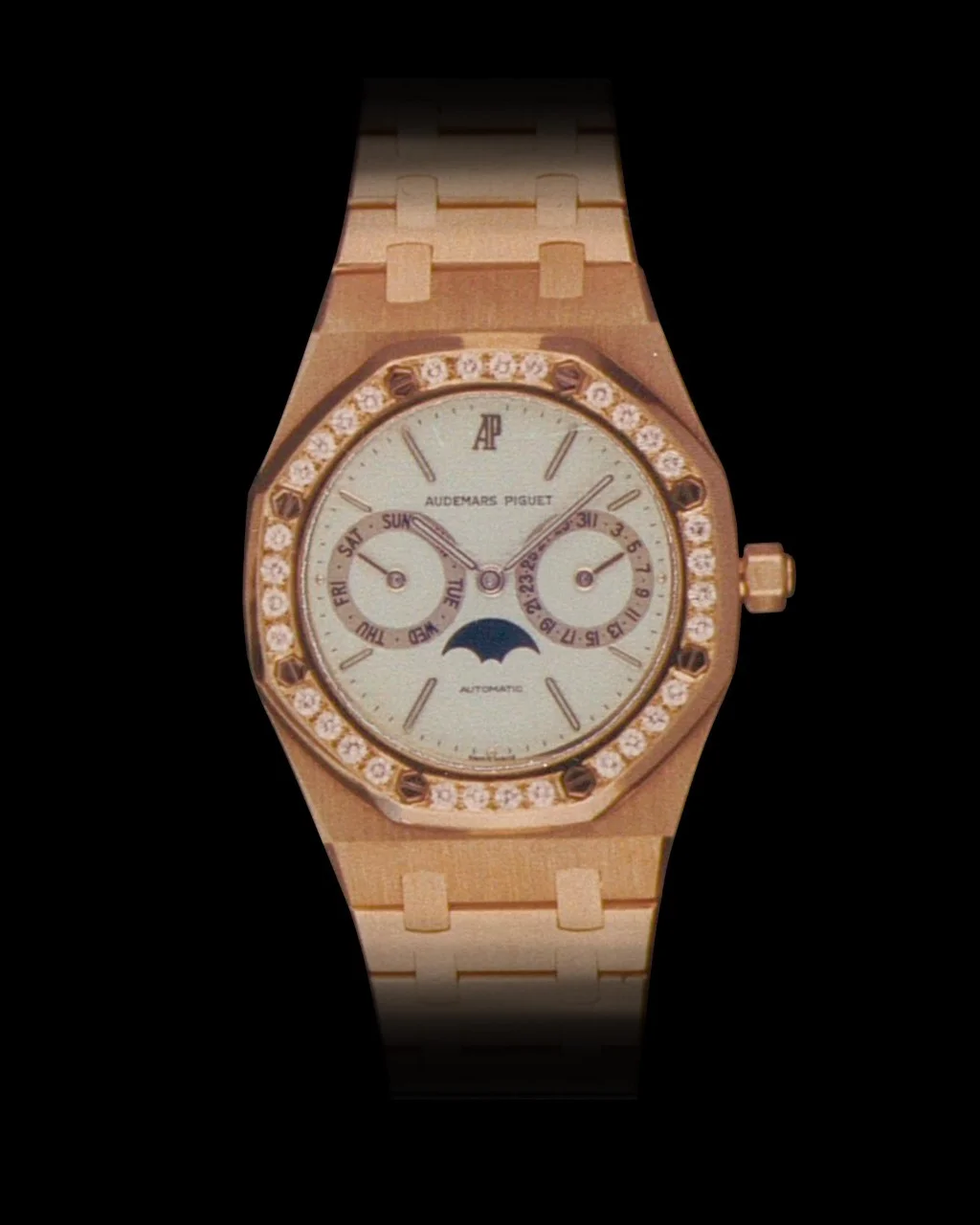
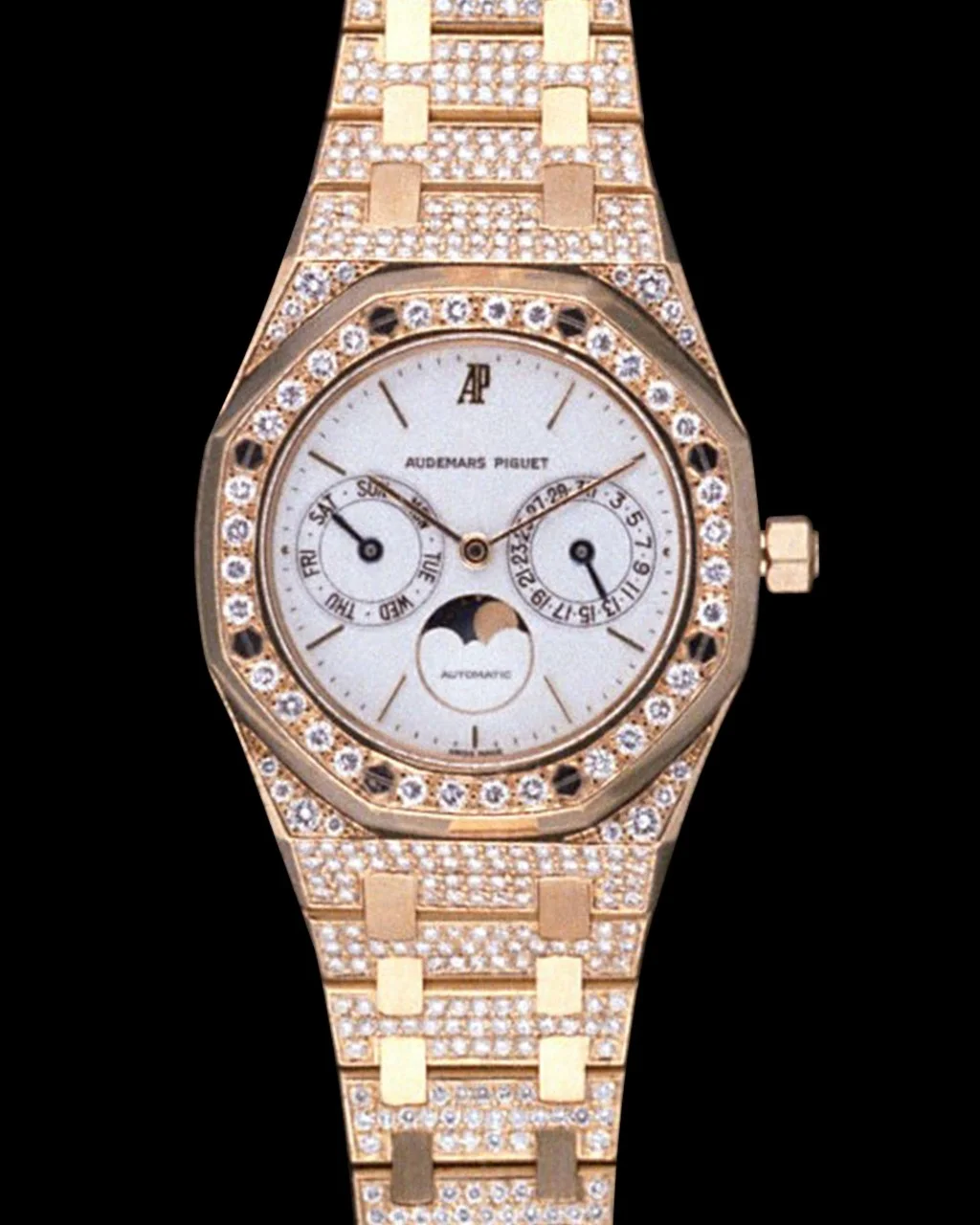
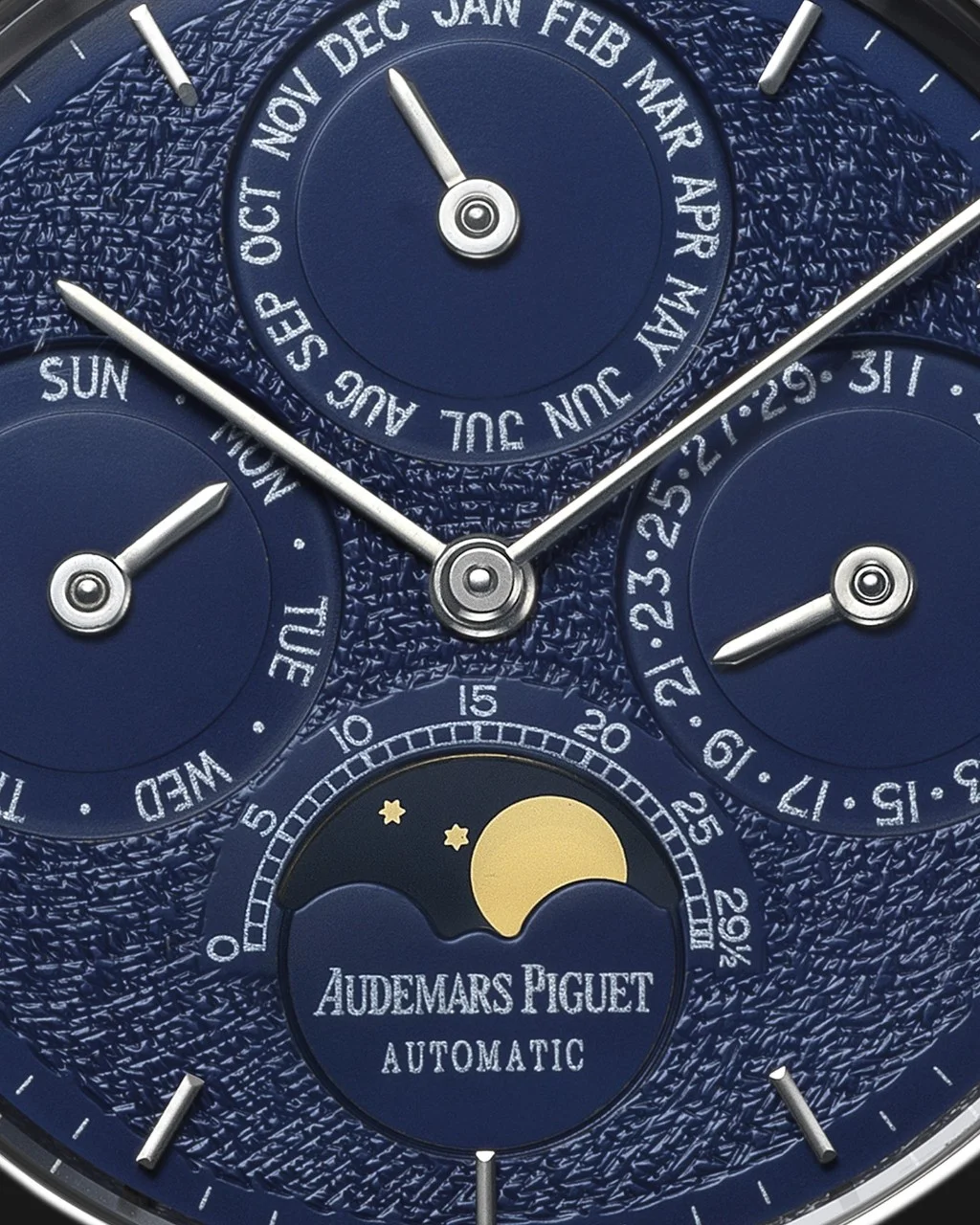
Circa 1984. Cadrature 2825. Additional mechanism created to equip Calibre 2124, then its successors Calibres 2224 (1997) and 2324 (2006). The 2825 cadrature was notably used on the Royal Oak Day Date Moon Phase Model 25594 (1984–2006, 6,534 units) and its derivatives. Image produced for the 2006 Audemars Piguet catalogue.

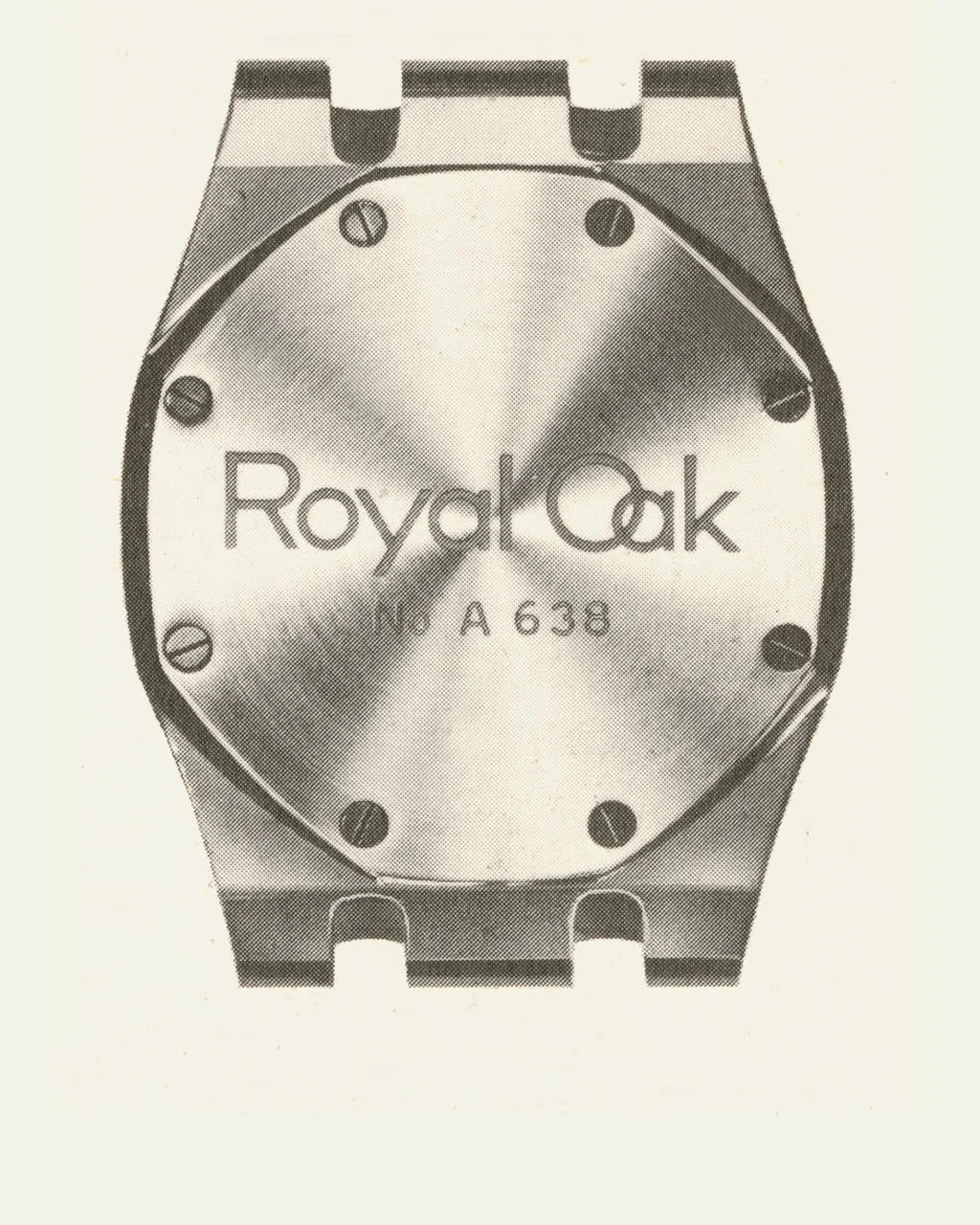
1999. Calibre 2224 from the bridge side. 26 mm in diameter (11½ lignes), 3.25 mm thick. Hours, minutes, date, selfwinding, 28,800 vph. Movement 576492 made in 2015. Bridge-side aesthetic identical to that of its predecessor Calibre 2124 (from 1983, 21,600 vph) and its successor 2324 (from 2004). Image produced by Audemars Piguet in 2022.
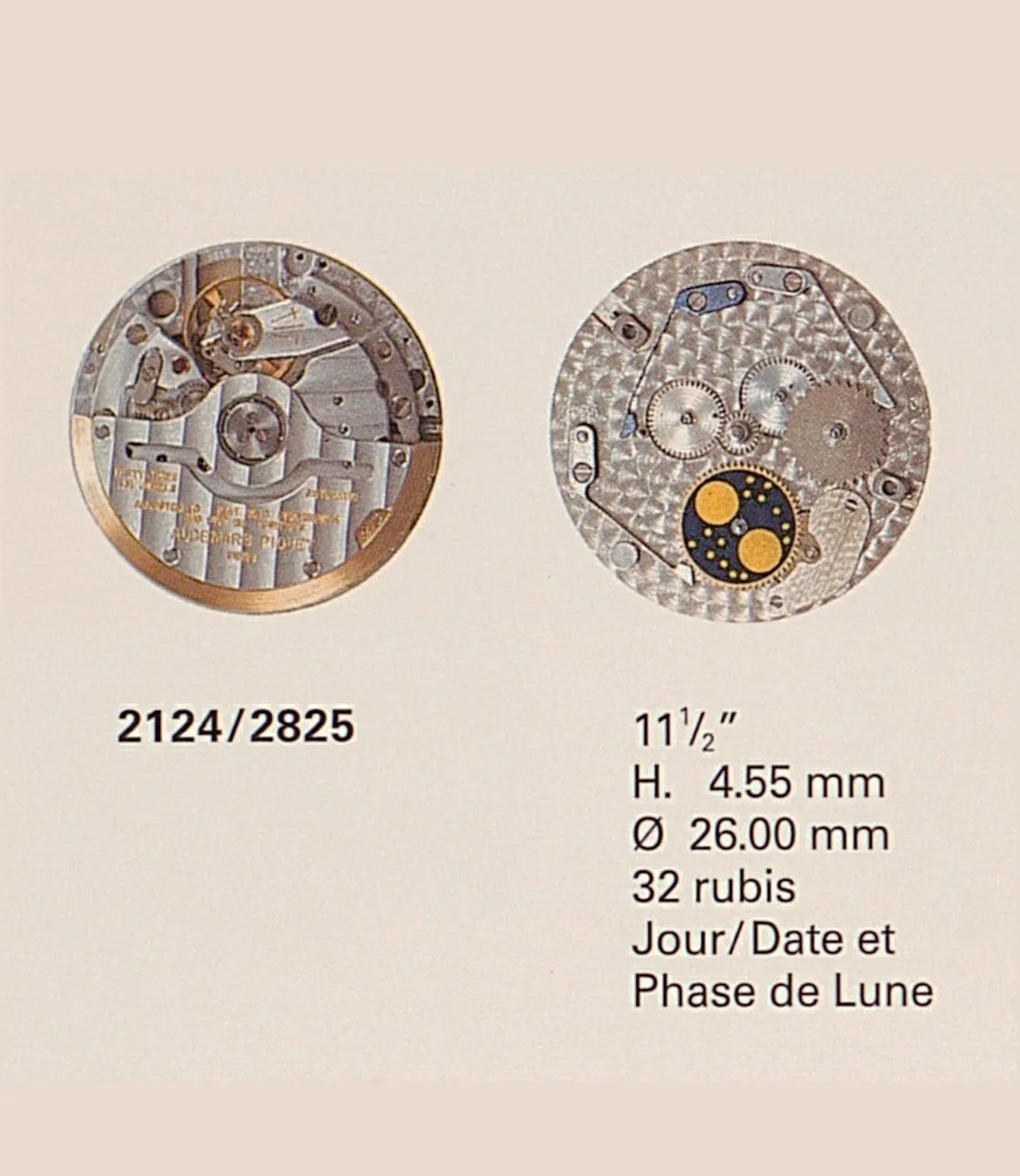
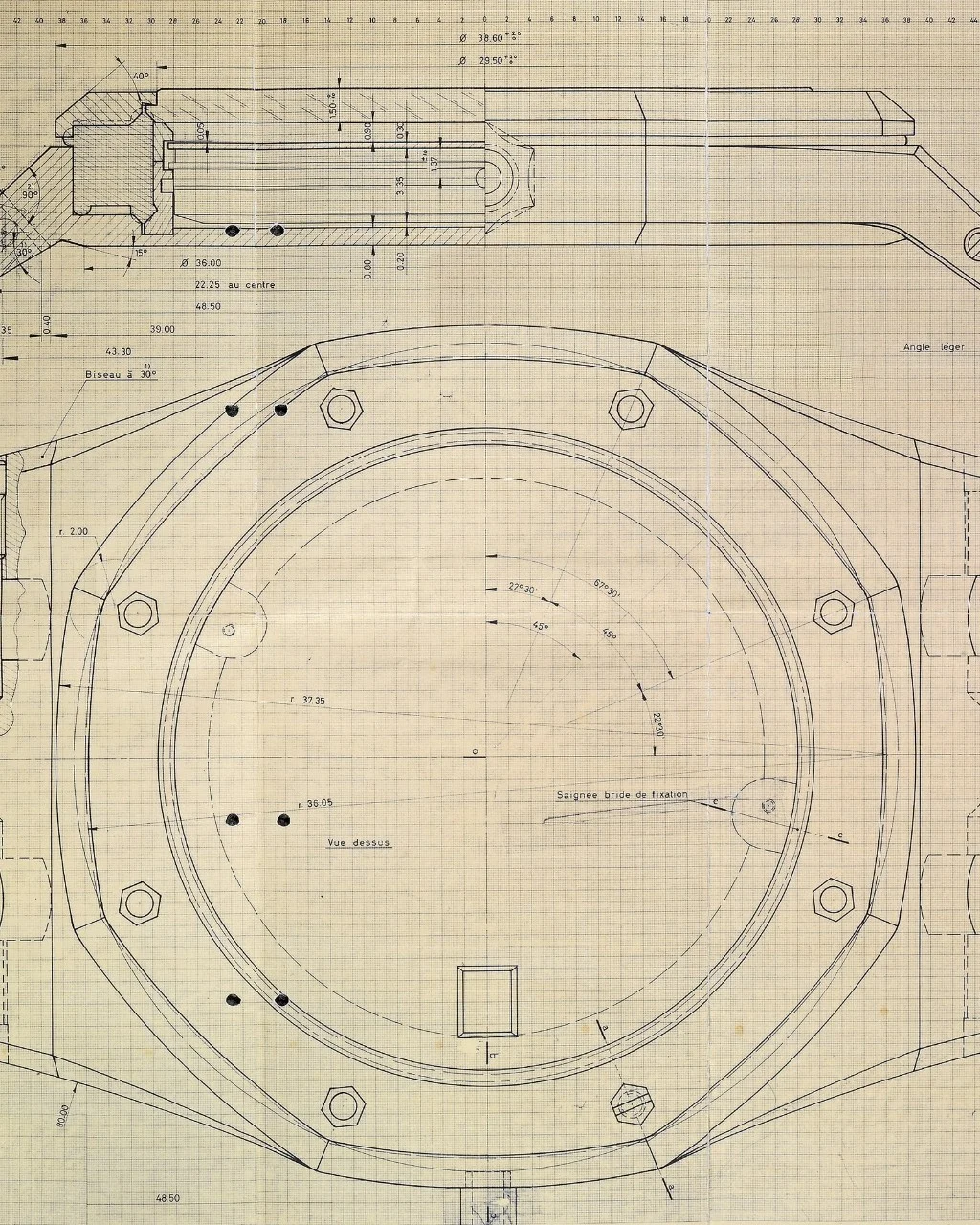
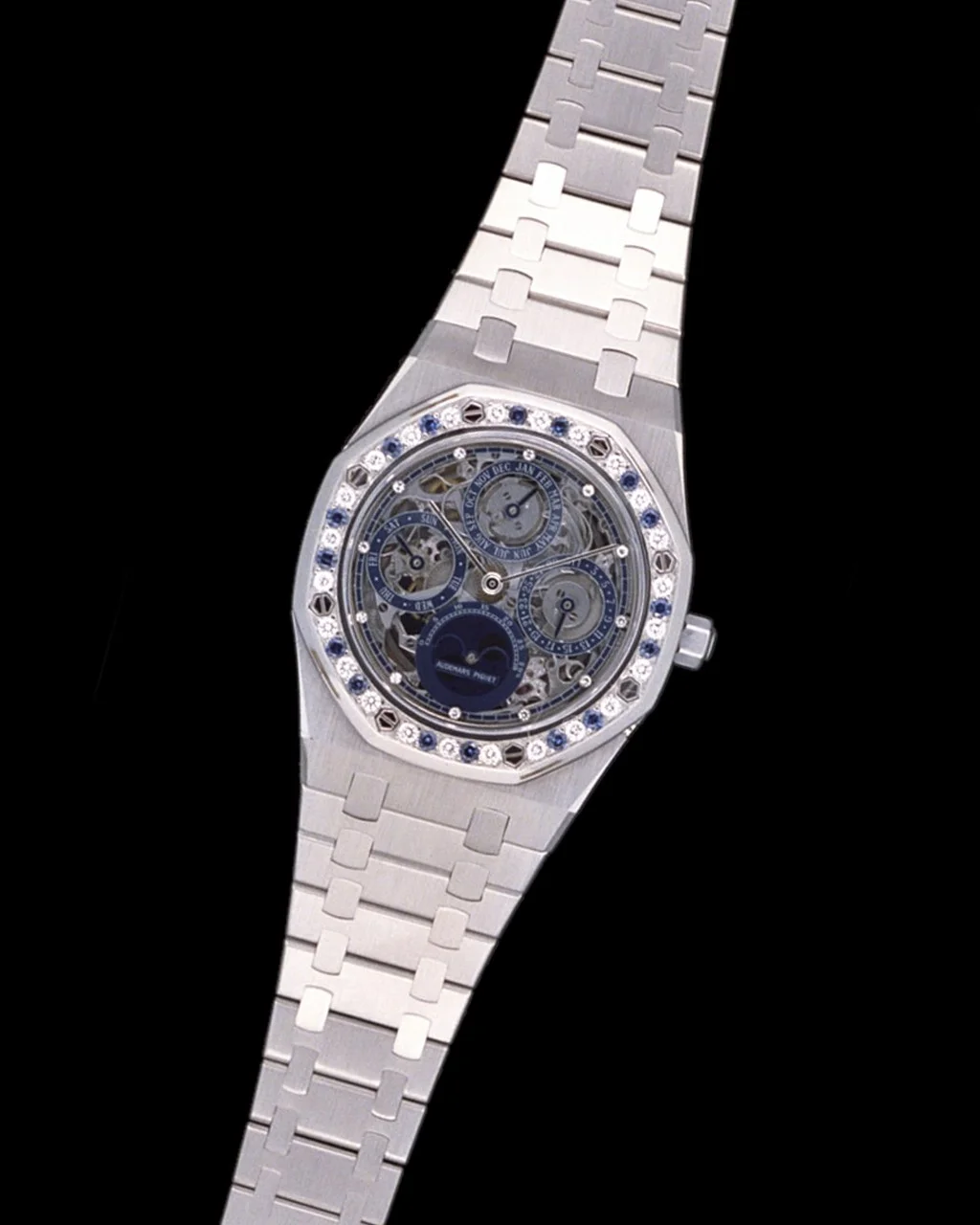
1990–91. Calibre 2124/2825. Audemars Piguet catalogue.

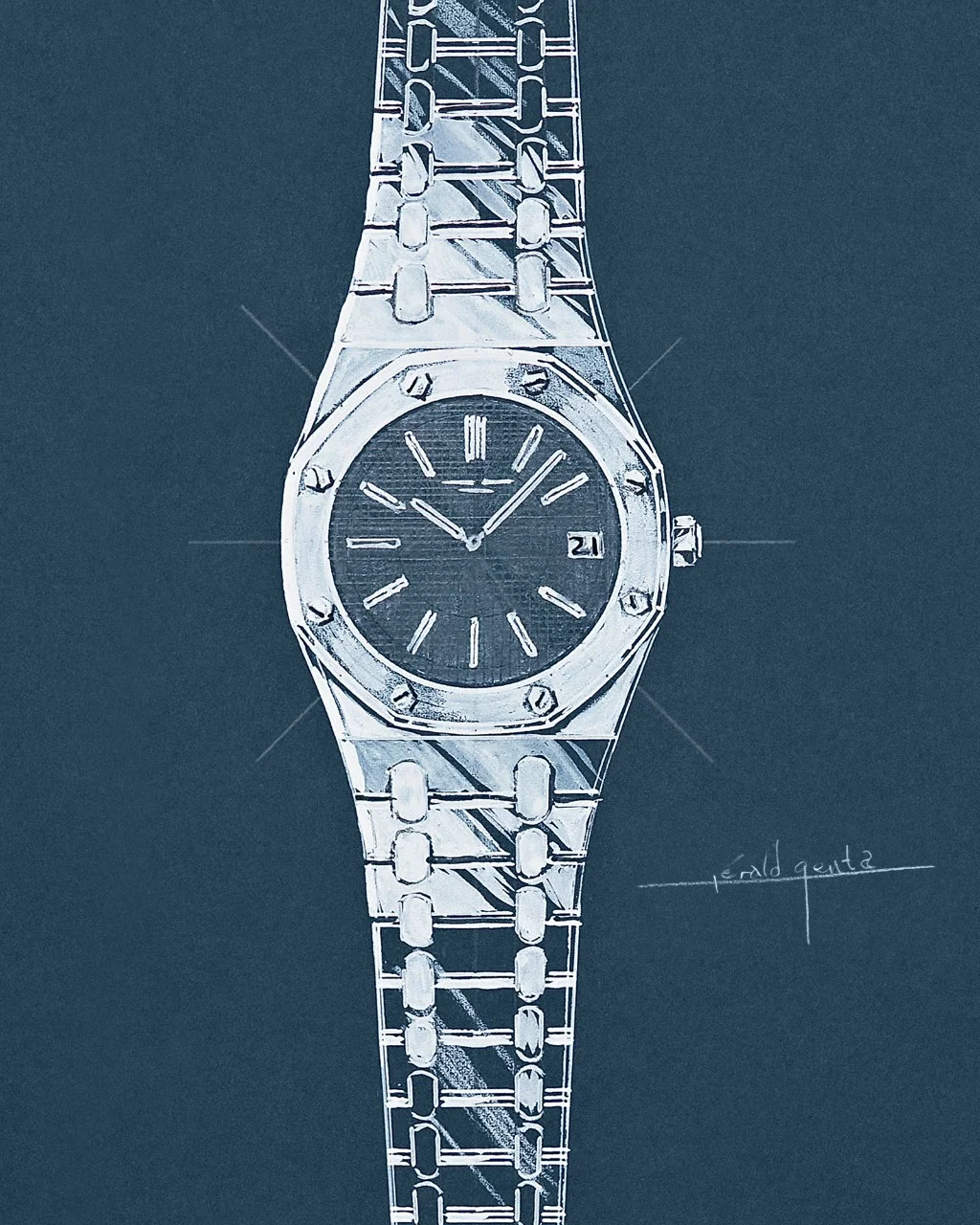
Circa 1984. Cadrature 2825. Additional mechanism created to equip Calibre 2124, then its successors Calibres 2224 (1997) and 2324 (circa 2006). It notably equipped the Royal Oak Day Date Moon Phase Model 25594 (1984–2006, 6,534 units) and its derivatives. Image produced for the Audemars Piguet 2003–2004 catalogue.
Mechanism
Selfwinding, 21-carat gold rotor
Functions
Hours, minutes, pointer-type day-date display, moon phases
Diameter
26 mm (11½ lignes)
Thickness
4.55 mm
Frequency
21,600 vph (3 Hz)
Jewels
32
Dates
Movement "ébauches" produced from approx. 1983 to approx. 1996
Movement Blank
LeCoultre & Cie base
Calibre 2124/2825 consists of a basic selfwinding mechanism (2124) to which watchmakers added the 2825 cadrature, also known as the 2825 module, which indicates the day, date and moon phase.
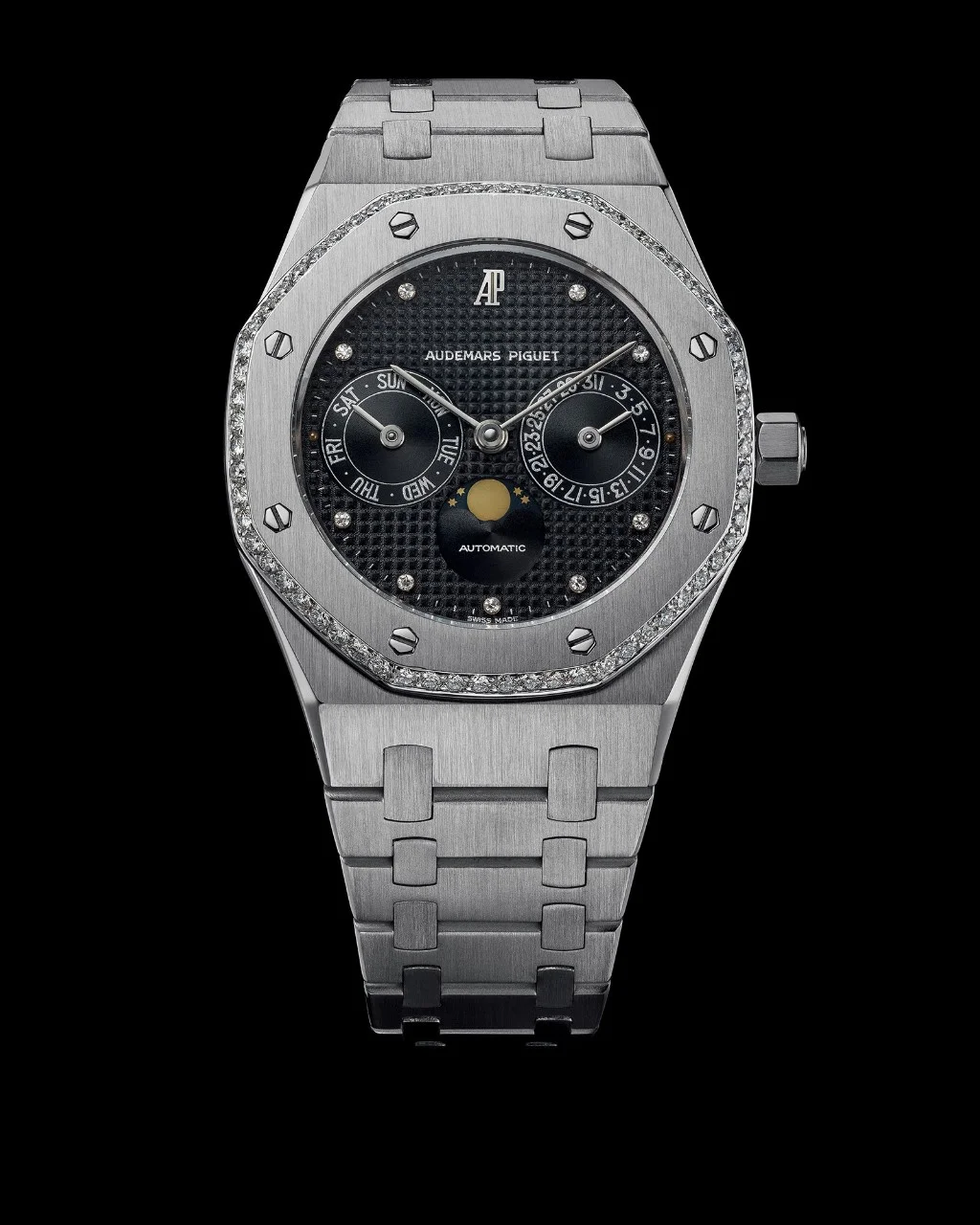
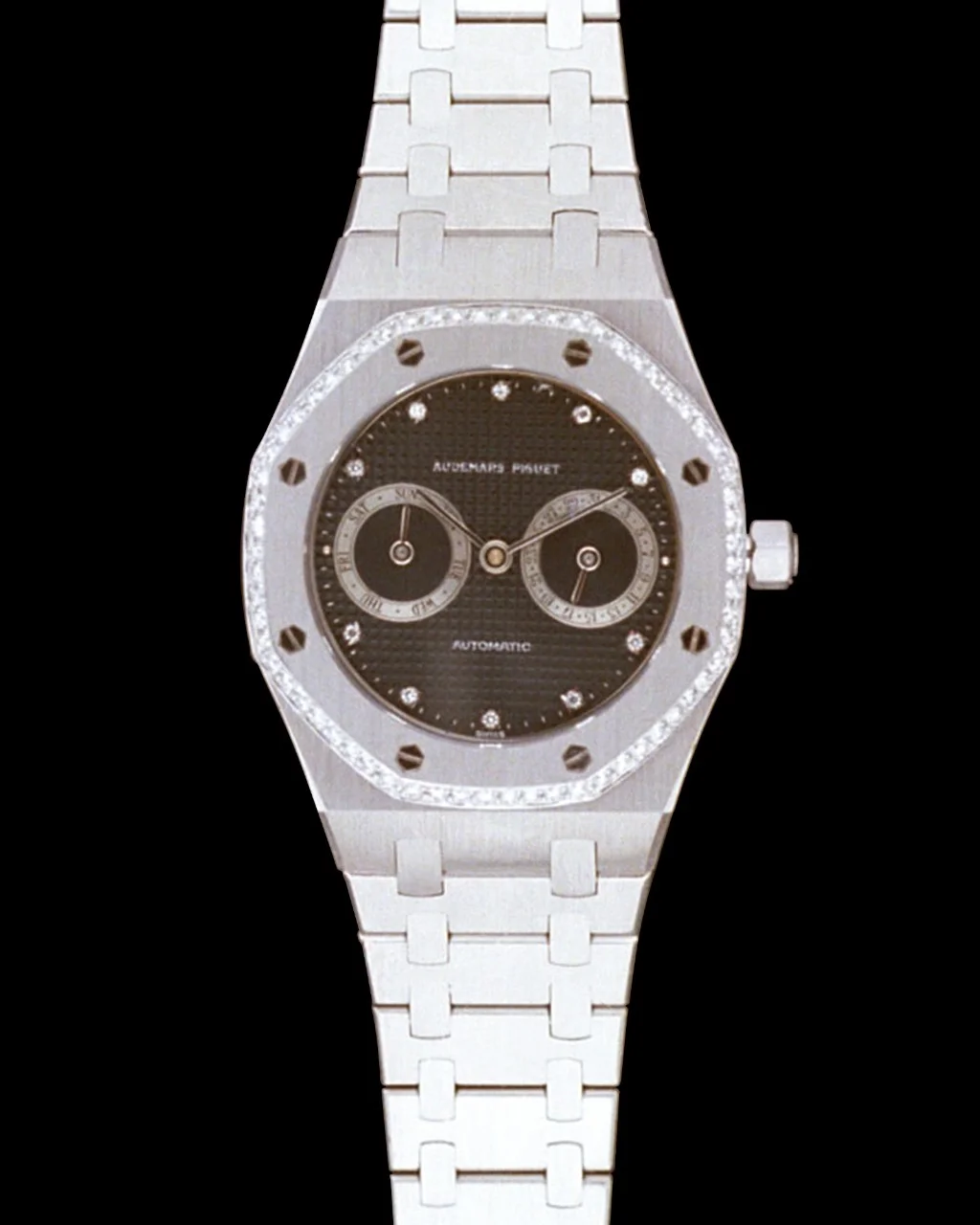
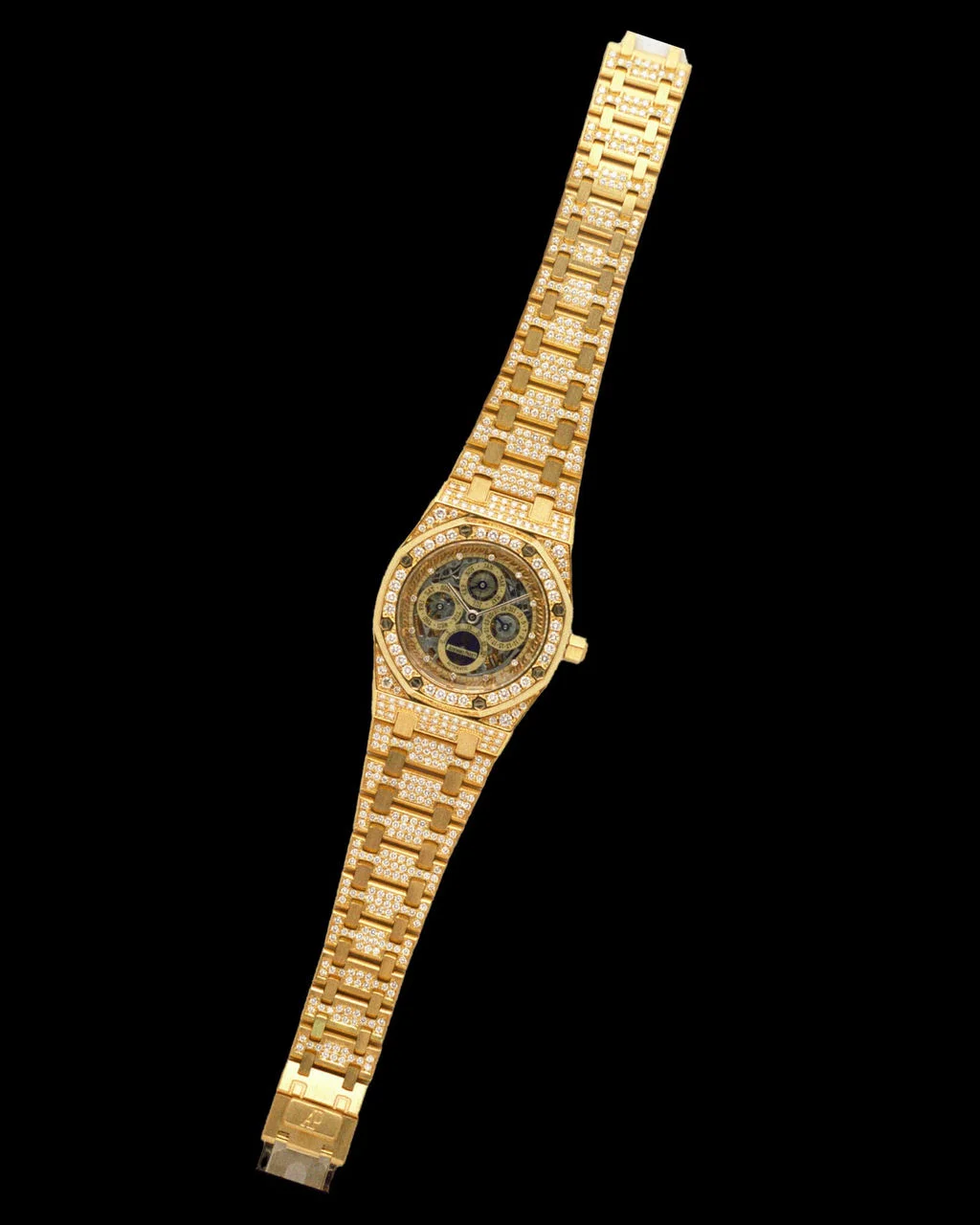
Calibre 2124/2825 equipped four Royal Oak Day Date Moon Phase models. Three of them were produced in very limited numbers: Model 25595 (1984, 5 units), Model 25627 (1985, 3 units) and Model 25658 (1987, 1 unit). All are variations of the Royal Oak 25594, of which 6,534 were sold between 1984 and 2006 and which holds the record for longevity with more than 20 years in the catalogue.
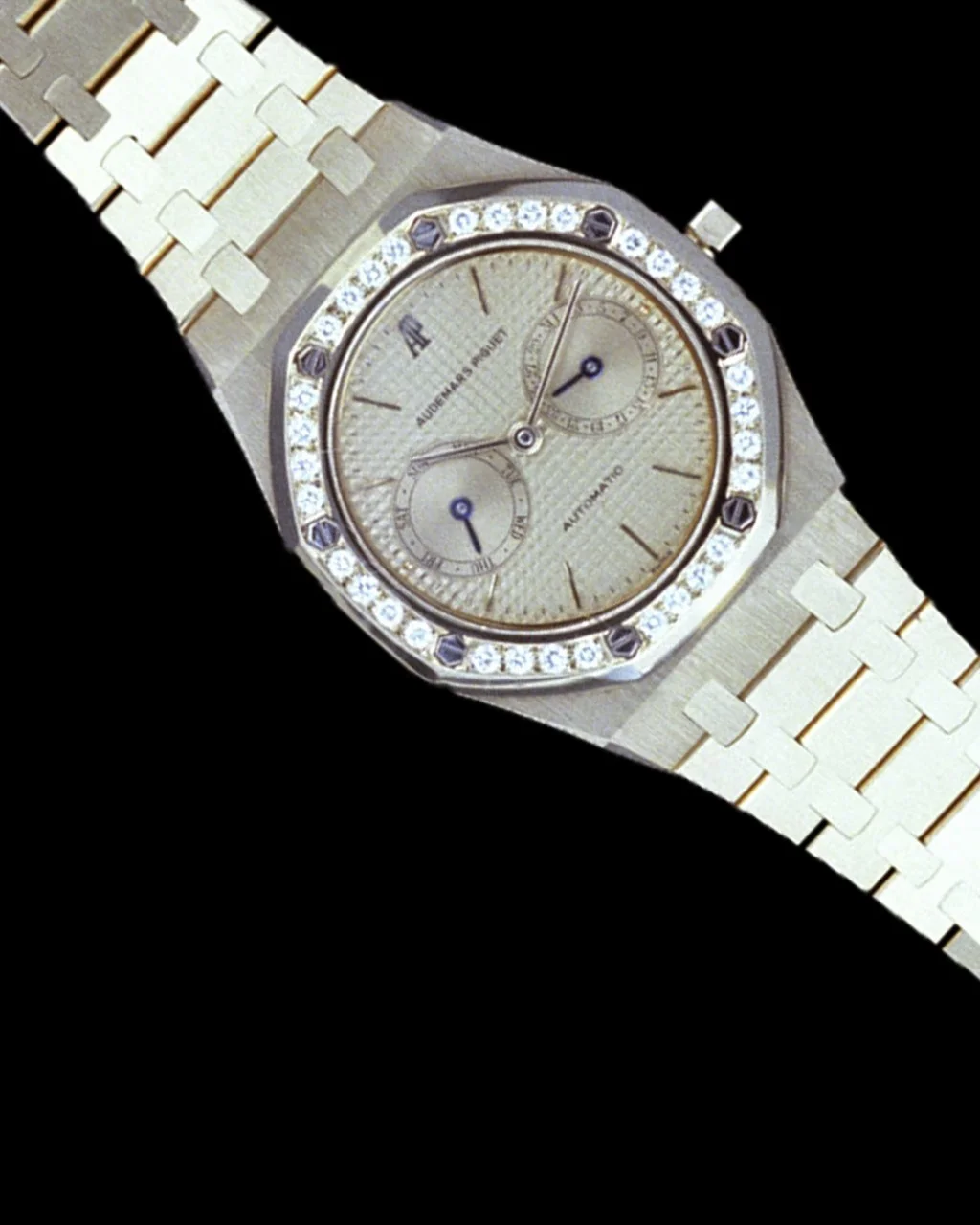
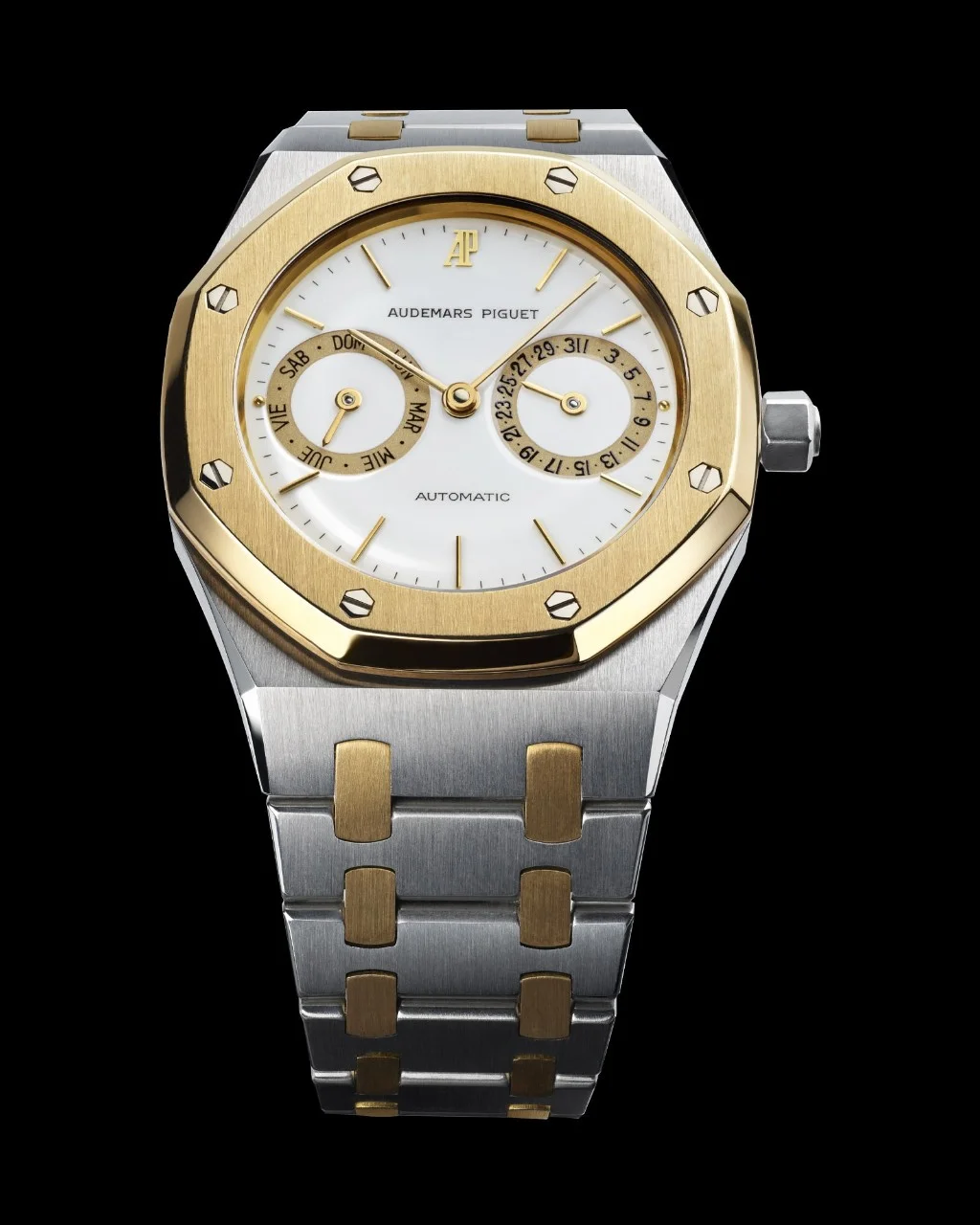
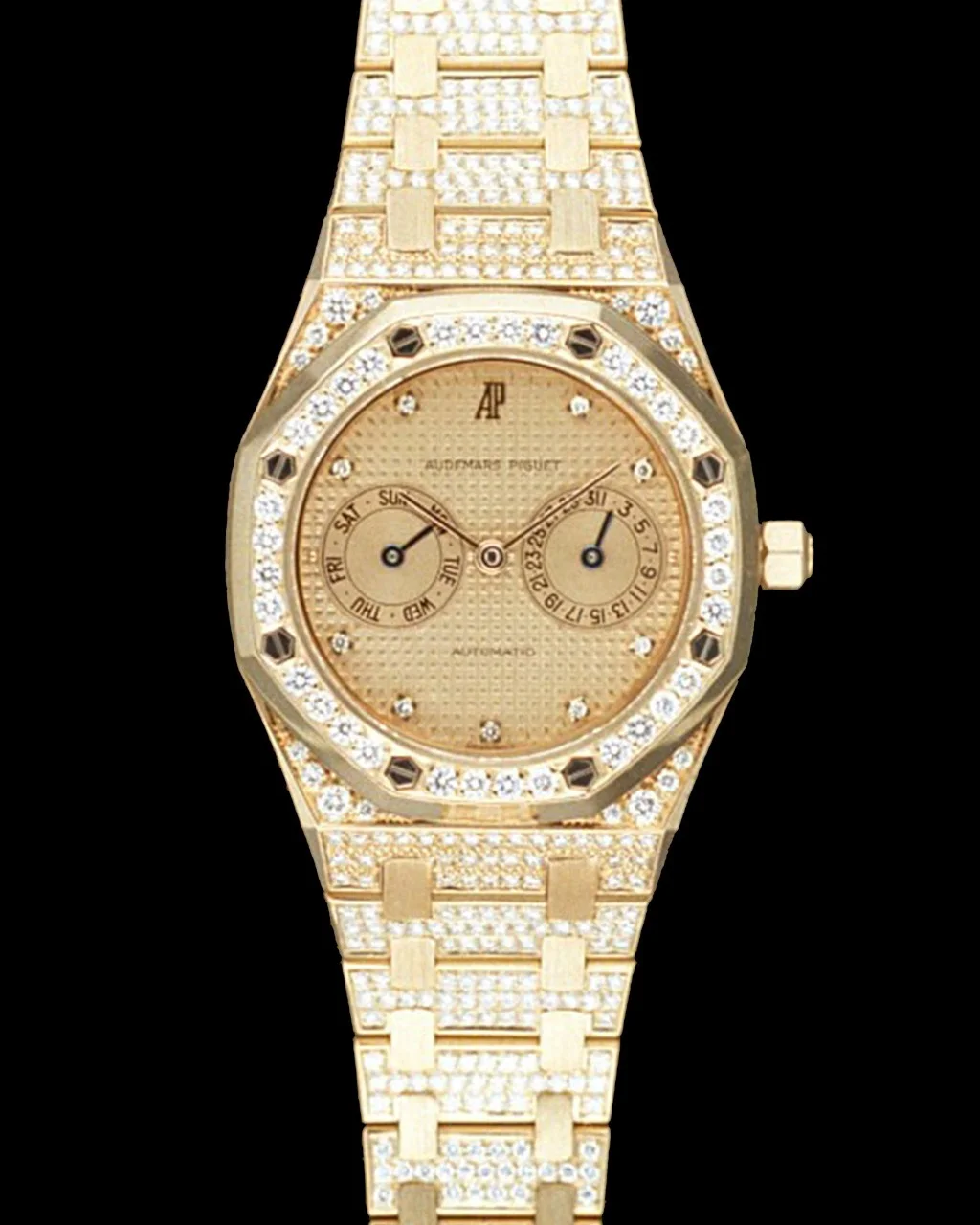
Calibre 2124/2825 also equipped a few other round watch models in the 1980s, notably Model 5588 (1984), 5589 (1985), 25614 and 25647 in 1986.
From 1997, the calibre was replaced by its successor Calibre 2224/2825, and then by Calibre 2324/2825 from 2006. The only difference between the latter versions and their predecessor is their escapement.
Calibre 2124/2825 consists of a basic selfwinding mechanism (2124) to which watchmakers added the 2825 cadrature, also known as the 2825 module, which indicates the day, date and moon phase.
Calibre 2124/2825 equipped four Royal Oak Day Date Moon Phase models. Three of them were produced in very limited numbers: Model 25595 (1984, 5 units), Model 25627 (1985, 3 units) and Model 25658 (1987, 1 unit). All are variations of the Royal Oak 25594, of which 6,534 were sold between 1984 and 2006 and which holds the record for longevity with more than 20 years in the catalogue.
Calibre 2124/2825 also equipped a few other round watch models in the 1980s, notably Model 5588 (1984), 5589 (1985), 25614 and 25647 in 1986.
From 1997, the calibre was replaced by its successor Calibre 2224/2825, and then by Calibre 2324/2825 from 2006. The only difference between the latter versions and their predecessor is their escapement.