Jewellery and watchmaking: an inseparable pairing
Form and substance
“Do not be deceived by appearances” came the warning from the Roman satirist Juvenal 2,000 years ago, subsequently complemented by Shakespeare’s statement: “All that glitters is not gold”. Even today, writers and philosophers often contrast substance with form.
Let’s apply this duality to watchmaking. The substance lies in the mechanism: the cogs and springs driving the beating heart of the watch, associated with science, progress and performance measurement. Form relates to the exterior: the case, dial and bracelet, associated with social status, culture and even the “vanity fair”, to borrow the title of a famous American magazine.
Through its origins and history, Audemars Piguet is first and foremost a master of mechanisms. The brand was born in a unique region, the Vallée de Joux: a historical centre of établissage, home to artisans specialising in complicated movements since the 18th century. For a very long time, the Vallée de Joux entrusted the design and productions of watch cases to artisans based in Geneva or other cities.
All this led Ilaria Resta, upon taking the helm of Audemars Piguet in January 2024, to be begin by discovering the many facets of watchmaking expertise: accurate touches, keen eyes, traditional and high-tech tools, technical innovations, meticulous finishes… In a word, the very heart of the Manufacture. What really surprised her was when she realised the immense creativity the brand had displayed since 1875 in the realm of jewellery: ring-watches, pendants, brooches, cases set with gemstones, enamelled, engraved or even guilloché… Contrary to what writers may say, form is not deceptive, instead revealing the talent of passionate artisans and expressing an unexpectedly rich history.
The new CEO opted to launch several projects designed to turn the spotlight on these rare and sometimes endangered skills. Unveiled in spring 2026, the Atelier des Établisseurs aims to create new watches by prioritising traditional crafts. Six months later, Audemars Piguet has taken a further step by launching a jewellery collection devoid of watch mechanisms.
Although surprising, this launch is part of a longstanding yet little-known history: that of the dialogue between watchmakers and jewellers. This article retraces its origins and for the first time tells the story of Audemars Piguet’s jewellery, where form and function form an inseparable whole.
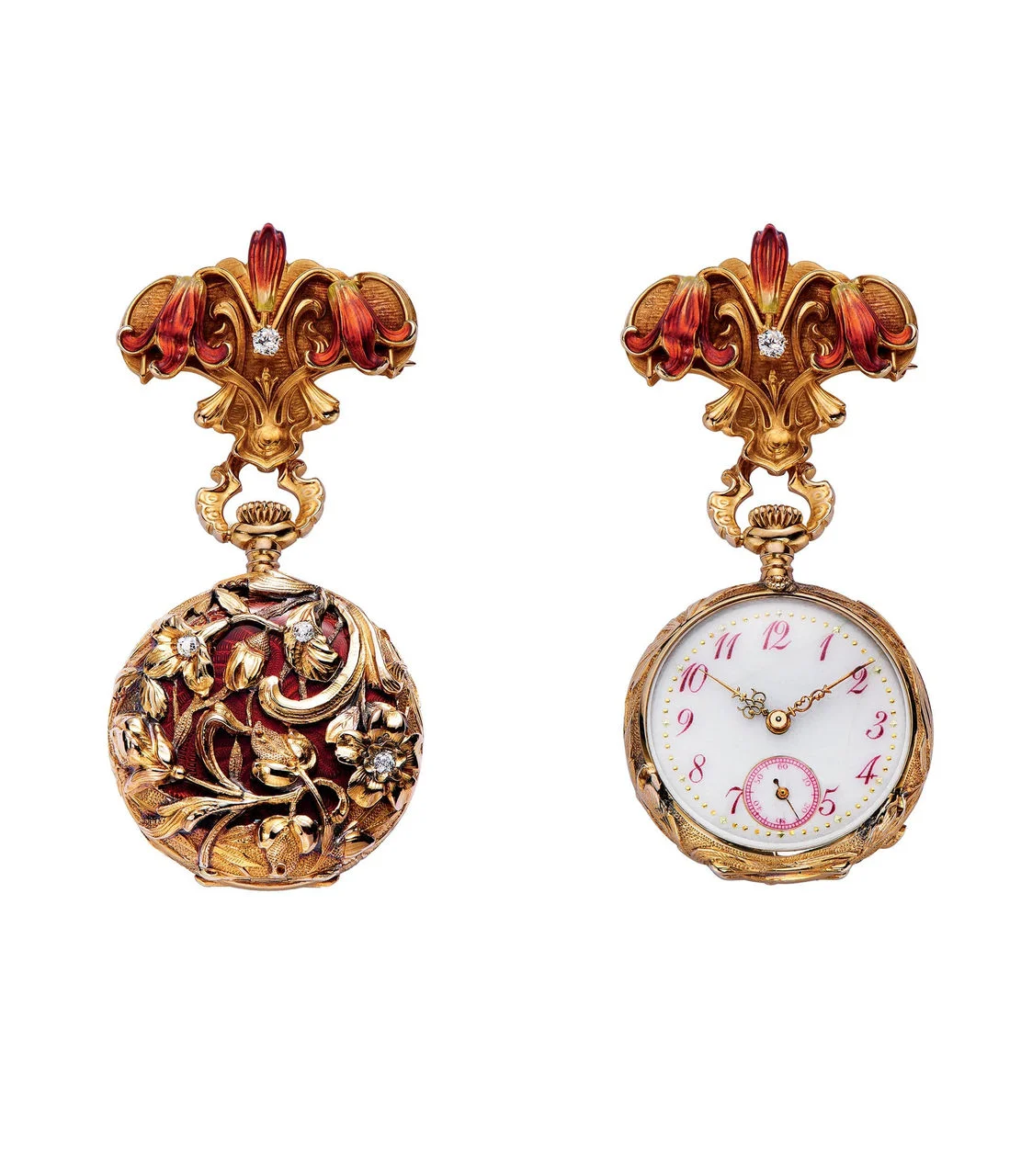
Made circa 1900, this small brooch watch can be rotated at will to morph from jewellery to watch. It embodies the age-old dialogue between watchmakers and jewellers, with the former working on the mechanisms and the latter on the design. AP Heritage, Inv. 1195.
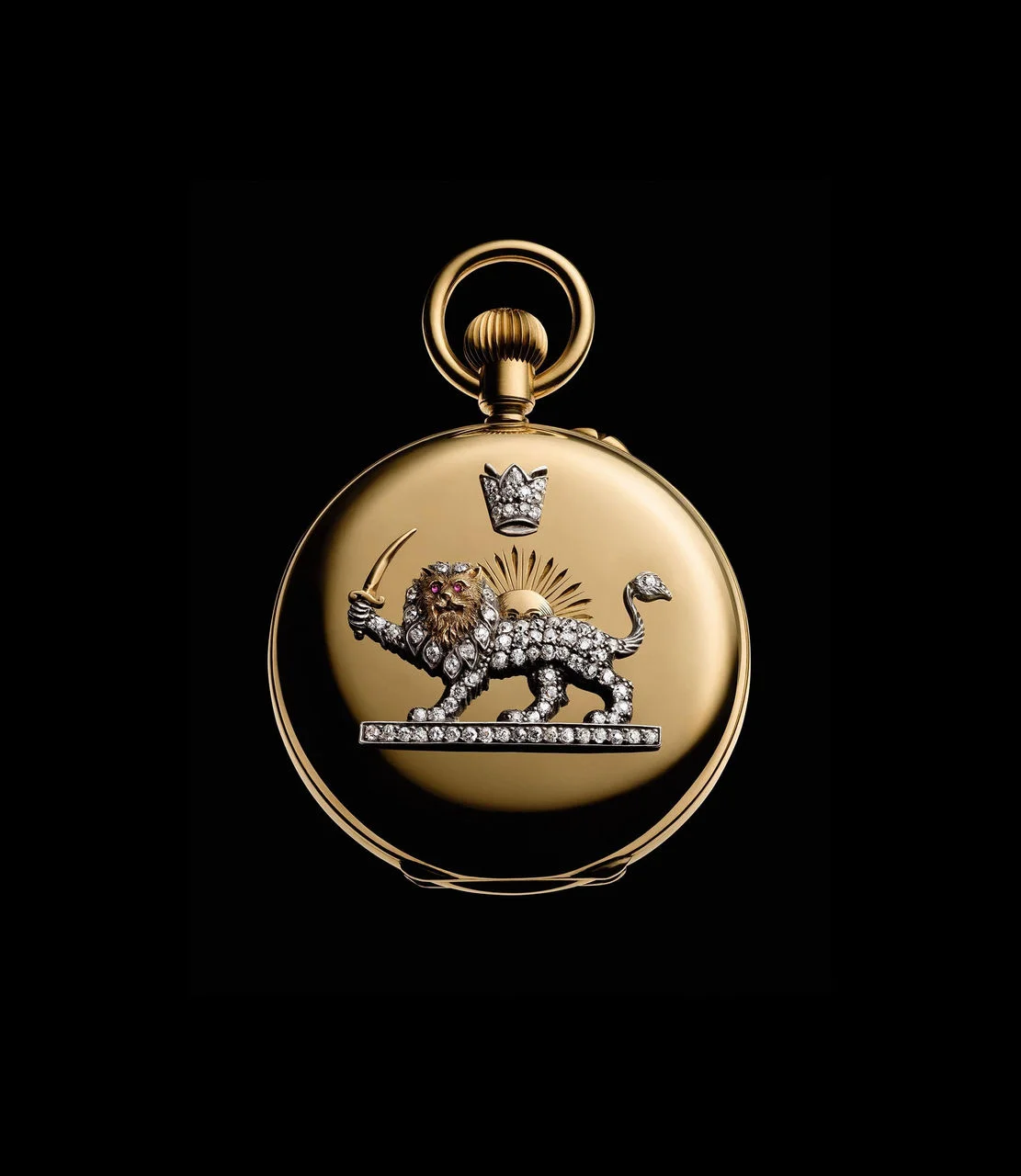
1884. Audemars Piguet watch bearing the emblem of the Shah of Iran: the imperial crest of the Qajar dynasty set with diamonds. 19-ligne calibre. Yellow gold. AP Heritage, Inv. 9.
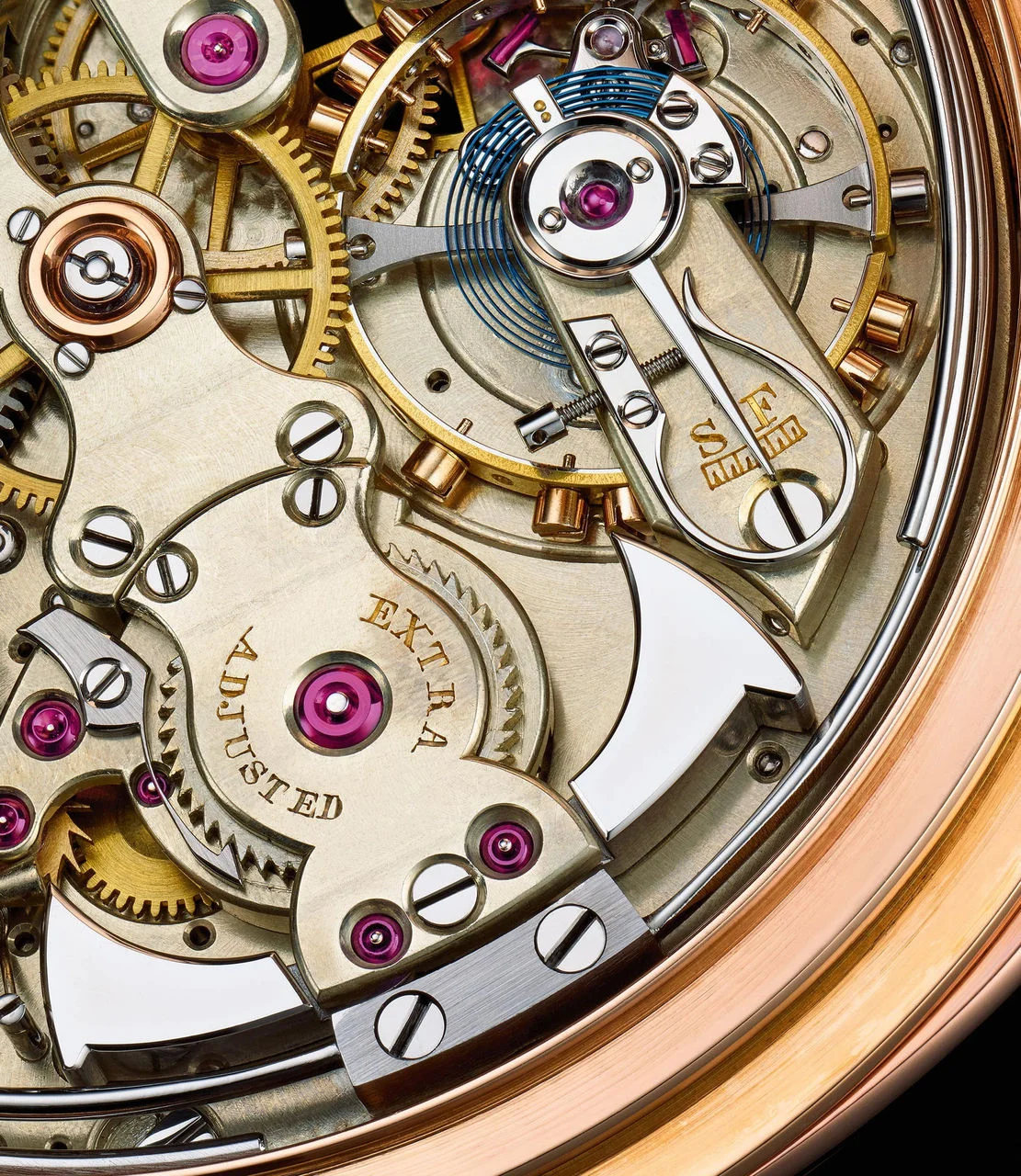
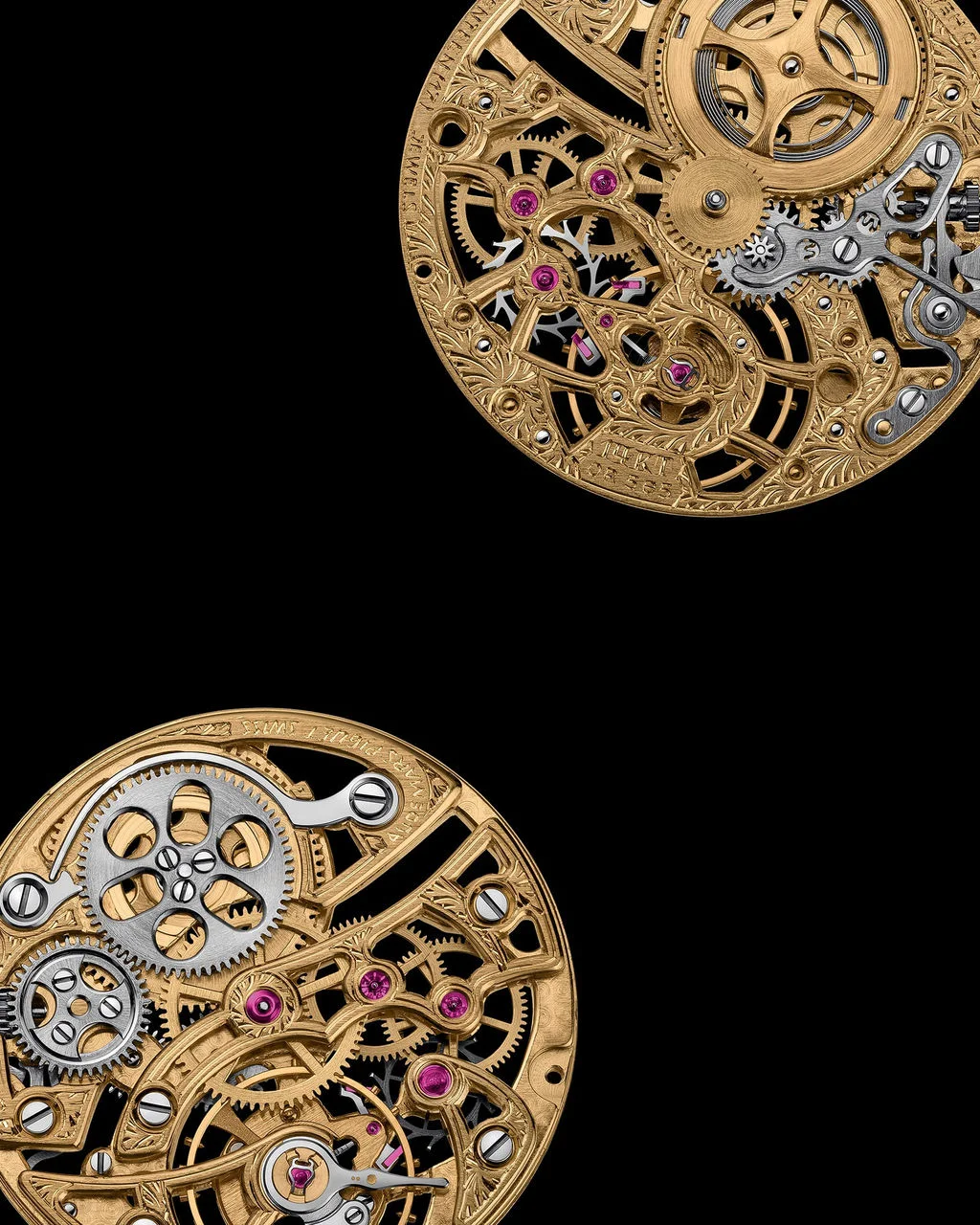
1890. An Haute Horlogerie movement is designed, cut and finished with such care that it resembles a piece of jewellery. Detail of an AP complication calibre. AP Heritage, Inv. 34.
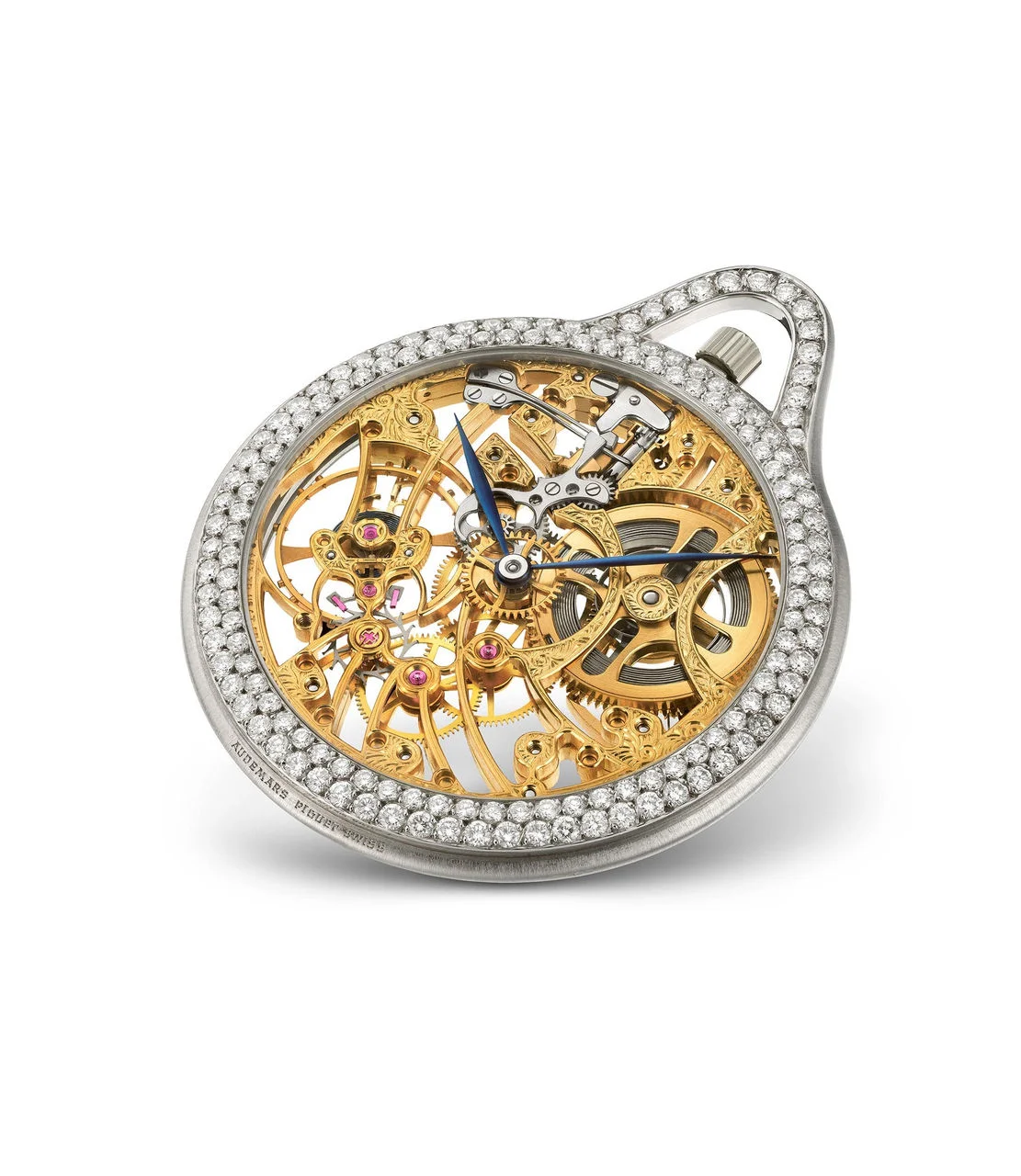
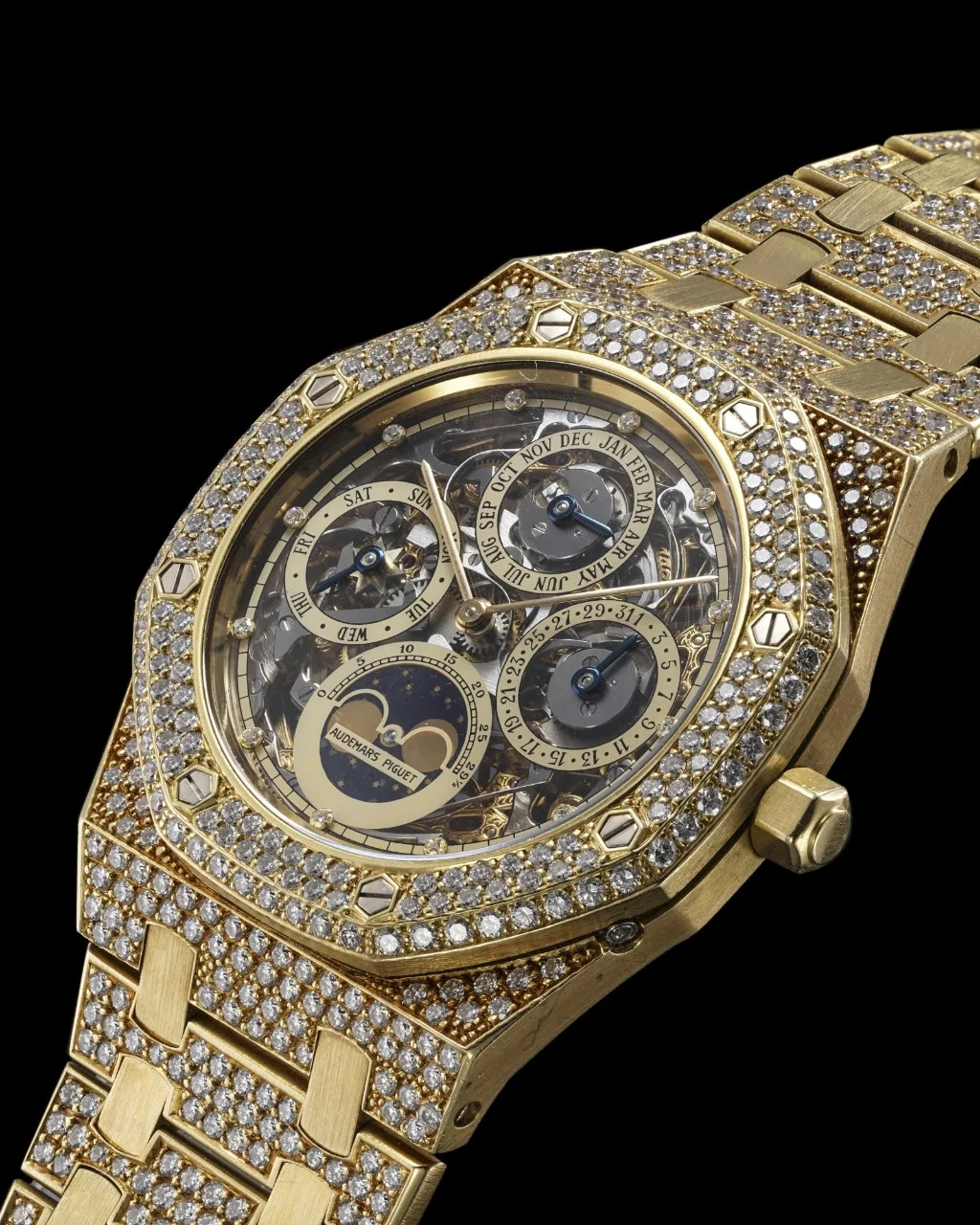
1974. Every part of the movement is cut, engraved and bevelled. Every part of the exterior is set and decorated with the utmost care. A gem-set, skeletonised and engraved pocket watch. Model 5679, Calibre 5017. AP Collection, Inv.1730.
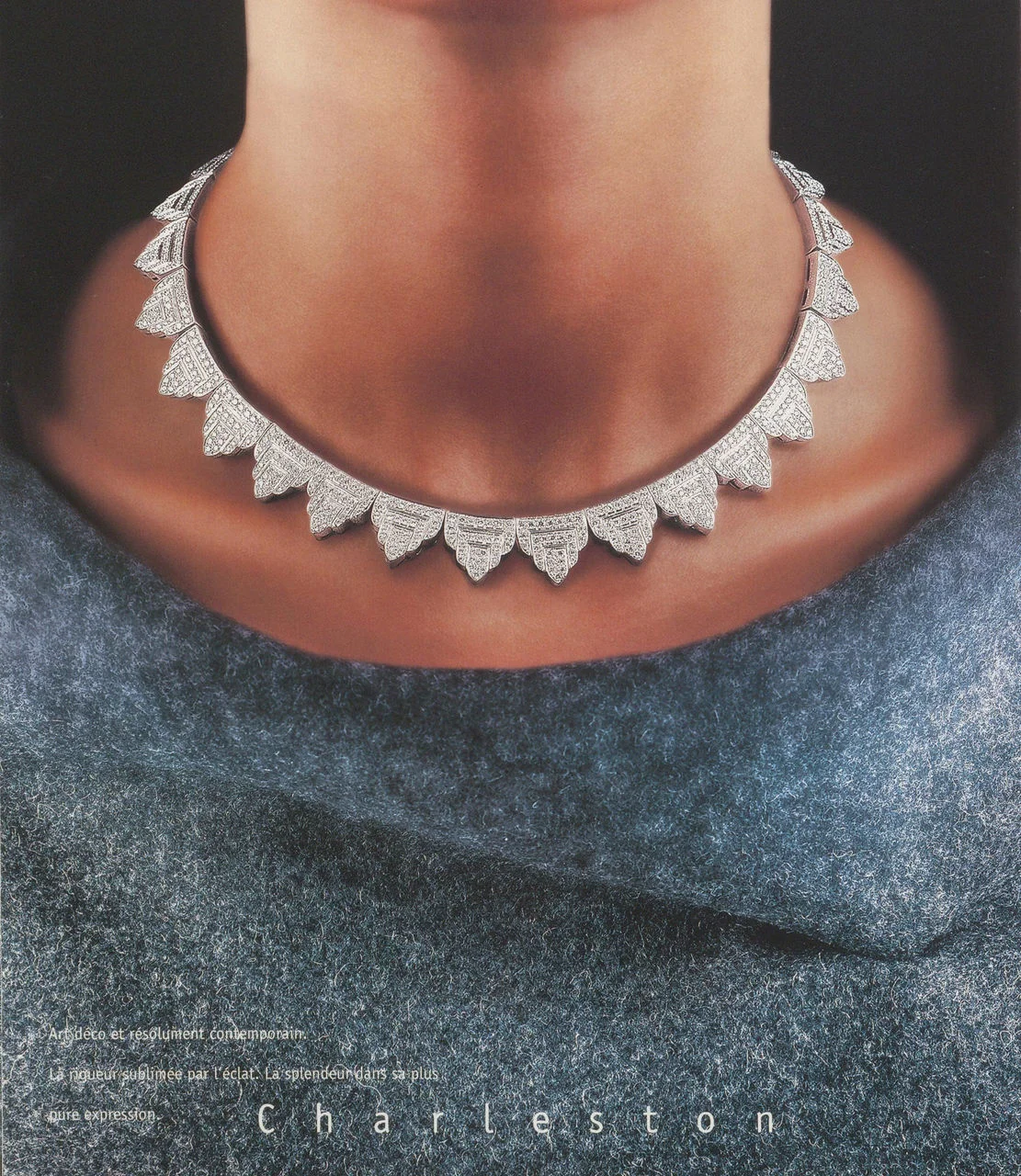
2000. Promotional image of an Audemars Piguet necklace, complementing the Charleston watch collection. AP Archives.
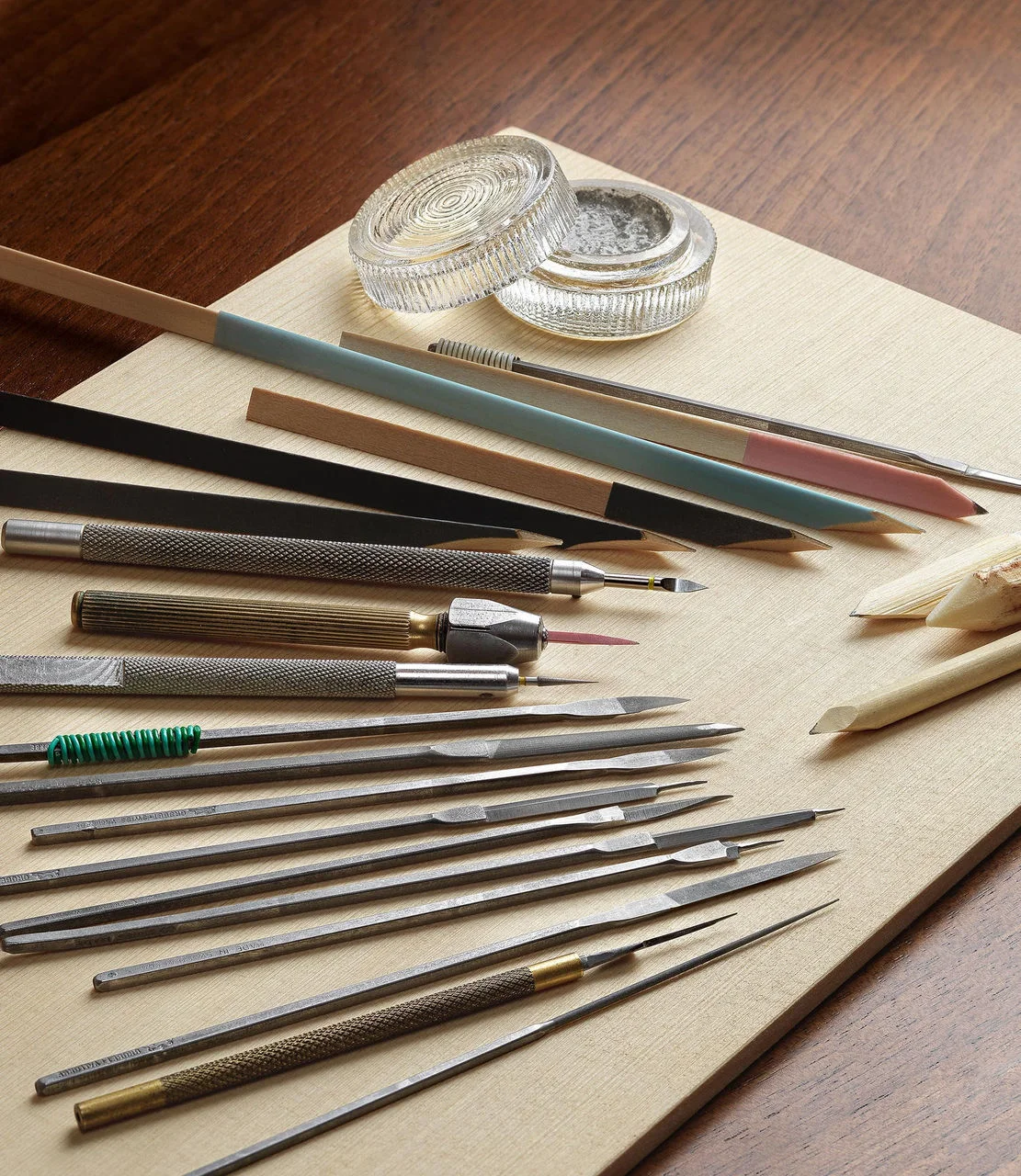
All the tools used in succession to chamfer the components of a watch movement. Manual chamfering is an art that resembles jewellery-making and goldsmithing. Audemars Piguet’s Grand Complications Workshop.
Saint Eloi, goldsmiths and watchmakers
Watchmakers and jewellers share the same patron saint: Saint Eloi, whose feast day is celebrated on December 1st. Born in France, circa 588, this goldsmith was so skilled that King Clotaire II commissioned him to make a golden throne. Having not used up all the gold with which he was provided, he decided to craft a second one. His integrity soon led to his appointment as the Kingdom’s chief treasurer and subsequently as treasurer to King Dagobert. Generous, charitable and devout, he was appointed Bishop of Noyon and founded various monasteries. Legend even has it that he performed certain miracles.
Sources suggest that in Eloi’s time, a single highly skilled and versatile metalworker could cast metal, forge it, chisel it, apply niello, engrave it, enamel it; strike medals and coins, cut semi-precious stones and even set them… Over time, however, artisans gradually began to specialise and in order to both guarantee quality and limit competition, every European town established guilds (or Maîtrises) to govern each trade. The oldest known set of regulations for goldsmiths was drawn up in Paris around 1268 by Estienne Boileau. Little by little, regulations multiplied, defining roles and settling disputes between guilds: jewellers, gemcutters, casting specialists and subsequently clockmakers.
In a book published in 1759 and entitled Statuts et privileges du Corps des Marchands Orfèvres--Joyailliers de la ville de Paris (Statutes and Privileges of the Parisian Goldsmiths-Jewellers Guild), Pierre Le Roy attempted to bring order to the hundreds of edicts, decrees and ordinances that had governed this guild since the Renaissance. This publication notably shows how goldsmiths had long held a monopoly on working with gold, while jewellers were the only ones permitted to work with precious stones.Soon thereafter, casting specialists gained the right to create gold alloys under the exclusive control of the goldsmiths, while gemcutters were allowed to cut stones. The clockmakers’ corporation was established in Paris in 1544 and had to jostle its way into the picture. For instance, clock- and watchmakers were long obliged to purchase their gold from goldsmiths – which may explain the rarity of watches before the 19th century. Until 1739, they were also forbidden to affix their own hallmarks on them. Their prosperity must have been perceived as a threat, as the regulations stipulated that no watchmaker could employ a goldsmith in his workshop, nor do any gemsetting on his own watch cases. On the other hand, in 1629 watchmakers were granted the right to enamel and engrave them…
These disputes over privileges shed light on the organisation of the Ancien Régime, but above all on the need for collaboration between trades, as no one could create a ceremonial sword, a royal clock or a jewelled pendant watch on their own.
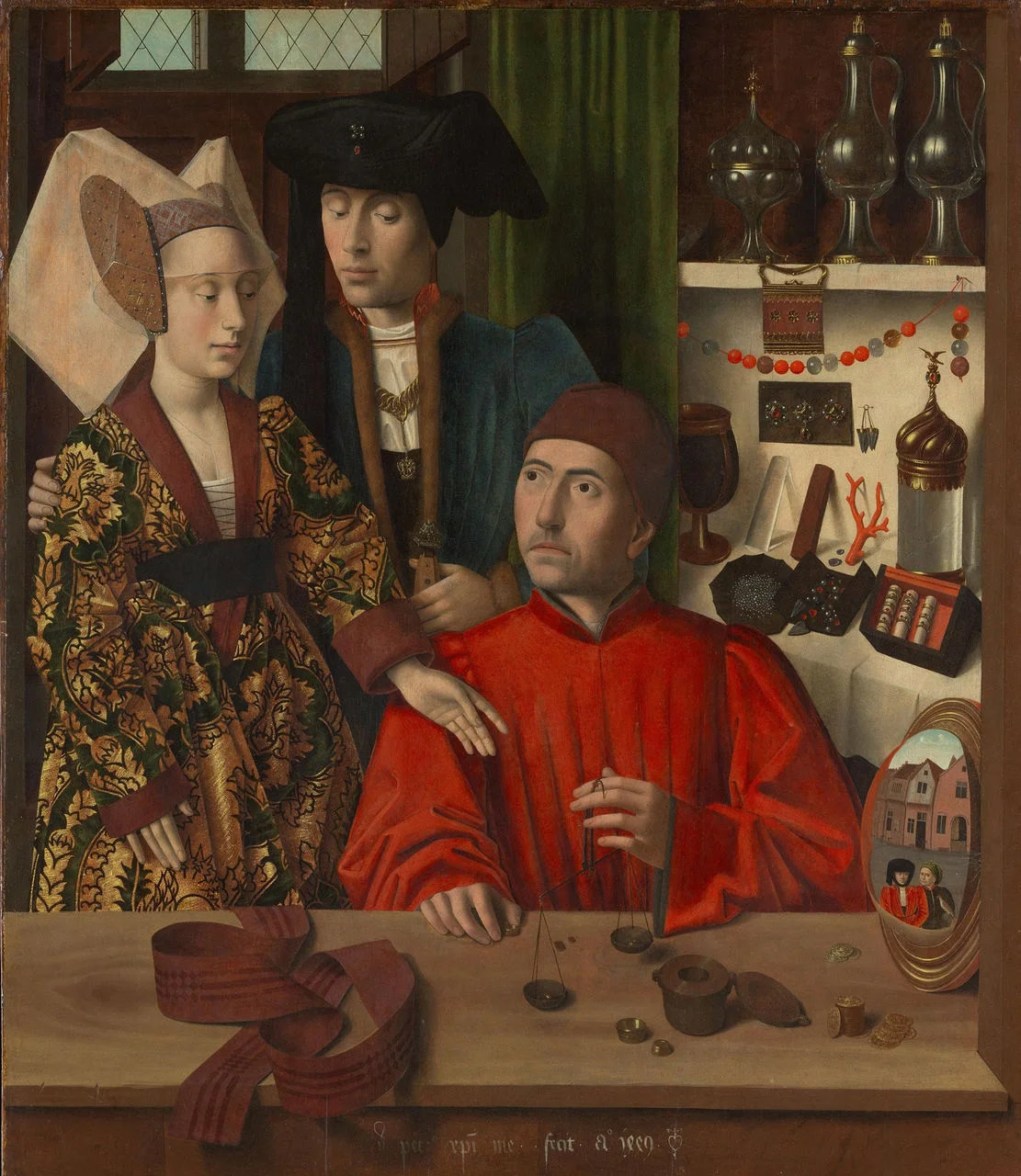
This painting by Petrus Christus in 1449 probably depicts Saint Eloi in his goldsmith’s workshop. Collection The Met Fifth Avenue, New York.
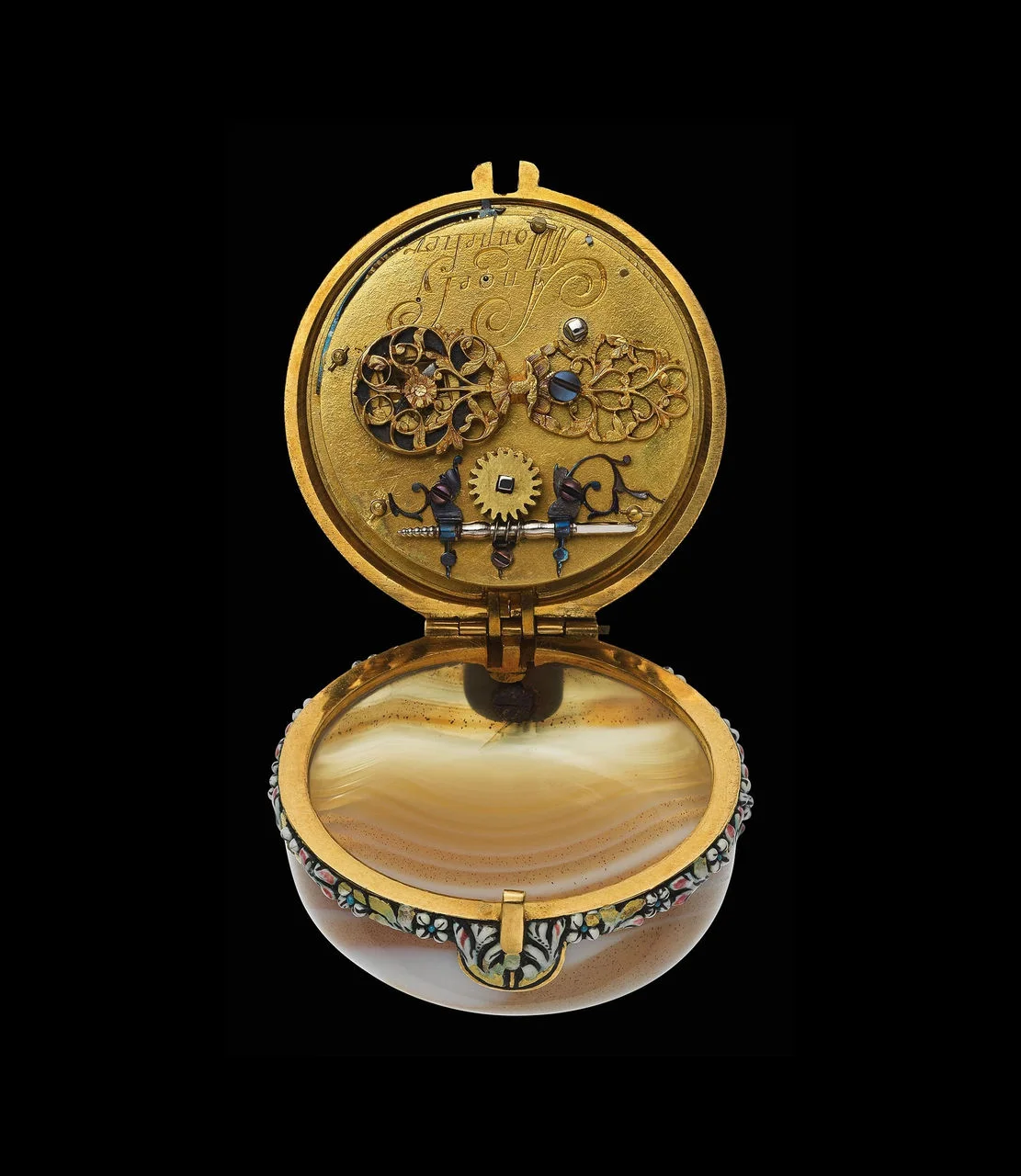
Almost 400 years ago, a group of French gemcutters succeeded in carving this 31 mm diameter agate in such a way that it could house a watch movement. This miniature masterpiece combines 20-carat gold with white and red enamel. AP Heritage, Inv. 2195.
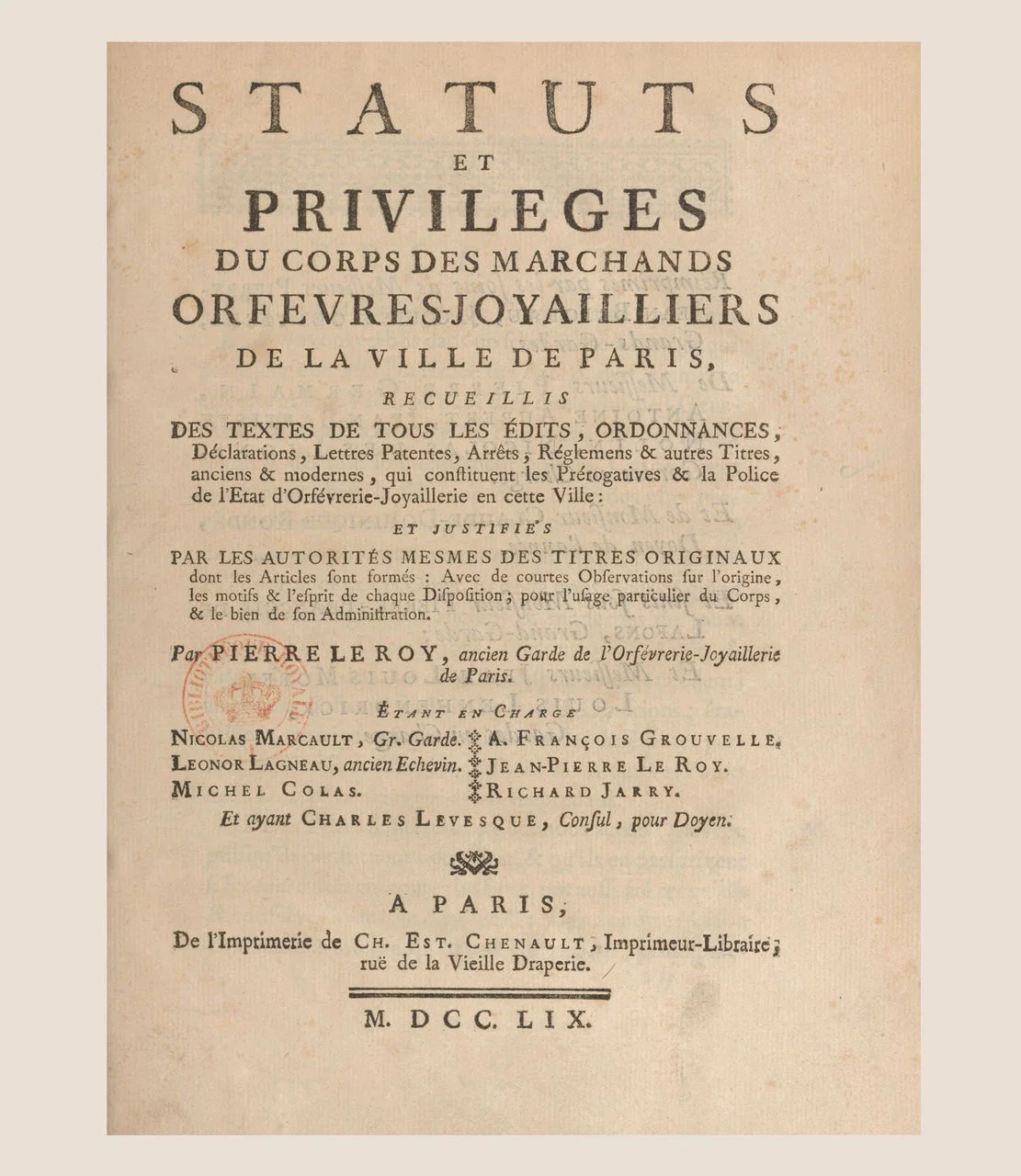
Published by Pierre Leroy in 1734, this book sought to clarify the obligations and privileges of the goldsmiths’ and jewellers’ guild, compiling hundreds of edicts, decrees, orders and regulations promulgated over the centuries. Bibliothèque Nationale de France.
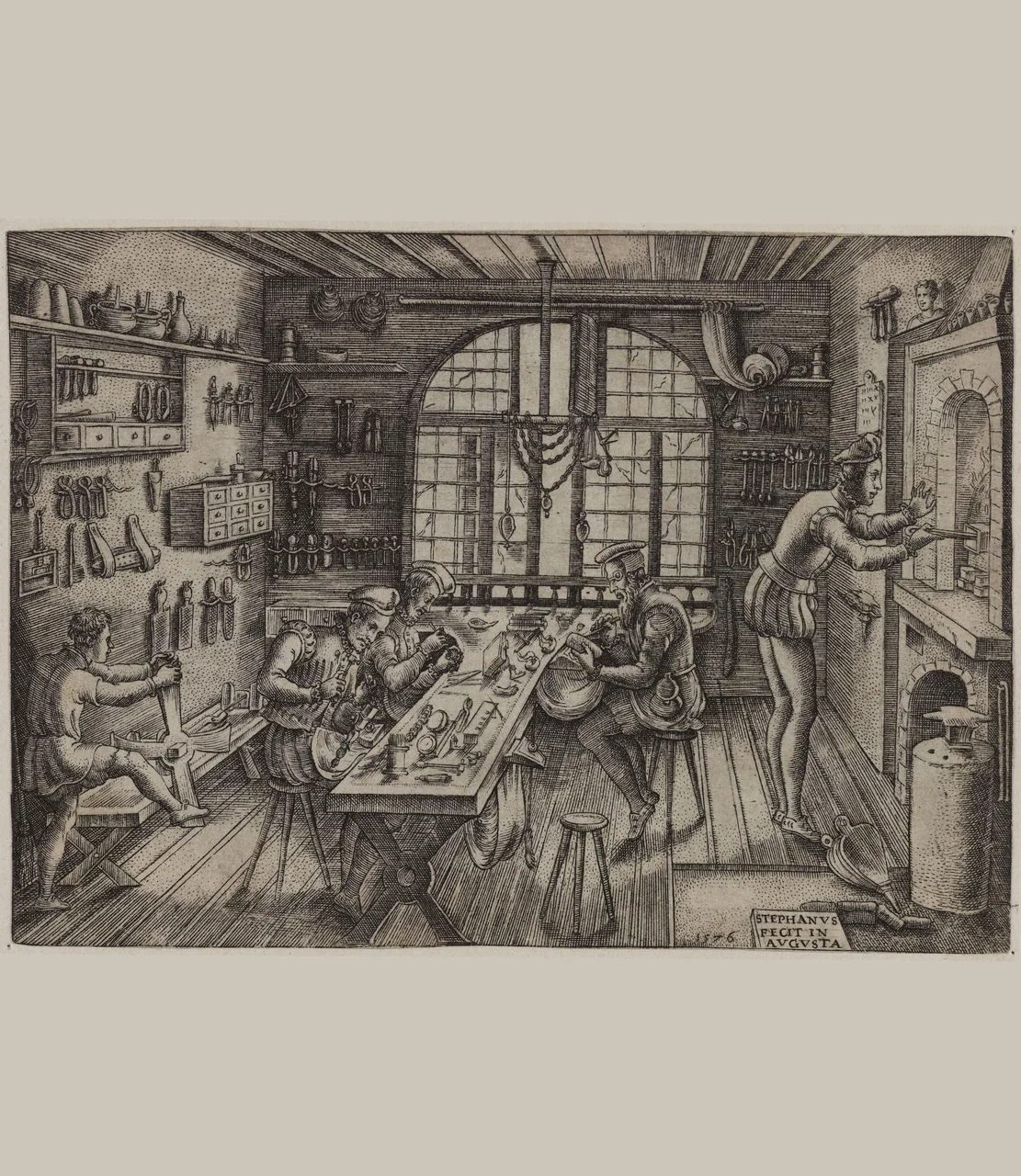
1576. Goldsmith’s workshop. Print by Étienne Delaune, engraver at work. Musée des Beaux-Arts de la Ville de Paris, Petit Palais.
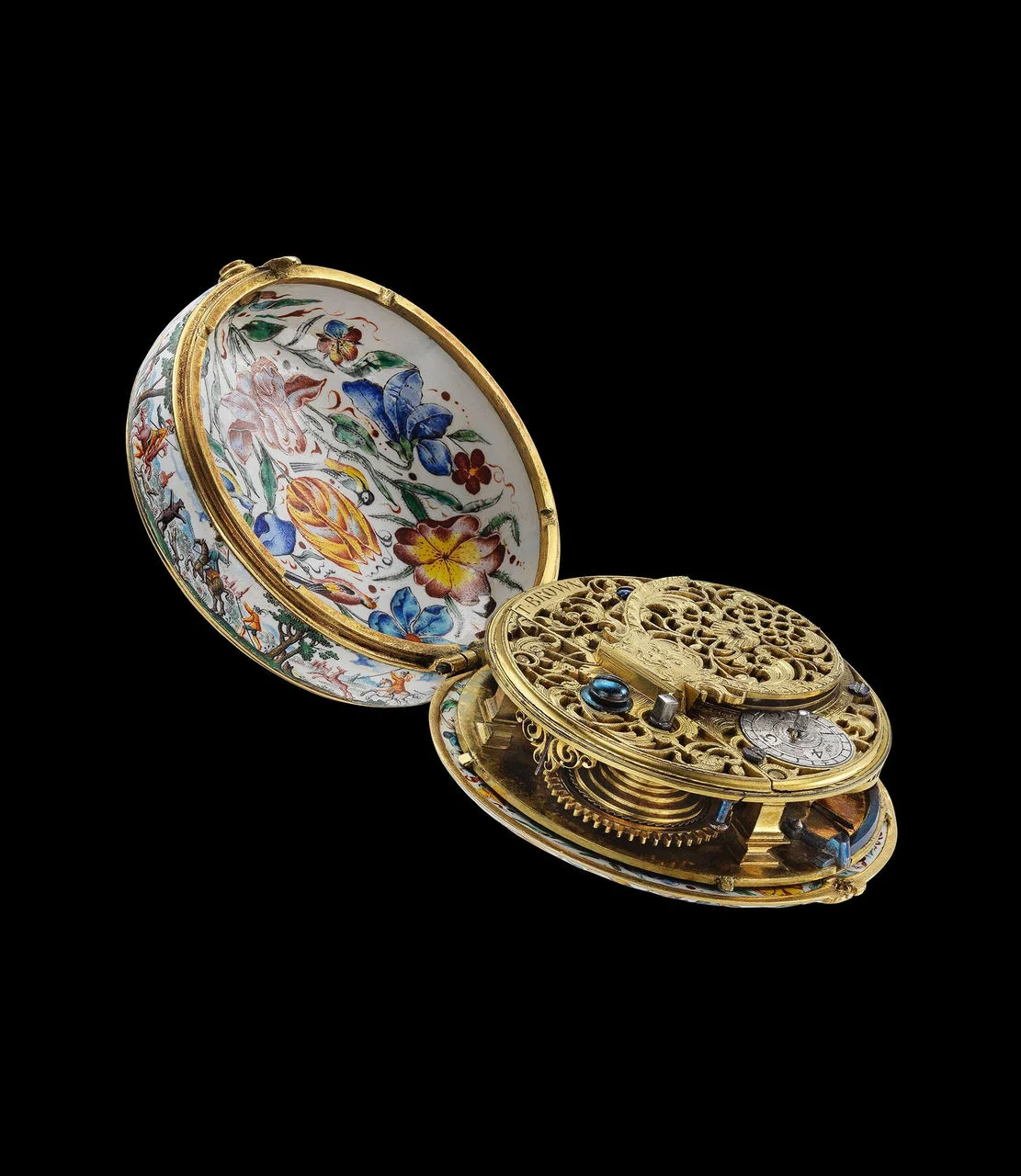
All parts of the case are covered with enamel miniatures, including the interior. Case made circa 1640, movement circa 1720. Watch signed Thomas Brown, London. Collection of the Musée international d’horlogerie in La Chaux-de-Fonds, I-1219.
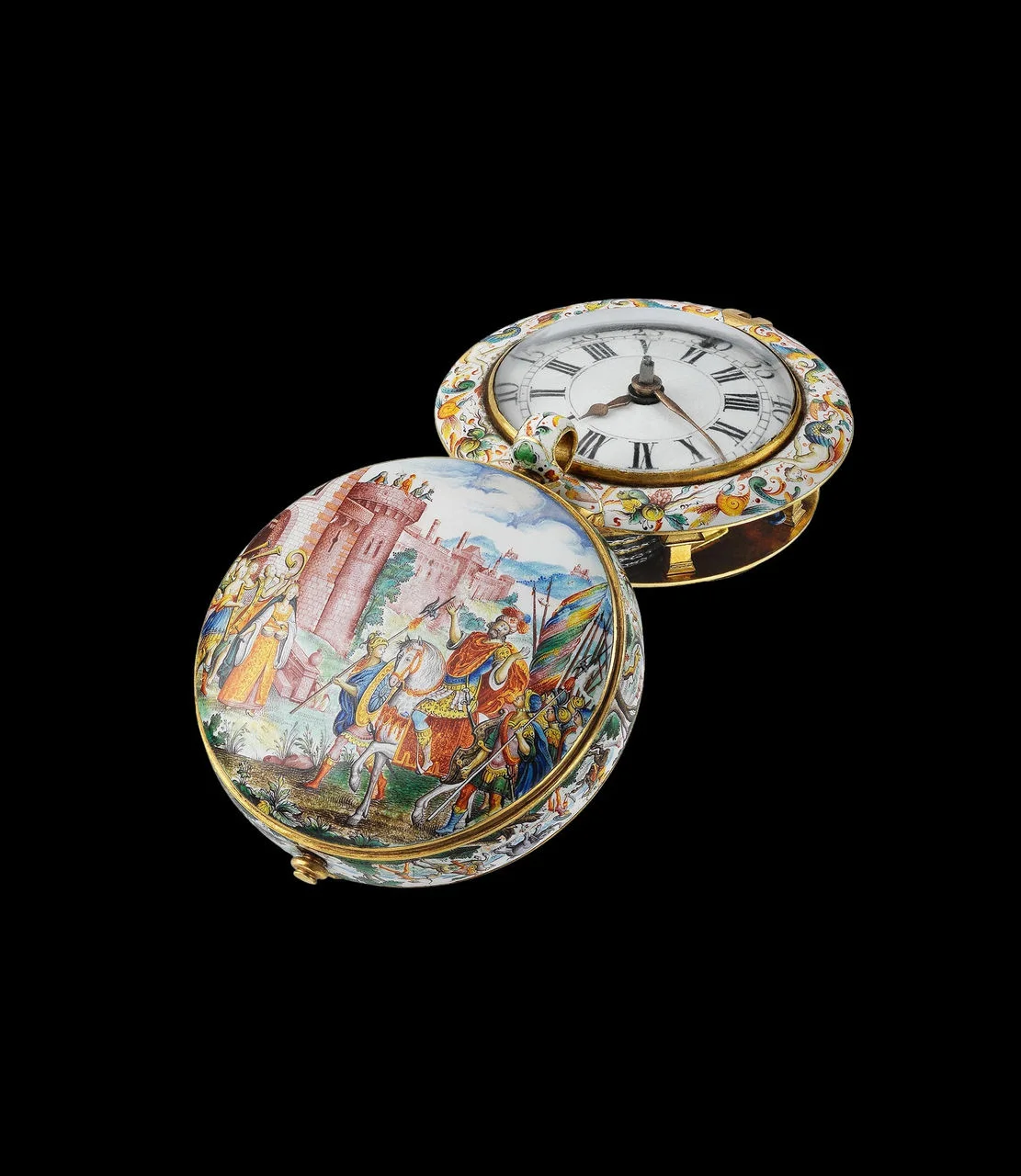
All parts of the case are covered with enamel miniatures, including the interior. Case made circa 1640, movement circa 1720. Watch signed Thomas Brown, London. Collection of the Musée international d’horlogerie, La Chaux-de-Fonds, I-1219.
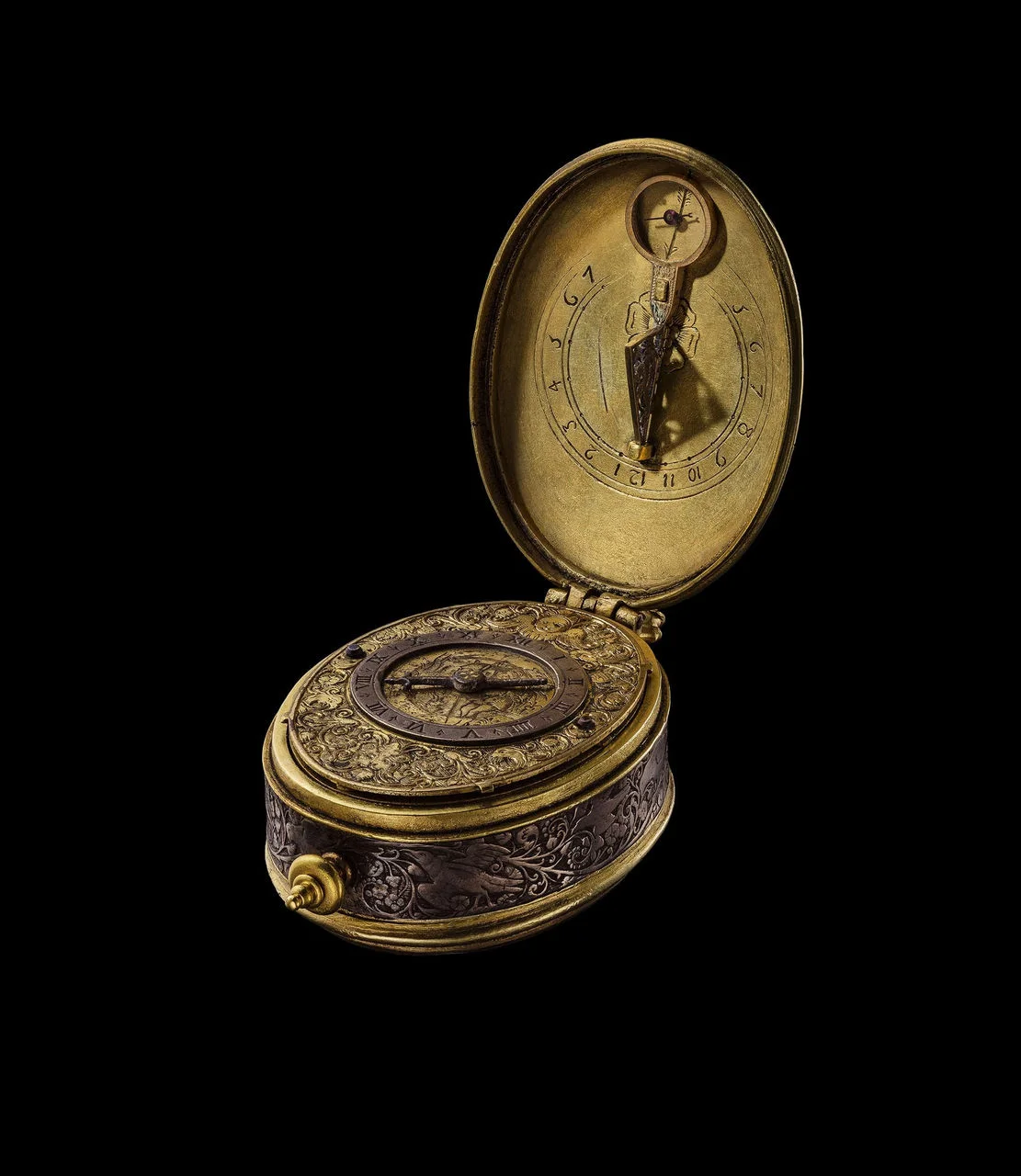
Made circa 1630 by Bergier in Lyon, this pendant watch is entirely engraved. The sundial served as a point of reference for setting the time. AP Heritage, Inv. 2028.
Calvin, the austere “godfather” of Swiss watchmaking?
It is often said that Swiss watchmaking originated in Geneva, spurred on by the Reformer Jean Calvin in the 16th century. Having taken refuge in the city on the western end of Lake Geneva – later nicknamed “Protestant Rome” or “Calvin’s city” – the man dubbed the “Pope of the Reformed Church” is said to have banned the wearing of jewellery, which was deemed contrary to the morals of the Reformation. The city’s many jewellers hence turned to watchmaking, as Calvin tolerated watches that ensured punctuality and discipline. In short, Swiss watchmakers are said to be former jewellers who changed careers.
While this story is told in books, on the internet, in films, Calvin’s edict is never mentioned. Why not? Because it does not exist, as confirmed by Swiss historian and theologian Max Engammare. On the one hand, Calvin, as a pastor, never held any political power. Having settled in Geneva in 1541, he issued rules for the clergy, notably promoting punctuality at worship services. According to some sources, he also imposed fines on latecomers. On the other hand, the restriction on the wearing of jewellery was not Calvin’s doing but instead stemmed from “sumptuary ordinances” published as early as 1558, which limited the wearing of gold and silver chains and were similar to other laws enacted at that time in many European cities.
While this myth has thus been debunked, to say the least, there is no smoke without fire. Historian Estelle Fallet, chief curator of Geneva’s Musée d’art et d’histoire, readily acknowledges that while Calvin did not ban jewellery in Geneva, she nevertheless describes him as the “godfather” of watchmaking: “Calvin’s influence on society lays in the realm of moral discipline”, which contributed to the rise of watchmaking in Geneva, notably culminating in the establishment of the watchmakers’ guild in 1601. It would however, be wrong to think that watchmakers had replaced jewellers in Geneva. Until the 1650s, there were more jewellers than watchmakers. Faced with edicts restricting their activities, some turned their hand to watch cases. It was therefore the collaboration between watchmakers and jewellers that fostered the rise of the Geneva watch industry. The collections of Geneva’s Musée d’art et d’histoire or the Patek Philippe Museum offer compelling insight into this shared history. The watches are often embellished with enamel, niello, gemstones or engravings, transforming them into true works of jewellery. For in Geneva, more than in any other Swiss watchmaking city, jewellery and watchmaking have always gone hand in hand.
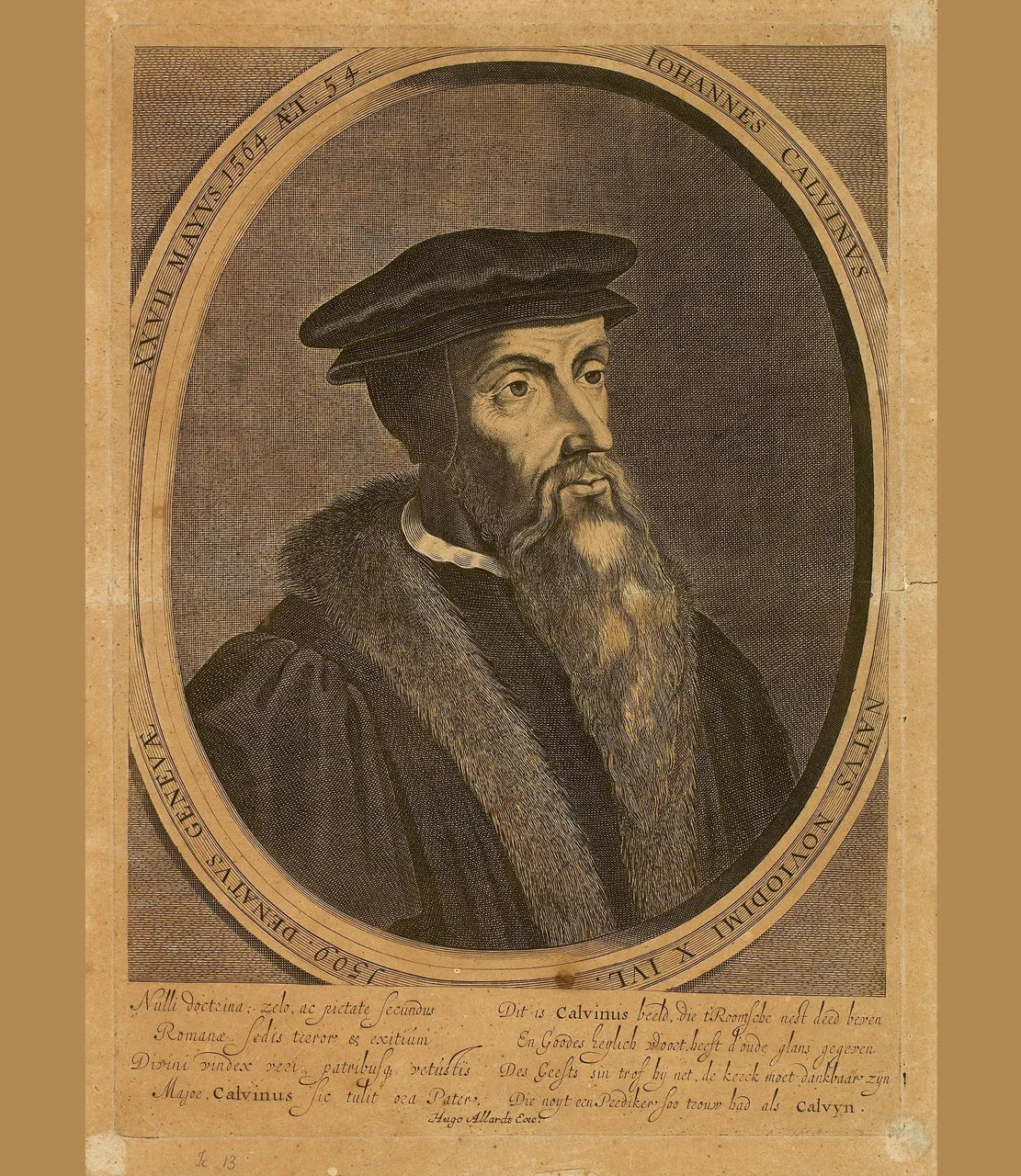
Jean Calvin (1509–1564), a French theologian, pastor and reformer who had been based in Geneva since 1541. Hugo Allard the Elder (1627 – 1684), Bibliothèque de Genève.
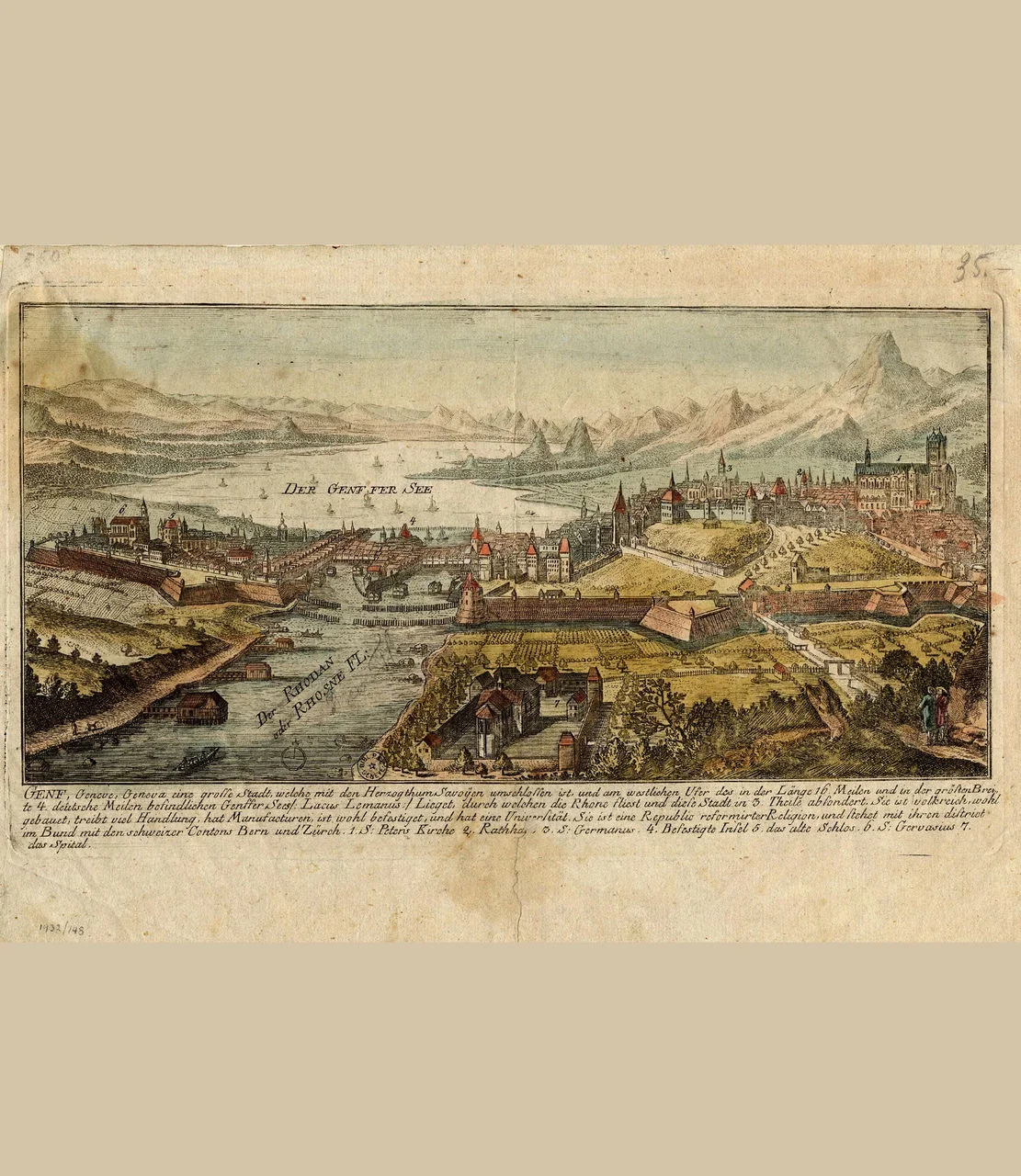
This engraving depicts the city of Geneva around 1600, at the time the first watchmakers’ guild was founded. Bibliothèque de Genève, 13P 03.
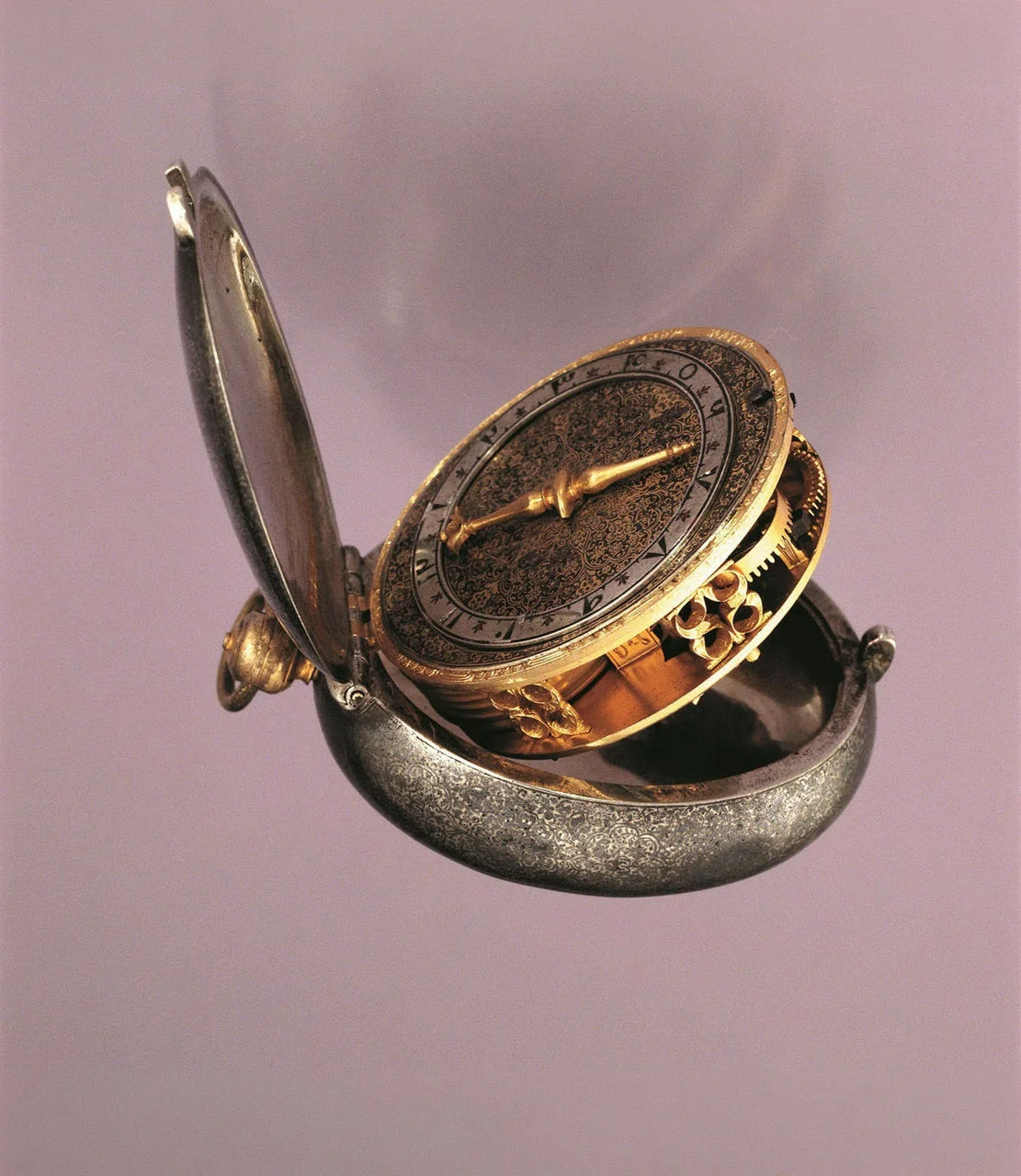
Made in Geneva around 1650 by Jean Arlaud, this oval watch features a dial very finely inlaid with floral motifs. Musée international d’horlogerie, La Chaux-de-Fonds, Inv. I-555.
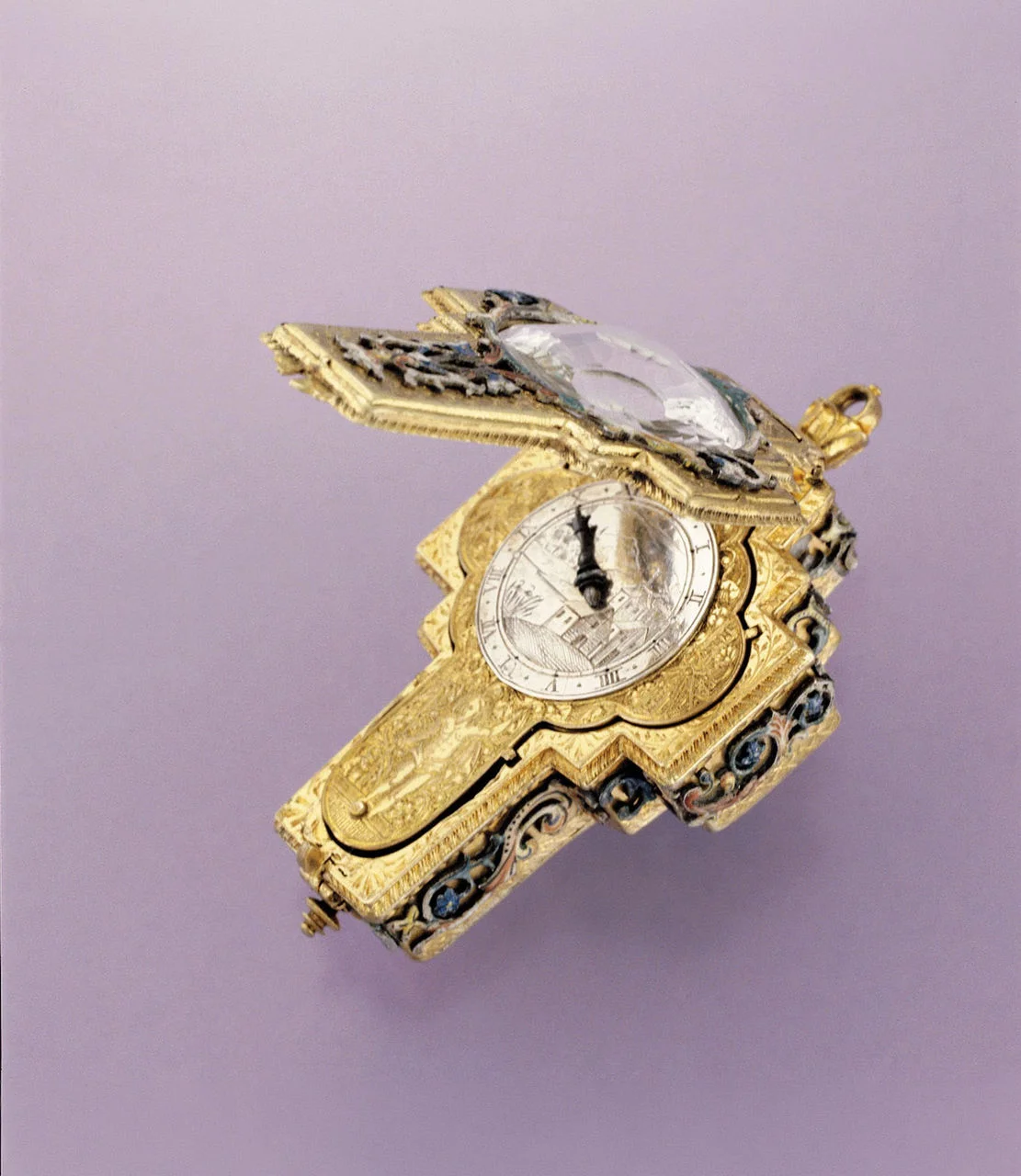
Bearing the signature “Jean Rousseau à Genève”, this crucifix-shaped watch from the 1640s–60s combines silver, rock crystal and brass. Musée international d’horlogerie, La Chaux-de-Fonds, Inv. I-1158.
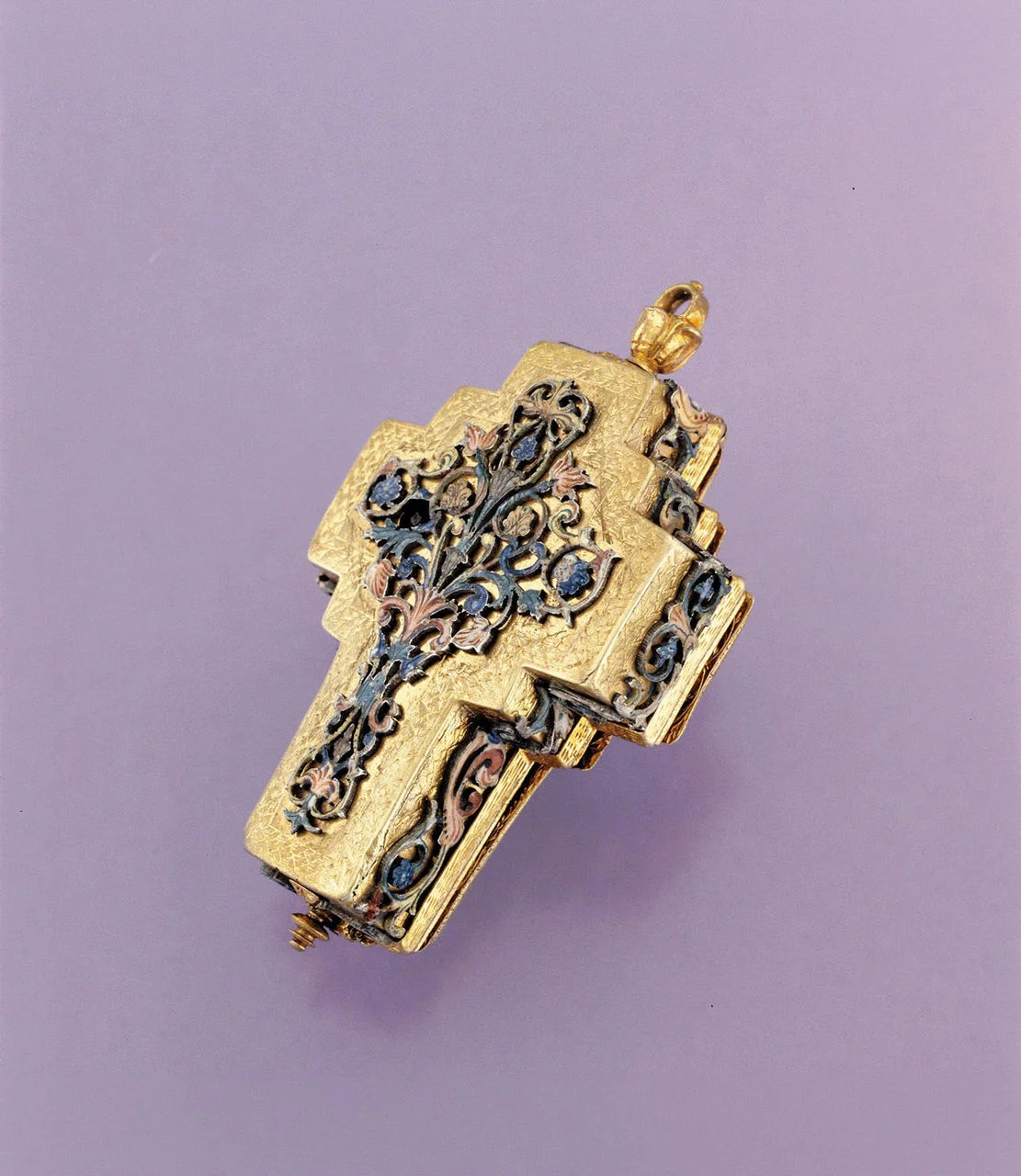
Signed Jean Rousseau in Geneva, this crucifix-shaped watch from the 1640s–60s combines silver, rock crystal and brass. Musée international d’horlogerie, La Chaux-de-Fonds, Inv. I-1158.
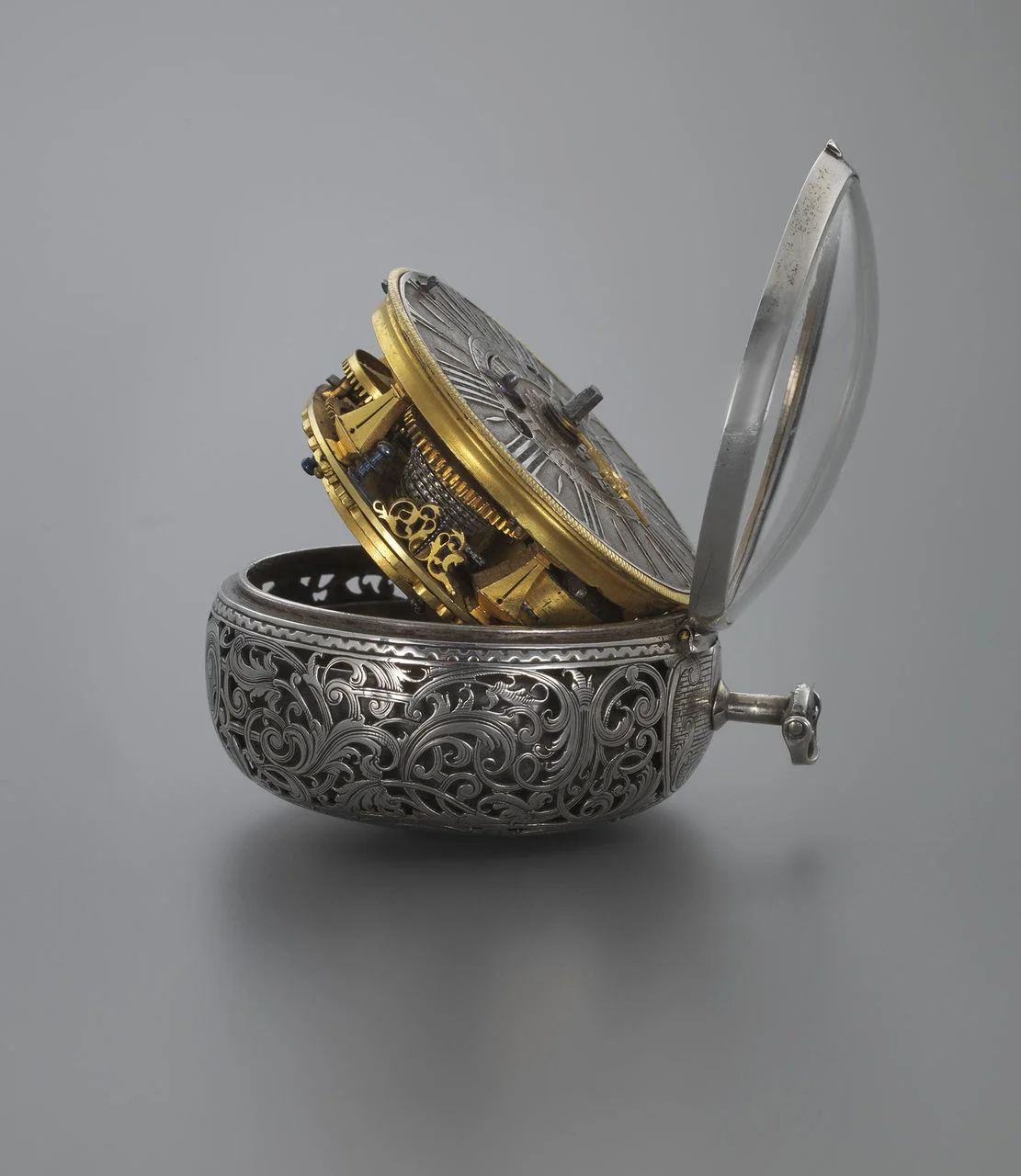
Made in Geneva circa 1695, this watch by Jean Chais gives pride of place to goldsmithing. Alarm. Finely chased silver. Musée d’Art et d’Histoire, Geneva, AD 2738.
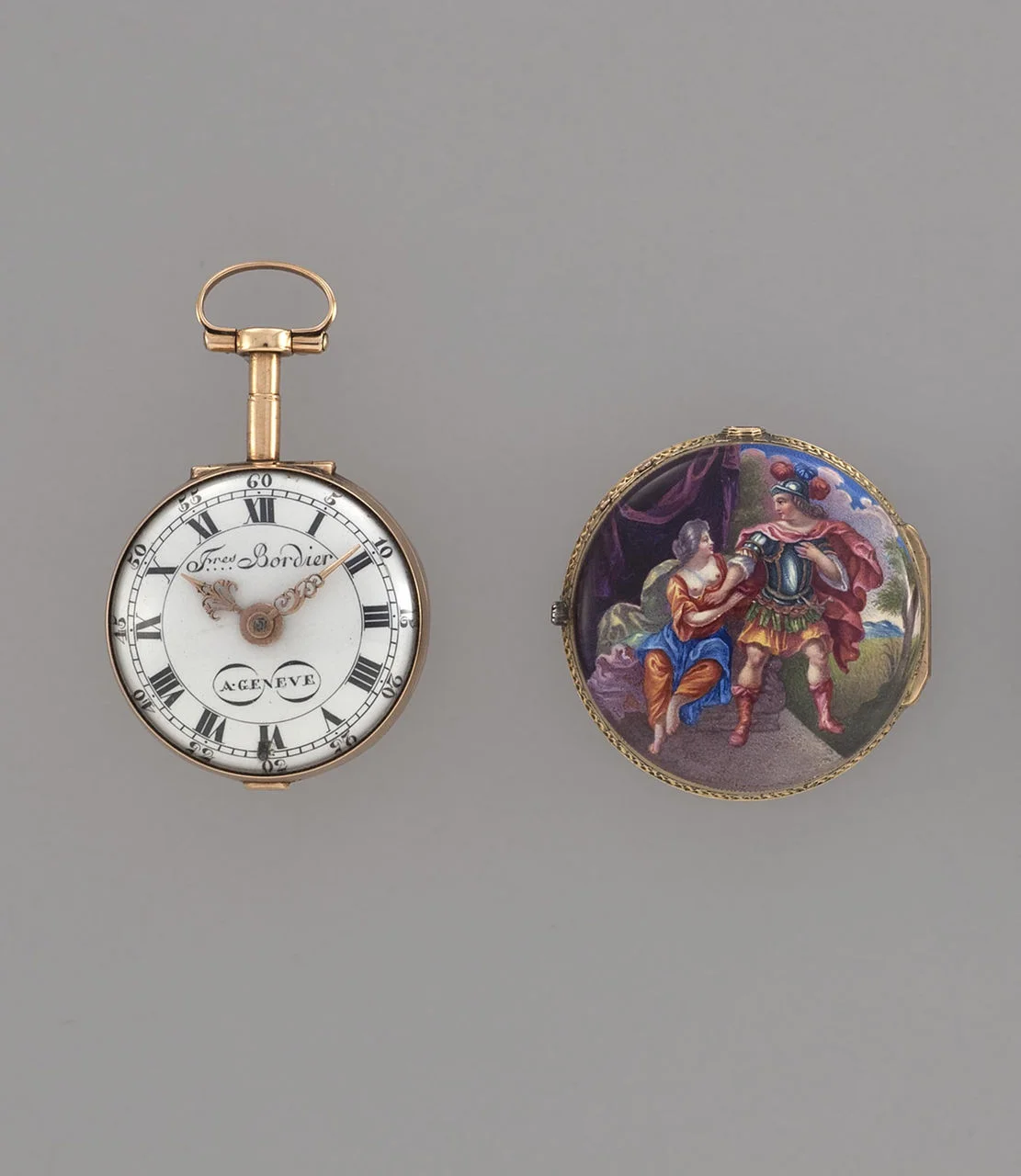
Circa 1770. The reverse of the watch is adorned with an enamel miniature reproducing a masterpiece painting. Bordier Frères, Geneva. Musée d’Art et d’Histoire, Geneva, AD 0282.
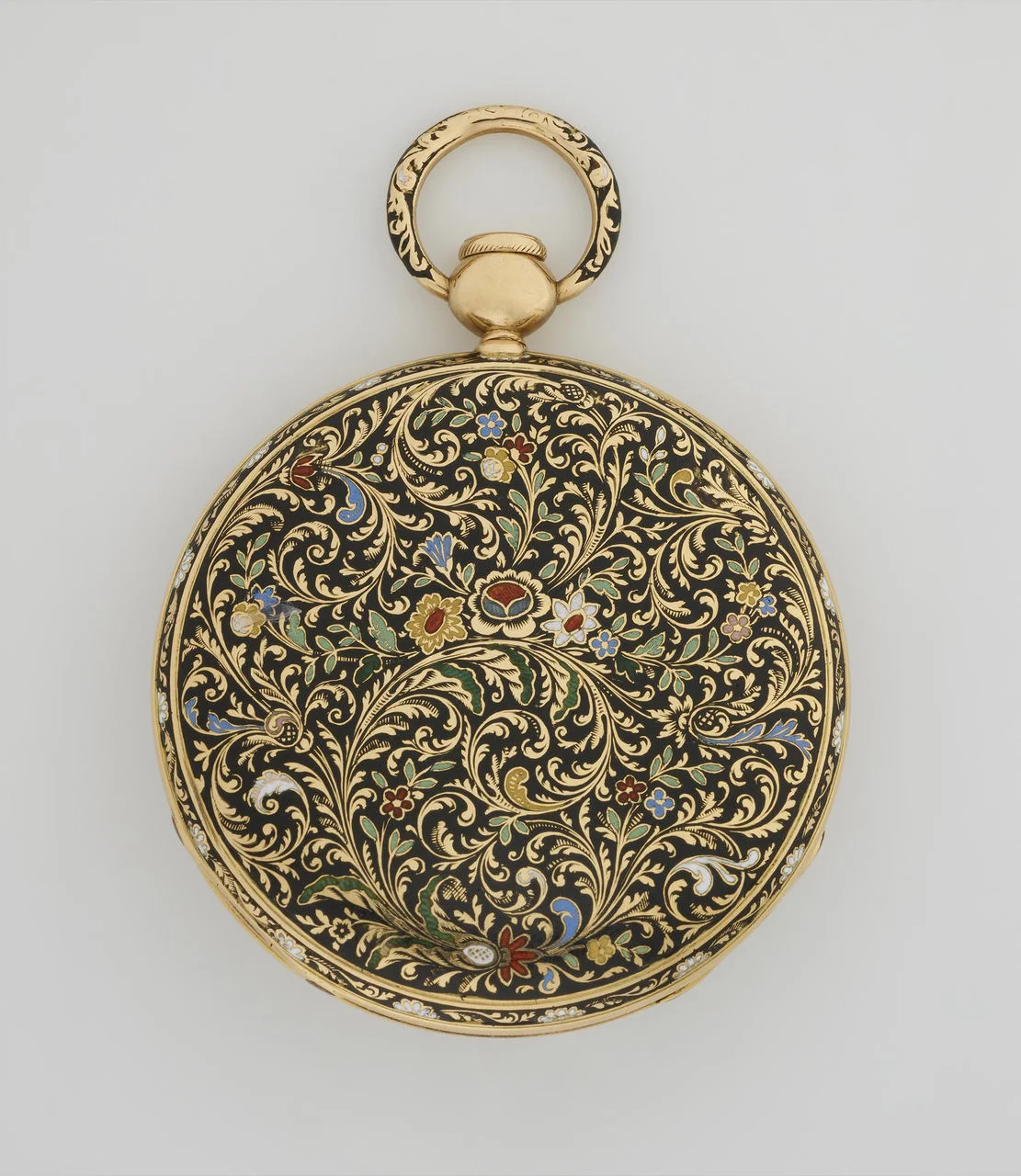
Circa 1820. The gold case is adorned with floral motifs in champlevé and flinqué enamel. Quarter-repeating watch bearing the signature of Moïse Etienne Ruegger (Geneva). Musée d’Art et d’Histoire de Musée d’Art et d’Histoire, Geneva, Inv. M 0916.
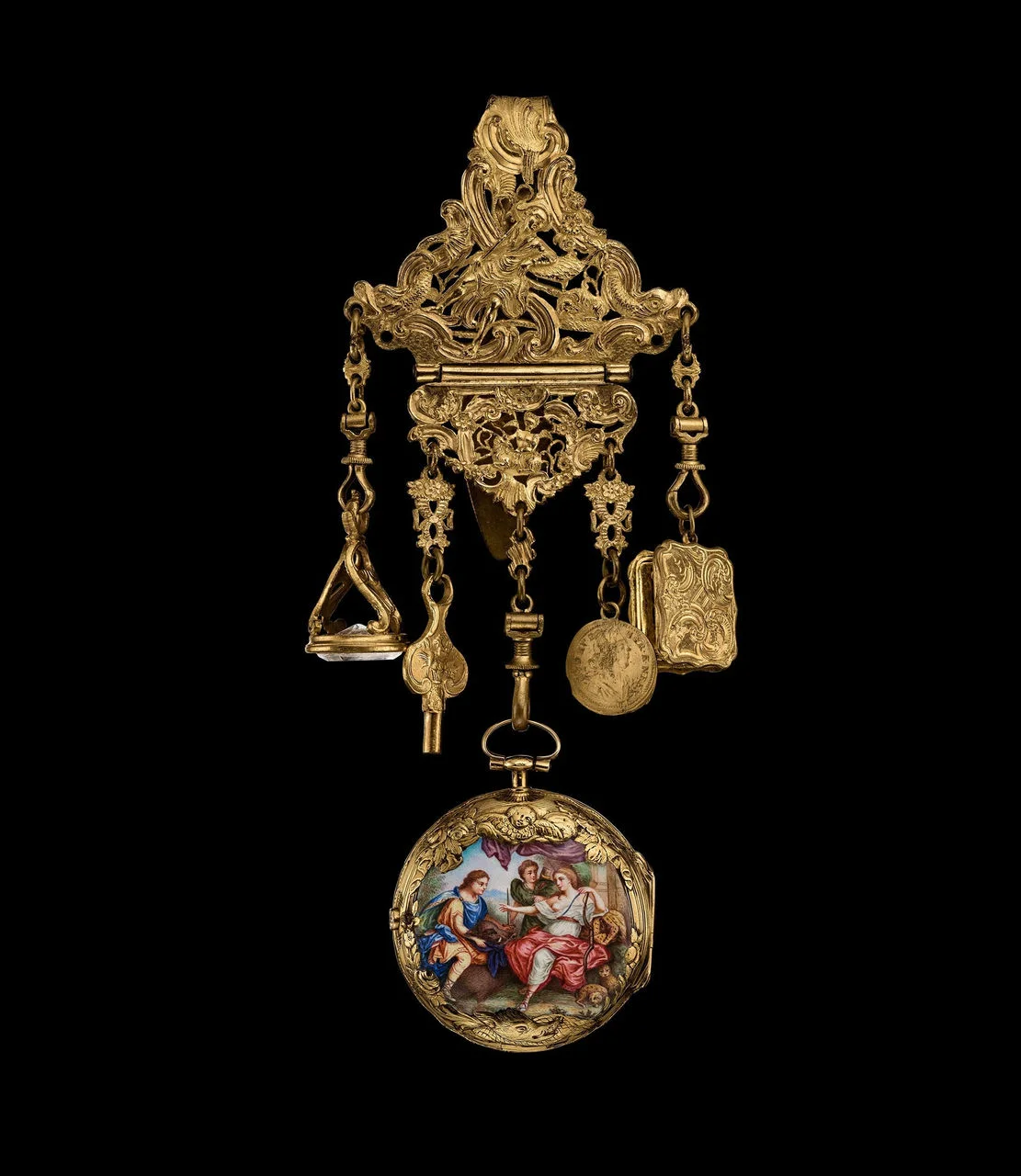
Châtelaine watch. The watch is suspended from a chain, known as a châtelaine, attached to the belt. This 18th century aristocratic speciality became popular during the following century. Circa 1745. Musée d’Art et d’Histoire, Geneva, Inv. M 0980.
Extremely discreet collaboration
Behind closed workshop doors, collaboration between watchmakers and jewellers is absolutely essential and yet it almost never leaves a trace, as it is extremely rare for several artisans to place their signature on the same creation.
This chapter is illustrated with a few examples from the Audemars Piguet Heritage Collection. The first is an exceptional watch made circa 1800 for China and shaped like a perfume bottle. Attributed to the watchmakers Piguet & Capt (Vallée de Joux and Geneva), the timepiece required the expertise of highly talented enamellers, engravers and goldsmiths, yet it bears no signature or hallmark.
This discretion also extended to fine clockmaking. In 2024, Audemars Piguet supported the restoration of an 18th century French royal clock that was damaged during the sacking of the presidential palace in Brasília in 2023. The movement bears the signature of French clockmaker Balthazar Martinot. Despite the fact that its splendid cabinet bears no signature, experts agree that it can be attributed to the famous workshops of Charles André Boulle in Paris. So while we may not know the artisan who initially made this clock, it is well worth mentioning here those who have brought it back to life: Swiss clock restorer Dominique Mouret; marquetry specialists Brossy & Fils in Morges; glassblower Christophe Huguenin in Neuchâtel; as well as one of the last Parisian bronze casting specialists, who even now prefers to remain anonymous.
The line between watchmakers and jewellers is sometimes blurred. Jewellers such as Van Cleef & Arpels, Bulgari, Boucheron and Cartier have occasionally ventured into watchmaking. Cartier is said to have produced its first watches at the request of the aviator Santos Dumont, a friend of Louis Cartier. To source watch movements – and occasionally cases – the French brand turned to Swiss watchmakers, including LeCoultre & Cie and Audemars Piguet, before establishing its own dedicated workshops.
Conversely, some Swiss watchmakers such as Piaget have established a reputation in the world of jewellery, particularly since the 1980s and 1990s. Another example is Chopard, a brand acquired in 1963 by the Scheufele family – with a background in German goldsmithing – and which has been creating jewellery since the late 1970s.
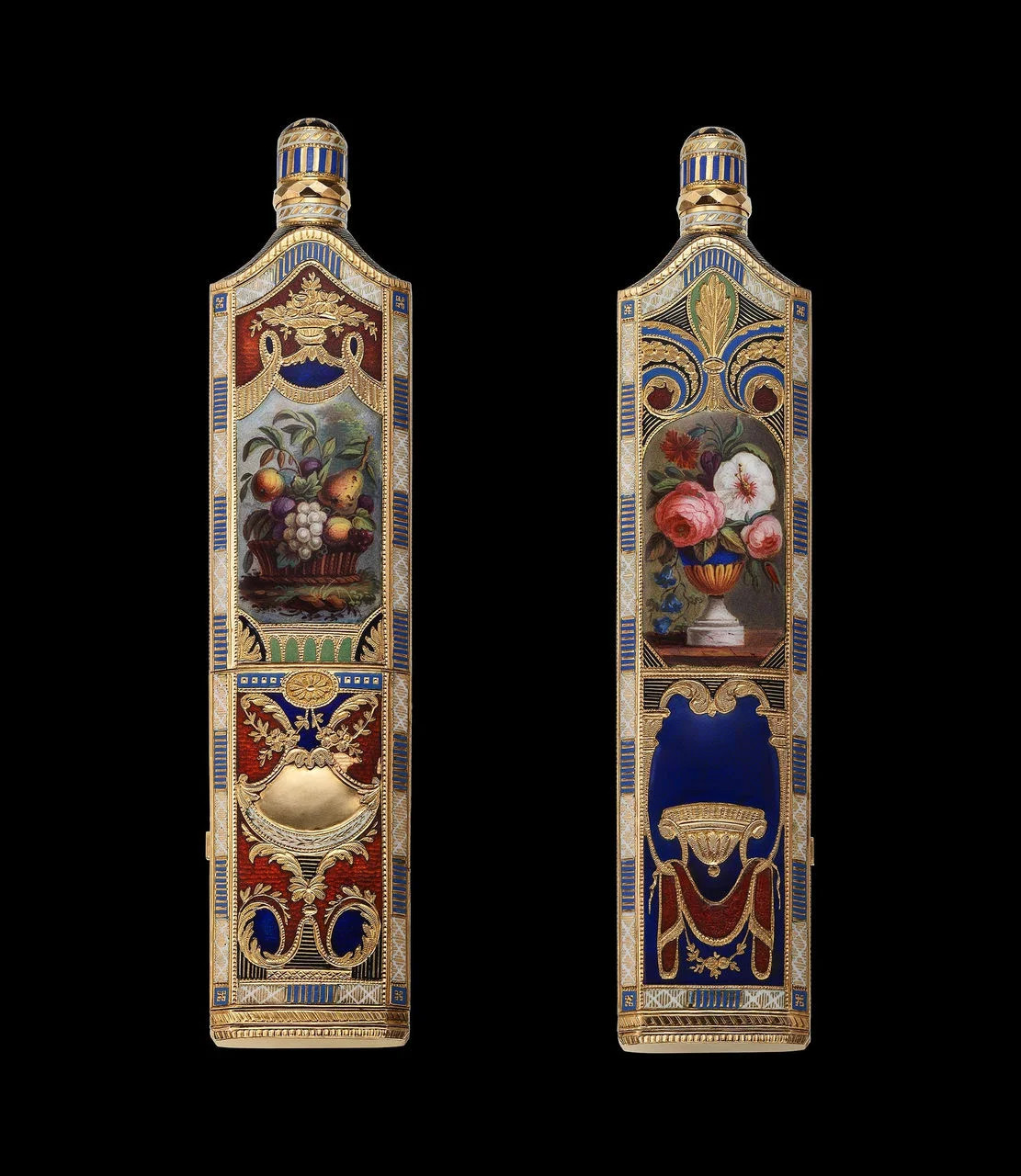
This “secret” watch from the 1800s, intended for the Chinese market, also serves as a perfume bottle. None of the many workshops involved in its creation – likely including the watchmakers Piguet & Capt – left a signature. AP Heritage, Inv. 2380.
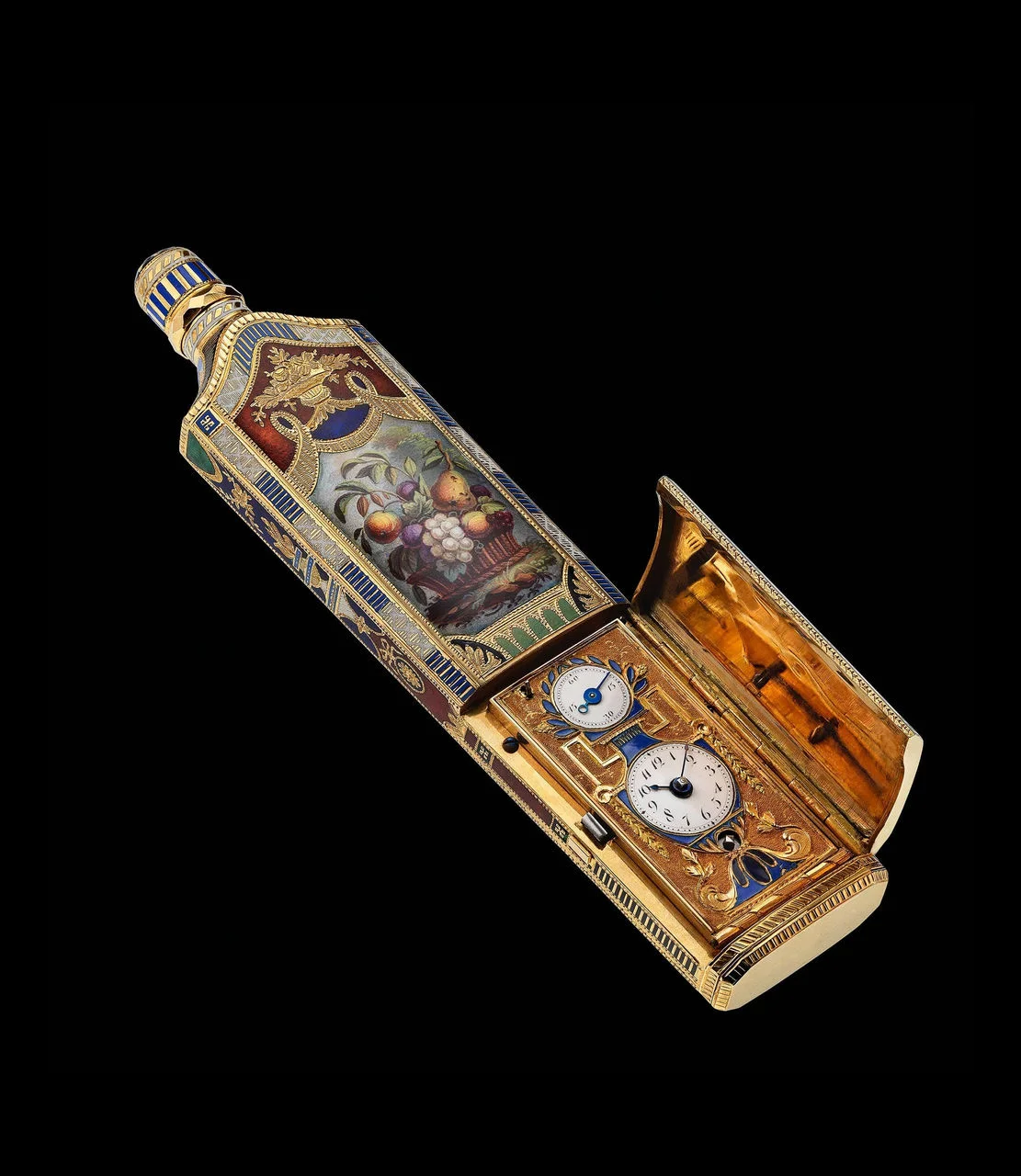
This “secret” watch from the 1800s, intended for the Chinese market, also serves as a perfume bottle. None of the many workshops involved in its creation – likely including the watchmakers Piguet & Capt – left a signature. AP Collection, Inv. 2380.
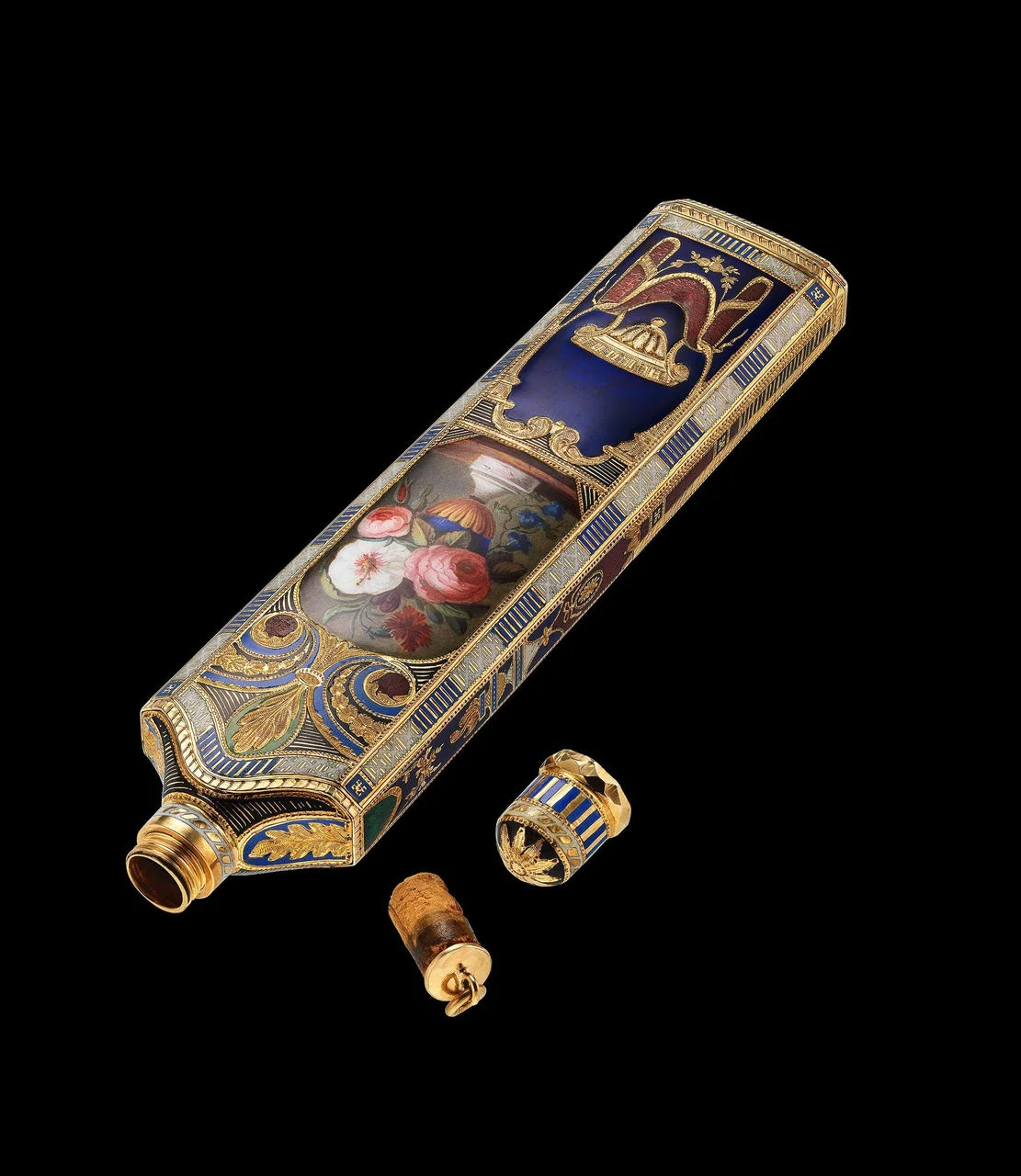
This “secret” watch from the 1800s, intended for the Chinese market, also serves as a perfume bottle. market, also serves as a perfume bottle. None of the many workshops involved in its creation – likely including the watchmakers Piguet & Capt – left a signature. AP Collection, Inv. 2380.
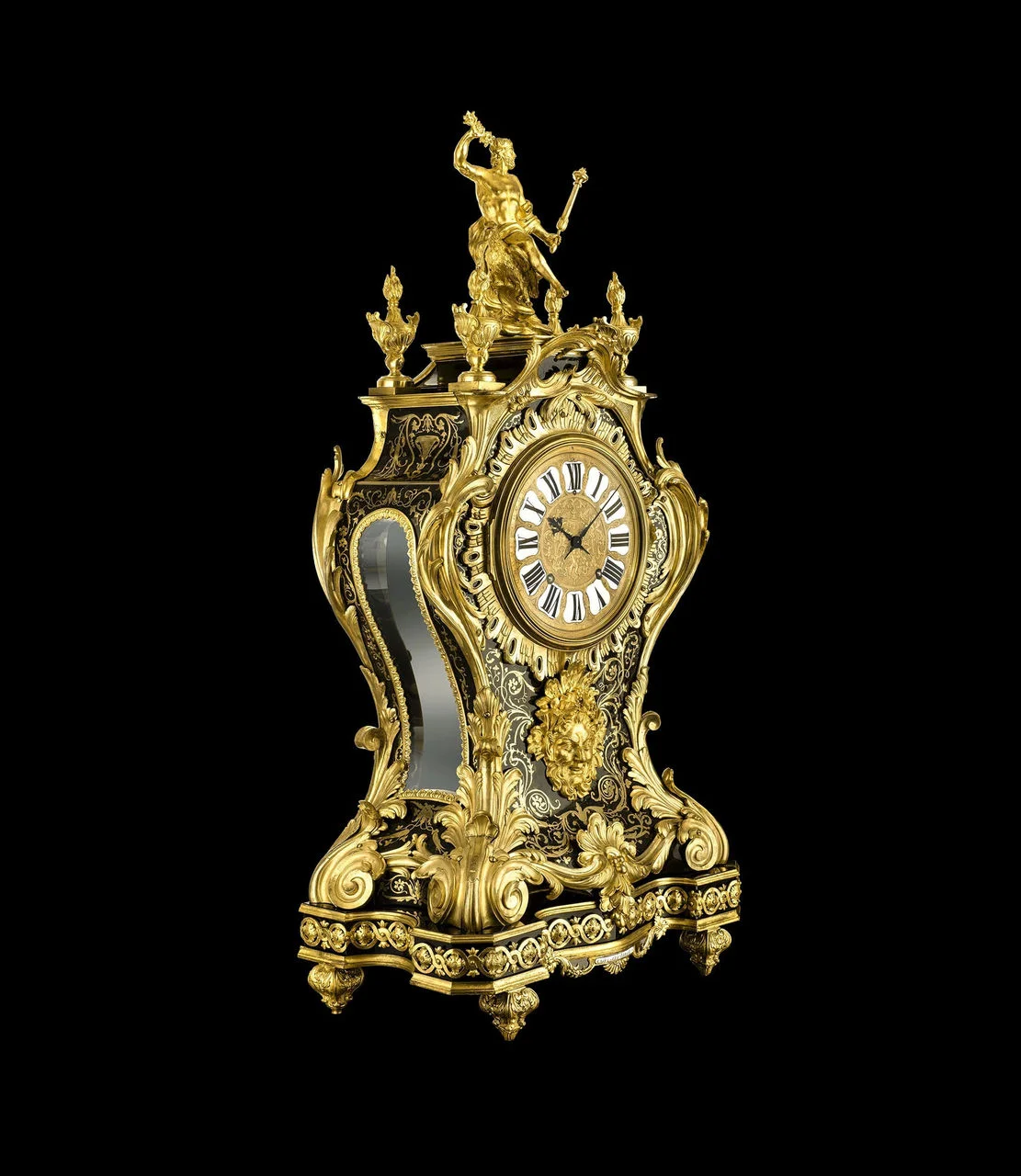
Made in the 18th century by the Martinot workshops and probably by Boulle, this clock is said to have been presented to the King of Portugal, Dom João VI, who is thought to have taken it with him to Brazil circa 1808. Palácio do Planalto Collection in Brasília.
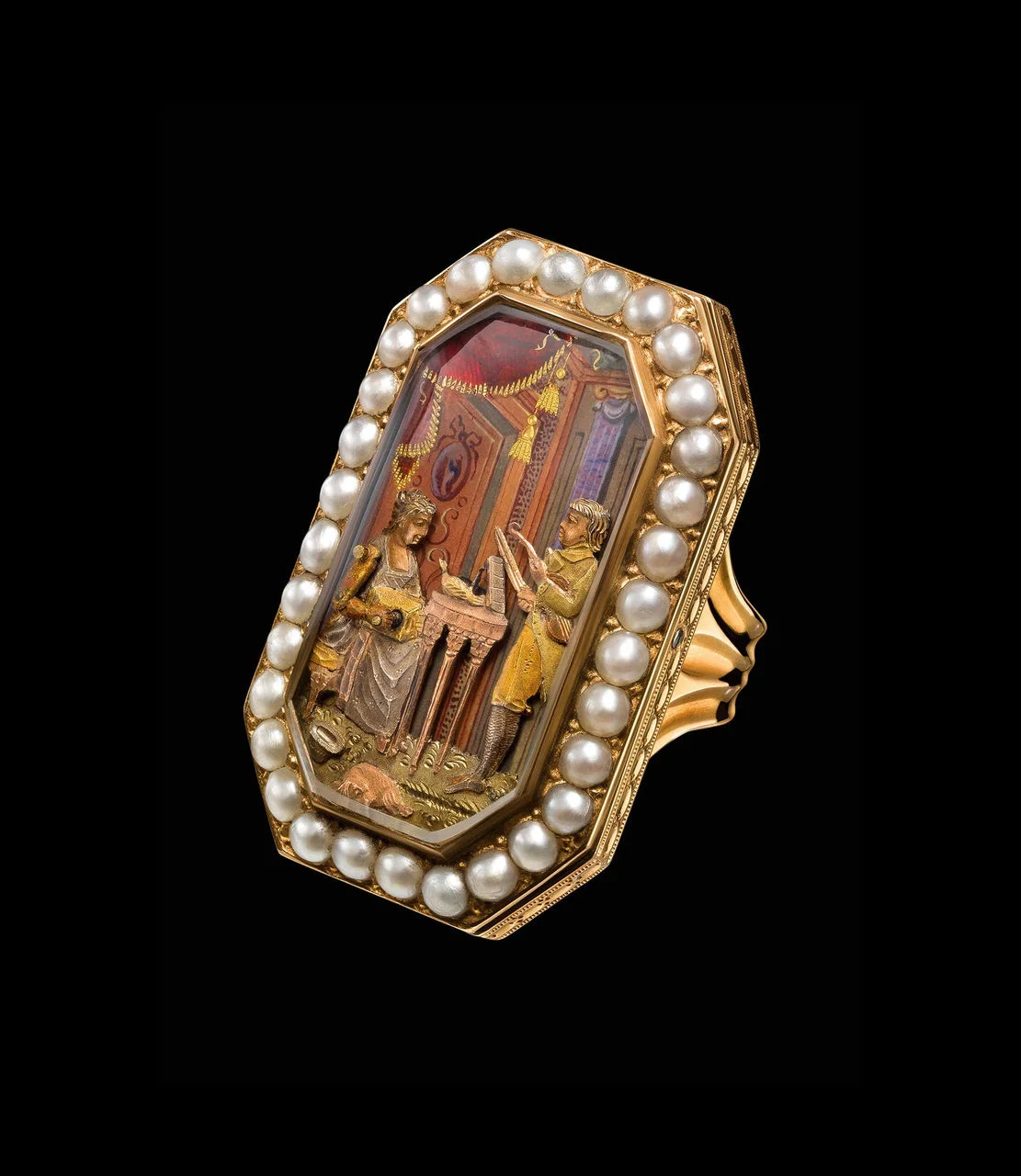
Circa 1800. Automaton ring. Daniel Piguet, a watchmaker from the Vallée de Joux, is believed to be the inventor of the musical automaton ring. It is worth noting that this object does not tell the time. AP Heritage, Inv. 1836.
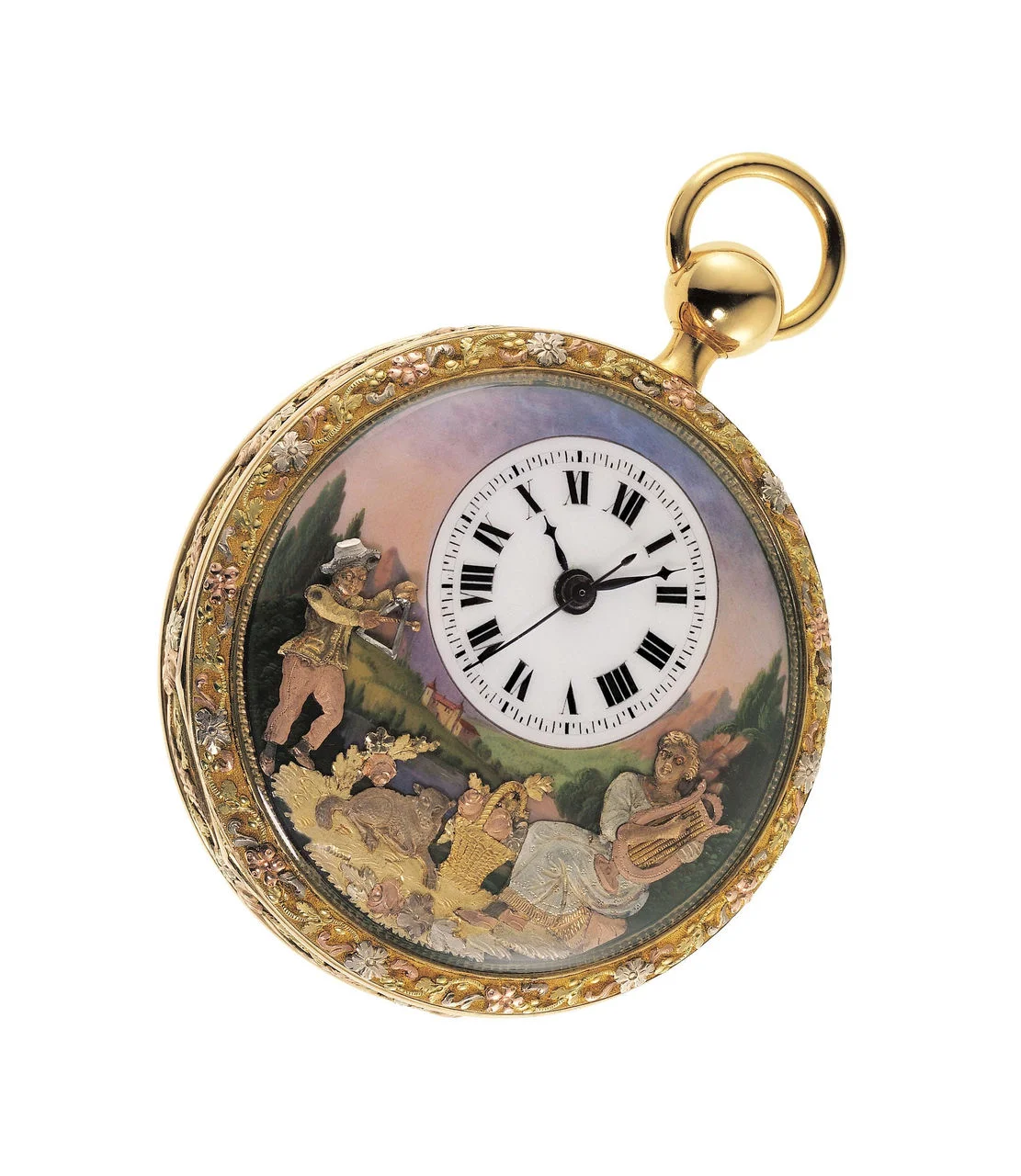
Made circa 1820, this automaton watch plays the tune “God Save the Queen” on demand or on the hour. Attributed to clockmakers Piguet and Meylan, it is adorned with engravings in four shades of gold and an enamel miniature. AP Heritage, Inv. 53.
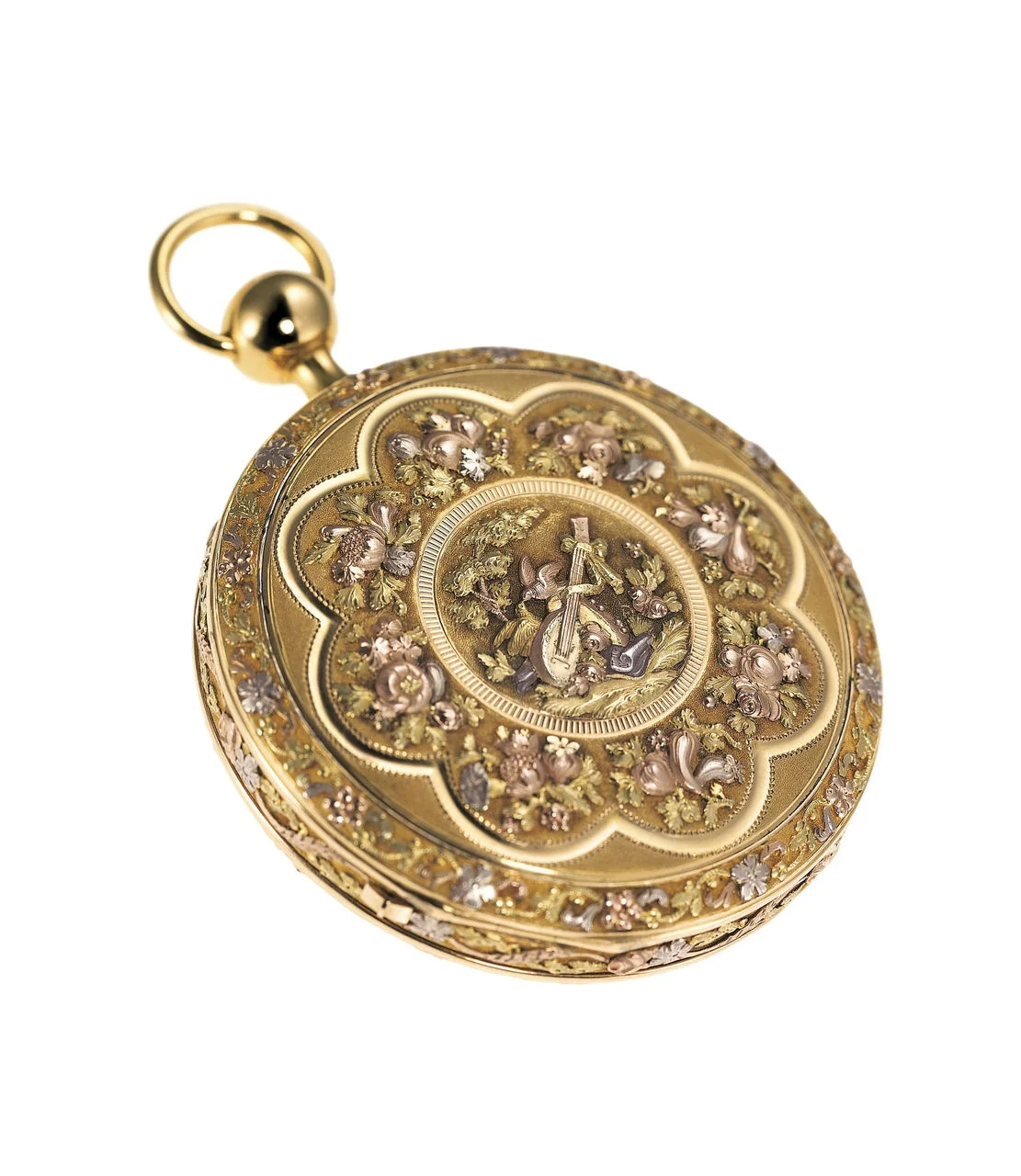
Made circa 1820, this automaton watch plays the tune “God Save the Queen” on demand or on the hour. Attributed to clockmakers Piguet and Meylan, it is adorned with engravings in four shades of gold and an enamel miniature. AP Heritage, Inv. 53.
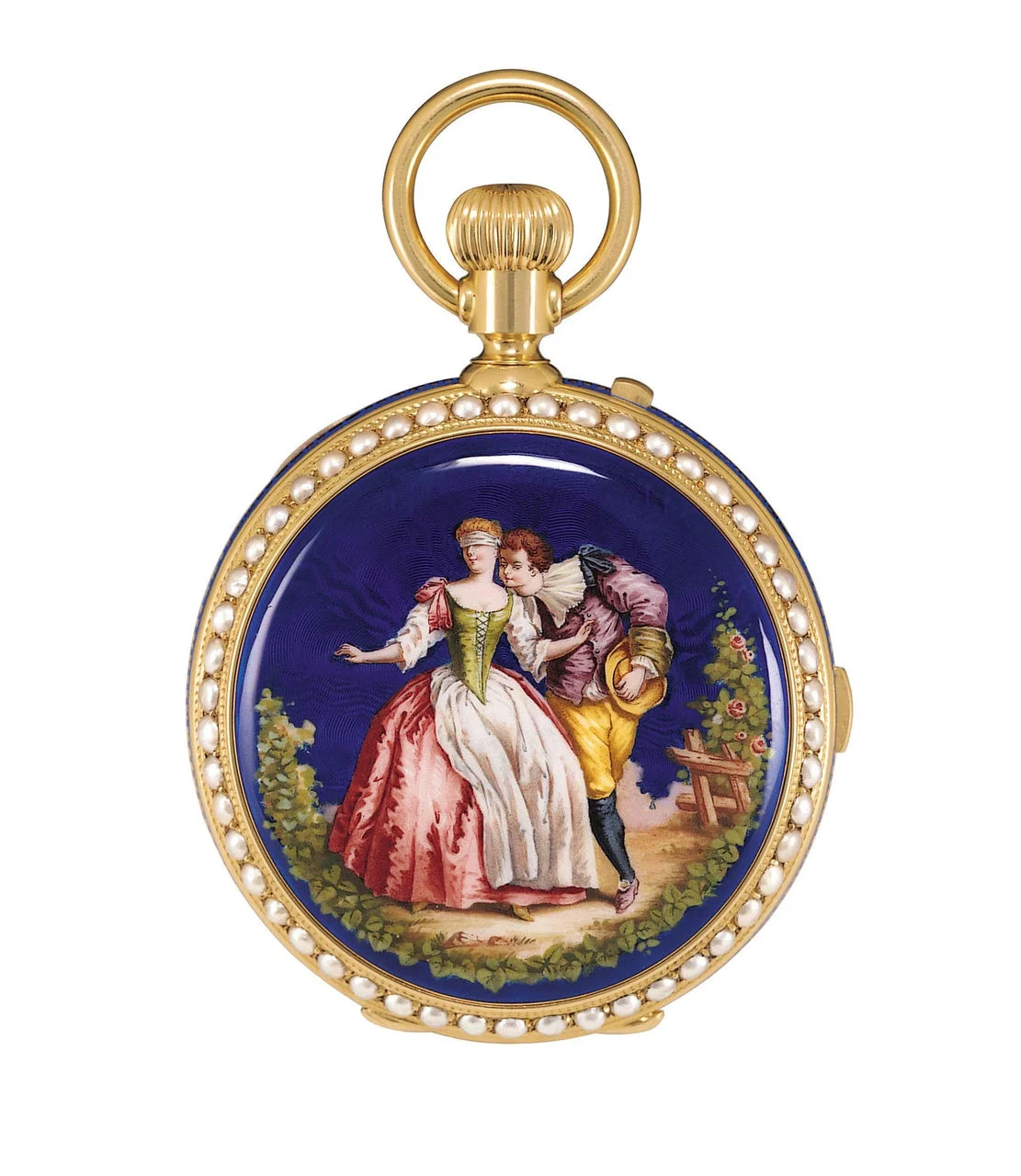
This Westminster Grande Sonnerie watch houses a movement crafted by Louis- Elisée Piguet circa 1870. Its case is set with half-pearls and adorned with enamel miniatures. AP Heritage, Inv. 7.
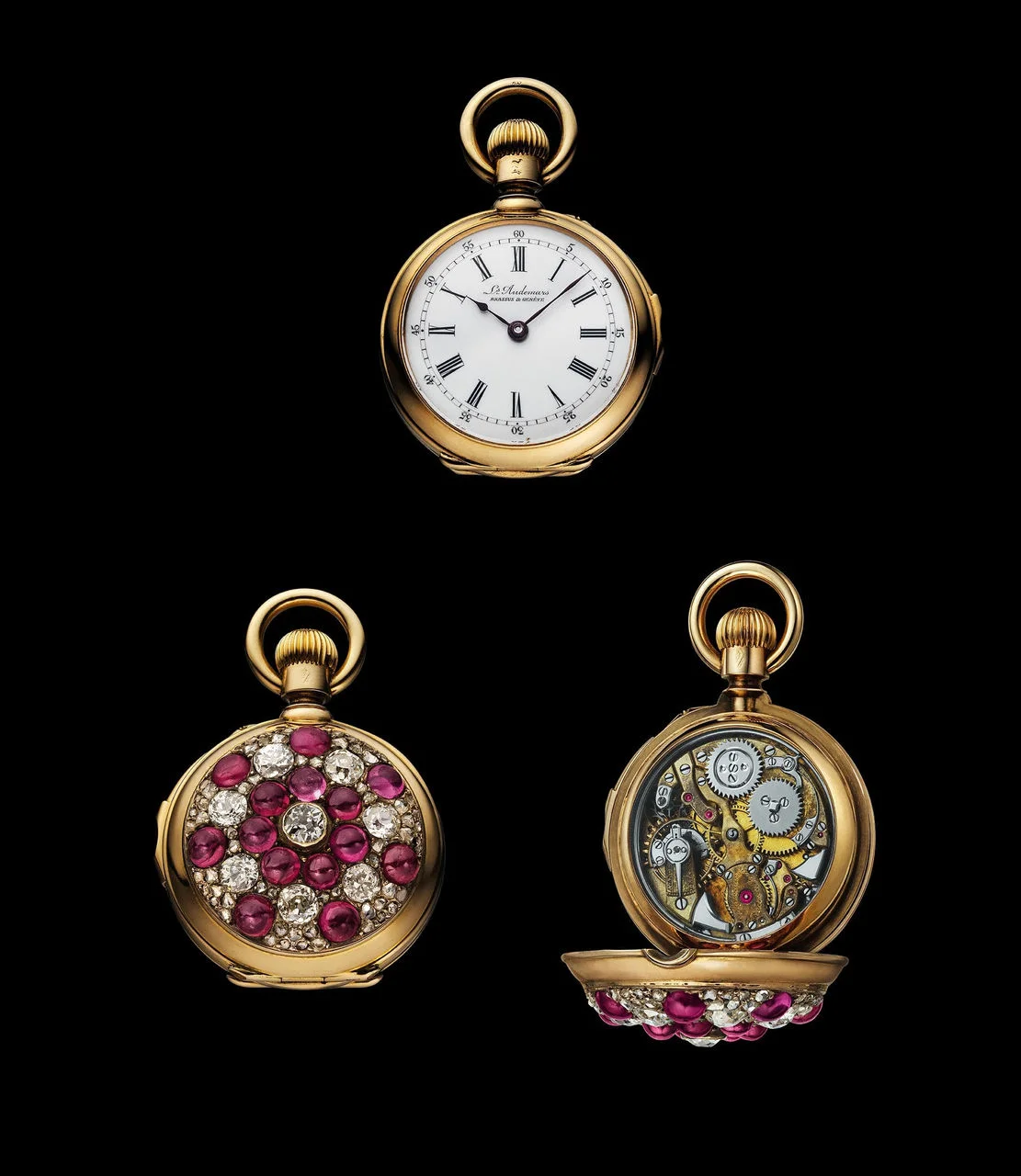
Signed Louis Audemars, this watch is one of the smallest-ever minute repeaters. It houses an 8-ligne calibre, meaning 18 mm in diameter. Circa 1880. Diamonds and rubies. AP Heritage, Inv. 423.
A couple in crisis?
At first glance, watchmaking and jewellery seem bound together for eternity. Numerous publications dedicated to watchmaking have included a jewellery section in their pages, such as Watchmaker, Jeweller & Silversmith from 1875 onwards, as well as Schmuck und Uhren Zeitung as of 1947. The Basel Fair – the world’s largest watch show in the 20th century, – granted an increasingly prominent place to jewellery in the course of its history. One should also mention the EPHJ and BIJORCA trade fairs, as well as the Inhorgenta show in Munich, which still combine the two arts to this day. As for watchmaking schools, most introduced jewellery courses from the 20th century onwards.
Despite this apparent unity, the partnership between watchmakers and jewellers was seriously undermined by industrialisation. From the late 19th century onwards, in response to industrial growth and modernisation, watches had to be produced in tens, or even hundreds of thousands. Jewellery skills therefore no longer had a place within production on that scale, having been replaced by machinery – and what initially applied to inexpensive watches spread to sports models and more broadly to electronic timepieces.
The “divorce” was nonetheless never finalised as one small segment kept the union alive: that of Haute Horlogerie. Any high-end watch is in fact both a technical object and a piece of jewellery – whether or not it is set with diamonds. This is because the finishing of all its components, from movement to case, is performed with the same meticulous care and requires expertise drawn from the world of jewellery. And when artistic crafts such as gemsetting and jewellery-making play a predominant role, the watch is referred to as a “jewellery watch”.
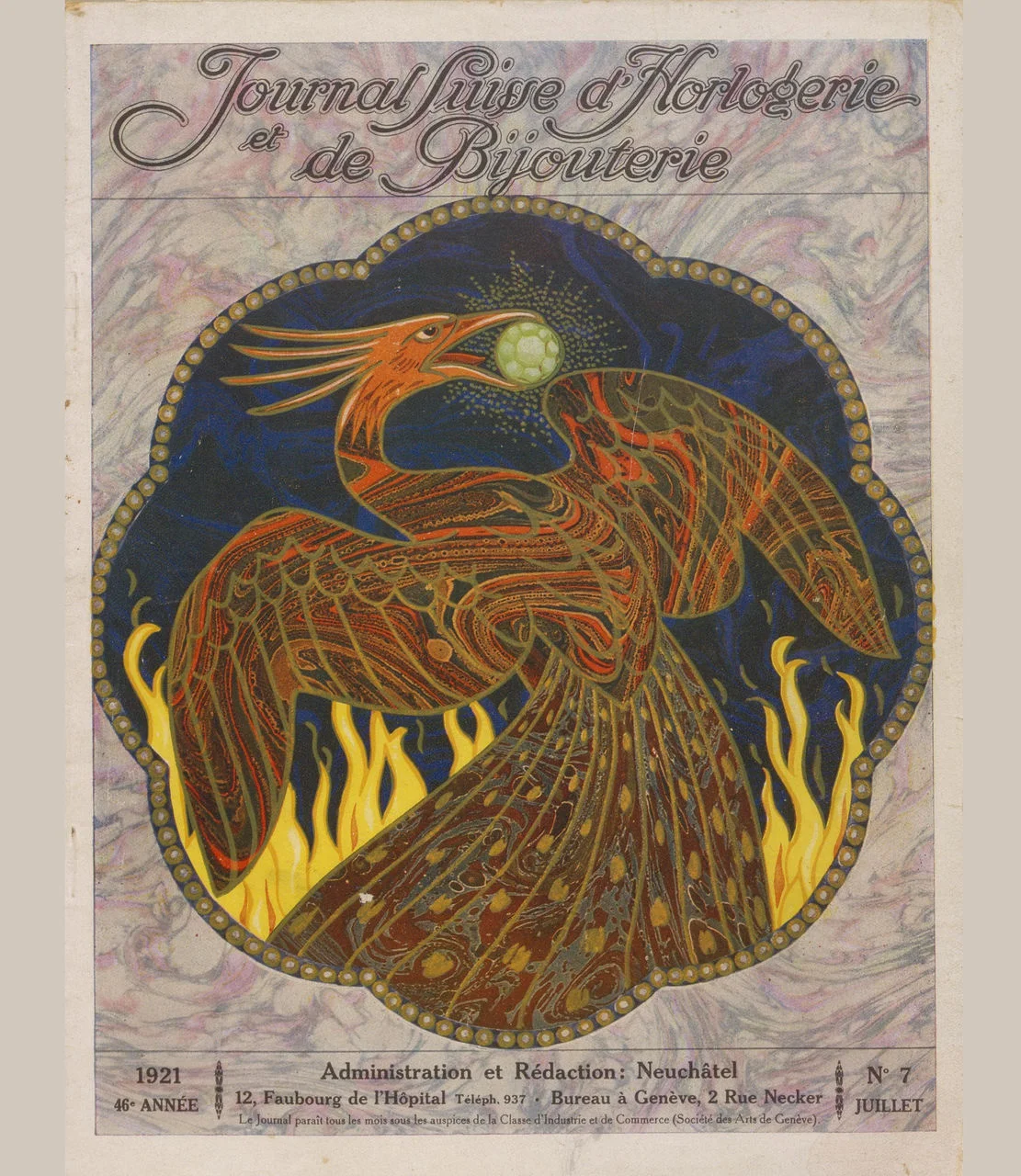
In 1921, the Journal suisse d’horlogerie, the oldest Swiss watchmaking publication, added ‘”et Bijouterie” (jewellery) to its title, thus reflecting the growing prominence of jewellery in its pages. AP Archives.
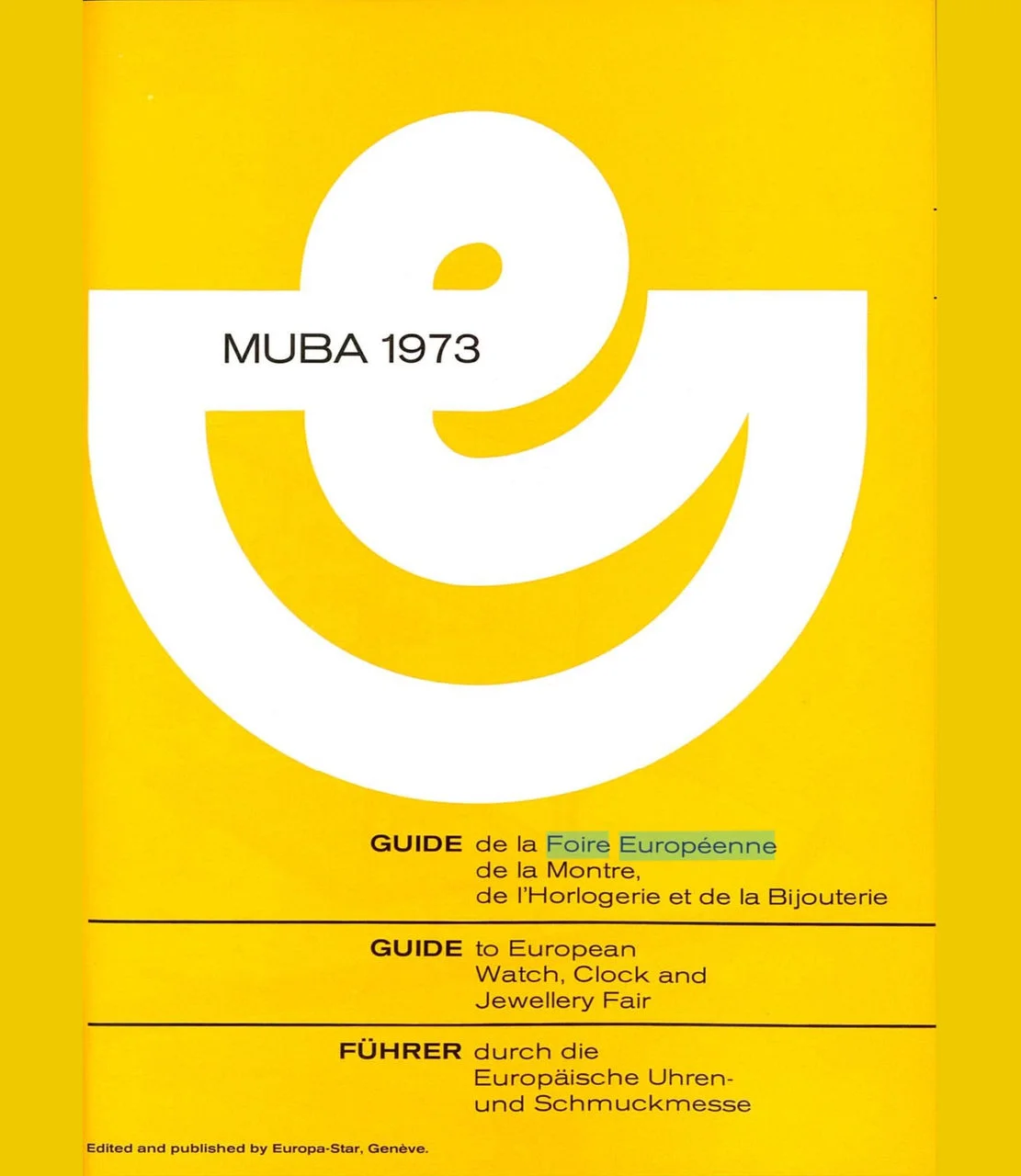
In 1973, the world’s leading watch fair, based in Basel, became the Foire Européenne de la Montre, de l’Horlogerie et de la Bijouterie. Europastar, Geneva, European edition, No. 79, April–May 1973.
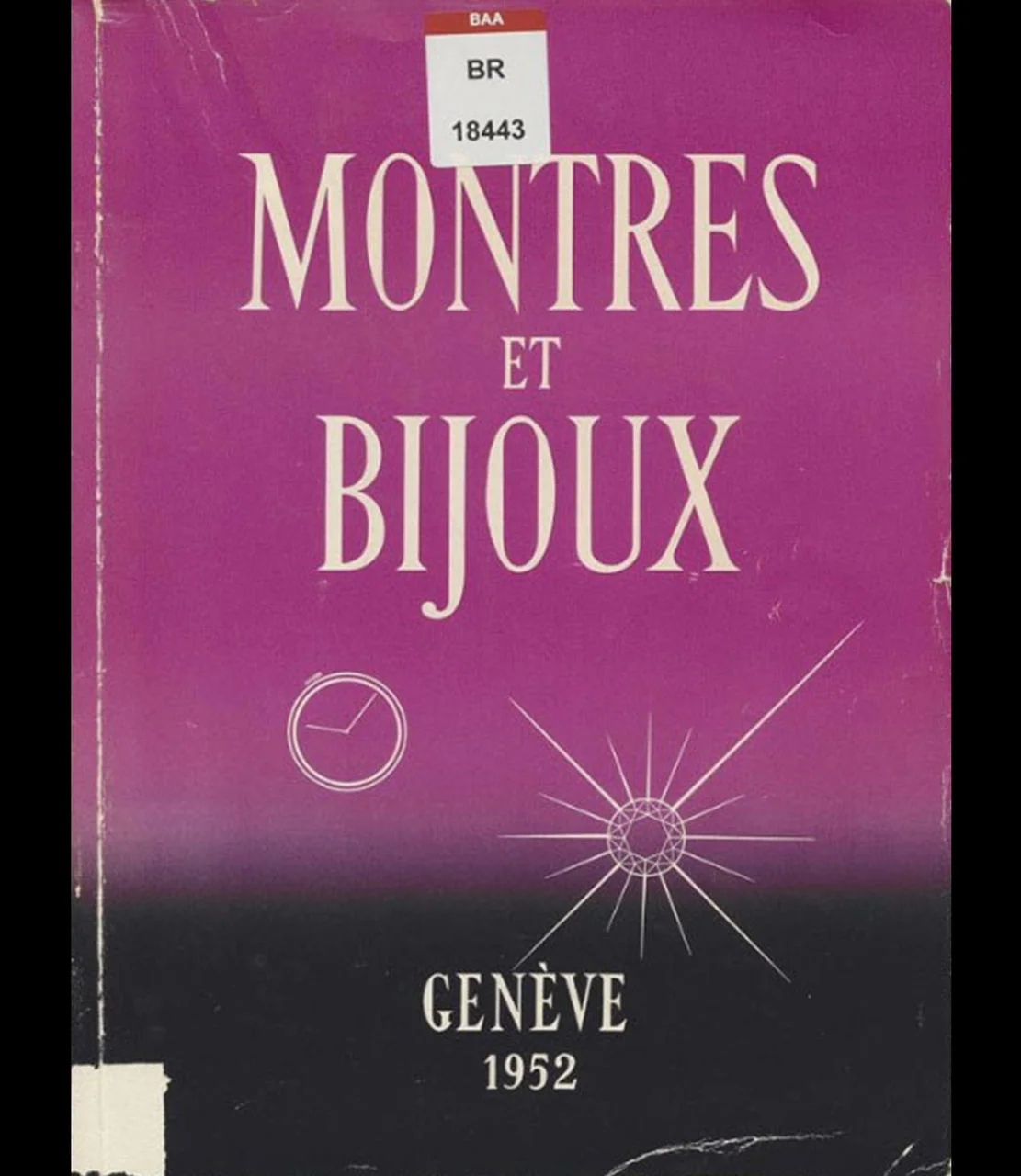
Every year from 1942 to 1982, the Montres et Bijoux fair featured both watchmaking and jewellery masterpieces. Its title inspired the name of what is currently the world’s premier watch fair: Watches and Wonders. AP Archives.
The little-known history of Audemars Piguet’s jewellery watches
The extent to which jewellery watches shaped Audemars Piguet’s history in the 19th century is often overlooked. Gemset and enamelled brooch watches; pendant watches on pearl necklaces; bejewelled ring watches, miniature wristwatches encrusted with precious stones… Each period is marked by unique creations reflecting – and in some cases ahead of – the style of their times.
These creations stem from collaborations with numerous small, independent jewellery workshops based in Geneva, Milan, Paris and New York. In some cases, these projects involved prestigious names such as Tiffany, Cartier and Heyman.
The Musée Atelier Audemars Piguet houses several interesting examples of collaboration between watchmakers and jewellers. For instance, on 5 February 1921, the watchmakers in Le Brassus sent the 25525 movement, Calibre 8RP, to New York. The precious mechanism was gemset by Oscar Heyman, a jeweller trained at Cartier, founder of the eponymous brand in 1912 and future jeweller to Elizabeth Taylor.
Offering another example of such fruitful collaboration: in May 1966, Audemars Piguet supplied its Italian agent Tramex with a specimen of the Model 8162 wristwatch. Bulgari adapted it by fitting it with one of the very first ‘Tubogas’ bracelets. Both names appear on the dial.
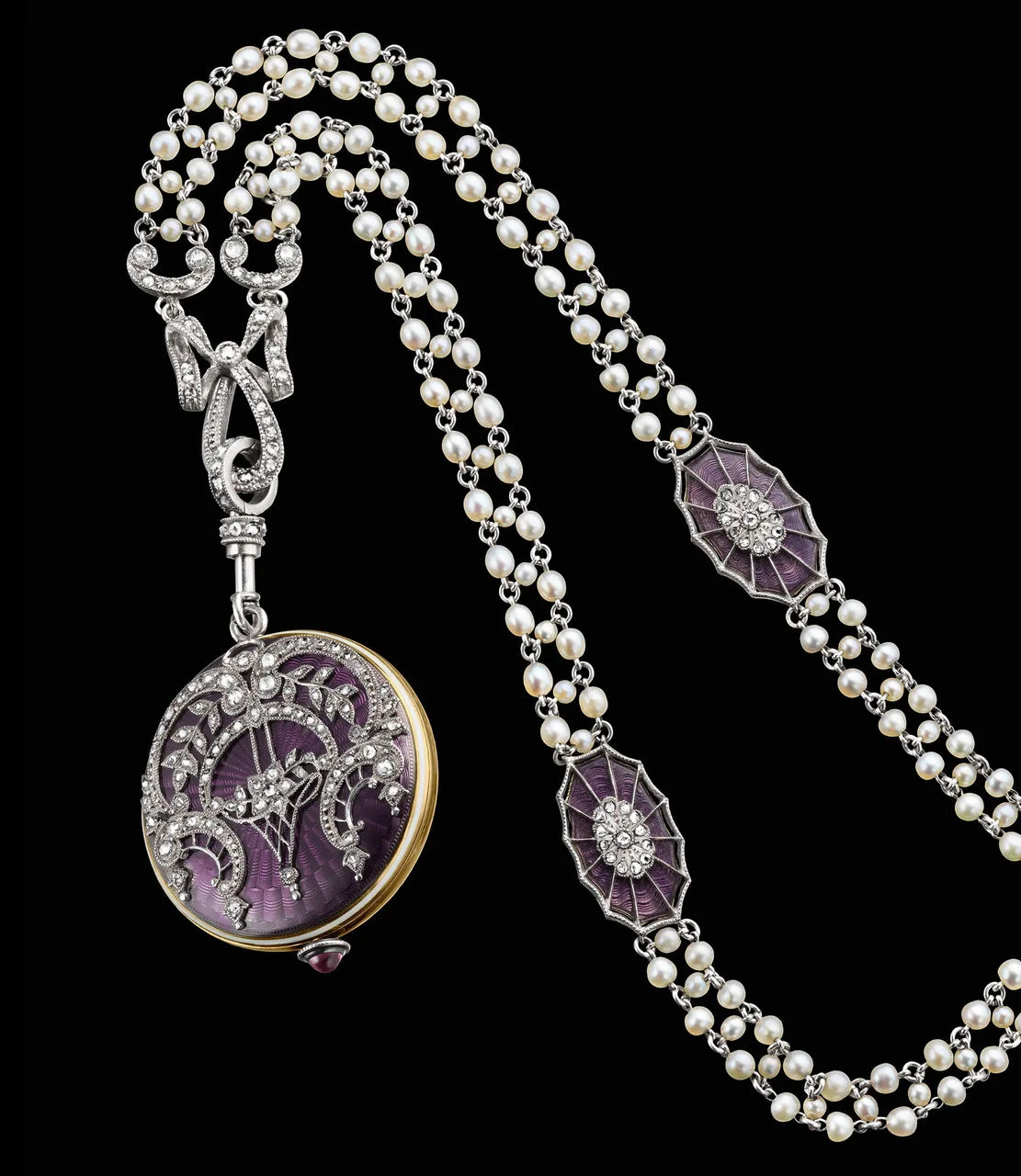
1918. Art Nouveau yellow gold and platinum pendant watch by Audemars Piguet. Case in translucent purple enamel set with diamonds. Chain adorned with pearls. White silver dial, painted numerals and blue hands. AP Heritage, Inv. 1848.
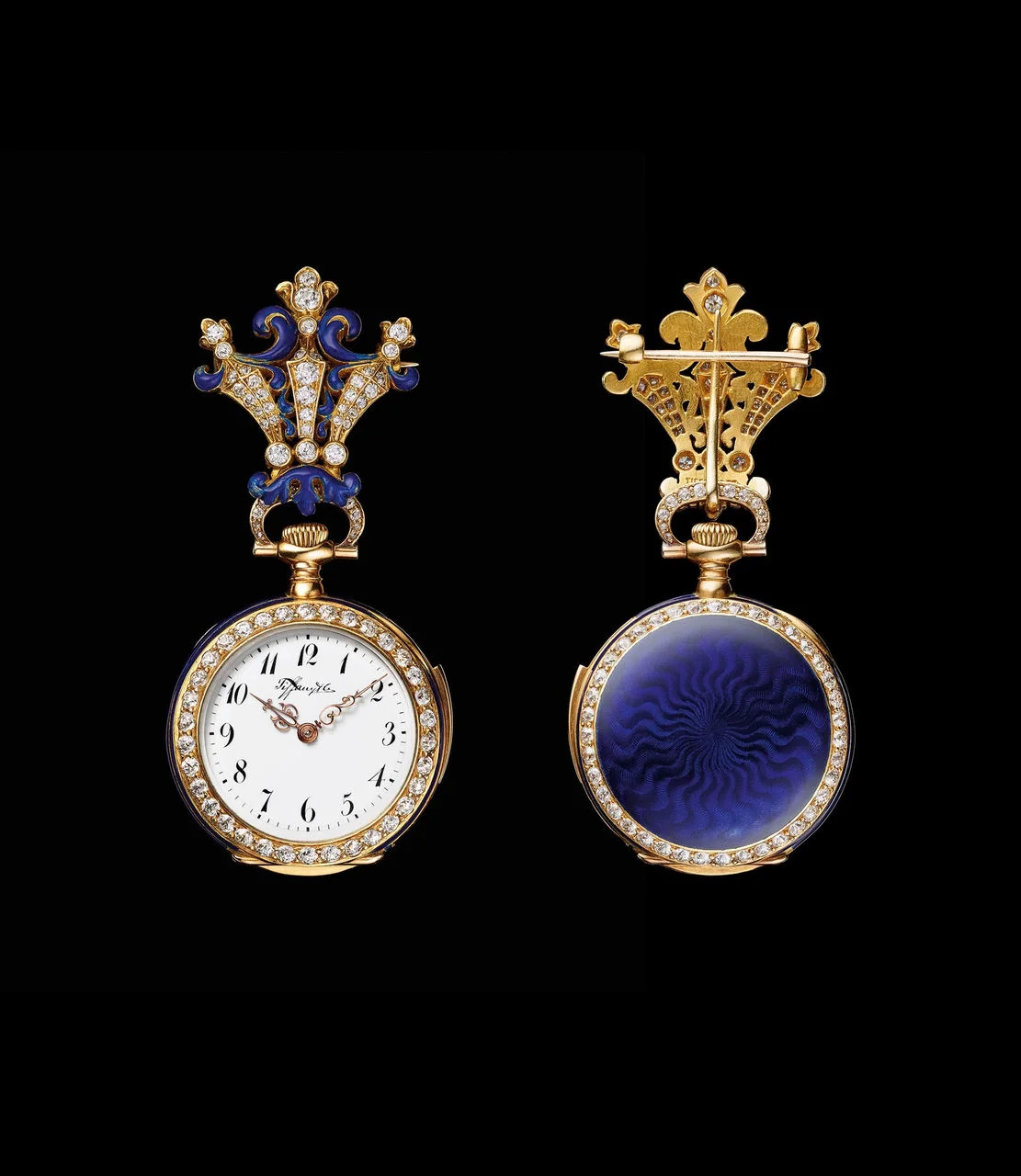
In April 1894, Jules Louis Audemars, co-founder of Audemars Piguet, personally delivered the movement for this watch to Wittenauer in New York. The jeweller Tiffany then crafted the case. AP Heritage, Inv. 35.
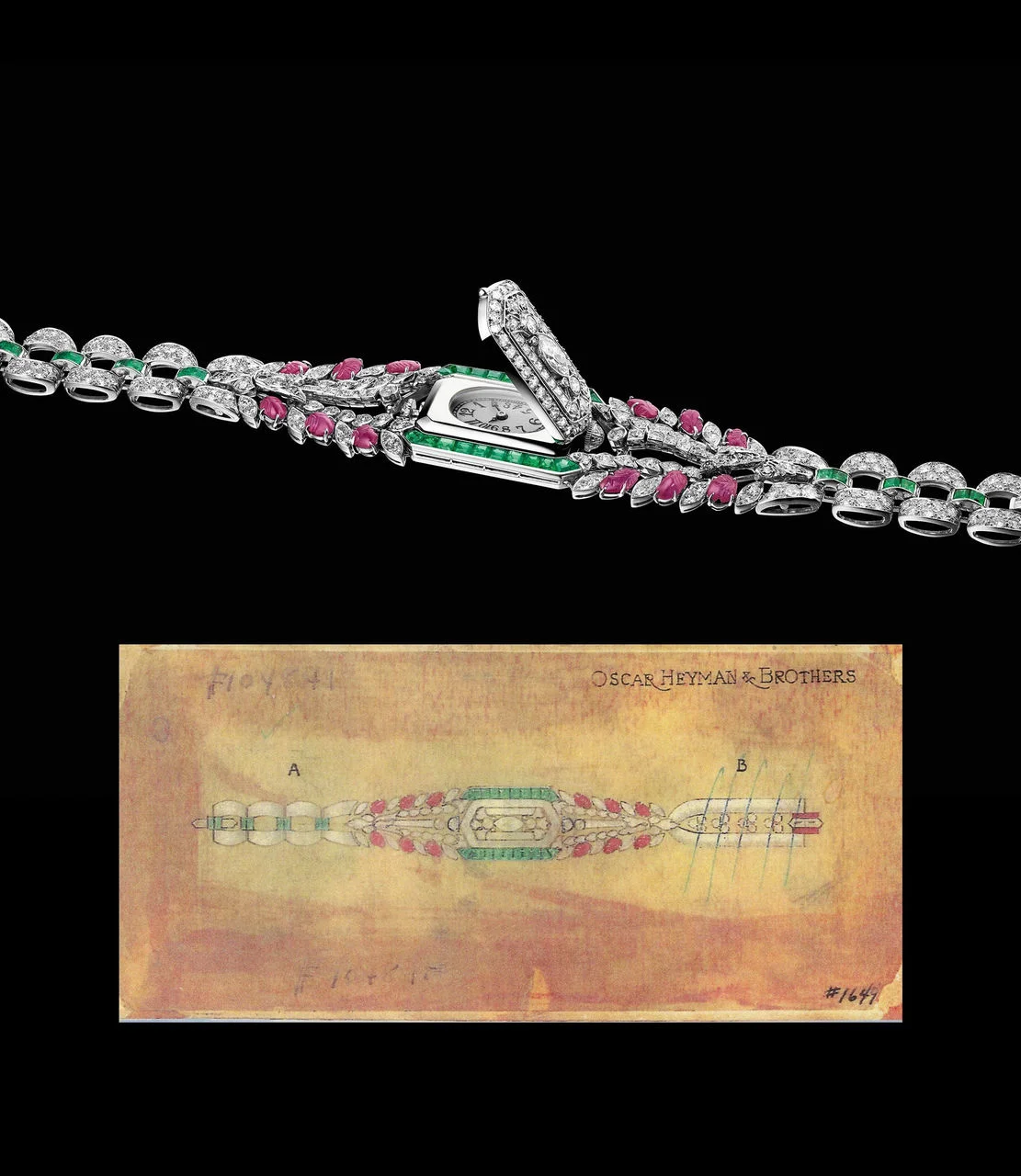
1921. Audemars Piguet “secret” wristwatch. Diamonds, rubies, emeralds, in brilliant, baguette, marquise and cabochon cuts. Lid. Case Oscar Heyman. Calibre 8RP. Platinum. AP Heritage, Inv. 1666.
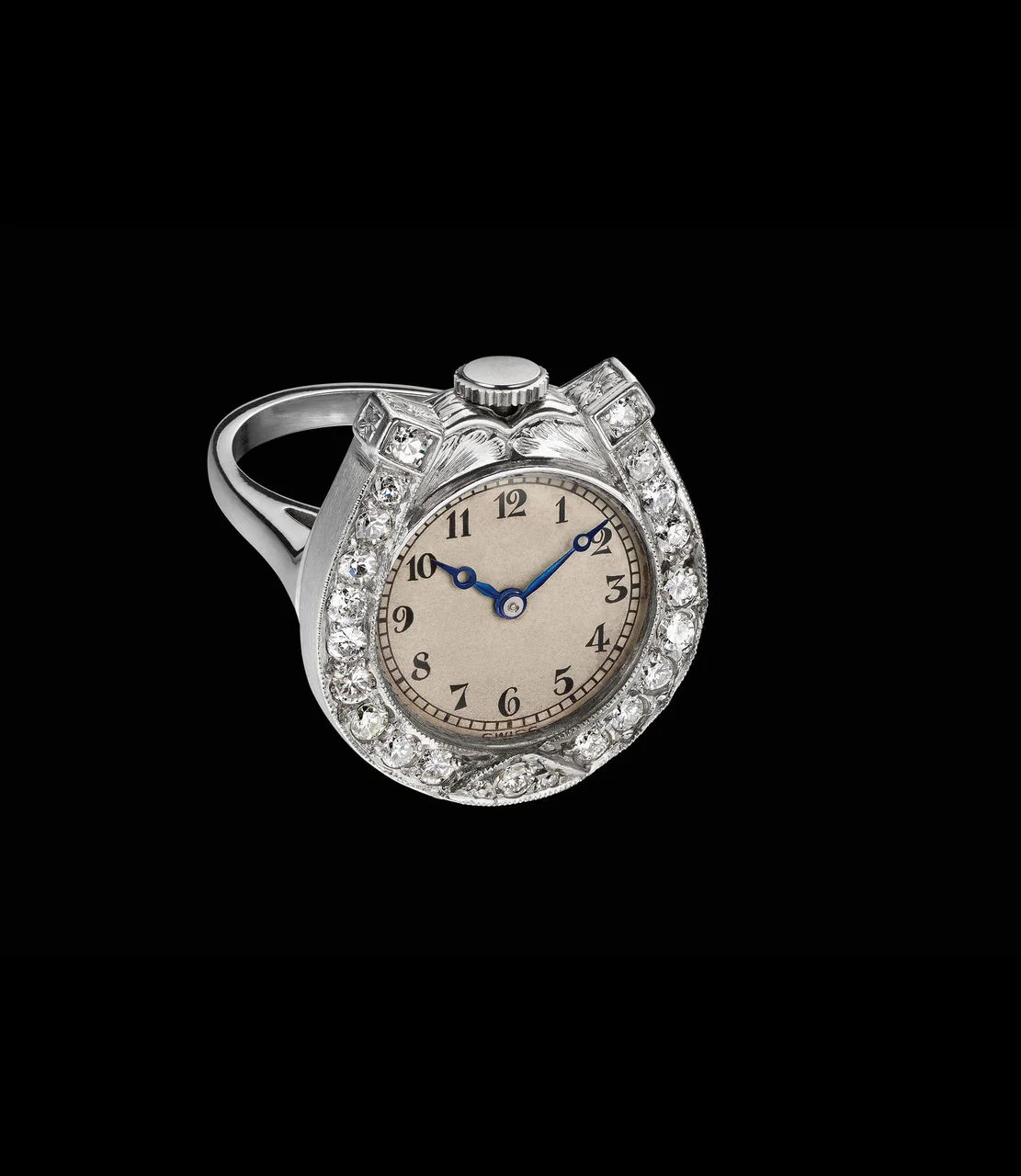
Audemars Piguet ring watch created in 1921. Horseshoe-shaped bezel. AP Heritage, Inv. 1670.
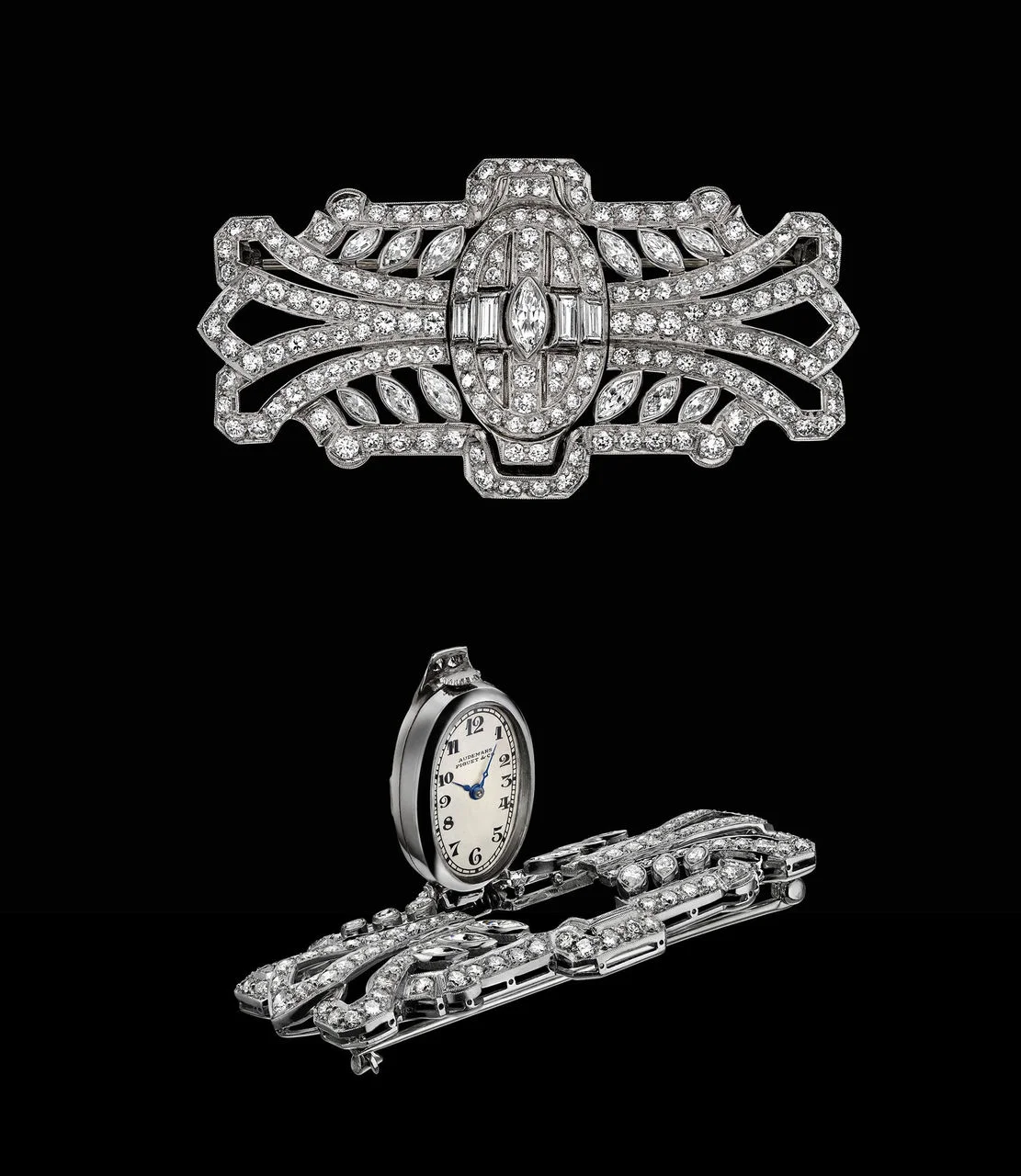
This “secret” brooch watch created by Audemars Piguet in 1922 conceals a dial beneath its full-set oval cover. AP Heritage, Inv. 1480.
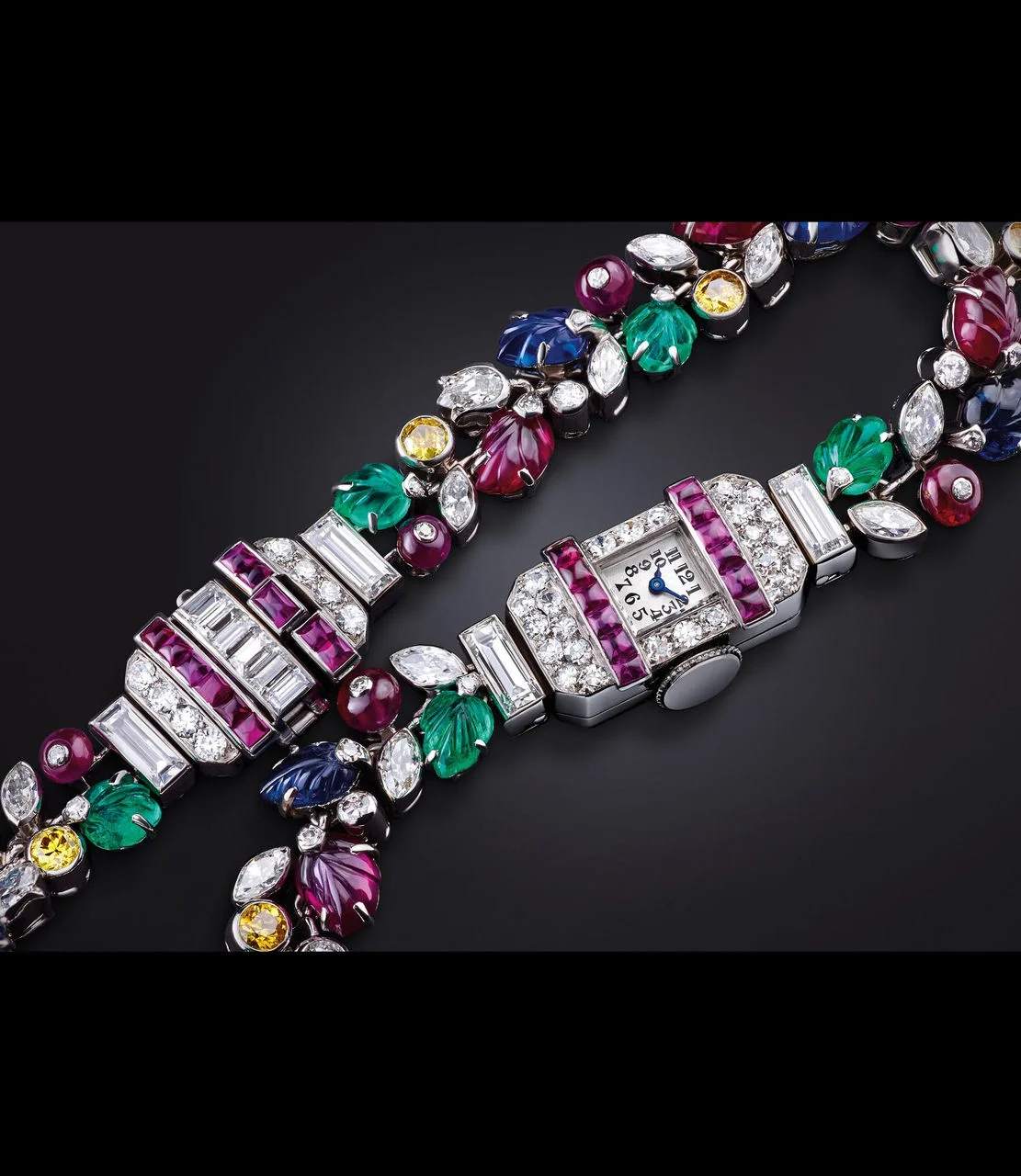
Audemars Piguet “Tutti Frutti” jewellery watch. Rubies, sapphires, emeralds and diamonds. Case by Egouvillon Lafon & Cie, Paris. Calibre 5/7SB Sold in 1929 to Egouvillon Lafon & Cie, Paris. AP Heritage, Inv. 1378.
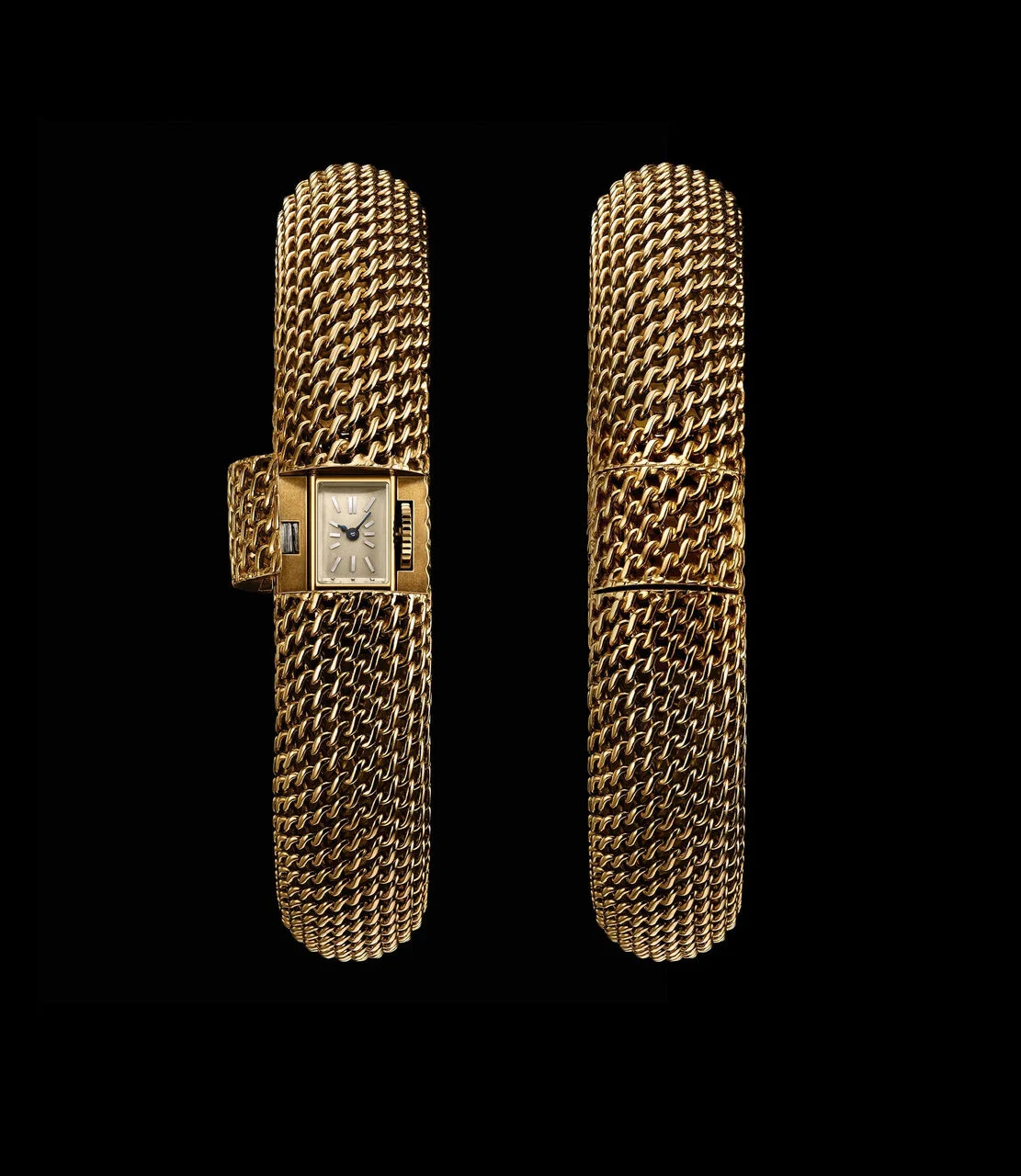
1950. In this Audemars Piguet watch, which housed the smallest movement of its time, the expertise of the jeweller-chainmaker is combined with that of the watchmaker. AP Heritage, Inv. 1814.
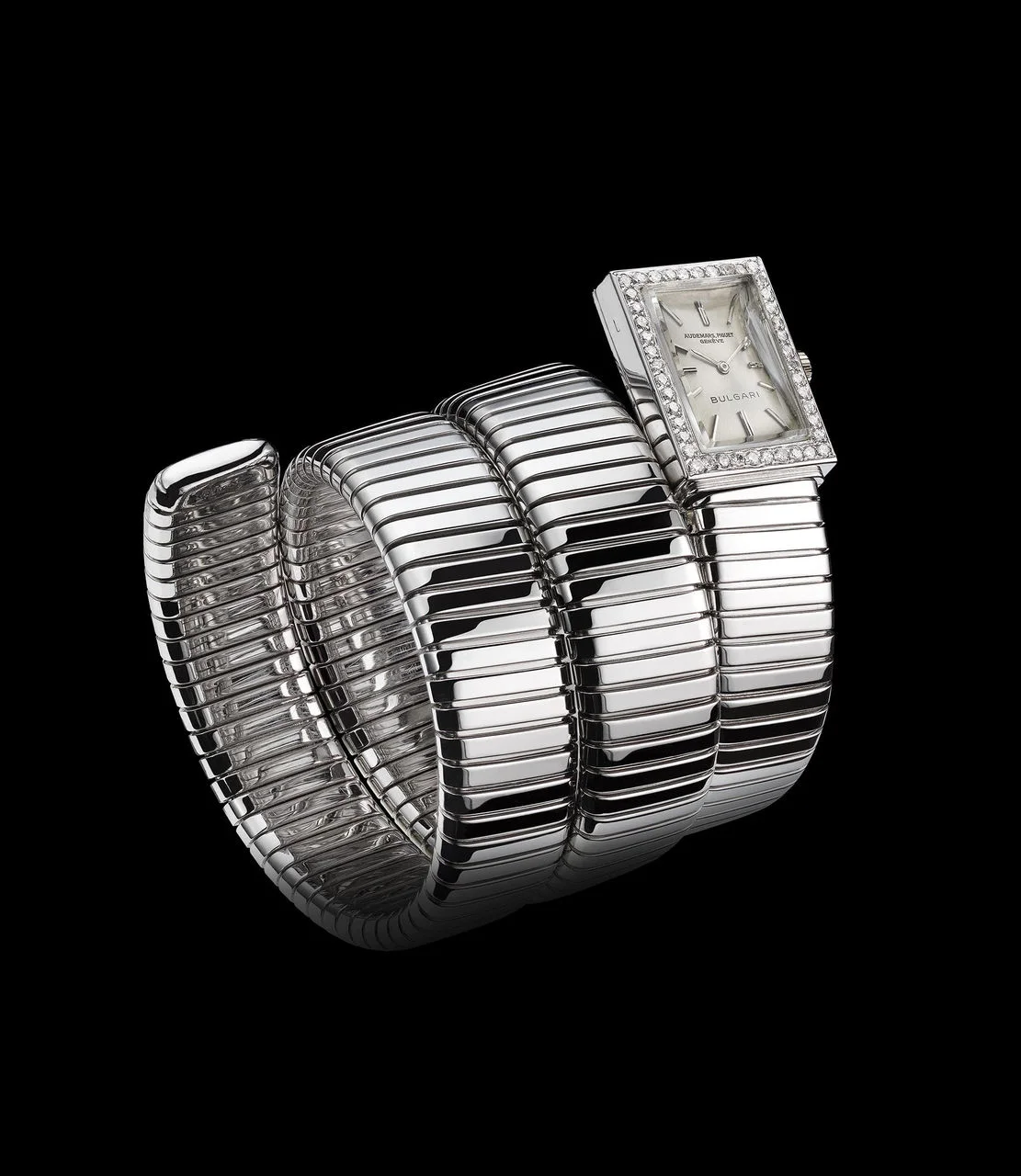
In 1966, Bulgari drew inspiration from Audemars Piguet’s Model 8162BC to create one of the first, if not the first, watches mounted on a “Tubogas” bracelet. AP Heritage, Inv. 2018.
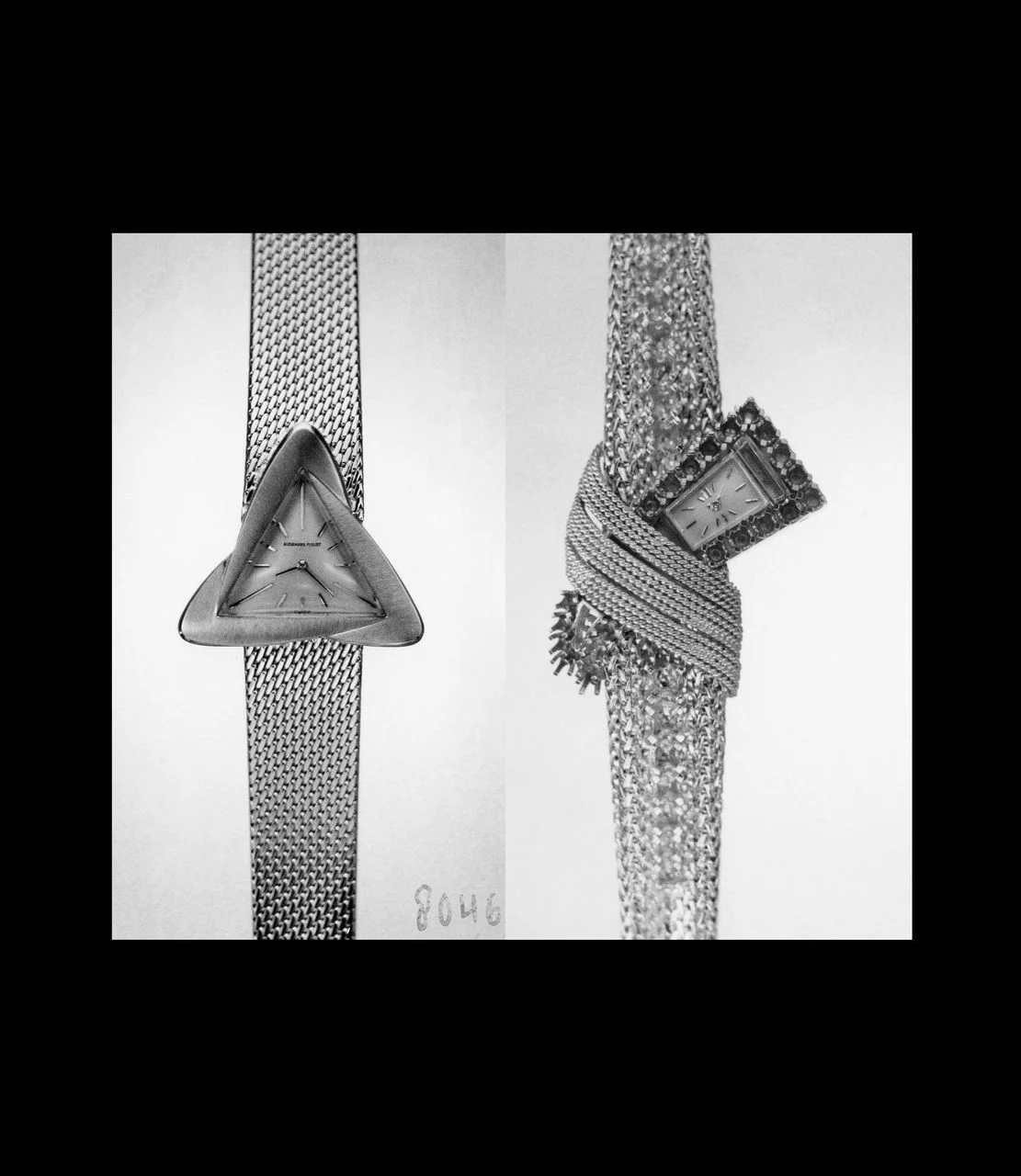
During the 1960s, Audemars Piguet created numerous one-off jewellery models featuring extraordinary designs. AP Archives.
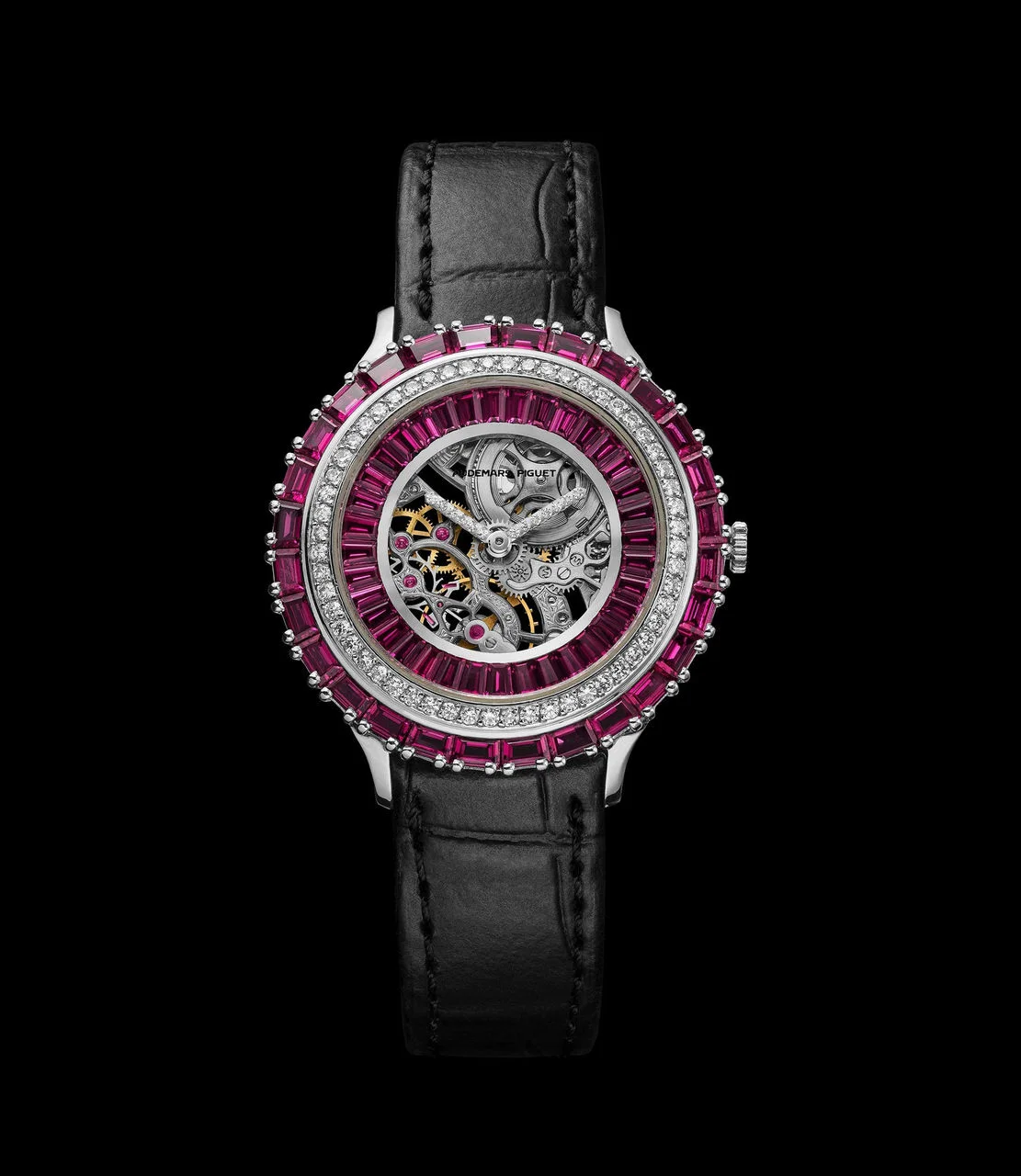
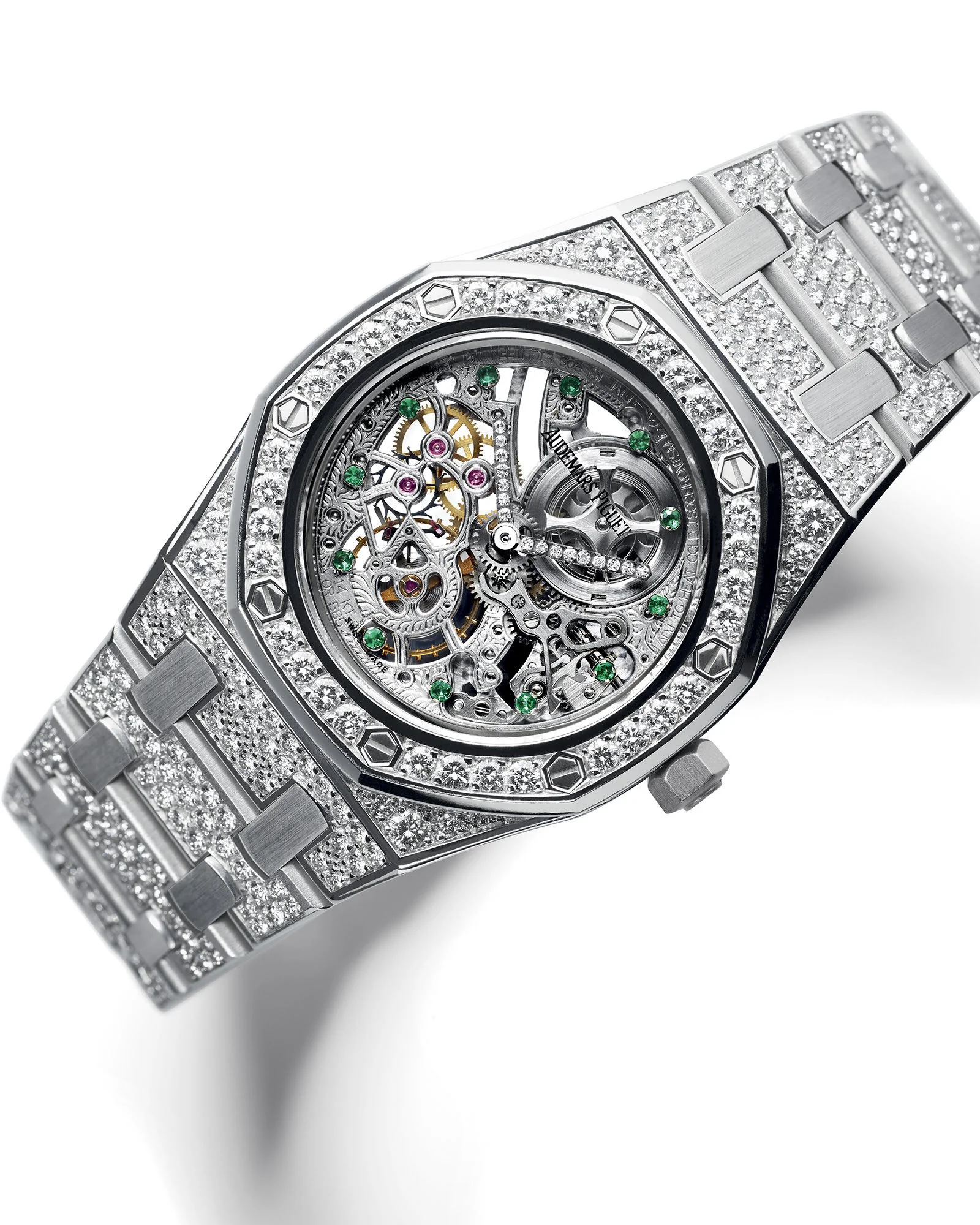
Two rows of rubies, with a row of diamonds between them, frame the ultra-thin openworked movement of Model 77117 (1991). Calibre 2003 SQ. Gemset hands. AP Heritage, Inv. 1600.
Gérald Genta, jewellery designer
Gérald Genta, one of the pioneers of watch design, was a trained goldsmith and jeweller. This page features a reproduction of his apprenticeship certificate from the Manufacture de Bijouterie, Joaillerie et Chaînes Ponti Gennari, located in Geneva: a city whose jewellery-making tradition, as we have seen, dates back to the Middle Ages.
As an independent designer, Gérald Genta designed thousands of watches between 1950 and the 2000s for the entire watchmaking industry. He sold dozens of designs to Audemars Piguet until the early 1970s. Below are a few examples of jewellery watches attributed to him – he almost never signed his gouache sketches – of which some were produced for watchmaking and jewellery competitions.
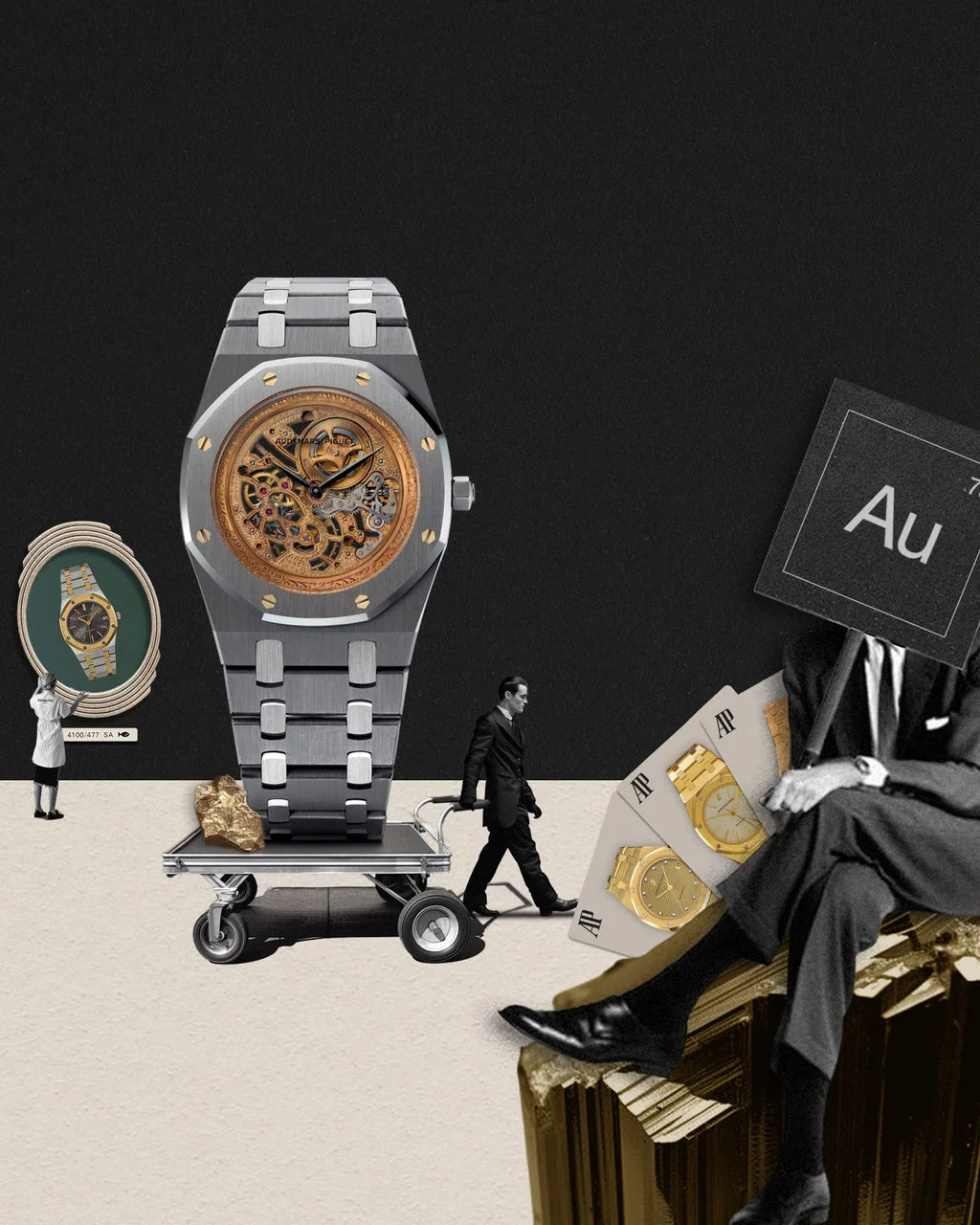
Gérald Genta’s most famous creations were nonetheless not designed as jewellery. Examples include the Universal Pole Router (1954), the Omega Constellation (1959) and the Patek Philippe Nautilus (1976). His most iconic design for Audemars Piguet is the Royal Oak 5402 (1972), ccrafted from steel and water-resistant to 100 metres. While it does not at first glance appear to be a piece of jewellery either, closer inspection reveals that it bears traces of the world of jewellery. Witness its integrated, tapering metal bracelet with finely faceted links; its rounded, octagonal bezel with generous chamfers; as well as its complex monobloc case: all its components are finished to make light “sing” on the metal, as its designer put it.
Ever since Genta’s time, jewellers have often been part of the Audemars Piguet design team, starting with Jean Fred Meylan, the first in-house designer, who joined the company in 1972 but left Audemars Piguet in 1976 to teach jewellery-making at the Geneva School of Decorative Arts. At various times, his students have included Emmanuel Gueit who we shall meet again in Chapter 9 and Régis Vaillant who features in Chapter 11.
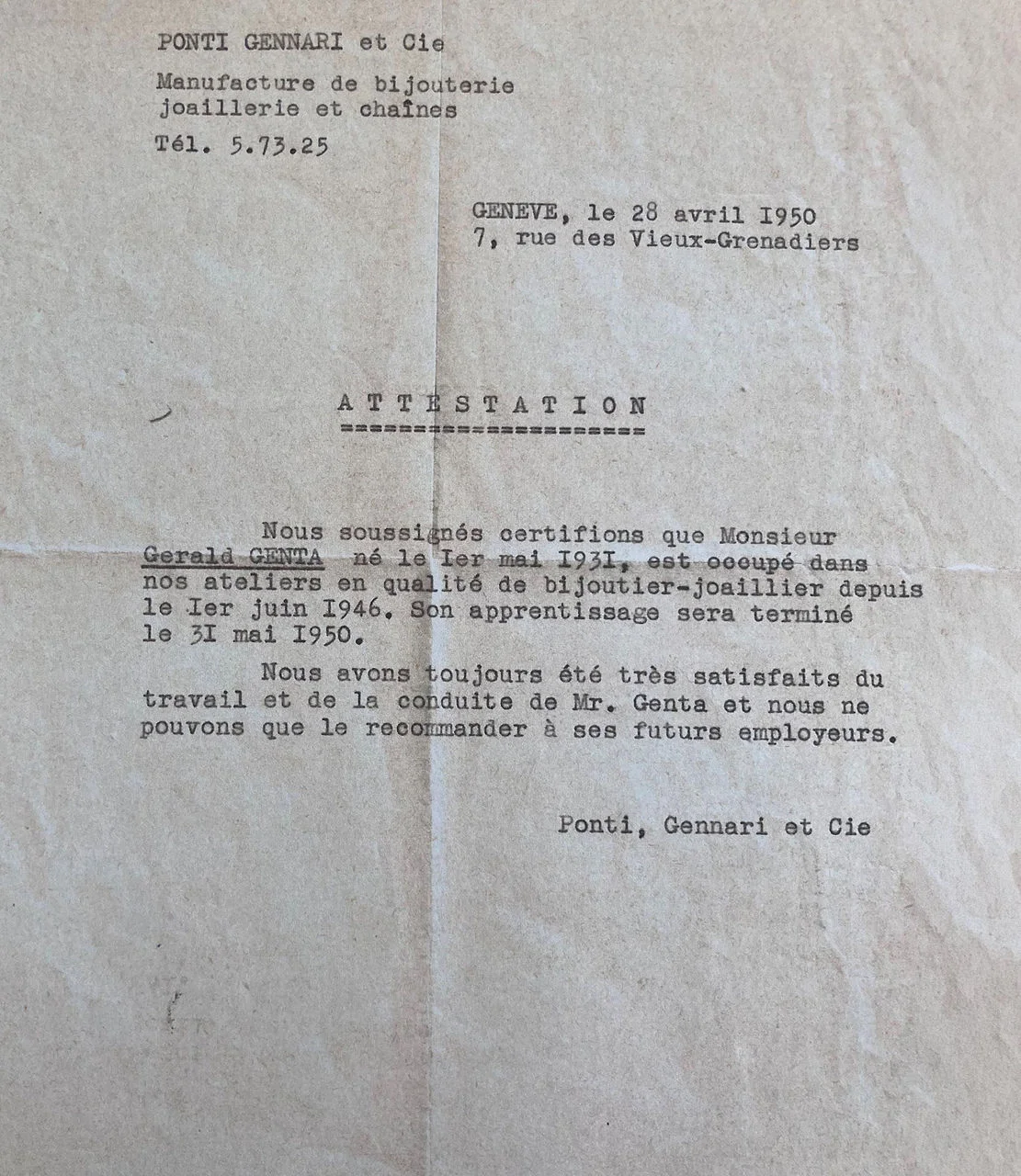
Gérald Genta’s apprenticeship certificate issued in 1950. © Gérald Genta Heritage Association.
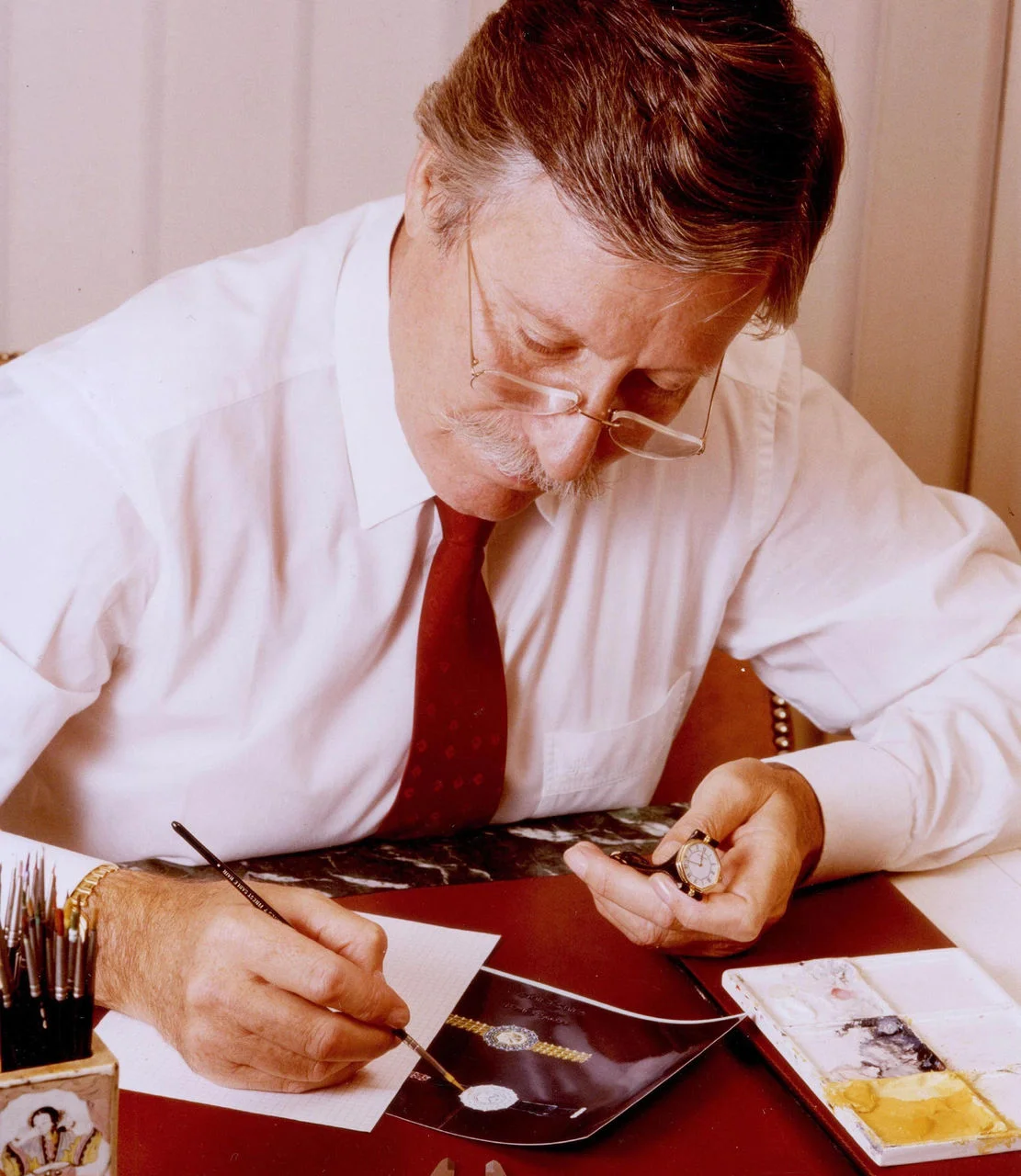
Gérald Genta (1931–2011). A brilliant designer and founder of the eponymous brand, he designed numerous models that have become legendary, including the Royal Oak by Audemars Piguet (1972), Patek Philippe’s Nautilus (1976) and the Bulgari-Bulgari (1977). Photograph taken in the 2000s. © Gérald Genta Heritage Association.
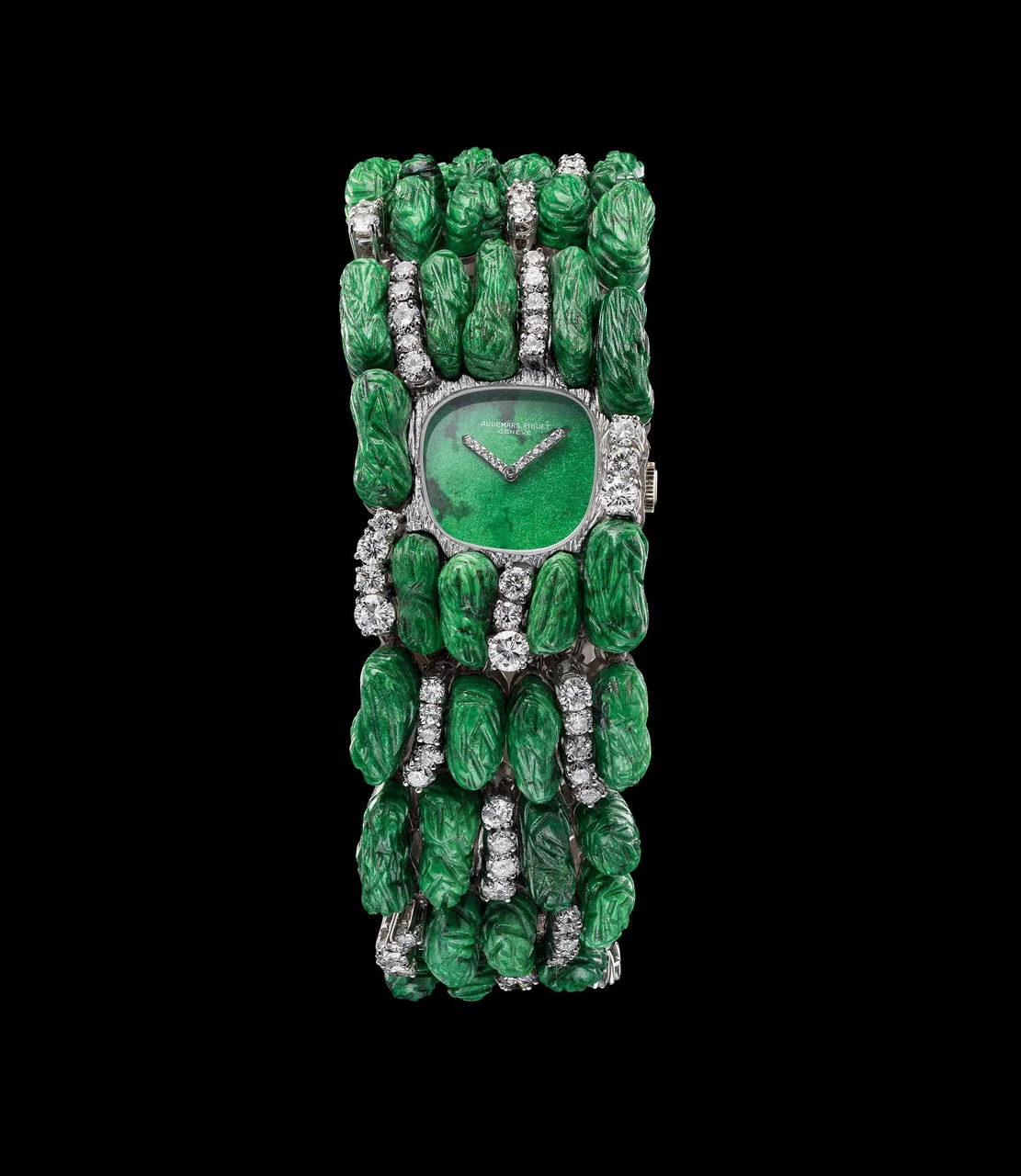
Named “Heures Brillantes”, this watch associated with Haute Couture was probably designed by Gérald Genta in 1970. AP Heritage, Inv. 1120.
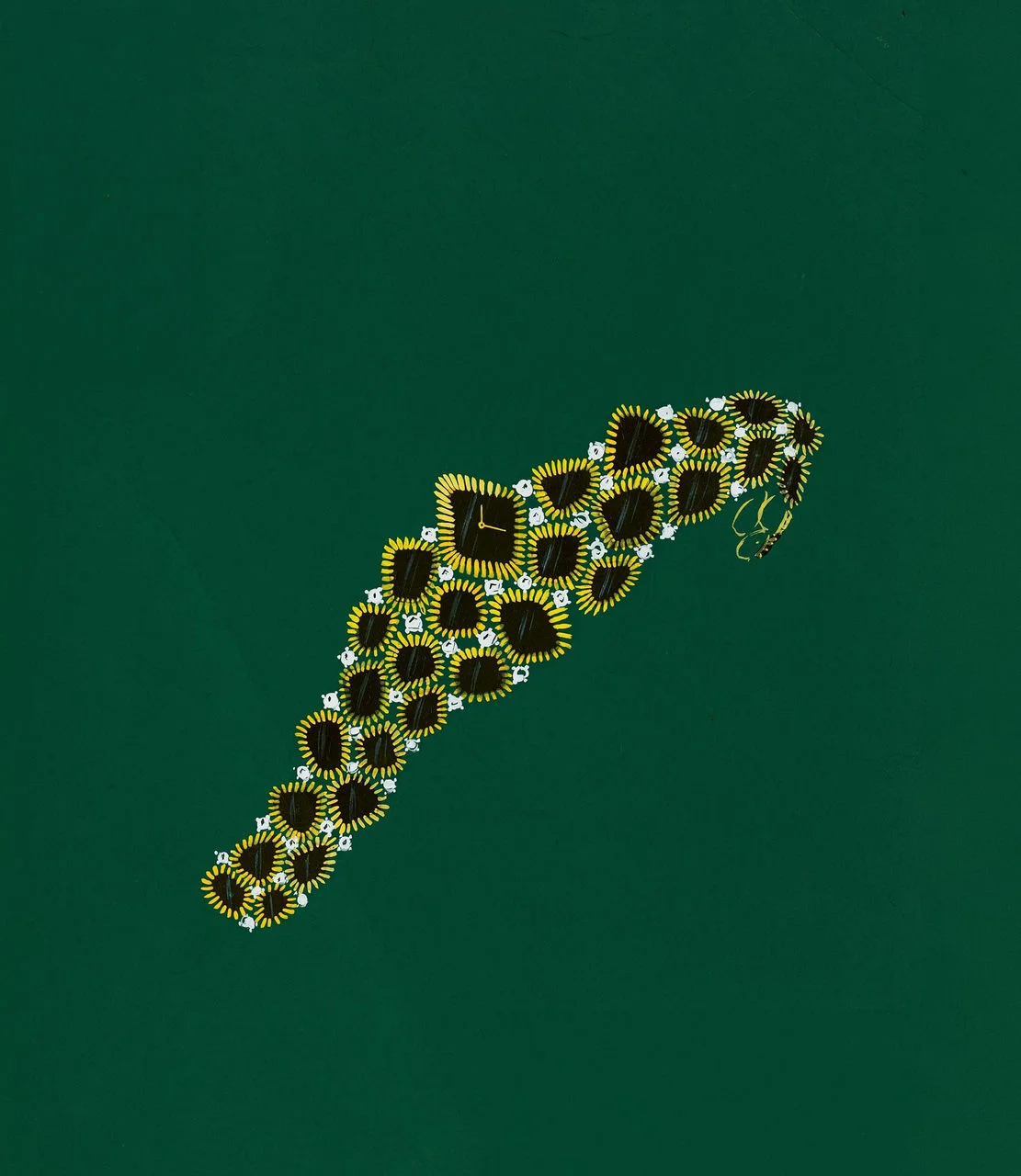
Unsigned gouache painting of the watch known as the “Arabella”, attributed to Gérald Genta and created circa 1970. AP Archives.
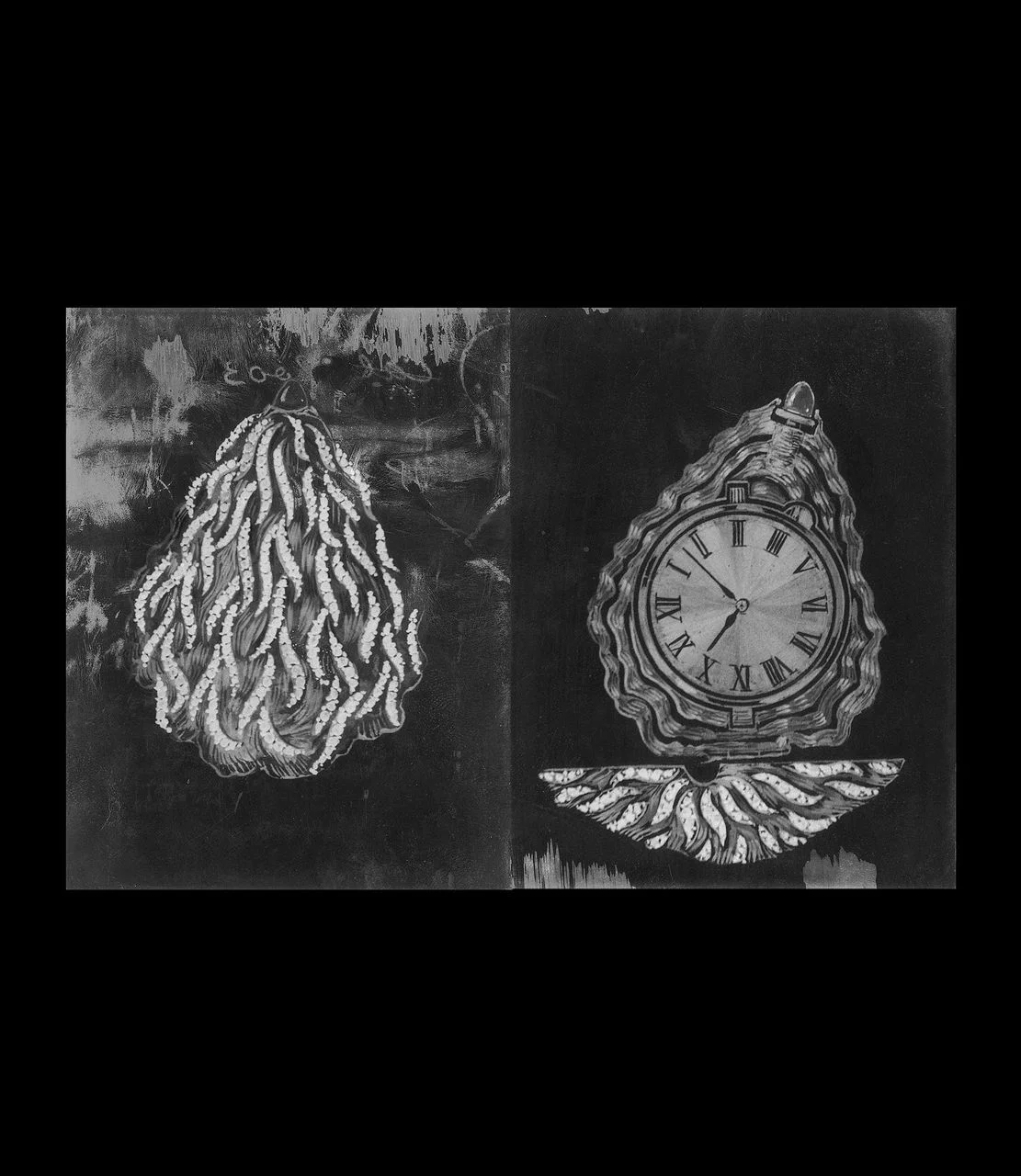
1967. Handbag watch, Model 8311. In 1967, Gérald Genta and Audemars Piguet were awarded an honourable mention at the Prix de la Ville de Genève for the pocket watch produced from this sketch. AP Archives.
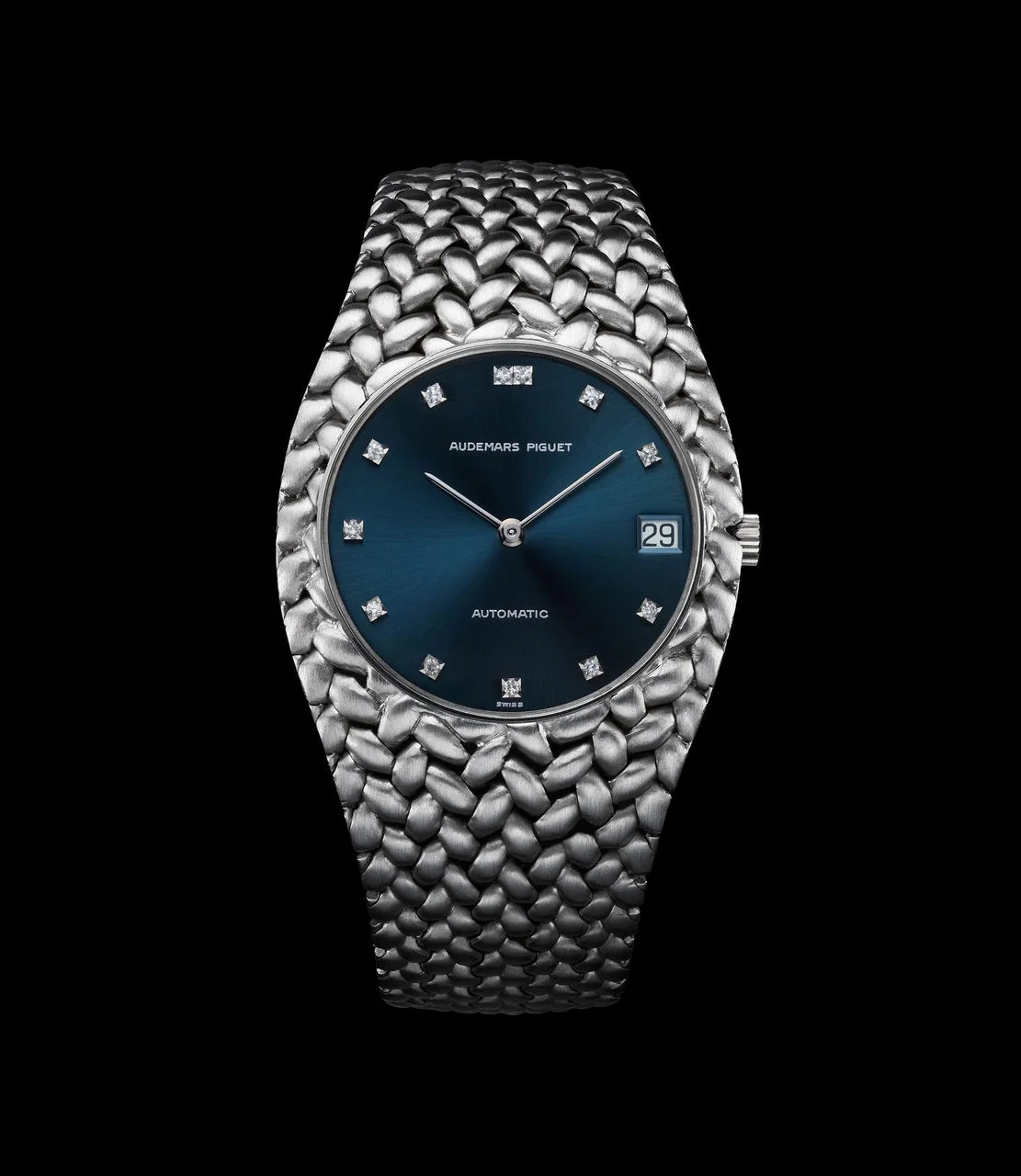
The Polish-link bracelet on the watch known as the “Cobra” showcases jewellery and chain-making expertise. Model 5403, designed by Gérald Genta circa 1970, Calibre 2121. Movement 198333, white gold, sold in 1980. AP Collection, Inv. 2288.
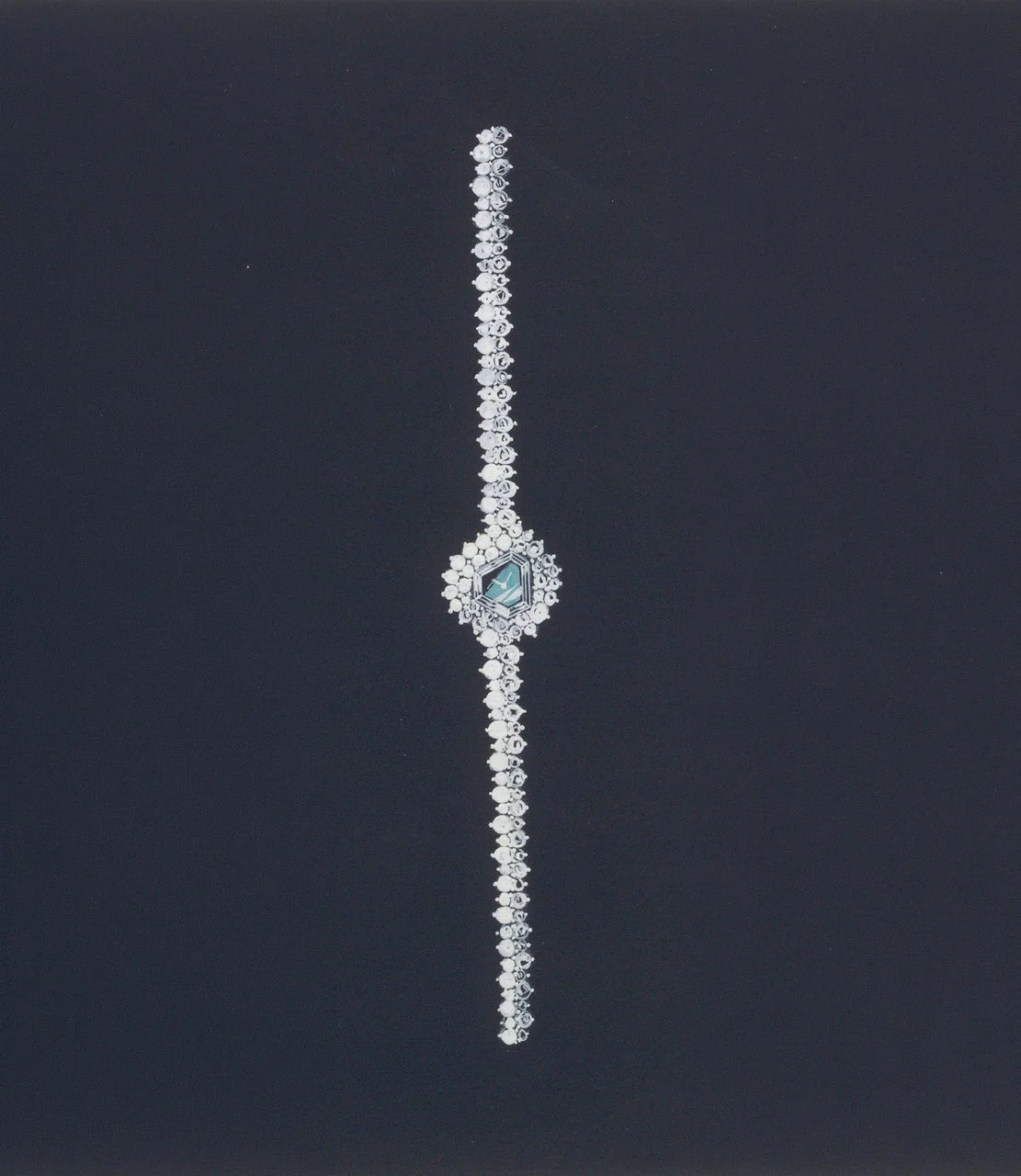
Unsigned gouache painting, attributed to Gérald Genta, created circa 1970. AP Archives.
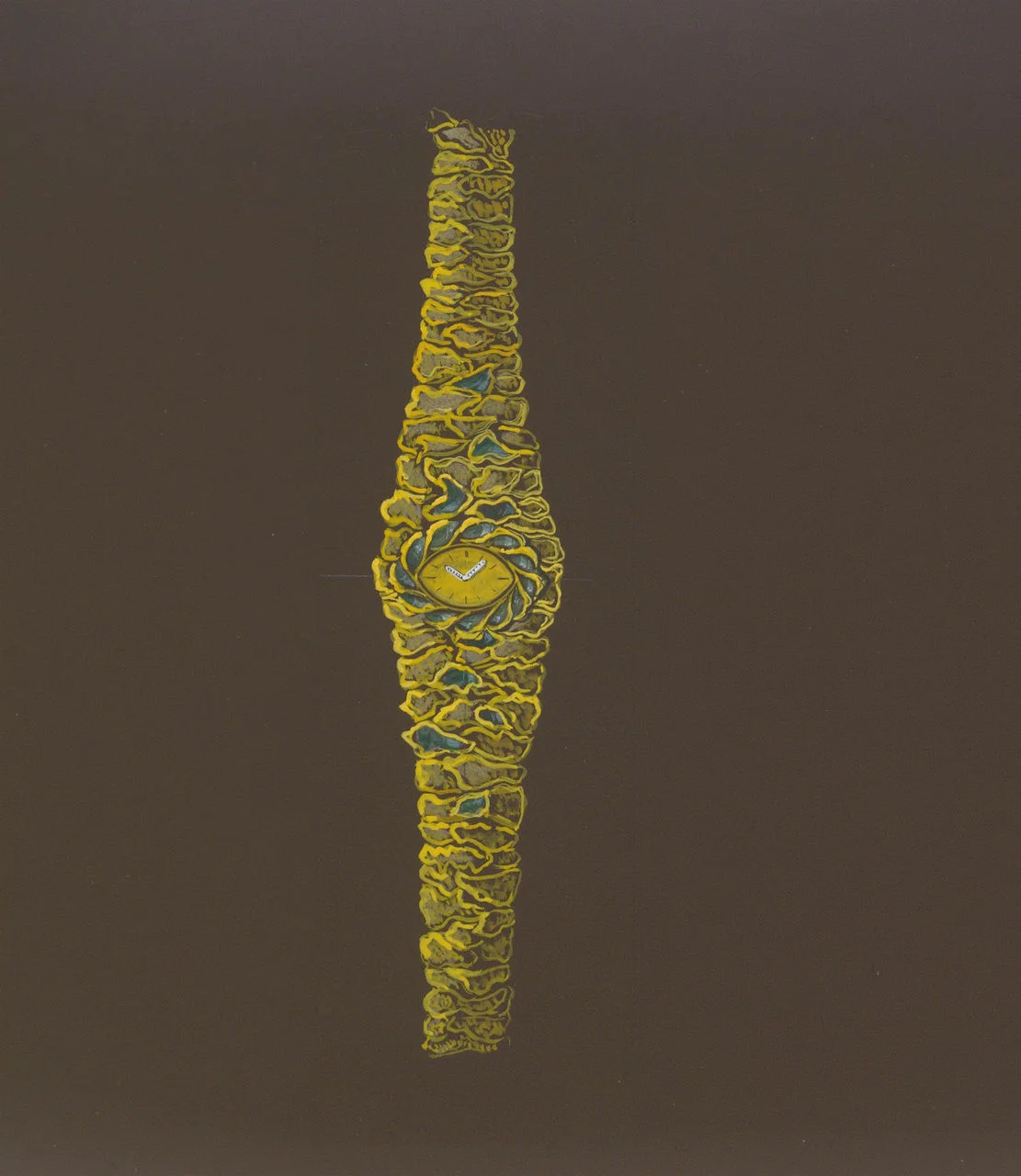
Unsigned gouache, attributed to Gérald Genta, created around 1970. AP Archives.
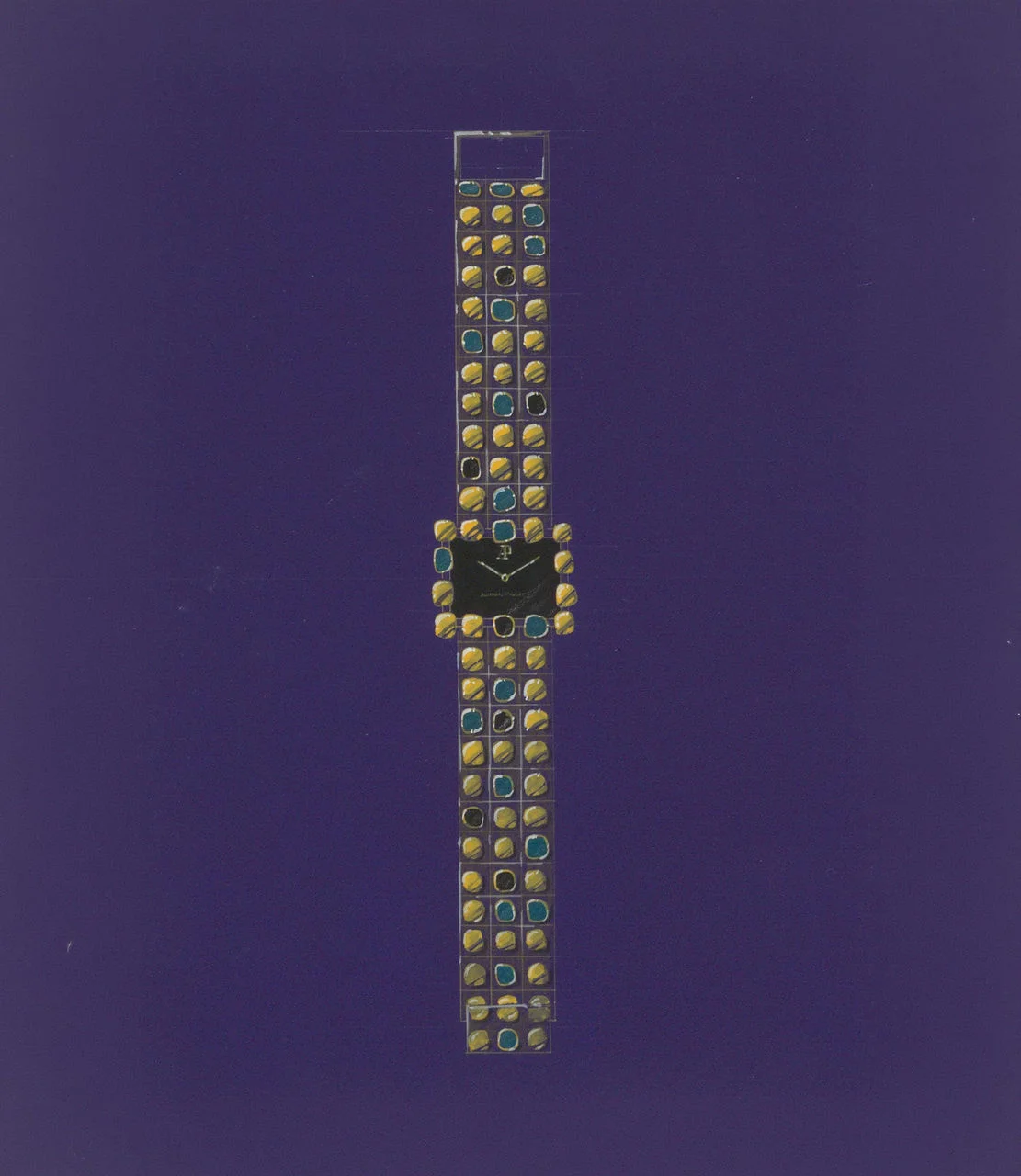
Unsigned gouache painting, attributed to Gérald Genta, created circa 1970. AP Archives.
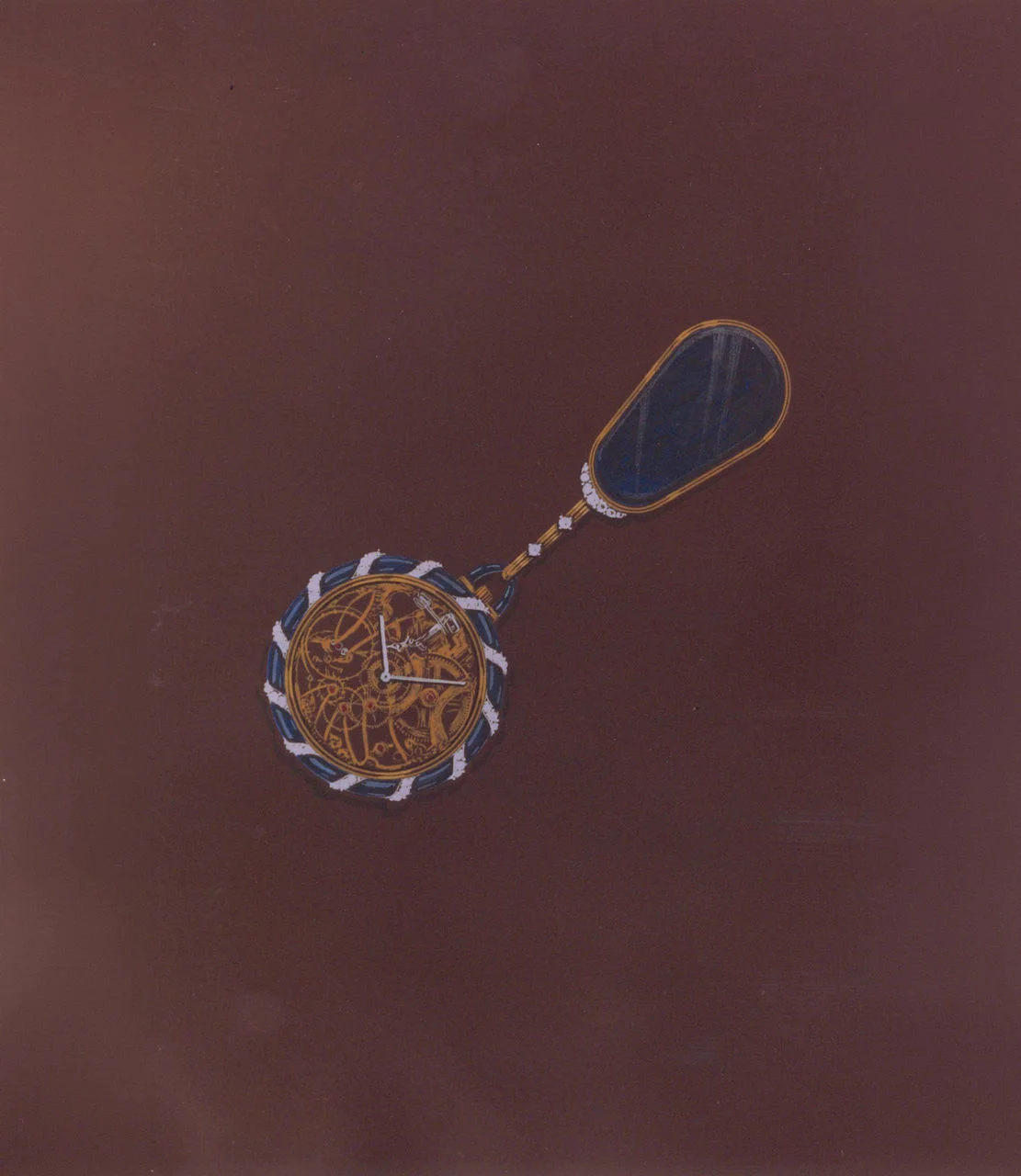
Unsigned gouache painting, attributed to Gérald Genta, created circa 1970. AP Archives.
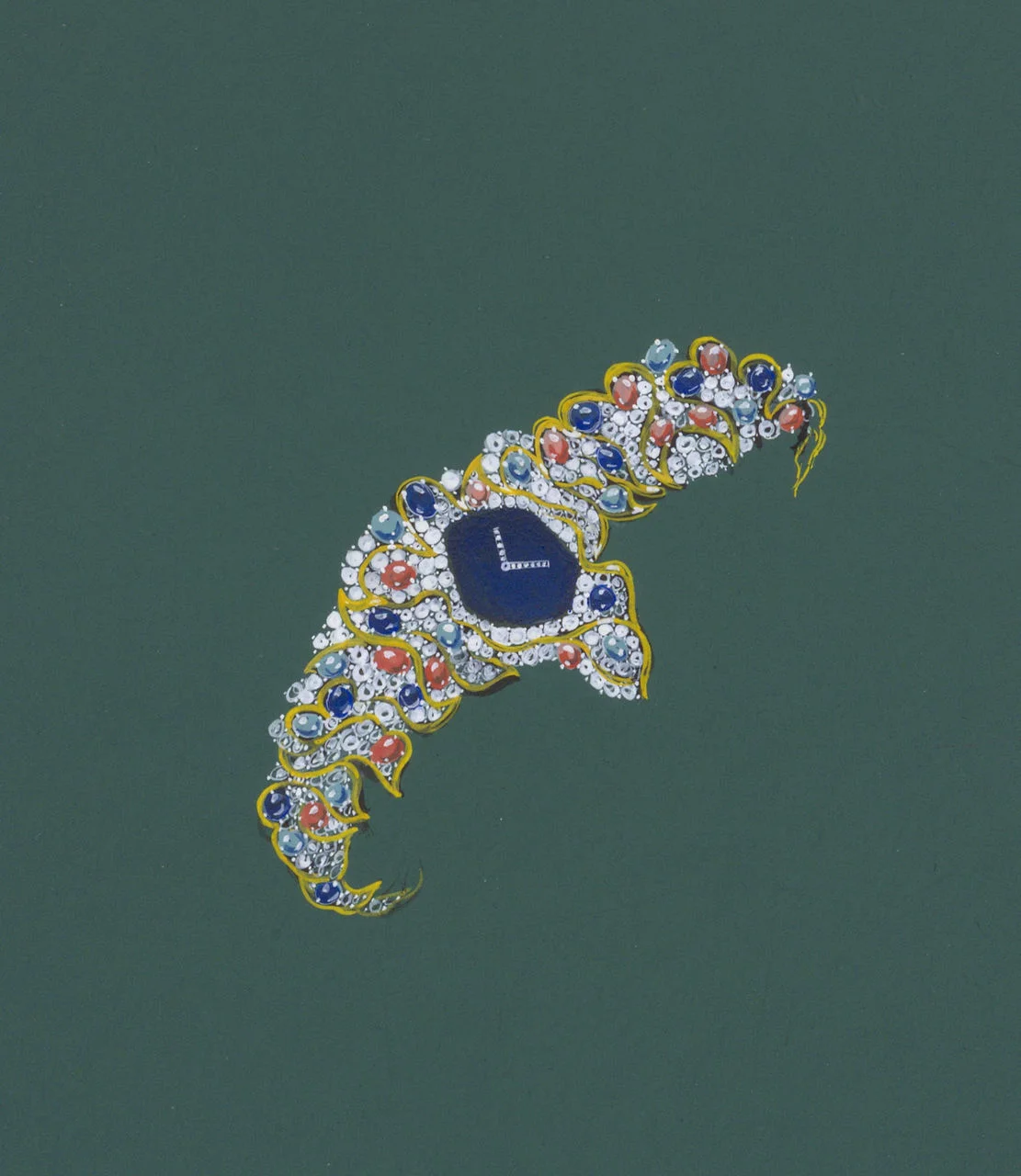
Unsigned gouache painting, attributed to Gérald Genta, created circa 1970. AP Archives.
From cigar cutters to diamond rivière necklaces
The Audemars Piguet archives contain tens of thousands of watch sketches, of which the vast majority never progressed beyond the design stage. Within this treasure trove of documents, more than a thousand gouache paintings dating from the late 1970s to the late 2000s depict objects without watch movements: jewellery and accessories.
It is unclear whether the initial impetus came from the markets or from Georges Golay, the company’s Managing Director at the time, but what we do know is that the first accessories and jewellery were designed by Jacqueline Dimier. Having joined Audemars Piguet in 1976 as a designer, she long remained one of the watch industry’s few females in this role. For three decades, her creations were instrumental in shaping the brand’s identity.
All the evidence suggests that the first accessories designed by Audemars Piguet were the Royal Oak cufflinks. Numerous other items followed, many of which bear the hallmarks of their era. The cigar cutter, for example, serves as a reminder of the extent to which the cigar was an essential symbol of success in the 20th century – and Georges Golay was very keen on them too… One should also mention the banknote clip, which seems rather old-fashioned today in an age of digital money. The list is as long as it is varied: key rings, pens, letter openers, forks, lipsticks, lighters, mirrors, photo frames, perfume bottles, shirt buttons, glasses, combs and pill boxes…
Creativity extended beyond the realm of accessories to explore that of jewellery: chains, pendants, rings set with emeralds, diamond rivière necklaces, matching earrings… It was thus through gouache paintings that the story of Audemars Piguet jewellery began in a resolutely discreet manner.
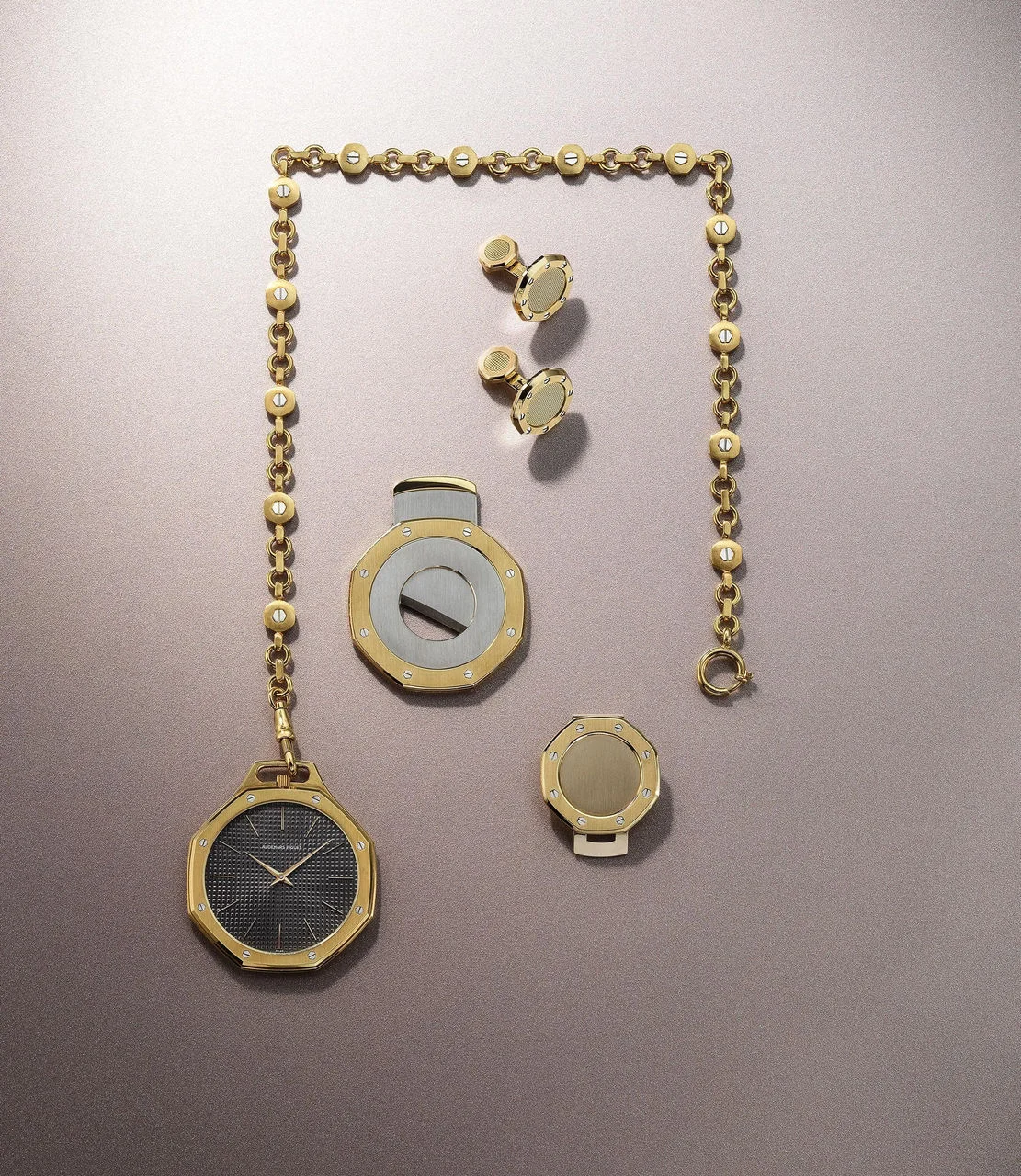
1980s: Accessories inspired by the Royal Oak. Pocket watch with chain: Inv. 894. Money clip: Inv.5151 Cufflinks: Inv. 5078. Cigar cutter: Inv. 5156. AP Heritage.
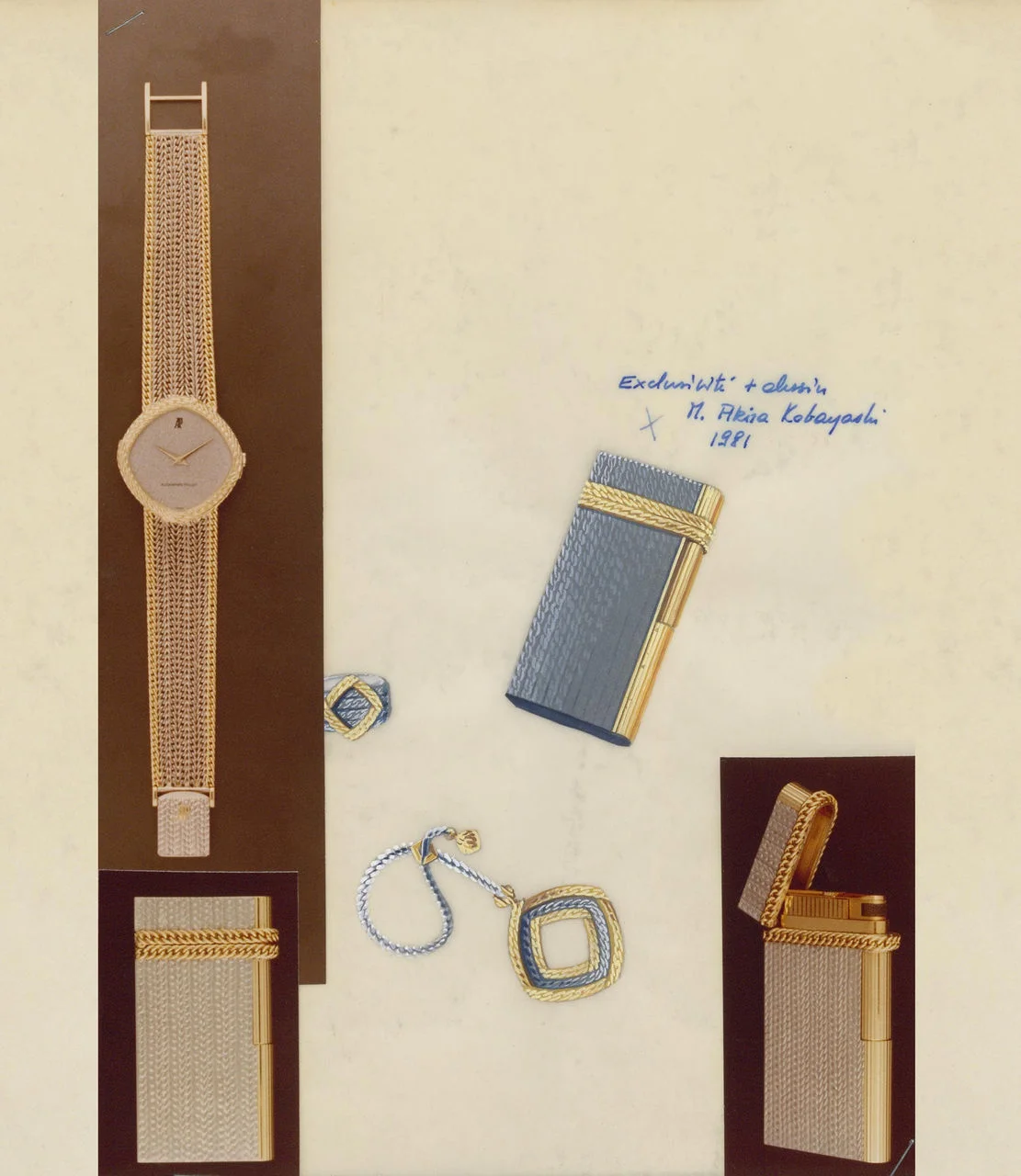
Designed in 1981, these lighters, pendants and rings were created to complement a watch exclusively made for Japanese singer and actor Akira Kobayashi. Gouache painting AP.A.22. AP Archives.
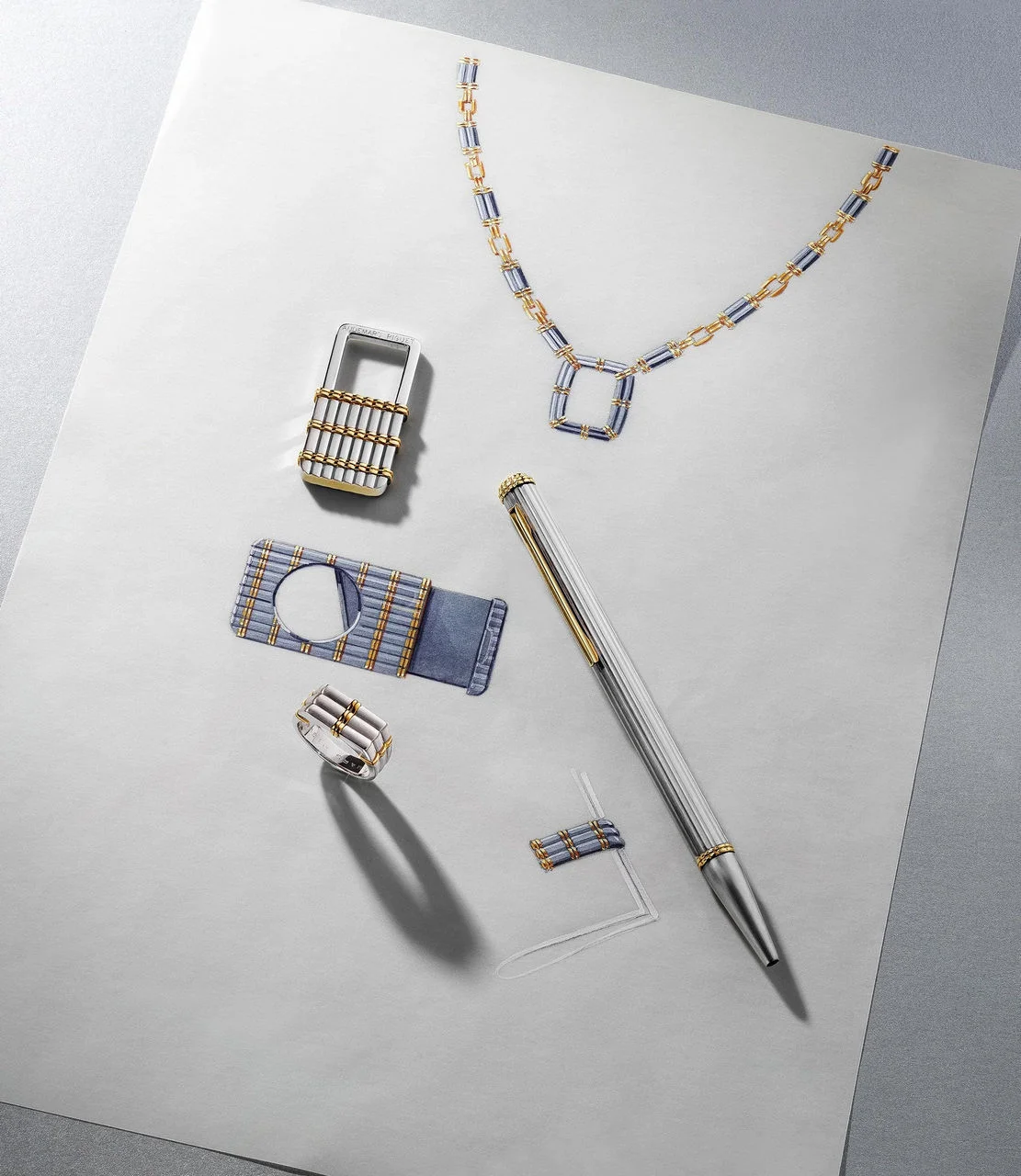
The Bamboo collection inspired numerous designs for accessories and jewellery after its launch in 1984. Gouache AP.A.68. AP Archives Keyring 7256058. Inv. 5778; ring 073, Inv. 5154; pen 56058, Inv. 5777.
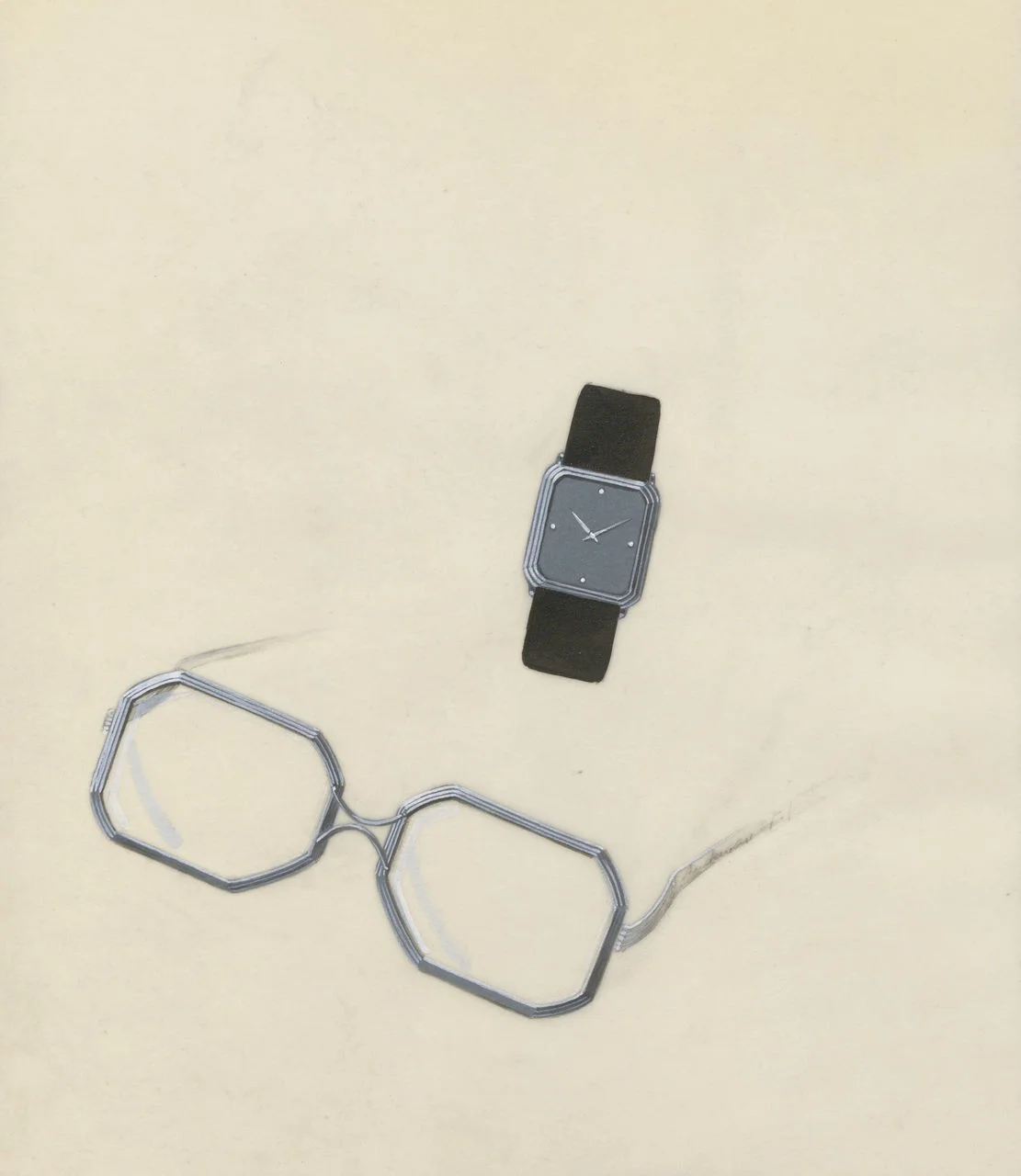
Several gouache drawings of prescription spectacles, produced during the 1980s and 1990s, are held in the archives. They often accompany a watch model. Gouache painting. AP.A.7. AP Archives.
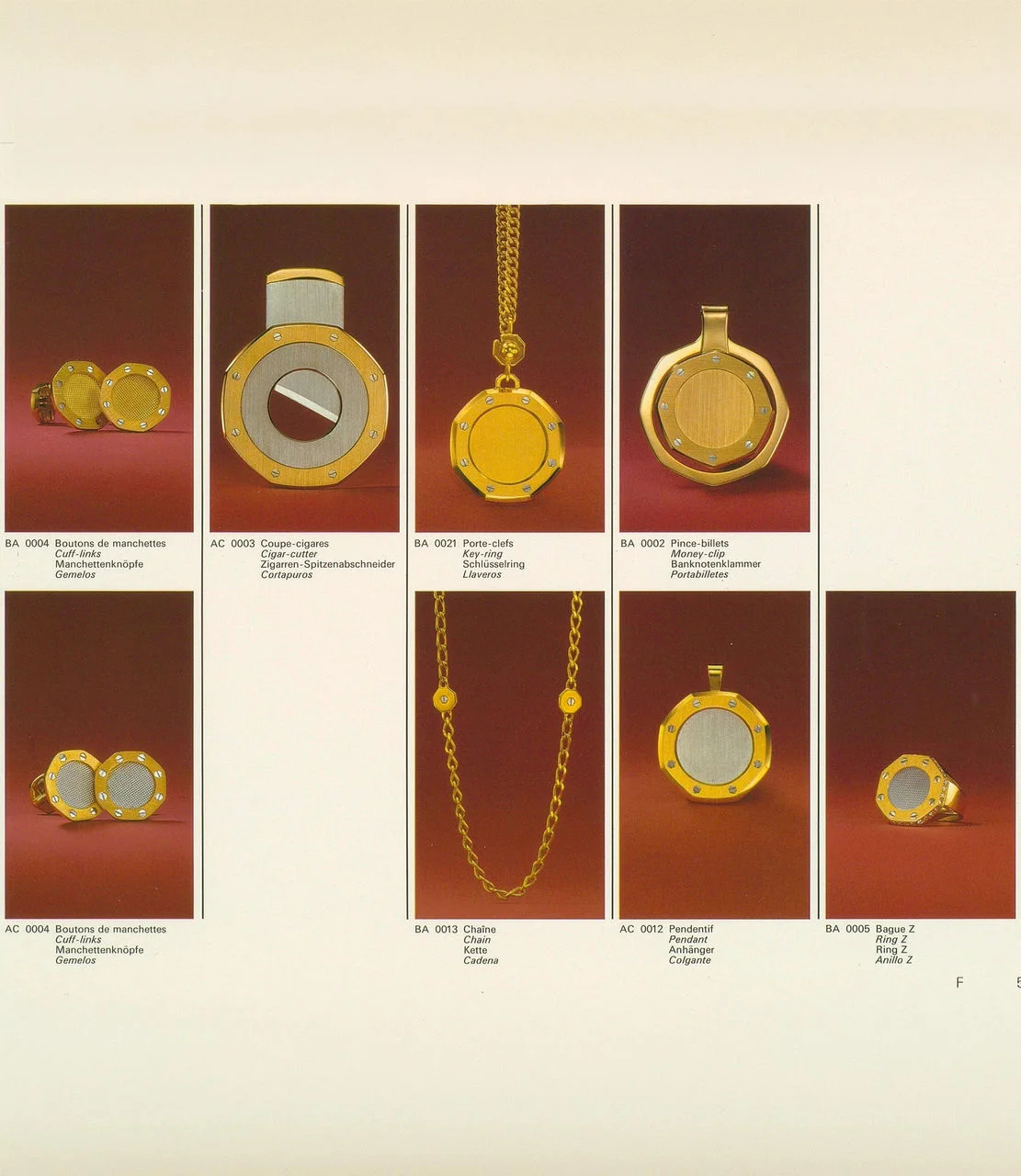
In 1985, the Audemars Piguet General Catalogue featured accessories for the first time. All were designed for the Royal Oak: cufflinks, cigar cutter, key ring, banknote clip, chain, pendant and ring. AP Archives.
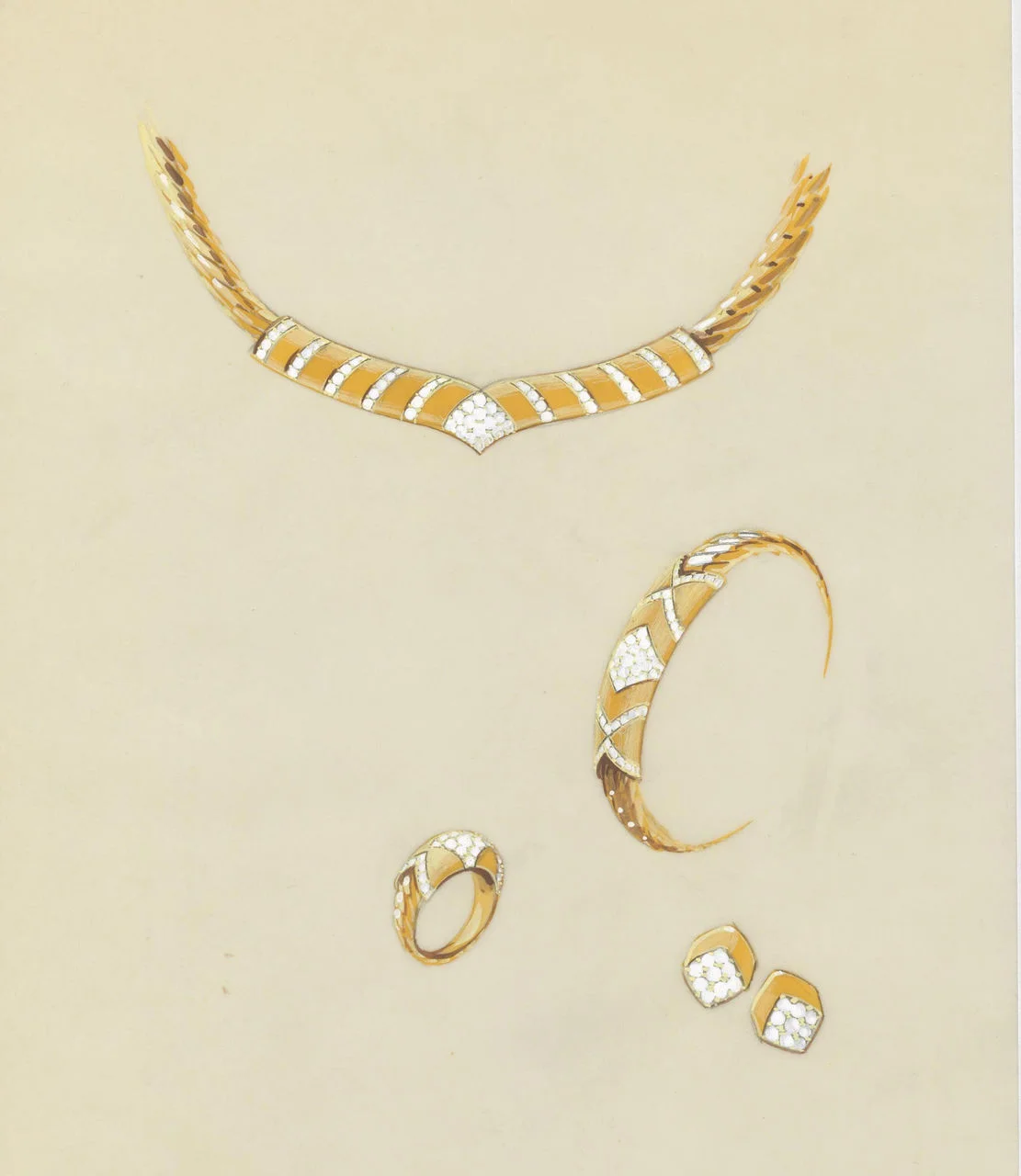
Gouache painting of a yellow gold jewellery set comprising a necklace, bracelet, ring and earrings. AP.AD.66. AP Archives.
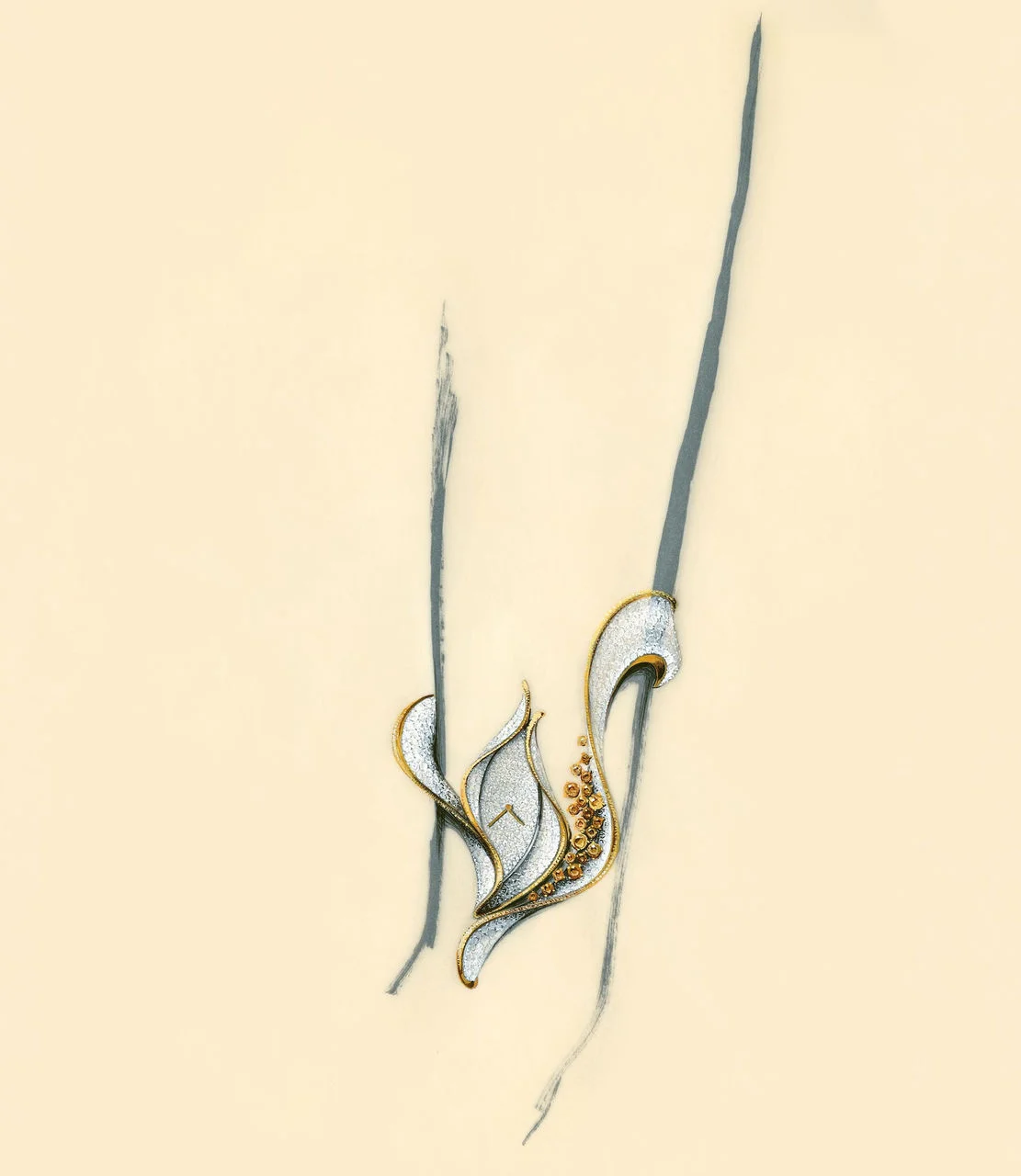
Gouache painting from the 1980s depicting an Haute Joaillerie wristwatch. AP.D.46. AP Archives.
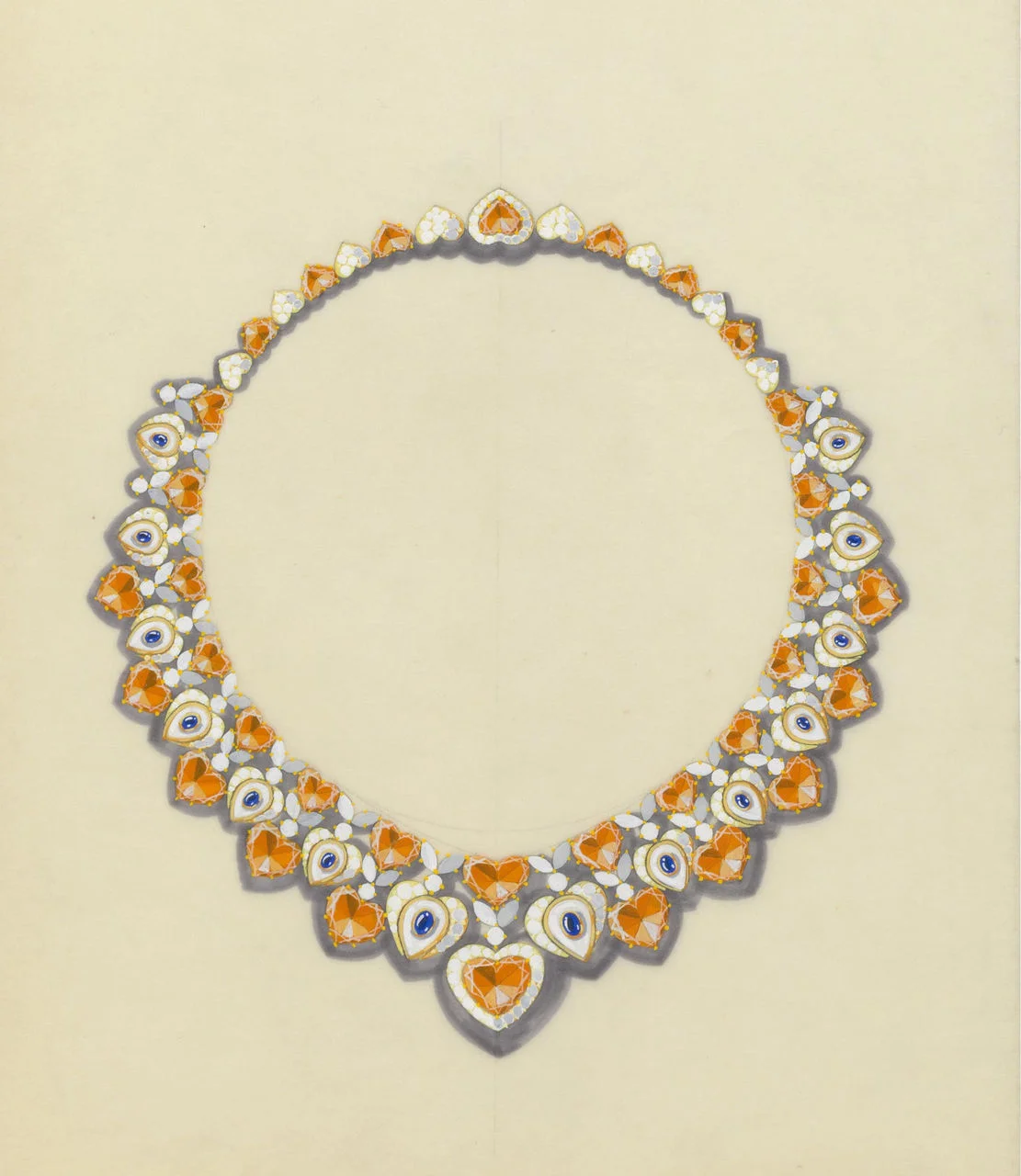
Haute Joaillerie made its debut in the Audemars Piguet design studio as early as the 1980s. AP Archives.
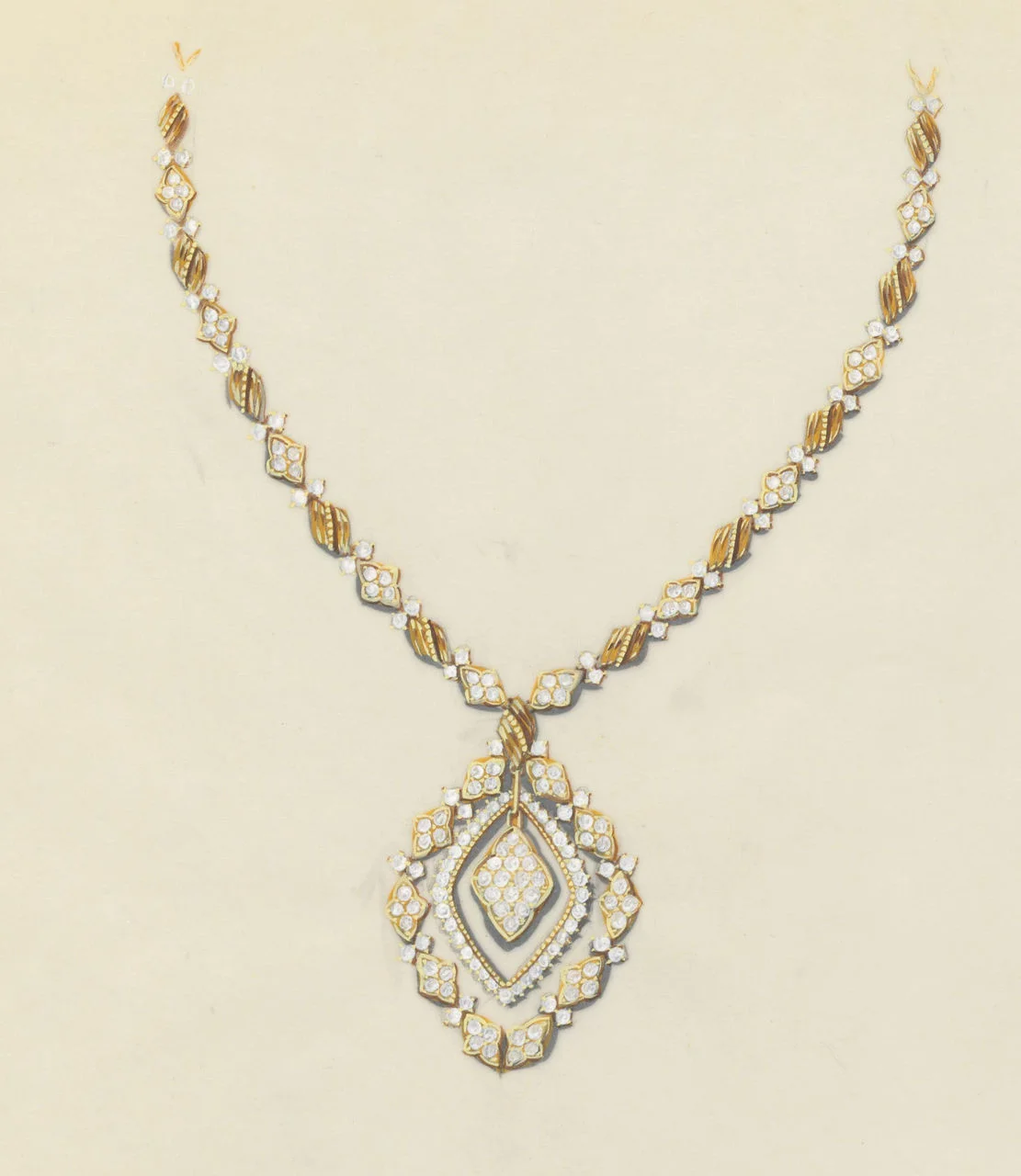
Gouache from the 1980s depicting a pendant necklace. Haute Joaillerie AP.AD.28.
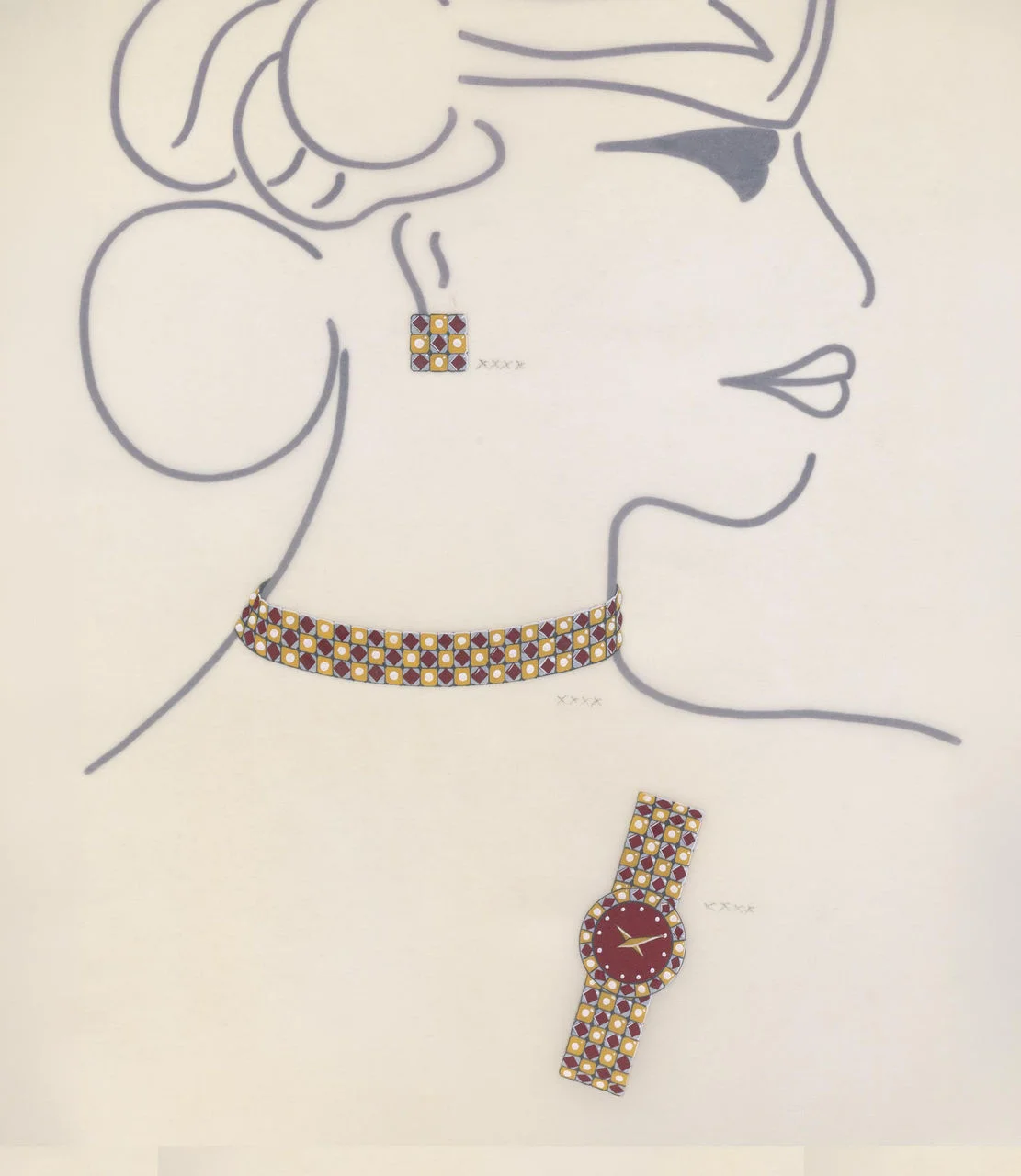
Gouache from the 1980s depicting a jewellery set (choker, earrings and watch) likely combining gold and ceramic. AP.AD.54.
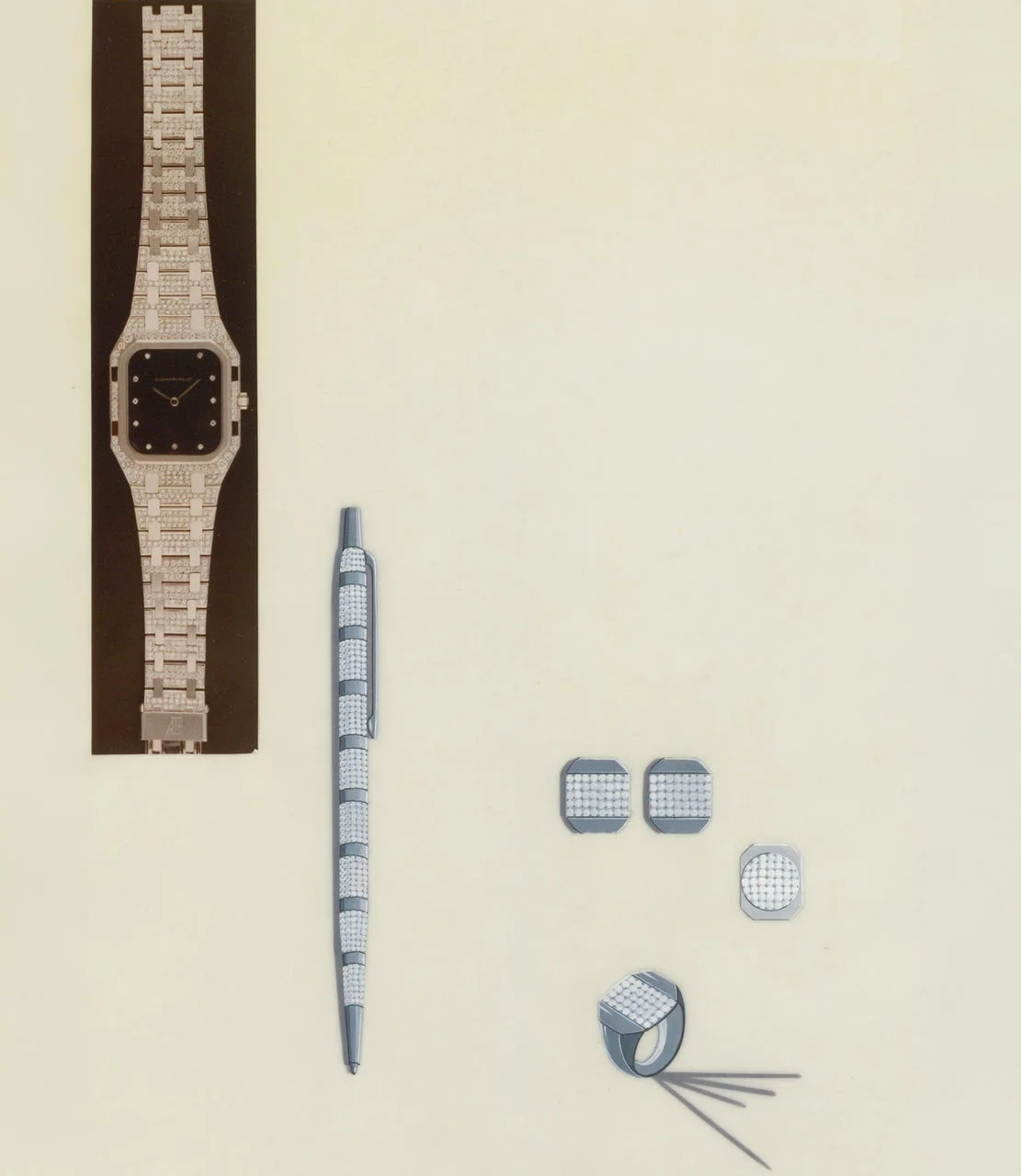
Circa 1985. Photograph of Model 6042 stapled to a gouache painting of a men’s Haute Joaillerie set comprising a pen, a ring and cufflinks. AP.A.110. AP Archives.
A pair of explorers
In 1987, youthful designer Emmanuel Gueit joined Jacqueline Dimier. He recalls: “We had no set brief; at most, we had intuitions, sometimes informed by market trends or our colleagues’ ideas. We tried out all kinds of things. We’d sketch several gouache drawings a day. Watches, of course, but also jewellery, handbags, belts and right the way through to leather briefcases – I’ve kept mine… I even designed an Haute Joaillerie chess set!”
“Once a week, we’d present the designs to Steven Urquhart, who was in charge of distribution. He would work with us to decide what would be produced, either as prototypes or in small batches, always with the target market or markets in mind. Marcus Margulies, then responsible for the UK market, was particularly fond of Haute Joaillerie creations, which he resold in the Middle East through Asprey London. All that remained was to work with in-house and external workshops on the production side of things.”
Whether jewellery or accessories, most of the designs were linked to watch collections, such as the Bamboo (from 1984), the Baroque (from 1986) and the Audemarine (from 1990).
Nevertheless, in 1992, Audemars Piguet embarked on a venture to create jewellery unrelated to watchmaking. To this end, the brand acquired a Geneva-based jewellery workshop, Maxence Van Der Bauwede. While commercial success was limited, a significant number of jewellery pieces progressed beyond the design stage and broadened the brand’s creative horizons.
Published by the AP Technical Department, the “Accessories Bibles” list all the non-watch items that have been produced. Far from being anecdotal, this production spans over 40 years and comprises more than 500 designs!
While the archives do not reveal the quantities produced, nor even which of these items were gifted to the best customers or sold, these creations deserve collectors’ attention. Just like watch cases, some accessories are rarer than the watches they complement. Others are miniature jewellery masterpieces. All reveal the freedom of an era in which creative imagination was guided by a “the sky’s the limit” ethos.
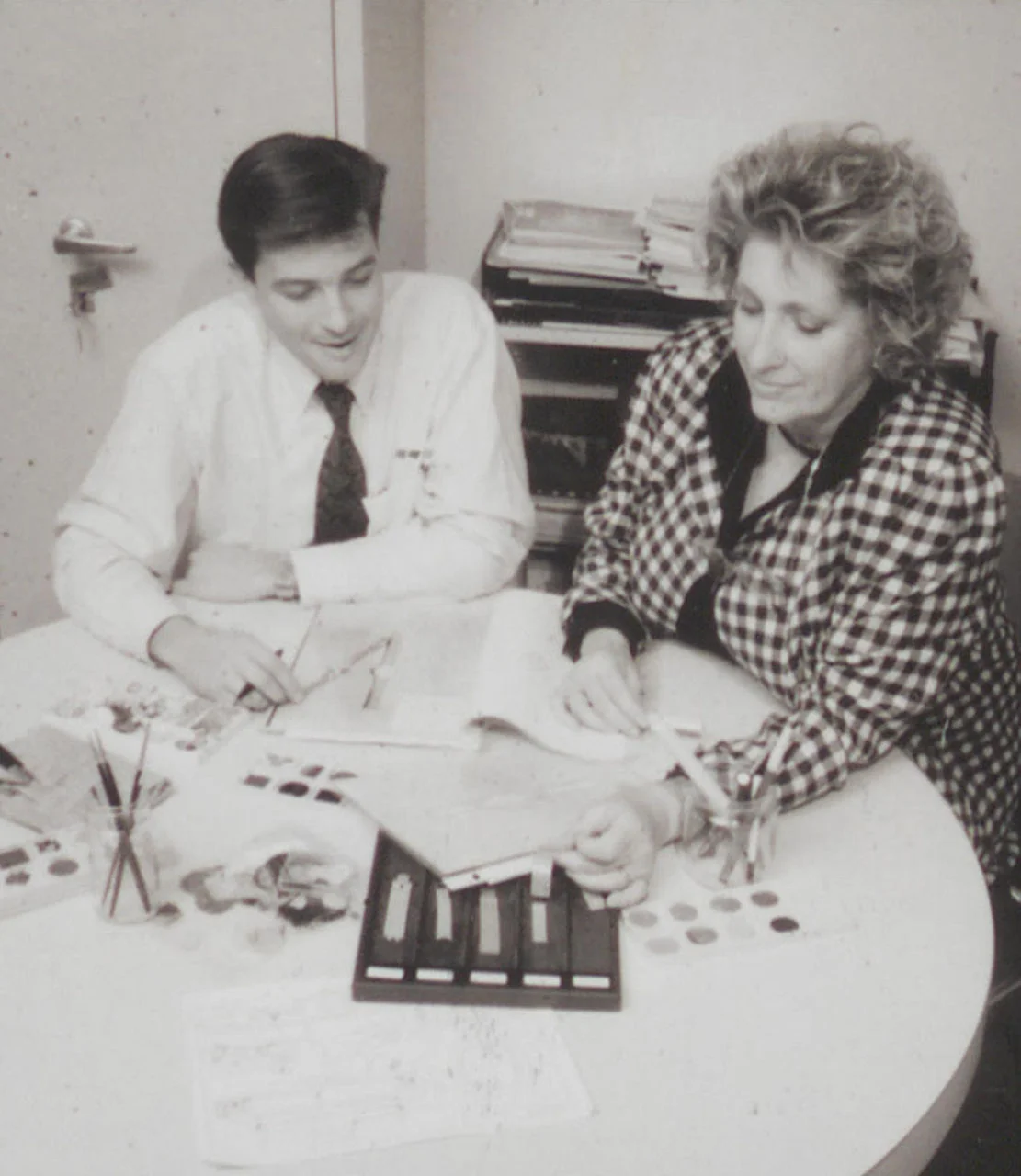
Around 1990. Jacqueline Dimier and Emmanuel Gueit collaborated on the creation of the new Audemars Piguet collections. AP Archives.
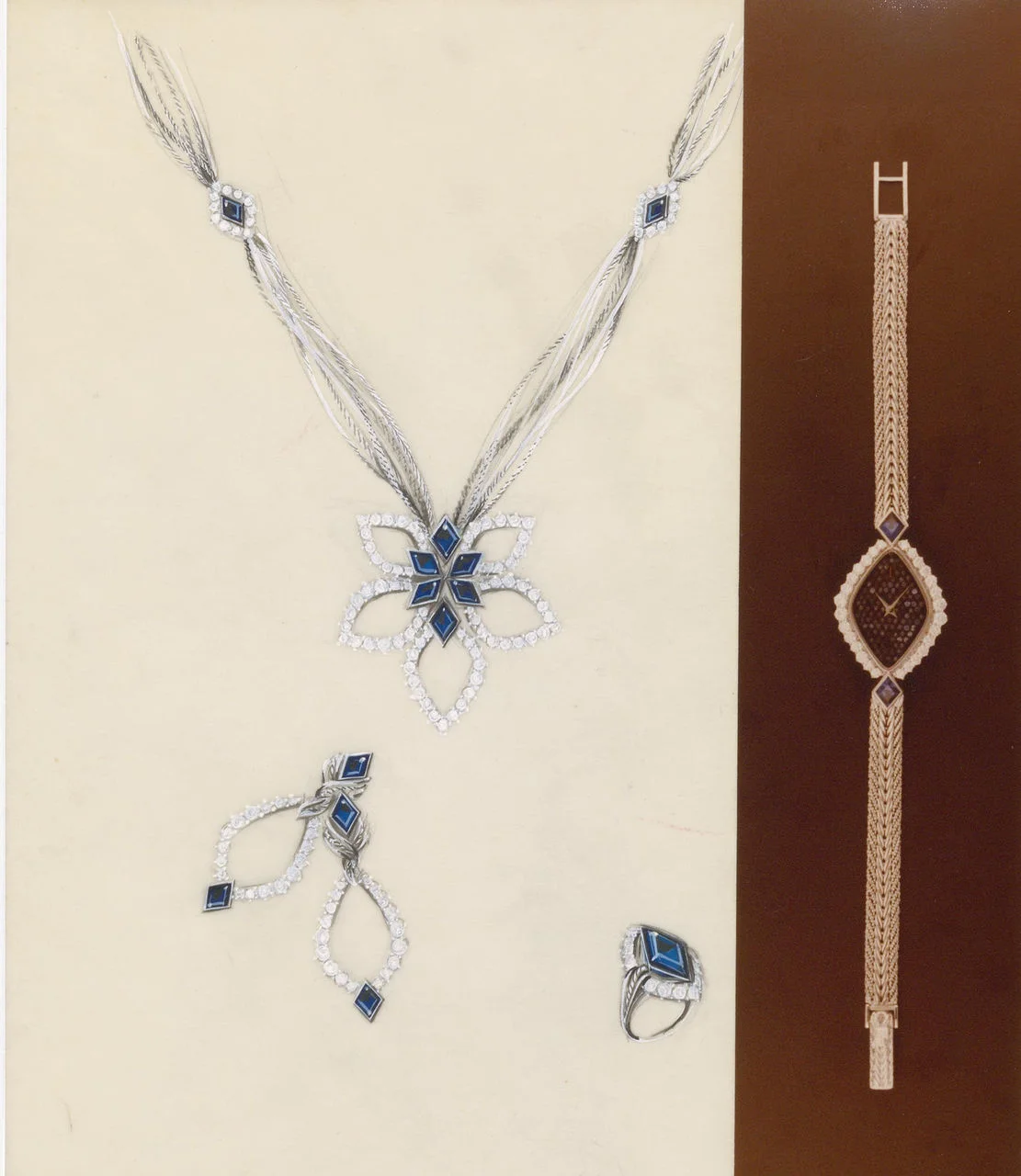
Produced circa 1984, this gouache painting appears alongside a photograph of watch Model 8838, for which the accompanying jewellery set was designed by Jacqueline Dimier. AP.AD.14. AP Archives.
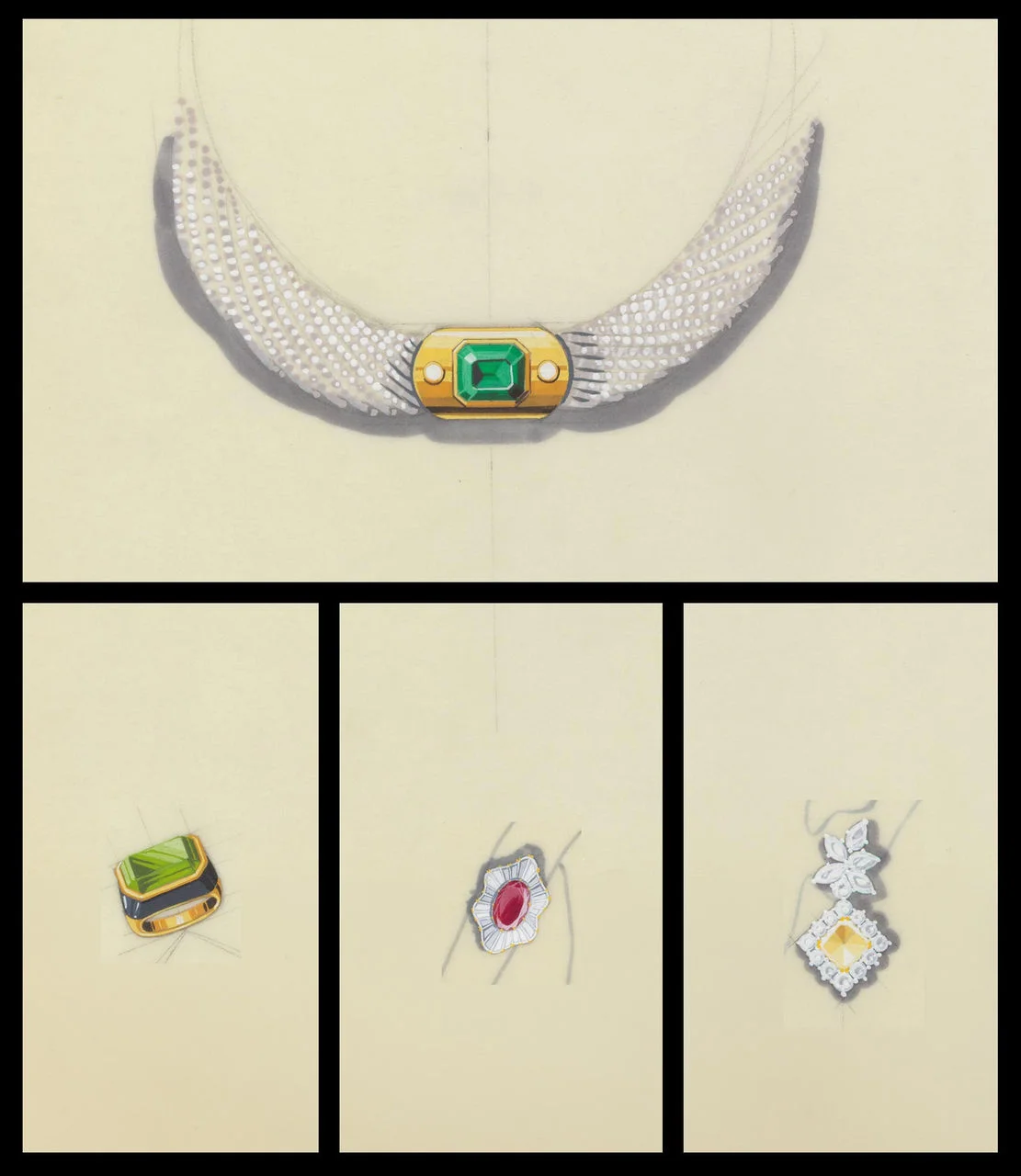
The ring-binder named “Ladies’ Jewellery Sets” contains drawings of dozens of pieces of jewellery, some of which were produced in the 1980s and 1990s. Guaches attributed to Jean-Claude Gueit. AP Archives.
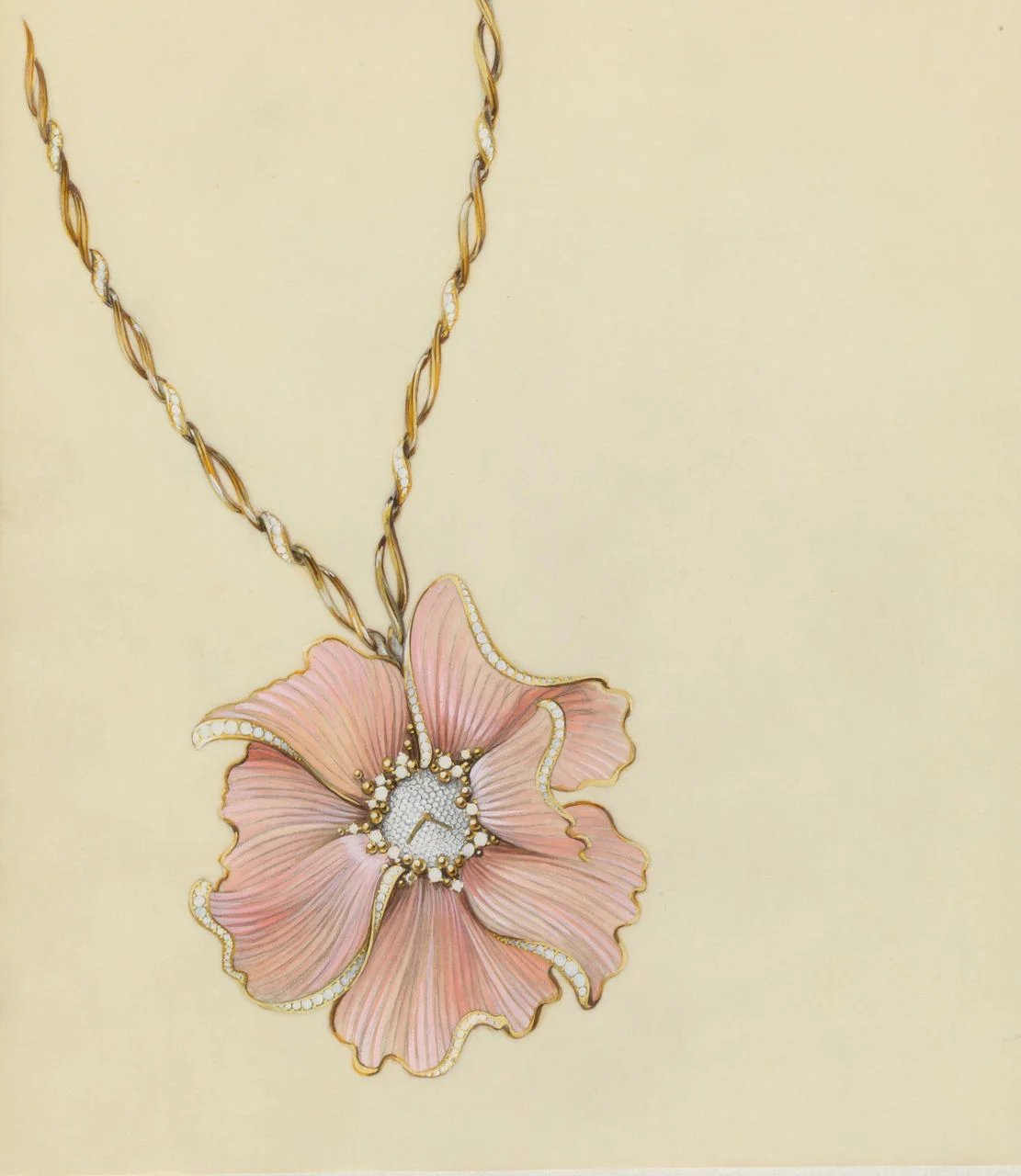
Created circa 1985 by Jacqueline Dimier, this gouache painting features a model combining jewellery and watchmaking that was probably never produced. “Parures” ring-binder. Gouache painting, AP.AD.40. 764/67. AP Archives.
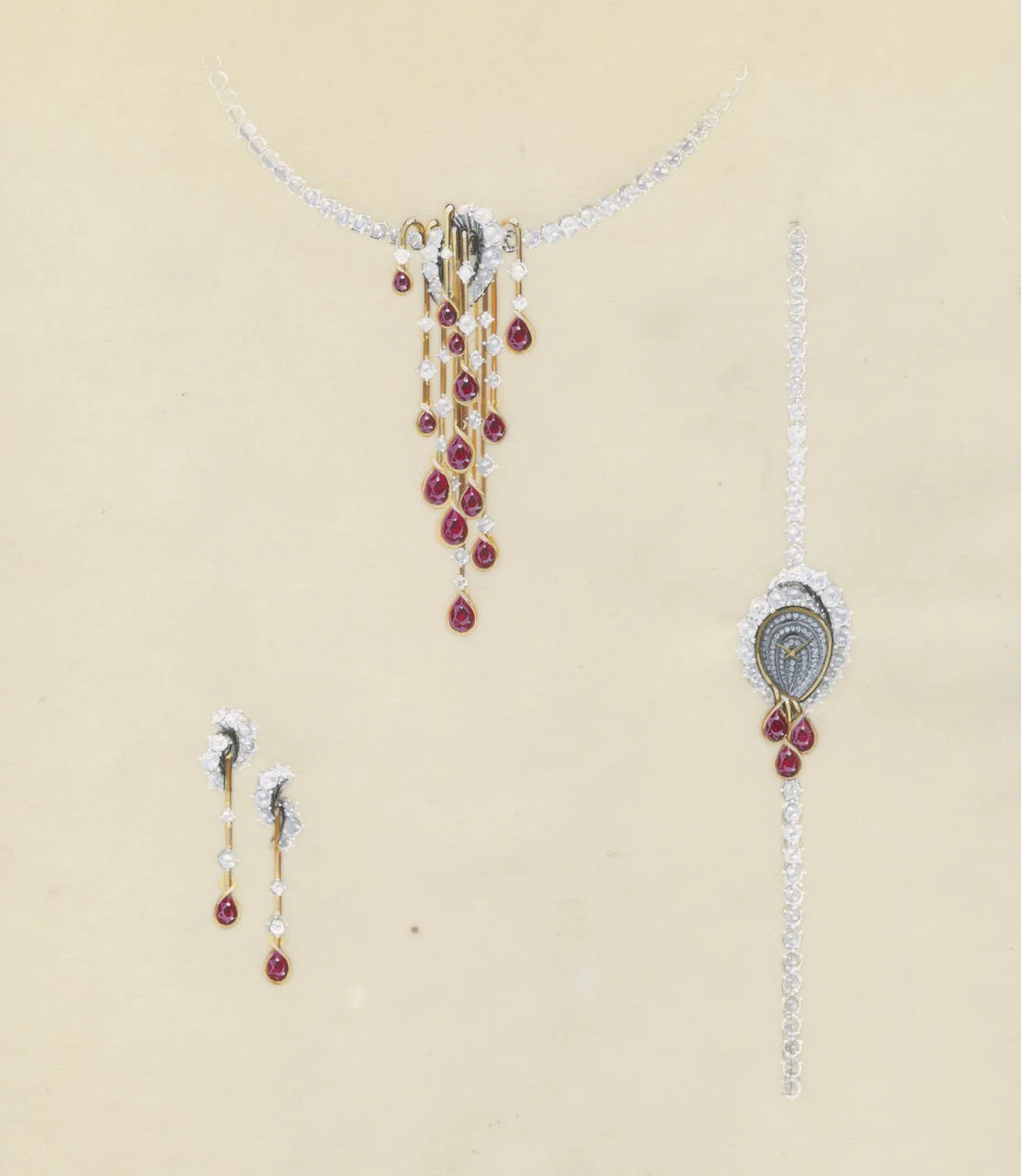
The Audemars Piguet archives contain hundreds of gouache paintings of accessories and jewellery from the 1980s and 1990s, rarely dated, sometimes signed, but mostly done by Jacqueline Dimier or Emmanuel Gueit (from 1987 onwards). Gouache painting AP.AD.76, c. 1983. AP Archives.
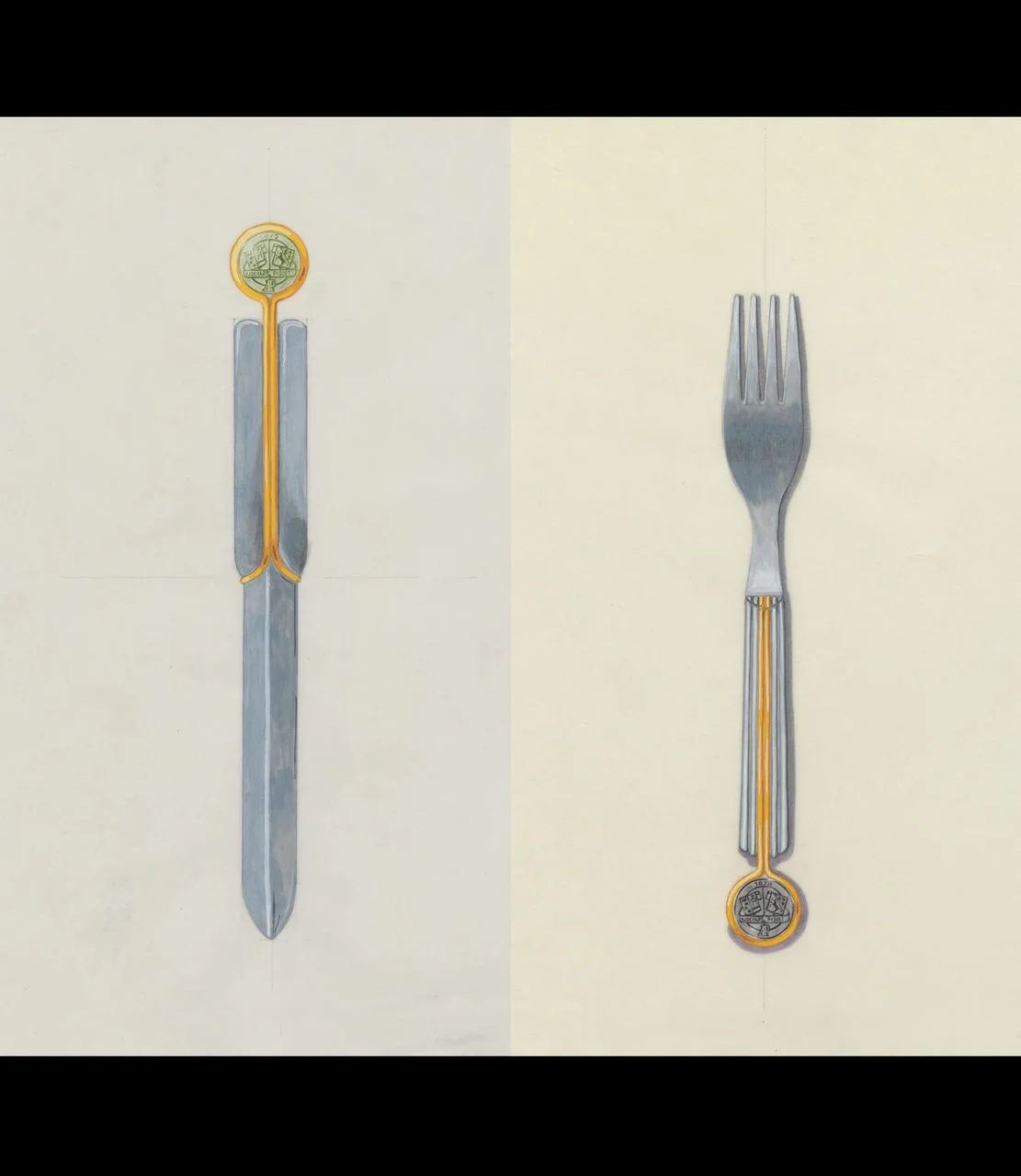
Gouache paintings from circa 1990, depicting a letter opener and a fork bearing the Audemars and Piguet crests. Left: AP.A.448 Right: AP.A.459. AP Archives.
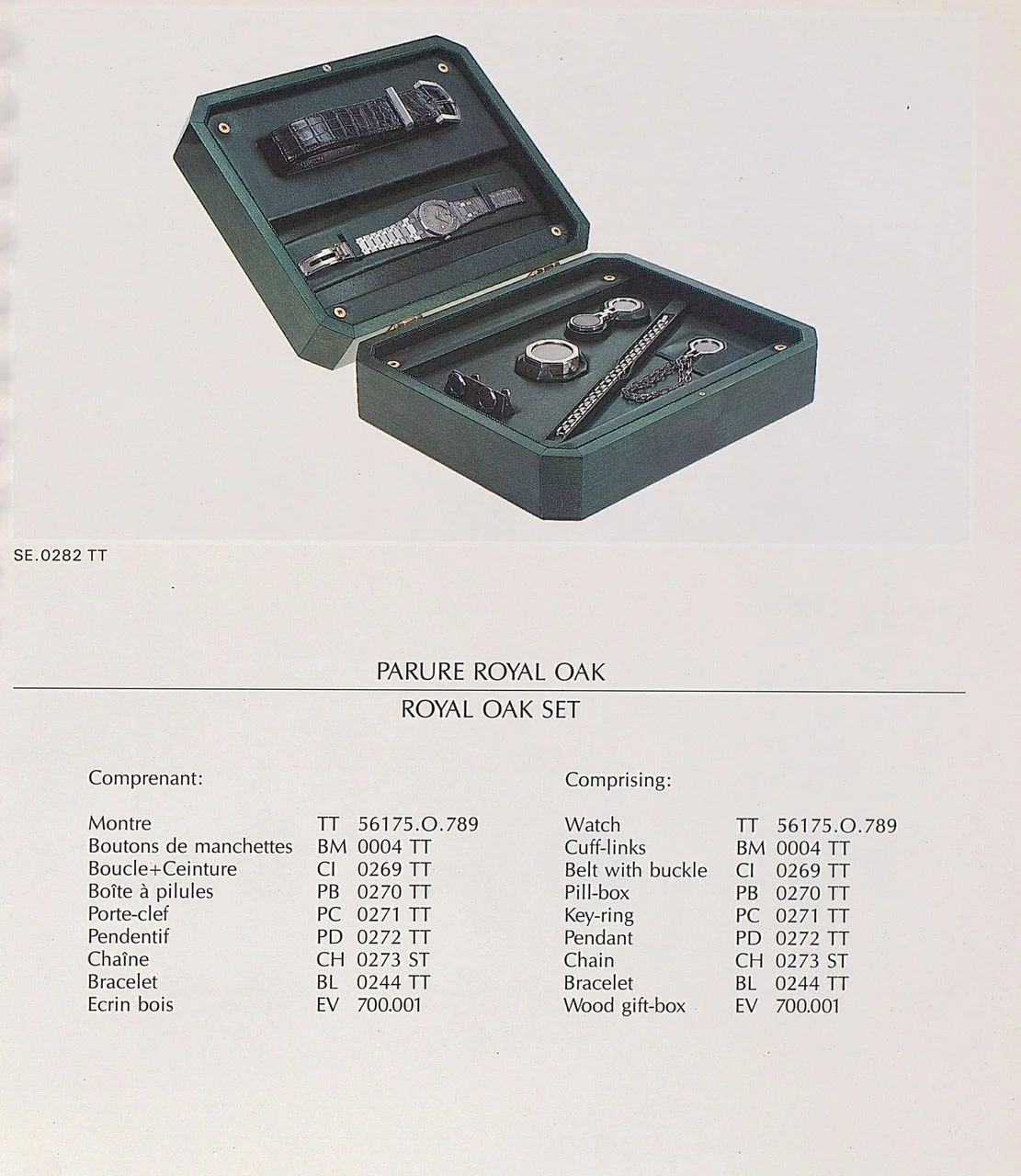
In 1993, Audemars Piguet introduced the Royal Oak 56175, created in collaboration with golfer Nick Faldo, in a special presentation box containing cufflinks, a belt, a pill box, a key ring, a pendant, a chain and a bracelet. 1990–91 General Catalogue 1993-94. AP Archives.
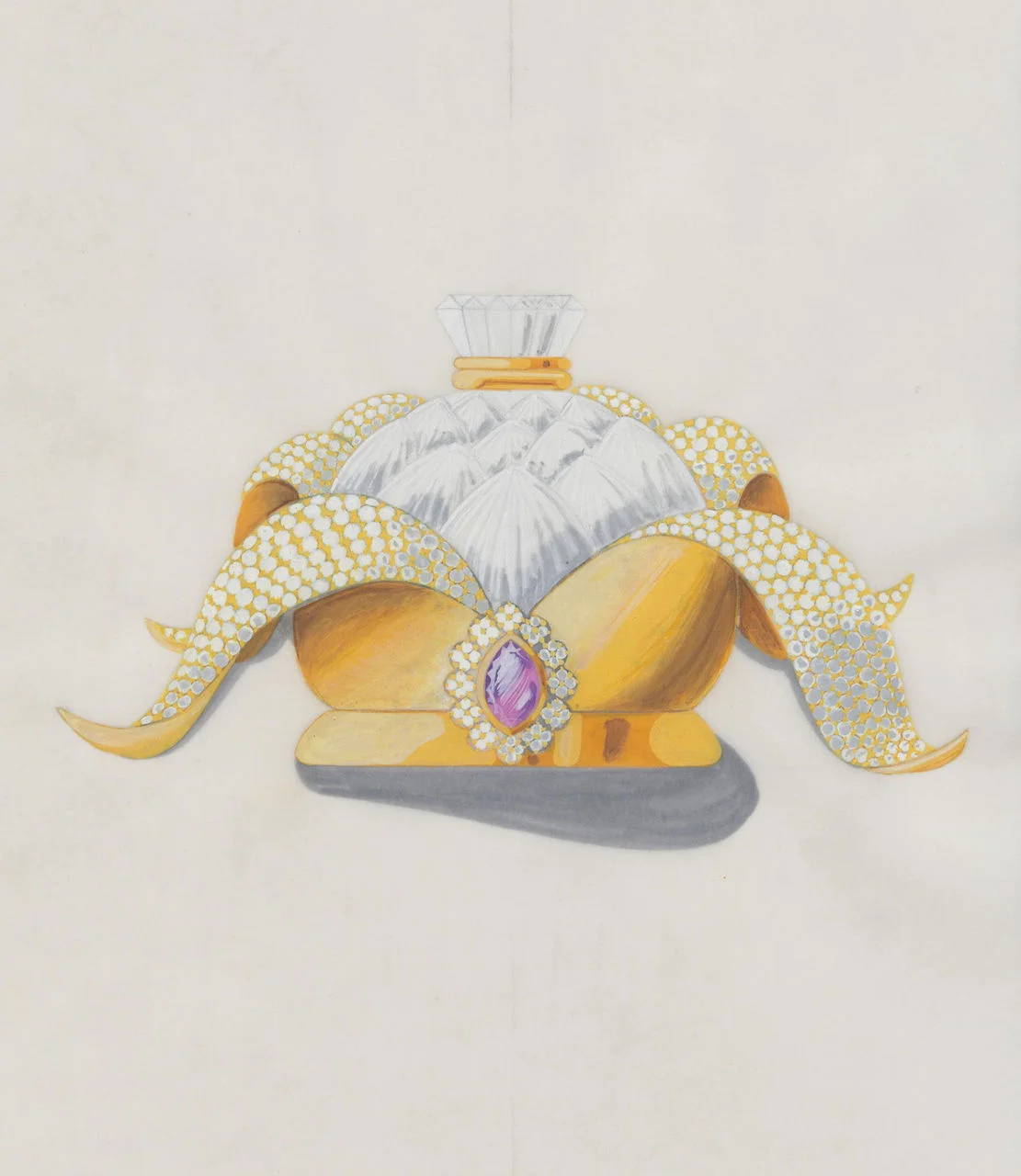
Gouache painting of an Haute Joaillerie perfume bottle. AP.A.169. AP Archives.
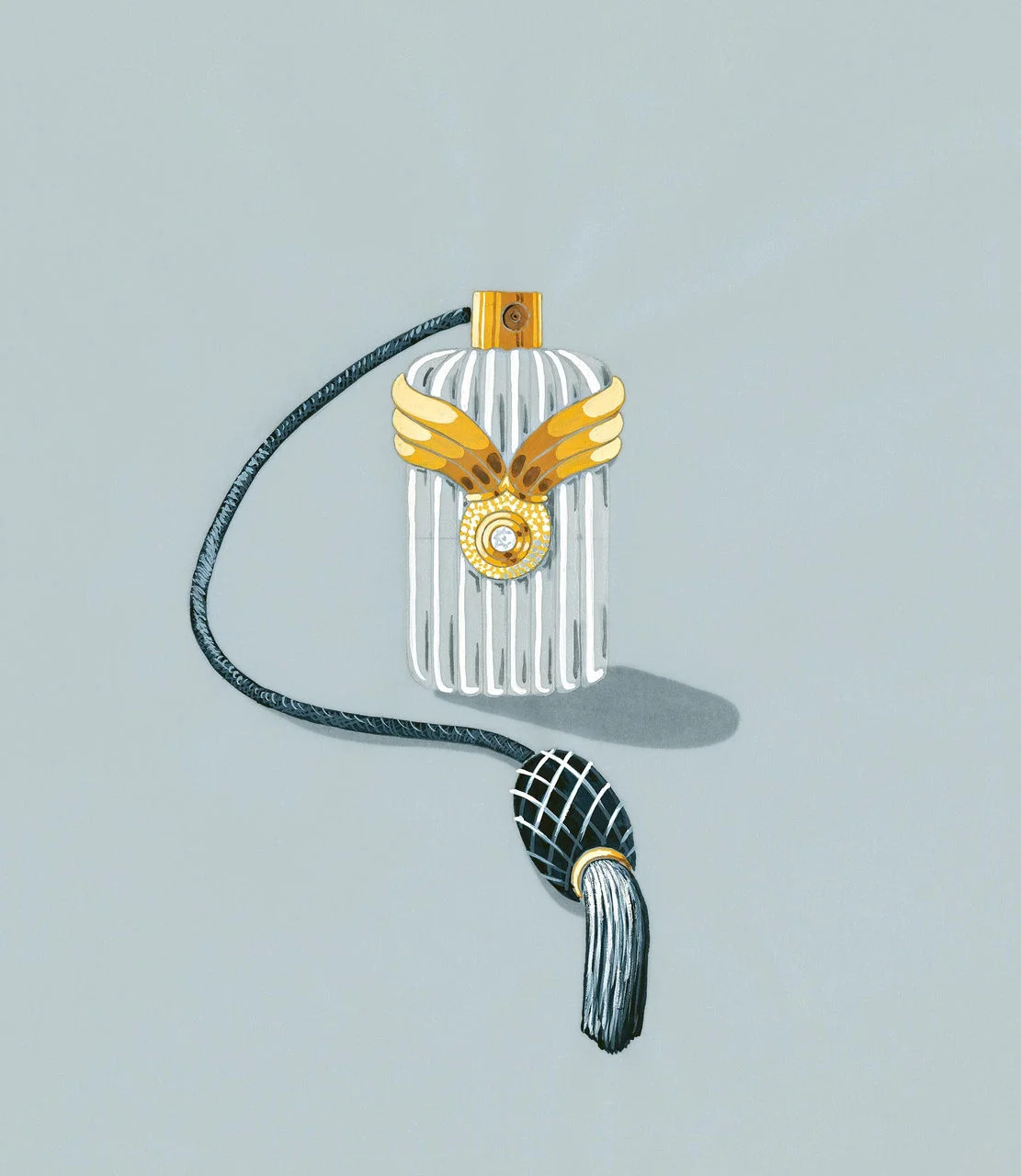
Gouache painting of a perfume bottle. AP.A.155. AP Archives.
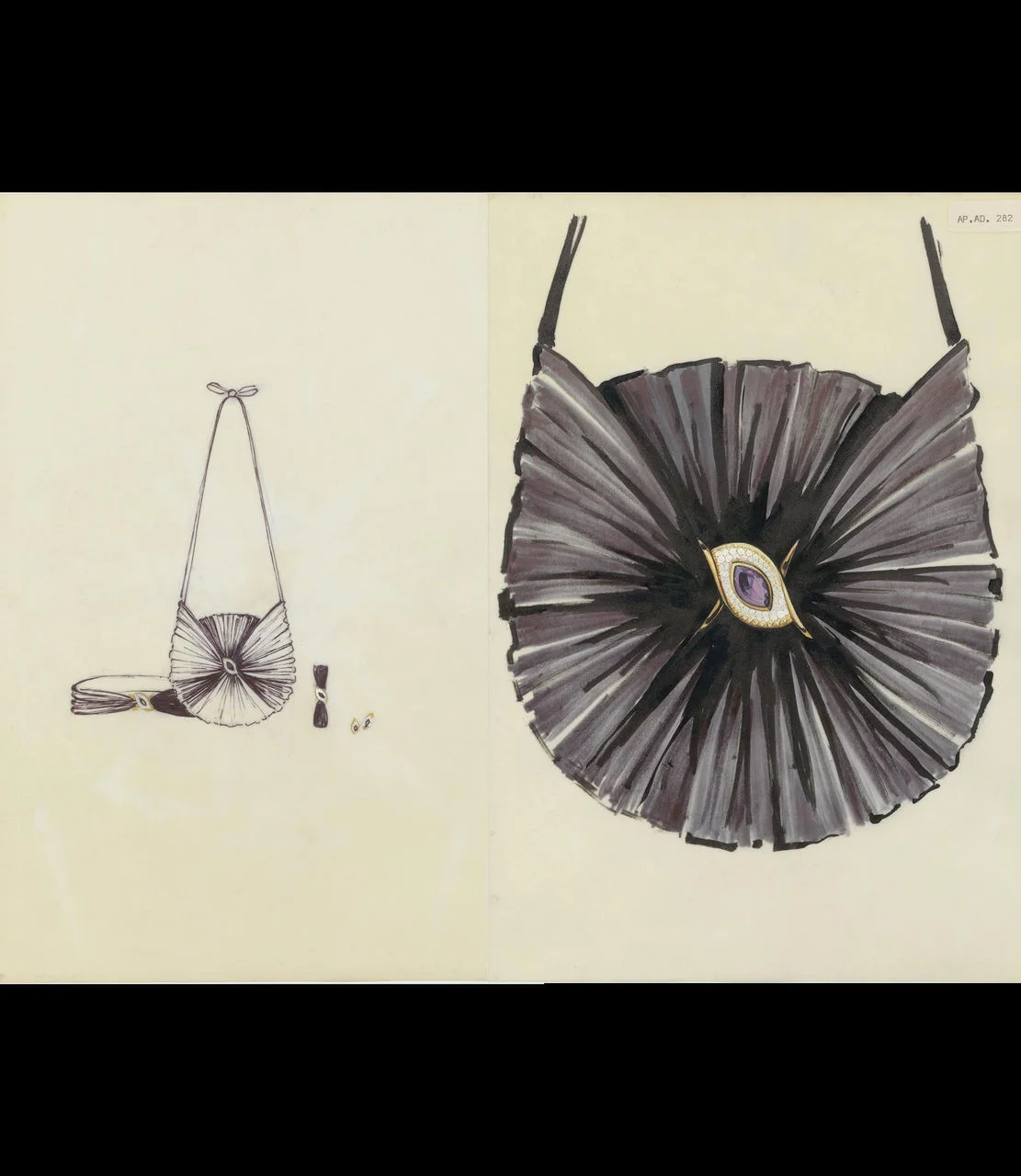
Circa 1990, gouache painting and sketch of a handbag, an accessory from the Baroque collection. AP.AD.282. AP Archives.
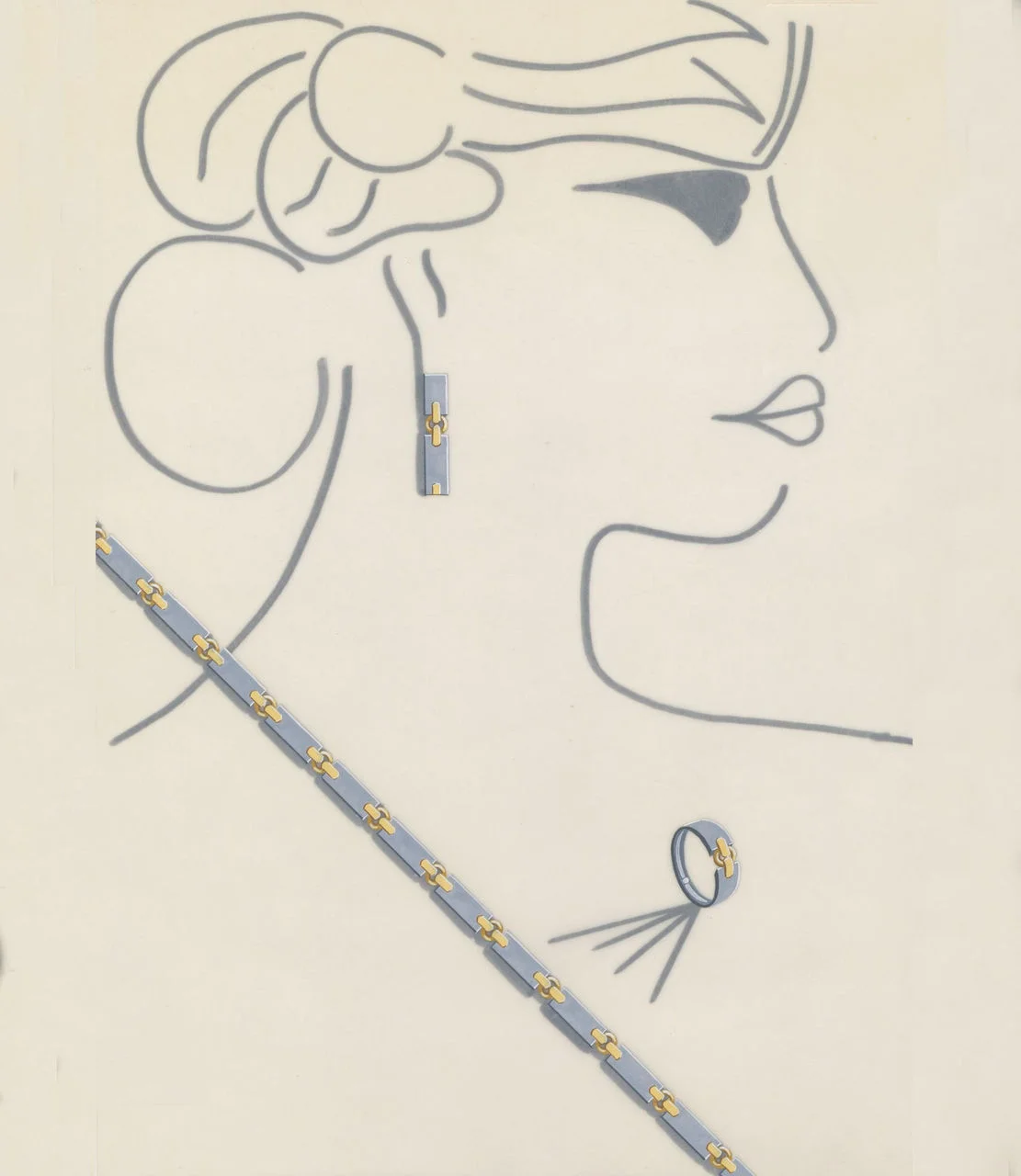
Gouache painting depicting a two-tone jewellery set, produced circa 1990. AP.AD.265. AP Archives
The Audemars Piguet jewellery workshop
In the early days of the company, In the early days of the company, Audemars Piguet watch cases were produced by independent workshops, as were the jewellery and accessories. These were often small jewellery workshops based in or around Geneva, such as Jean-Pierre Hagmann, Centror, Vidoudez, Barberis, Dupeguy, Zuber, Gay Frères, Schönhaus, Labarte in Paris and GTF in Sesto Calende near Milan.
However, by the late 1970s, certain accessories such as the Royal Oak cufflinks were already being produced in the workshops at Le Brassus. Archives reveal that as the 1980s progressed, an increasing proportion was made in-house, including certain earrings, chokers and rings...
This partial in-house production was made possible by the establishment of a jewellery workshop in Le Brassus. To this end, Audemars Piguet hired its first jeweller in 1977. At the time, men’s watches with integrated metal bracelets were gaining momentum. However, soldering the bracelet to the case is a delicate operation requiring highly skilled artisans. Ywan Kunzle, a jeweller at Audemars Piguet since 1989, recalls: “One of the jewellery workshop’s core activities 35 years ago was soldering bracelets to cases.”
While the jewellery workshop – in conjunction with the case workshop – occasionally contributed to the production of rings or necklaces, its main focus remained jewellery watches, which existed in a wide variety of styles. To see this at close hand, a glance through catalogues from the 1980s and 1990s reveals dozens of small gemset watches, often created for Asian markets.
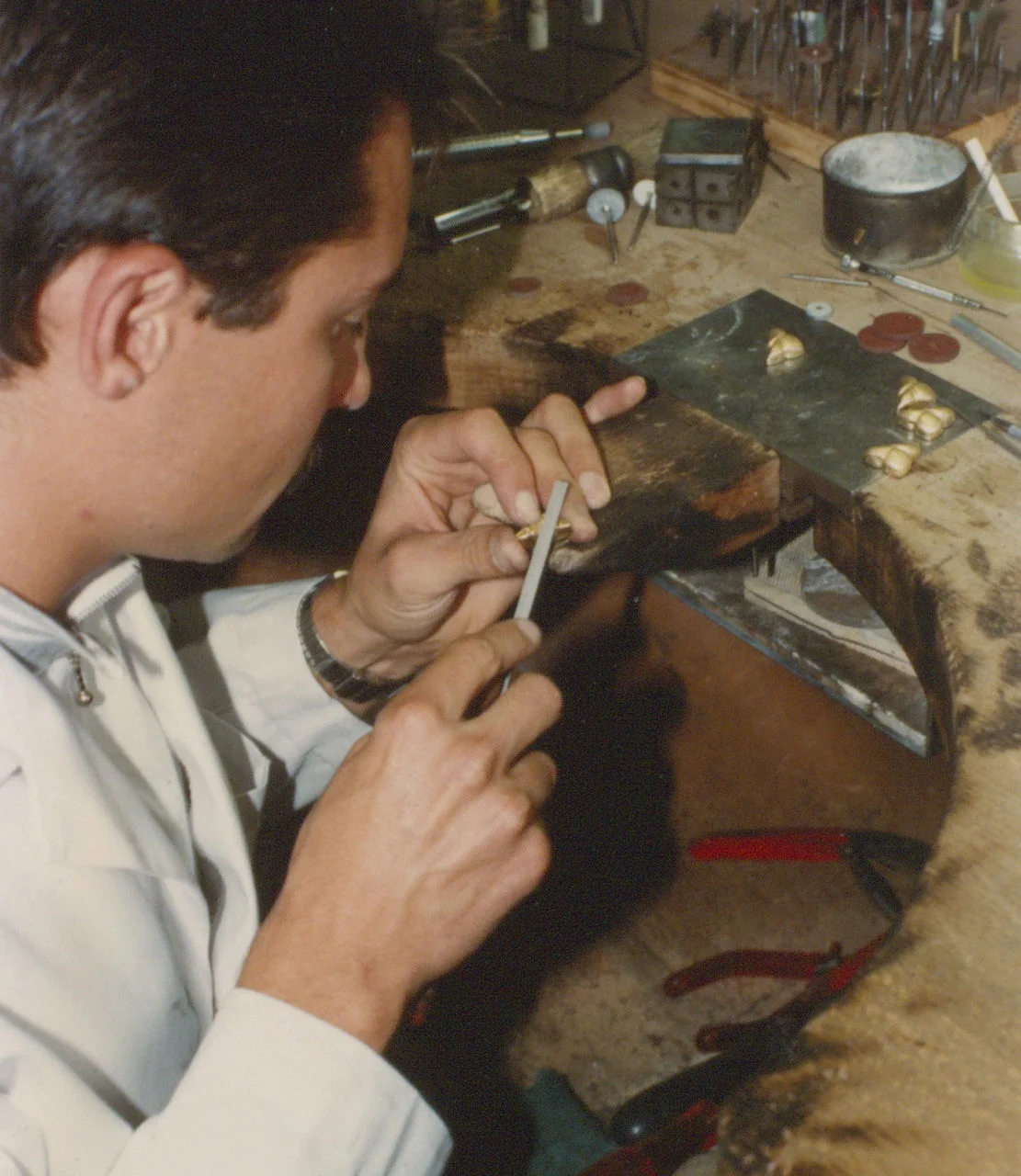
Jeweller Ywan Kunzle, who joined Audemars Piguet in 1989, is pictured carefully filing a link of the gold necklace known as the Sylvana (Model 0176), cast by the Maxence workshops. Audemars Piguet jewellery workshop, circa 1990. AP Archives.
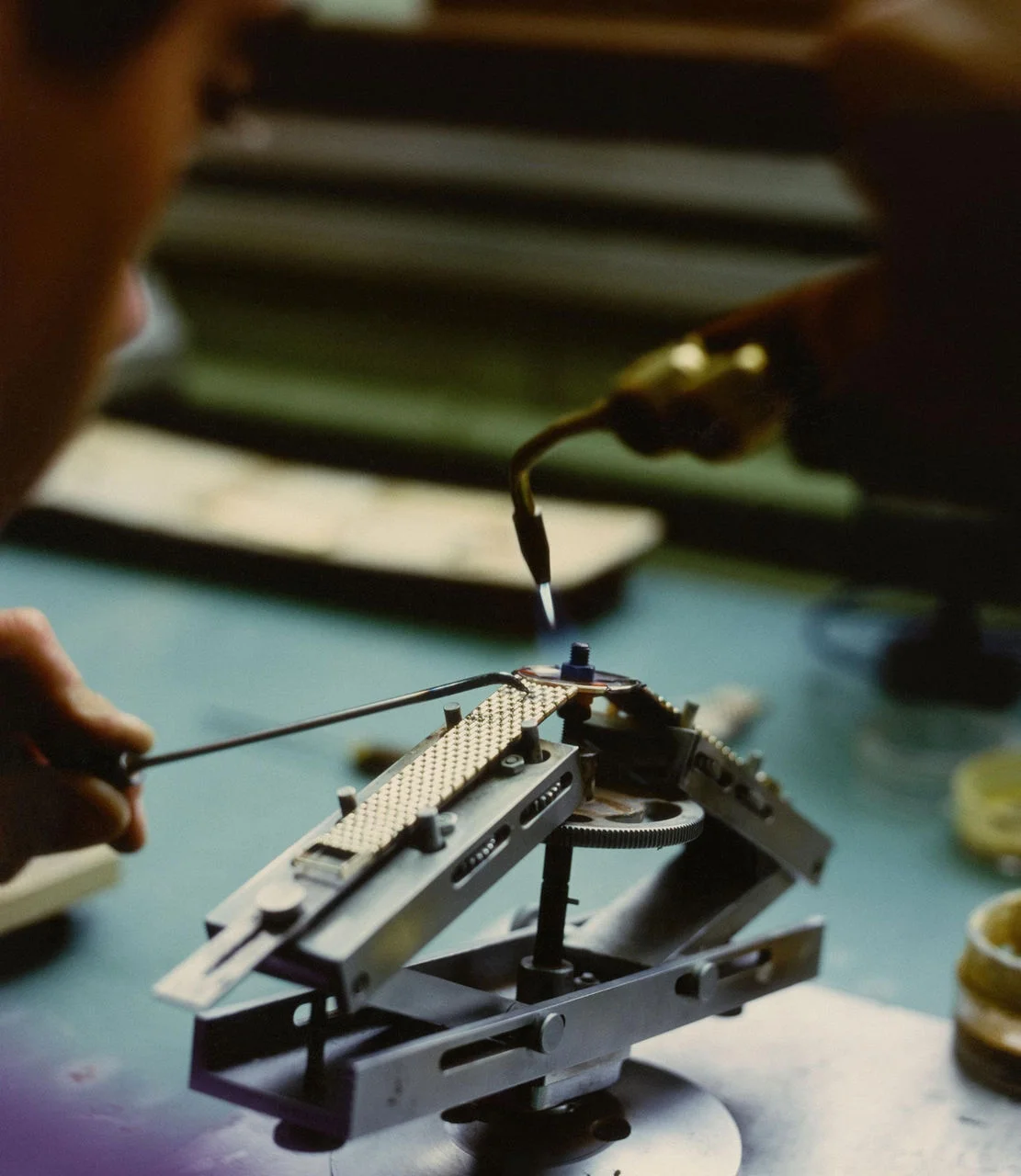
Welding with a blowtorch to solder bracelets to watch cases was one of the core activities of the Audemars Piguet jewellery workshop in the 1980, in response to the trend for integrated metal bracelets. Photo taken circa 1985. AP Archives
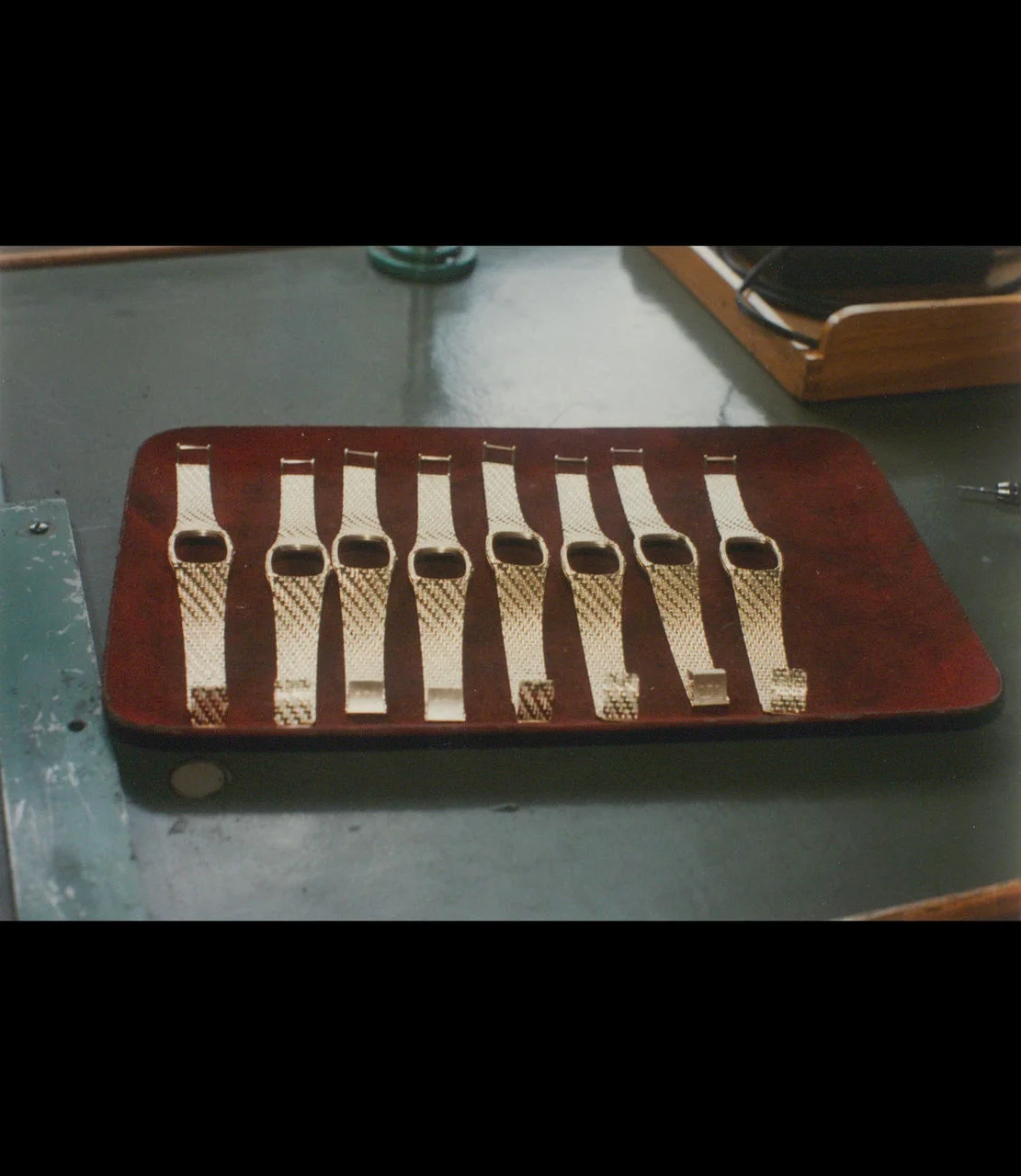
Welding with a blowtorch to solder bracelets to watch cases was one of the core activities of the Audemars Piguet jewellery workshop in the 1980s, in response to the trend for integrated metal bracelets. Photo taken circa 1985. AP Archives.
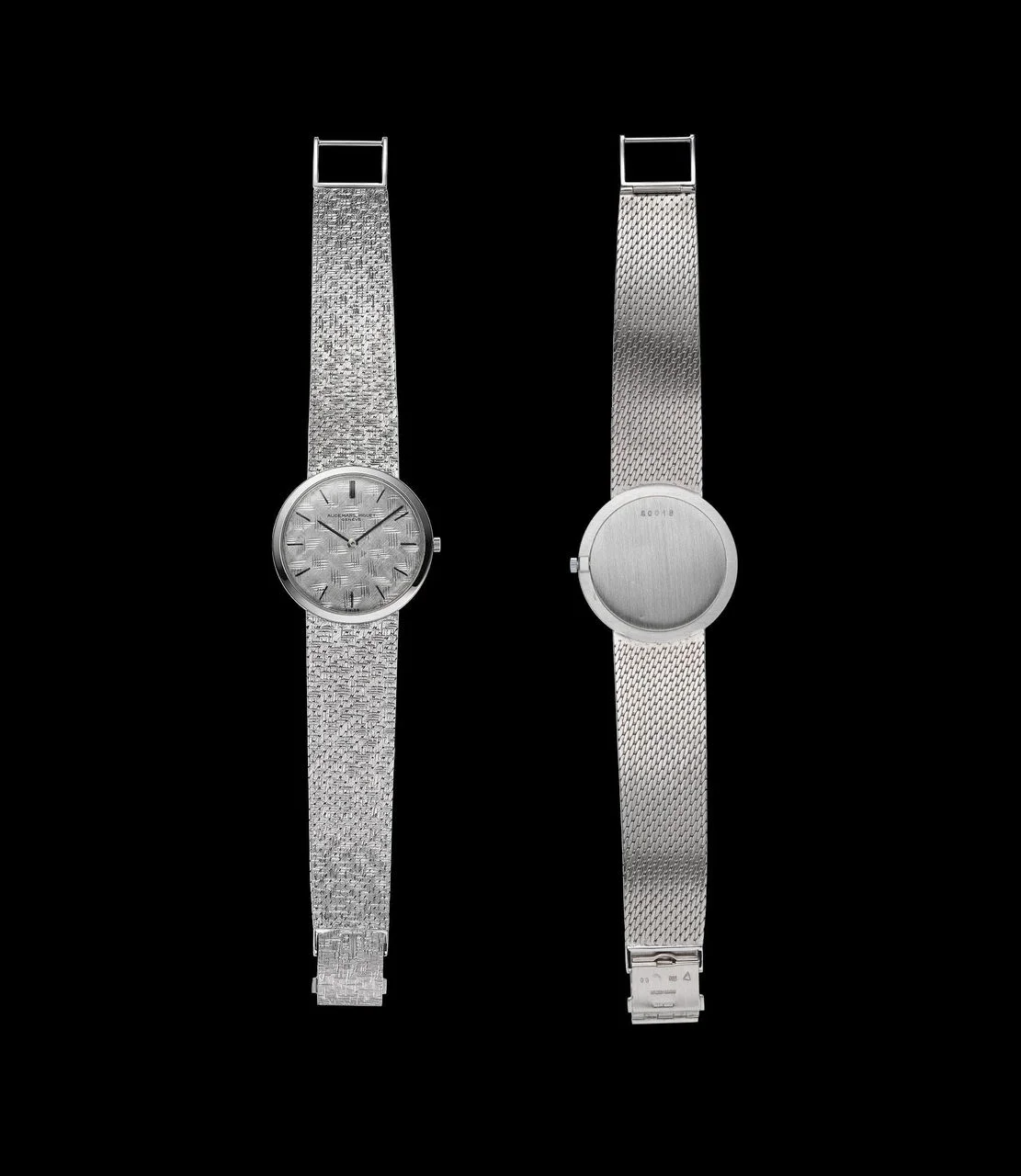
Epitomising the trend for watches with welded metal bracelets, this white gold watch features a hand-engraved bracelet and dial. Model 5337. 1967. AP Heritage, Inv. 2433.
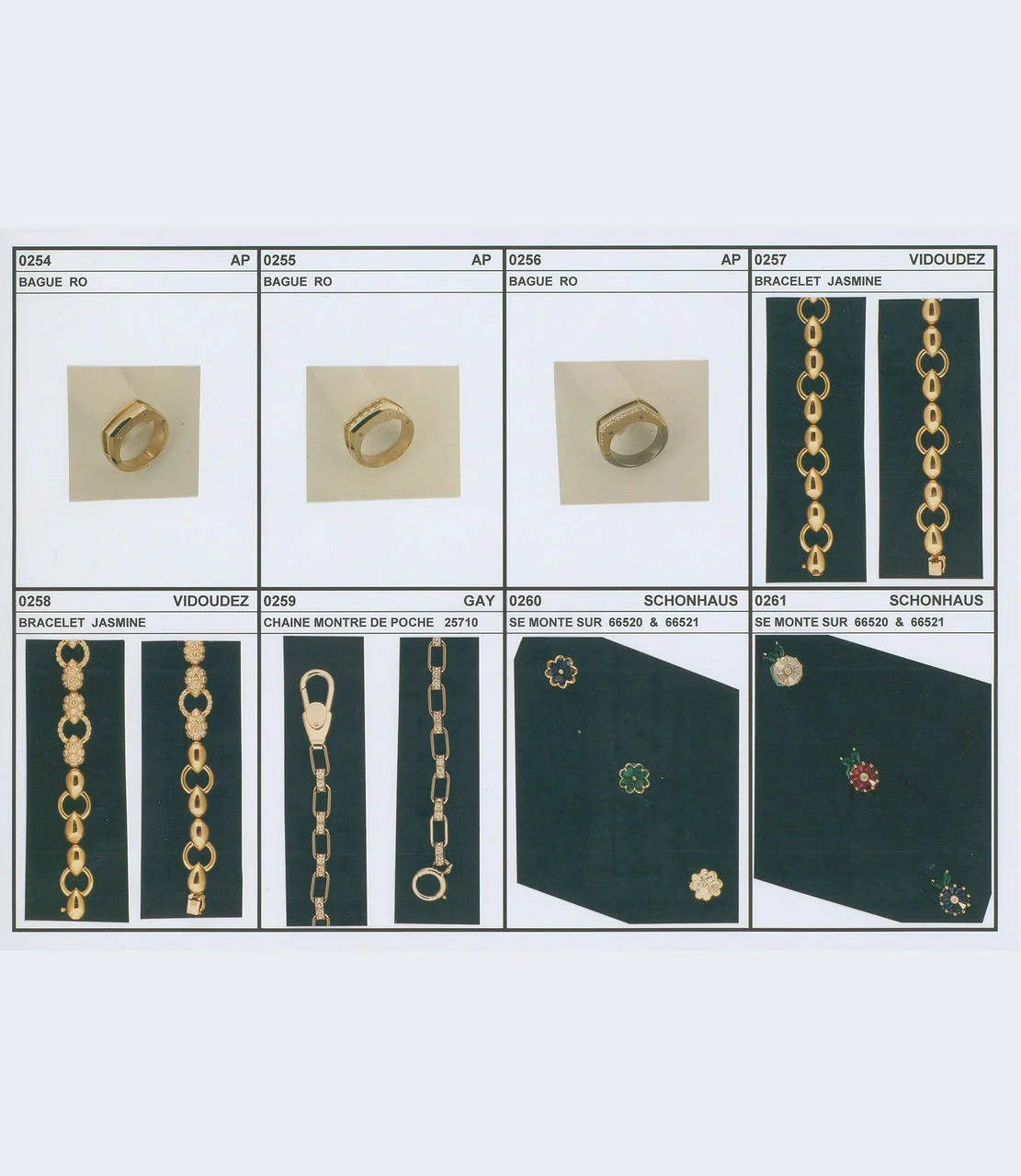
This page from the “AP Accessories Bible’” states that the Royal Oak rings were made in the workshops at Le Brassus, while the chains came from the workshops of Vidoudez (Saint-Prex) and Gay Frères (Geneva). AP archives.
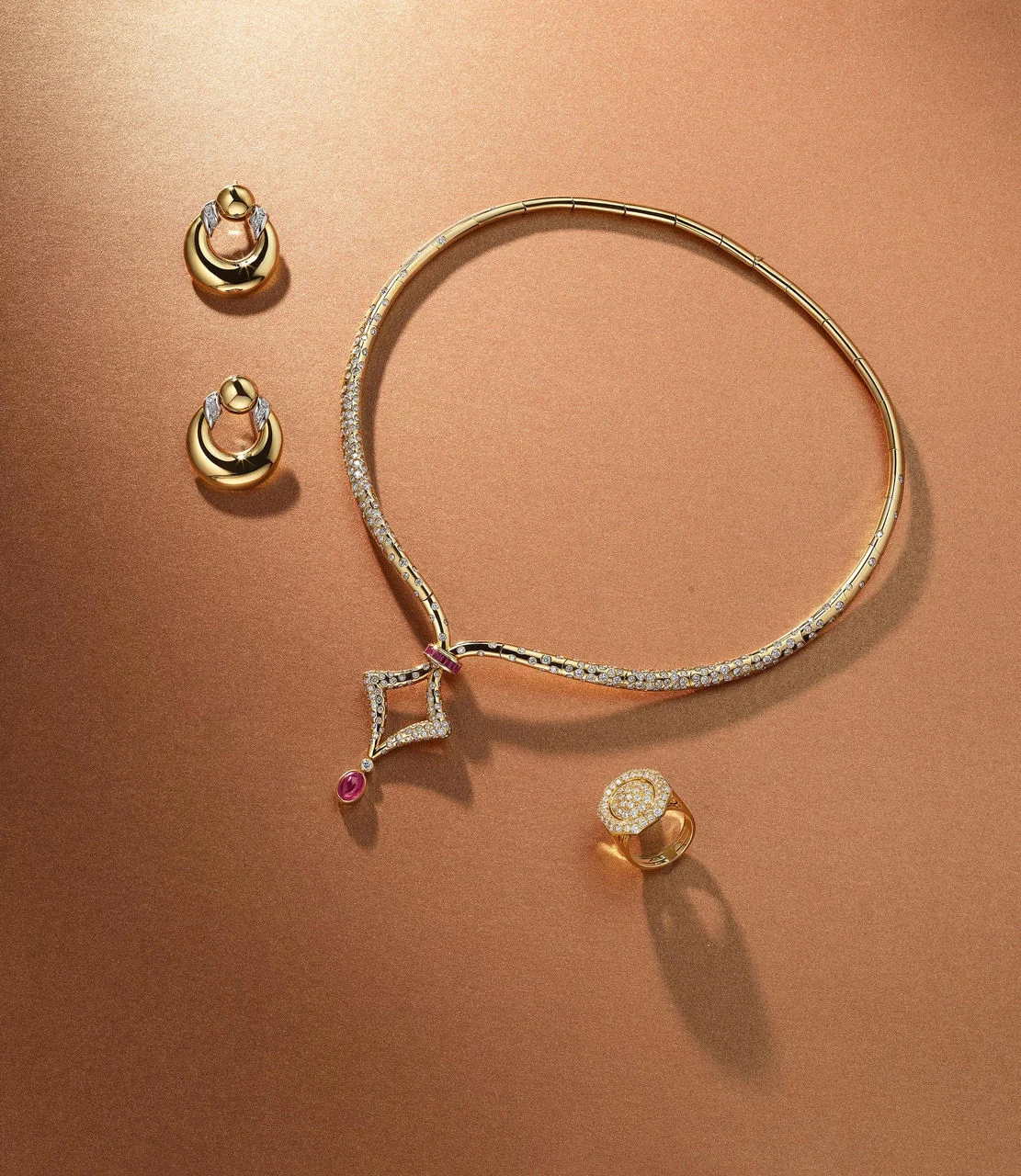
This Audemars Piguet set is probably associated with one or more out-of-collection watches from the 1980s. AP Heritage Inv. 5146 (necklace); Inv. 5137 (ring); Inv. 5153.
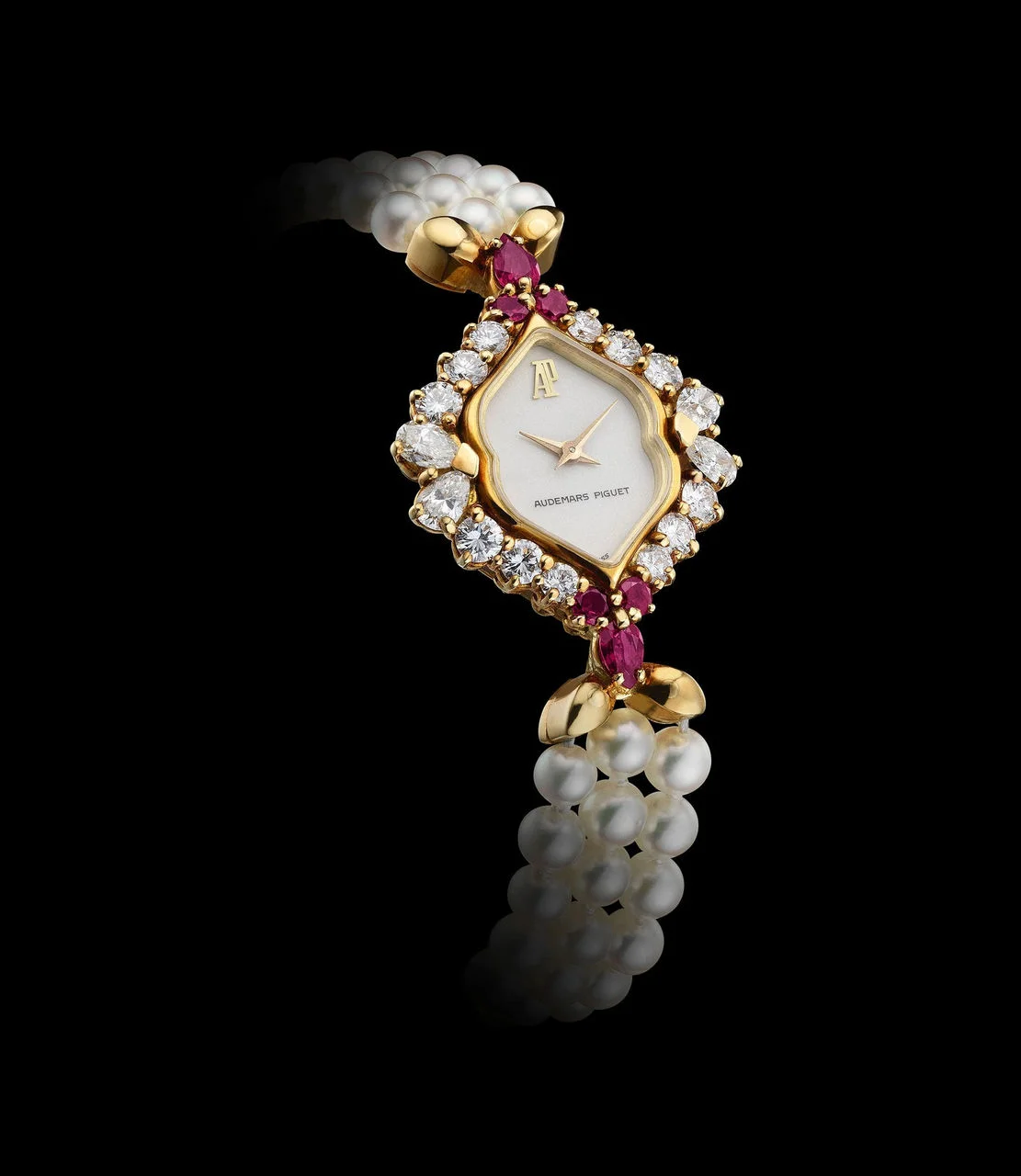
Produced circa 1986, Model 9008 is one of the many miniature jewellery watches produced by Audemars Piguet in the 1980s and 1990s. AP Heritage, Inv. 2113.
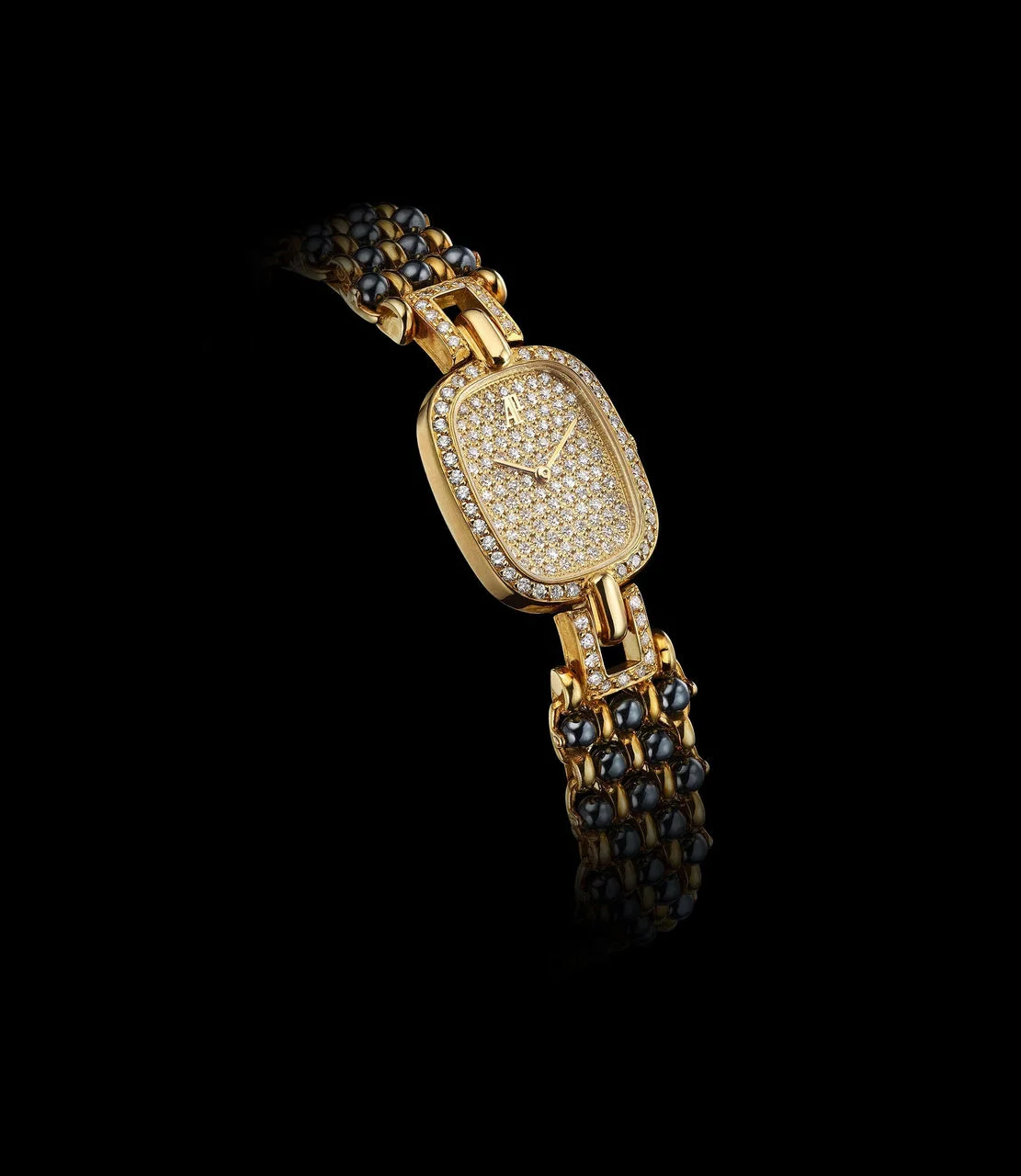
The Audemars Piguet jewellery workshop contributed to the creation of this jewellery watch Model 66185 sold in 1985, featuring a bracelet set with hematite spheres. AP Heritage, Inv. 102.
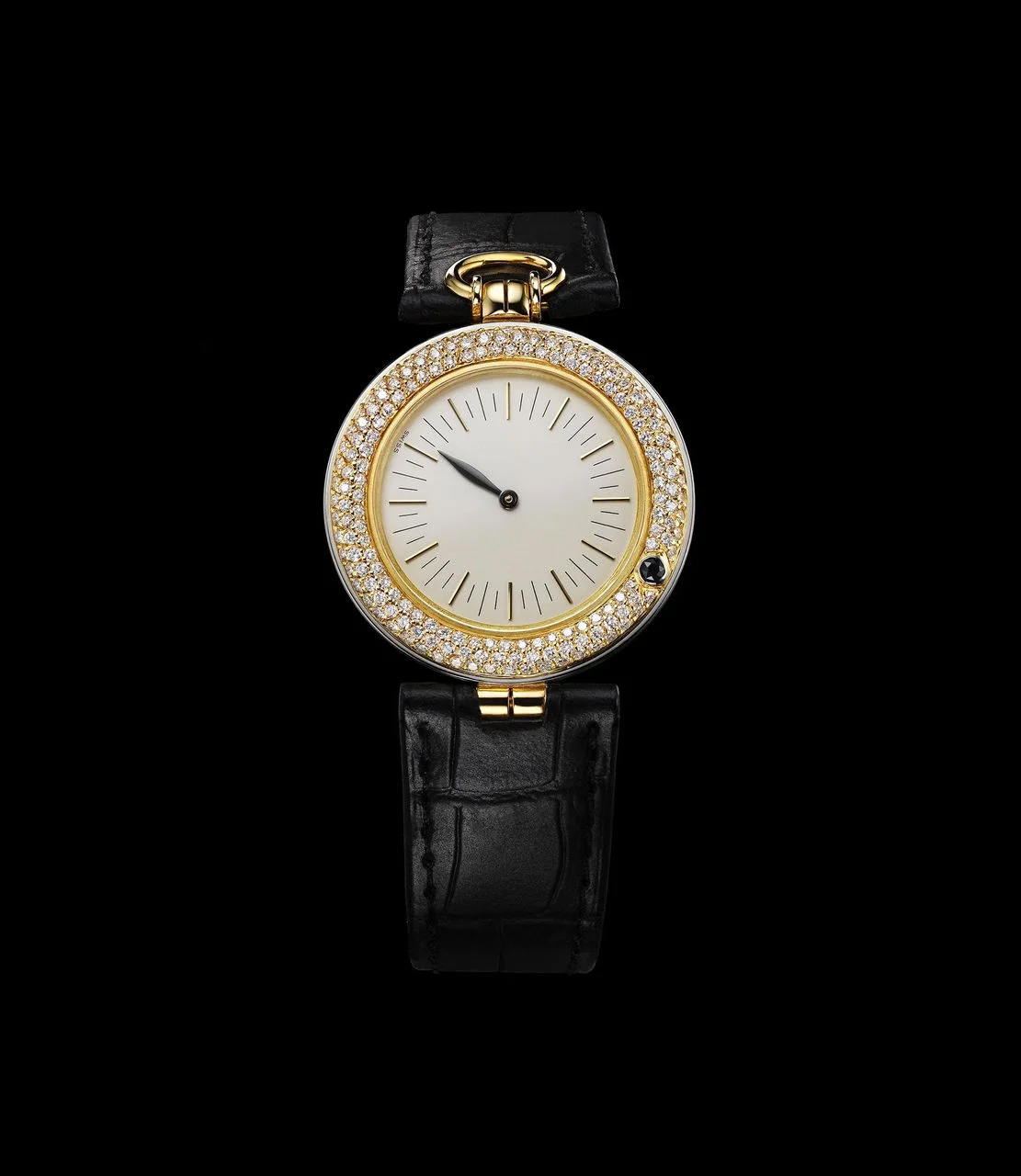
Sold in 1983, this Philosophique 14289 watch features a finely gemset rotating bezel. Calibre 2003. AP Heritage, inv. no. 916.
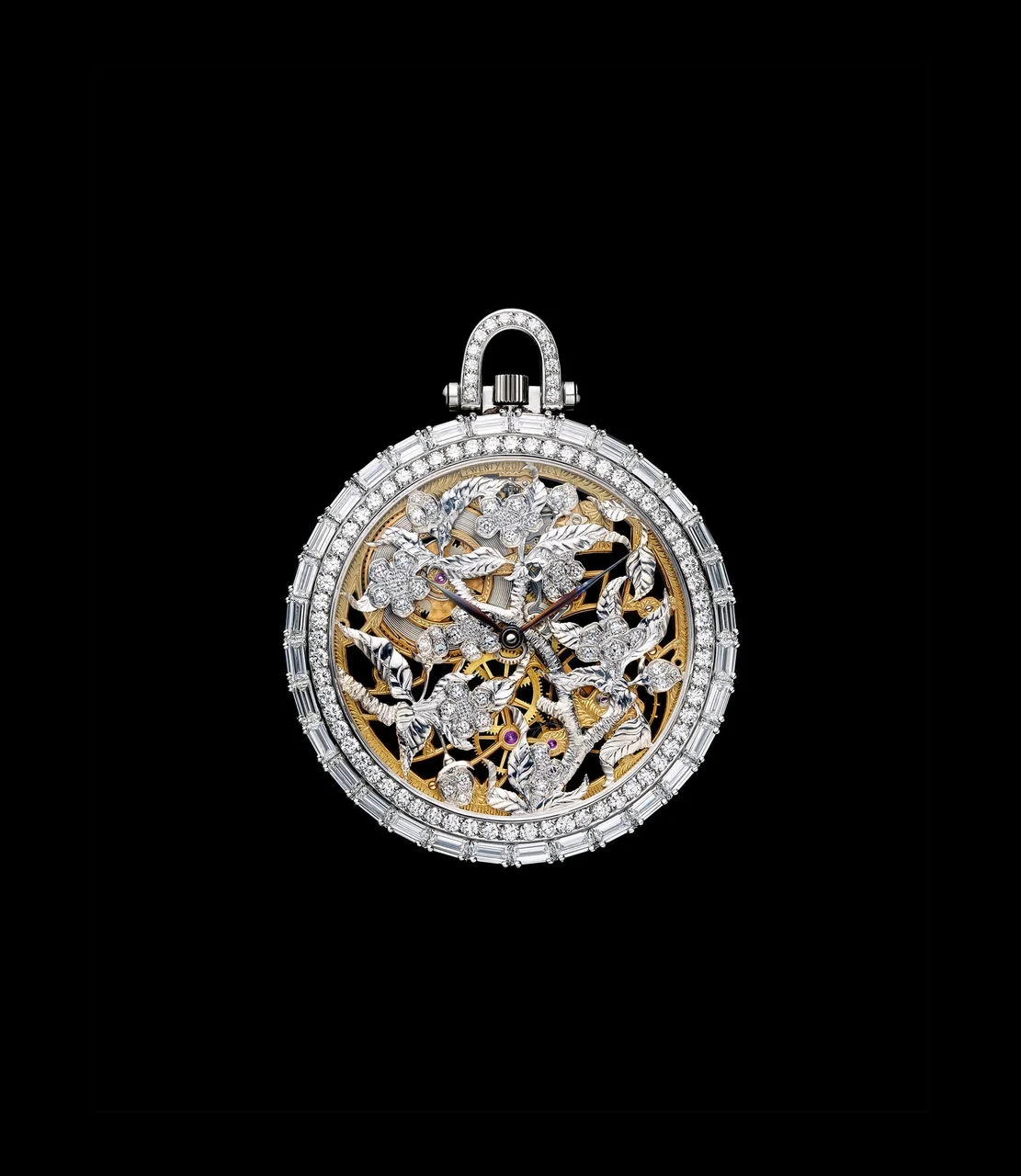
1990. Chasing, modelled engraving, gemcutting, gemsetting: jewellers’ skills meet those of watchmakers. Model 35783PT, Calibre 5020SQ. AP Heritage, Inv. 1607.
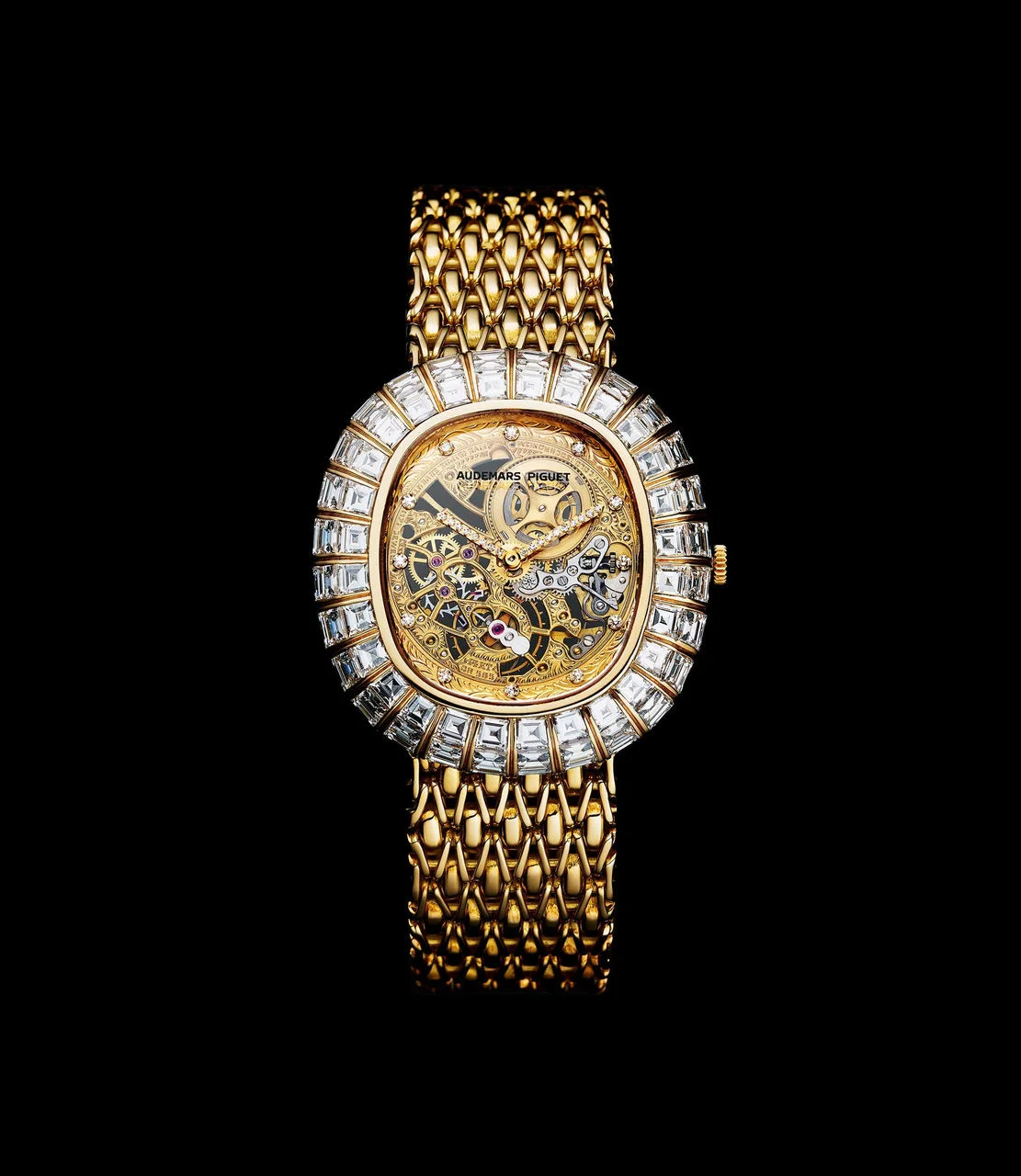
1993. Openworked Haute Joaillerie wristwatch. Bezel and hands set with diamonds. Calibre 2003SQ. Production of Movement 275389 began in 1988. Sold in 1993. Yellow gold. Model 14771. AP Heritage, Inv. 1210.
Ascent of the atelier
In 1985, Régis Vaillant, a 24-year-old jeweller, gemmologist and gemsetter, joined the Audemars Piguet gemsetting workshop – which at the time employed just one artisan. He soon merged his workshop with the jewellery atelier, giving it a significant boost: by 2007, the atelier would employ up to 20 people.
The artisans gave life to the designs conceived by Dimier and Gueit, mastering a wide range of skills, from casting to gemsetting, including bar-turning, shaping, filing, wire-drawing, rolling, polishing, engraving and more.
We cannot resist the pleasure of showcasing some of the creations from that era here. Among them is the 1986 Baroque watch: the first collection to feature in-house-crafted cases and featuring gemstone dials. Another example is the Haute Joaillerie watches that were particularly popular among clients from Singapore, Hong Kong and Japan during the 1980s and onwards. Among the most colourful watches, one should also mention a multicoloured cuff watch with three dials powered by three movements; a mermaid-shaped wristwatch/pendant; an egg entirely set with gemstones housing a watch; as well as a series of over 30 small children’s jewellery watches commissioned by a sultan and shaped like lions, locomotives, toy cars and even teddy bears…
The 1980s and 1990s saw jewellery gain prominence at Audemars Piguet, paving the way for its official inclusion in the brand’s 1998 General Catalogue.
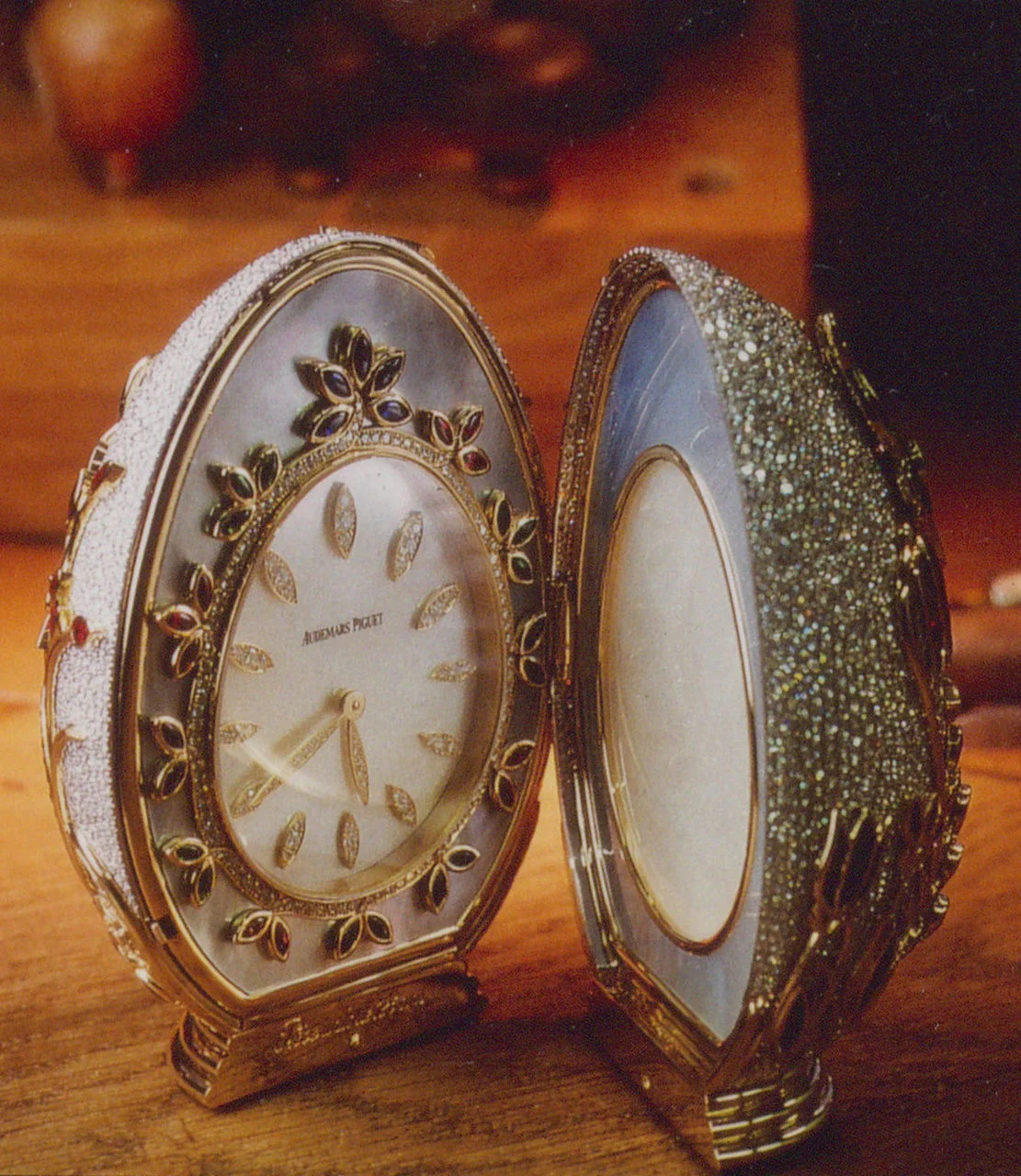
“1900 L’oeuf” was among the one-off models created to mark AP’s 125th anniversary in 2000. It was set with over 4,000 diamonds and 234 emeralds. AP Archives.
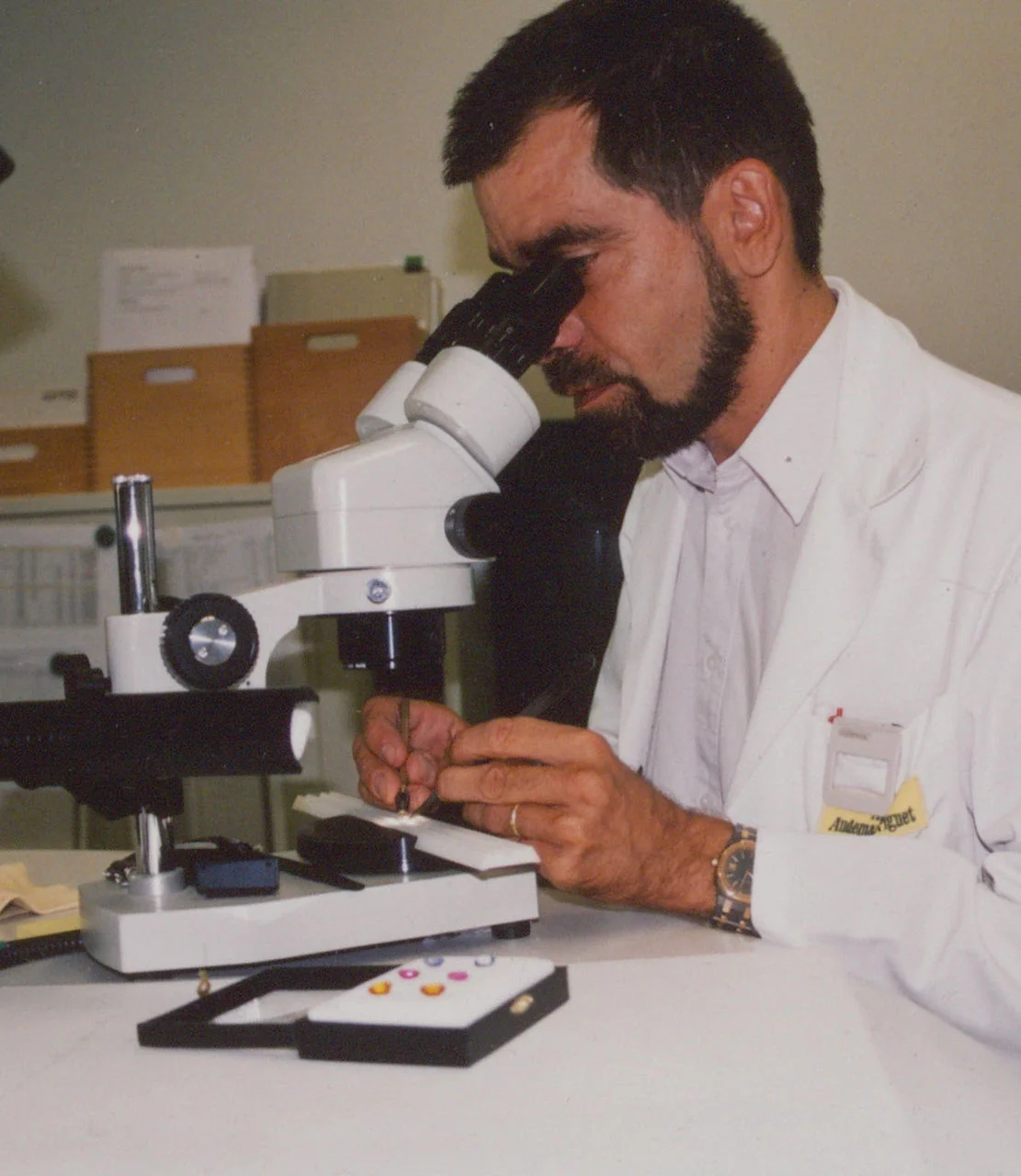
Régis Vaillant, head of the Audemars Piguet jewellery atelier between 1986 and 2008, seen examining a batch of gemstones circa 1990. AP Archives.
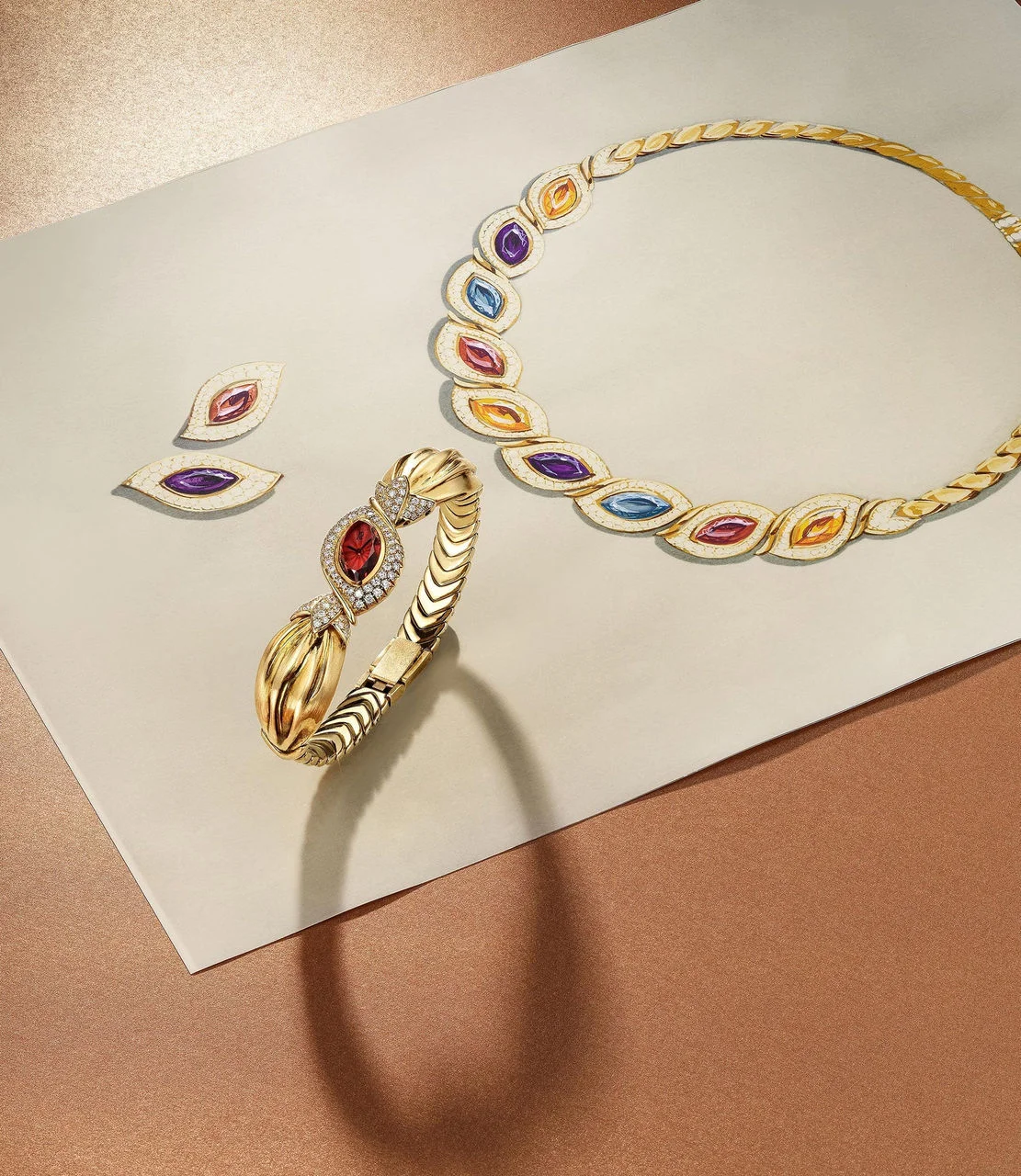
The Baroque collection (1986) was the first in which the exteriors were produced in-house. It was accompanied by a number of jewellery pieces: necklaces, rings, brooches and earrings. Baroque Model 66564 (1992), Inv. 889, placed on the corresponding gouache painting AP.AD.348. AP Archives.
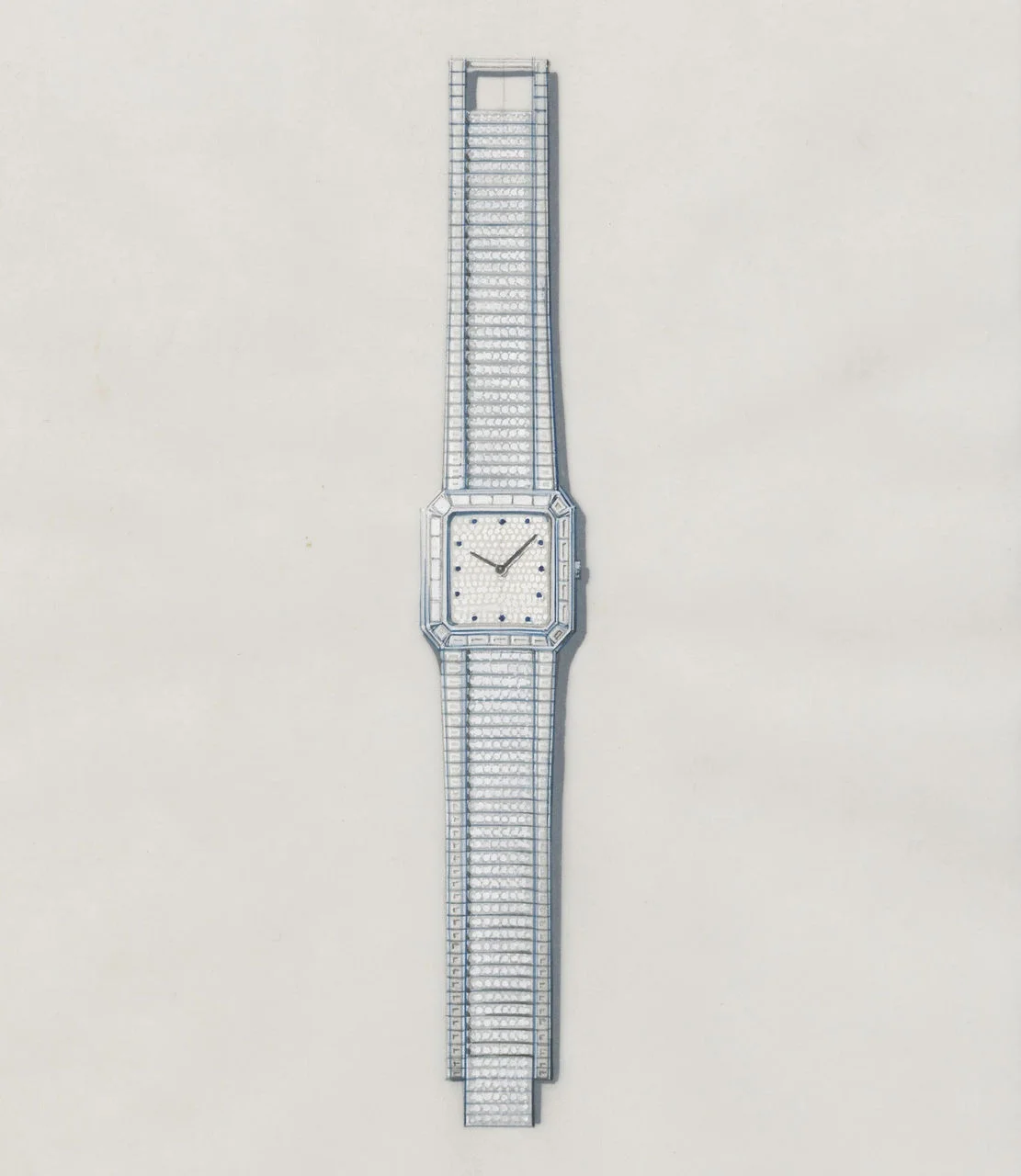
Intended for the Asian market and designed circa 1985, this Audemars Piguet men’s Haute Joaillerie watch was commissioned from the independent jewellery workshop Müller and Mettler for production in a run of 15. Model 14556, Calibre 2003. Gouache J.H. 1003. AP Archives.
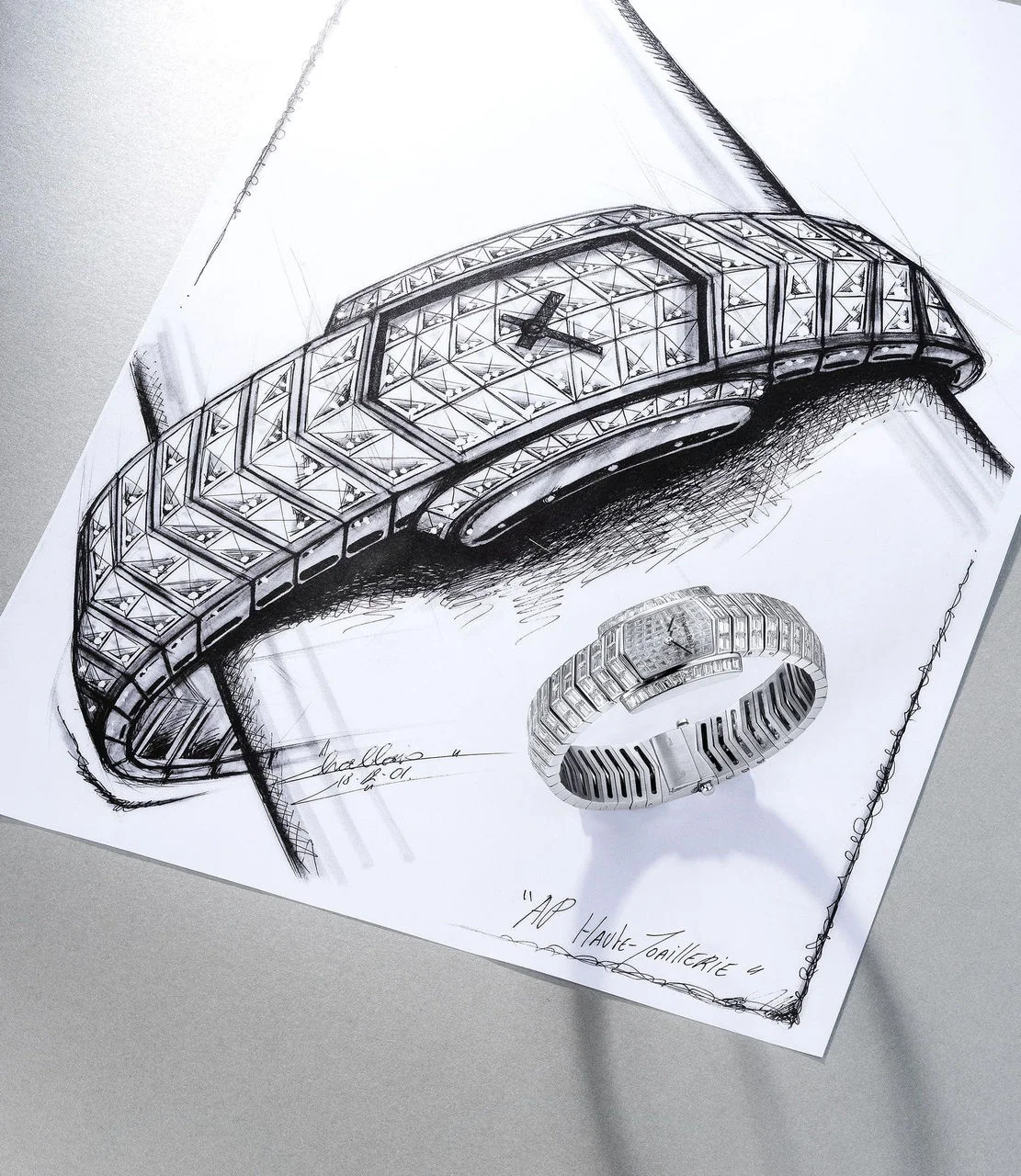
Since the 1980s, Audemars Piguet has been creating Haute Joaillerie watches designed for men. Watch Model 67456, set with baguette-cut diamonds on its case designed by Chablais, was sold in 2002. Calibre 2601. AP Heritage, Inv. 1455.
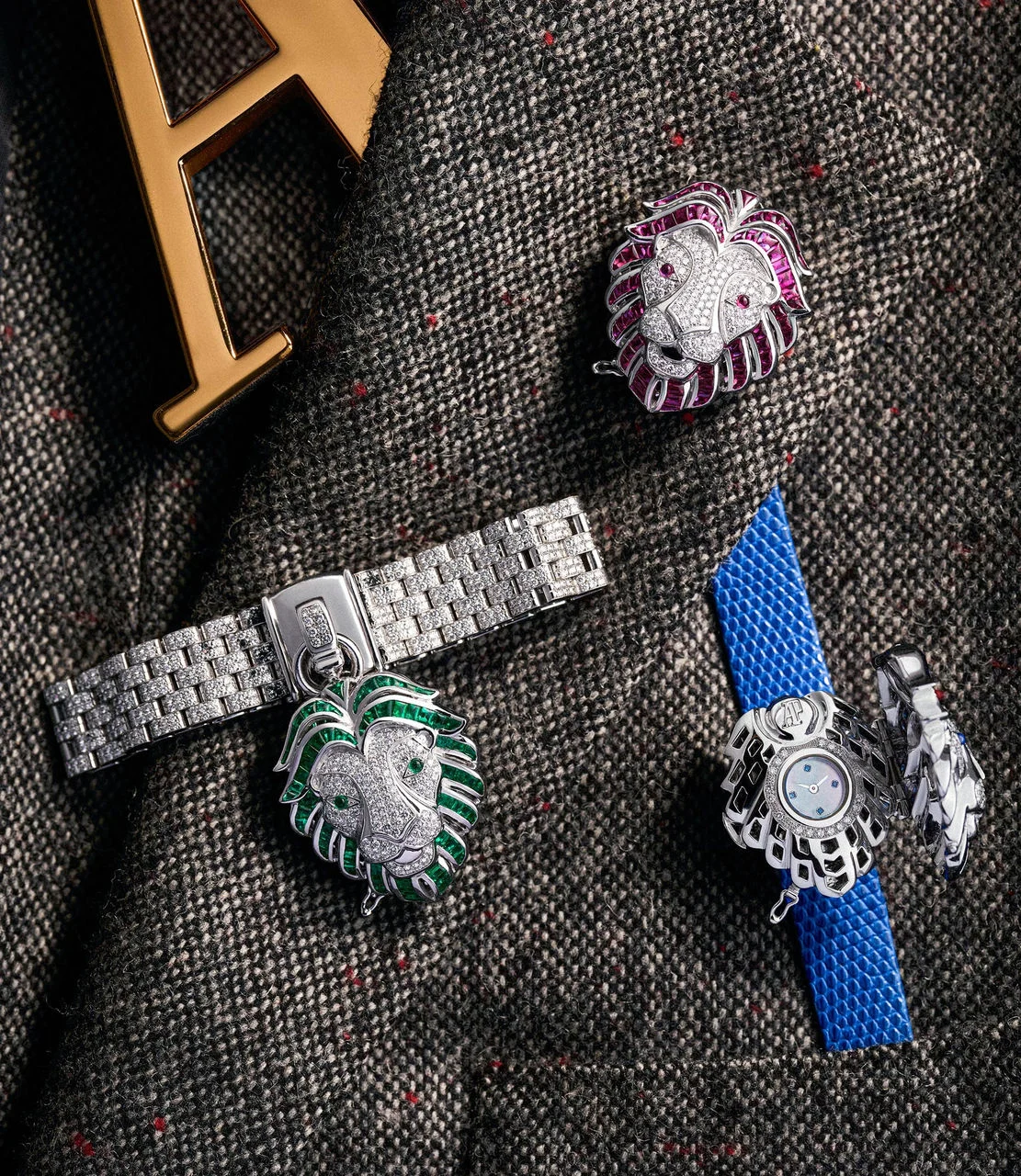
In 1996, a sultan commissioned Audemars Piguet to produce a series of jewellery watches designed for children, shaped like lions, locomotives or small cars. Pygmalion collection and photography.
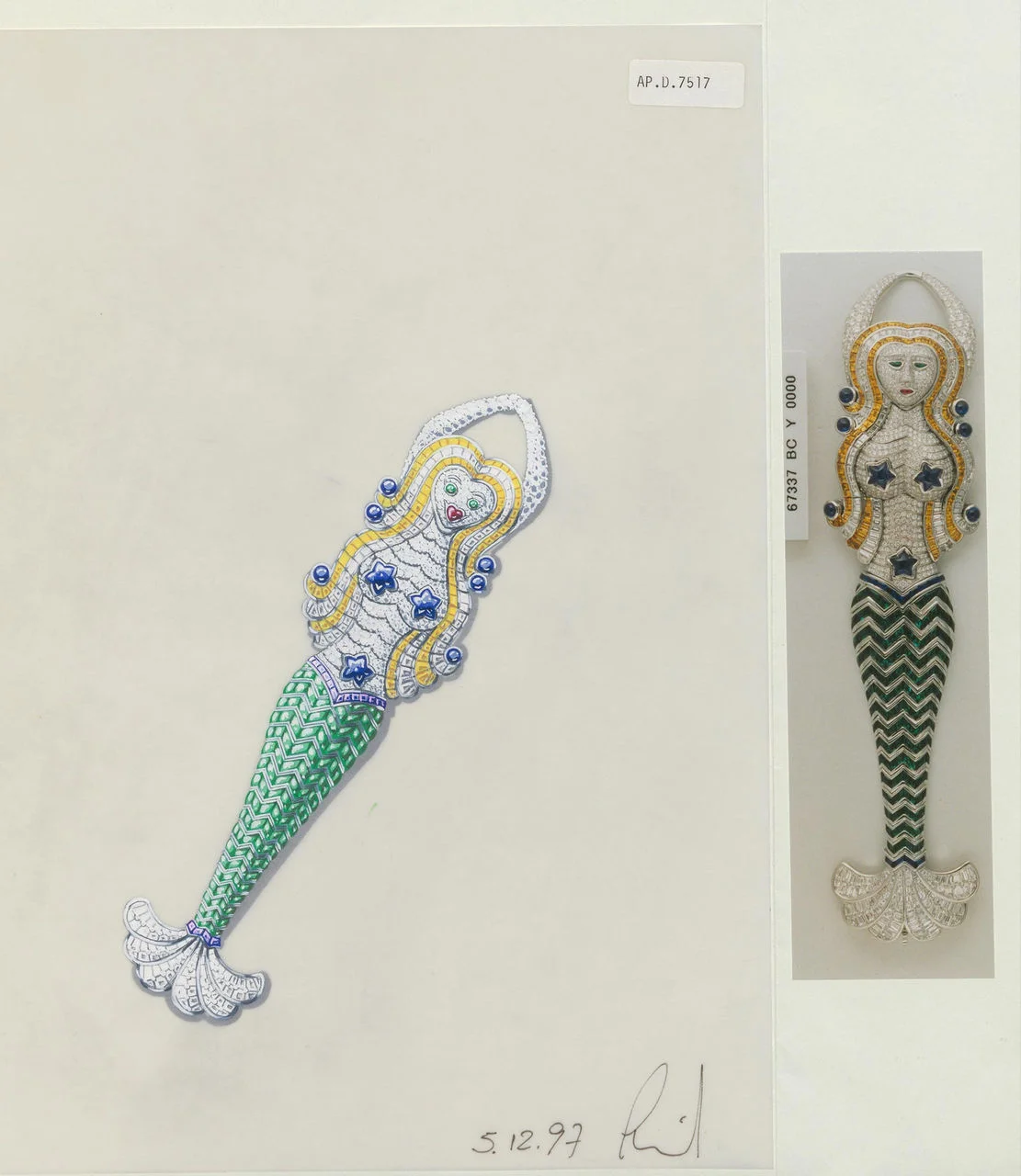
1997. Entirely set with gemstones, this one-of-a-kind Sirène houses Calibre 2601. Model 67337. AP Archives
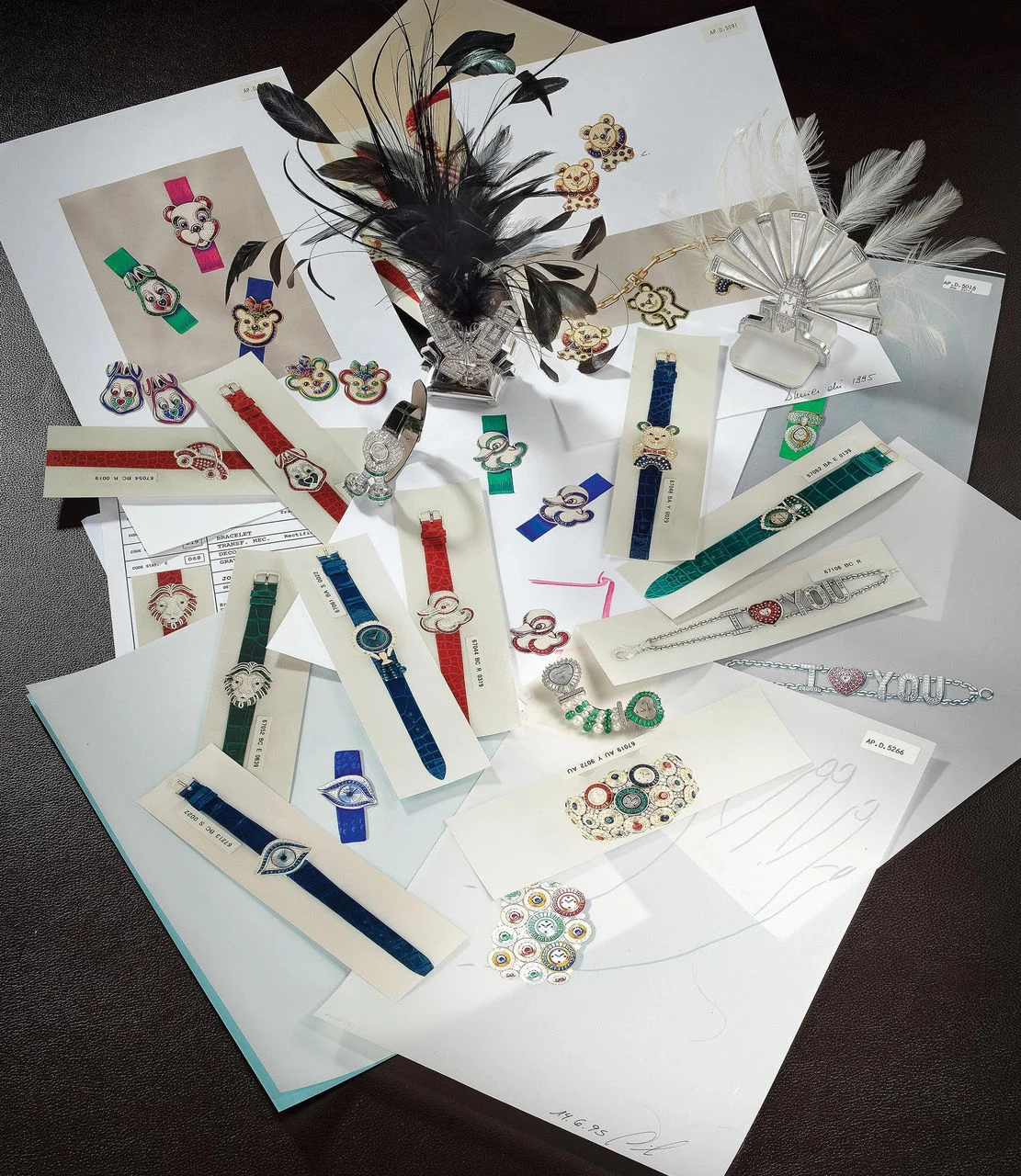
The Audemars Piguet archives contain numerous drawings of jewellery watches in fanciful designs. Two feathered Charleston clocks are pictured here against the backdrop of the archives. AP Heritage, Inv. 1423 and 2720.
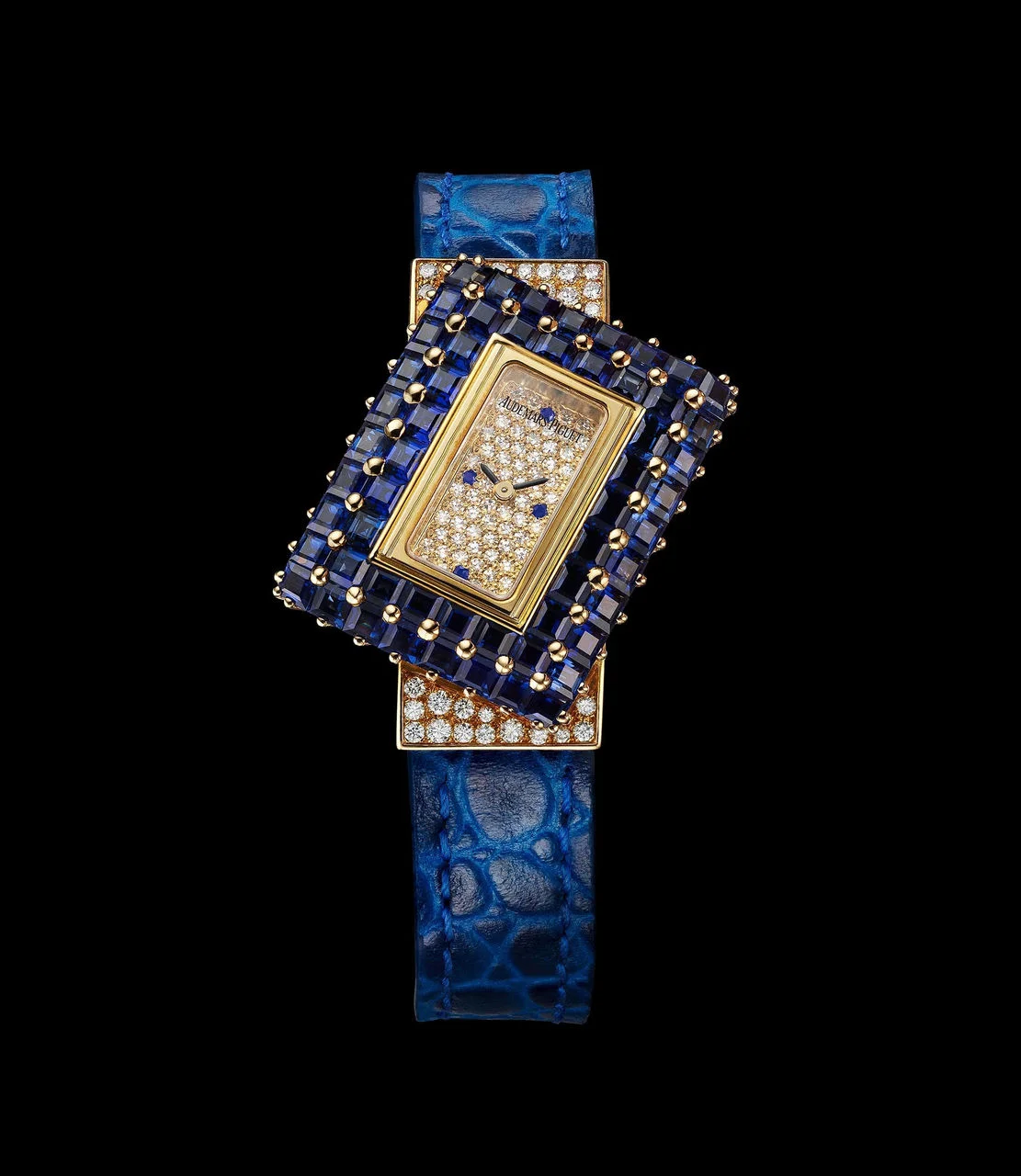
Asymmetrical watch Model 66948 sold in 1999. Calibre 2601. Brilliant-cut diamonds, blue sapphires. AP Heritage, Inv. 2291.
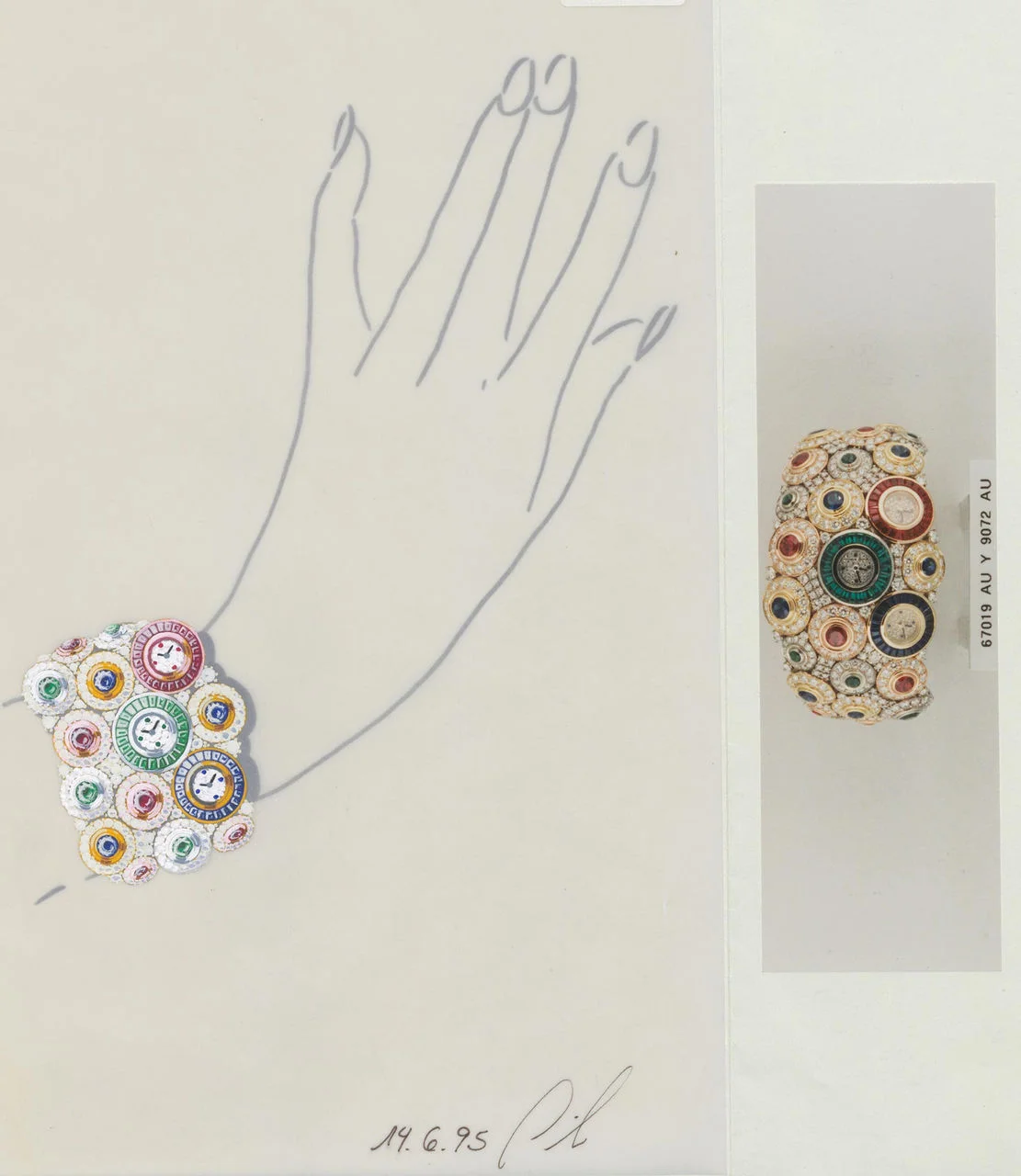
Designed by Emmanuel Gueit, this 1995 Haute Joaillerie cuff bracelet features three watches powered by three different calibres. AP Archives.
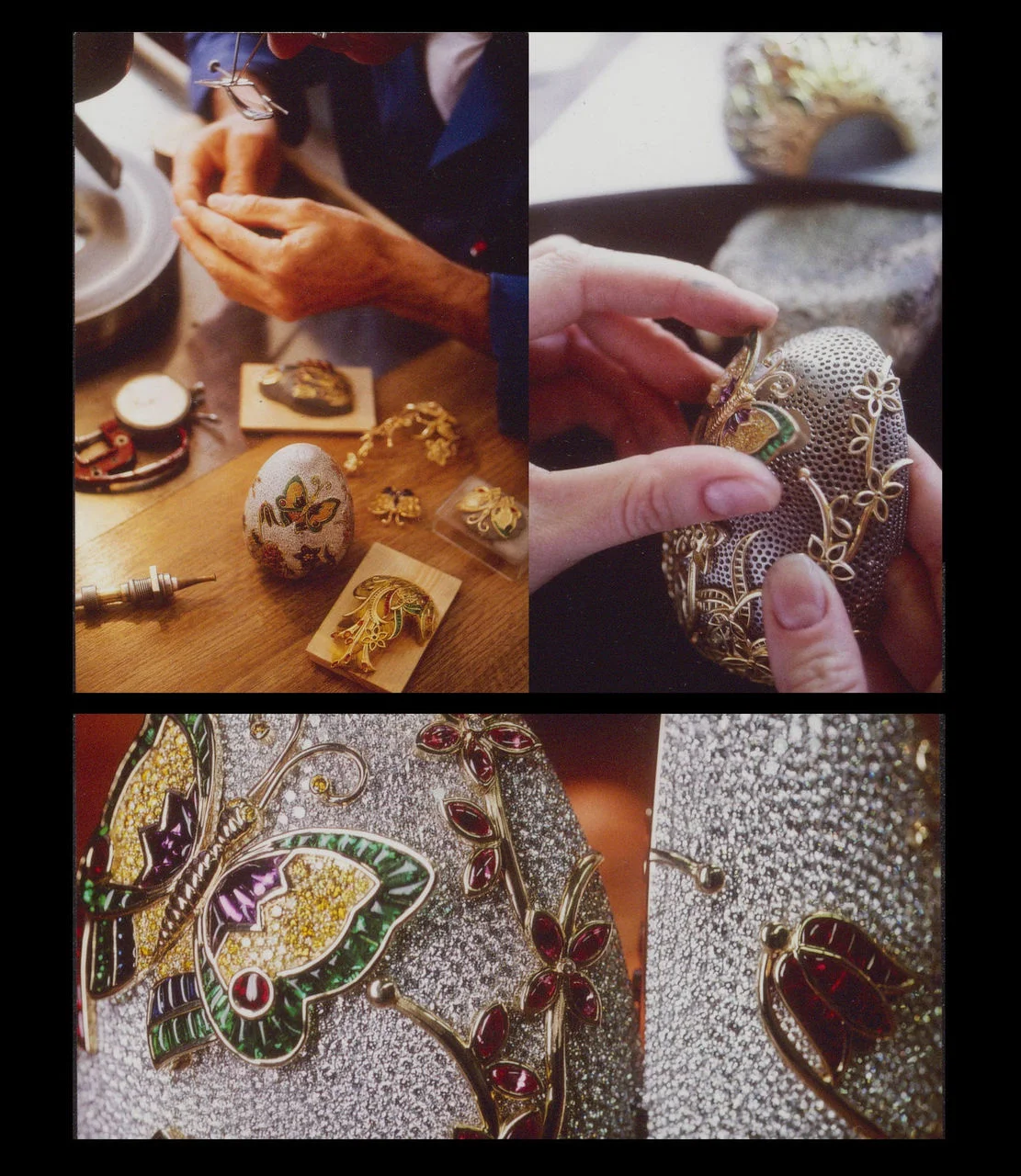
“1900 L’oeuf” was among the one-off models created to mark AP’s 125th anniversary in 2000. It was set with over 4,000 diamonds and 234 emeralds. AP Archives.
1998: Jewellery takes centre stage
In 1995, Franco Ziviani founded the Audemars Piguet subsidiary in Italy. The following year, he suggested giving jewellery a more prominent role by partnering with GTF, a Milanese workshop specialised in the production of parts for high-end watchmaking.
The Audemars Piguet jewellery collection was launched in Crans-Montana in 1997 at a ceremony attended by skiing superstar Alberto Tomba. In 1998, the AP General Catalogue announced: “Audemars Piguet jewellery is making a grand entrance into the world of Haute Joaillerie. As prestigious complements to the timepieces created by the Manufacture Audemars Piguet, the three jewellery collections – Royal Oak, Charleston and Carnegie – are just the beginning of a long story.”
Right from the outset, the Royal Oak jewellery range garnered significant commercial success. By 2003, it already comprised 112 items: earrings, chokers and a variety of rings, named Vague, Plage and La Mer… Other jewellery collections were more short-lived, such as Charleston (1998–2004), Carnegie (1998–2004), Promesse (1999–2004), Deva (2004–2008) and Givrine (2006–2008). In 2006, the Millenary Jewellery collection made a striking debut with 23 pieces, rising to 66 the following year, including Haute Joaillerie creations. It continued until 2013. As an exception to the rule, most Millenary jewellery was crafted in-house.
In 2010, the Jewellery catalogue featured 265 items, divided into collections and sub-collections:
• 108 Royal Oak pieces (including Royal Oak Classique (61); Ladies’ Royal Oak (44); Royal Oak Tuxedo (3);
• 83 Millenary jewellery pieces (including Millenary Classique (30); Millenary Trendy; (29); Millenary Précieuse (13); Millenary Haute Joaillerie(10); Millenary Elixir (1);
• 74 Royal Oak Offshore jewellery pieces.
The number of jewellery pieces then declined: 216 items in 2011, dropping to 17 in 2013, before the range was discontinued following the brand’s strategic reorientation, as we will now see.
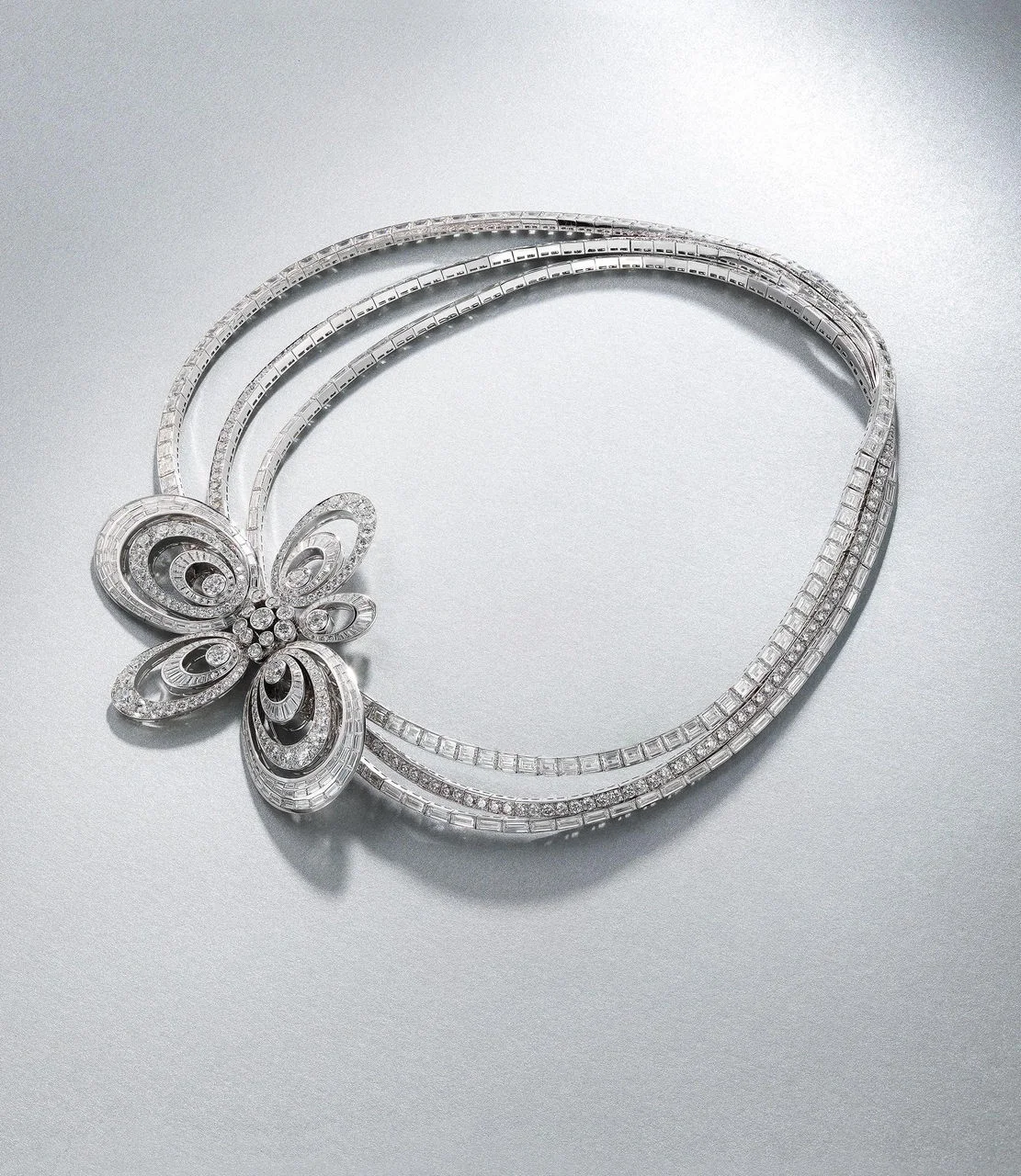
Launched in 2006, the jewellery collection for the Millenary range quickly took shape across five categories: Classic; Trendy; Precious; Haute Joaillerie and Elixir. Millenary Haute Joaillerie necklace TC0730.BCU.US.Z000. AP Heritage, Inv. 5133.
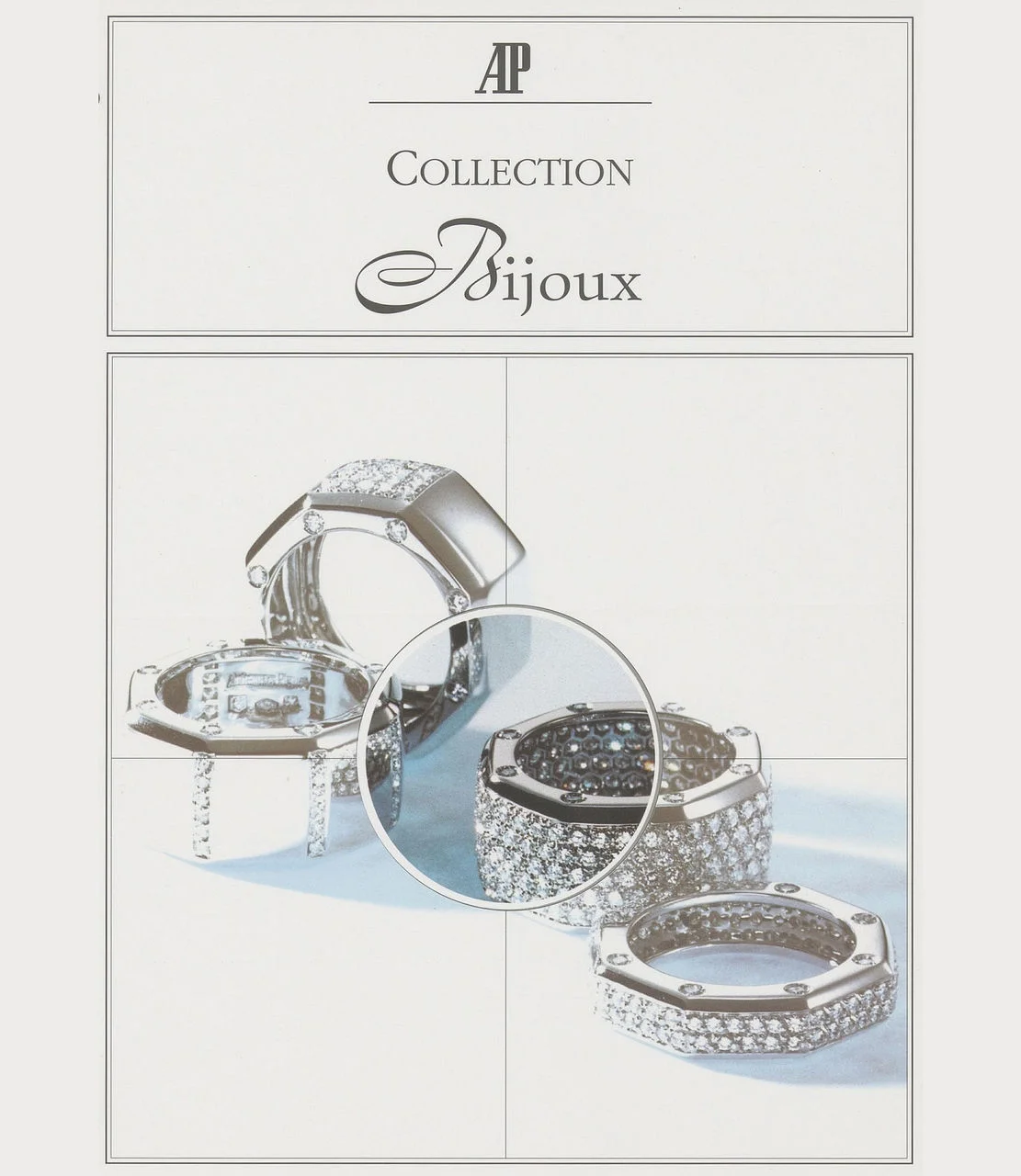
Audemars Piguet 1998–1999 General Catalogue, opening page of the jewellery section. AP Archives.
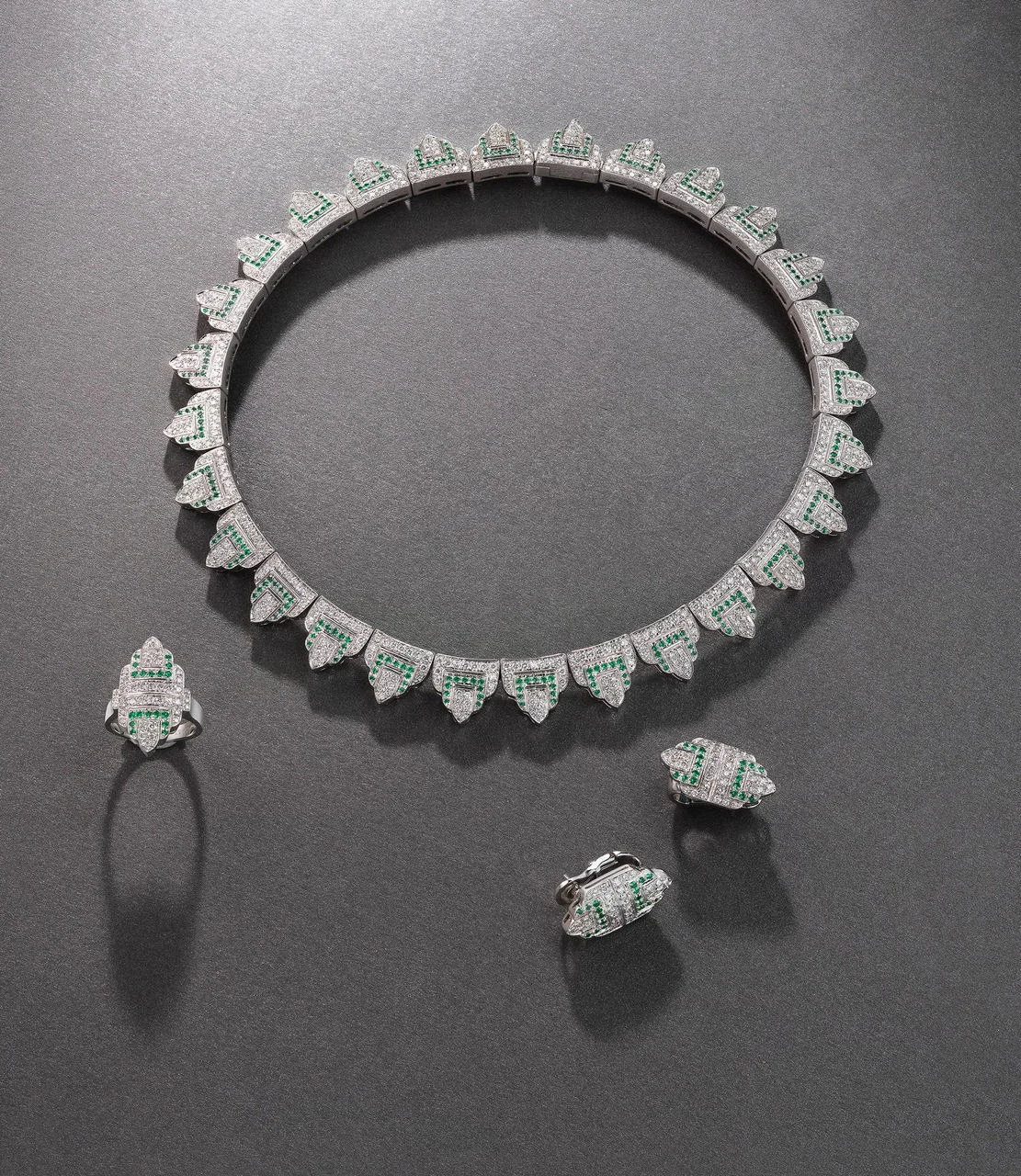
Circa 1998. Charleston set. AP Heritage, necklace Inv. 5131, earrings Inv. 5158 and ring, Inv. 5157.
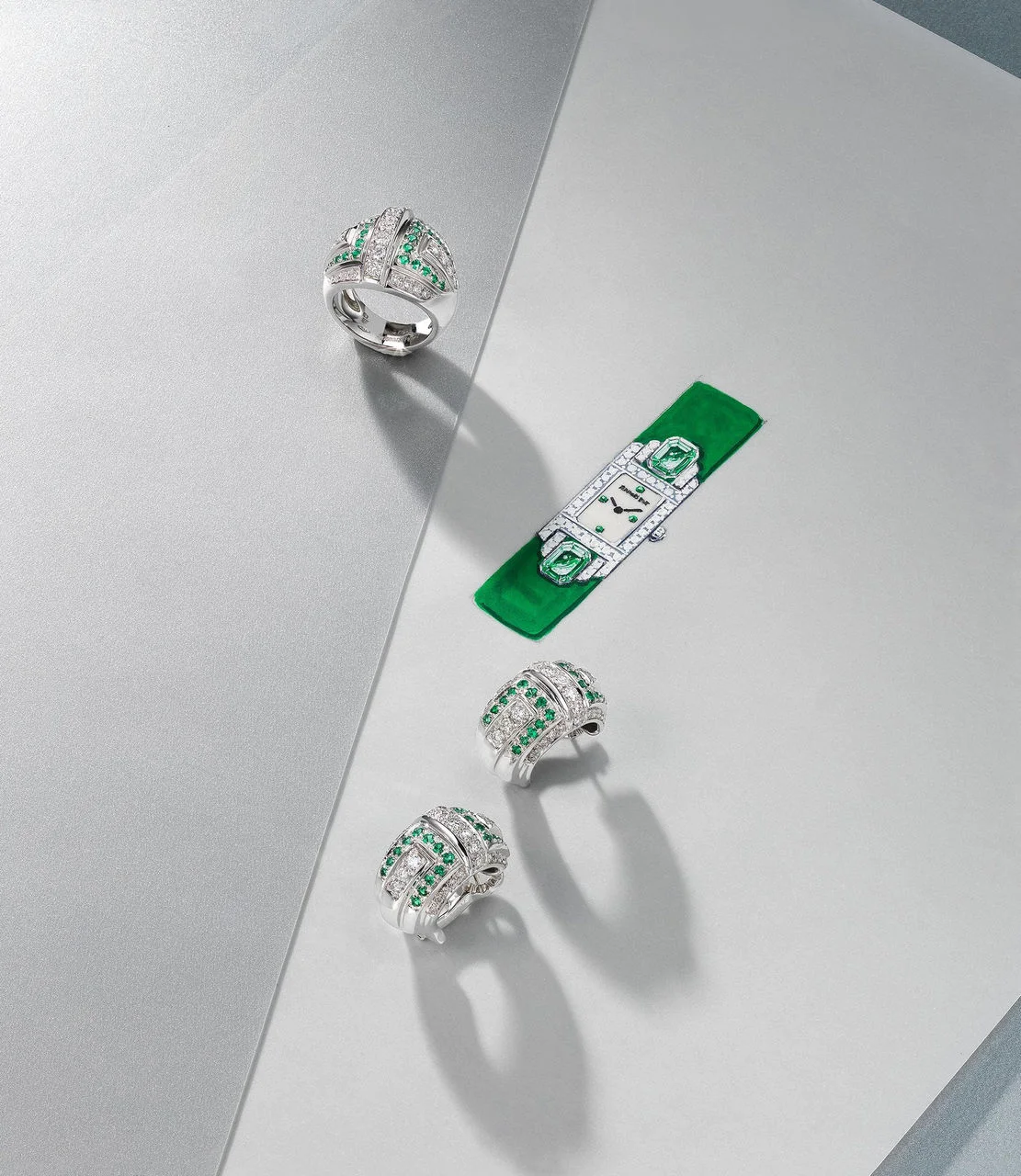
Circa 2002. Jewellery from the Promesse collection placed on a preparatory gouache sketch of the eponymous watch. White gold, diamonds and emeralds. Ring Model BG0569. Inv. 5132, Earrings Inv. 5155.
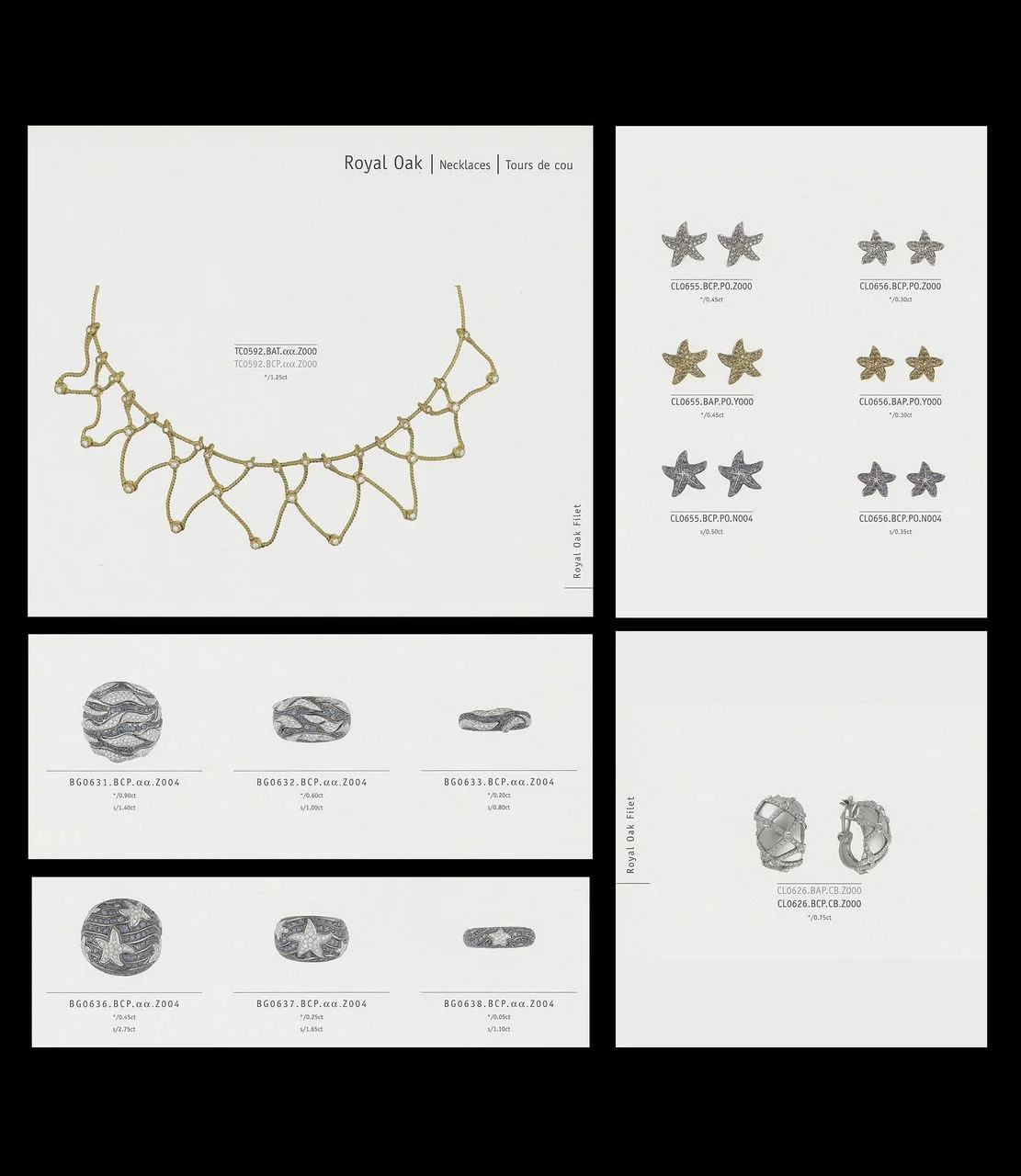
2002–2004 catalogues. Royal Oak Filet collection choker and earrings. Royal Oak Vague and Plage rings. Royal Oak Plage stud earrings. Royal Oak stud earring. AP Archives.
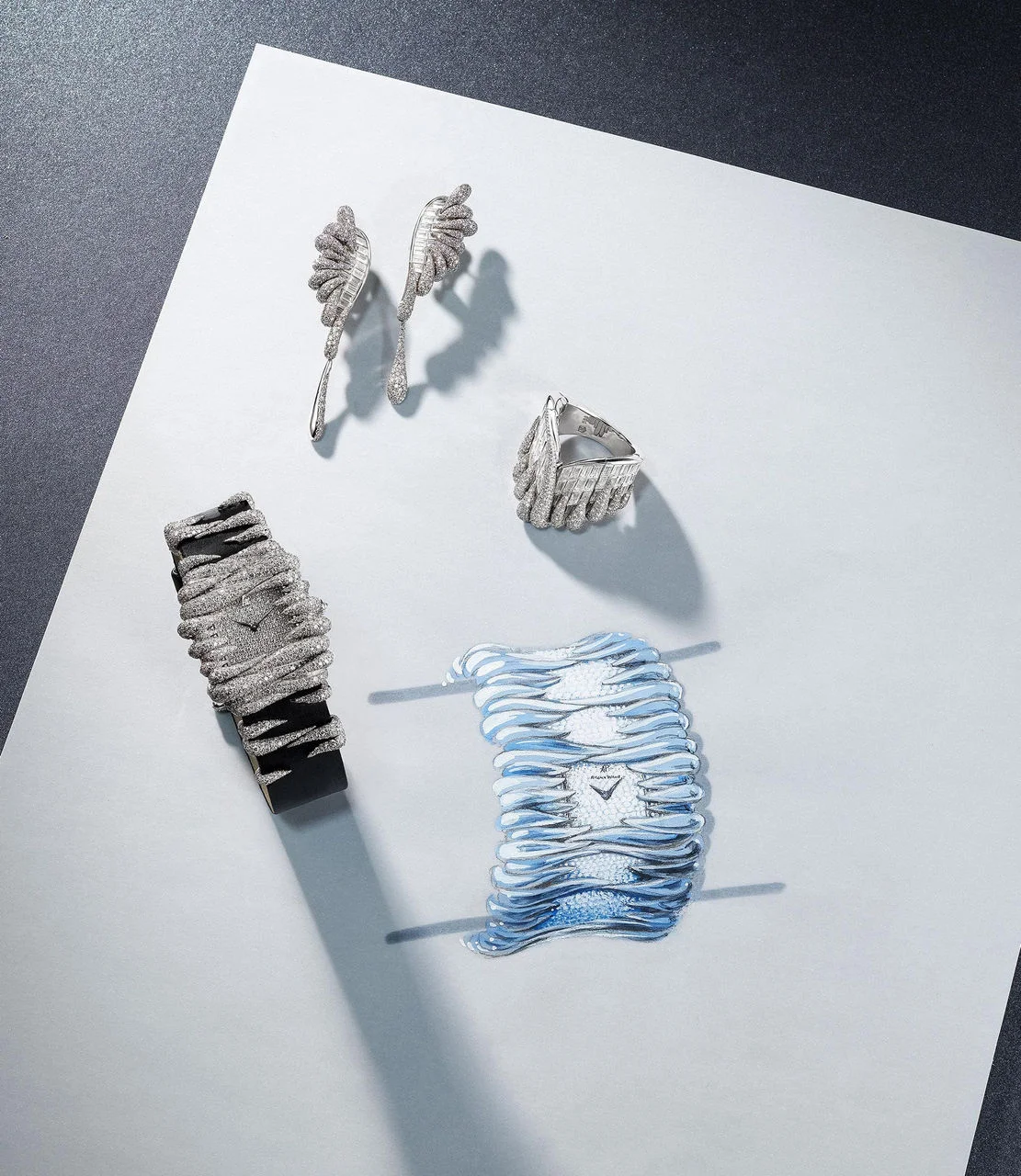
The Givrine is the only one-off Haute Joaillerie model (see Chapter 13) of which variations were produced in small batches. Based on Jacqueline Dimier’s original design, the collection features watch Model 7222 (Inv. 1313) sold in 2006, a pair of matching earrings (Inv. 5137) and a ring (Inv. 5138). Diamonds and white gold.
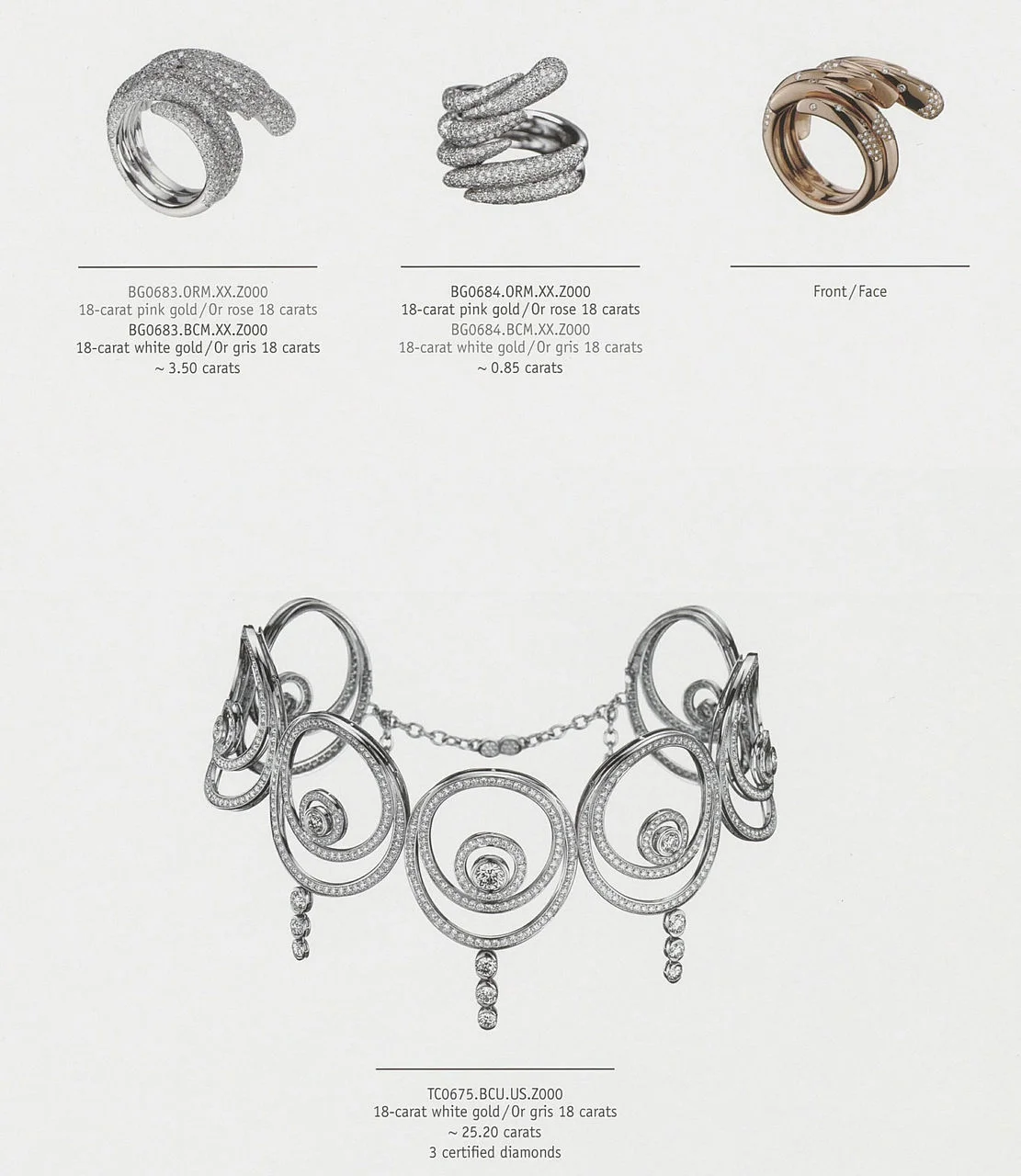
The 2006–2007 catalogue marked the launch of the Millenary and Givrine jewellery collections. AP Archives.
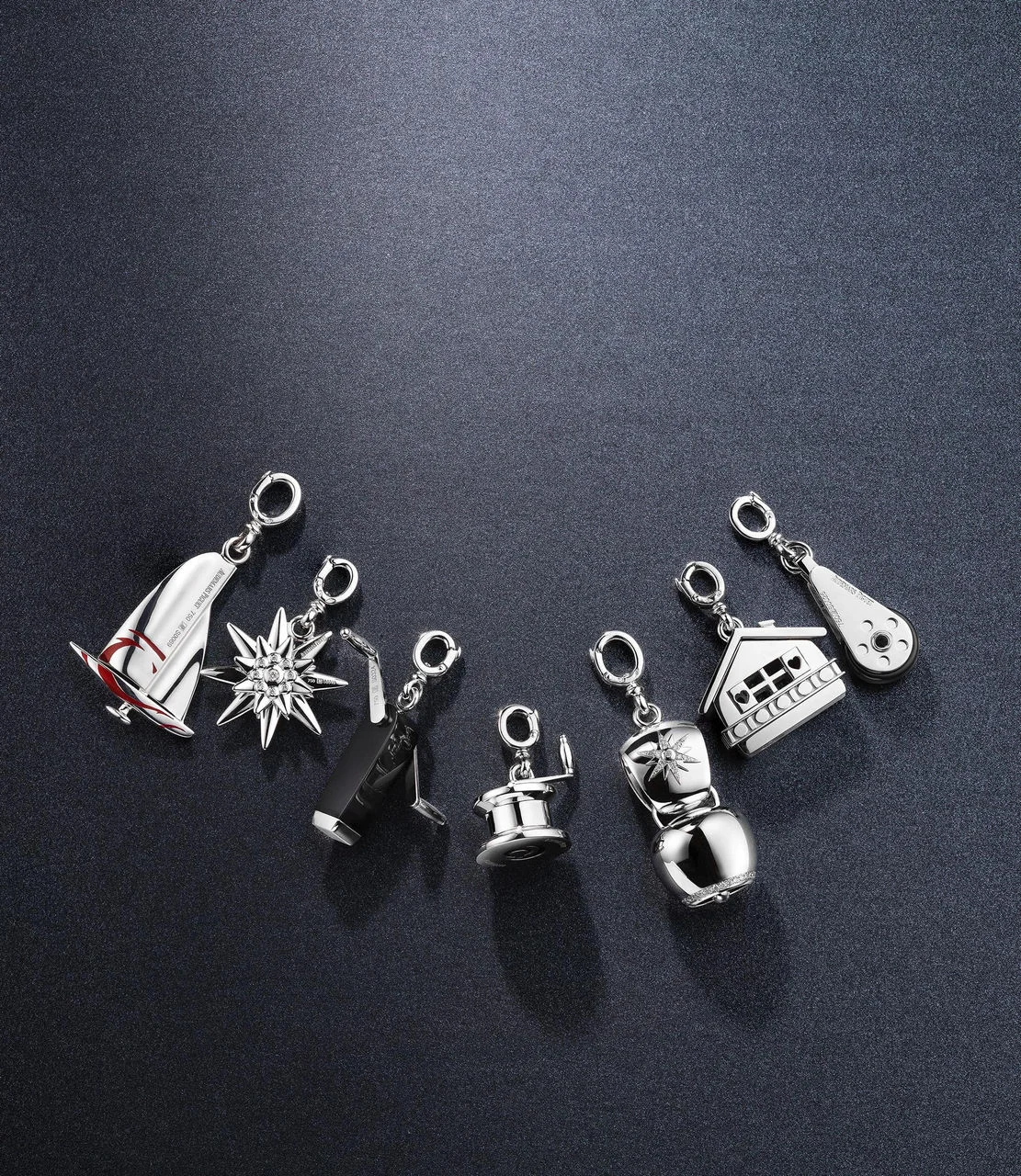
In 2007, Audemars Piguet celebrated the Alinghi Swiss sailing team’s victory in the America’s Cup. The limited-edition watches are adorned with a collection of charms depicting Swiss and nautical symbols. AP Heritage. From left to right: Sailing boat Inv. 5063; Edelweiss 5062; 5059; capstan 5060; Bell 5064; Chalet 5056; pulleys 5058.
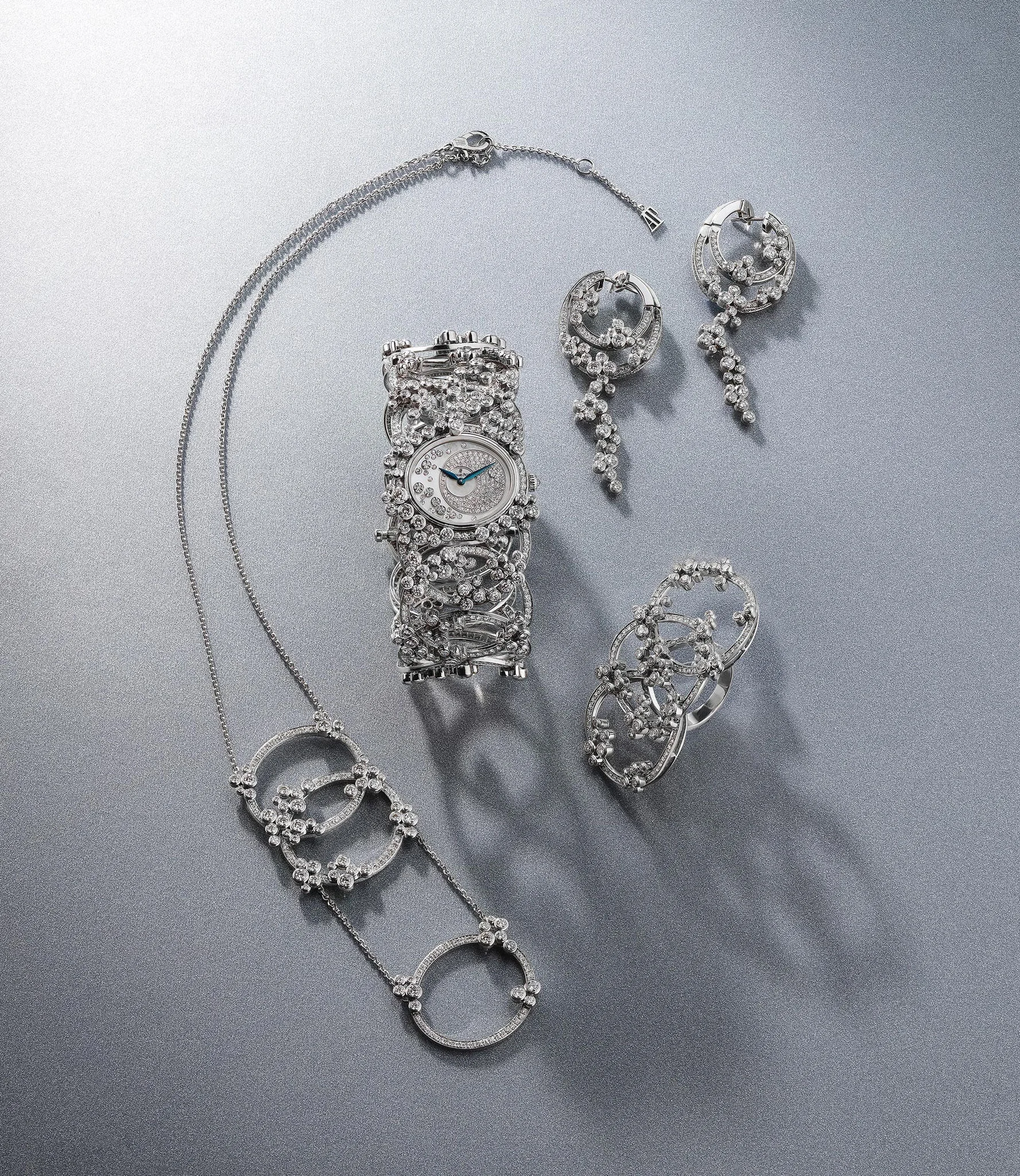
Featured in the catalogue from 2007 to 2013, the Millenary Joaillerie Précieuse watch (Inv. 1412) is shown here with a matching ring (Inv.5127), earrings (Inv. 5120) and a choker (Inv. 5123).
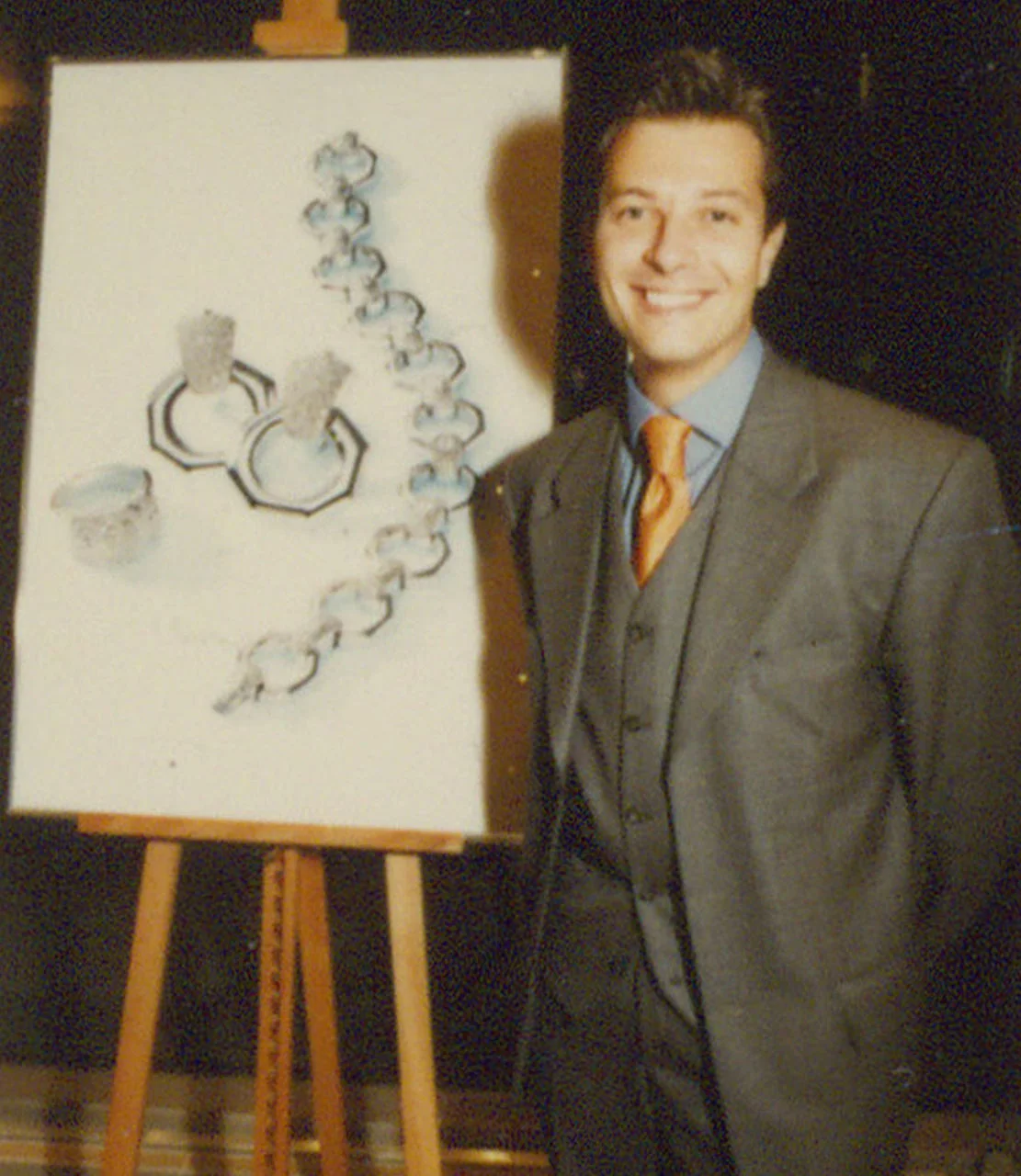
In 1997, Emmanuel Gueit presented the Audemars Piguet jewellery collection in Italy. AP Archives.
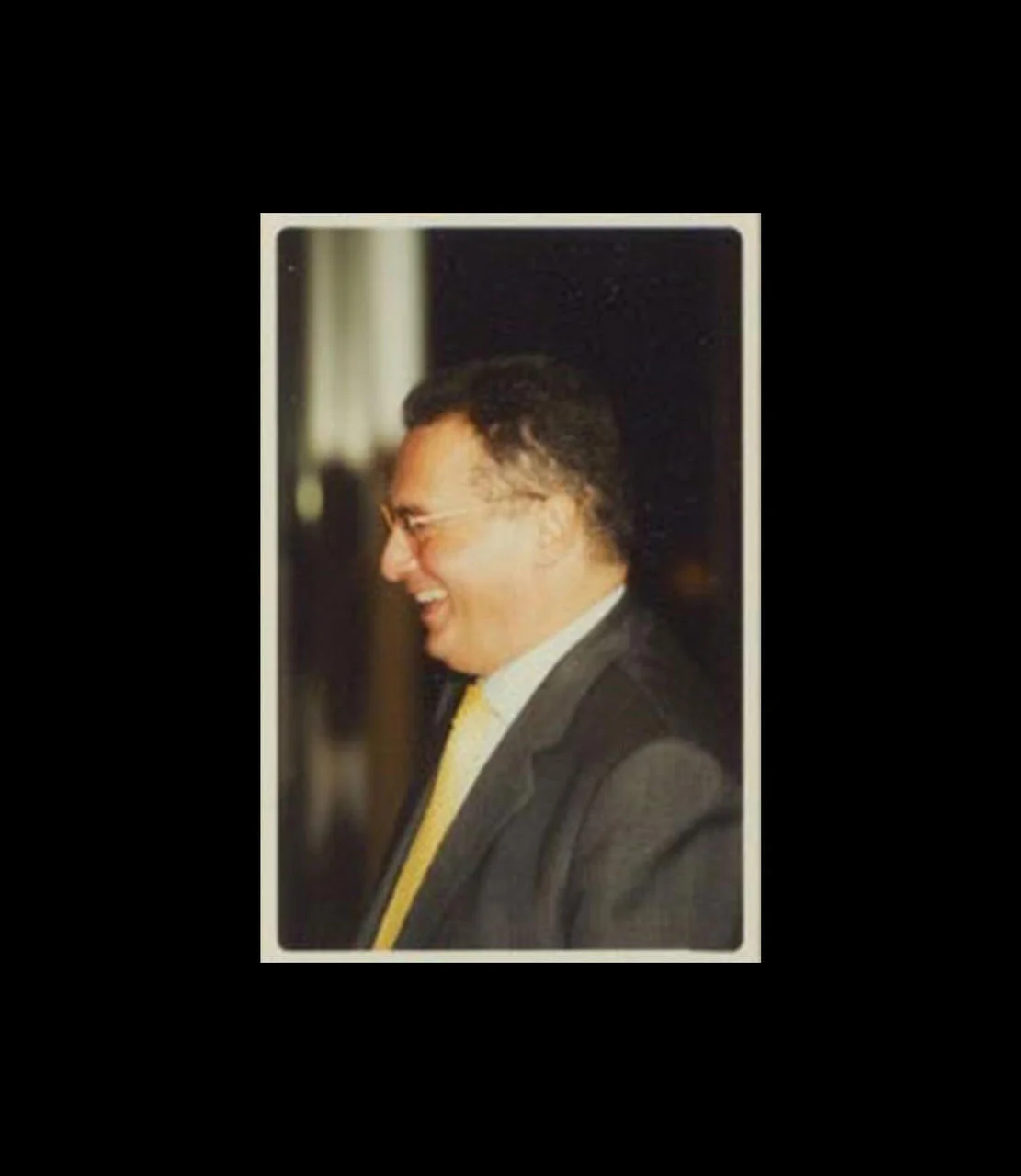
In 1997, Franco Ziviani, founder of the AP Italy subsidiary, presented the Audemars Piguet jewellery collection to the Italian market. AP Archives.
Jewellery sets crafted from exceptional gemstones
In the late 1990s, Régis Vaillant (chap. 11) asked Georges-Henri Meylan, then co-CEO of Audemars Piguet since 1987, to grant him a budget of one million Swiss francs to purchase batches of exceptional gemstones with which to create unique watches.
Before we continue, let’s take a brief linguistic aside. The English word “jewellery” can be translated into French in two ways. Derived from joyaux, the term joaillerie dates back to the Middle Ages (chap. 2). Bijouterie began to flourish from the 19th century onwards. The profession of joaillier partially replaced that of orfèvre (goldsmith). For Régis Vaillant, who ran the Audemars Piguet jewellery workshop for 20 years, the difference is a matter of priorities: “Bijouterie is the art of adorning metal components with precious stones. Joaillerie strives to make the metal disappear so that the stones take centre stage.”
In this sense, it was indeed joaillerie that the workshop manager wished to create. Jacqueline Dimier, who was working freelance at the time, was commissioned to design the watches. This gave rise to a series of one-of-a-kind creations initially intended to mark the brand’s 125th anniversary in 2000 and which continued to be produced until 2010. Some bear particularly evocative names: “Symphonie pour une émeraude” (2003), “Grâce Printanière”(2003), (2004), “Au nom de la délicatesse”; ”Diamantissimo” (2005), ”Carnet de Bal” (date), “Givrine” (2006), “Coup de Théâtre” (2008)...
At the same time, Audemars Piguet’s jewellery range was enriched by exclusive collections, such as “Oak Leaves” (2005), an Haute Couture variation of the Royal Oak; and “Danaé 1919” (2005). In 200X, the atelier succeeded in creating the first entirely diamond-set Royal Oak Offshore (Model 15130BC) introducing concave-cut diamonds, before applying this innovative method to the Millenary Diamants Baguette in 2007. To ensure the diamonds followed the shape of the case, a dedicated system known as the “AP Cut” was patented.
Although exceptional, these creations ran counter to the brand’s overall strategic direction. At Audemars Piguet, the 2000s were dominated by the Royal Oak Offshore, leaving little room for unique Haute Joaillerie models.
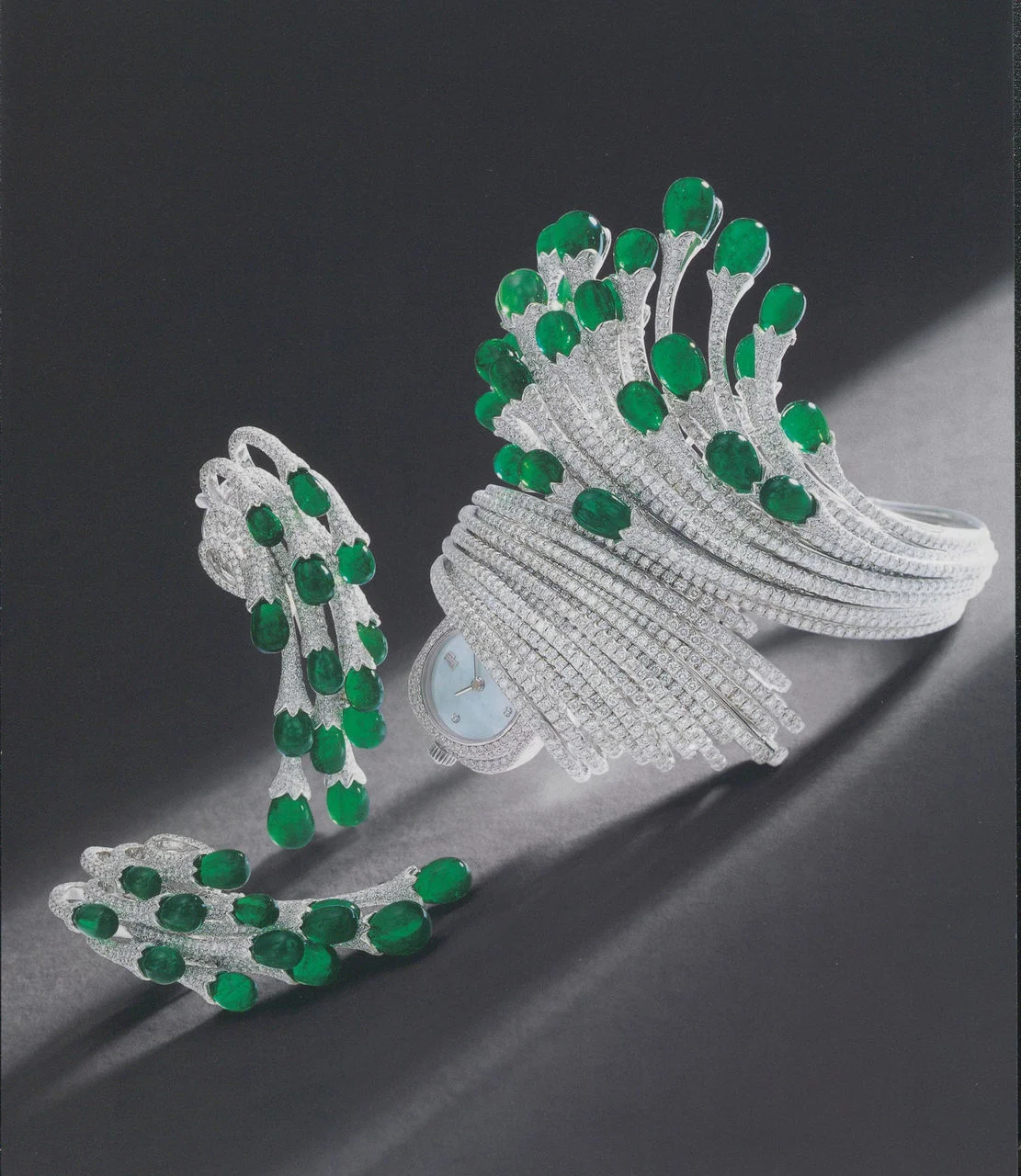
Sold in 2003, this Haute Joaillerie watch Model 79405 and its matching bracelet showcase an extraordinary array of emeralds and diamonds. AP Archives.
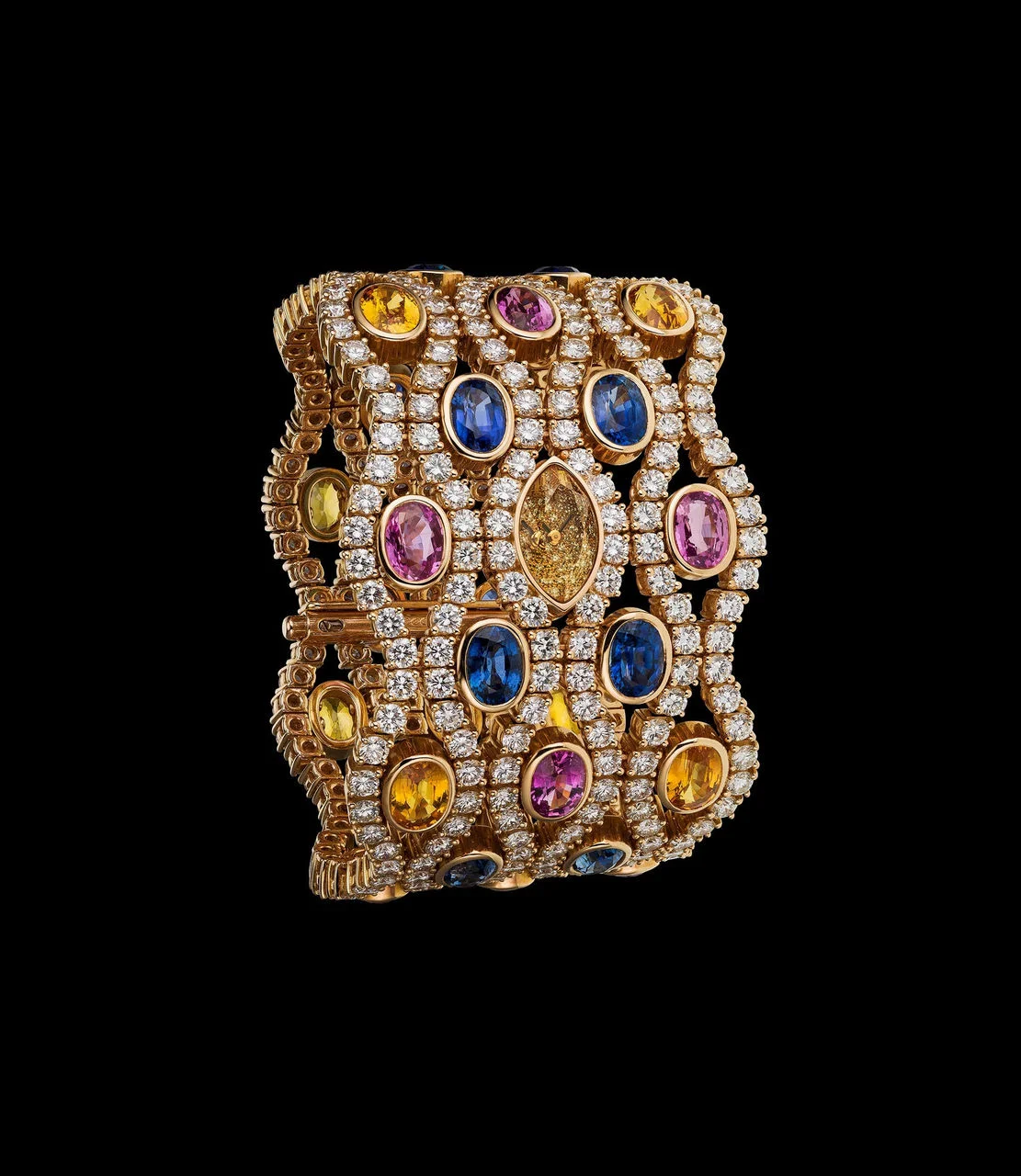
2000. Designed in 1998 by Jacqueline Dimier, this one-of-a-kind creation was crafted by Ywan Kunzle in the Audemars Piguet jewellery workshop. It marks a milestone in the roll-out of Audemars Piguet’s Haute Joaillerie collection. Model 12533OR. AP Heritage, Inv. 1348.
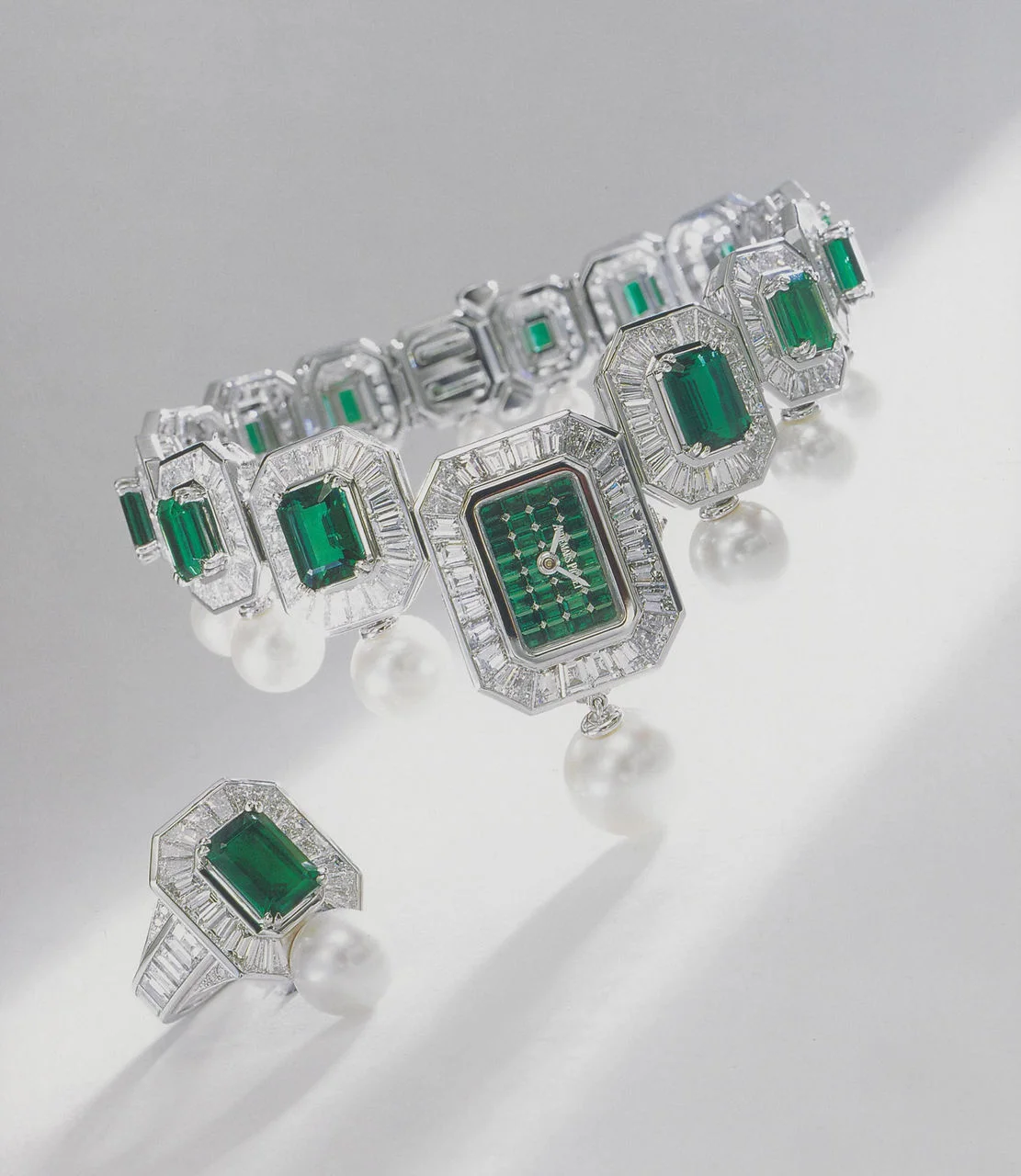
2003. “Symphonie pour une émeraude” watch Model 79401. Designed by Jacqueline Dimier using an exceptional collection of diamonds and emeralds. Watch sold in 2004. Approx. 44 cts. AP Archives.
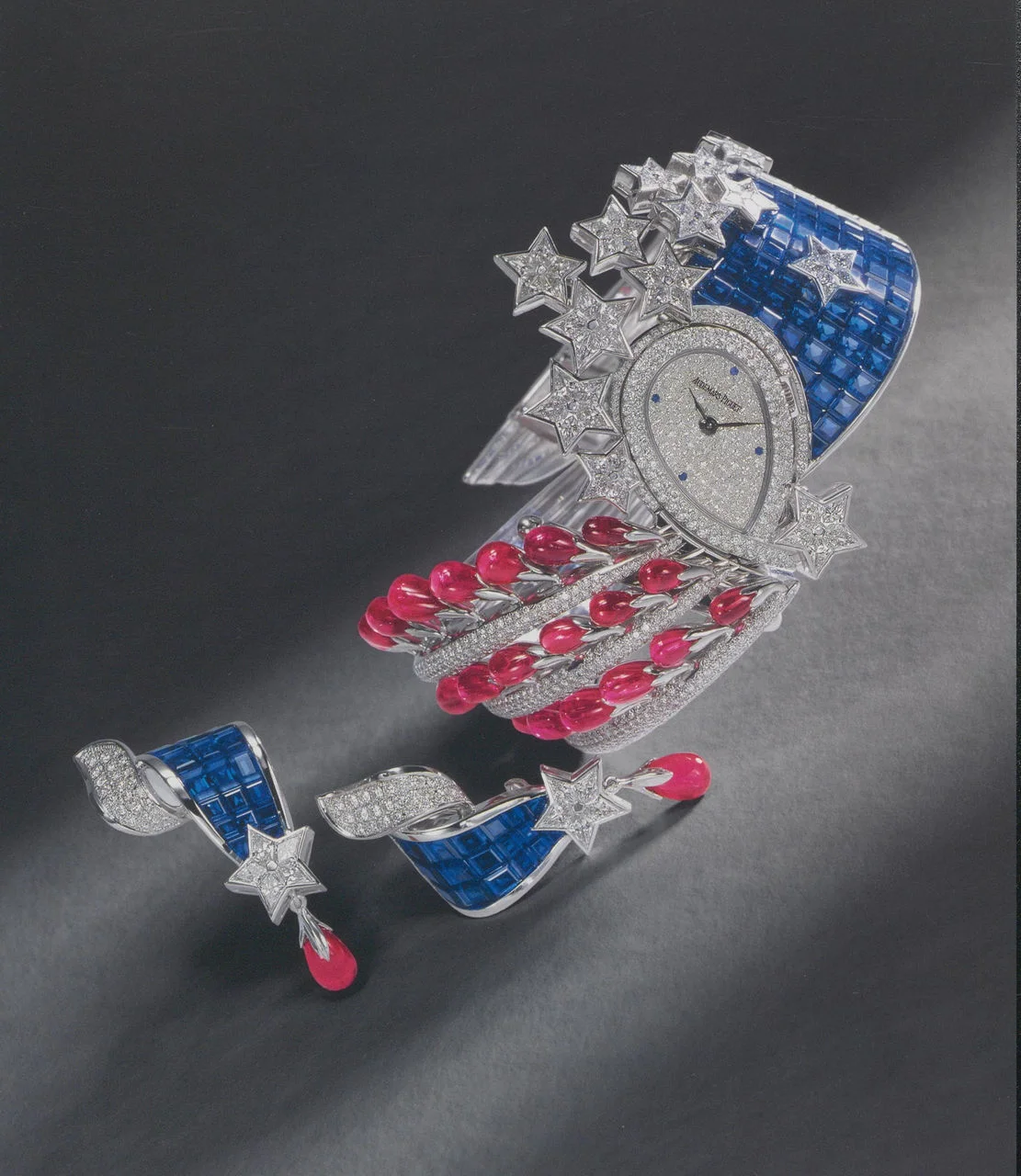
2003. Commissioned by François Henry Bennahmias while he was head of the US market, this Haute Joaillerie set Model 79407 is inspired by American symbols and colours. AP Heritage, Inv. 1415.
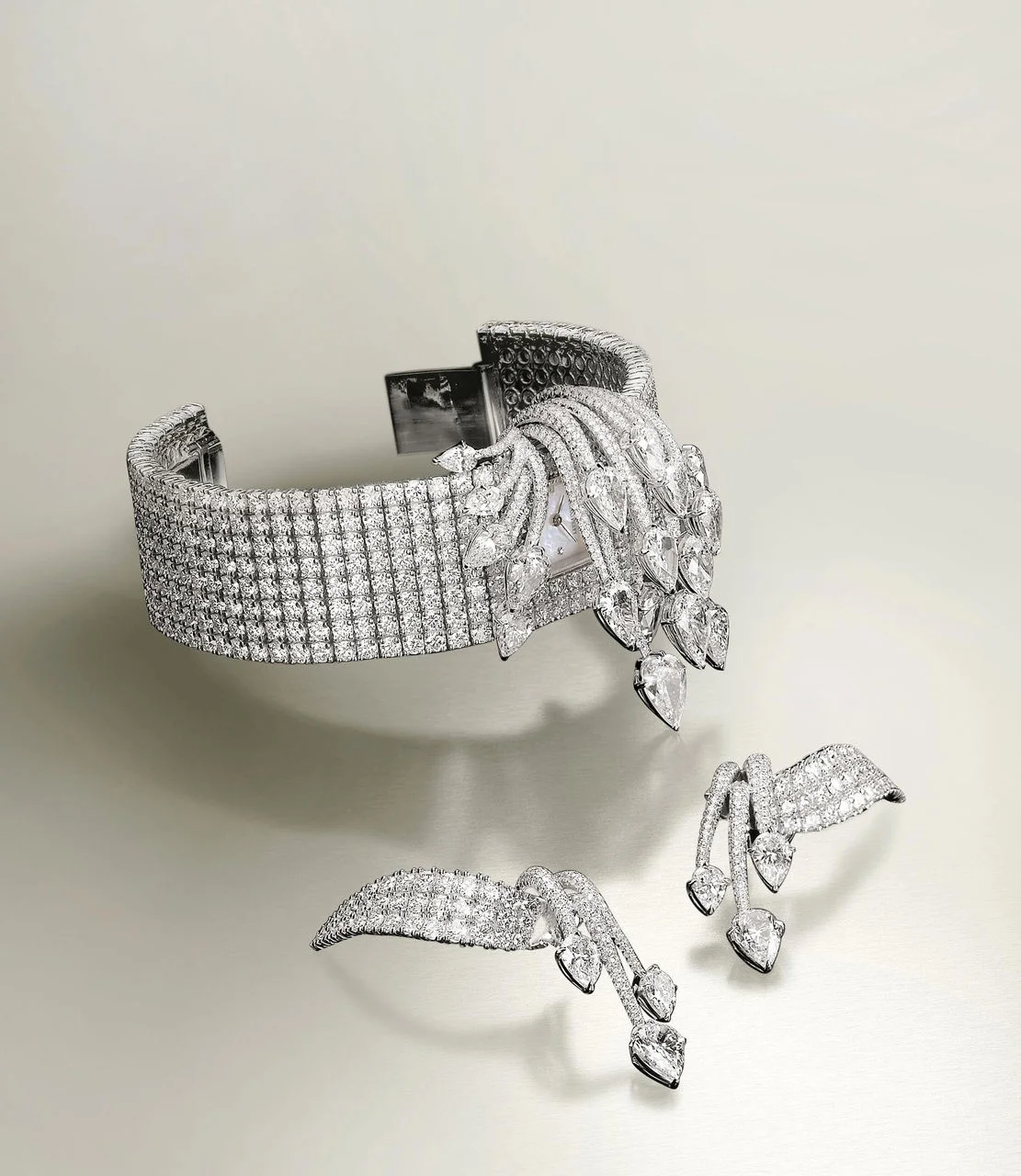
2005. Nearly 1,400 diamonds adorn this secret cuff watch this Haute Joaillerie necklace Model 79404 named Diamantissimo, complemented by matching earrings. The set was sold in 2006. AP Archives.
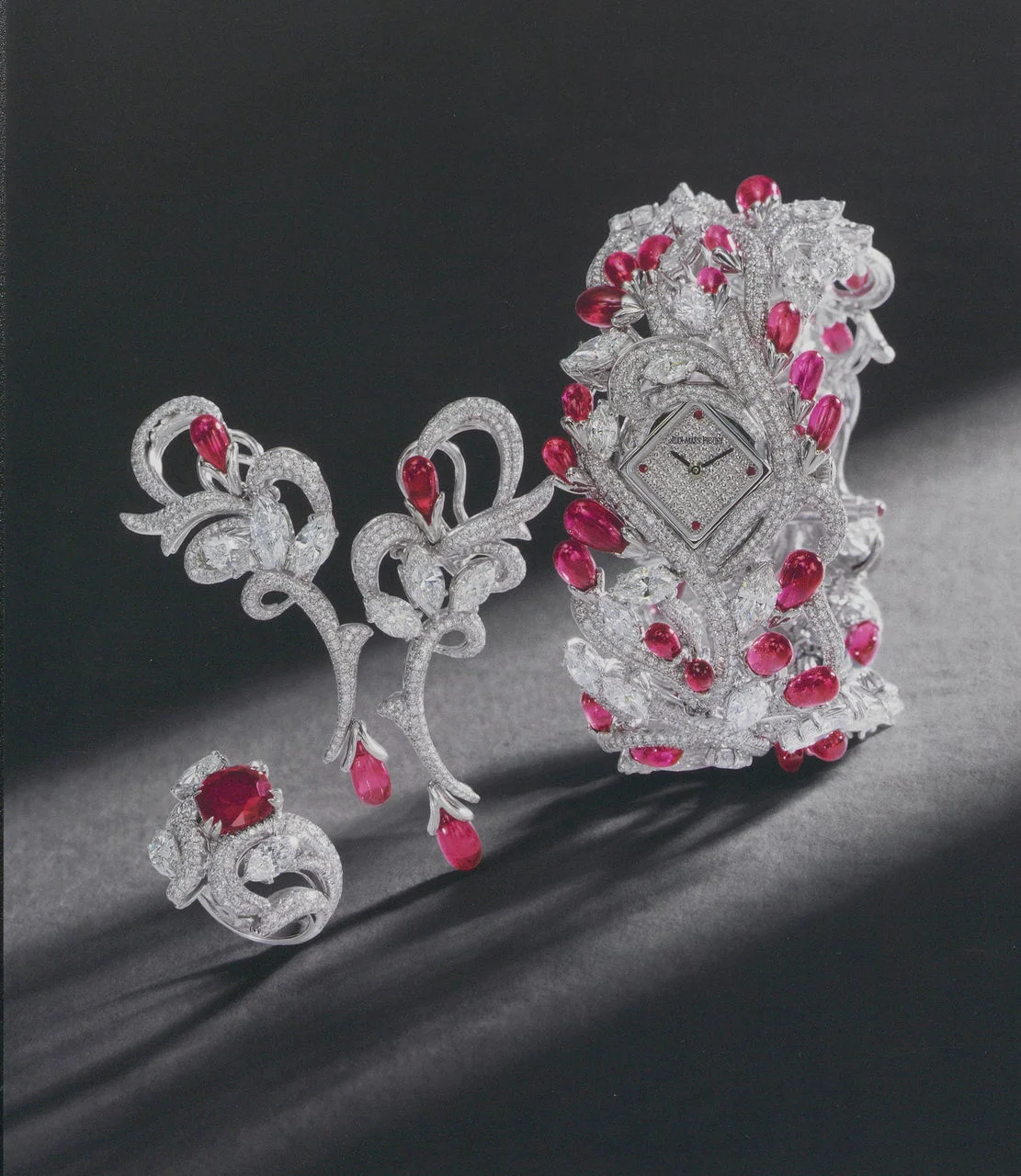
Haute Joaillerie watch Model 79406, with matching earrings and ring. Set sold in 2005. AP Archives.
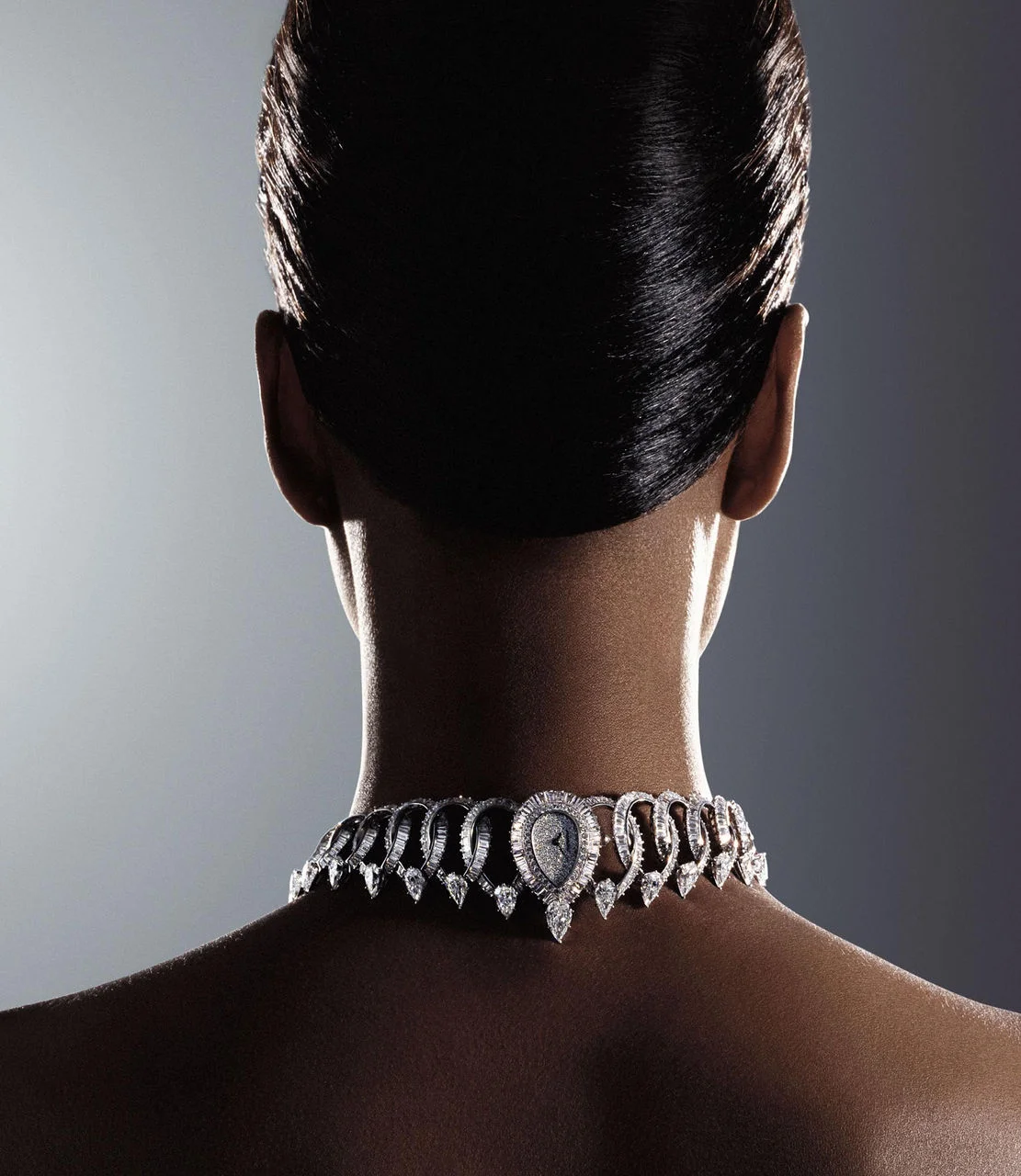
This Haute Joaillierie necklace Model 79404 named “Scintillante Élégance” conceals its dial at the nape of the neck. 2004. AP Archives.
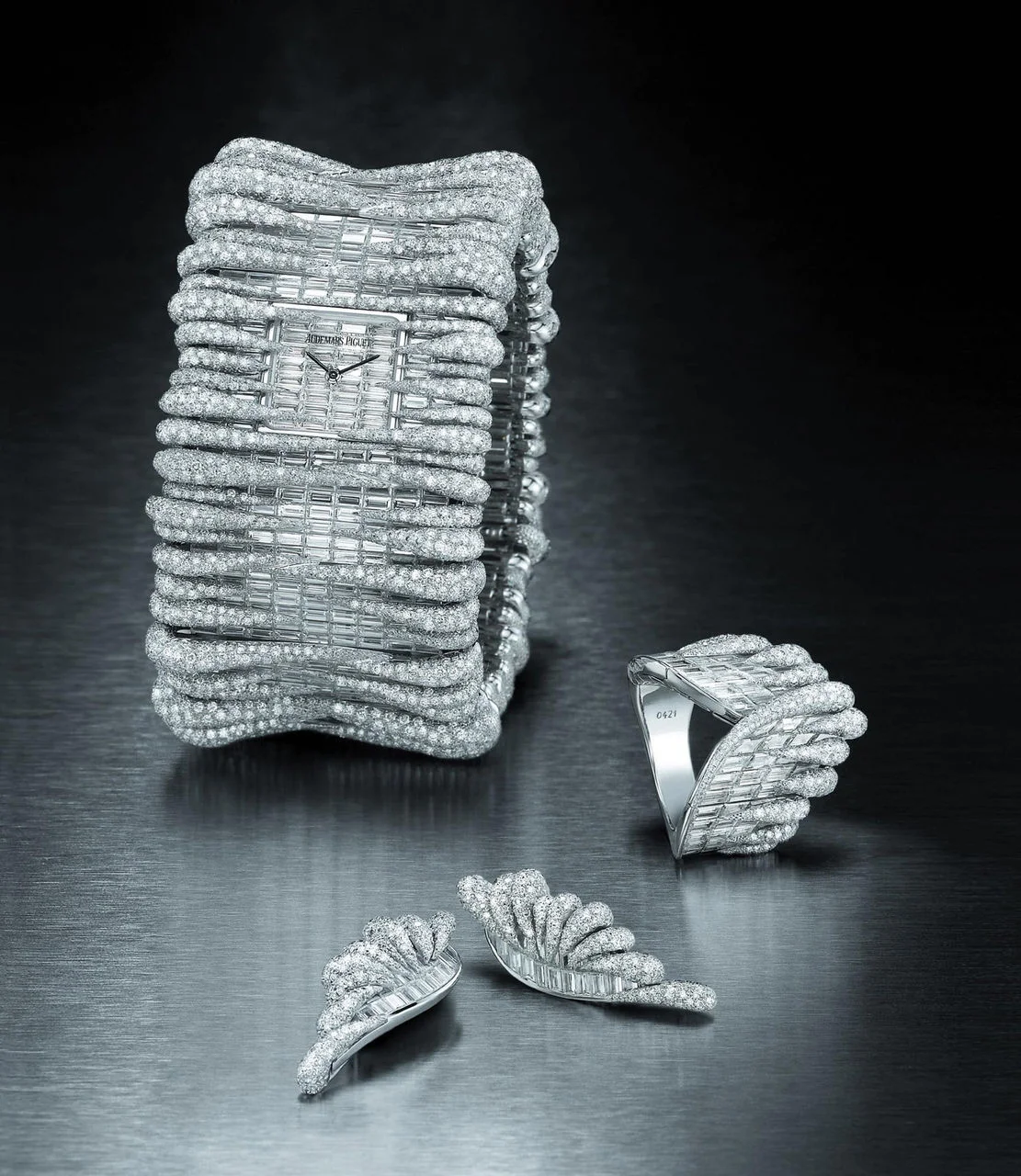
Inspired by the ice crystals of the Vallée de Joux, the Givrine watch (sold in 2006) gave rise to a small collection, of which different variations were expressed through both watches and jewellery. Ref 79411. AP archives.
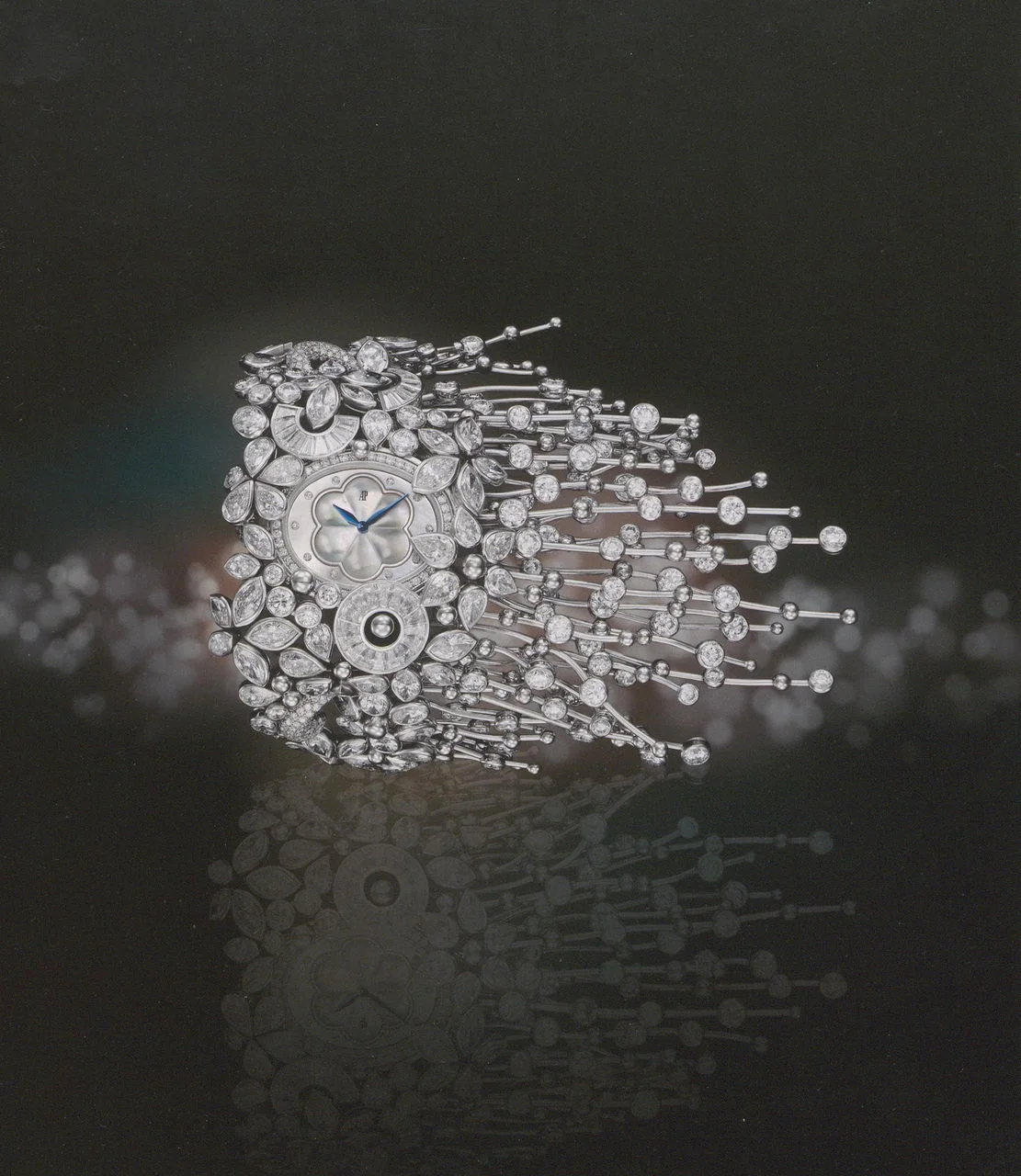
Sold in 2008, the Haute Joaillerie cuff bracelet Model 79414 evokes snowflakes swept up in a powerful storm. AP archives.
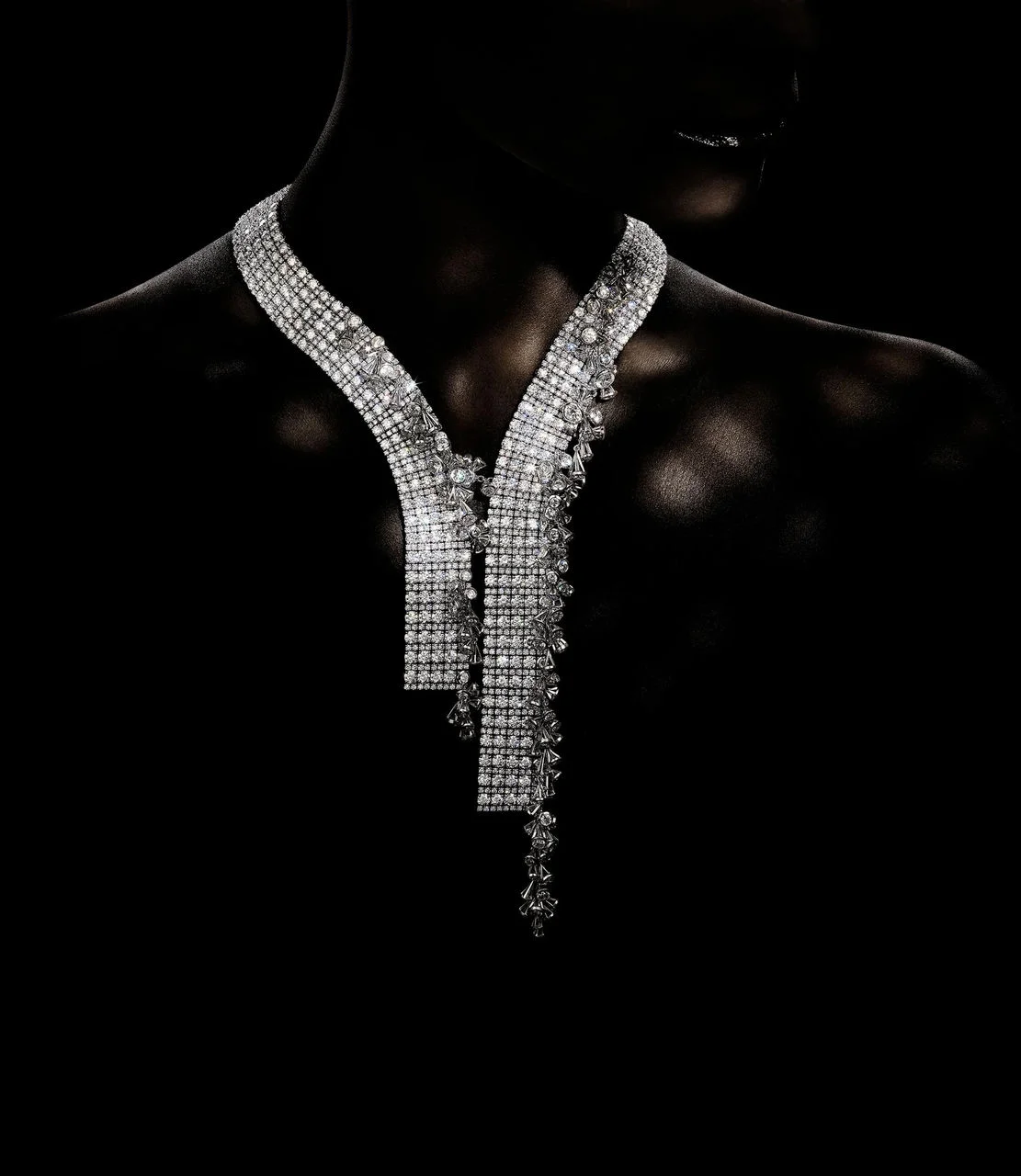
Coup de Théâtre necklace created by Audemars Piguet in 2008, supplied with the cuff watch Model 79413BC.
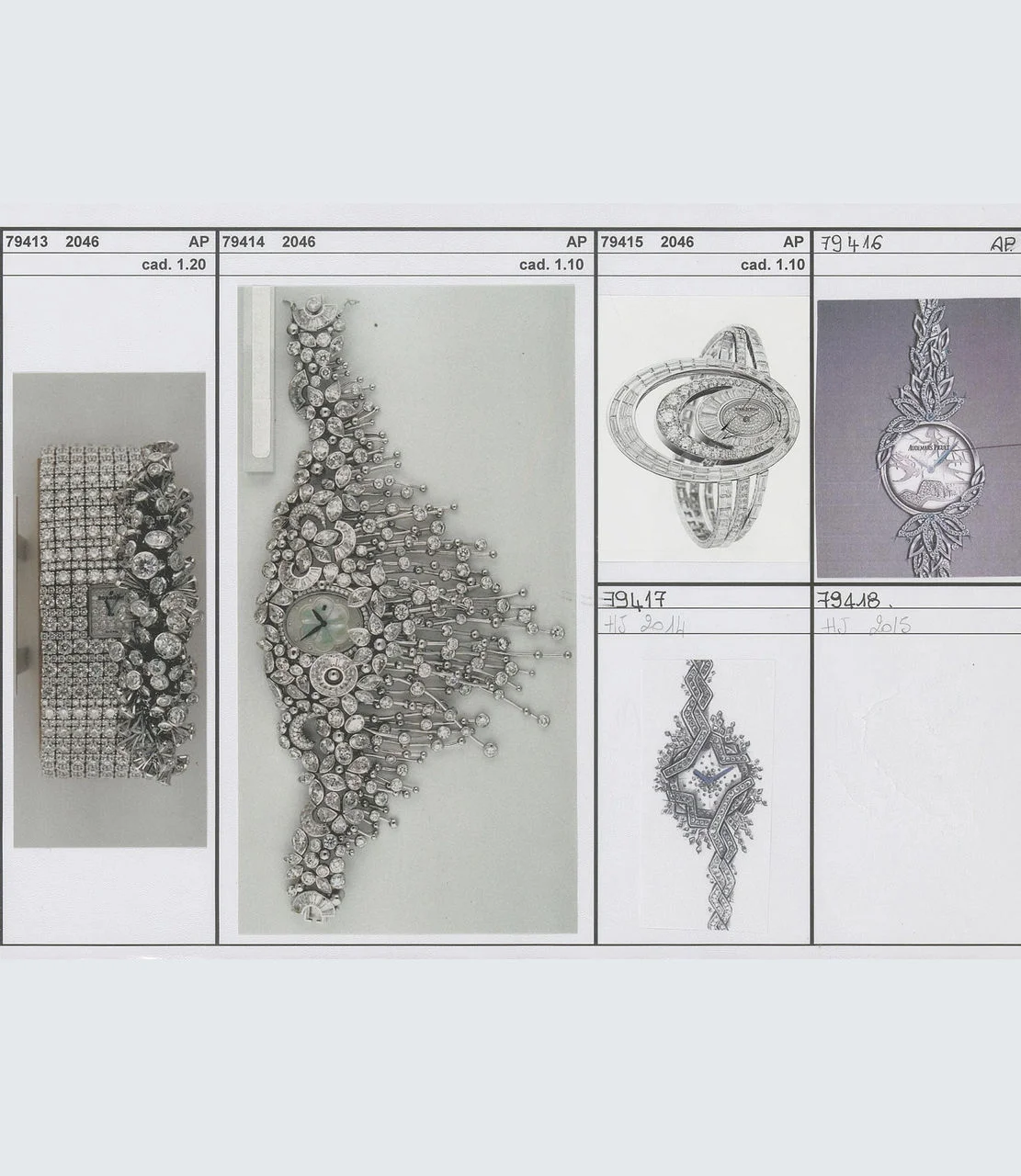
Jewellery watches developed and crafted in the Audemars Piguet workshops in the 2000s. AP Archives.
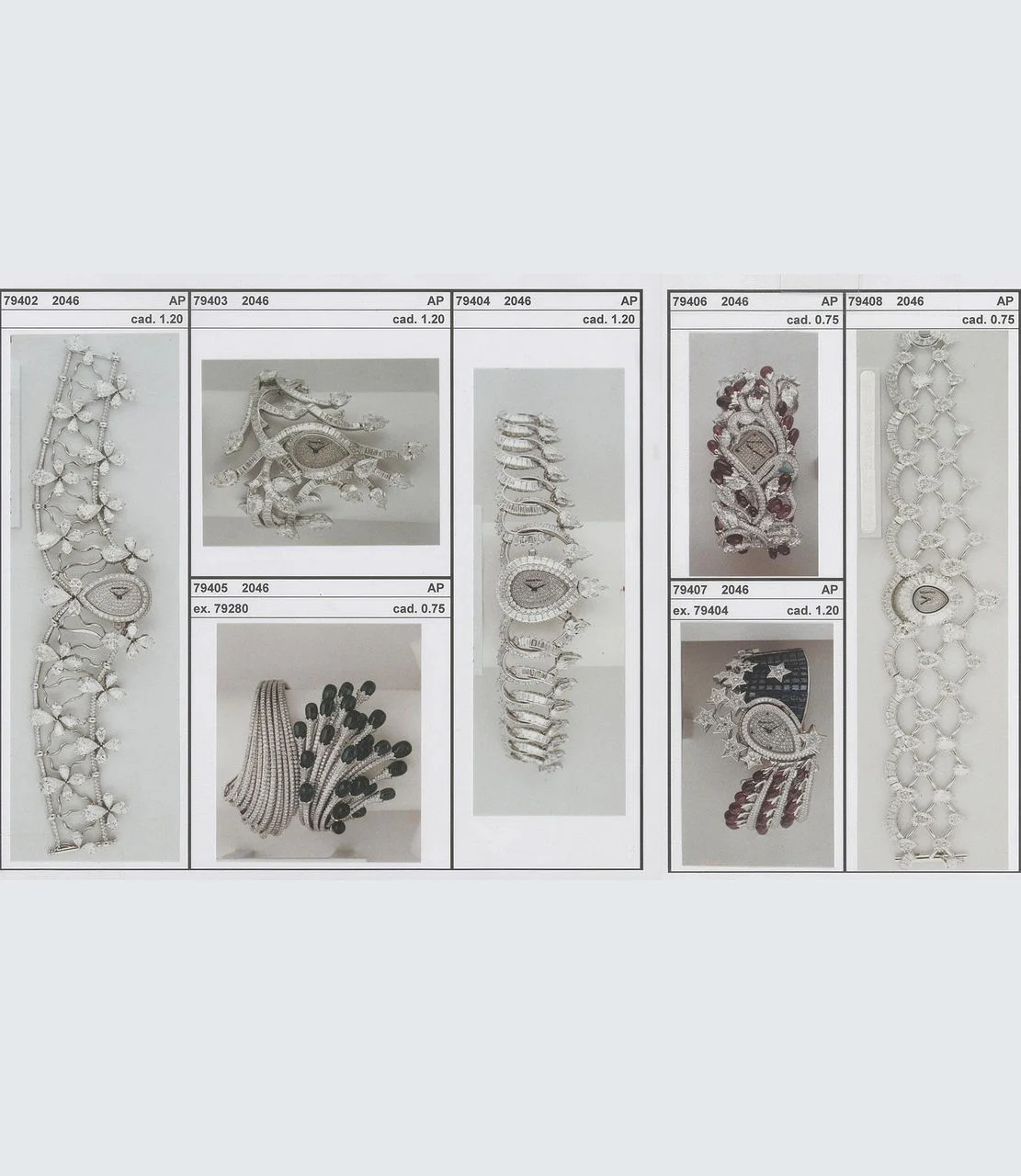
Jewellery watches developed and crafted in the Audemars Piguet workshops in the 2000s. AP Archives.
Diamonds, you say?
In 2009, Philippe Merk succeeded Georges-Henri Meylan as CEO of Audemars Piguet. As part of a wide-ranging programme to refocus the brand’s strategy on Haute Horlogerie, the artisans from the jewellery atelier were assigned to various workshops and the jewellery collection was significantly scaled back.
Three years later, when taking up the post of CEO, François-Henry Bennahmias accelerated this strategic overhaul. To give pride of place to the Royal Oak, several collections were put on hold: Tradition (2017), Classique (2018), Jules Audemars (2019) – replaced by Code 11:59 by Audemars Piguet – and then Millenary around 2020… But long before that, the jewellery department as such had already bowed out in 2013.
Nonetheless, upon his arrival in 2012, Bennahmias met with the three remaining artisans in the jewellery atelier: an engraver, a gemsetter and a jeweller, all of whom had been with the company for many years. He recognised the danger of losing this precious expertise and was enthusiastic about the idea of providing the artisans with a platform on which to express their talent. The history of Haute Joaillerie watches was revived with the launch of Model 79416 in 2013 and the 79417 the following year.
Now based in the Audemars Piguet Museum, the Atelier – renamed Métiers d’Art – developed and produced the Diamond Punk trilogy (79418) between 2015 and 2017; Diamond Fury (79420) and Diamond Outrage (67700). Like their names, their designs reflect Audemars Piguet’s free-spirited attitude and its determination to break new creative ground while eschewing any form of compromise.
It took over a year to craft each watch, given that the one featuring the fewest precious stones is set with 4,635 gems and the one with the most features no less than 12,103! Embodying the ultimate expression of artisans’ creativity and brilliance, the watches were widely celebrated in the media and the series concluded in 2019 with one final extraordinary timepiece: the Sapphire Orbe 67705.
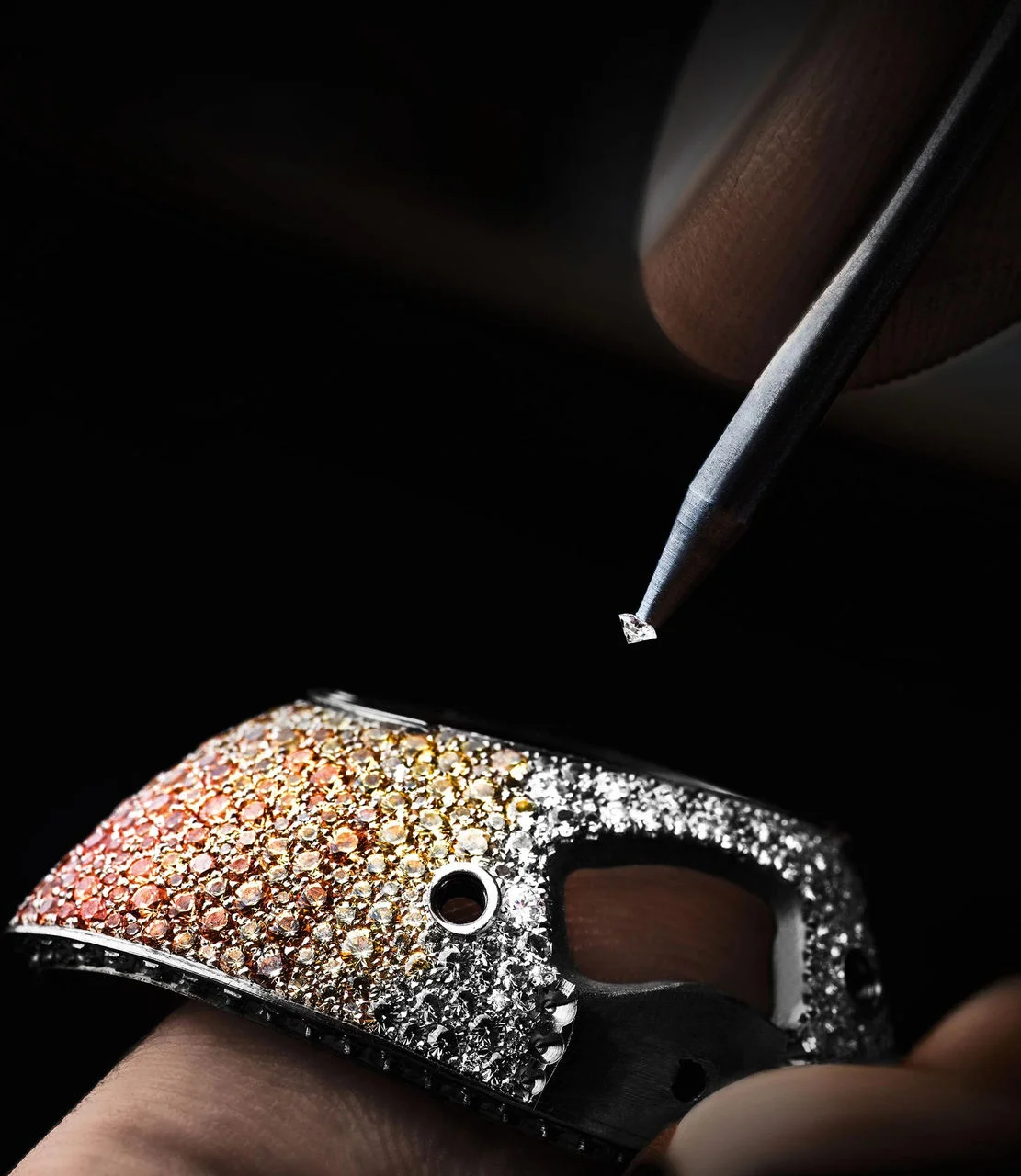
Gemsetting one of the bezels of the Sapphire Orbe 67705 watch, a one-off model presented by Audemars Piguet in 2019.
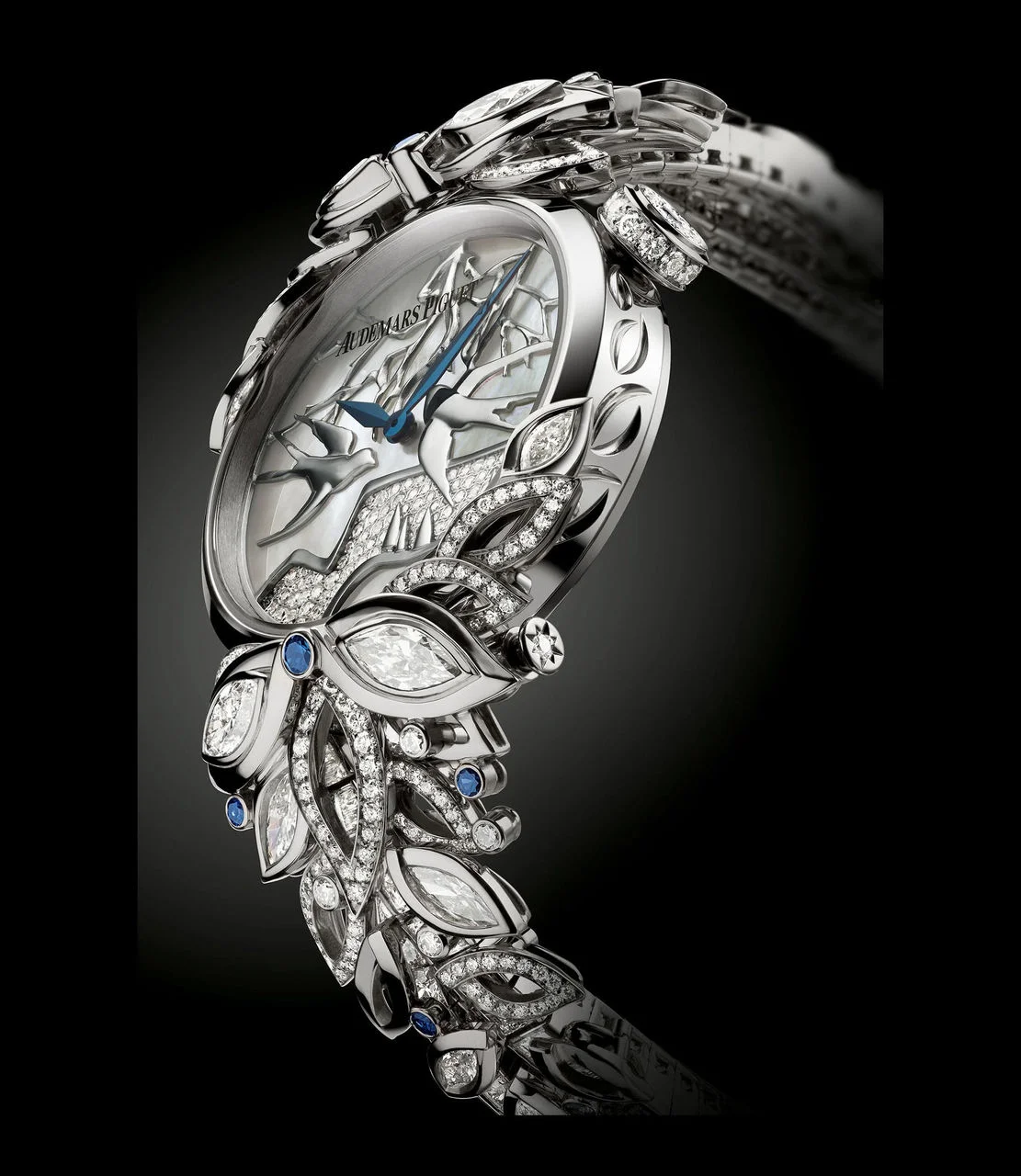
Unveiled in 2013, the Haute Joaillerie watch Model 79416 marked a new chapter for the Audemars Piguet jewellery atelier. Nature-inspired motifs combining diamonds, mother-of-pearl and sapphires. AP Archives.
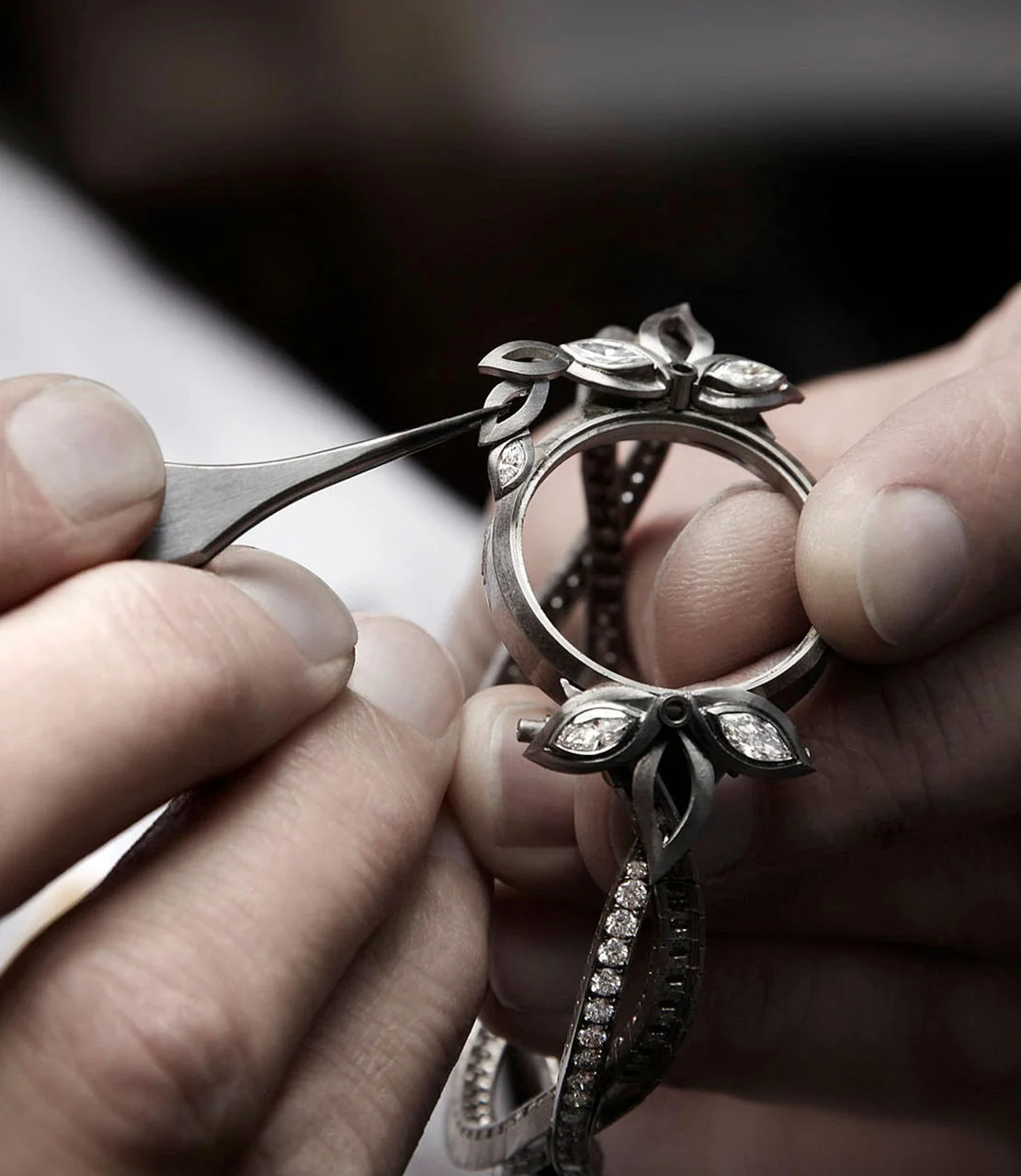
The jeweller adjusts the case and lugs of the Haute Joaillerie watch Model 79416, marking the revival of the Métiers d’Art atelier in 2013. AP Archives.
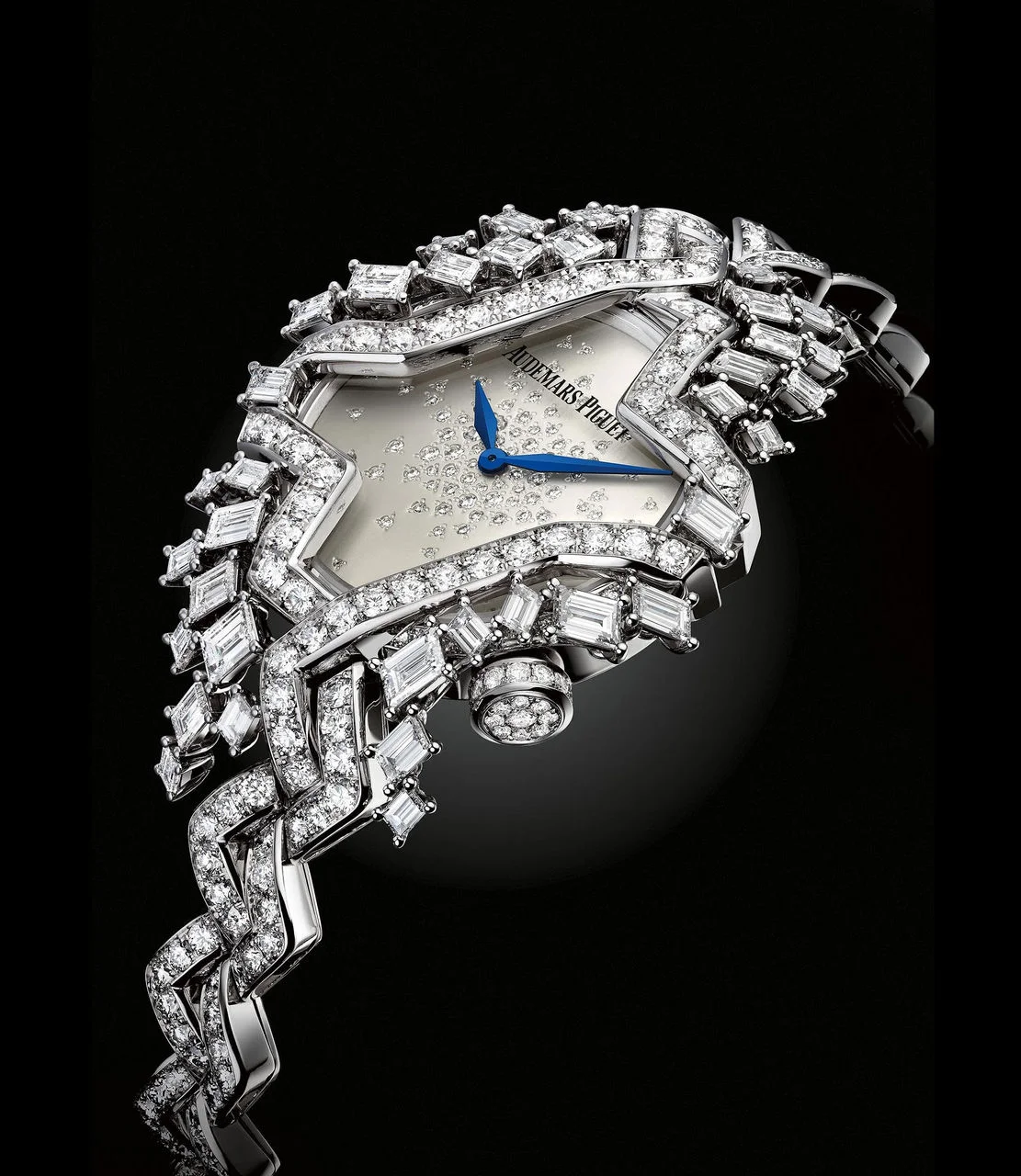
Unveiled in 2014, Haute Joaillerie watch Model 79417 is fitted with mechanical Calibre 3091 and set with 539 diamonds. Its design plays on asymmetry and sharp angles. AP Archives.
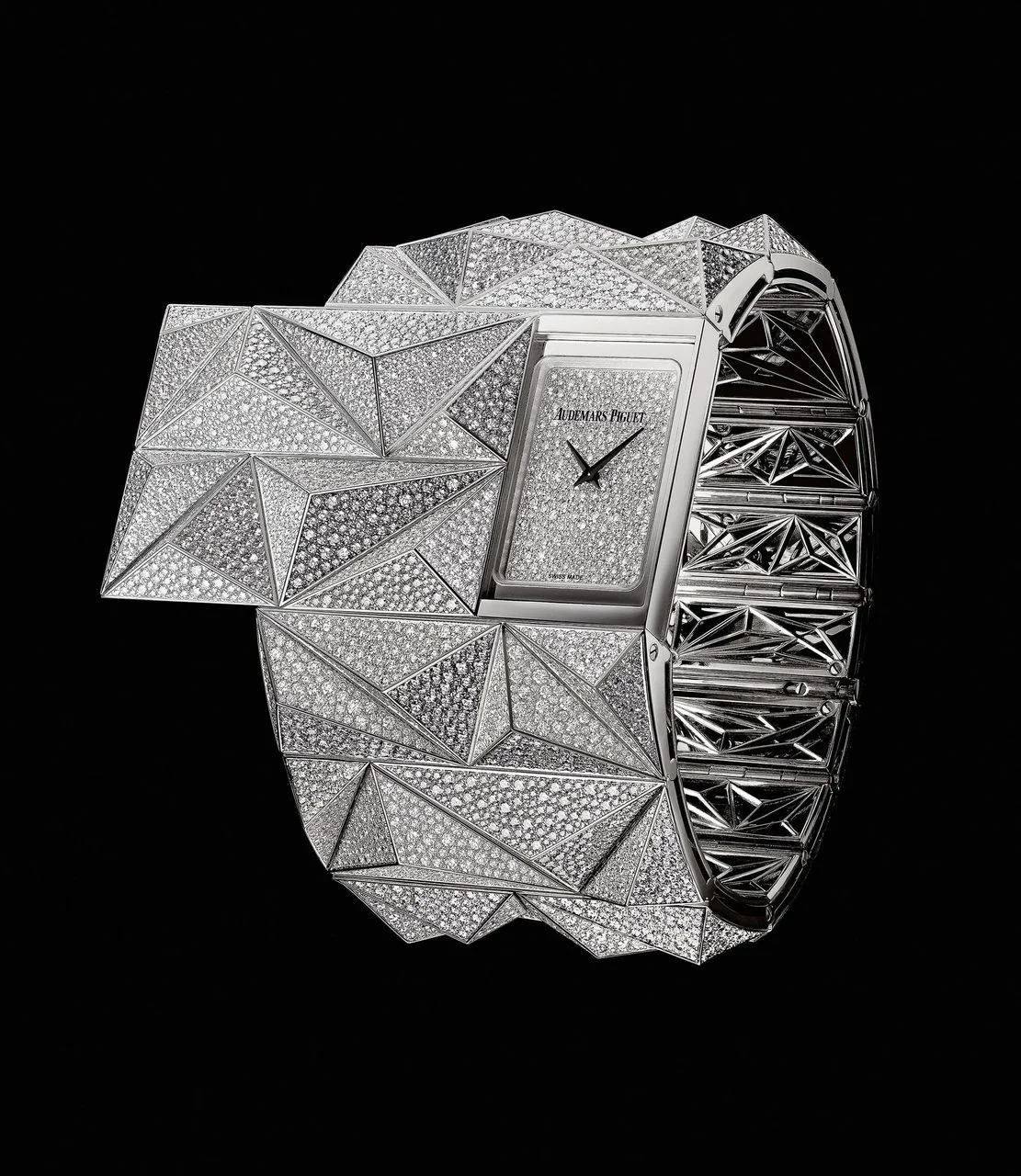
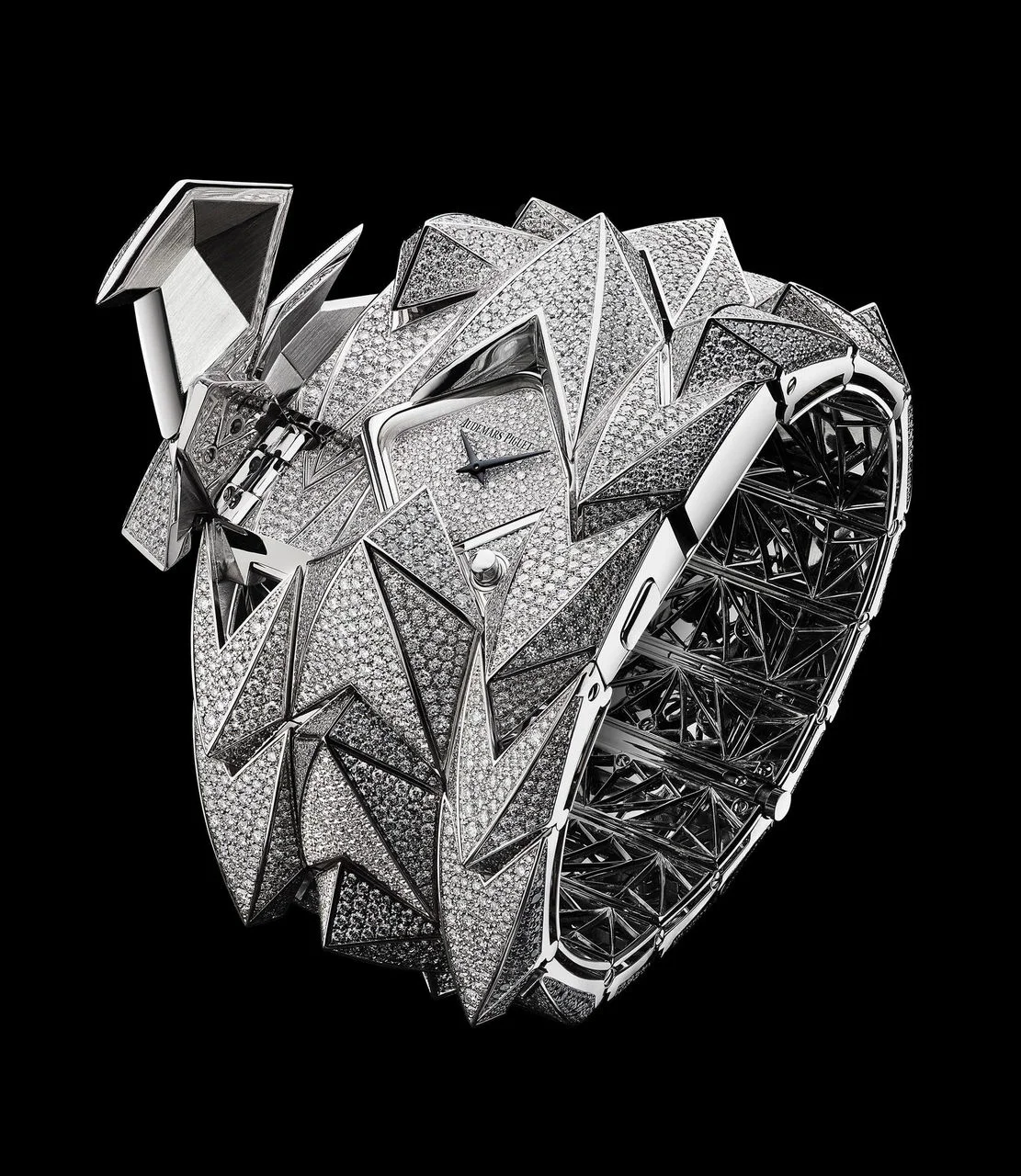
2015. Featuring 7,848 diamonds set in a snow-set pattern on triangular facets, the Diamond Punk watch Model 79418 featuring a secret compartment marked a minor revolution in the aesthetic of Audemars Piguet’s Haute Joaillerie. AP Archives.
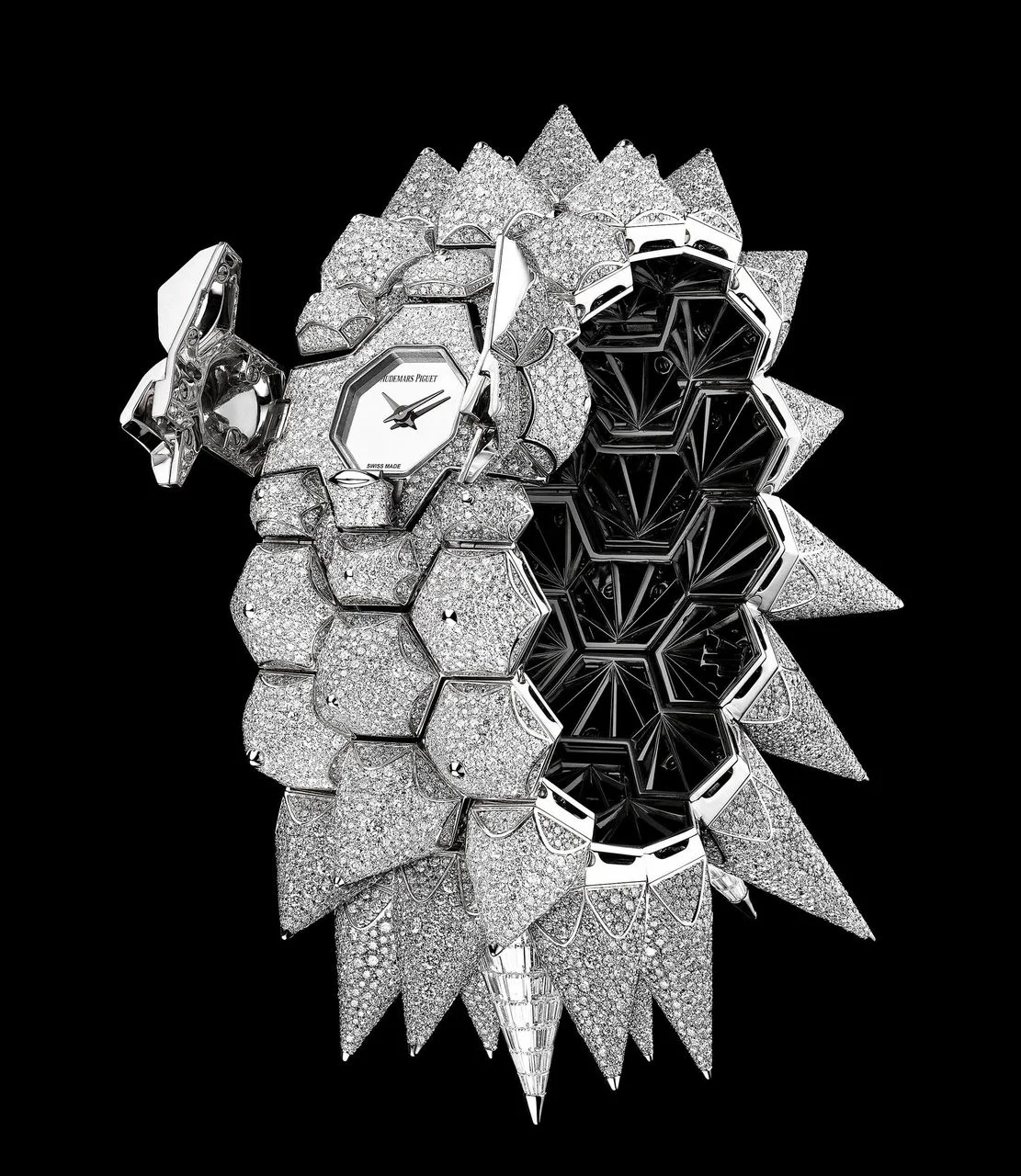
2016. The second instalment in the Diamond trilogy, the Diamond Fury Haute Joaillerie watch Model 79420 evokes a dragon’s scales, set with 4,635 diamonds. AP Archives.
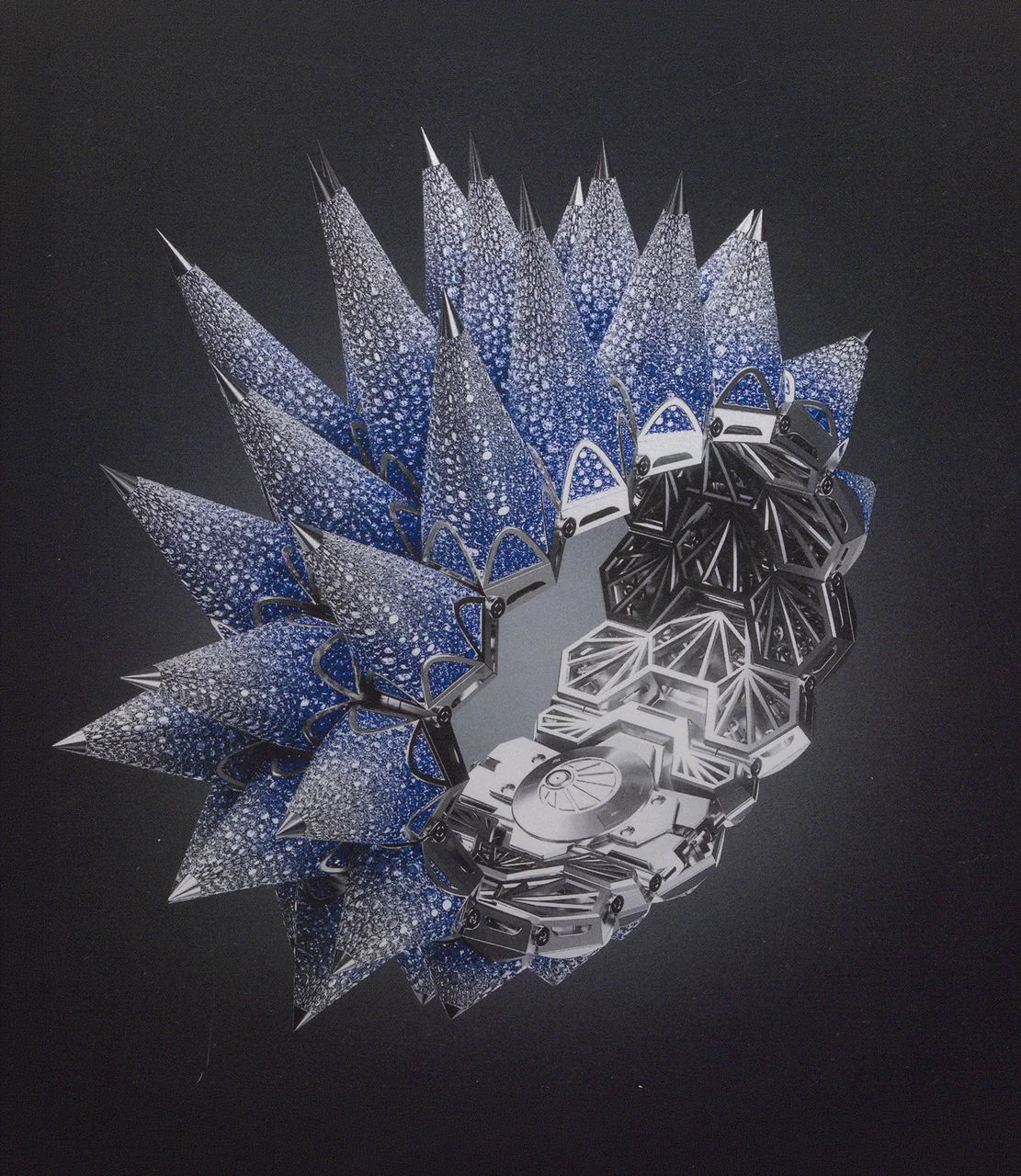
In 2017, the explosive design of the Diamond Outrage watch Model 67700 is expressed through a bracelet studded with hollowed-out cones and set with nearly 9,923 brilliant-cut diamonds and 354 baguette-cut diamonds, totalling 65.91 cts. AP Archives.
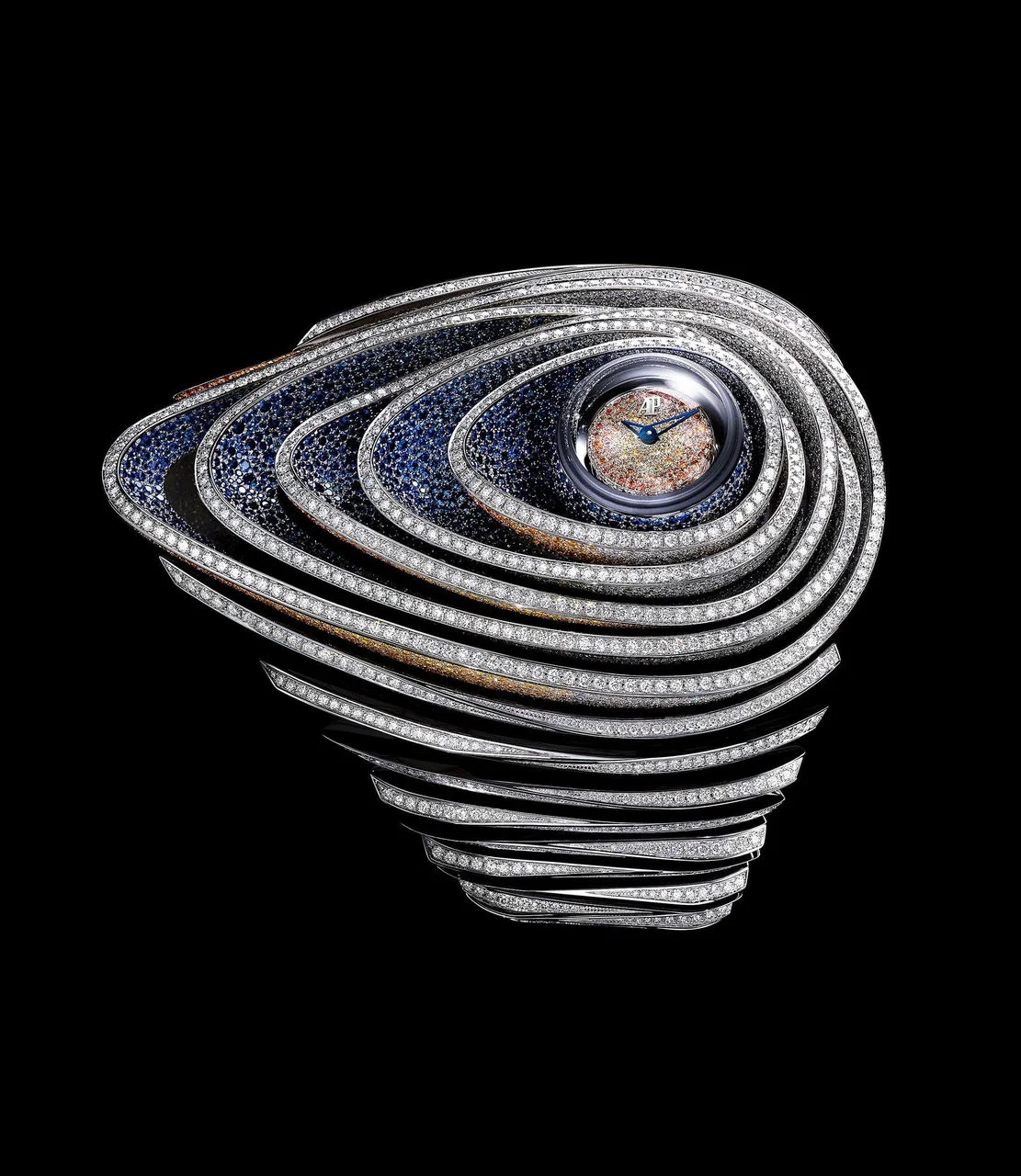
The bracelet on this version of the Diamond Outrage watch Model 67701 (2017) is set with over 10,000 sapphires of varying colours and diameters, creating a colour gradient. AP Archives.

This model is wearing the Diamond trilogy created by Audemars Piguet between 2015 and 2017 on both wrists. AP Archives.
Launched in 2019, the Sapphire Orbe watch Model 67705 is named after the river that runs through Le Brassus. It took over 1,000 hours to set its 12,103 gemstones (66.1 carats). AP Archives.
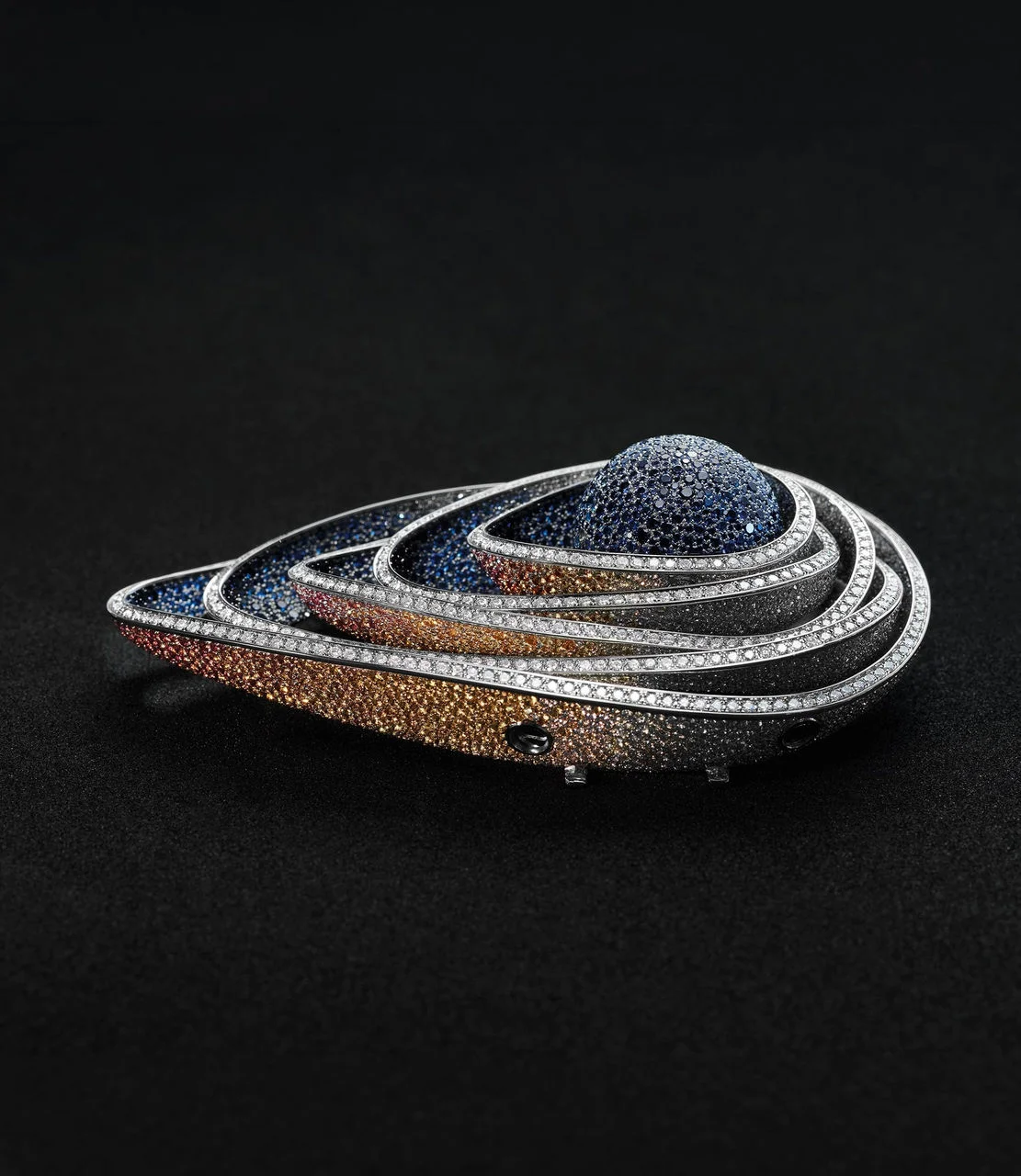
The dial of the Sapphire Orbe watch Model 67705 can pivot to retract. Photograph of the partially assembled watch. AP Archives.
The Royal Oak Joaillerie project
Stacking involves wearing several bracelets side by side on the same wrist, often in different colours. This is not done with watches because their bracelets and cases risk scratching one another if they come into contact. However, when Ilaria Resta discovered the first prototypes of the Royal Oak Mini, Audemars Piguet’s new CEO couldn’t resist the temptation to slip all three gold versions onto her wrist. A colleague remarked: “You’re wearing them like jewellery!”
Jewellery. The idea was back. The AP Meyrin workshops went ahead and created three Royal Oak Mini bracelets – without watches – featuring the hammered Frosted finish in yellow, white and sand gold versions. Ilaria Resta wore them at a major event in Milan. They caused a sensation among both women and men and the unanimous verdict was: “We have to make them!”
Rather than confining itself to bracelets, Audemars Piguet organised a co-creation initiative called “Éclat” (radiance) in November 2024. Over three days, 12 women with a passion for jewellery, accompanied by gemmologists, gathered in Hong Kong to share their favourites and their desires. The project was enriched by the intertwining stories of each participant.
The jewellery project began gaining traction and, above all, taking on greater meaning. Its objectives? To renew the long-standing dialogue between Audemars Piguet and the world of jewellery; to broaden creative horizons; to learn and to explore – and above all to provide a platform for traditional jewellery skills, both in-house and external: jewellers, gemsetters, engravers, chain-makers, gemcutters…
The project remains firmly rooted in watchmaking. As such, Audemars Piguet jewellery is designed to complement the watches, lending an extra touch of brilliance. It draws on the same aesthetic codes. In short, jewellery is conceived as bringing added value to the brand’s most discerning clients and enthusiasts with the aim of enhancing their watch collections.
On 2 October 2026, following their presentation to a select group of clients at events in Bangkok, Zurich and Saint-Tropez, the first 19 creations were unveiled to the public in Paris. Their design blends the world of the Royal Oak with influences from the natural Vallée de Joux landscape.
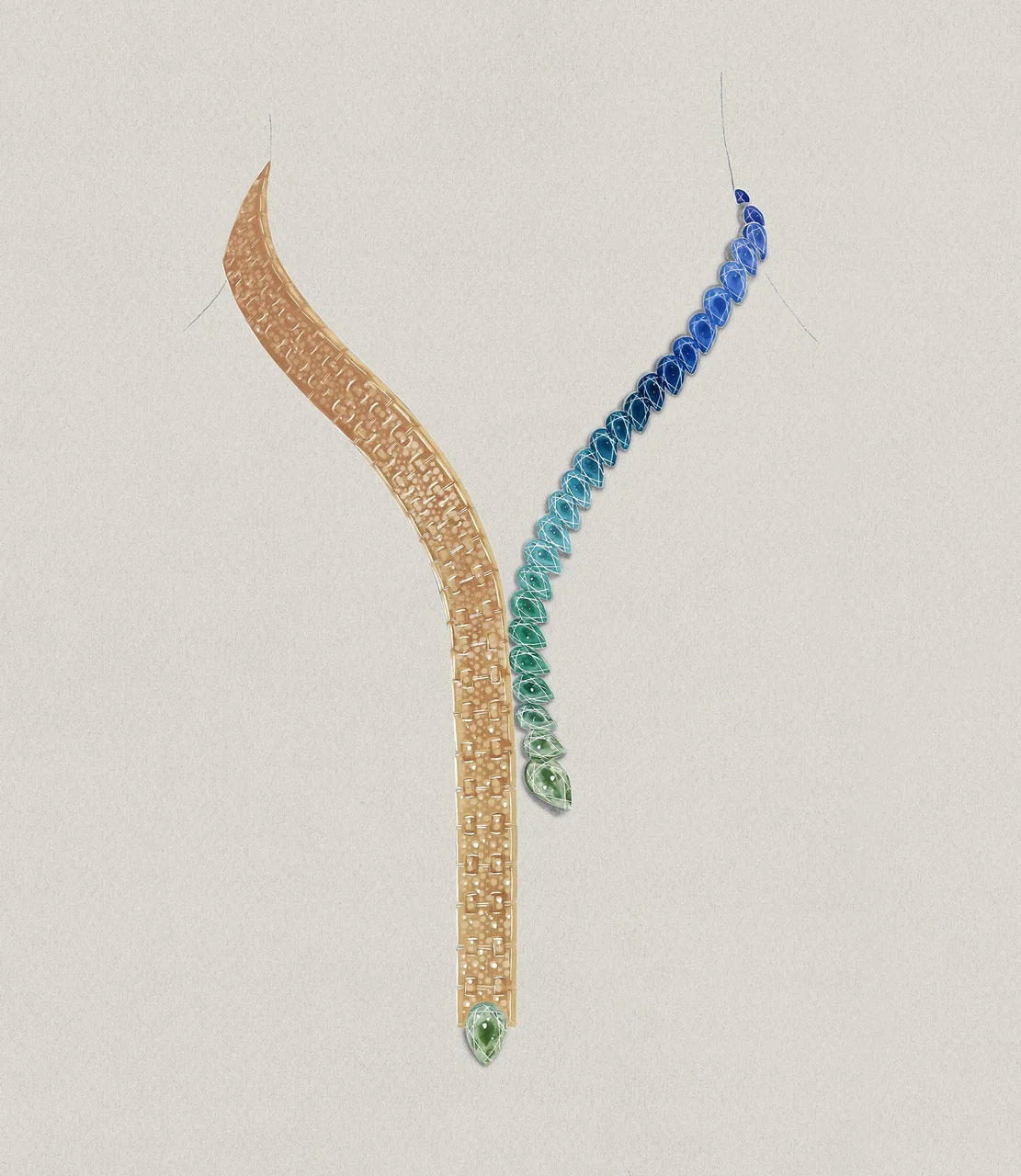
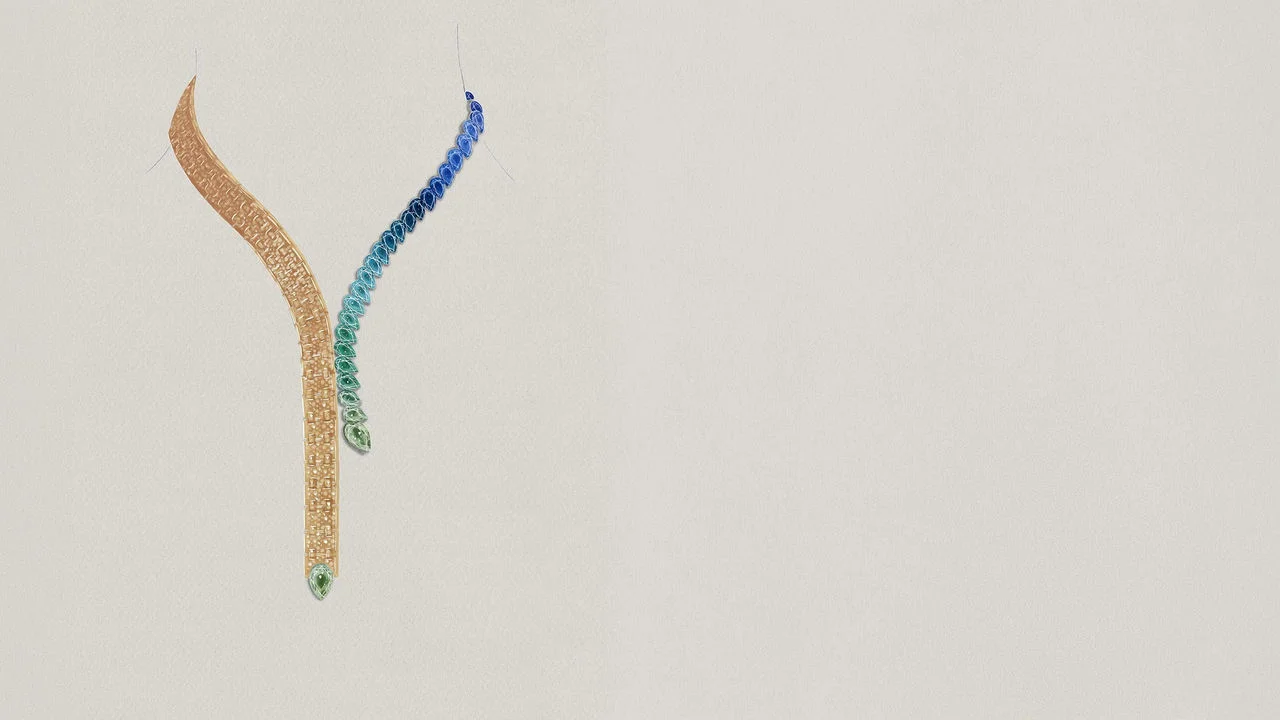
Royal Oak Dream of Joux river necklace. Right-hand side: 18-carat yellow gold, featuring a gradient of 42 tourmalines, sapphires and pear-shaped topazes, enhanced by an approx. 3 ct tsavorite. Left side: champagne-coloured diamonds set in a snow-set pattern on 18-carat yellow gold, accented with an approx. 5 ct pear-shaped tsavorite.
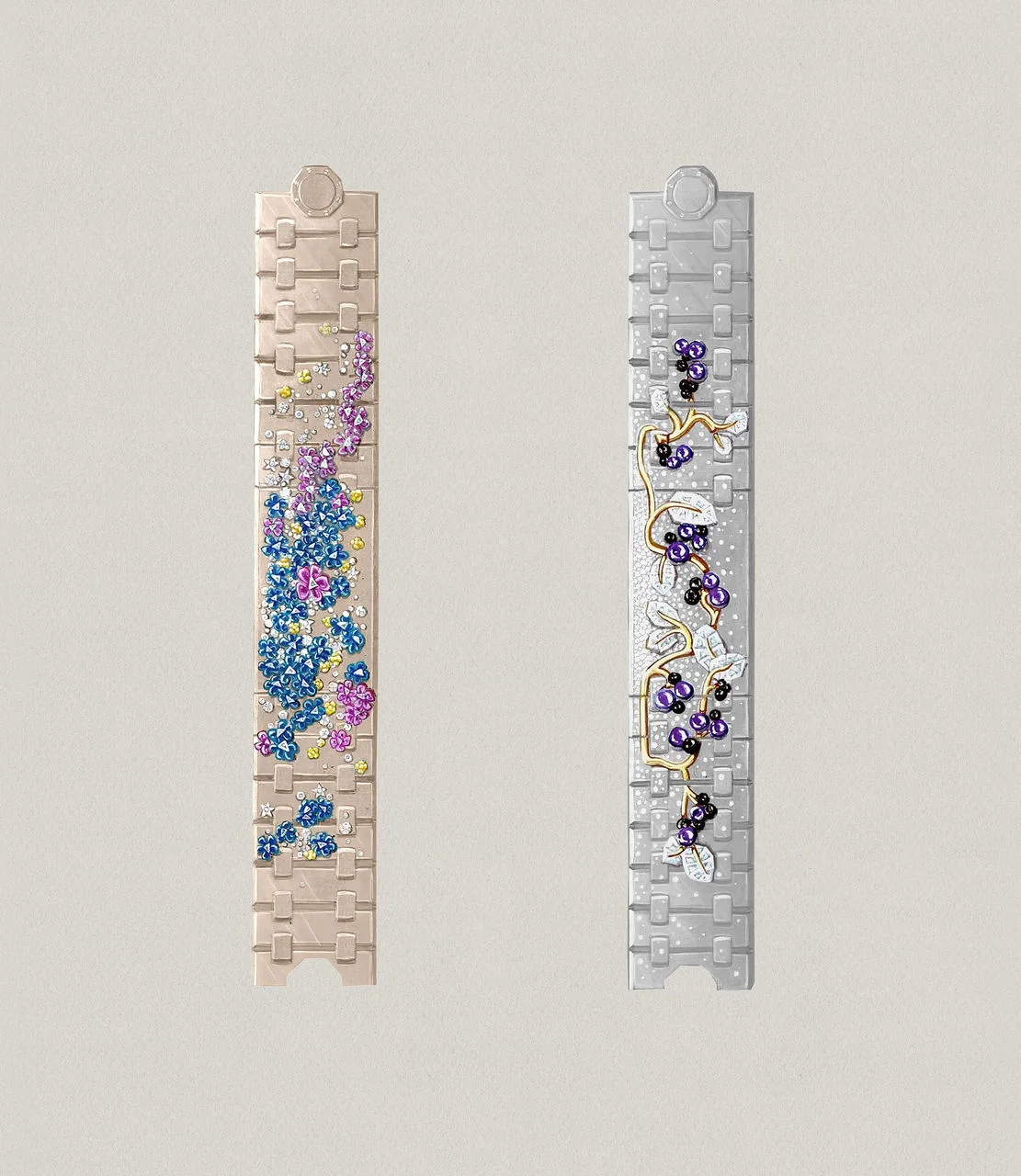
These two gouache paintings of Royal Oak bracelets featuring floral and fruit motifs belong to the Dream of Joux collection. On the left, blue, purple and yellow sapphires combine with diamonds to create a springtime Swiss Garden. On the right, cabochon-cut purple sapphires and onyx, diamond leaves and gold threads combine to create the Blueberries bracelet.
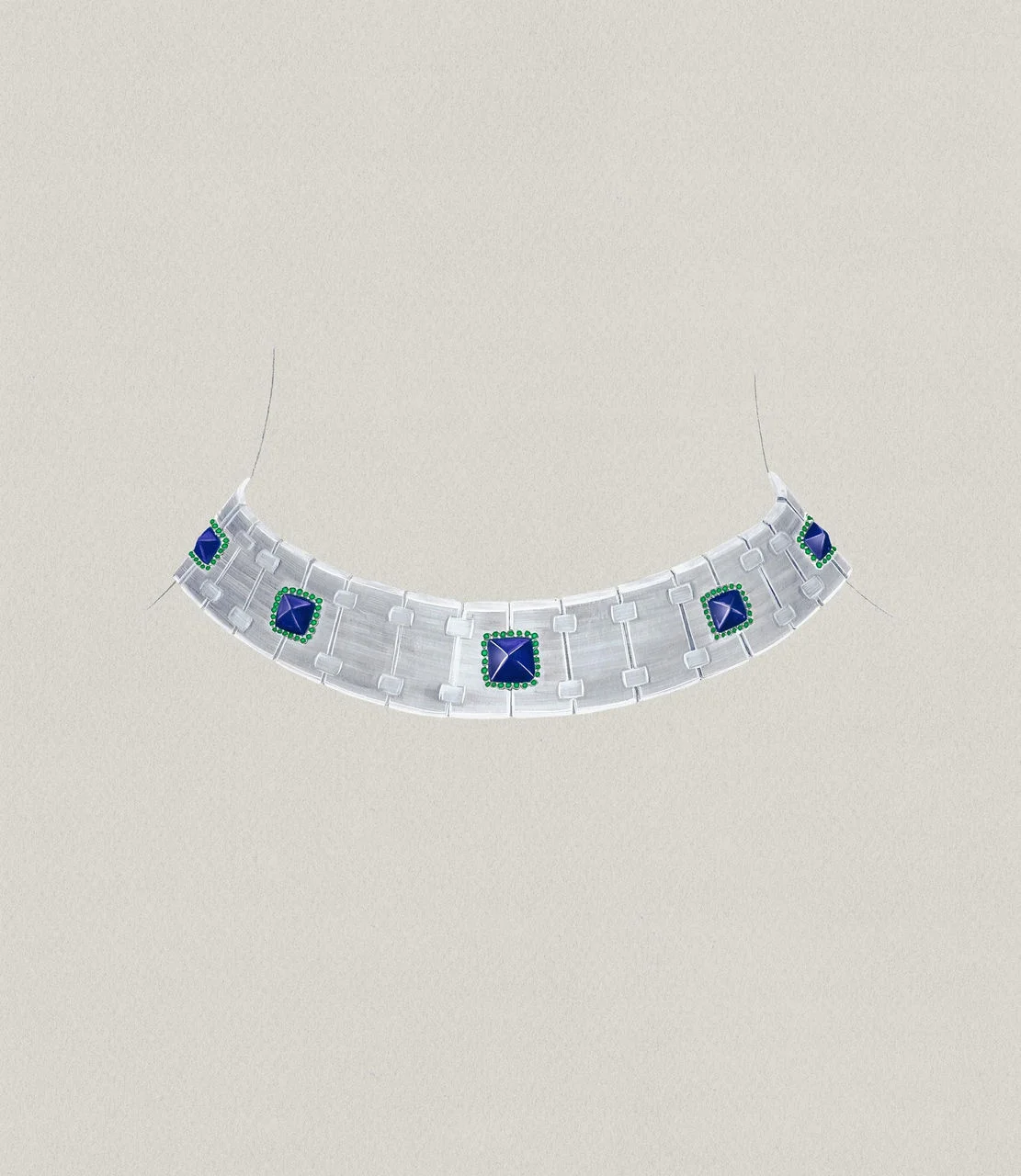
This gouache painting depicts the Royal Oak Risoud Eclipse necklace in light grey titanium and 18-carat white gold, set with five sugar-loaf-cut tanzanites surrounded by brilliant-cut emeralds.
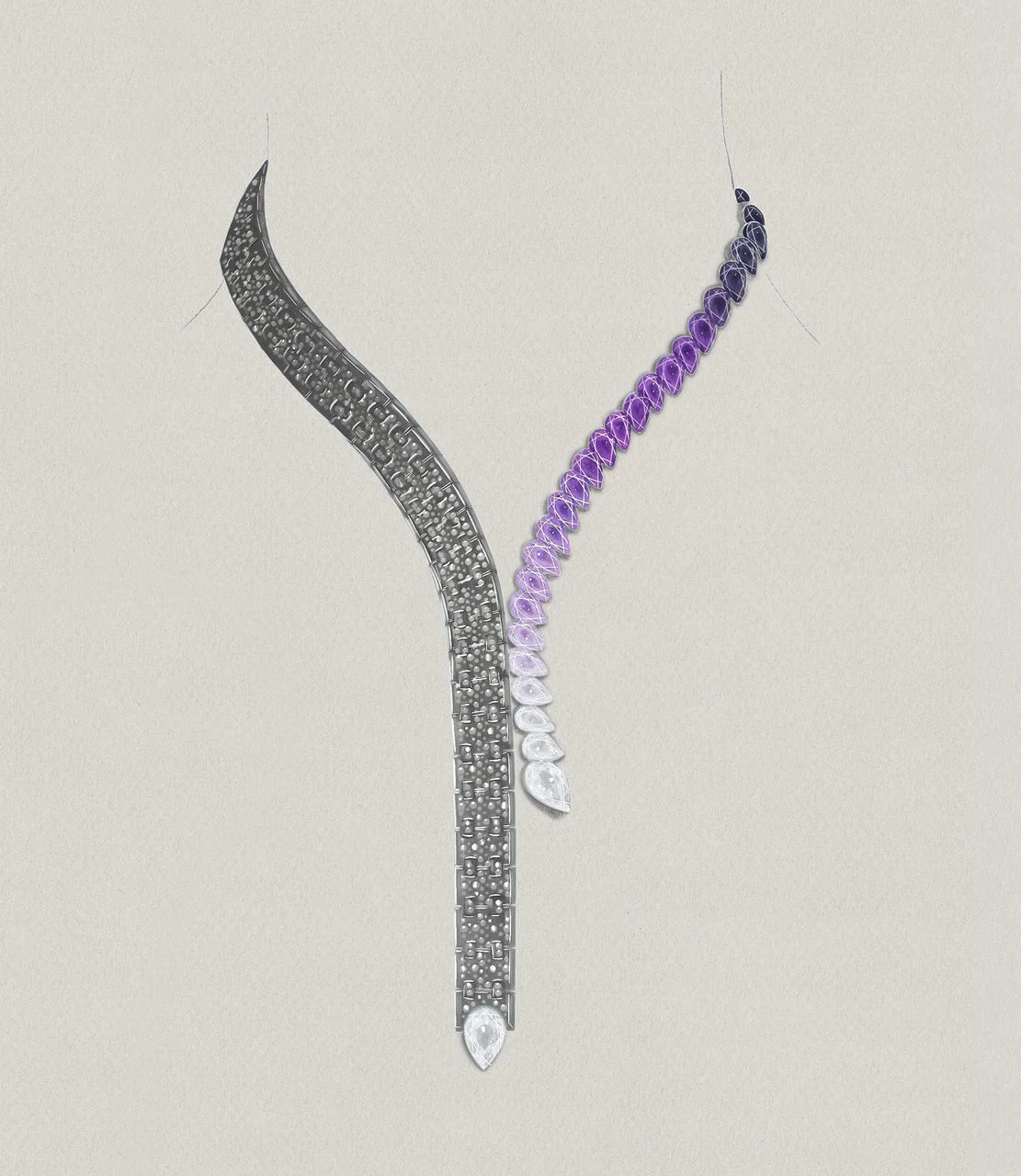
Gouache painting of the Royal Oak Dream of Joux river necklace. Right side: 18-carat white gold, a gradient of 43 pear-shaped amethysts, accented with an approx. 3 ct pear-shaped white diamond. Left side: grey spinels arranged in a snow-set pattern on dark grey titanium, accented with an approx. 5 ct pear-shaped white diamond.
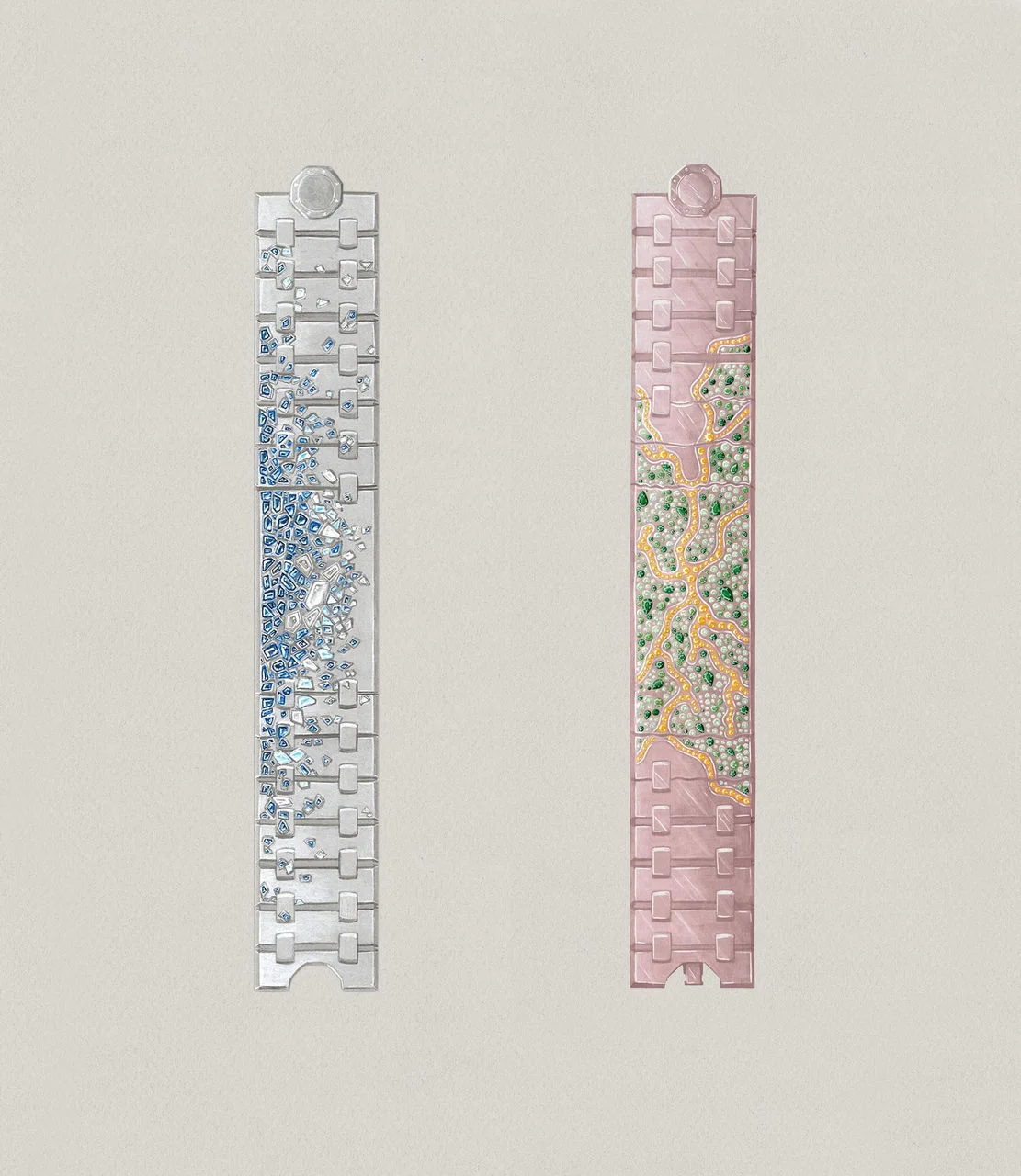
These two gouache paintings of Royal Oak bracelets belong to the Dream of Joux collection. On the left, the Frozen Lake bracelet features a gradient of white diamonds, tsavorites, blue sapphires and topazes, evoking the frozen Joux Lake. On the right, the tsavorites and cognac-coloured sapphires form the luminous branches of the Tree of Life model.
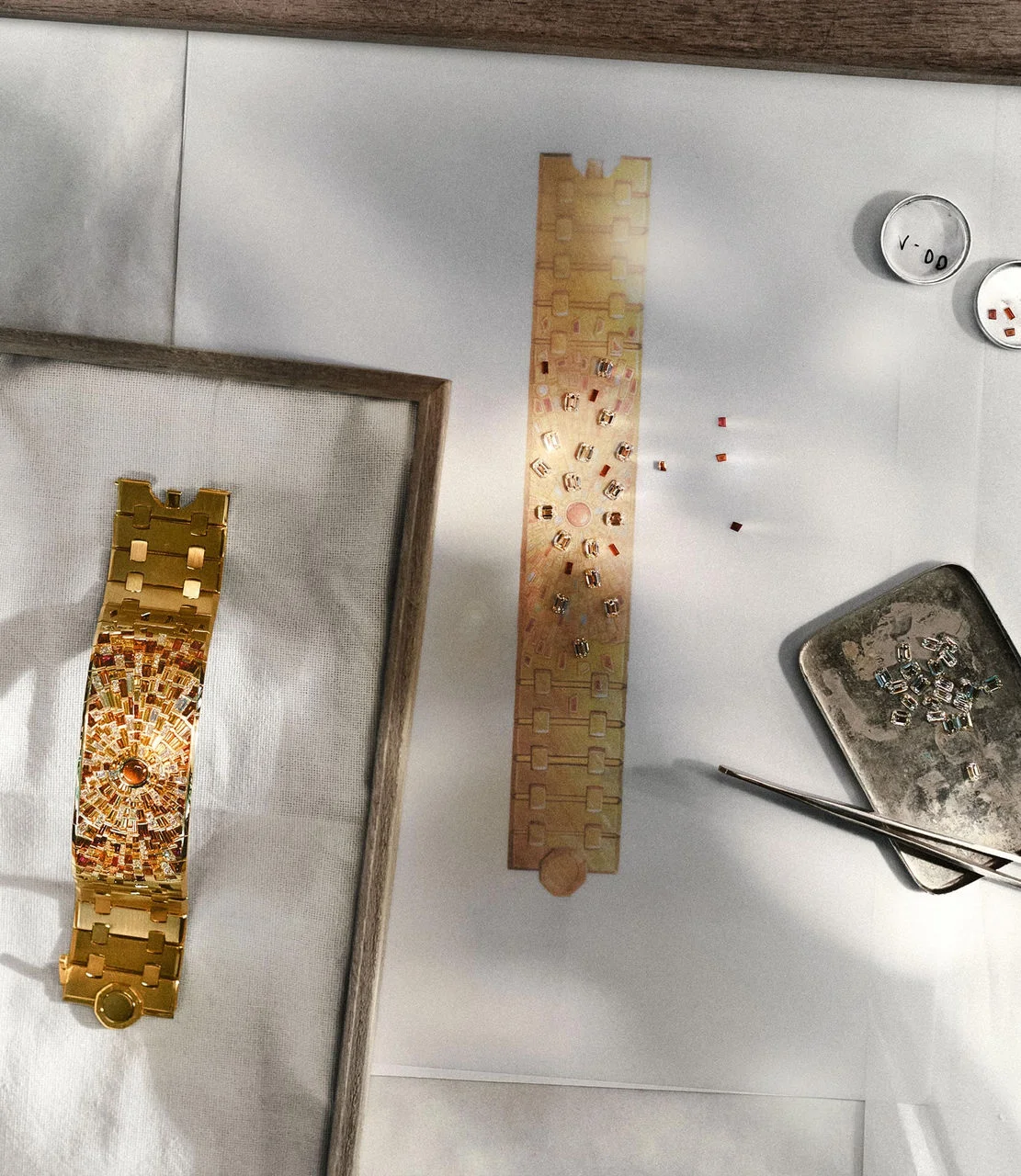
Production picture of the Dream of Joux – Sun Burst bracelet. Spessartite cabochon, baguette-cut white diamonds and a gradient of spessartites and yellow, orange and pink sapphires.
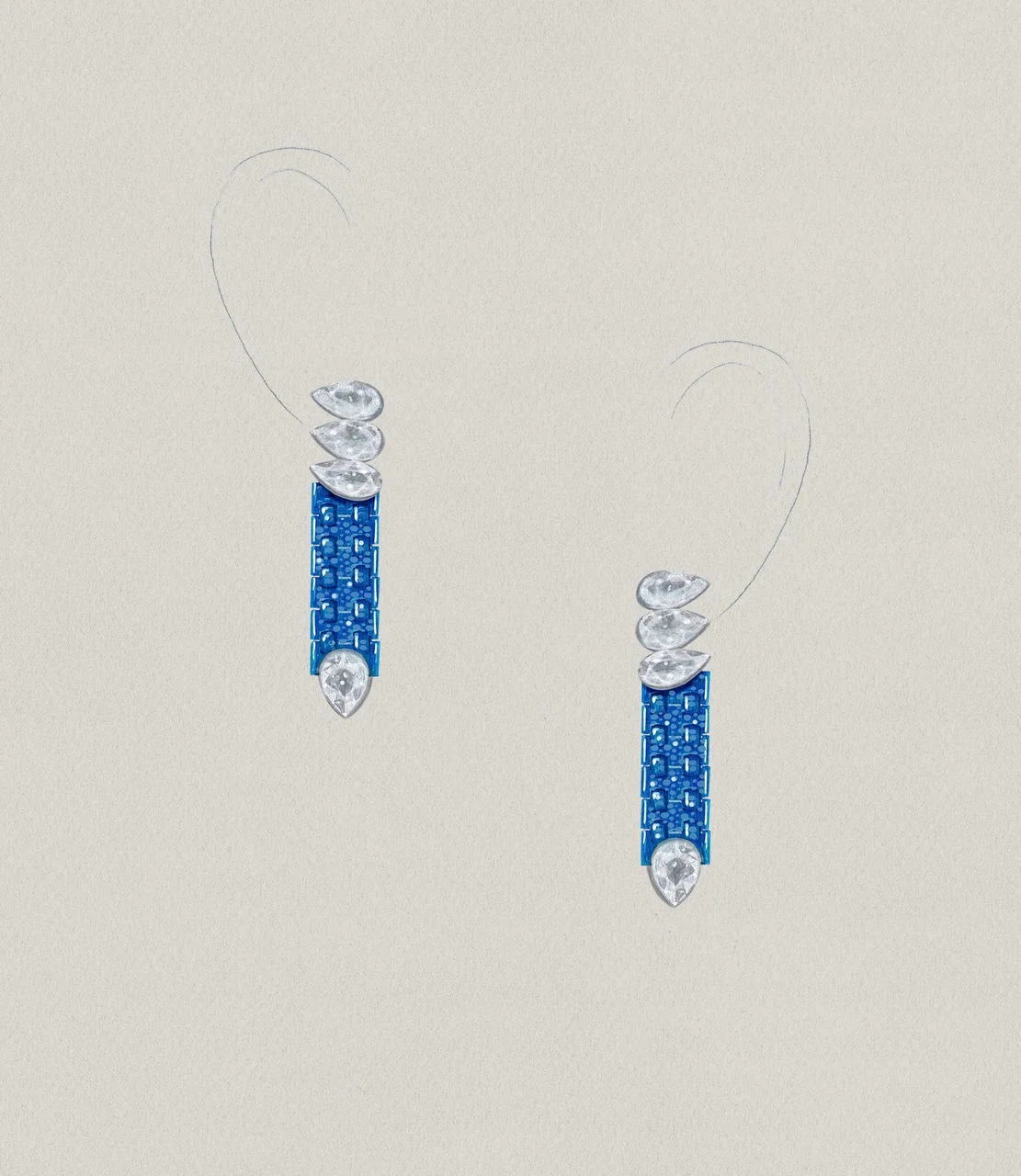
Gouache painting of the Royal Oak Dream of Joux earrings in 18-carat white gold and blue titanium. Eight snow-set pear-shaped diamonds and blue sapphires, totalling approx. 15 cts.
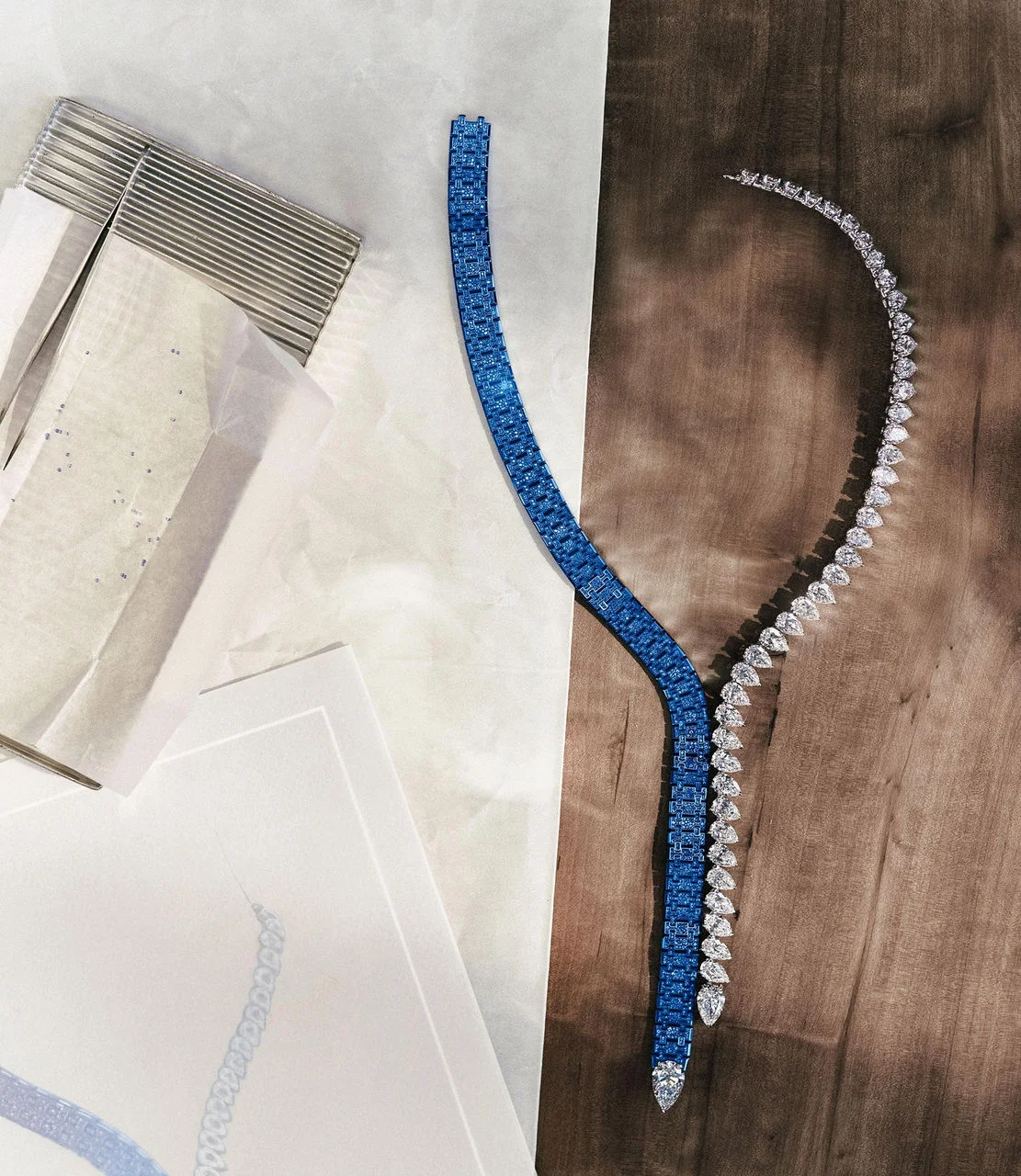
Picture of the Royal Oak Dream of Joux river necklace during production. Right side: 42 pear-shaped diamonds, accented by an approx. 3ct pear-shaped Left side: snow-set blue sapphires on blue titanium, enhanced by an approx. 5ct pear-shaped diamond, totalling approx. 71 cts.
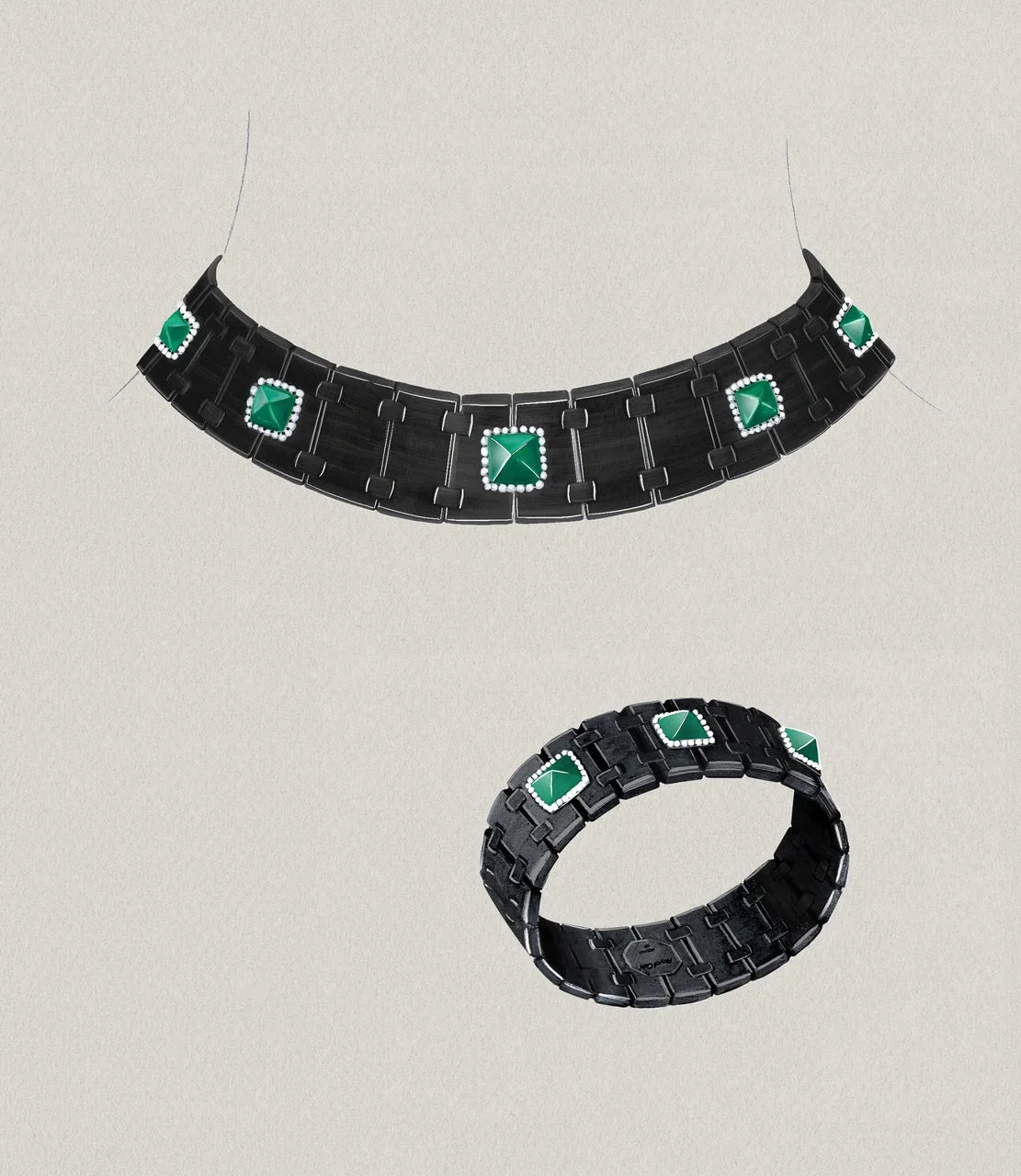
In the Risoud Eclipse collection, the necklace and bracelet are crafted from black titanium and white gold, set with sugarloaf-cut emeralds. Bracelet totalling approx. 12 cts and necklace approx.16.5 cts.
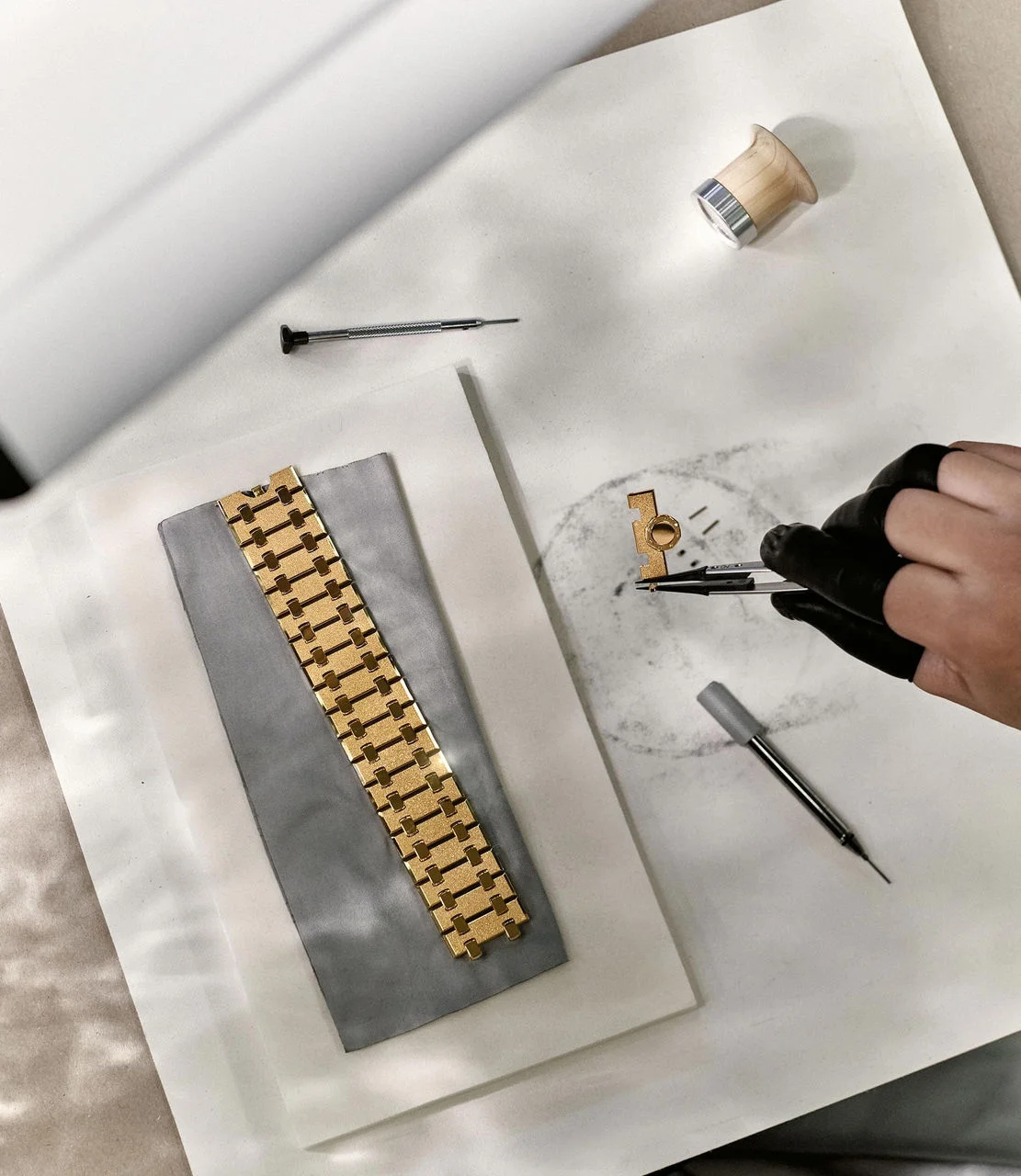
Image of the Royal Oak Autumn Mist choker necklace being crafted. 18-carat pink gold with frosted gold finish.
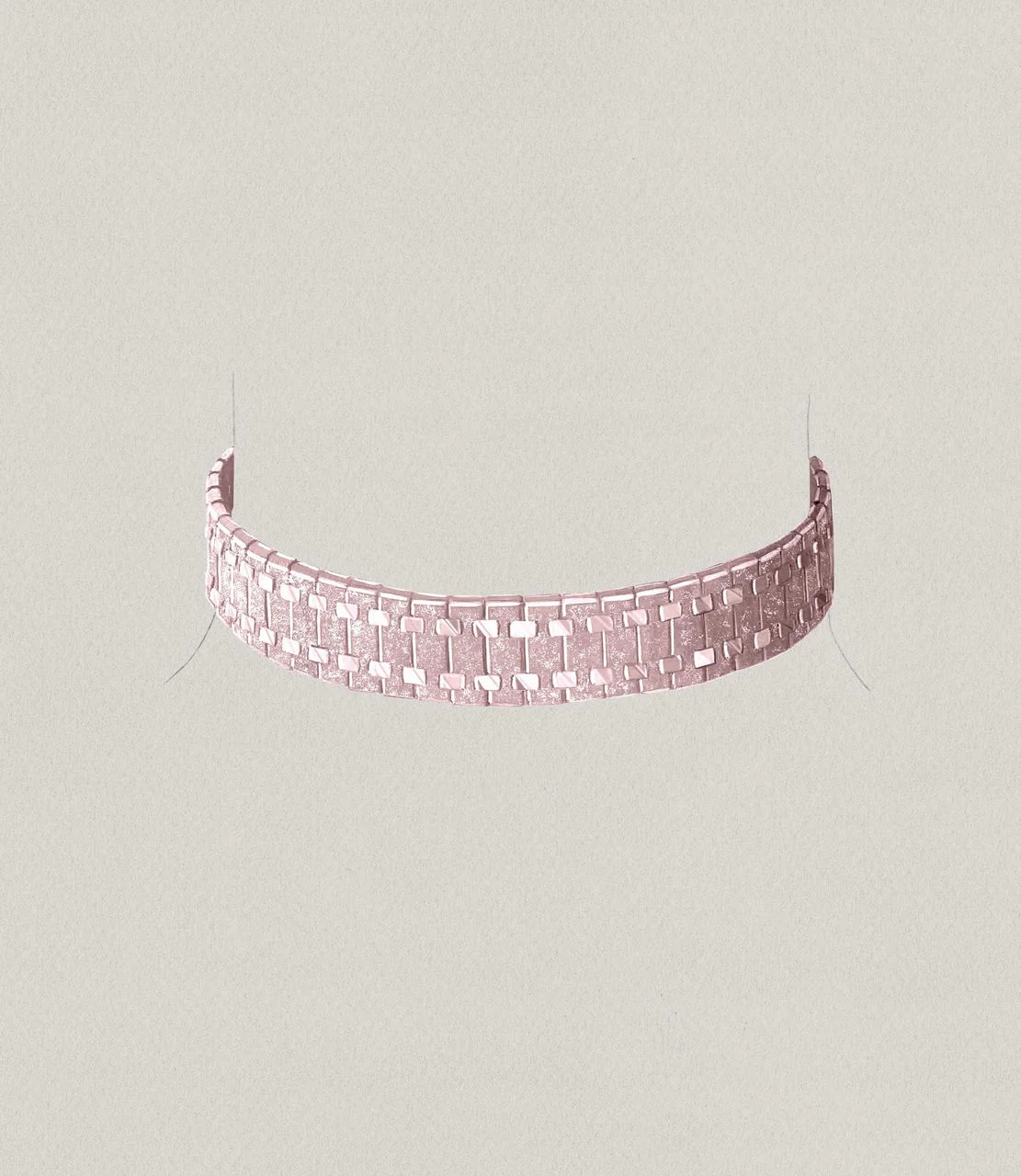
Gouache painting of the Royal Oak Autumn Mist choker in 18-carat pink gold with a frosted gold finish.
The inseparable pairing
Watchmaking would not be what it now is without jewellery. Admittedly, the relationship between the two worlds – much like a couple united for countless years – has weathered a few storms. Two and half centuries ago, goldsmiths fought to retain their privileges in the face of the burgeoning watch industry. In the 1930s, some watchmakers had no qualms about condemning the tiny “fancy” wristwatches, which they deemed too small to be reliable.
Audemars Piguet has been part of the history of jewellery since the 19th century, creating an extraordinary variety of jewellery watches, collaborating with countless jewellery workshops, chain-makers and jewellers, before establishing its own dedicated workshop in the 1970s.
For the first time, this article retraces the history of Audemars Piguet jewellery: one that began just 50 years ago with the arrival of Jacqueline Dimier as a designer.
After half a century of exploring the world of jewellery, through periods of varying degrees of creativity and success, the Royal Oak Joaillerie collection opens a new chapter in an already rich history.
AP Heritage Team, October 2026
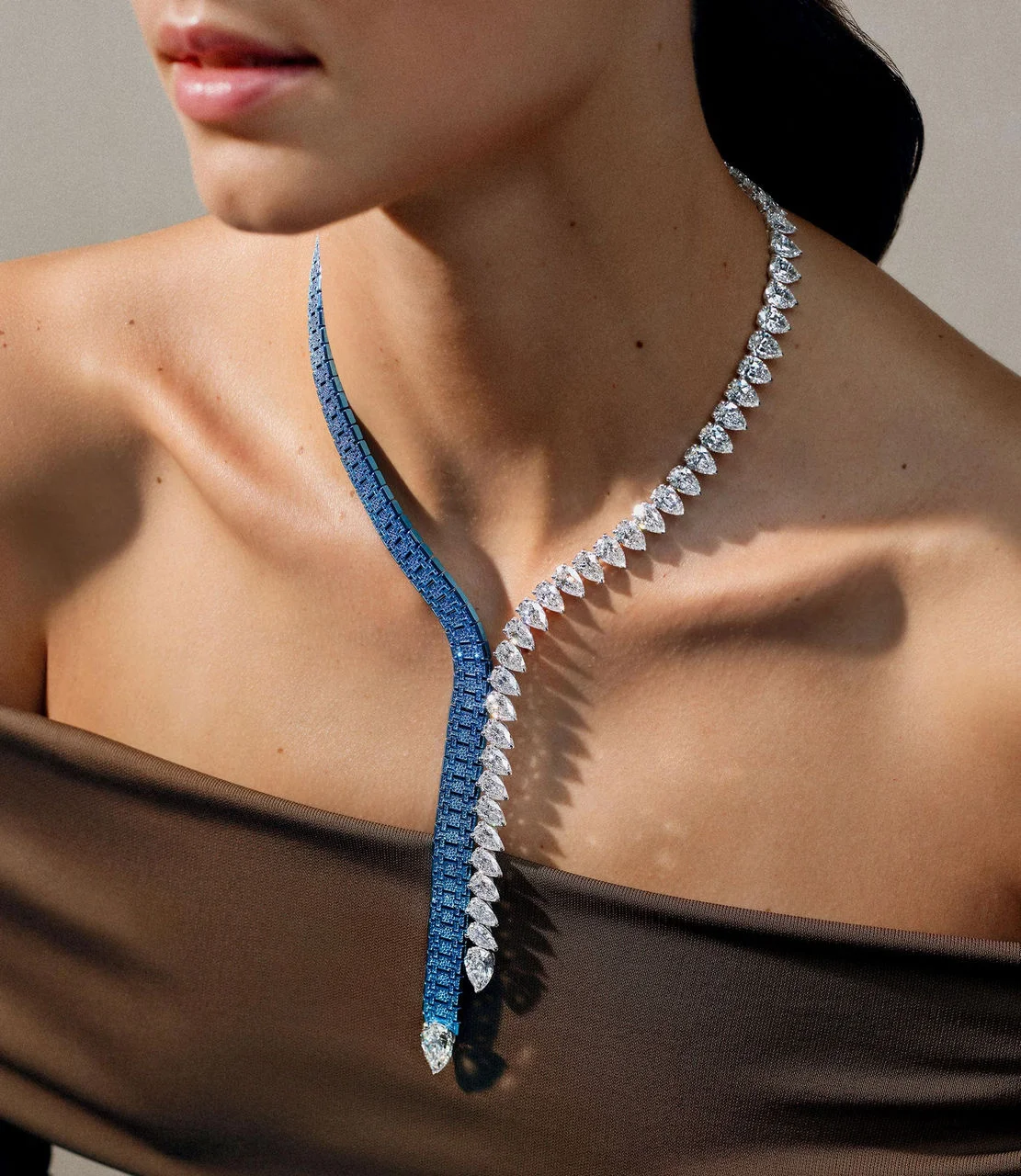
Royal Oak Dream of Joux Haute Joaillerie necklace. Necklace in blue titanium and 18-carat white gold, set with 44 pear-shaped diamonds and a snow setting of blue sapphires, with Royal Oak clasp.
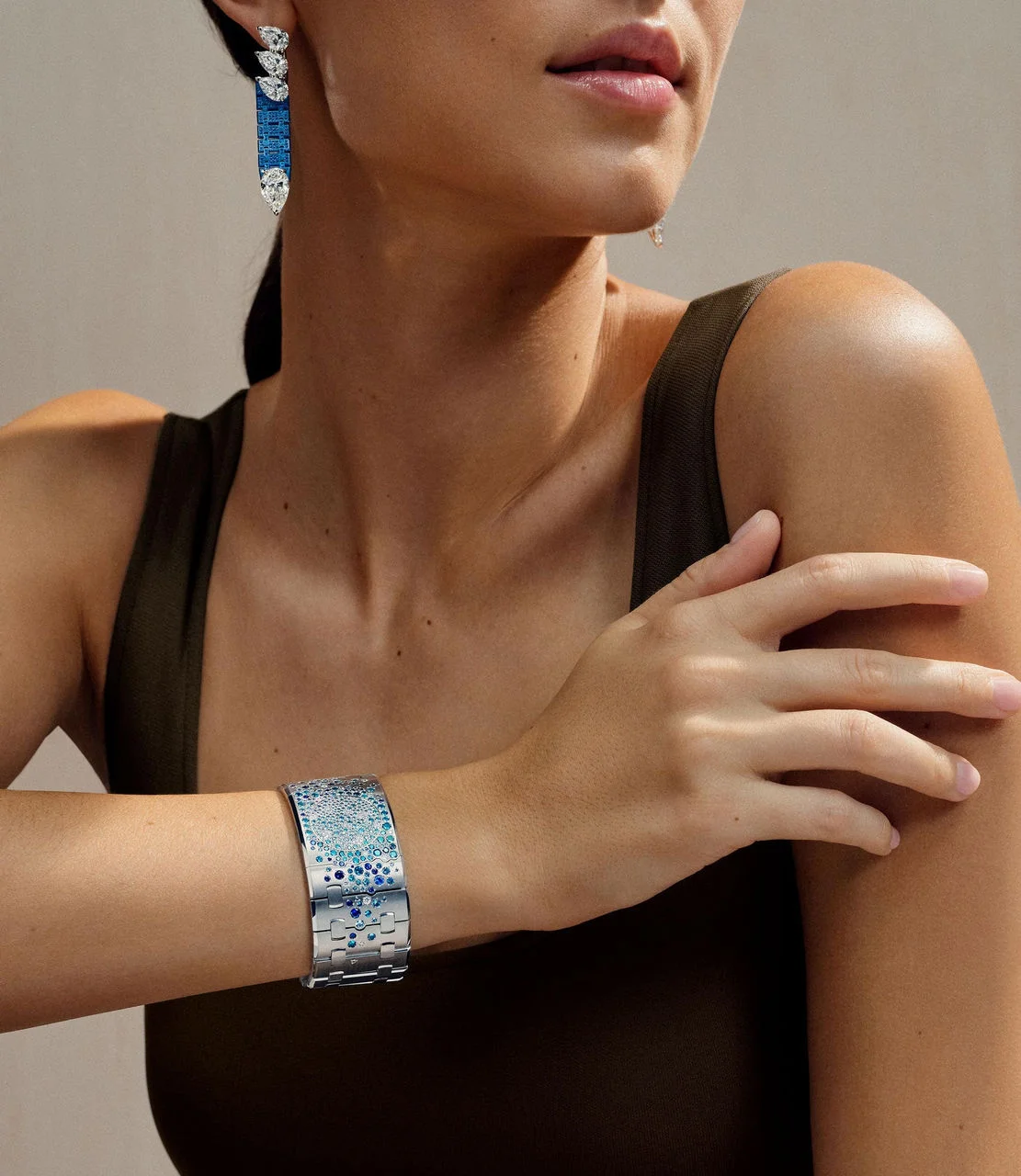
Royal Oak Dream of Joux Haute Joaillerie earrings in blue titanium and 18-carat white gold, set with 8 pear-shaped diamonds and a snow setting of blue sapphires. Royal Oak Blue Moon Haute Joaillerie bracelet in 18-carat white gold, set with diamonds, blue sapphires and Swiss-blue and London-blue topazes.
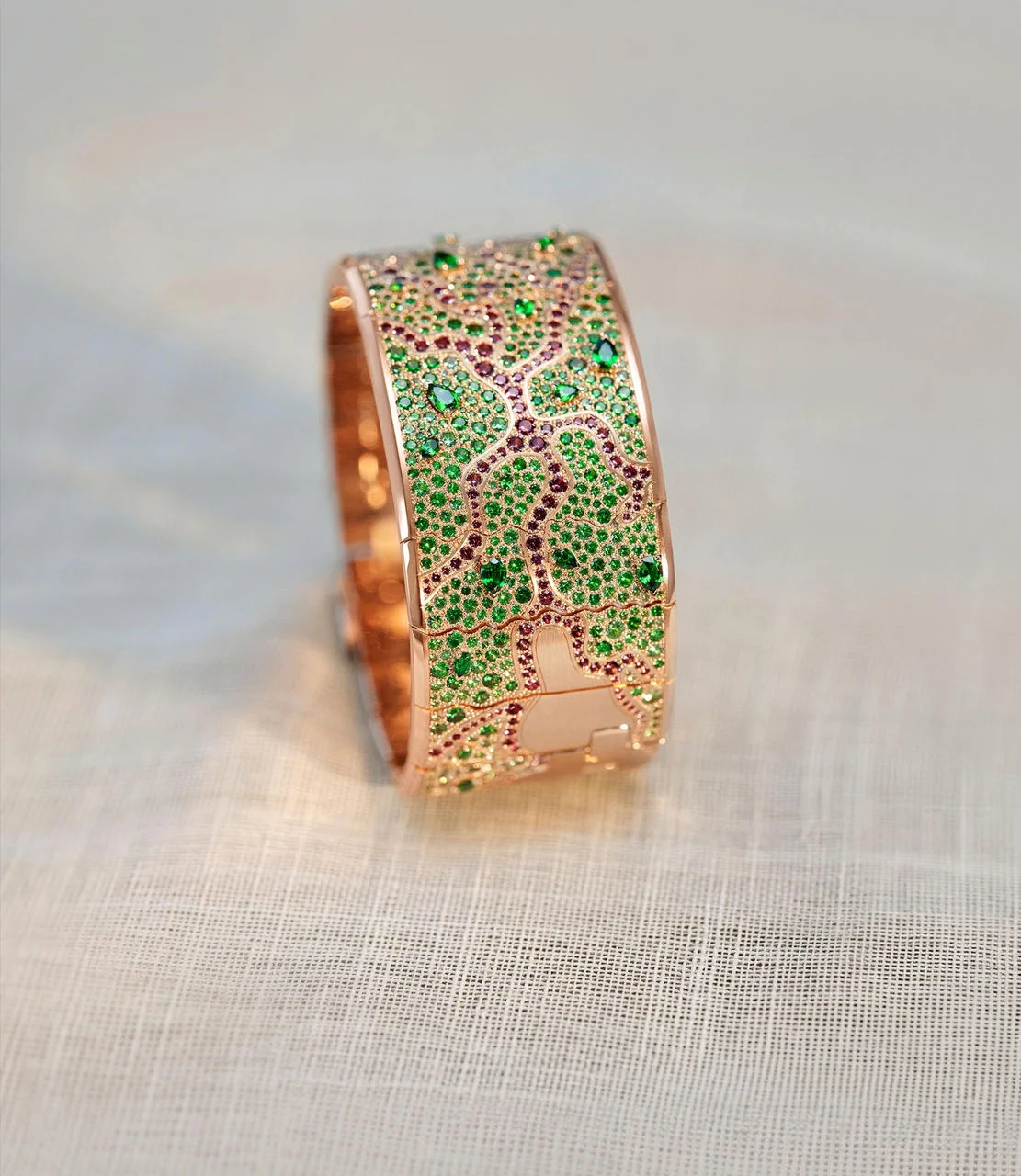
Royal Oak Tree of Life Haute Joaillerie bracelet in 18-carat pink gold, set with tsavorites and cognac sapphires.
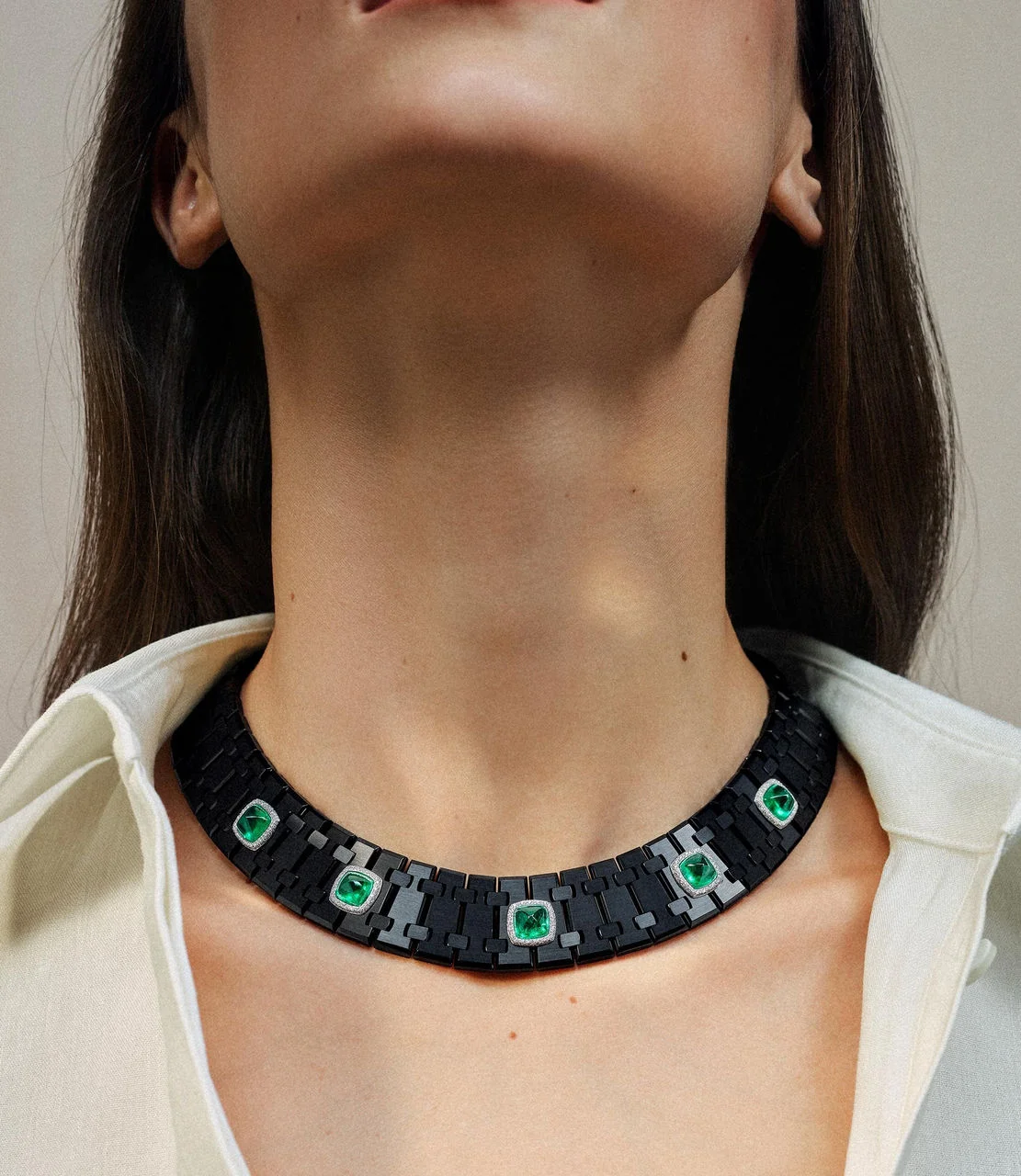
Royal Oak Risoud Eclipse Haute Joaillerie necklace in black titanium and 18-carat white gold, set with 5 sugarloaf emeralds and brilliant-cut diamonds.
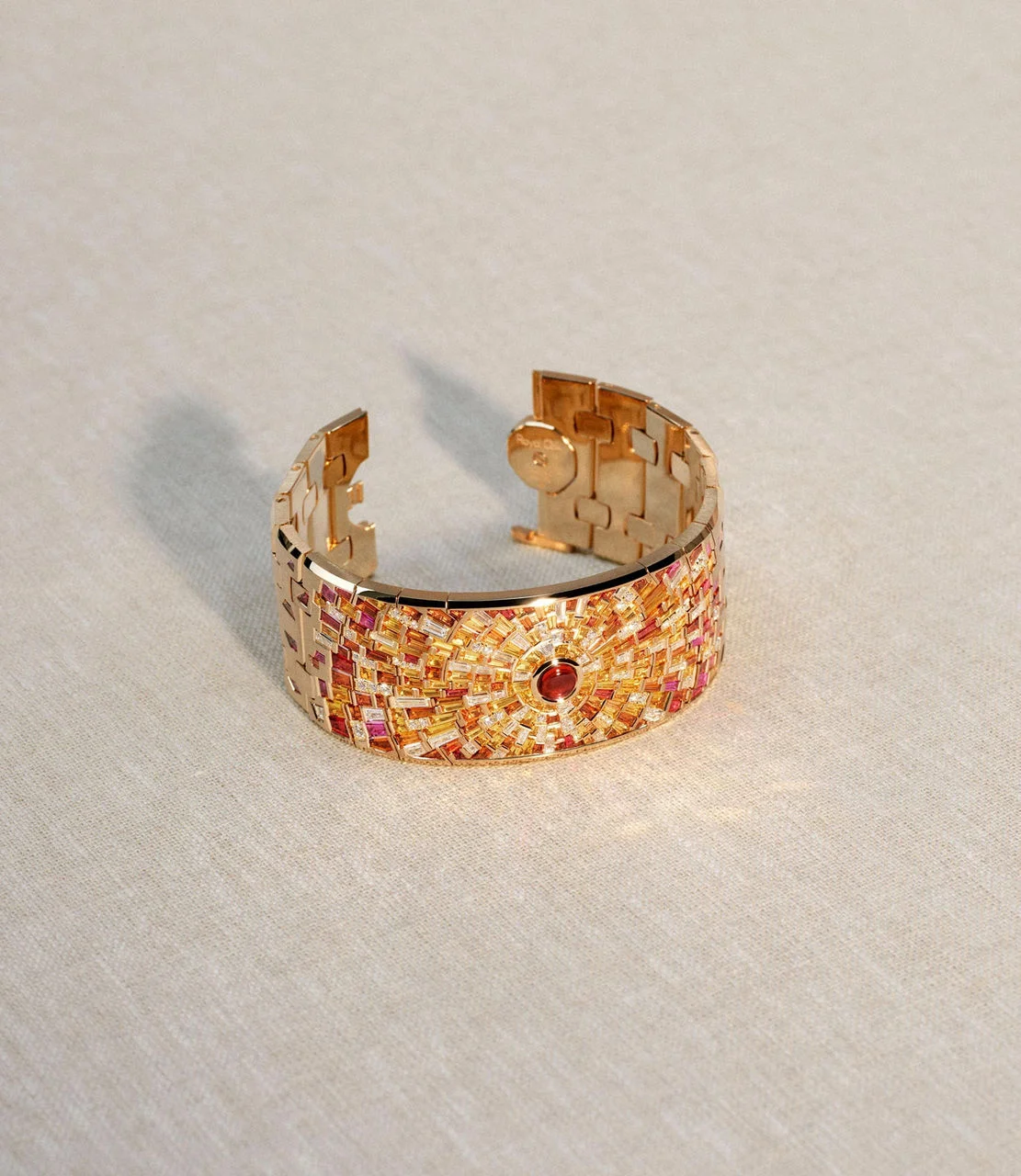
Royal Oak Sunburst Haute Joaillerie bracelet in 18-carat yellow gold, set with diamonds, yellow and orange spessartites and yellow, pink and orange sapphires.
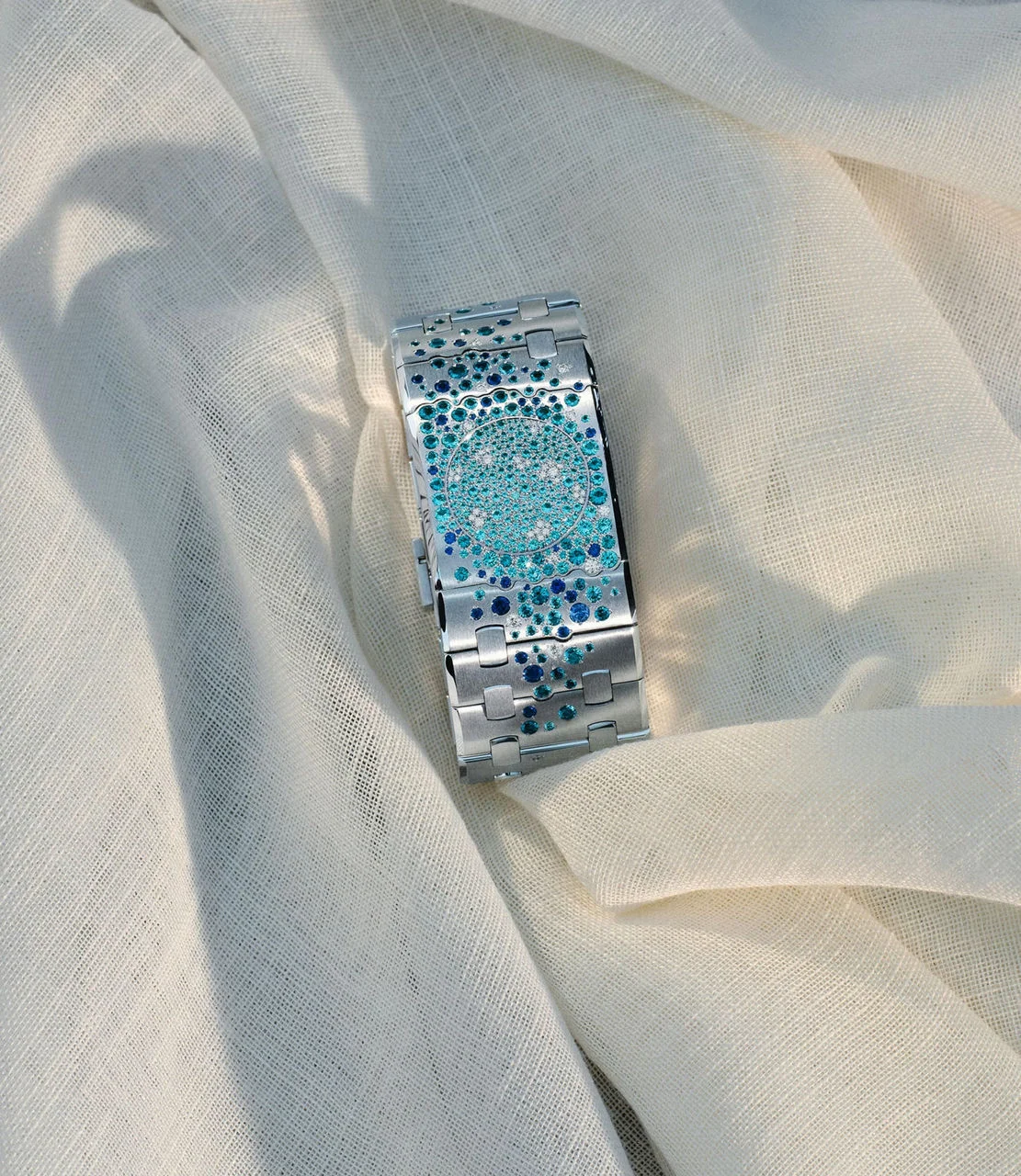
Royal Oak Blue Moon Haute Joaillerie bracelet in 18-carat white gold, set with diamonds, blue sapphires and Swiss-blue and London-blue topazes.
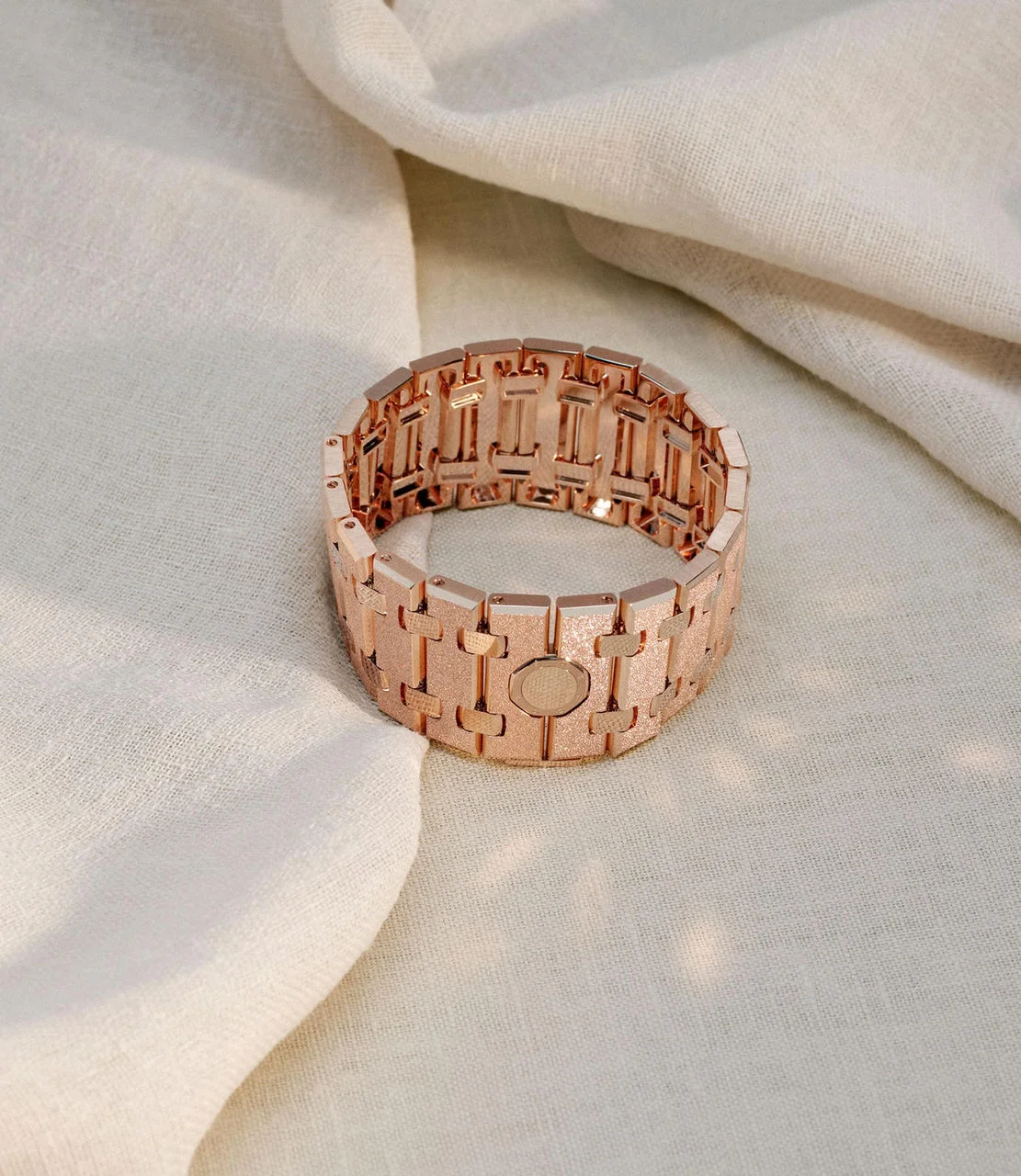
Royal Oak Summer Haze Haute Joaillerie bracelet in 18-carat pink Frosted gold.
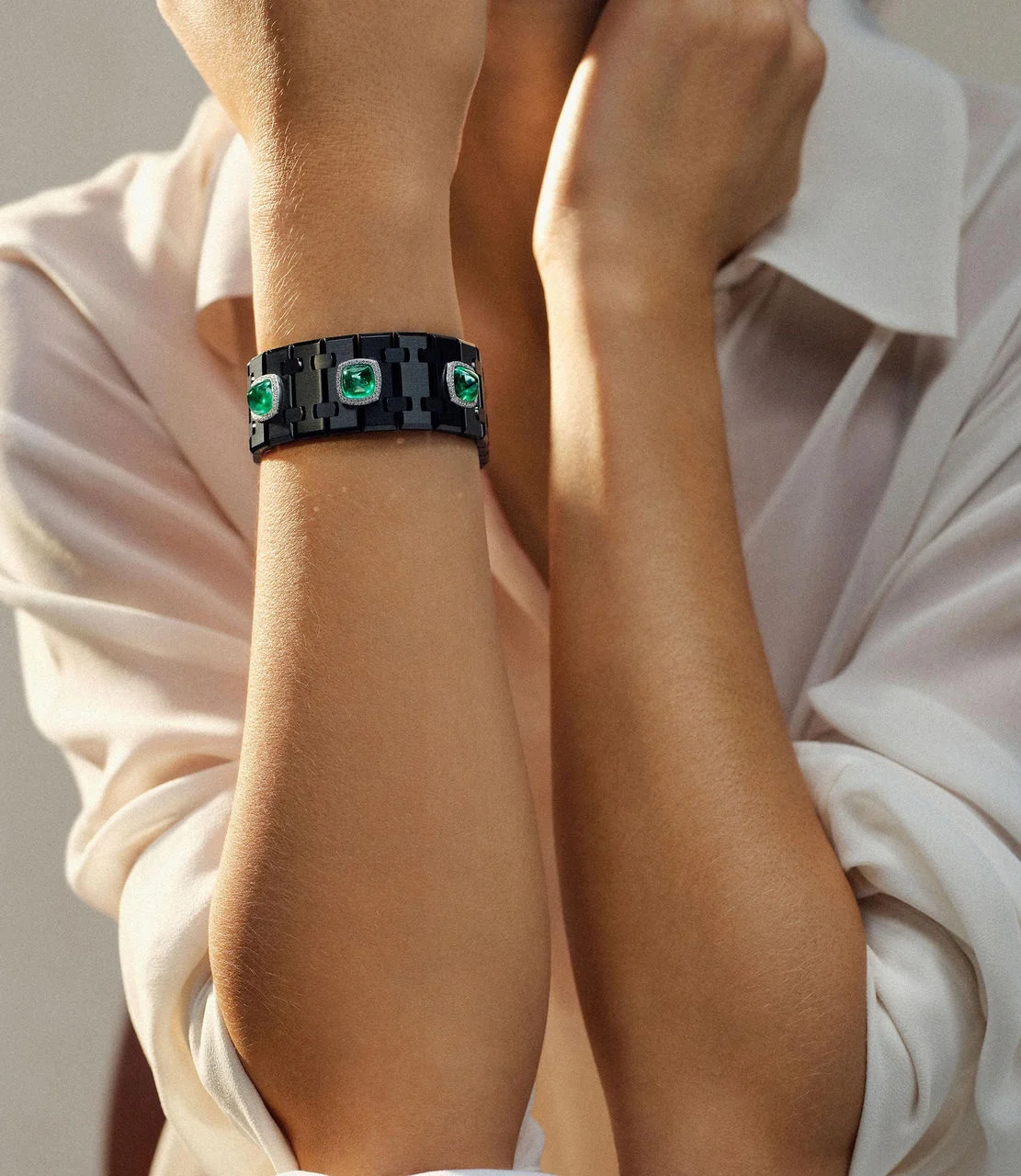
Royal Oak Risoud Eclipse Haute Joaillerie bracelet in black titanium and 18-carat white gold, set with 3 sugarloaf emeralds and brilliant-cut diamonds.
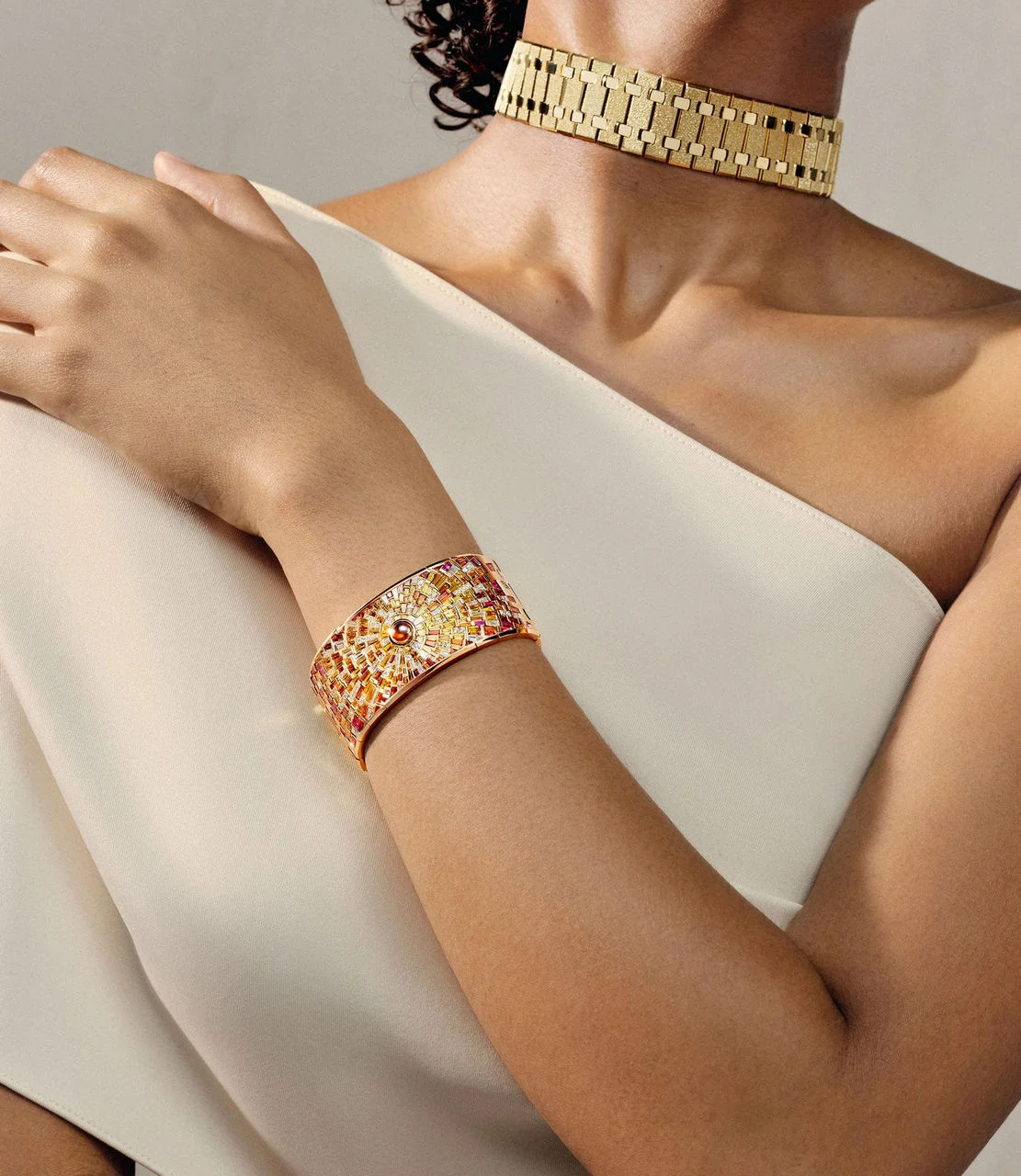
Royal Oak Summer Haze Haute Joaillerie necklace in 18-carat pink Frosted gold. Royal Oak Sunburst Haute Joaillerie bracelet in 18-carat yellow gold, set with diamonds, yellow and orange spessartites and yellow, pink and orange sapphires.