A grand story of small watches
Summary
From belfry clocks to tiny pistol
In the Middle Ages, watch mechanisms were often so large that a building known as a bell tower had to be specially erected to house them. However, miniaturisation soon became of a specialty. It is said that during the Renaissance, Queen Elizabeth I of England (1533–1603) not only owned a wristwatch, but also a watch whose alarm mechanism was concealed inside a ring!
Small movements provided scope for tremendous creativity and various watches soon appeared shaped like skulls, tulips, fleur-de-lys, shells, animals, stars, octagons and crosses. They were worn around the neck or the waist and became accessories that were above all ornamental rather than merely utilitarian, gradually growing smaller and more decorative, mid-way between watchmaking and jewellery.
It was in the 19th century, with the spread of the so-called "Lépine" calibres, that miniaturisation took another step forward. The Musée International d’Horlogerie in La Chaux-de-Fonds houses a watch from the 1850s with a movement no more than 1.18 mm thick! In 1851, a watchmaker from the Vallée de Joux by the name of Adolphe Audemars had fun creating a microscopic pistol with a functional mechanism for the Great Exhibition in London and measuring a total 5.5 mm in length. For the past two centuries, the quest for the smallest and thinnest timepieces has continued unabated.
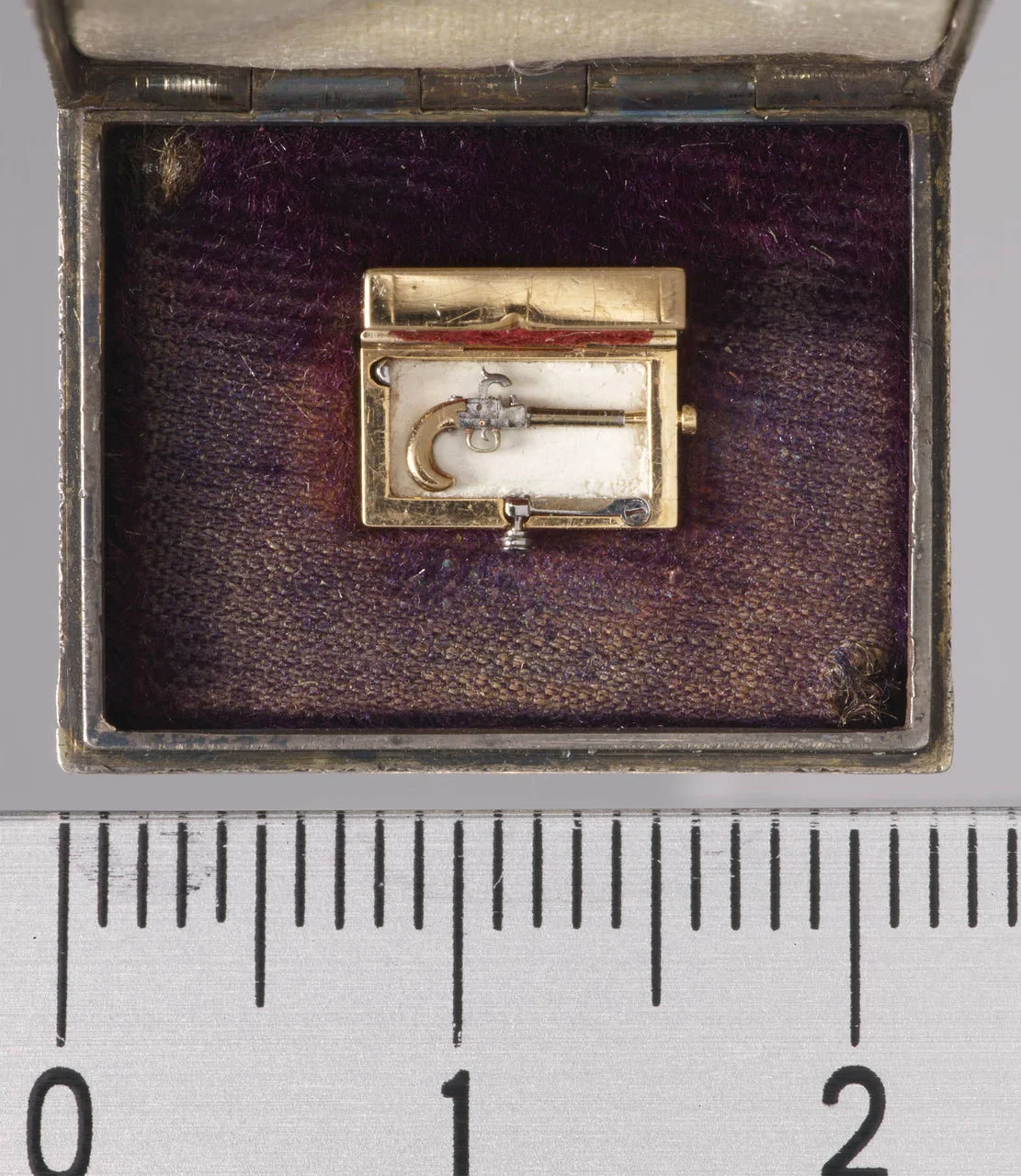
Circa 1850. Microscopic pistol. Made by Adolphe Audemars, it caused a sensation at the Great Exhibition in London in 1851. © Musée d’Art et d’Histoire de Genève. photo Flora Bevilacqua.
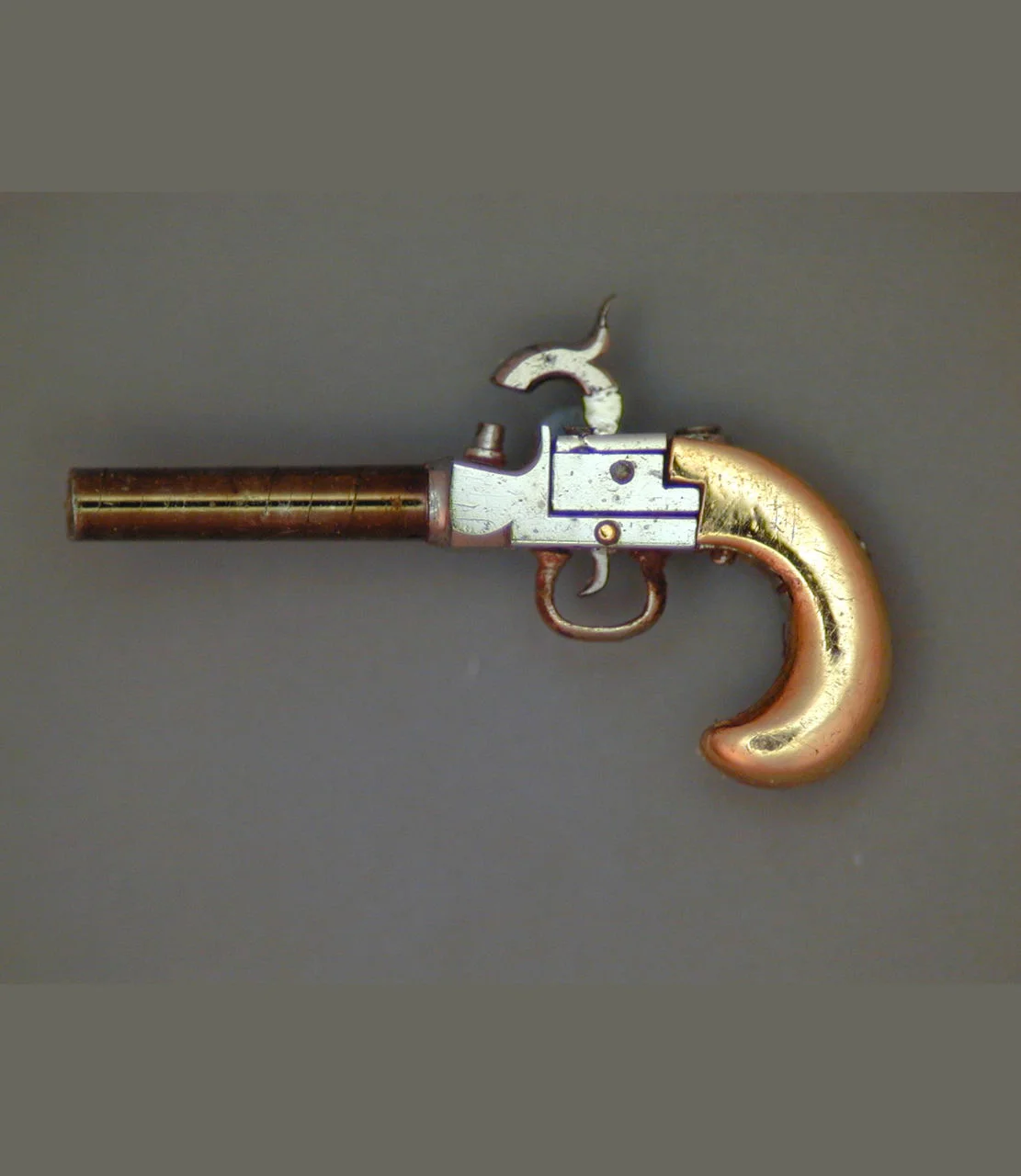
Circa 1850. Microscopic pistol. Made by Adolphe Audemars, it caused a sensation at the Great Exhibition in London in 1851. © Musée d’Art et d’Histoire de Genève photo Sylvian Aubry.
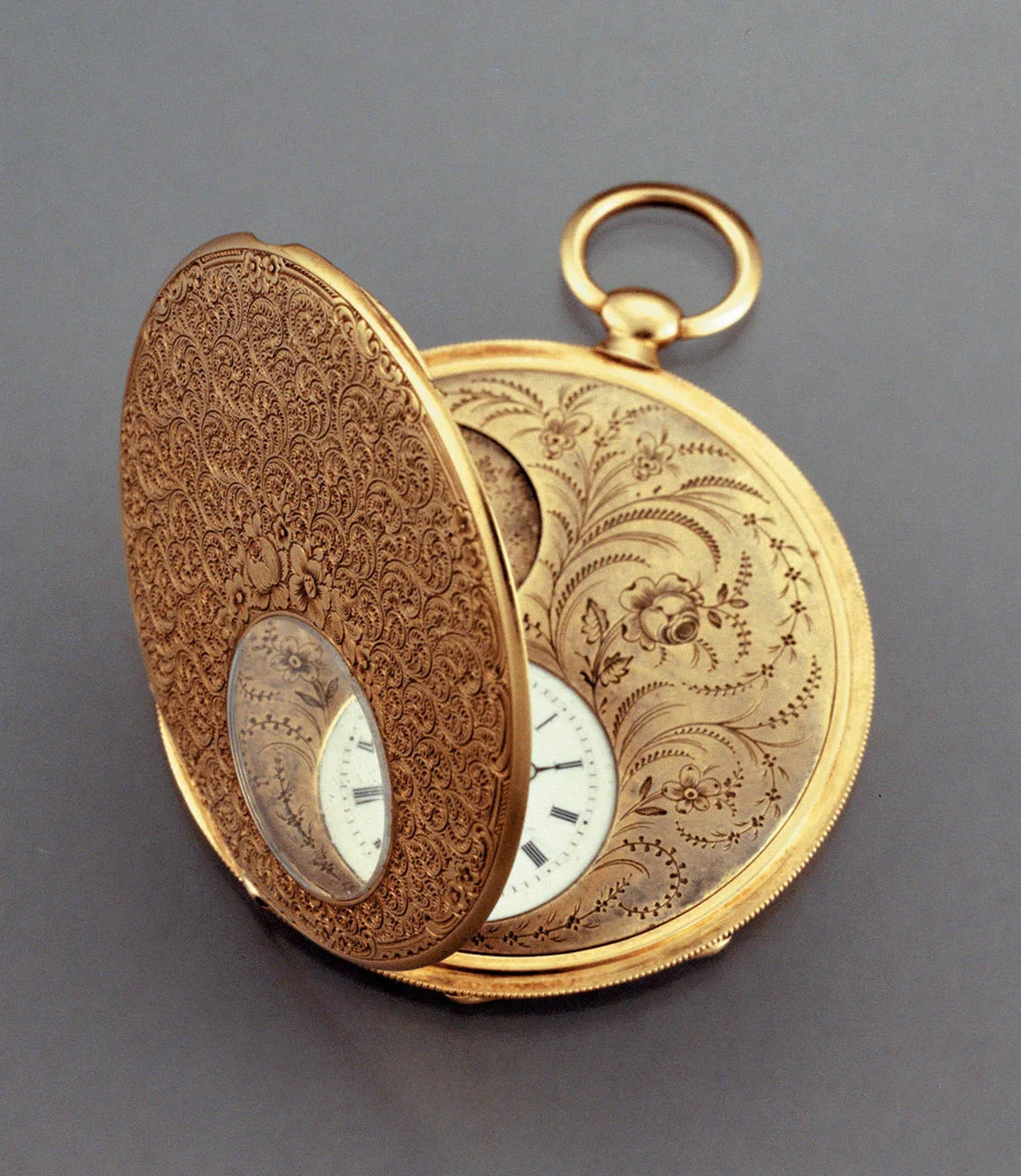
Circa 1850. Ultra-thin pocket watch. This watch, measuring a total 2.6 mm thick, houses a 1.18 mm-thick calibre. Anonymous. Collection International Museum of Horology, La Chaux-de-Fonds.
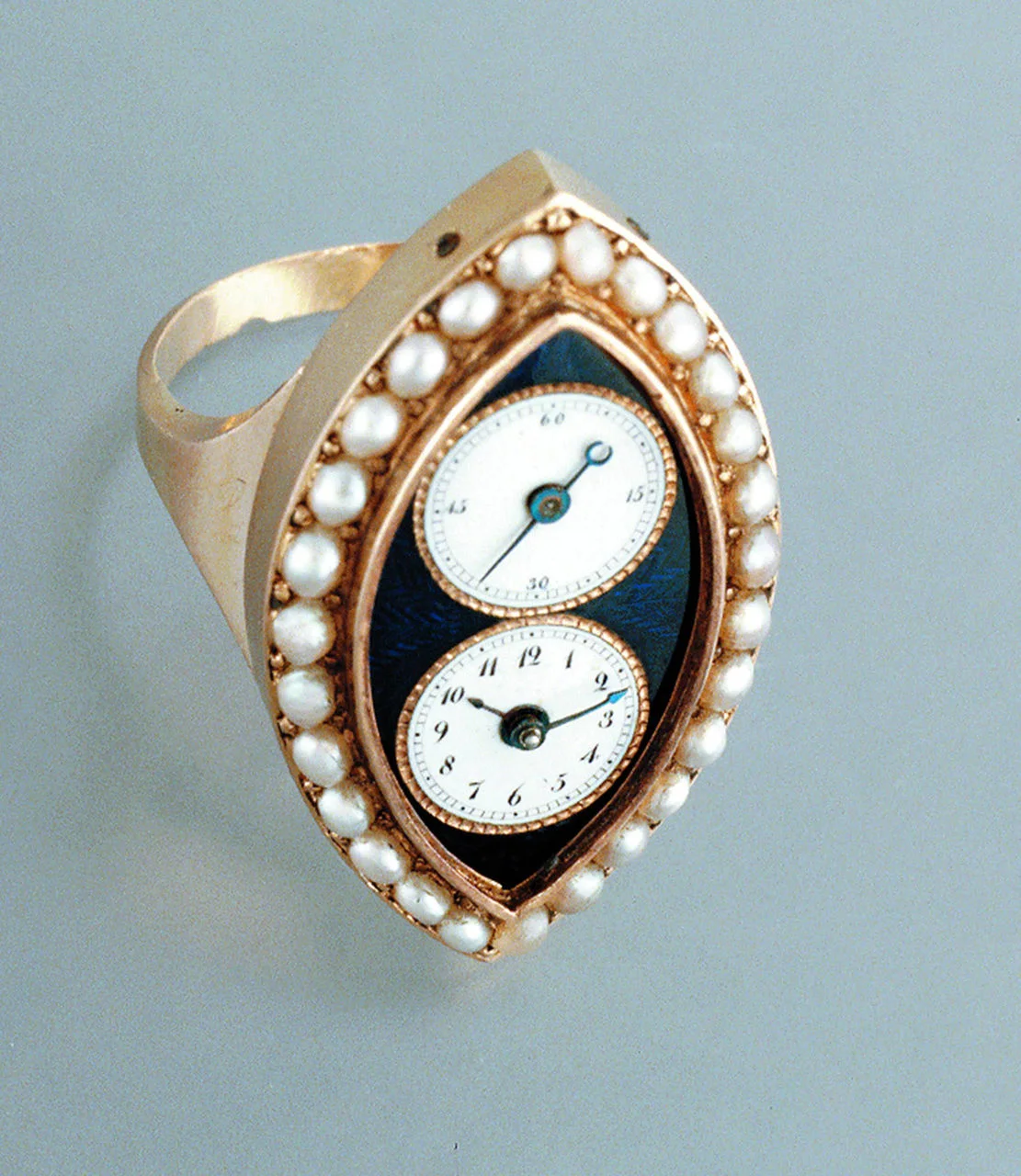
Circa 1800. Ring watch. The seconds indication is displayed on a separate dial. Anonymous. Collection International Museum of Horology, La Chaux-de-Fonds.
Audemars Piguet, ever smaller and thinner
In watchmaking, just as in the Olympic Games, there are certain key disciplines. Artisans have been competing for centuries to offer the most accurate (chronometry), most complicated and smallest timepieces. Obviously, being simultaneously small, complicated and accurate is even more difficult. It’s a bit like an athlete winning the 100 metres, the world chess championship and the curling final.
A master of complications since 1875, Audemars Piguet took an early interest in miniature watches. In 1891, for example, its watchmakers created a movement with a diameter of just 18 mm that chimed the time on demand. In 1921, they beat their own record by reaching 15.8 mm, although the watchmaker in charge of the project made the following comment in his little notebook: "I won't make one like it again, at any price".
If there were no added horological complications, sizes could be reduced still further. In 1927, Audemars Piguet created Calibre 5/7SB, the smallest mechanical movement of its time. Competition was fierce in the Vallée de Joux and two years later, its neighbour LeCoultre & Cie created Calibre 101, which rose to fame and is still produced today. Nevertheless, watches equipped with these tiny mechanisms are so small that one can barely tell the time.
Audemars Piguet then focused on ultra-thin calibres, building on the 1921 record-breaking Calibre 17SVF#5, which was no more than 1.32 mm thick. In the aftermath of World War II, the brand became a benchmark for thinness. In 1958, almost three-quarters of its production housed ultra-thin Calibre 2003, barely 1.64 mm thick, based on an "ébauche" by LeCoultre & Cie.
Ultra-thin watchmaking is synonymous with comfort, lightness and ergonomics. Audemars Piguet has continued to develop this speciality right up to the present day.
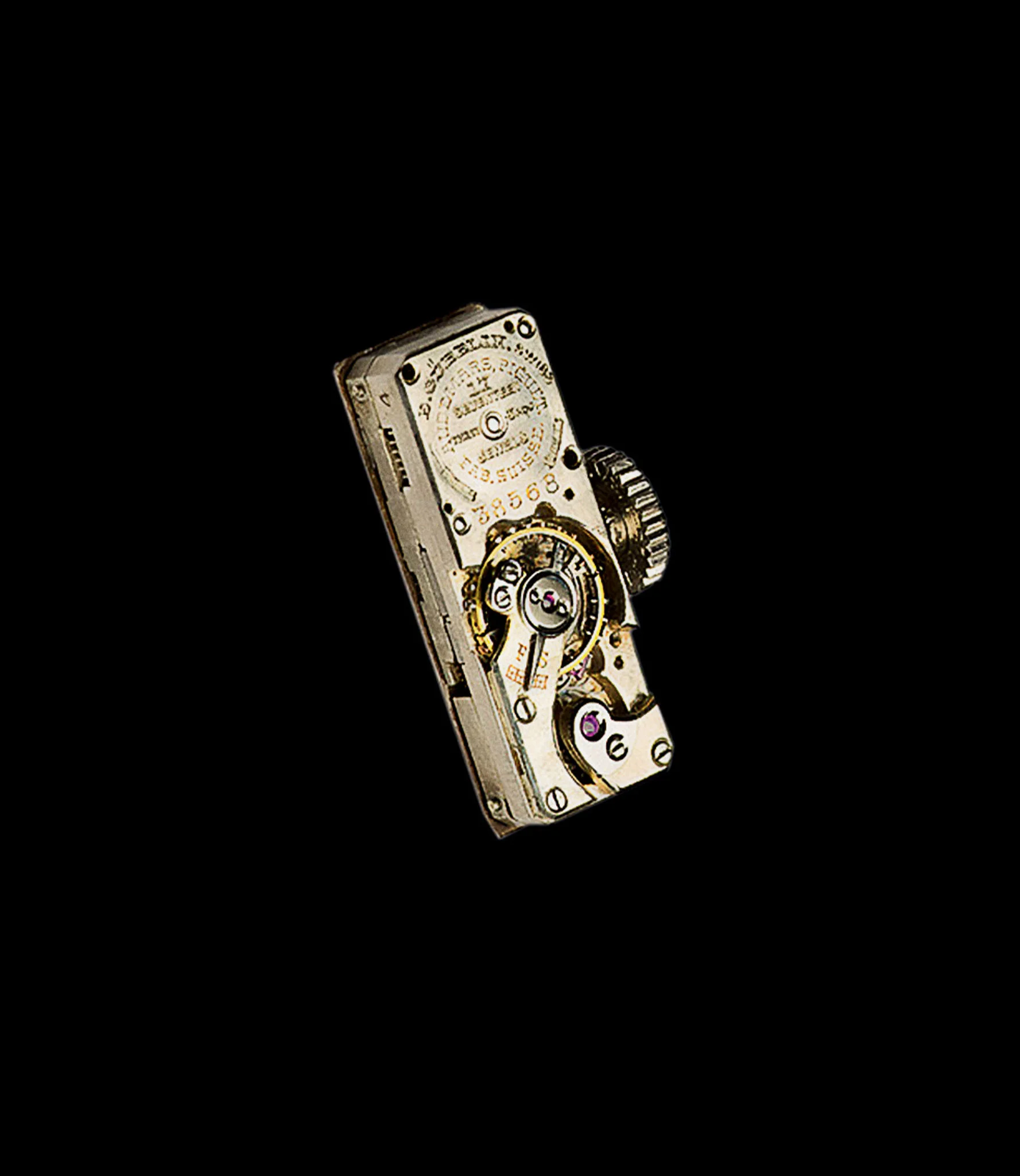
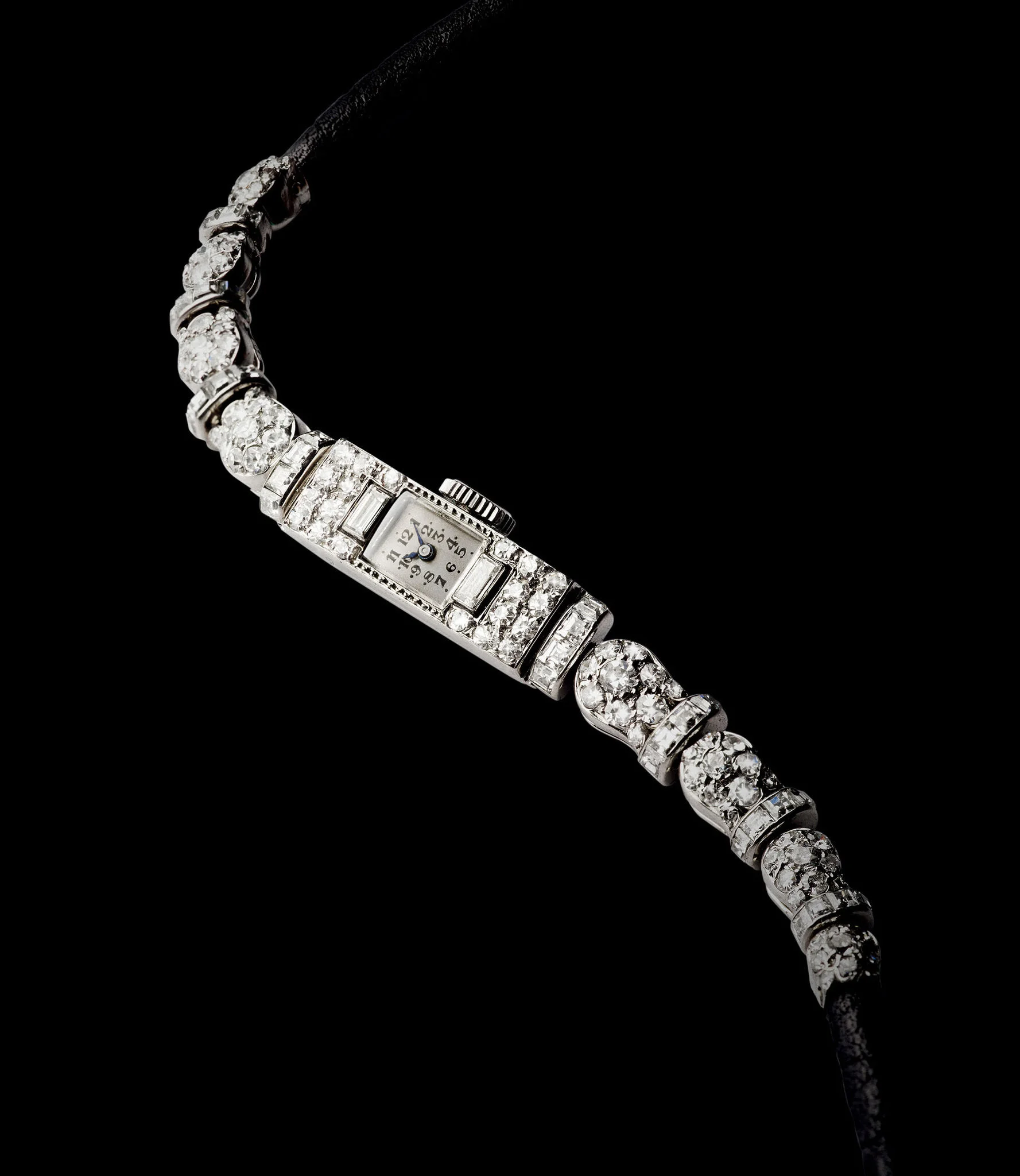
1927. Miniature wristwatch fitted with Calibre 5/7SB, the smallest of its time. Platinum. Audemars Piguet Heritage, inv. 180.
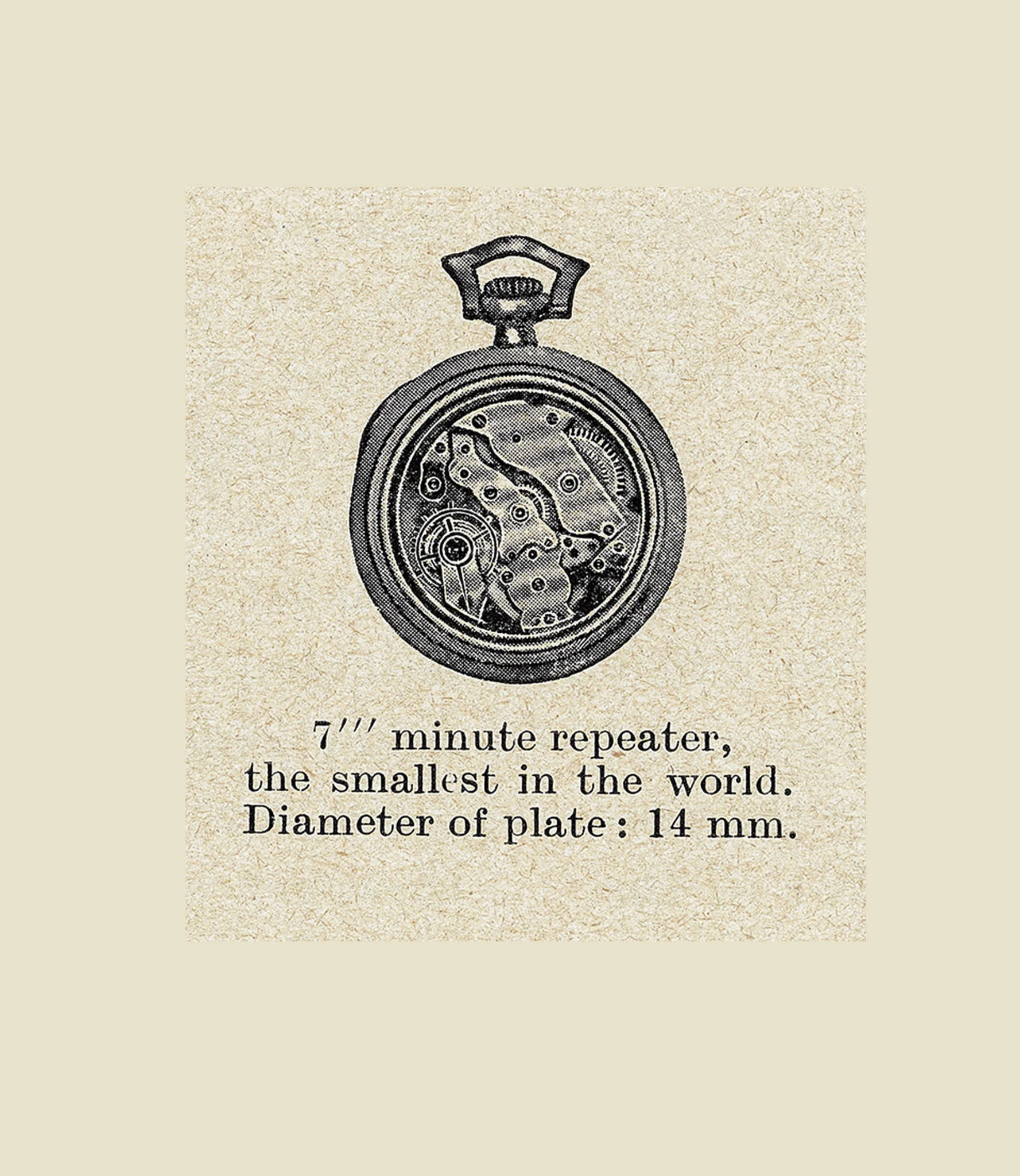
In 1924, the Journal Suisse d'Horlogerie presented this calibre made three years earlier by Audemars Piguet. Audemars Piguet Archives.
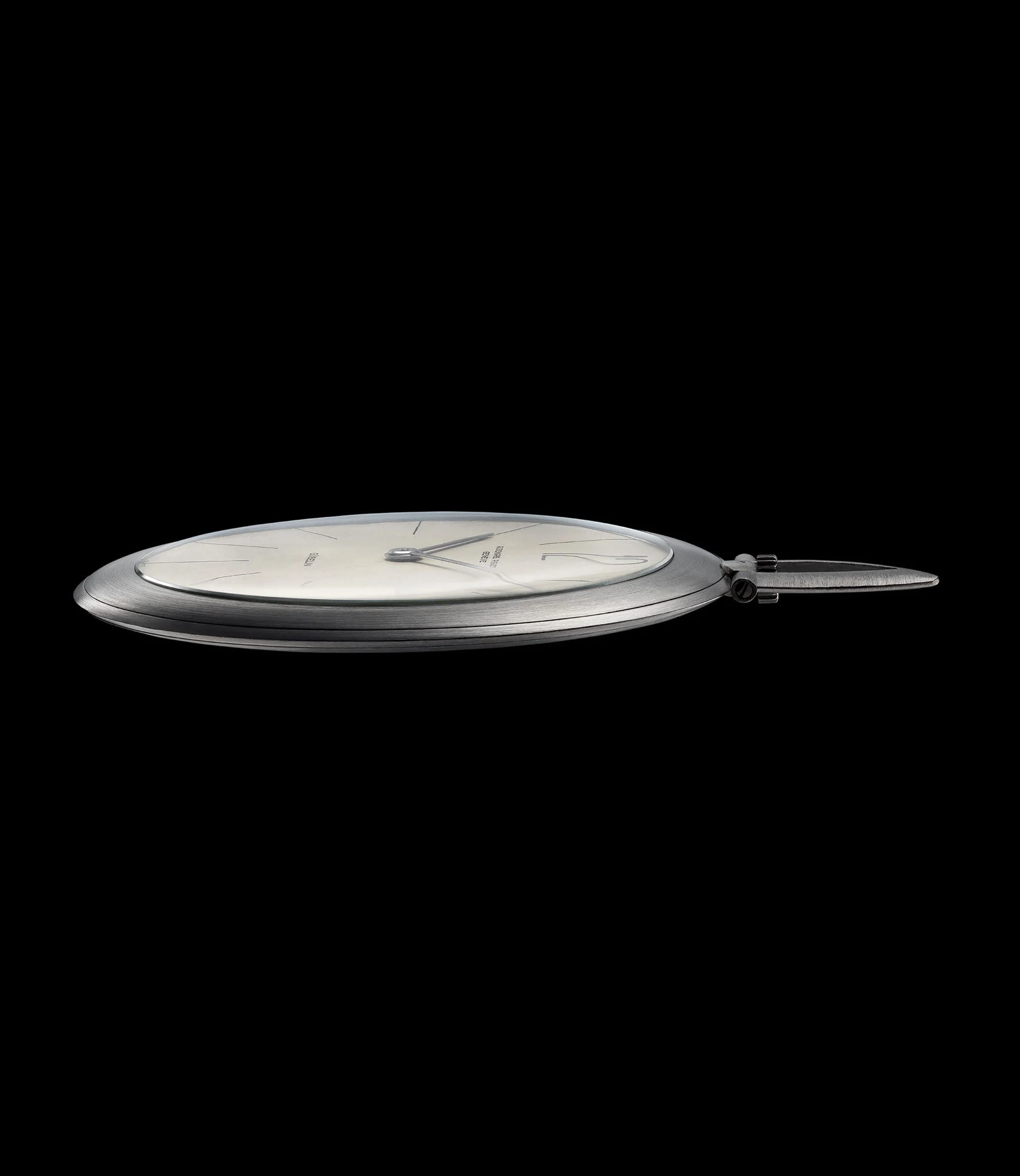
1952. Ultra-thin pocket watch. Created in 1921, Calibre 17SVF#5 was the thinnest of its time. Movement 47831. Platinum. Audemars Piguet Heritage, inv. 250.
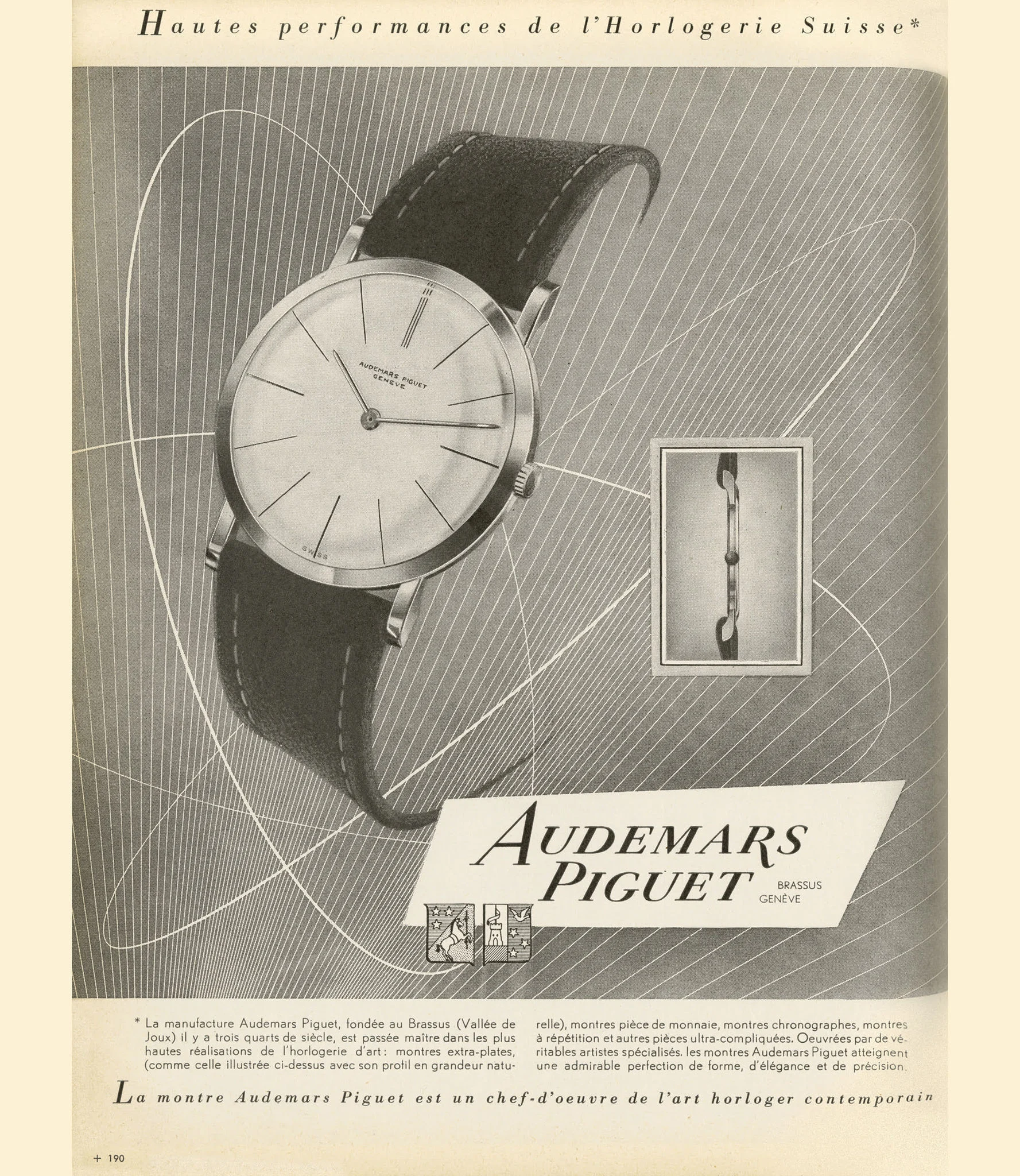
Published between 1950 and 1959, this advertisement confirms Audemars Piguet's focus on ultra-thin watches at the start of the Post-War boom years. Audemars Piguet Archives.
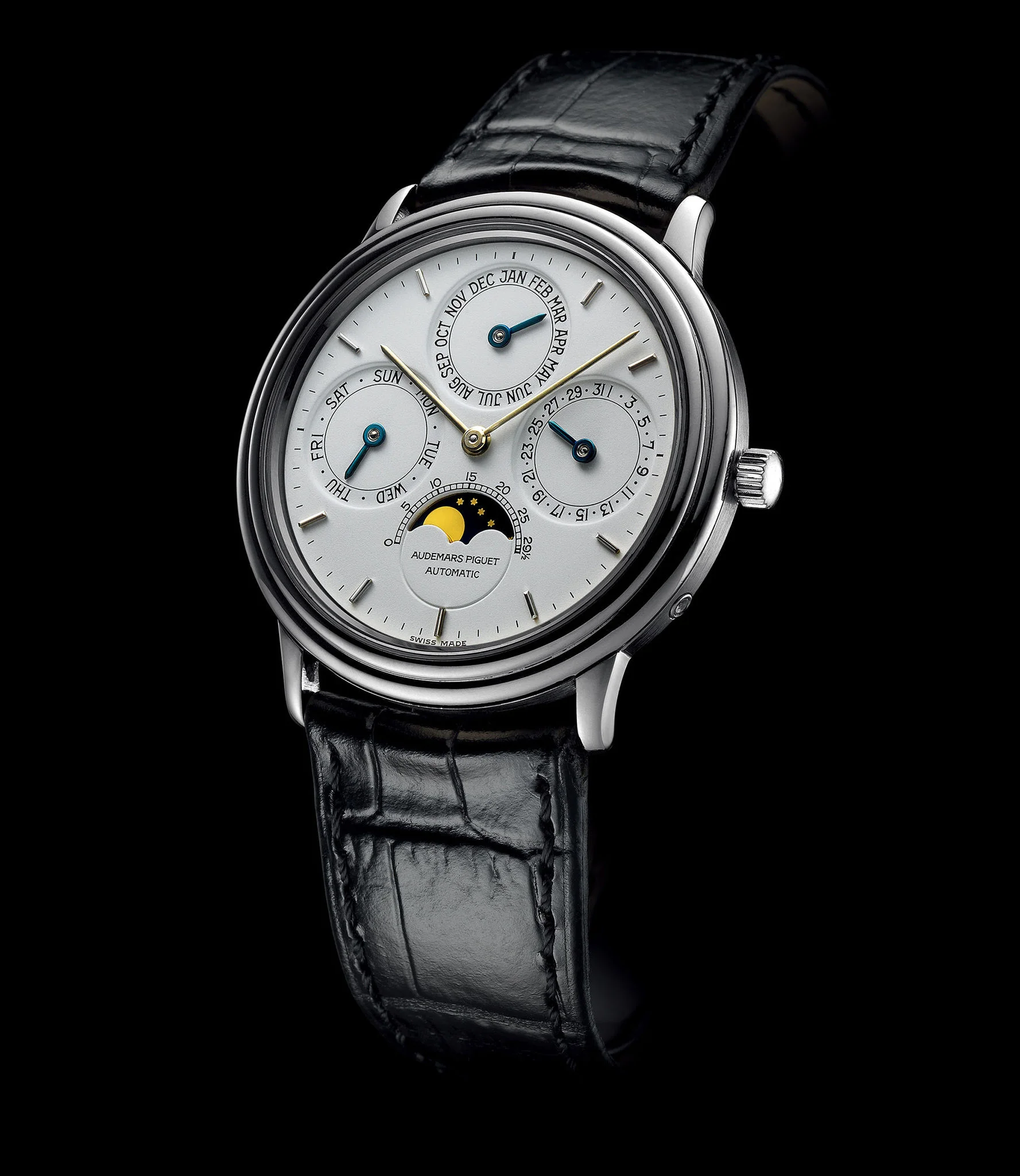
Introduced in 1978, Calibre 2120/2800 housed in this 1987 watch remained the thinnest selfwinding movement with perpetual calendar and central rotor for 40 years. Model 25548BC. Audemars Piguet Heritage, inv. 1584.
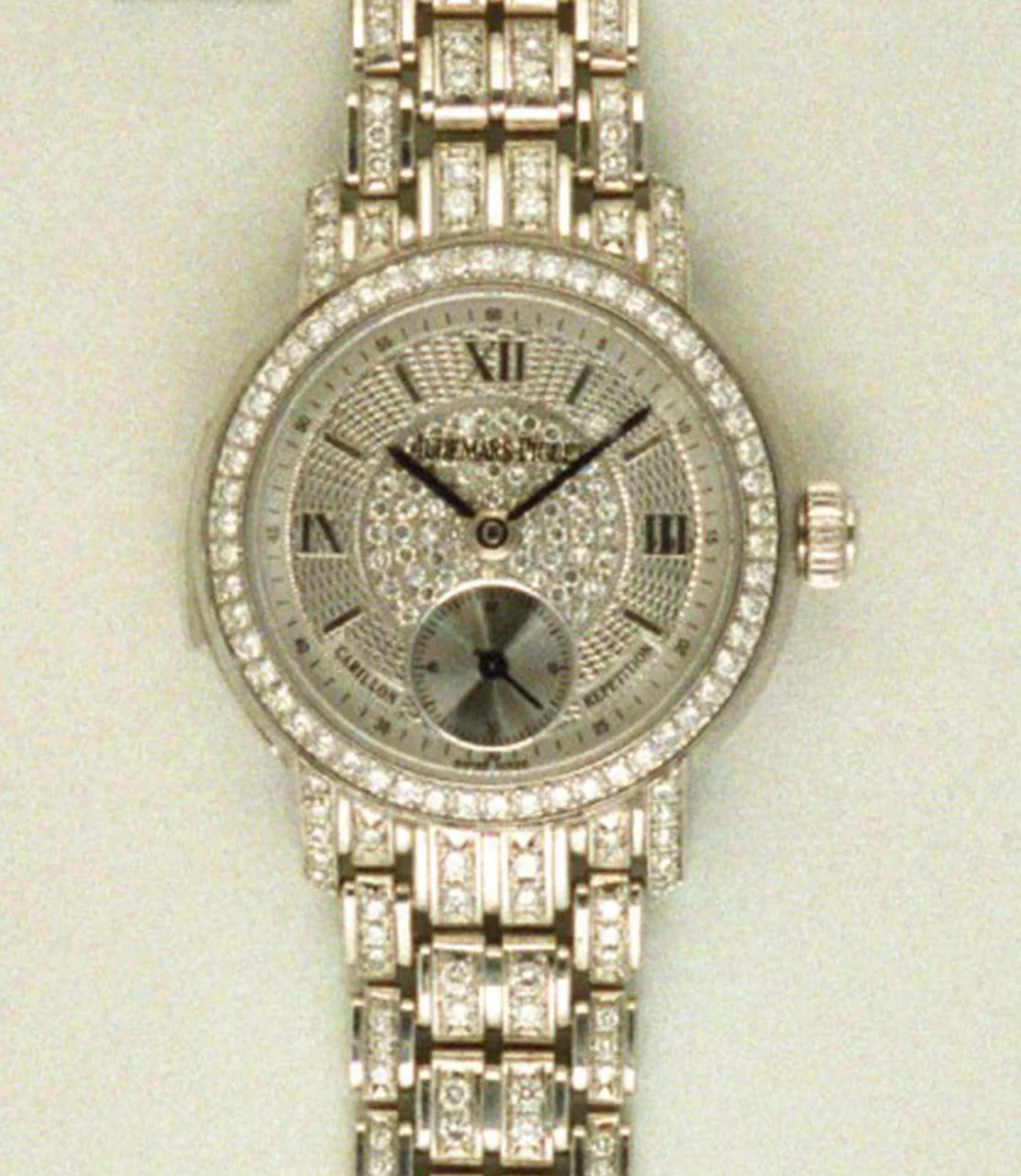
Its 22 mm-diameter Calibre 2873 chimes the hours and minutes on demand. Model 25891, 1997. Audemars Piguet Archives.
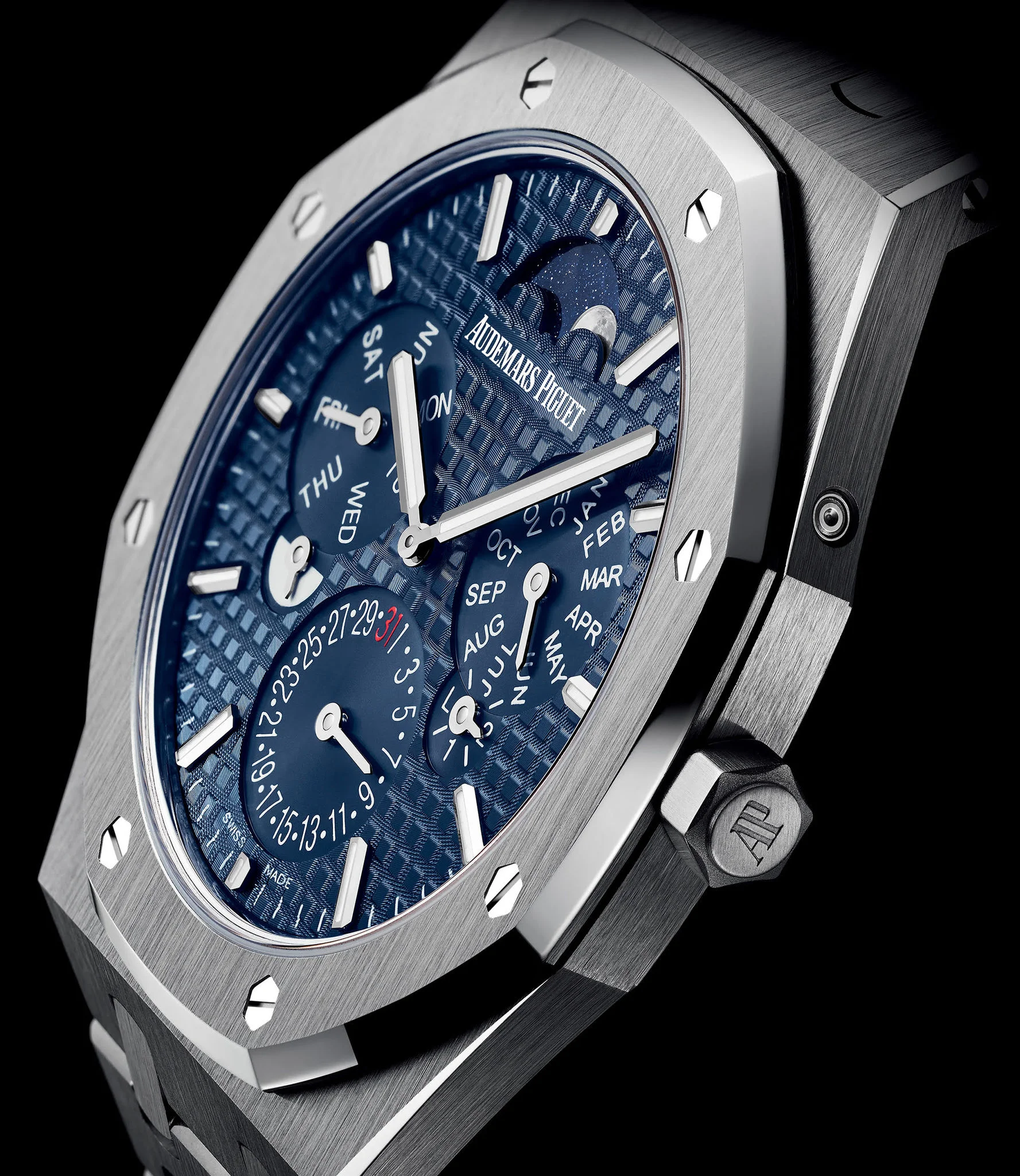
Presented in 2015, the Royal Oak Perpetual Calendar RD#2 contains selfwinding Calibre 5133 with a total thickness of 2.89 mm. Audemars Piguet Heritage, Inv. 1978.
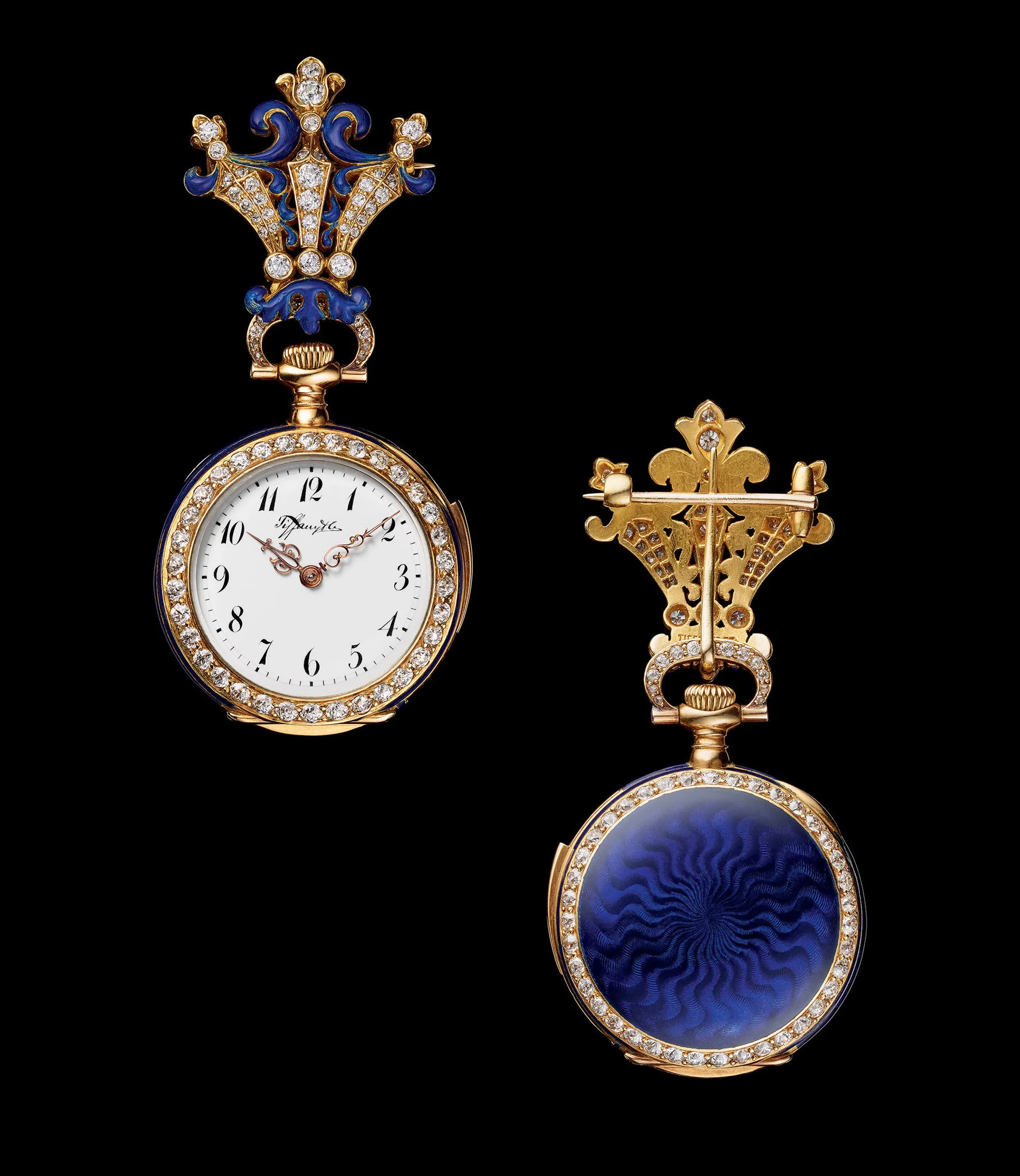
1892. Miniature minute repeater brooch watch. Movement No. 4269, 10-ligne Calibre (22.6 mm). Case in 18-carat yellow gold. Sold in 1897. Audemars Piguet Heritage, inv. 35.
Honey, I shrunk the Royal Oak
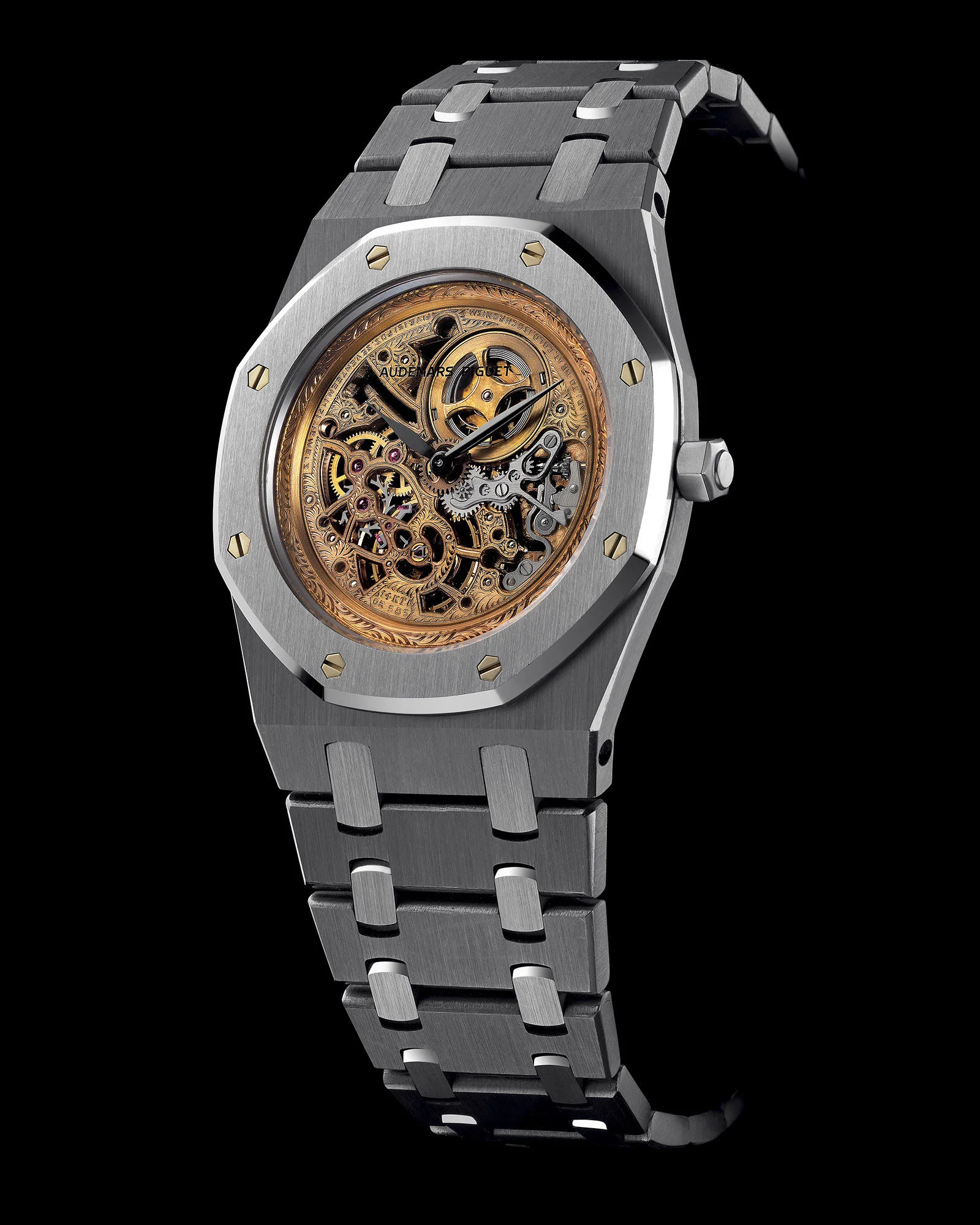
At 39 mm in diameter in 1972, the first Royal Oak was big, even very big. That is definitely what those who witnessed its birth were thinking when they christened it "Jumbo". And yet, this big watch housed the world's thinnest selfwinding calibre...
Audemars Piguet's watchmakers soon developed a smaller version. Introduced in 1976, the very first Royal Oak for women measured just 29 mm in diameter. Its story is told here.
Back then, its selfwinding Calibre 2062 was reaching its limits in terms of energy management and it was almost impossible to reduce its diameter while maintaining good performance. That is why, when the question of further shrinking the diameter of the Royal Oak arose, Audemars Piguet turned to quartz technology, which was booming at the time and had made giant strides in terms of miniaturisation within the space of a decade.
Between 1980 and the present day, more than 100 Royal Oak models measuring less than 29 mm in diameter have been launched. They have all without exception been equipped with quartz calibres. Below is the full list of calibres that have powered Royal Oak quartz model as well as the watches’ respective diameters:
• From 1978: Calibre 2511 (rectangle)
• From 1980: Calibre 2502 (26 mm, 30 mm, 35 mm, 39 mm)
• From 1981: Calibre 2511 (rectangle)
• From 1982: Calibre 2506 (35 mm, 36 mm)
• From 1983: Calibre 2505 (35 mm, 36 mm)
• From 1983: Calibre 2612 (30 mm and 33 mm)
• From 1984: Calibre 2711 (30 mm)
• From 1985: Calibre 2508 (33 mm, 26 mm)
• From 1986: Calibre 2610 (24.5 mm, 25 mm, 27 mm, 28 mm, 30 mm and 33 mm)
• From 1994: Calibre 2710 (24.5 mm, then 25 mm and 27 mm)
• From 1996: Calibre 2712 (33 mm)
• From 1997: Calibre 2601 (20 mm)
• From 2012: Calibre 2713 (33 mm)
• From 2015: Calibre 2716 (37 mm)
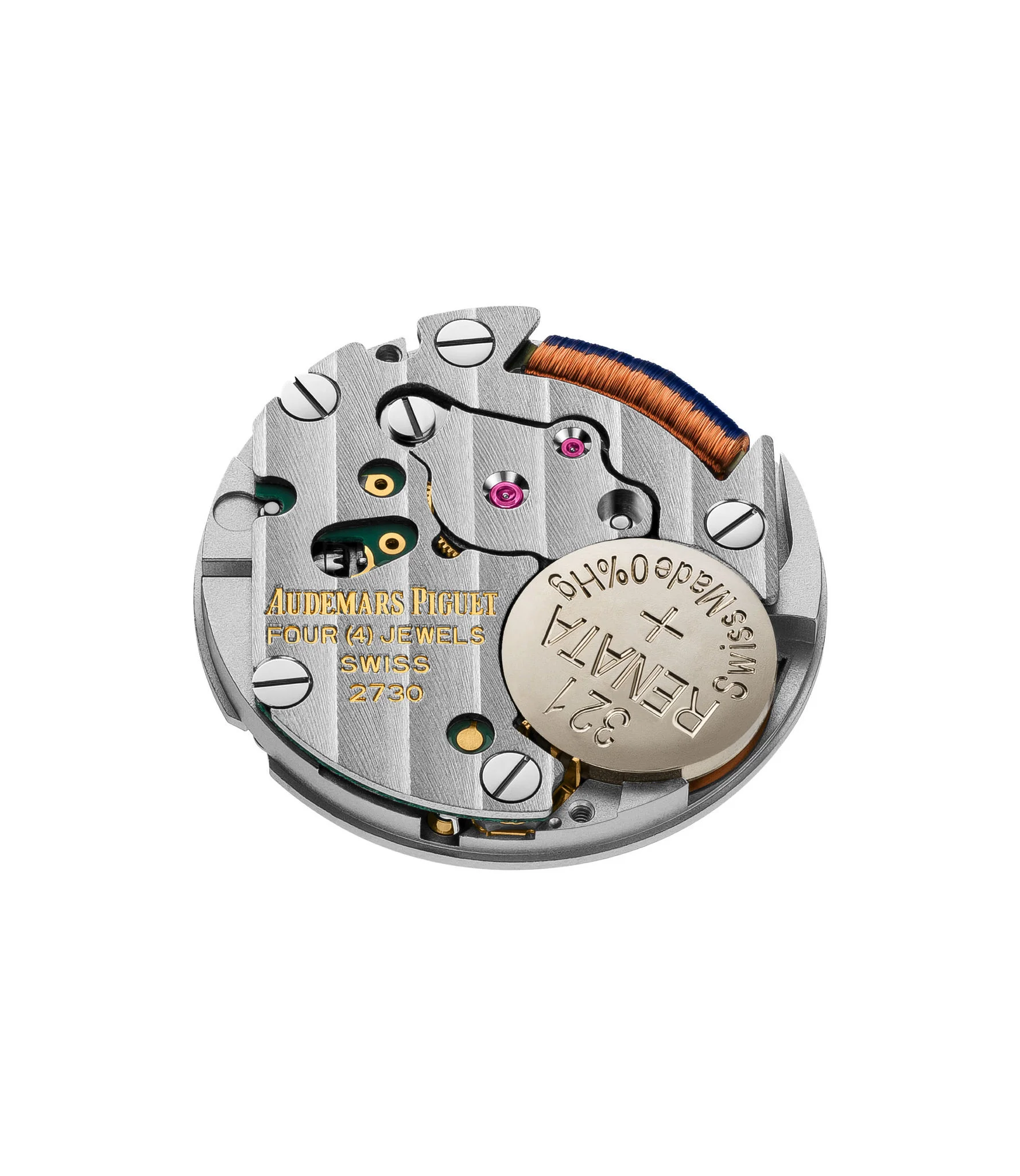
• From 2024: Calibre 2730 (23 mm)
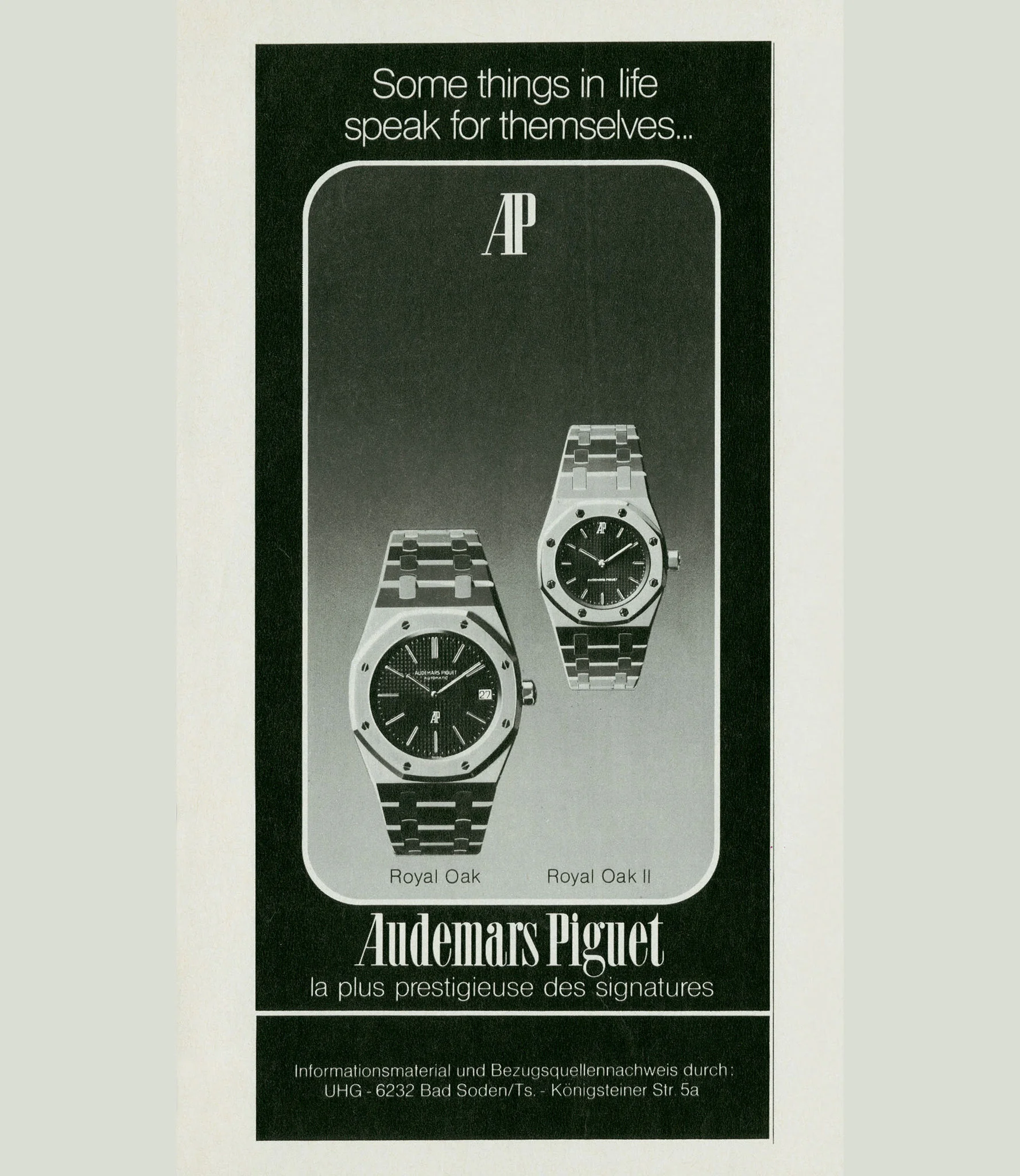
1976. Royal Oak I and II advertisement. Published in the German magazine Der Spiegel in October 1976, this ad presents the two models that constituted the full Royal Oak collection back then: 5402 (as early as 1972) and 8638 (1976) – both available only in steel. Audemars Piguet Archives.
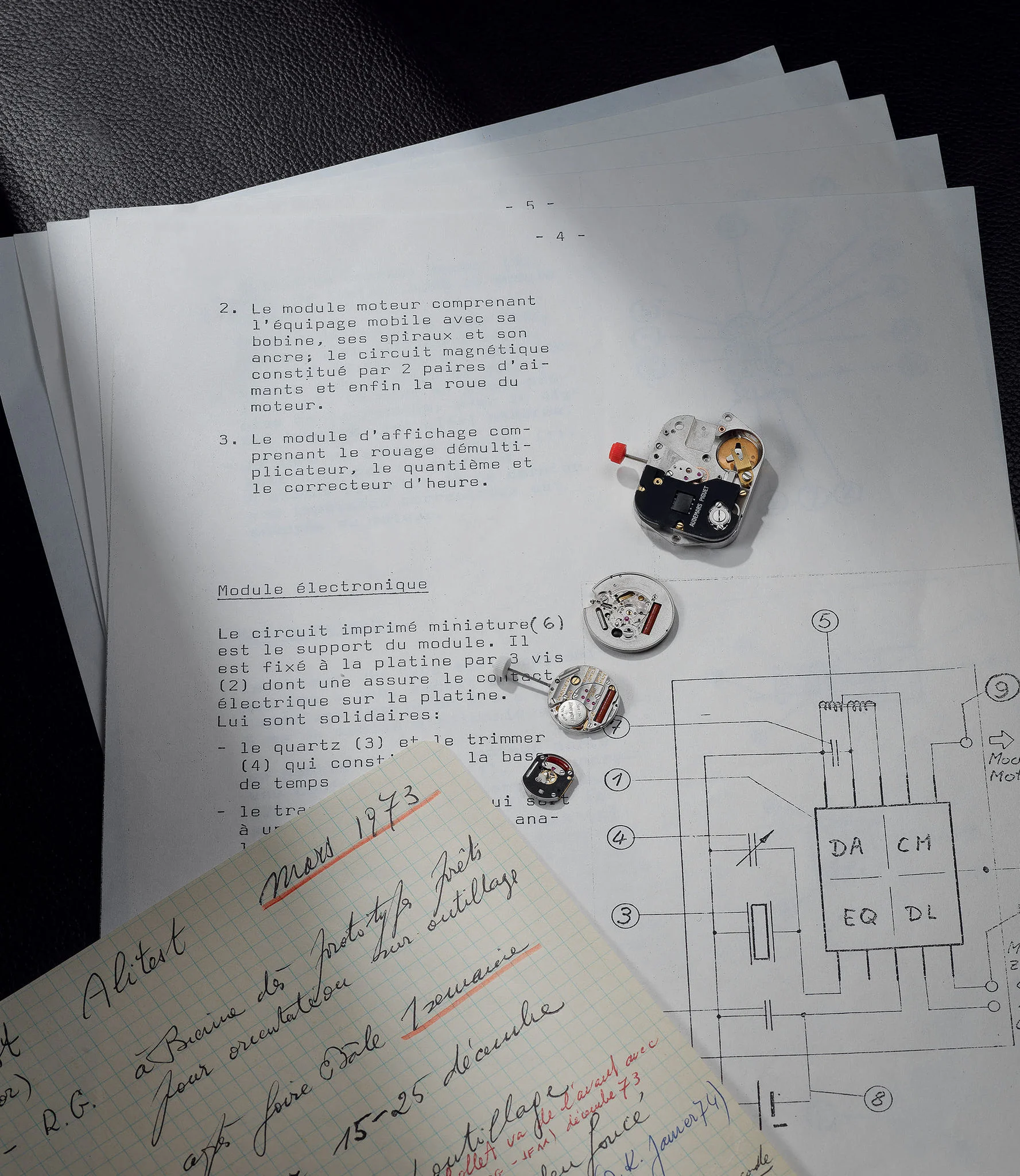
1974–1997. Miniaturisation of quartz calibres. From Calibre 350 in 1974 to Calibre 2601, the miniaturisation is stunning. The documents in the background relate to the development of Calibre 350. Audemars Piguet Archives.
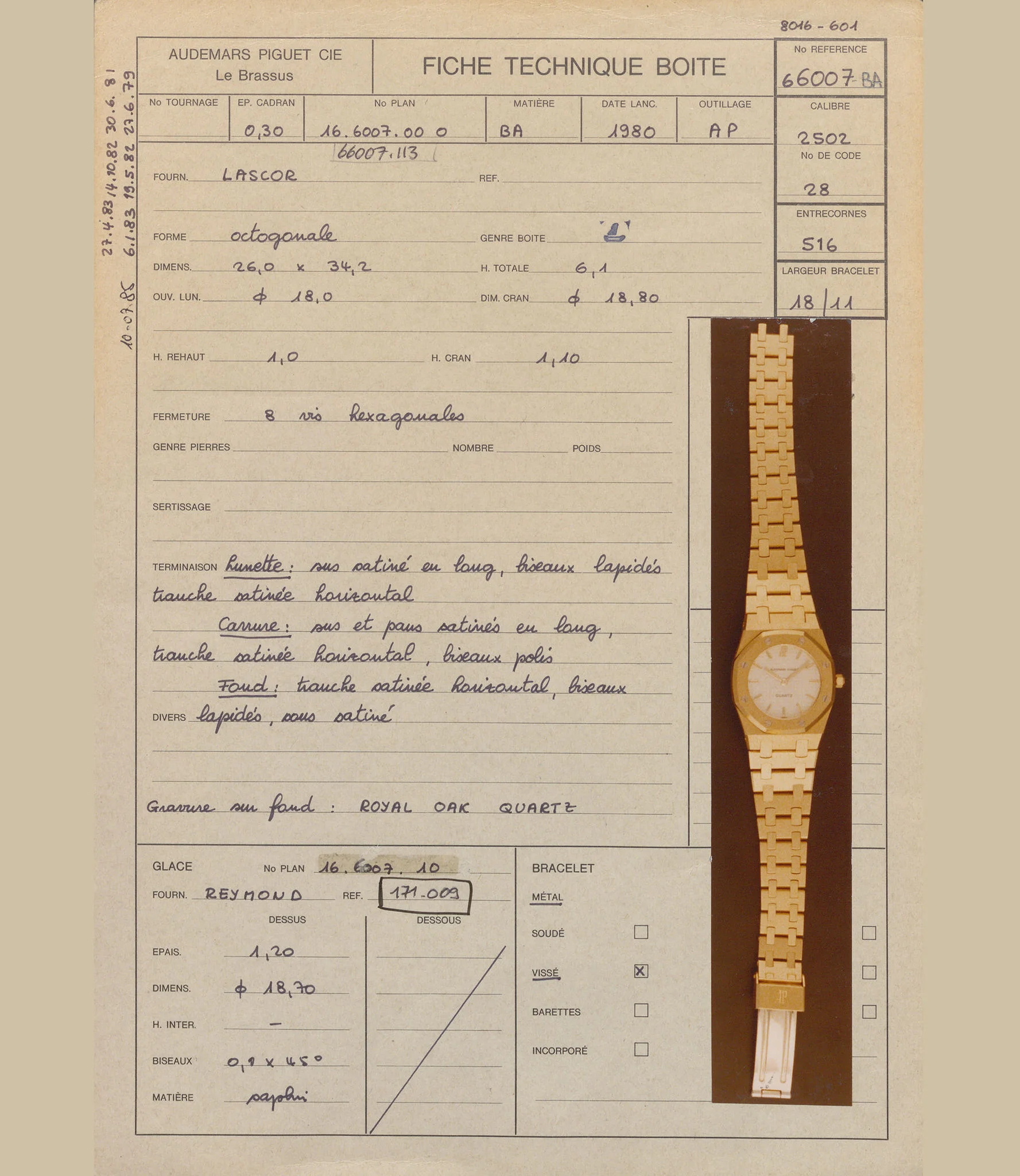
1986 Technical data. First Royal Oak 26 mm, Model 6007. Quartz Calibre 2502. Audemars Piguet Archives
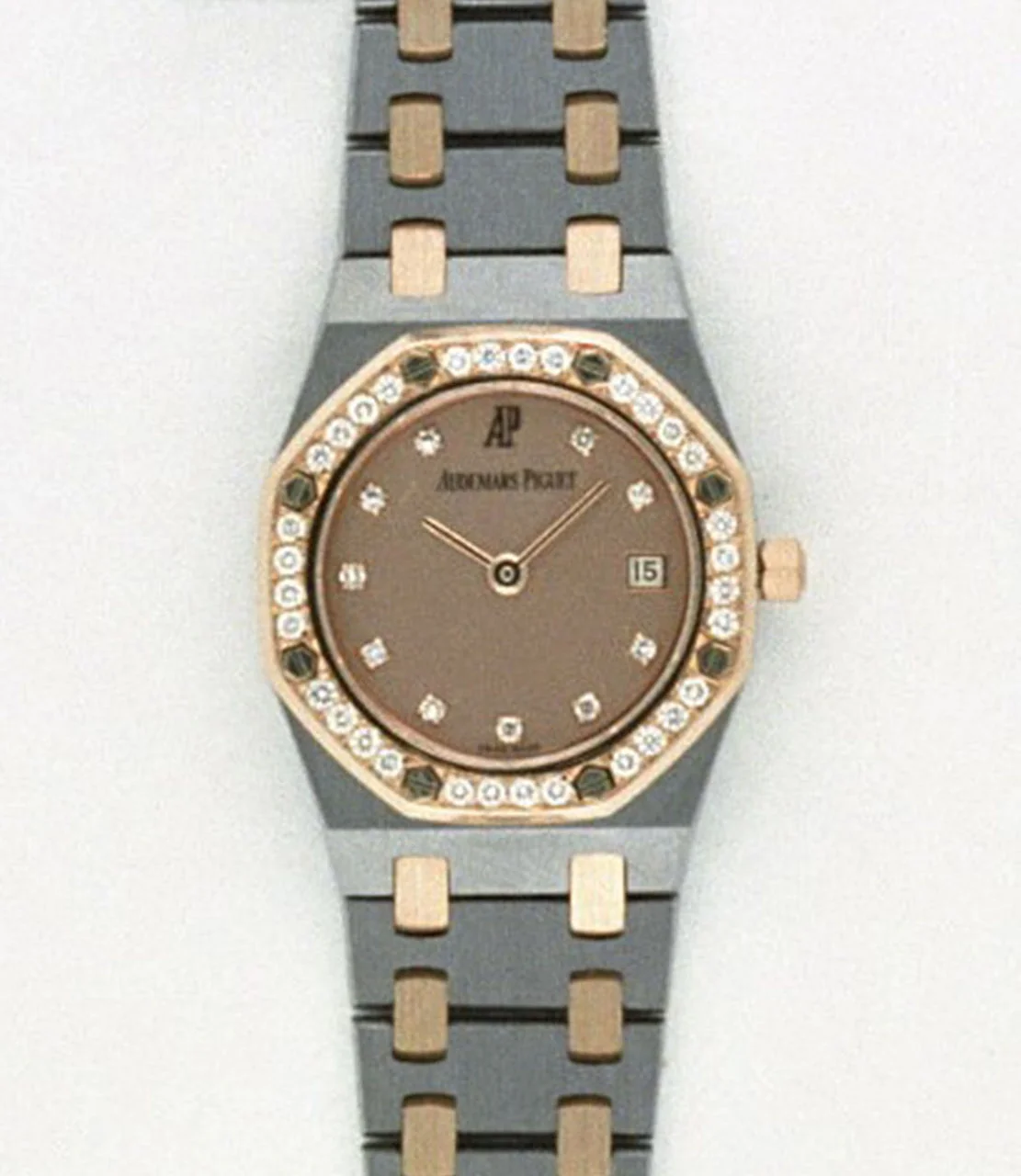
1986. First 24.5 mm Royal Oak , Model 66319TR. Quartz Calibre 2610. Photograph from the Audemars Piguet Archives.
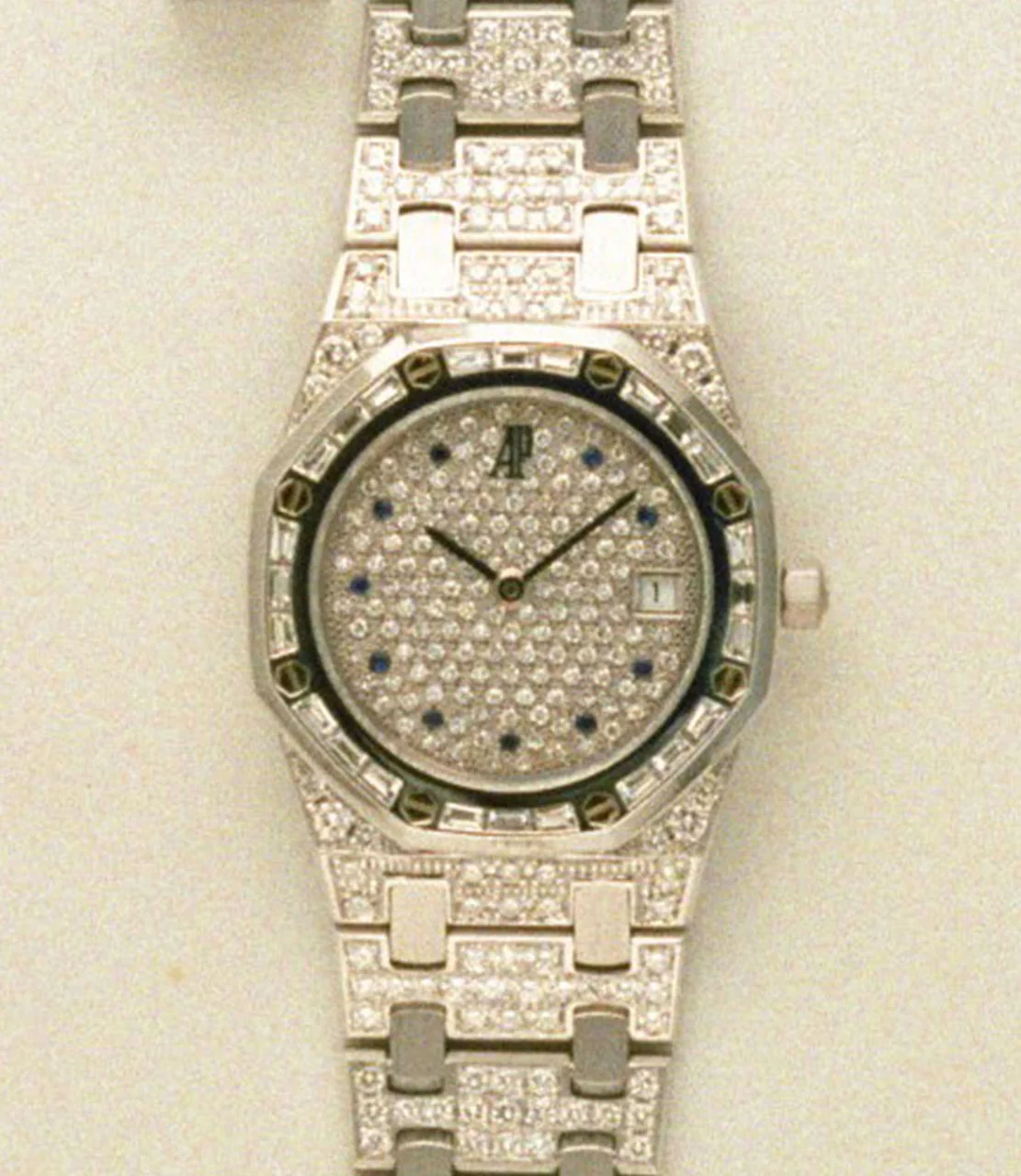
1993. One of the first Royal Oak 25 mm versions, Model 67348BC. Quartz Calibre 2610. Photograph from the Audemars Piguet Archives.
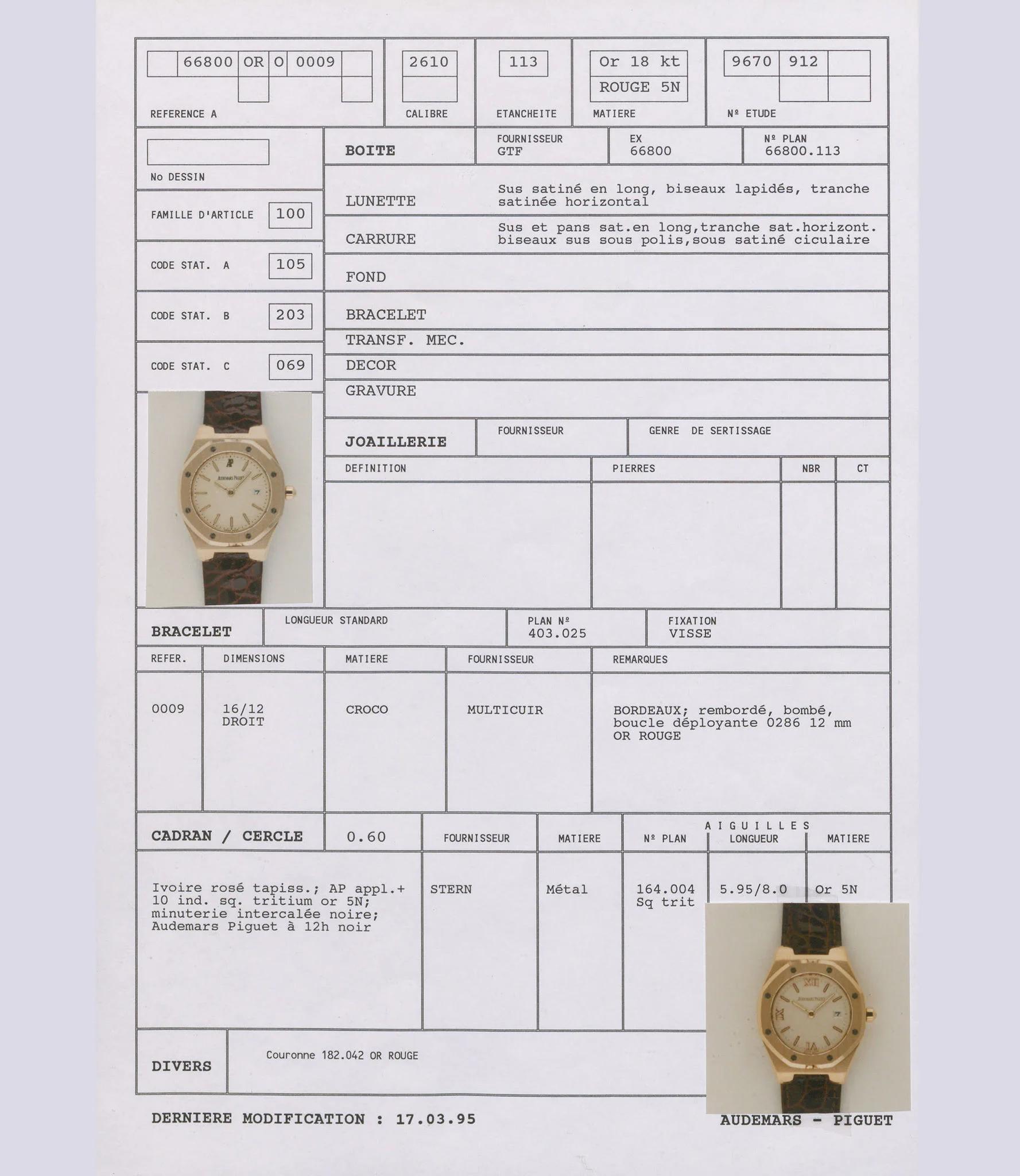
1995. First 28 mm Royal Oak , Model 66800OR. Quartz Calibre 2610. Technical data. Audemars Piguet Archives.
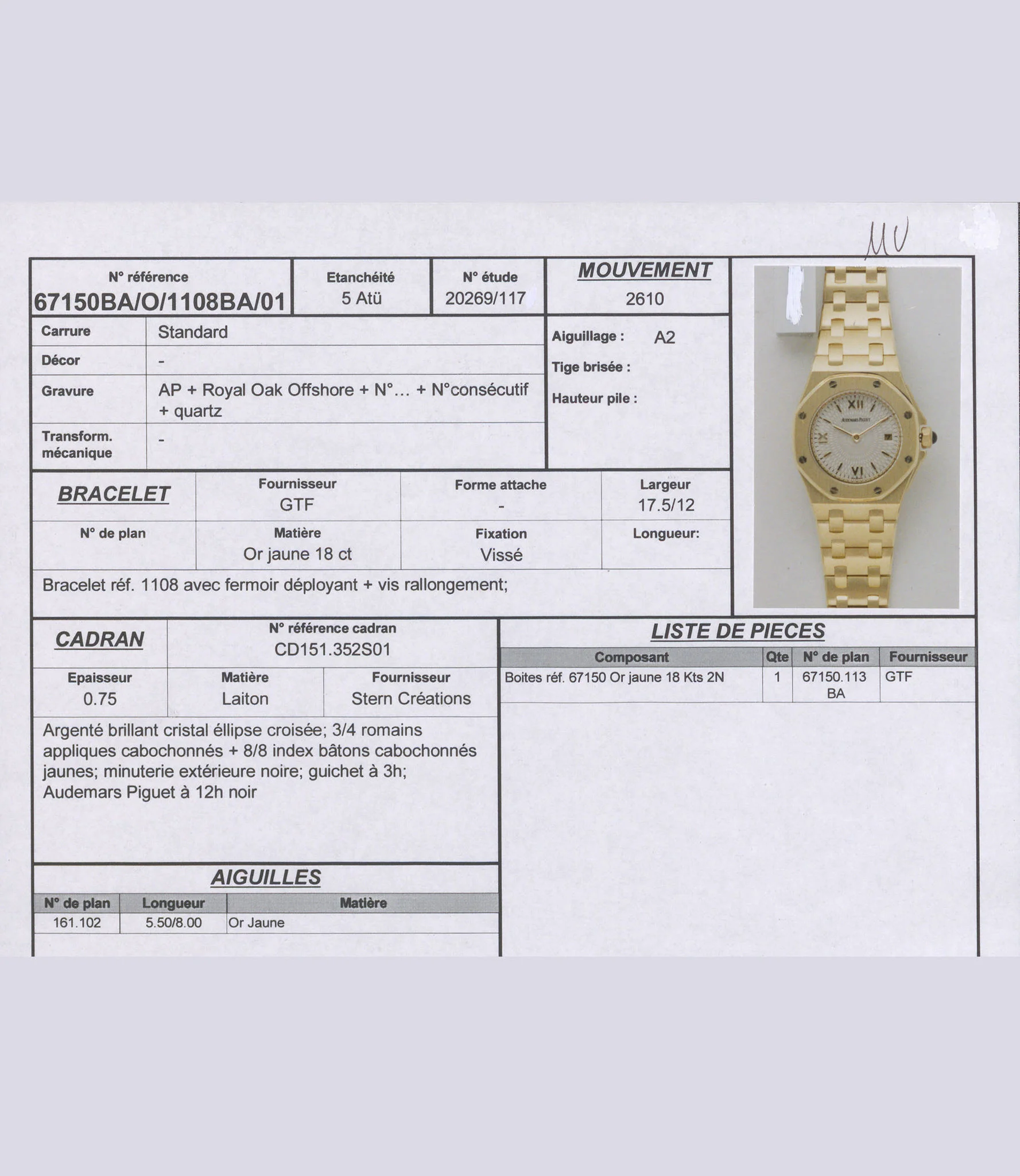
Circa 1999. First Royal Oak 27 mm, Model 67150. From quartz Calibre 2610 to quartz Calibre 2710. Technical data. Audemars Piguet Archives.
Little mermaids and lion cubs
During the 1990s, Audemars Piguet explored a wide range of aesthetic and technical territories. Jacqueline Dimier, abetted by the young designer Emmanuel Gueit, was in charge of the creative department. Under her creative lead, the brand shocked the world with the testosterone-infused Royal Oak Offshore, reassured observers with the reintroduction of classic complications and surprised by reinventing the wandering hours and introducing unconventional materials. It also took countless liberties in the field of jewellery.
Creativity was thus in full flow during the mid-1990s, when the minuscule Jaeger-LeCoultre Calibre 2601 was adopted. For a designer, having such a tiny, accurate mechanism with an over one-year power reserve was a dream. It afforded extraordinary creative freedom, as various constraints in terms of form, function and correction simply melted away.
Why not indulge in a return to the world of childhood, of innocent freshness, of bright pop art colours? Audemars Piguet archives from the 1990s reveal unexpected treasures: watches shaped like teddy bears, lion cubs, ducks, mermaids, model cars, lips, eyes, feather clocks, little hearts, sweet words, symbols of first love.
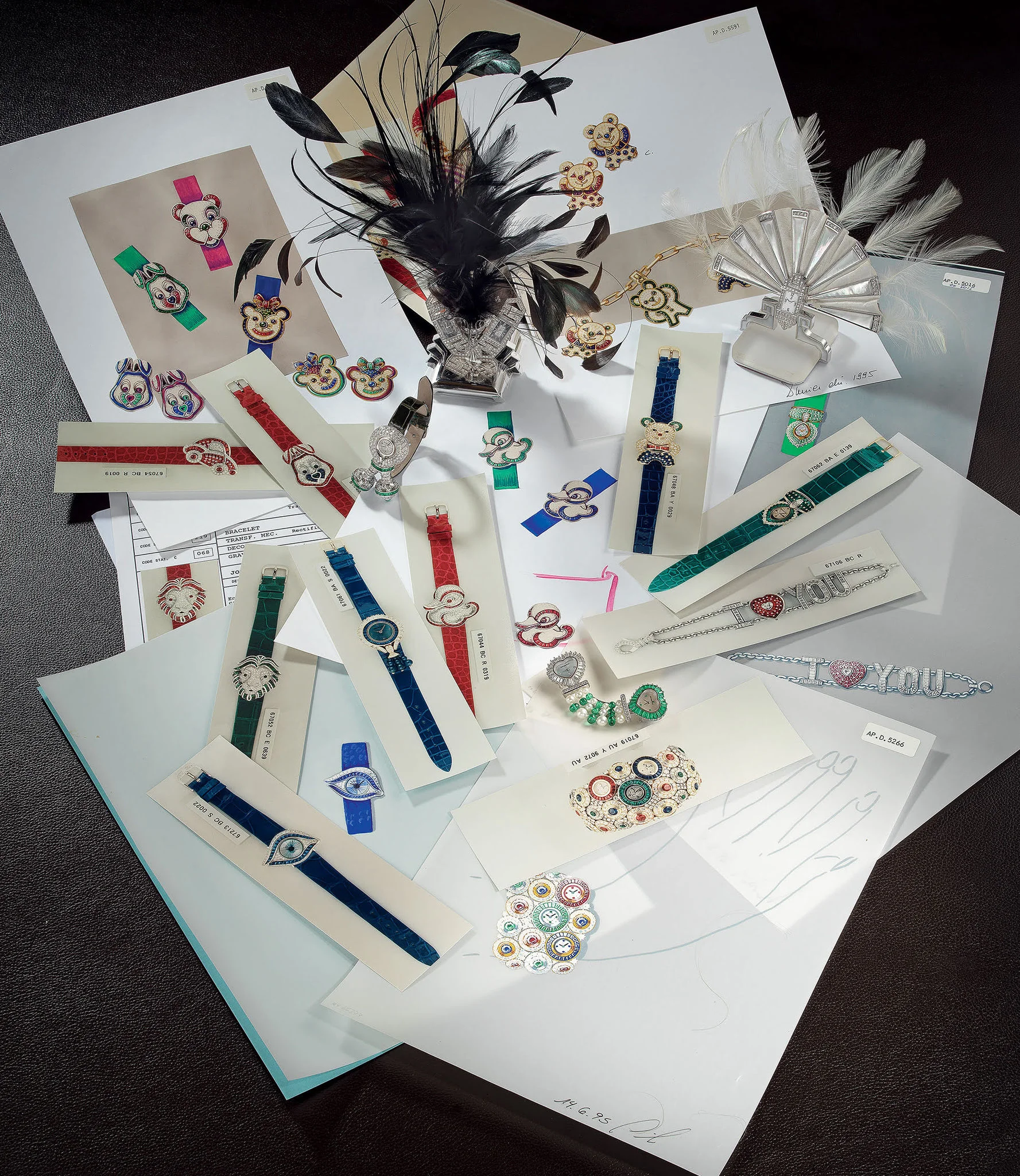
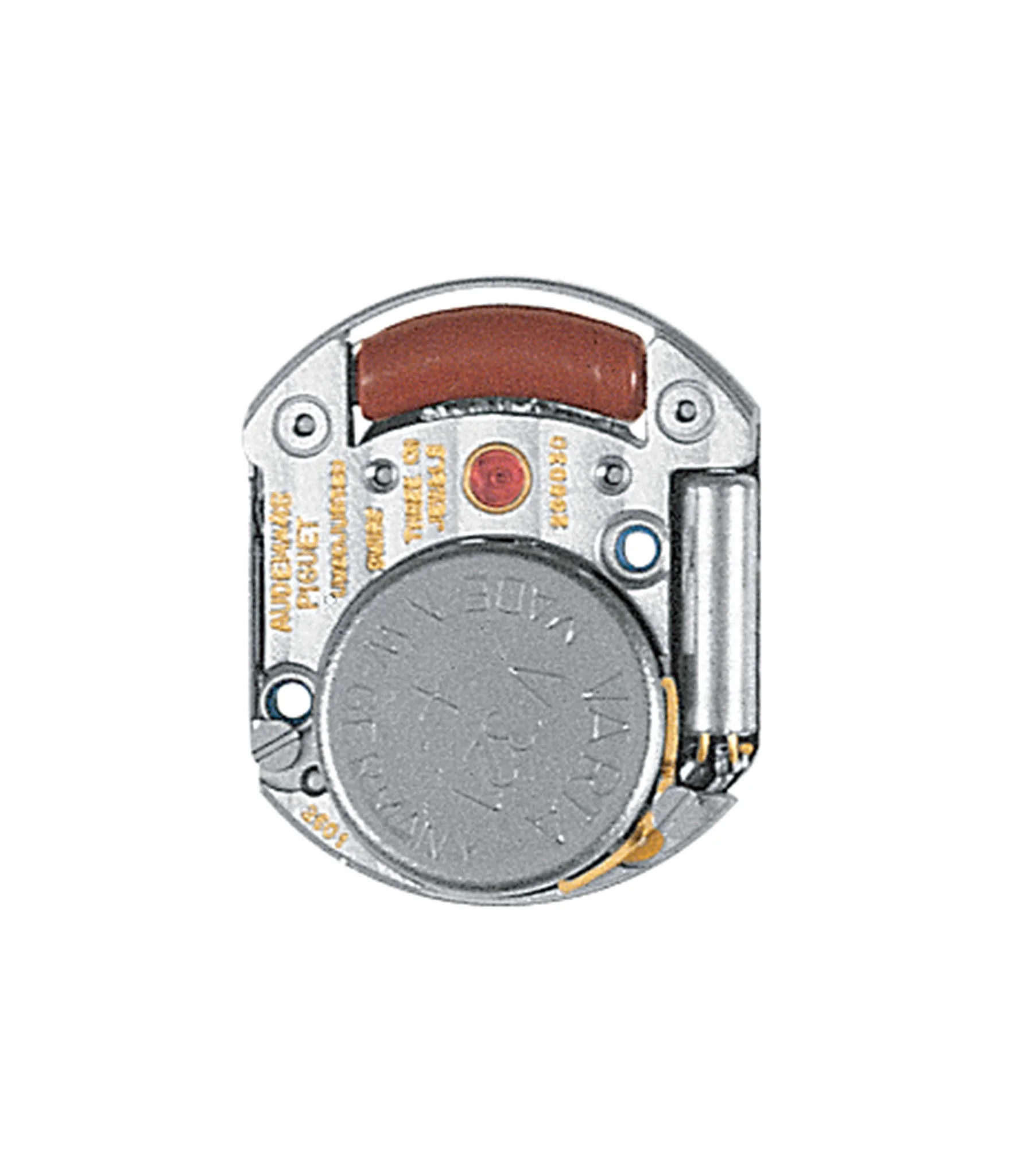
Calibre 2601. 5 lignes (11.7 mm), ultra-thin (1.8 mm). Created by Jaeger-LeCoultre in 1982, it was the world's thinnest quartz calibre and the third smallest. AP adopted it in the 1990s. Audemars Piguet Archives.
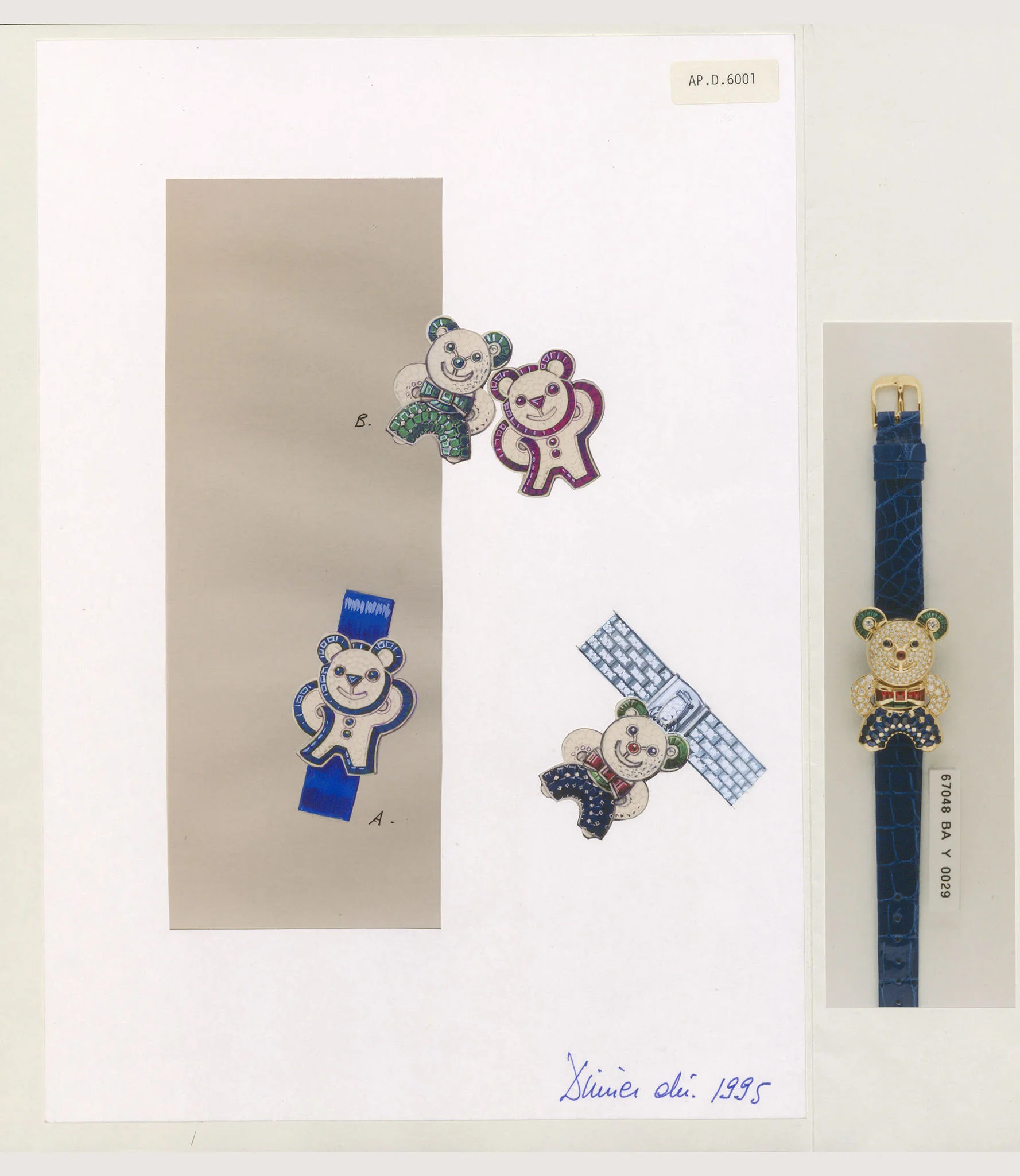
1995. Designed by Jacqueline Dimier, these little teddy bears conceal a watch powered by Calibre 2601. Model 67048. Audemars Piguet Archives.
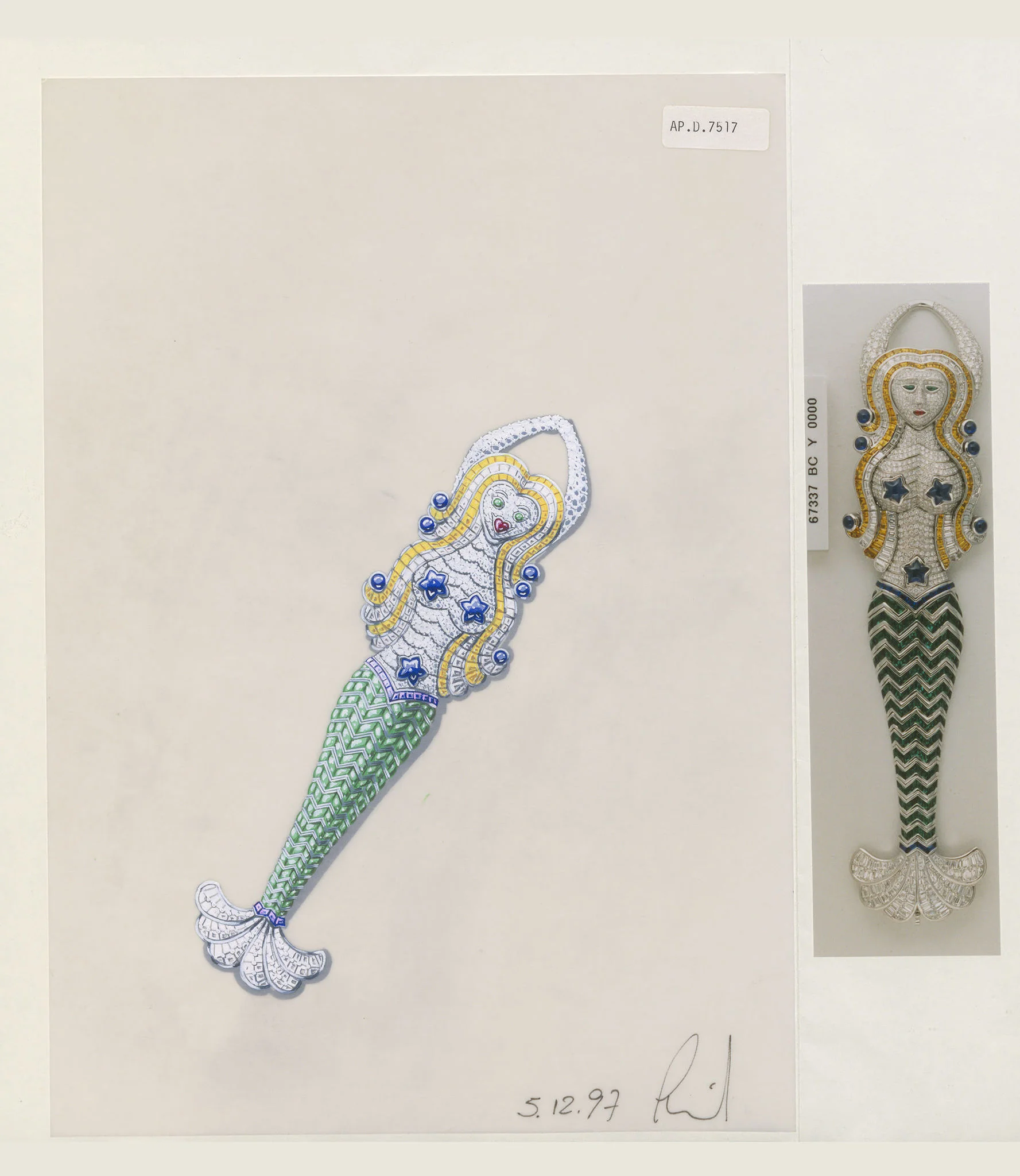
1997. This full-set one-of-a-kind little mermaid houses Calibre 2601. Model 67337. Audemars Piguet Archives.
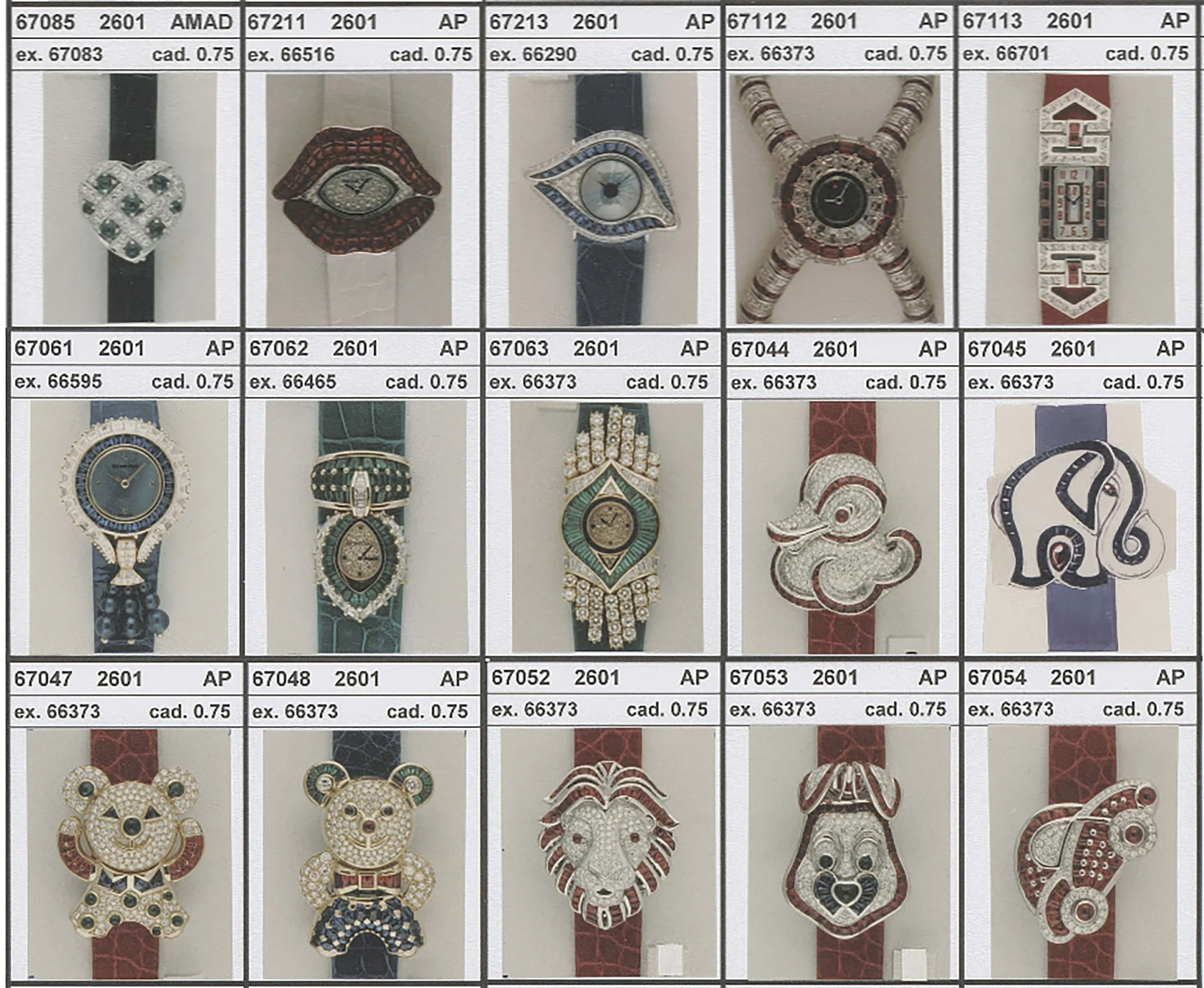
Circa 1994–98. Probably produced as one-off editions, these models all house Calibre 2601. Audemars Piguet Archives.
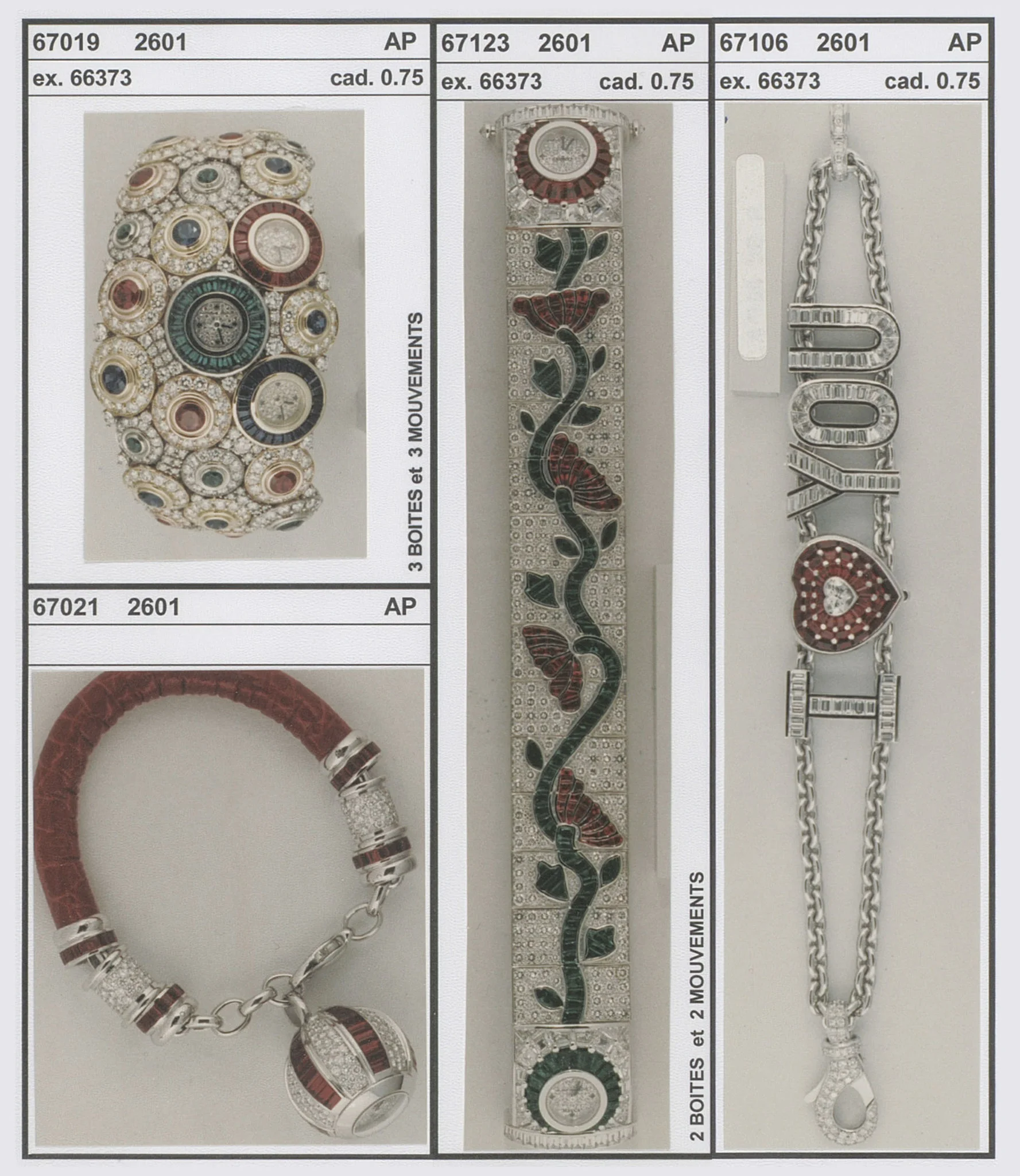
Circa 1994–98. Probably produced as one-off editions, these models all house Calibre 2601. Audemars Piguet Archives.
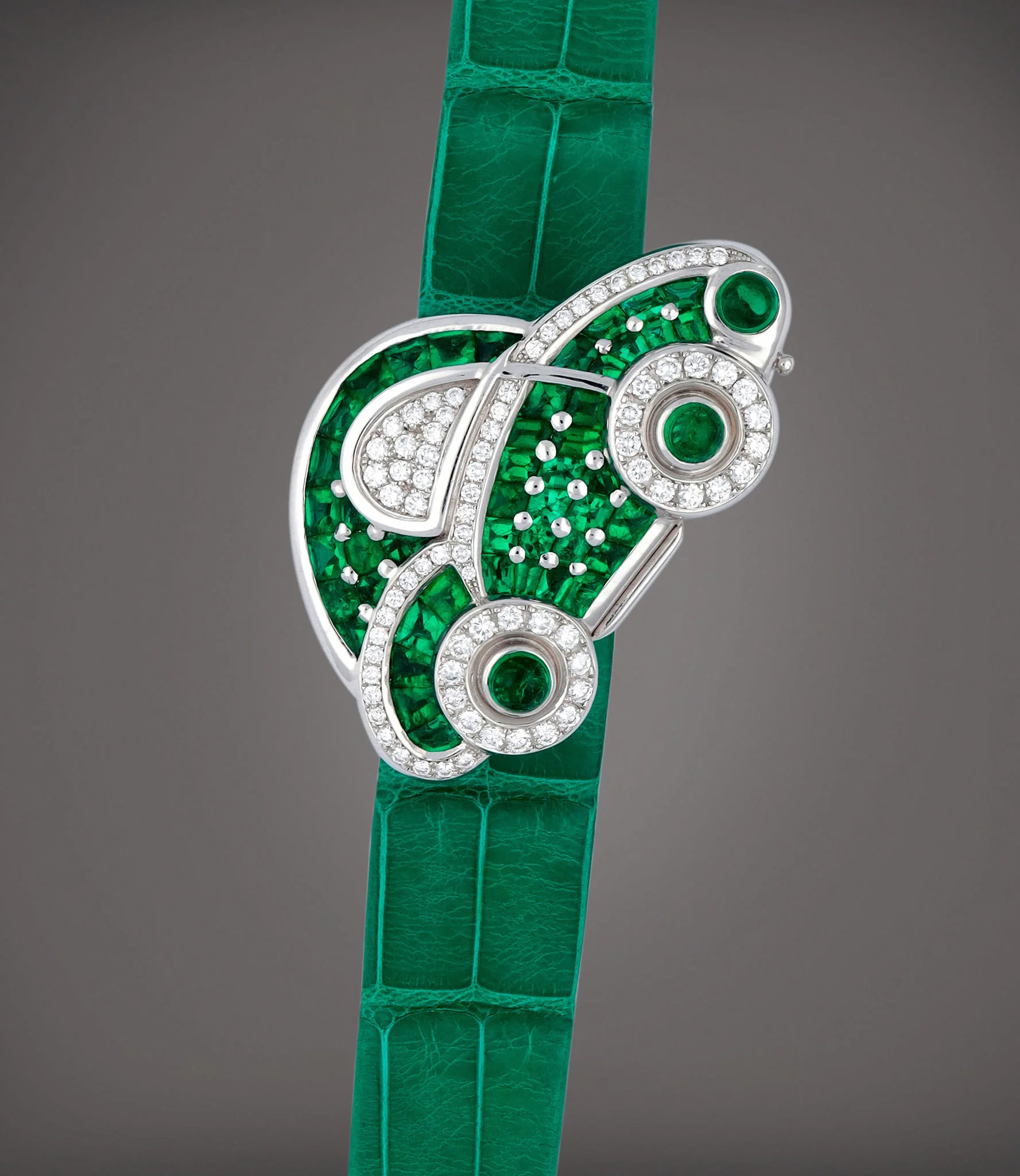
1996. Haute Joaillerie ‘secret’ watch, Model 67054 No. 1. Wristwatch convertible into a brooch and pendant. Case 73117 in 18-carat white gold set with diamonds and emeralds. Calibre 2601, Movement 430787. One-of-a-kind model put up for auction by Sotheby's in Geneva on April 11, 2024.
The 1997 Mini Royal Oak
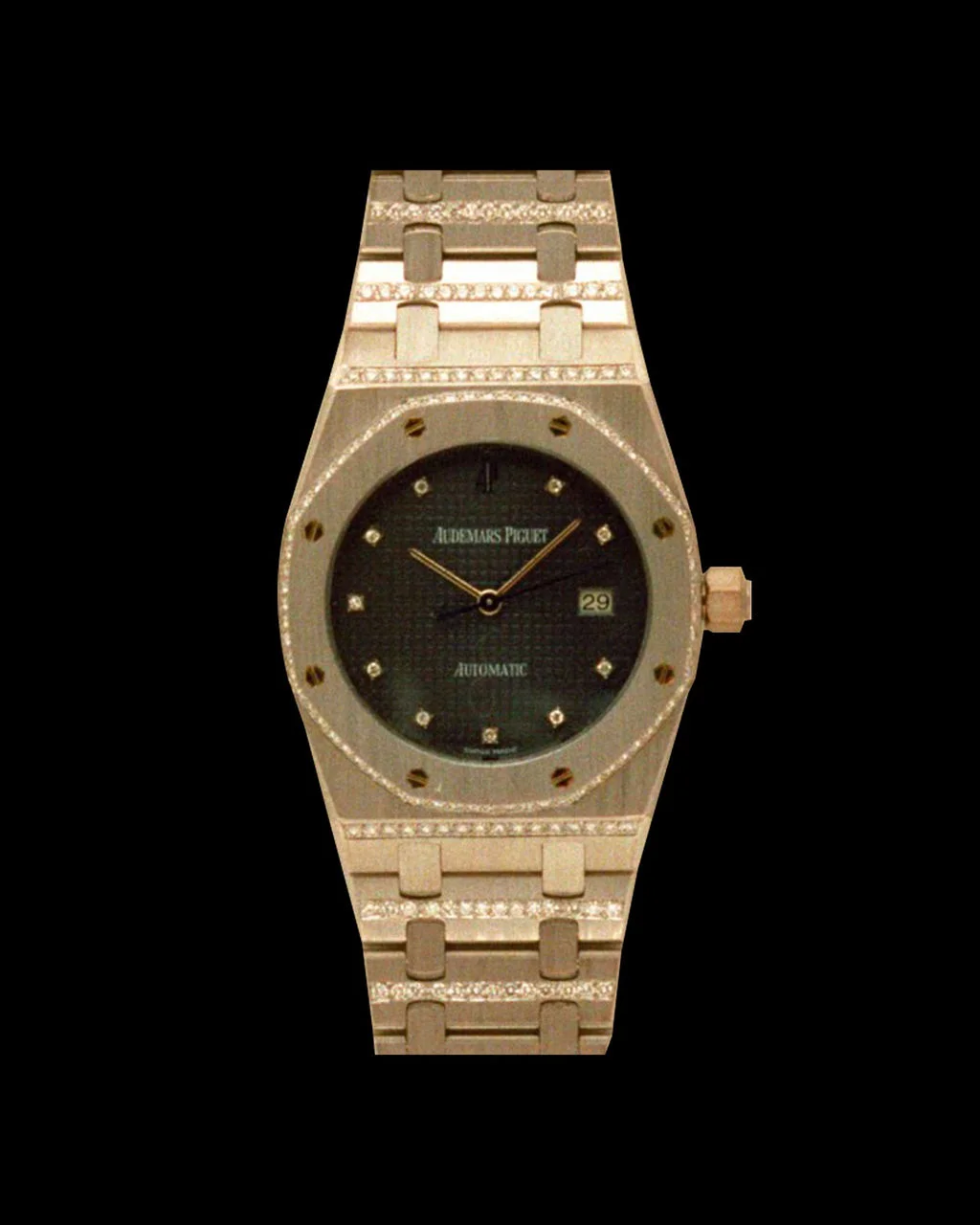
Designed by Emmanuel Gueit, the Mini Royal Oak was born in 1997. Its 20 mm diameter makes it the smallest variation in history. Tiny, elegant and slender, it is now one of the most sought-after vintage Royal Oak women’s watches, due to its extremely pleasing proportions.
The Mini Royal Oak was presented at the same time as the first Royal Oak Grand Complication, whose 44 mm diameter made it the largest ever created. To celebrate its 25th anniversary, the legendary collection therefore pushed back the two extremes of size. On the one hand, classic complicated watchmaking; on the other, the smallest miniature quartz Calibre 2601 ever used by Audemars Piguet. Right in the middle, the brand simultaneously launched the first Royal Oak Chronograph and the first Royal Oak Tourbillon.
As is often the case at Audemars Piguet, ideas stemmed from customers. It is said that the demand for the Mini Royal Oak came from Japan, which at the time was wild about miniature watches.
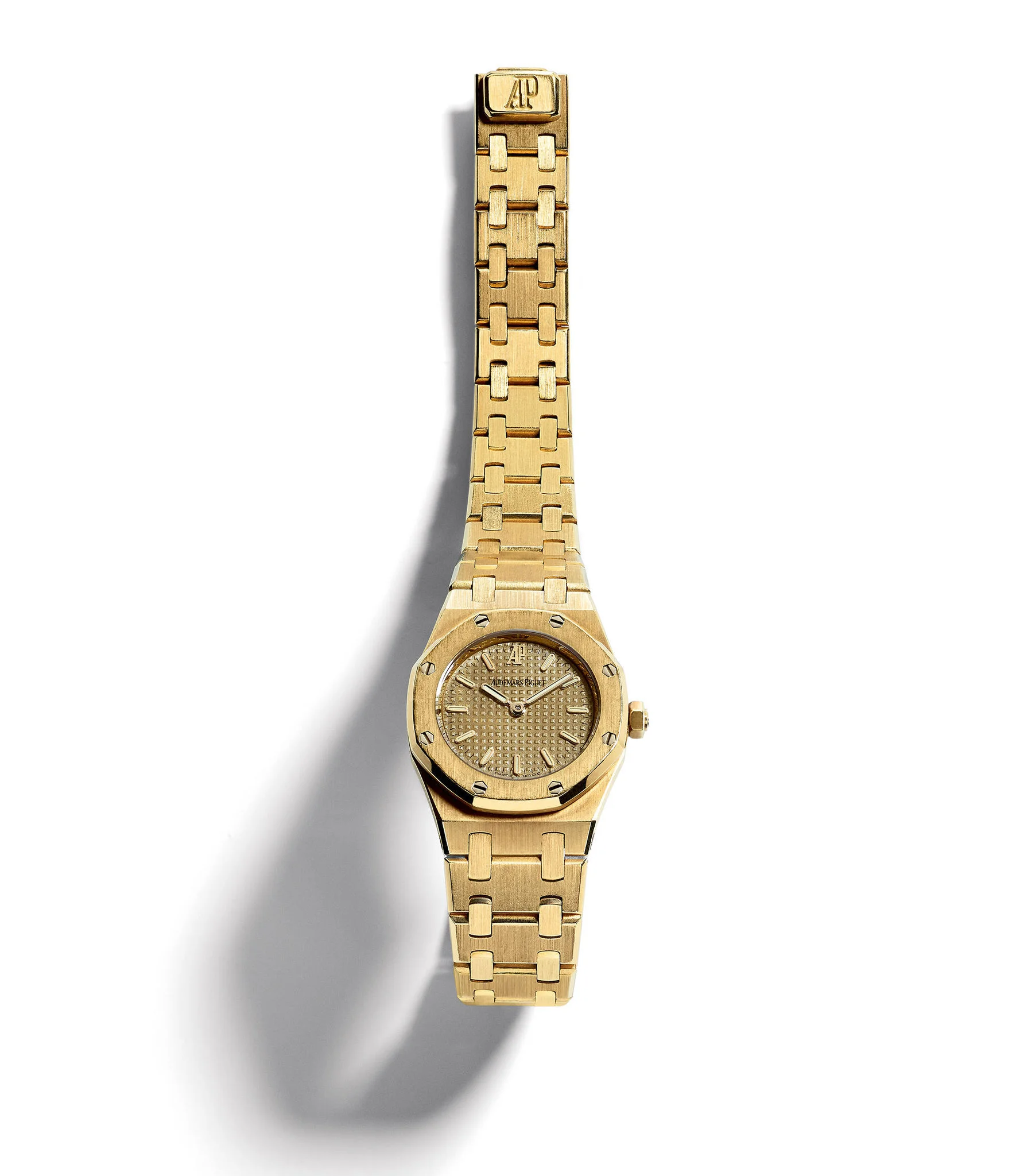
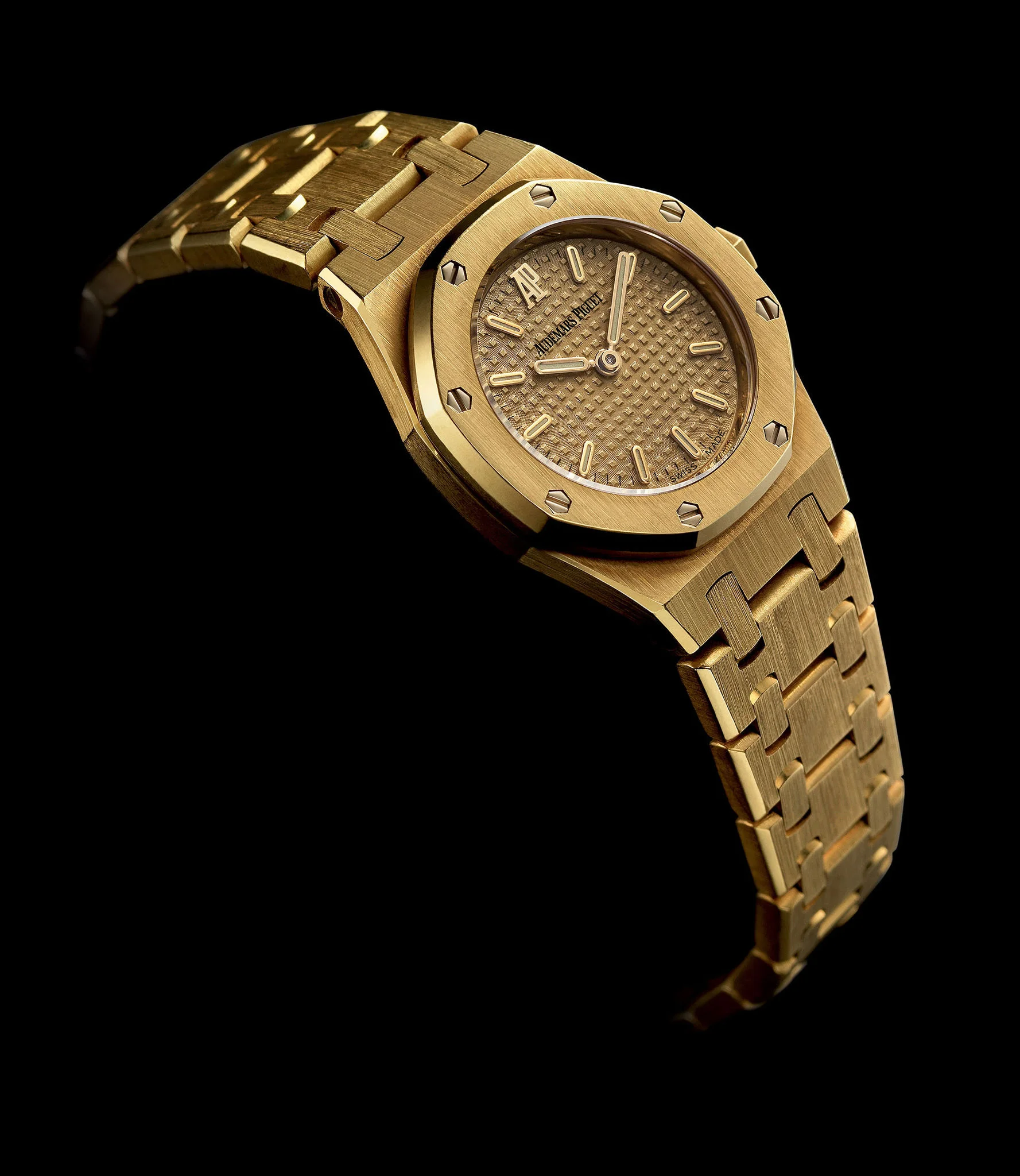
1997. Mini Royal Oak 67075BA, No. 184, Calibre 2601, Movement 455107. Bracelet 1100. Gilded T21 Tapisserie dial. Case D91047 in 20 mm, 18-carat yellow gold. Audemars Piguet Heritage, inv. 595.
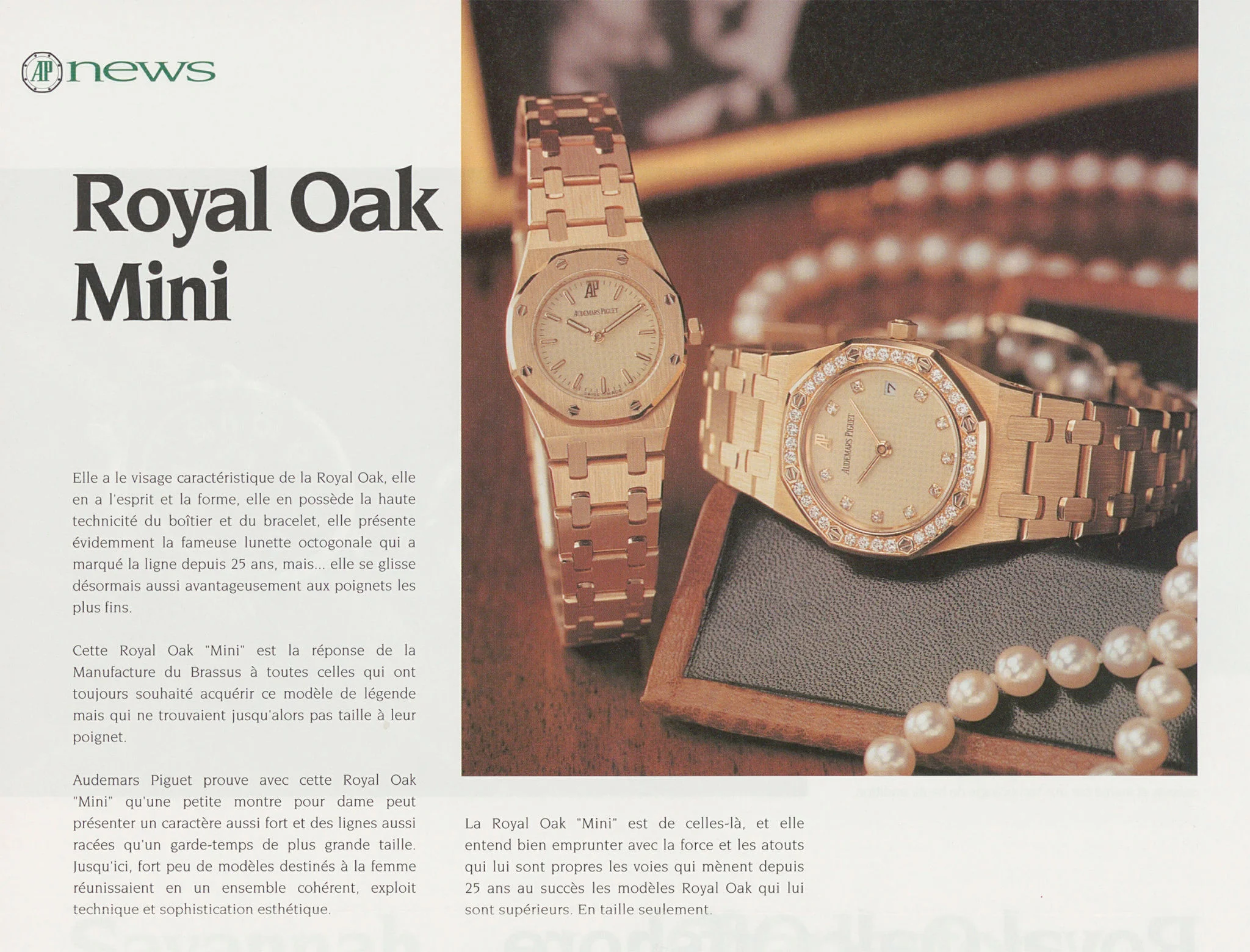
In June 1997, Audemars Piguet's internal newsletter presented the Mini Royal Oak to the brand's employees and distributors. APNews No. 15. Audemars Piguet Archives.
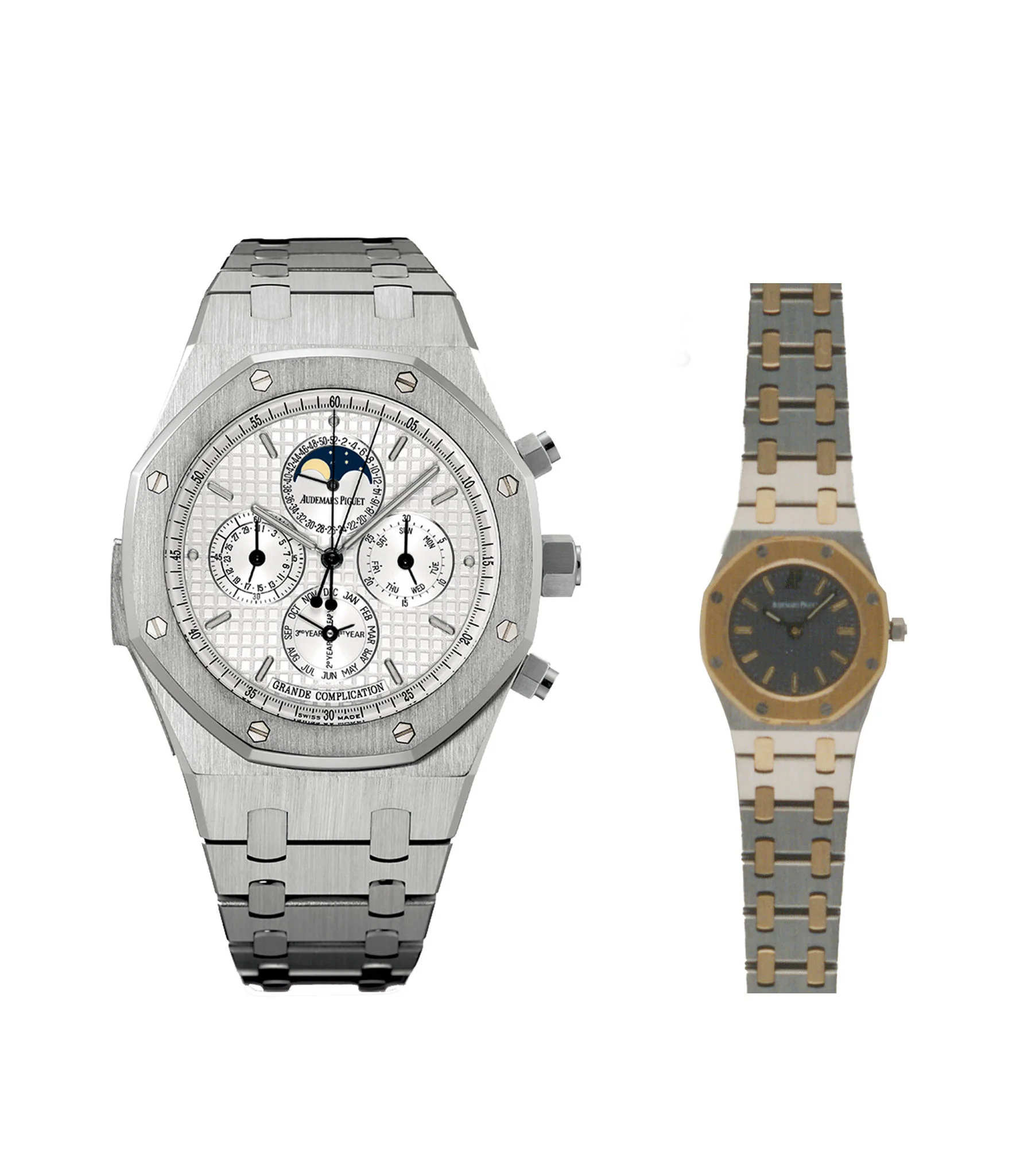
1997. Both presented in the same year, the largest and smallest Royal Oak express the extent of the brand's creativity. Royal Oak Grand Complication 25865, 44 mm and Mini Royal Oak 67075, 20 mm.

Royal Oak models in decreasing order of size from 1972 to 1997. Models 5402 (1972), 4100 (1977), 56346 (1988), 8638 (1976) and 67075 (1997). Audemars Piguet Heritage, inv. 365, 1163, 464, 1871, 595.
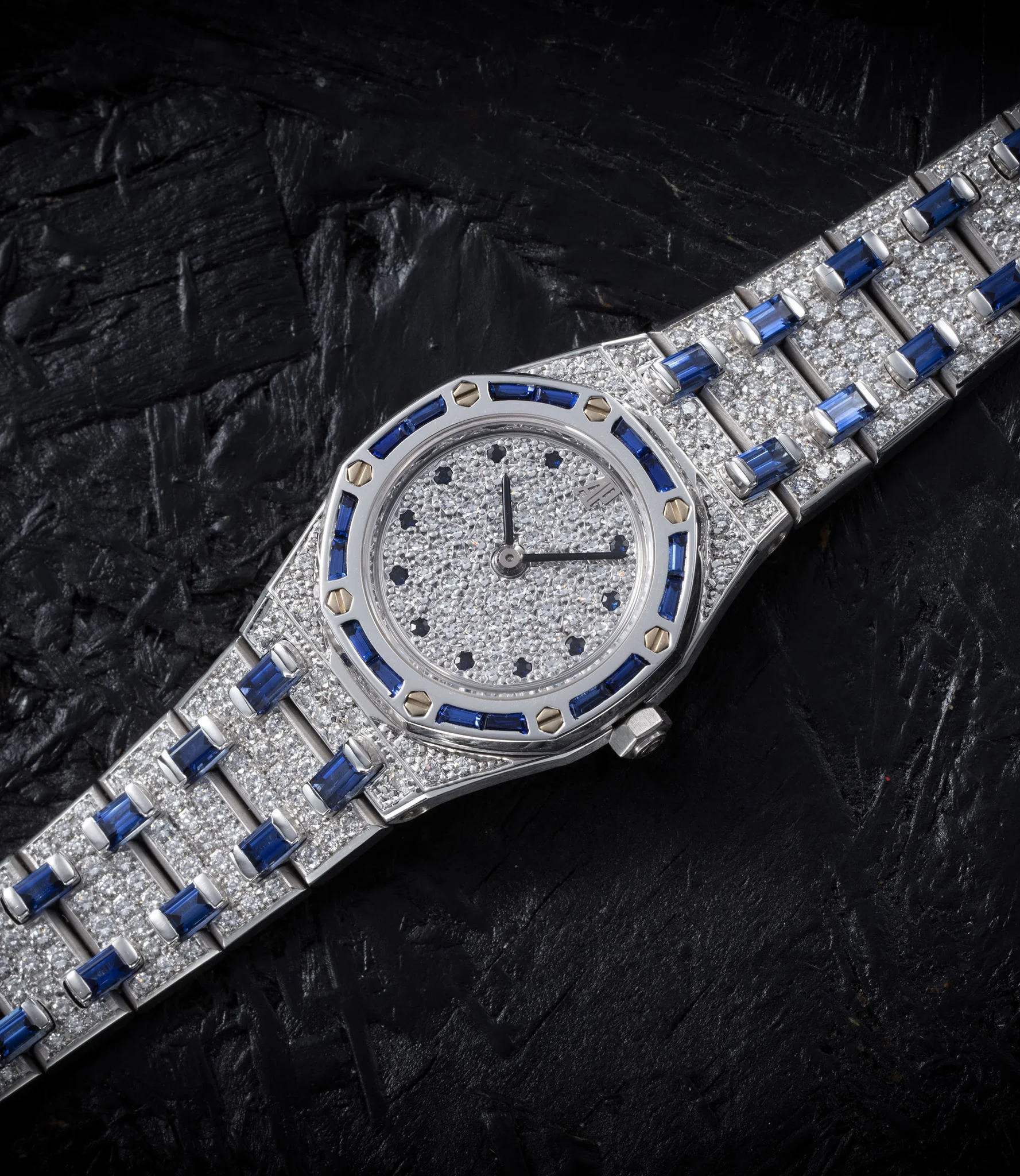
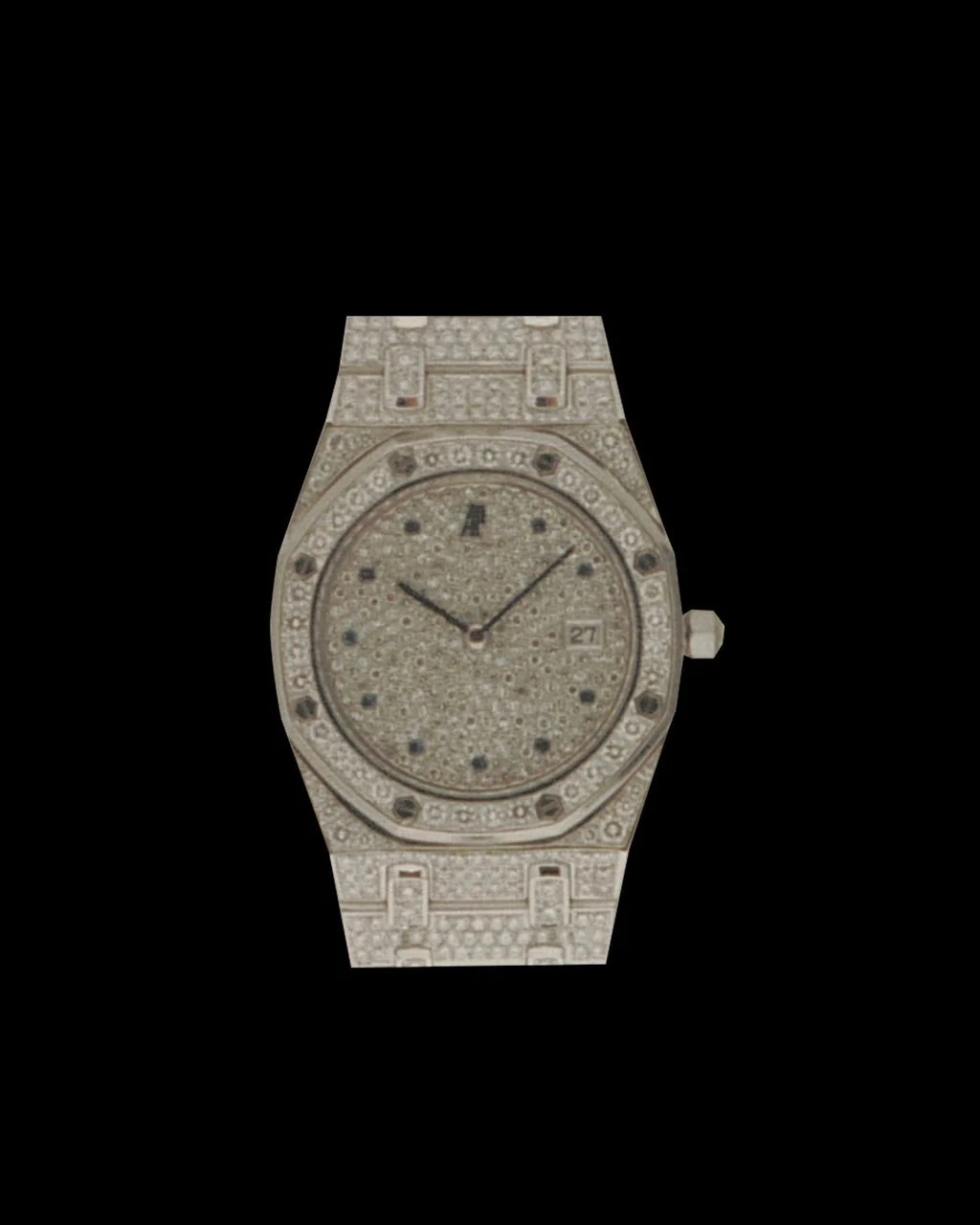
1998. High Jewellery Mini Royal Oak 67169BC No 049. Calibre 2601, movement 455569. Bracelet 1114. Case D91162 in 20 mm, 18-carat white gold. Case and bracelet set with 370 diamonds and 48 blue sapphires. Audemars Piguet Heritage, n. inv. 2285. Auctioned off by Christie’s Dubai on May 30, 2024. Image ©Christie’s Dubai.
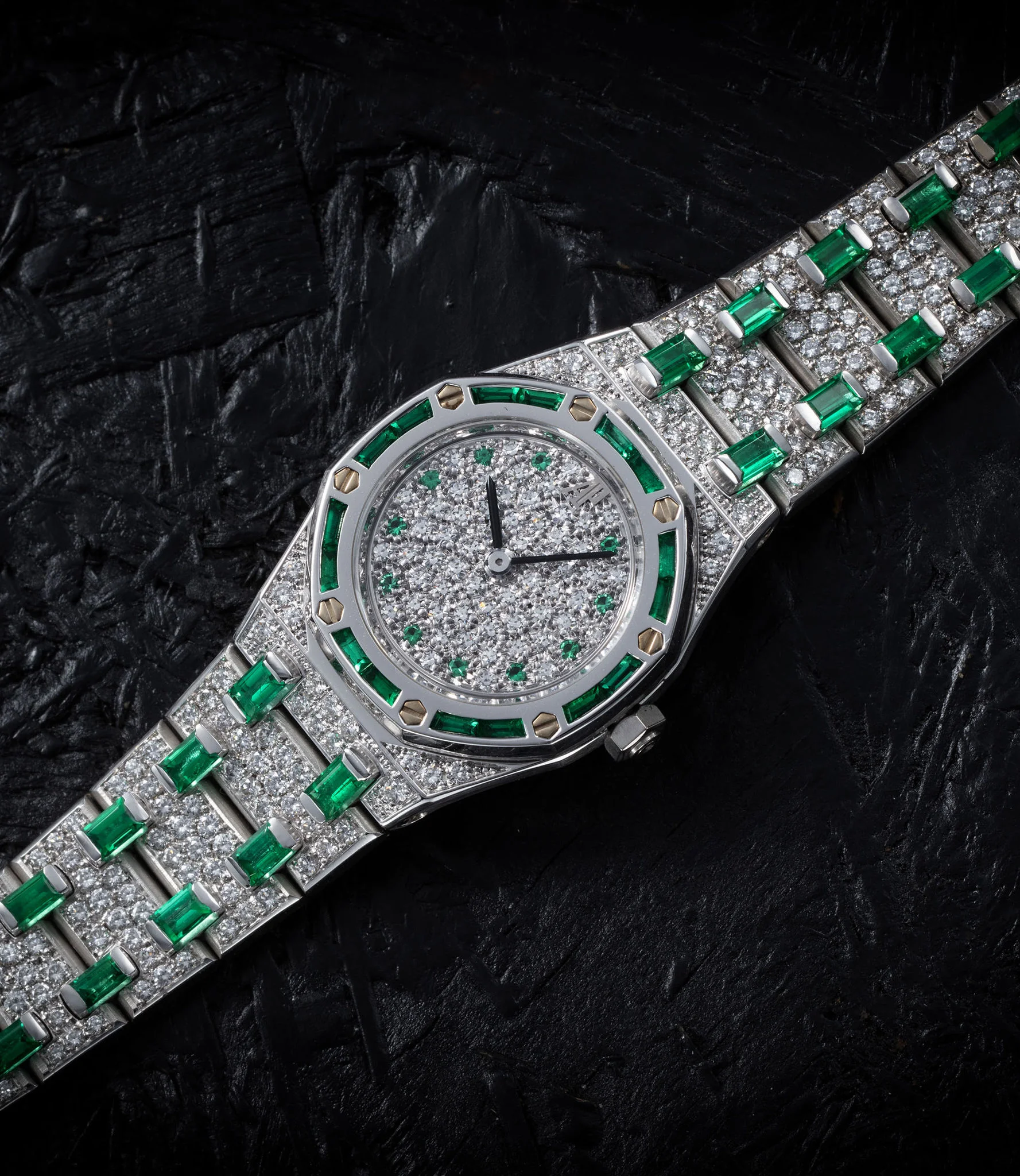
1998. High Jewellery Mini Royal Oak 67169BC No 059. Calibre 2601, movement 455263. Bracelet 1114. Case D91172 in 20 mm, 18-carat white gold. Case and bracelet set with 370 diamonds and 48 emeralds. Audemars Piguet Heritage, n. inv. 2286. Auctioned off by Christie’s Dubai on May 30, 2024. Image ©Christie’s Dubai.
The two classic models
A total of 1,965 Mini Royal Oak watches were produced between 1997 and 1999. Two models accounted for the lion's share with a total of 1,803 watches, meaning over 90% of overall production.
The most famous version was Model 67075. It is the only one to have been interpreted in steel, because its case is not gemset. There are 1,254 of these timepieces, of which 465 in steel, 328 in yellow gold, 272 in two-tone (steel and yellow gold) versions, 101 in white gold, and 88 in pink gold.
While very few of the dial variations shown here were documented in the archives, the practices of the period suggest greater diversity.
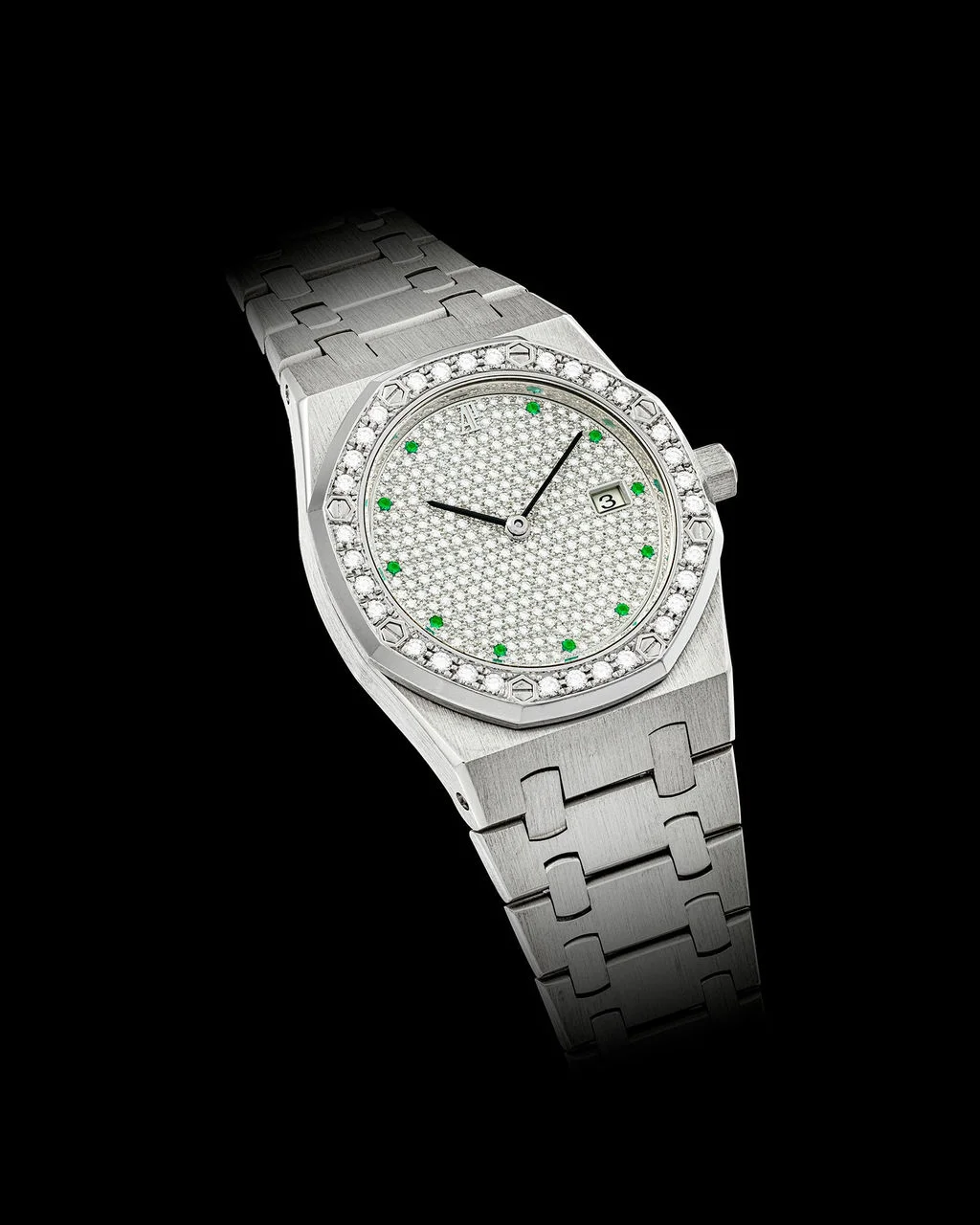
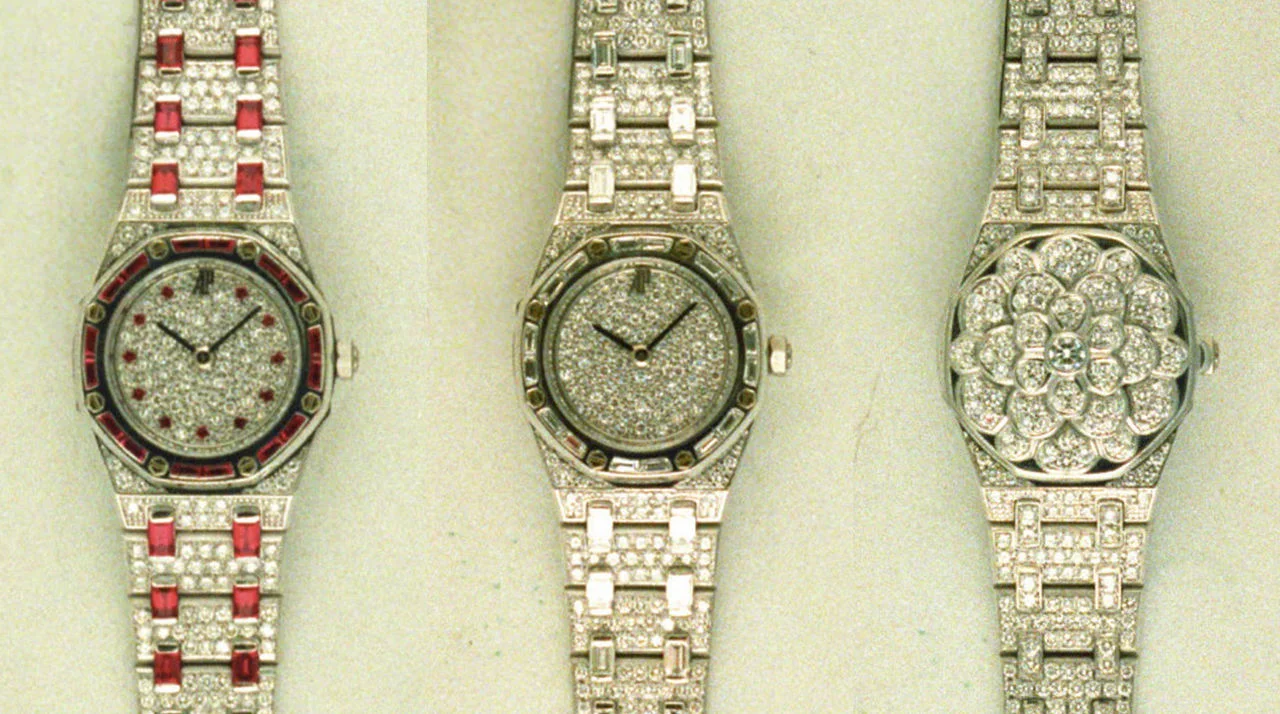
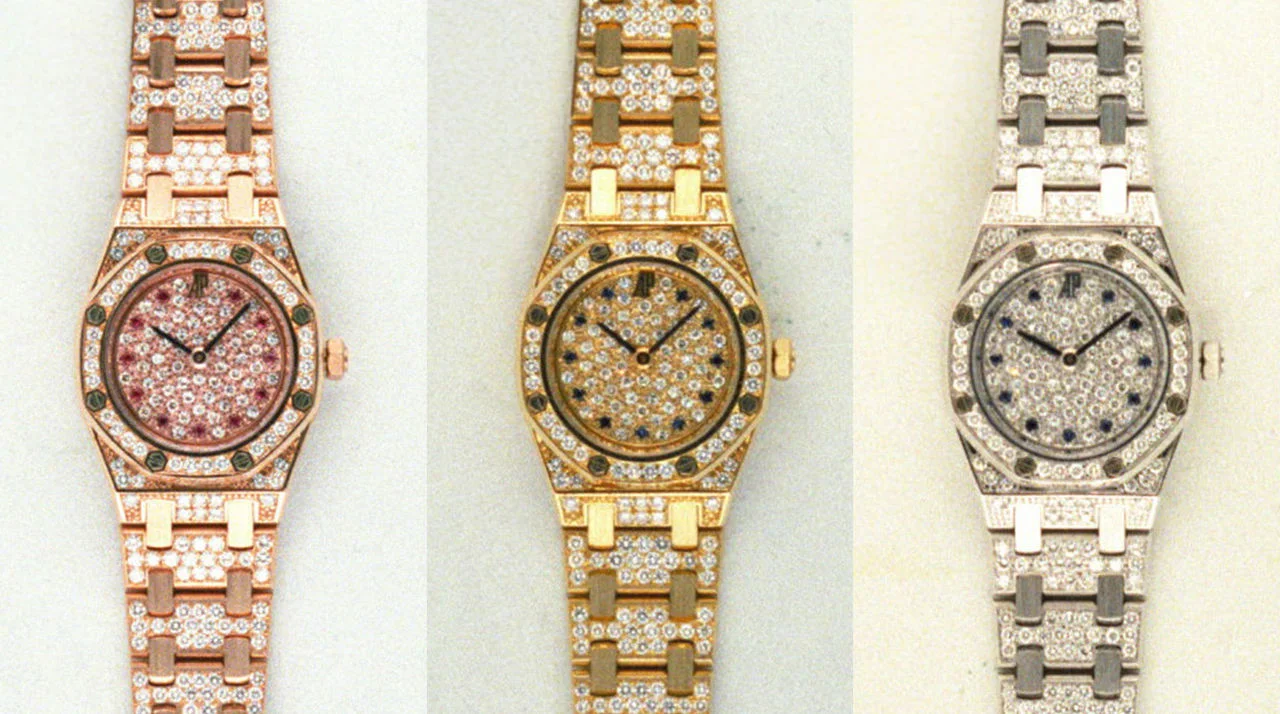
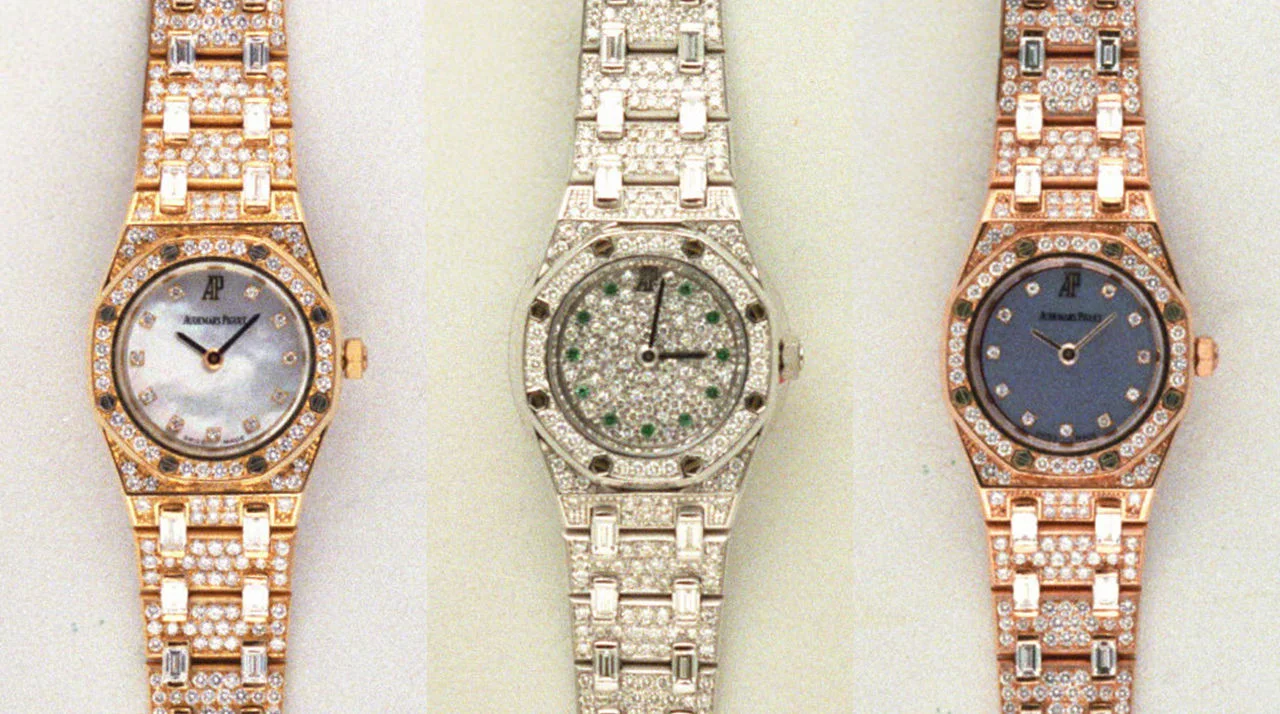
The second version is Model 67076. It differs from the previous model in that its bezel is set with 32 brilliant-cut diamonds. All 549 models are in precious materials: 296 in white gold, 174 in pink gold and 79 in yellow gold. All the documented dials are gemset: in some instances, only the hour-markers and in others, the entire model is paved with diamonds and dotted with rubies or emeralds.

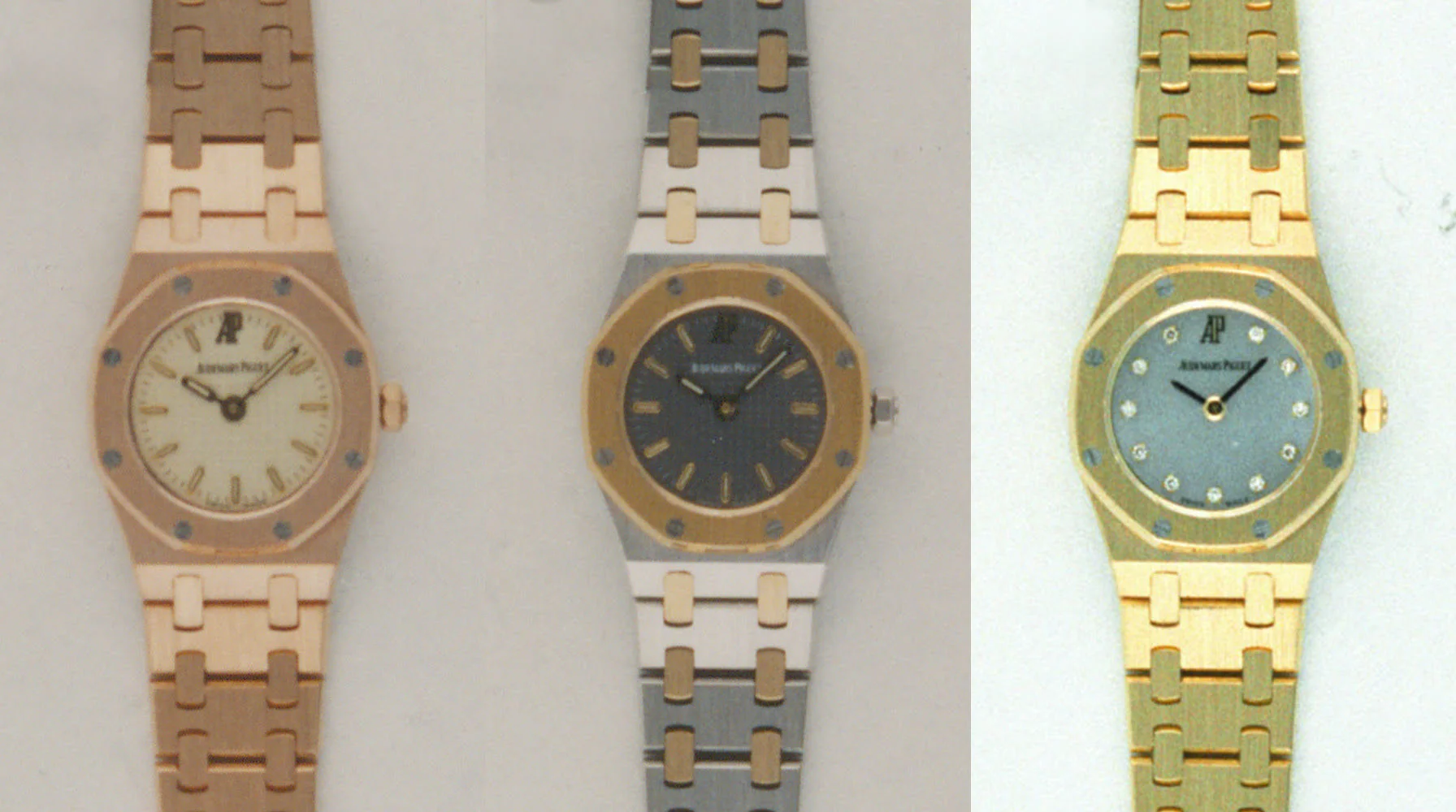
1997–1999. Variations of the Mini Royal Oak Model 67075. Audemars Piguet Archives.
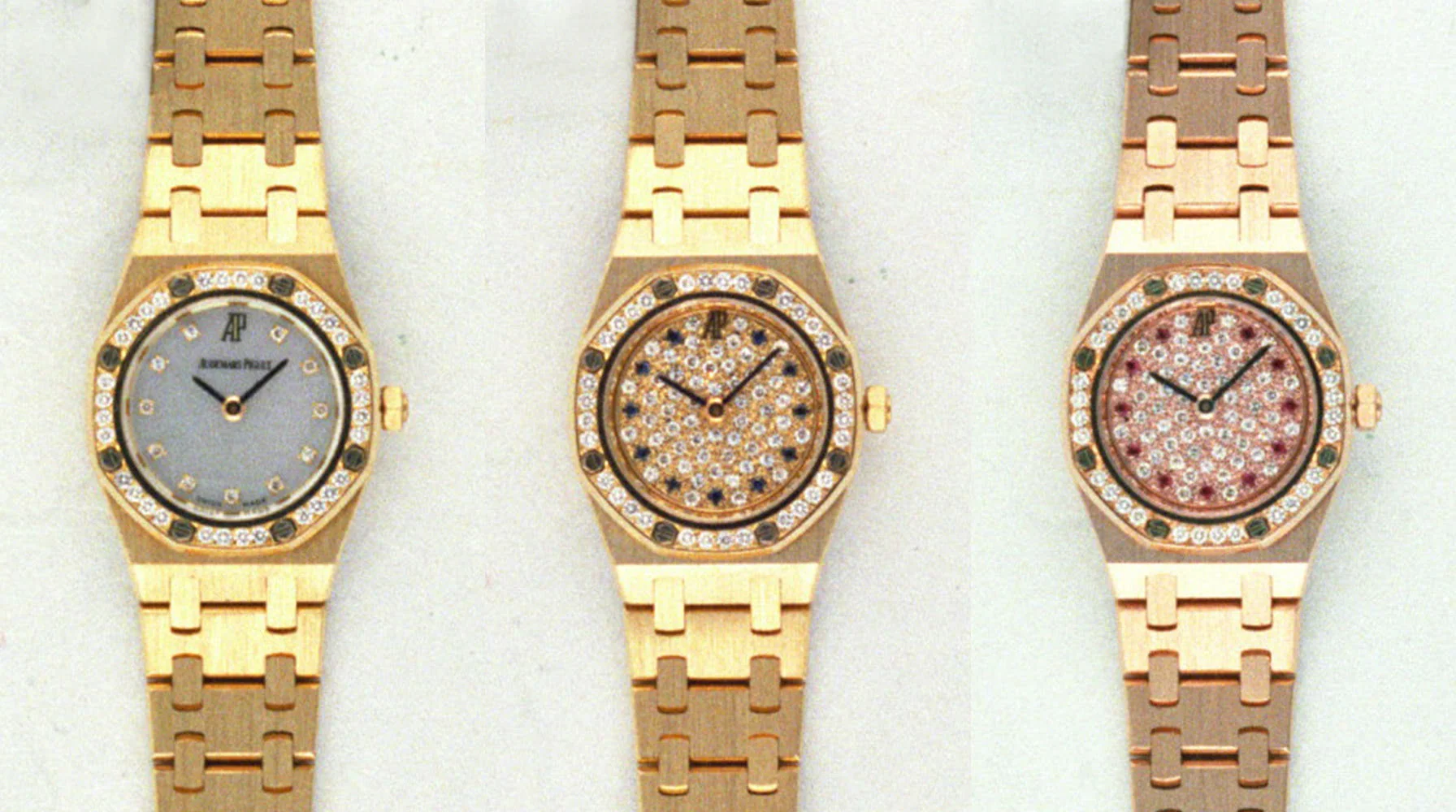
1997–1999. Variations of the Mini Royal Oak Model 67076. Audemars Piguet Archives.
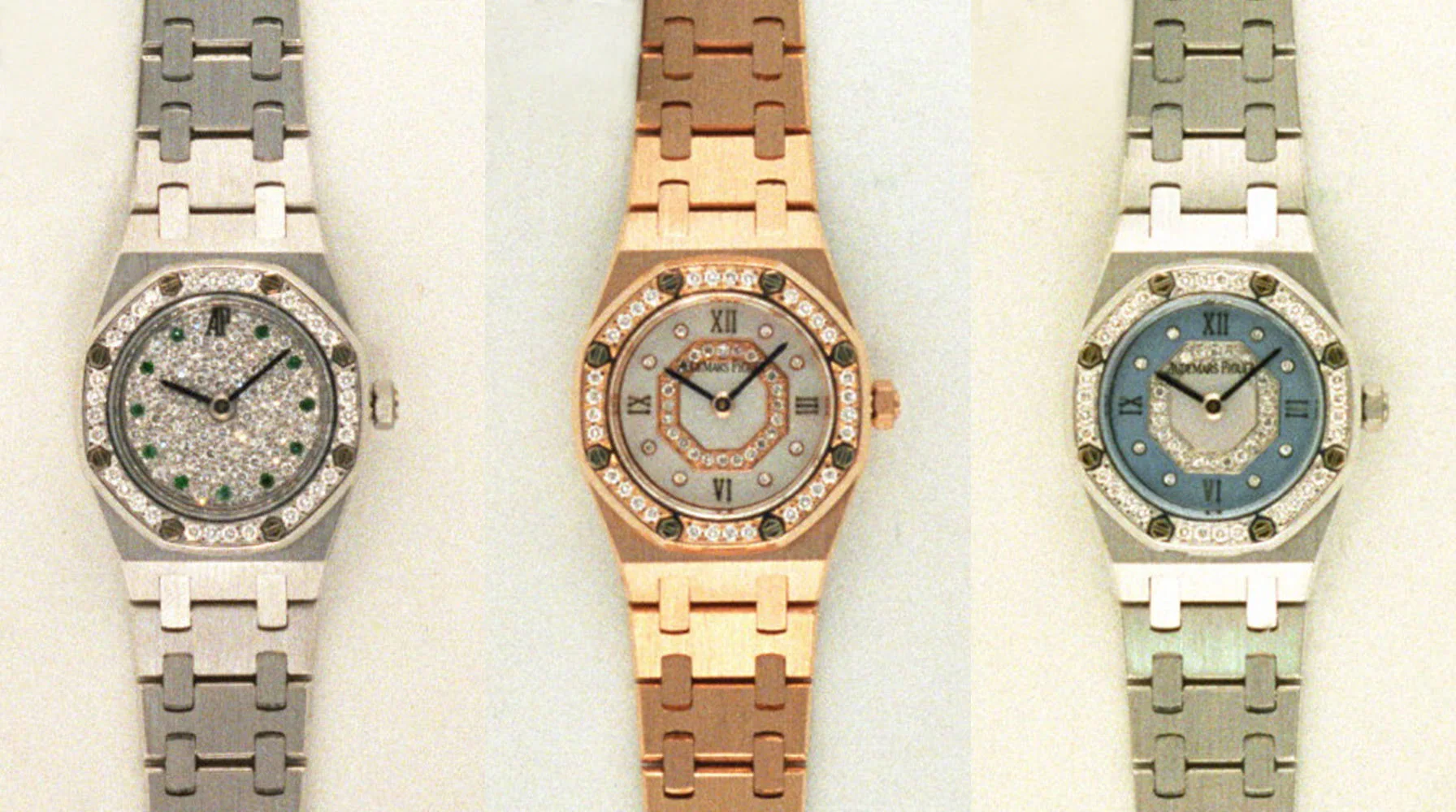
1997–1999. Variations of the Mini Royal Oak Model 67076. Audemars Piguet Archives.
Hearts, teddy bears and diamonds
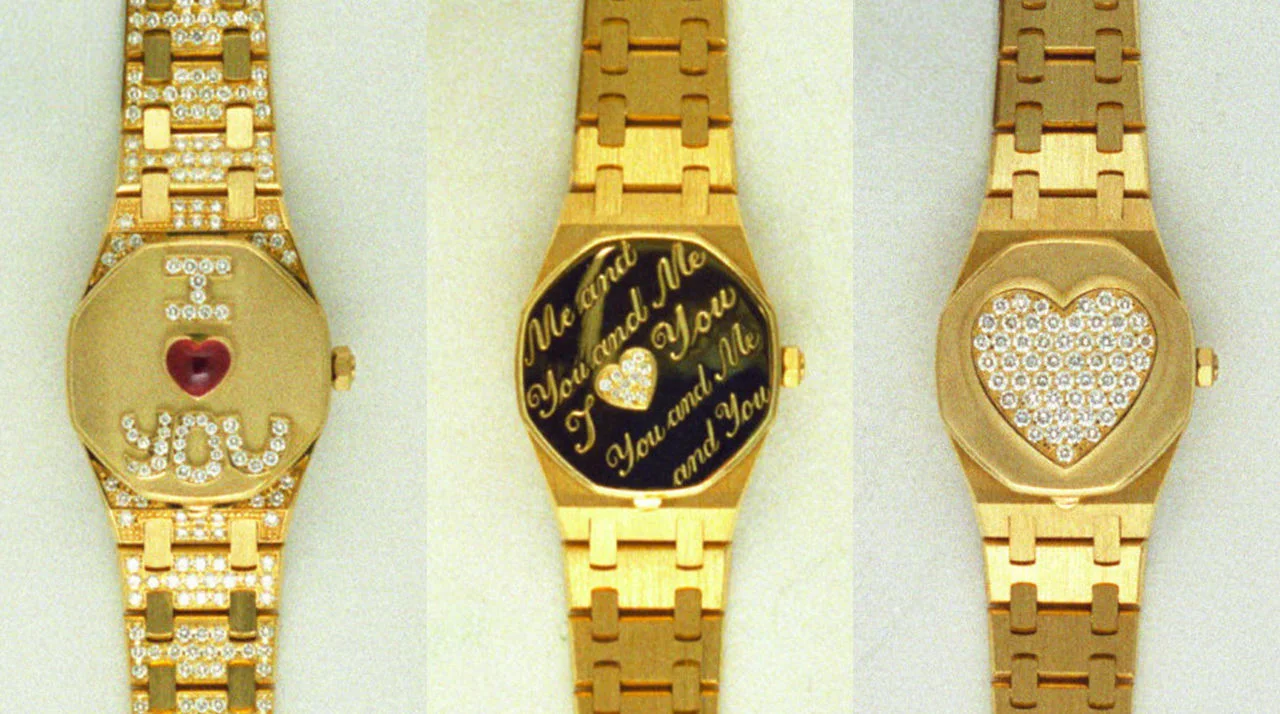
When it comes to fanciful watches in the form of lion cubs or mermaids, 24 variations of Mini Royal Oak models play on Haute Horlogerie conventions by occasionally featuring hearts, teddy bears and other messages of love. As far as shapes are concerned, while the octagon remained a necessary attribute, the cases were sometimes fitted with a cover. Some were transformed into rings and others into pendants, lapel pins and even cufflinks!
Most of the variations shown here are unknown to the public. The reason is simple: they are extremely rare, with 22 such models made in production runs of less than 10. Of these, 17 were issued in series of less than three and 12 are one-off editions.
At the time of going to press, the Audemars Piguet Heritage Collection does not own any of these watches. This article features the first-ever published list of the identification photographs for all the models, as preserved in the brand's archives, as well as the year the model was launched, along with the number of units per reference and per material.
|
Mini Royal Oak |
TOTAL |
ST |
BA |
BC |
SA |
OR |
1997 |
67075 |
1254 |
465 |
328 |
101 |
272 |
88 |
|
67076 |
549 |
|
79 |
296 |
|
174 |
|
67202 |
13 |
|
|
13 |
|
|
1998 |
67077 |
88 |
|
14 |
48 |
|
26 |
|
67169 |
5 |
|
|
5 |
|
|
|
67173 |
15 |
|
5 |
6 |
|
4 |
|
67242 |
1 |
|
|
1 |
|
|
|
67243 |
1 |
|
|
1 |
|
|
|
67244 |
1 |
|
|
1 |
|
|
|
67289 |
2 |
|
1 |
1 |
|
|
1999 |
67287 |
8 |
|
|
5 |
|
3 |
|
67290 |
2 |
|
1 |
1 |
|
|
|
67291 |
5 |
|
2 |
1 |
|
2 |
|
67292 |
6 |
|
2 |
2 |
|
2 |
|
67293 |
2 |
|
1 |
1 |
|
|
|
67294 |
2 |
|
1 |
1 |
|
|
|
67295 |
1 |
|
1 |
|
|
|
|
67315 |
1 |
|
1 |
|
|
|
|
67316 |
1 |
|
|
1 |
|
|
|
67317 |
2 |
|
2 |
|
|
|
|
67318 |
1 |
|
1 |
|
|
|
|
67319 |
1 |
|
1 |
|
|
|
|
67320 |
1 |
|
|
1 |
|
|
|
67321 |
1 |
|
|
1 |
|
|
|
67322 |
1 |
|
1 |
|
|
|
|
67323 |
1 |
|
|
1 |
|
|
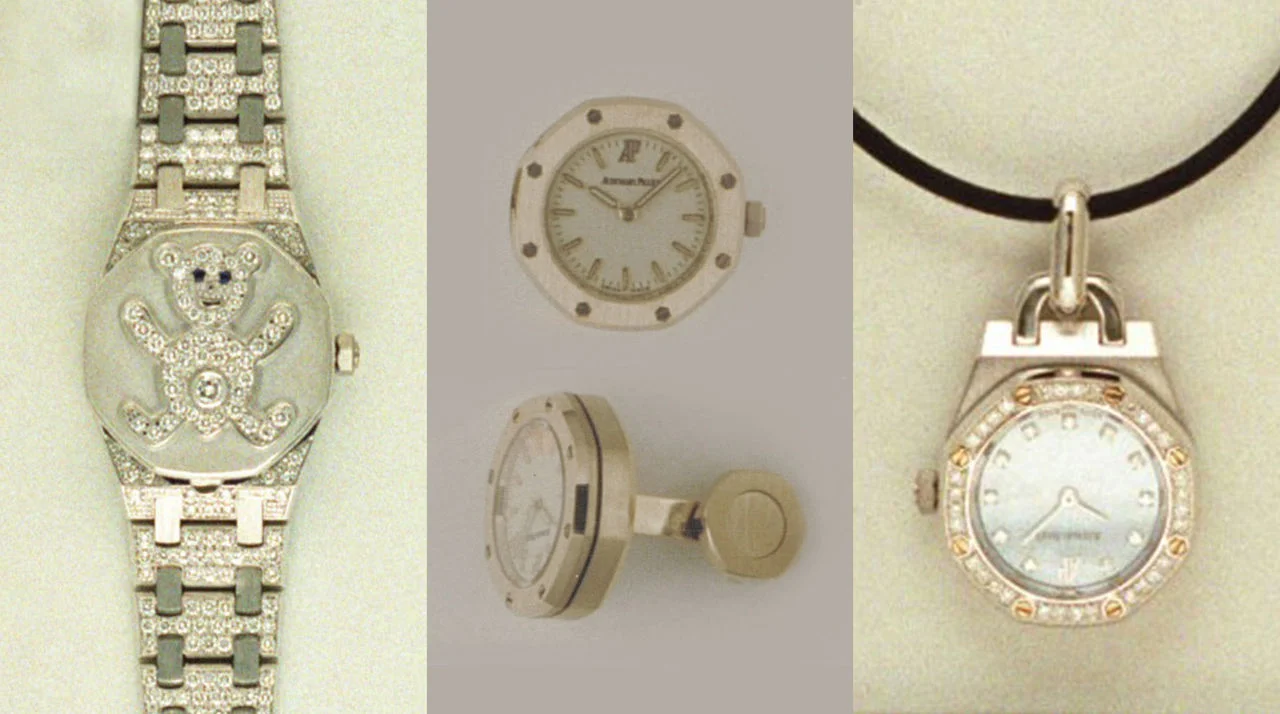
1999. From left to right, Mini Royal Oak Models 67323, 67241, 67290. Audemars Piguet Archives.
1999. From left to right, Mini Royal Oak Models 67322, 67317 and 67318. Audemars Piguet Archives.
1998. From left to right, Mini Royal Oak Models 67169 (2x) and 67242. Audemars Piguet Archives.
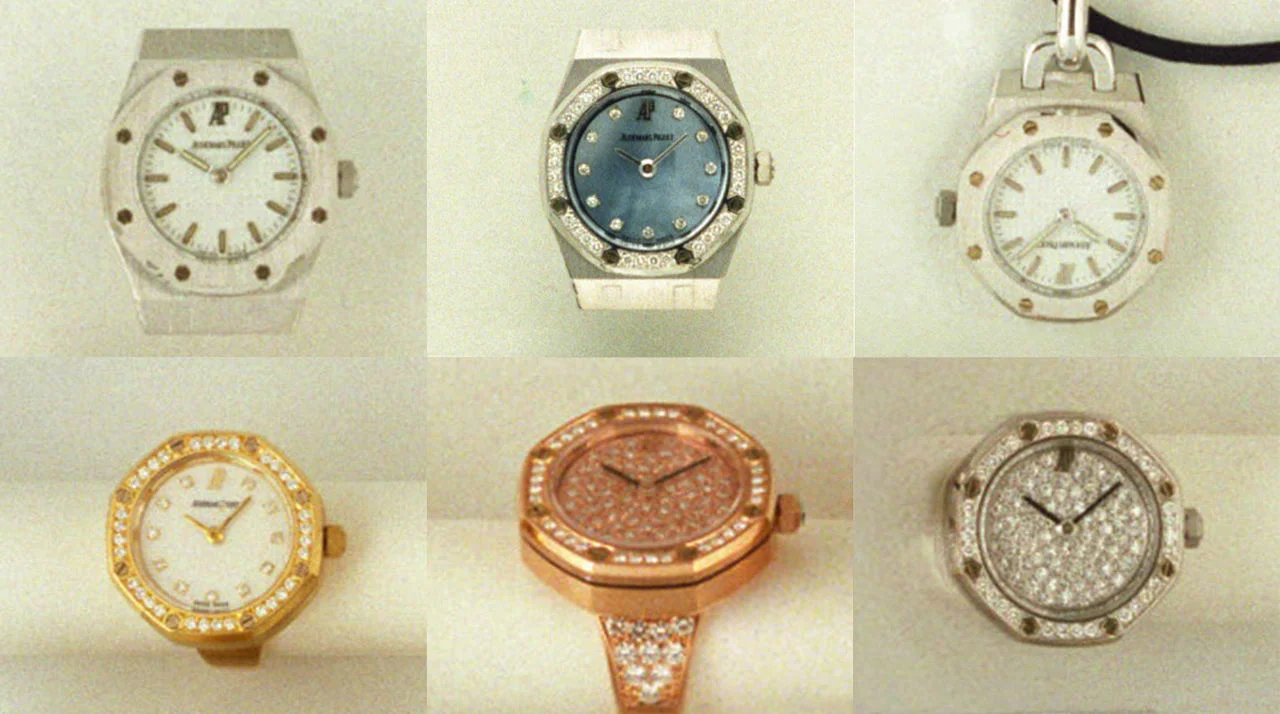
1998–1999. From left to right, top to bottom: Mini Royal Oak Models 67293, 67294, 67289, 67291 and 67292 (2x). Audemars Piguet Archives.
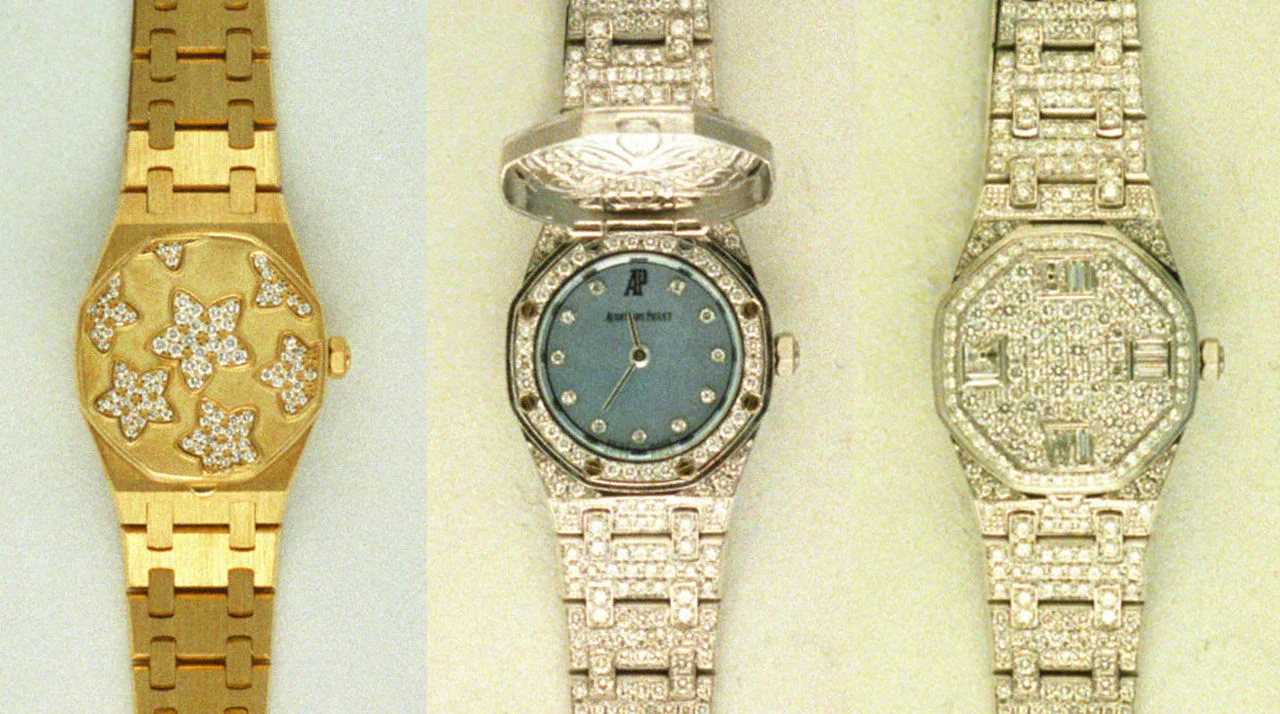
1998–1999. From left to right, Mini Royal Oak Models 67315 and 67244 (2x). Audemars Piguet Archives.
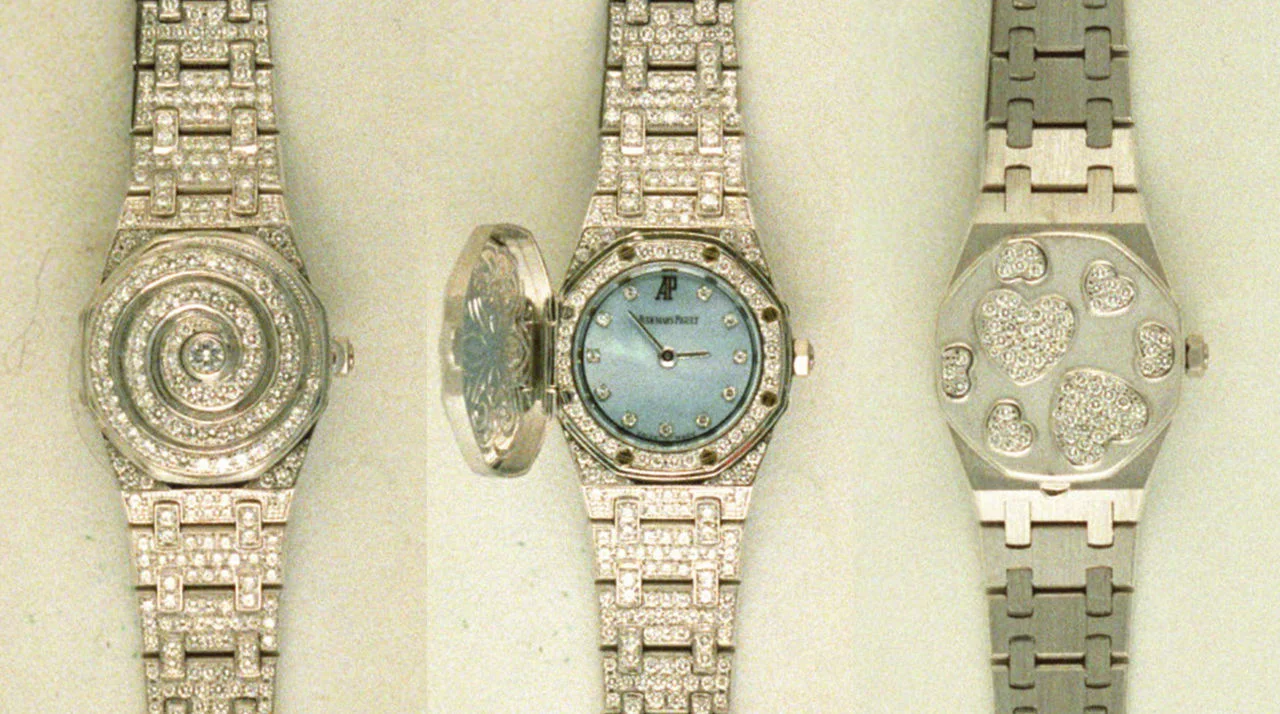
1998–1999. From left to right, Mini Royal Oak Models 67243 (2x) and 67316. Audemars Piguet Archives.
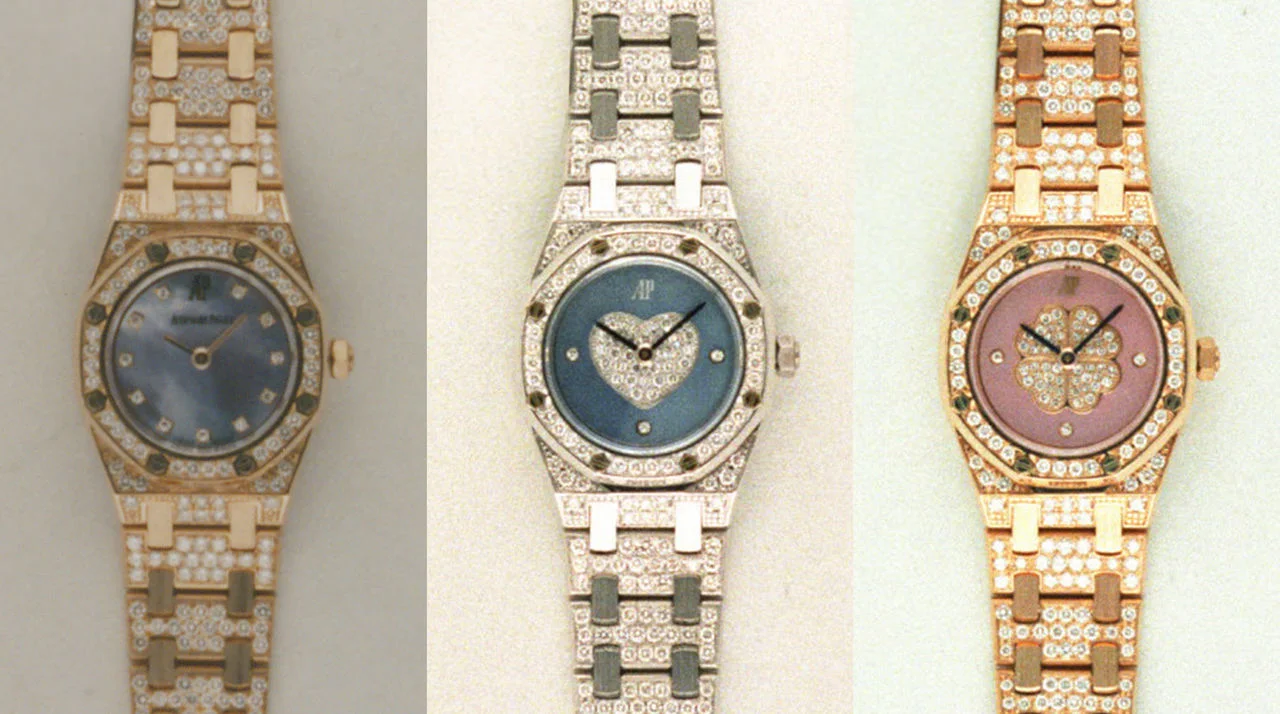
1998. Variations of the Mini Royal Oak Model 67077. Audemars Piguet Archives.
1998. Variations of the Mini Royal Oak Model 67077. Audemars Piguet Archives.
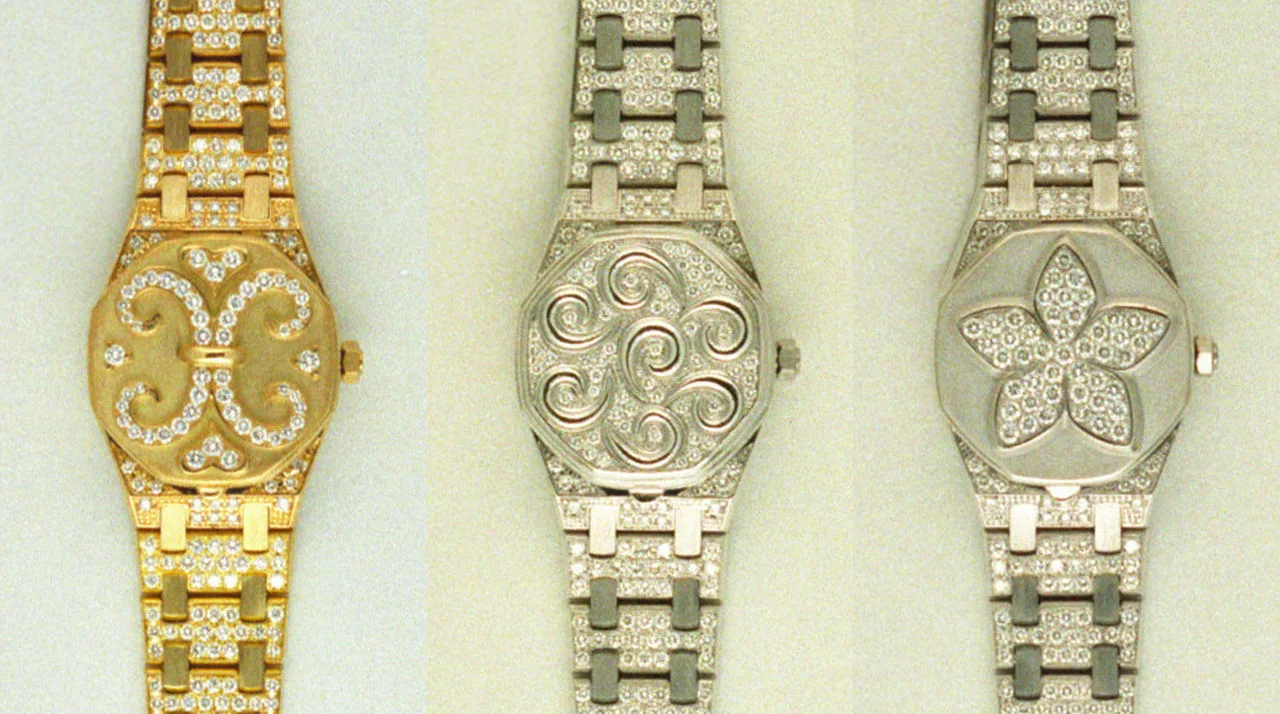
1999. From left to right, Mini Royal Oak Models 67319, 67320 and 67321. Audemars Piguet Archives.
1998. Variations of the Mini Royal Oak Model 67173. Audemars Piguet Archives.
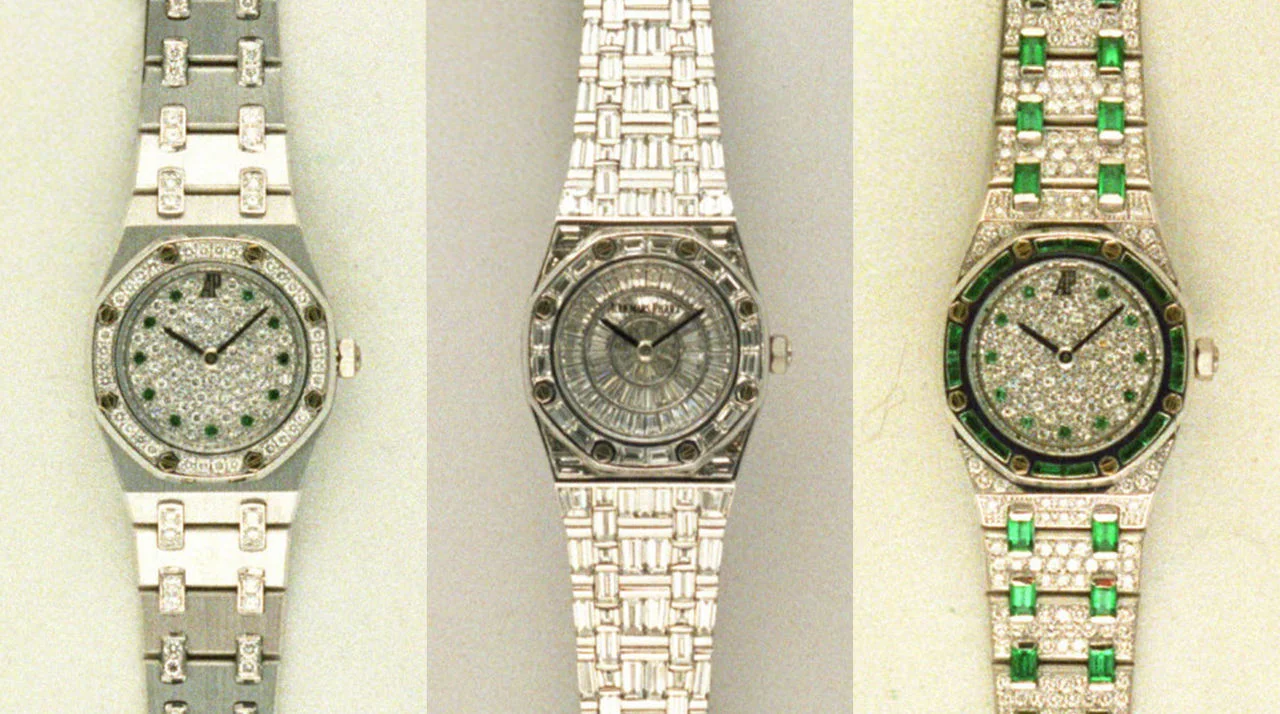
1997–1999. From left to right, Mini Royal Oak Models 67202, 67170 and 67169. Audemars Piguet Archives.
The calibre that saves energy
Since 1999, the size of the Royal Oak has continued to grow. The last models under 30 mm vanished after 2004. Only the 33 mm models survived, followed by the 34 mm models as of 2020. Yet every time a Mini Royal Oak comes up for auction at Christie's, Sotheby's or Antiquorum, it triggers an outburst of emotion. Moreover, since Model 67075 went on display within the Musée Atelier Audemars Piguet in Le Brassus, it has become a firm favourite with visitors.
Little by little, the idea of reintroducing Mini Royal Oak watches was gaining traction. Was that feasible, however, given the absence of any calibre as small as the former 2601? Moreover, repairing the latter had become a challenge for Customer Services. Audemars Piguet thus opted for a small quartz mechanism with great autonomy.
To improve the watch’s battery life, Calibre 2730 is almost constantly in sleep mode. It is activated every 20 seconds or so, moving the hands forward slightly before going back to sleep. During its multiple naps, the only constant motion is the non-stop vibration of the small quartz piece placed at the heart of the movement – a bit like the heart of a lazy person in a deep sleep, waking up every 20 seconds to shuffle a few centimetres forward. It does not move fast, but it lasts a long time. This method saves energy and ensures a full seven years of autonomy, corresponding to the battery life. It is worth noting that the watch can be temporarily stopped by pulling out the crown, thereby further extending its power reserve.
Rebirth of a mini-legend
The technology involved in Calibre 2730 requires slightly more space than Calibre 2601. At 23 mm in diameter, the new Royal Oak Mini is barely larger than its 1997 predecessor, yet it is almost smaller in proportion to the size of the watches of its era. Not to mention that it is every bit as jovial, elegant and casual.
The three versions presented in 2024 are in white gold, pink gold and yellow gold. The cases and bracelets are made at the Manufacture Audemars Piguet in Meyrin. There, they are finished using the so-called "Frosted Gold" technique, inspired by Italian jewellery designer Carolina Bucci and introduced at Audemars Piguet in 2016.
“Frosted Gold" finishing is a kind of diamond hammering or punching. In Italy, this is known as diamantatura, as the small hammer that digs into the material by striking it is tipped with a cut diamond. Since diamonds have facets, each hole is structured into small, very smooth faces, each reflecting the light like a mirror. The result is a vibrant sparkling effect. A large number of holes have to be made to cover the entire case of a Royal Oak Mini. Artisans have calculated that for each watch, the hammer strikes the gold around half a million times.
The new Royal Oak Mini 67630 was publicly unveiled in June 2024, at an exhibition organised by Audemars Piguet in the heart of Milan. This little geographical nod recalls the Royal Oak collection’s historical ties with Italy dating back to its origins.
Audemars Piguet Heritage Team, May 2024.
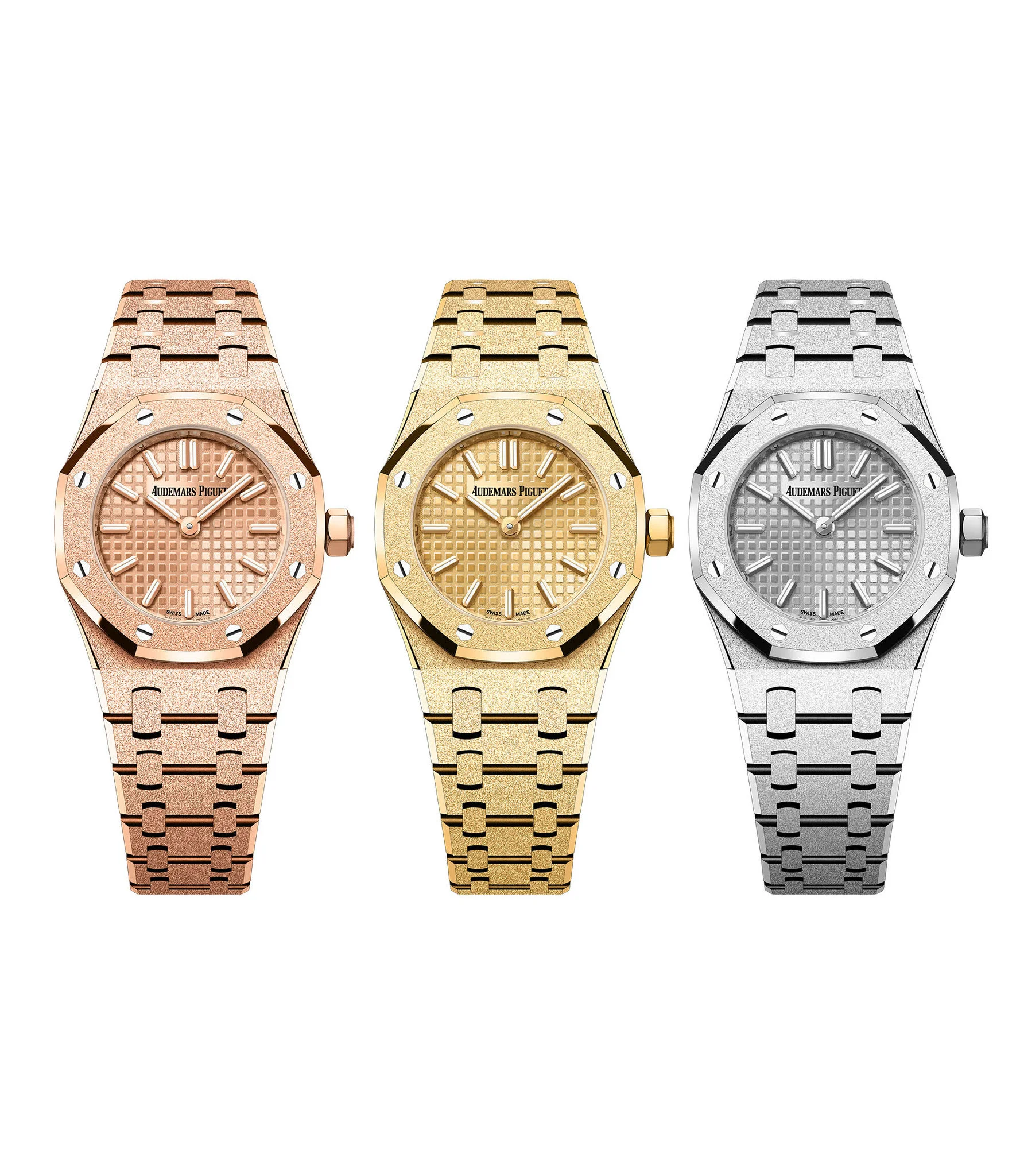
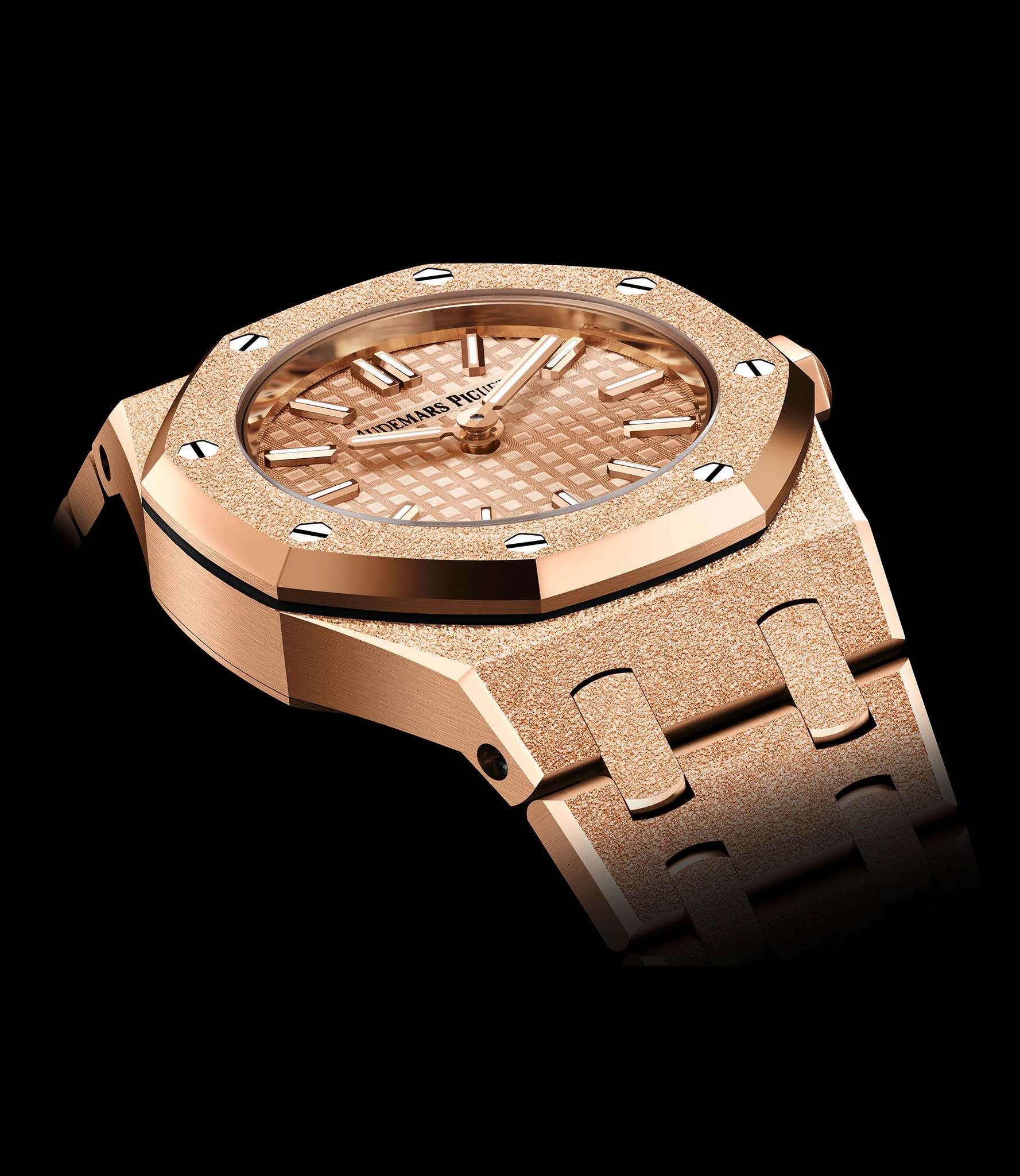
2024. Royal Oak Mini 67630OR. . Tapisserie dial. Calibre 2730 with over seven years of power reserve. Hammered "Frosted Gold”, satin-brushed and diamond-polished 23 mm case and bracelet in 18-carat pink gold.
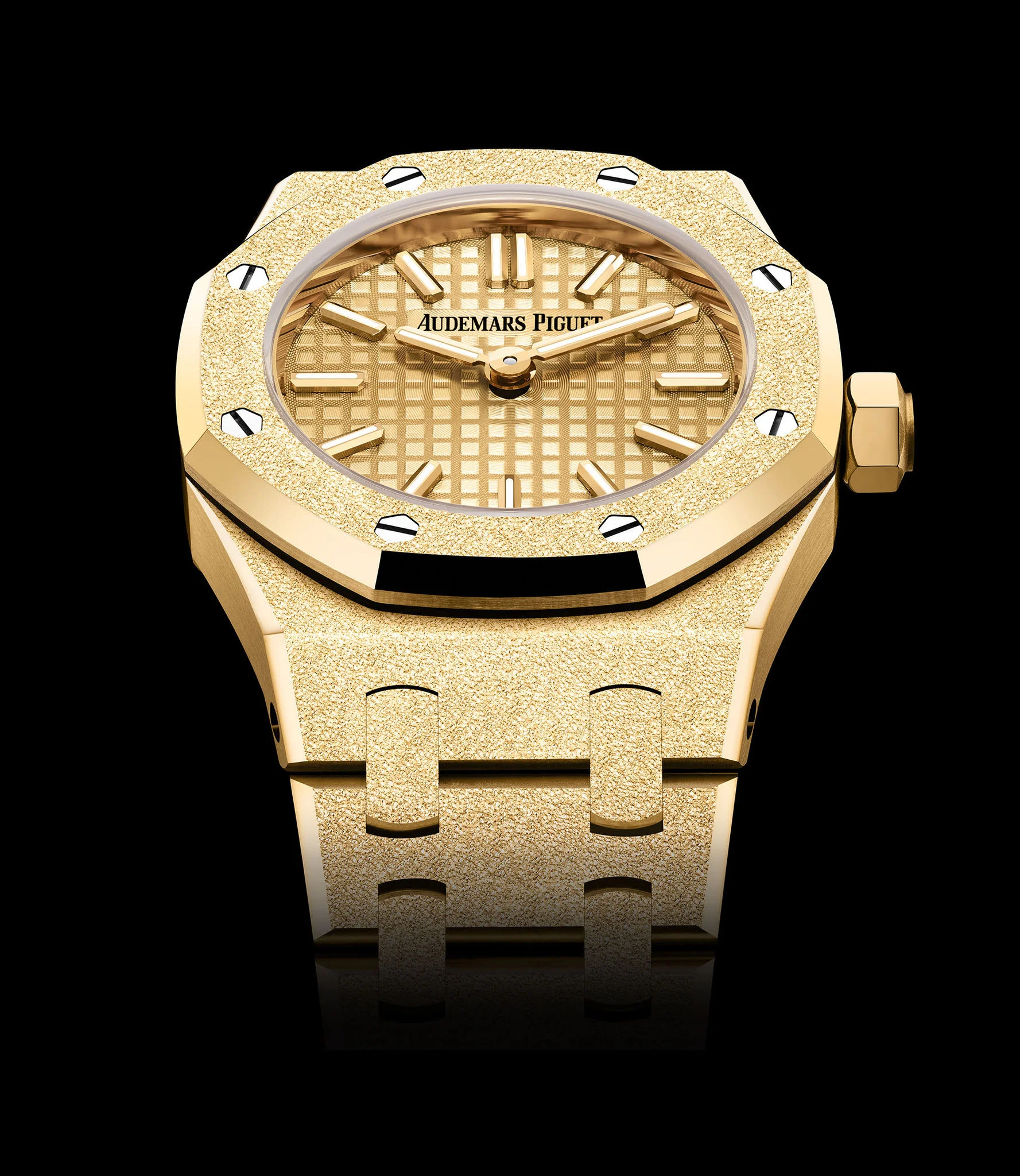
2024. Royal Oak Mini 67630BA. Tapisserie dial. Calibre 2730 with over seven years of power reserve. Hammered "Frosted Gold”, satin-brushed and diamond-polished 23 mm case and bracelet in 18-carat yellow gold.
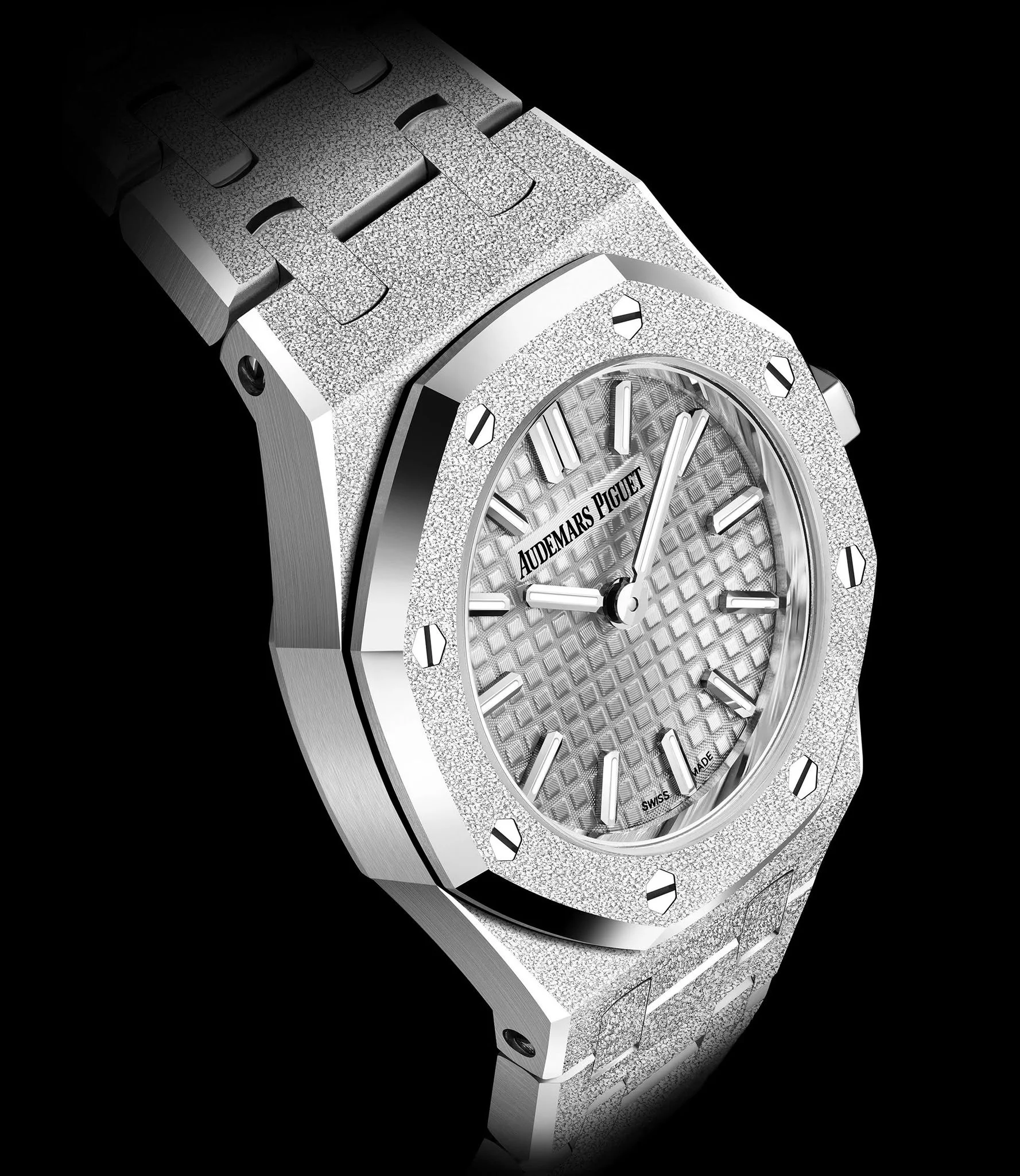
2024. Mini Royal Oak 67630BC. Tapisserie dial. Calibre 2730 with over seven years of power reserve. Hammered "Frosted Gold”, satin-brushed and diamond-polished 23 mm case and bracelet in 18-carat white gold.