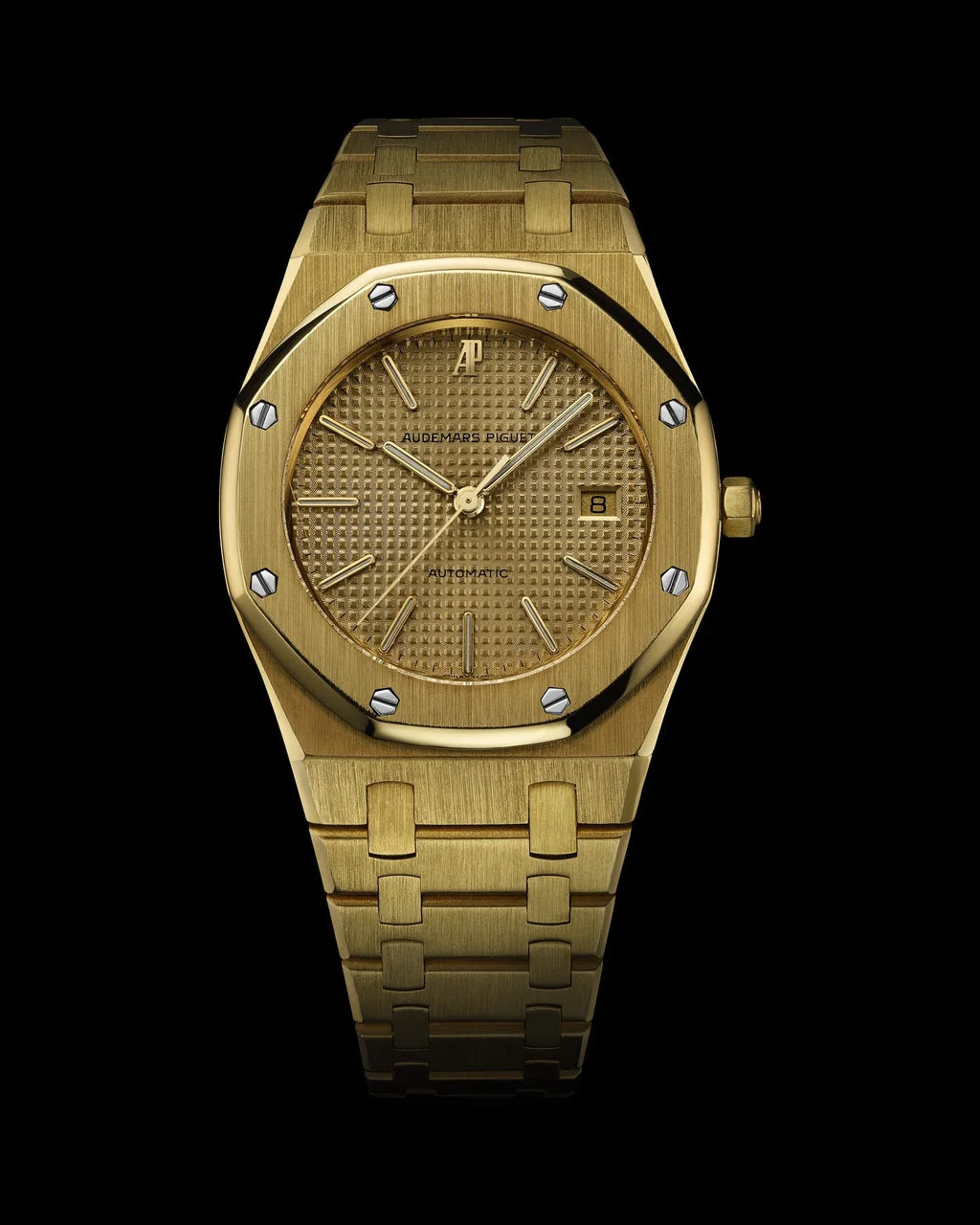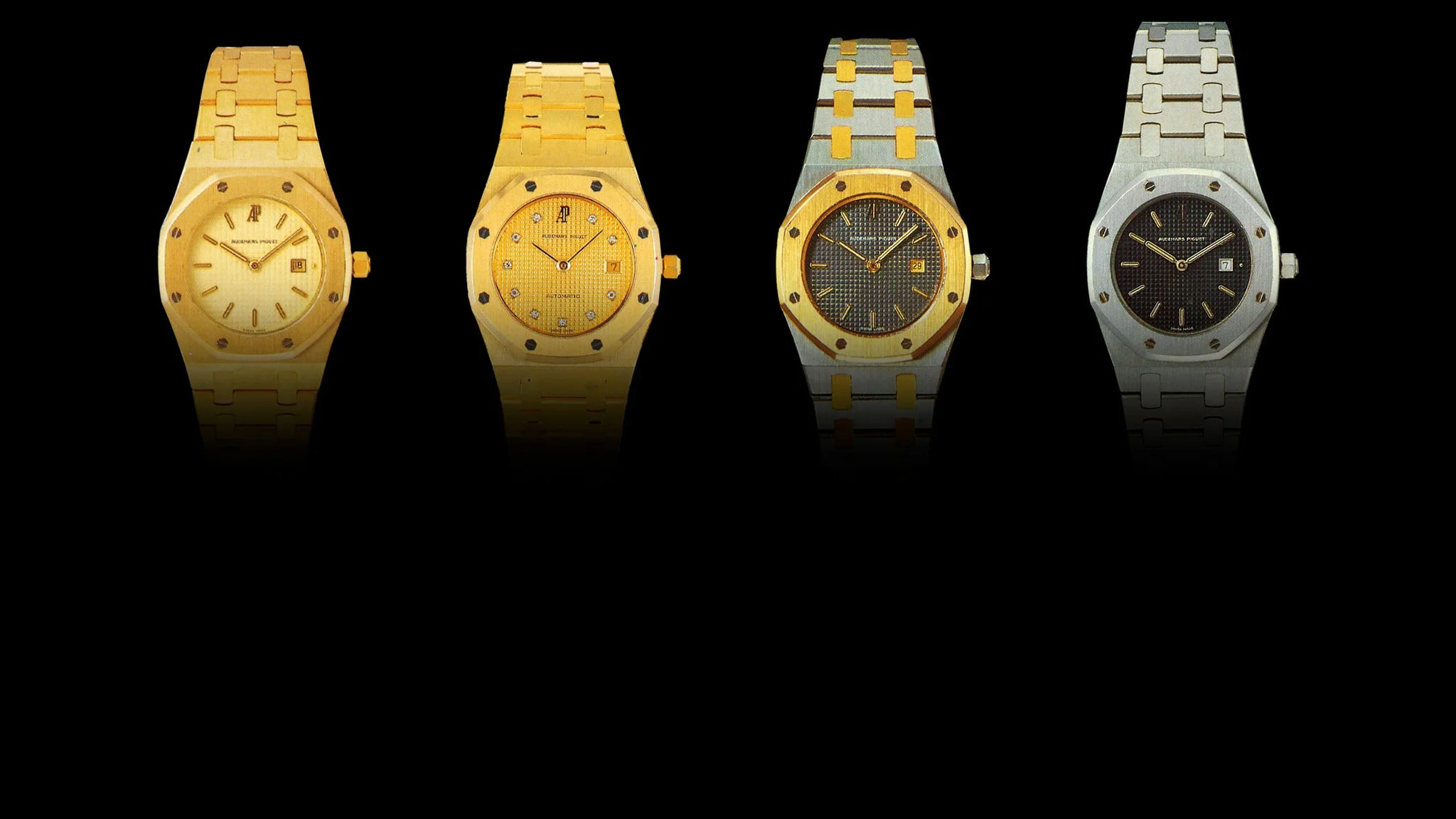
14470, Royal Oak
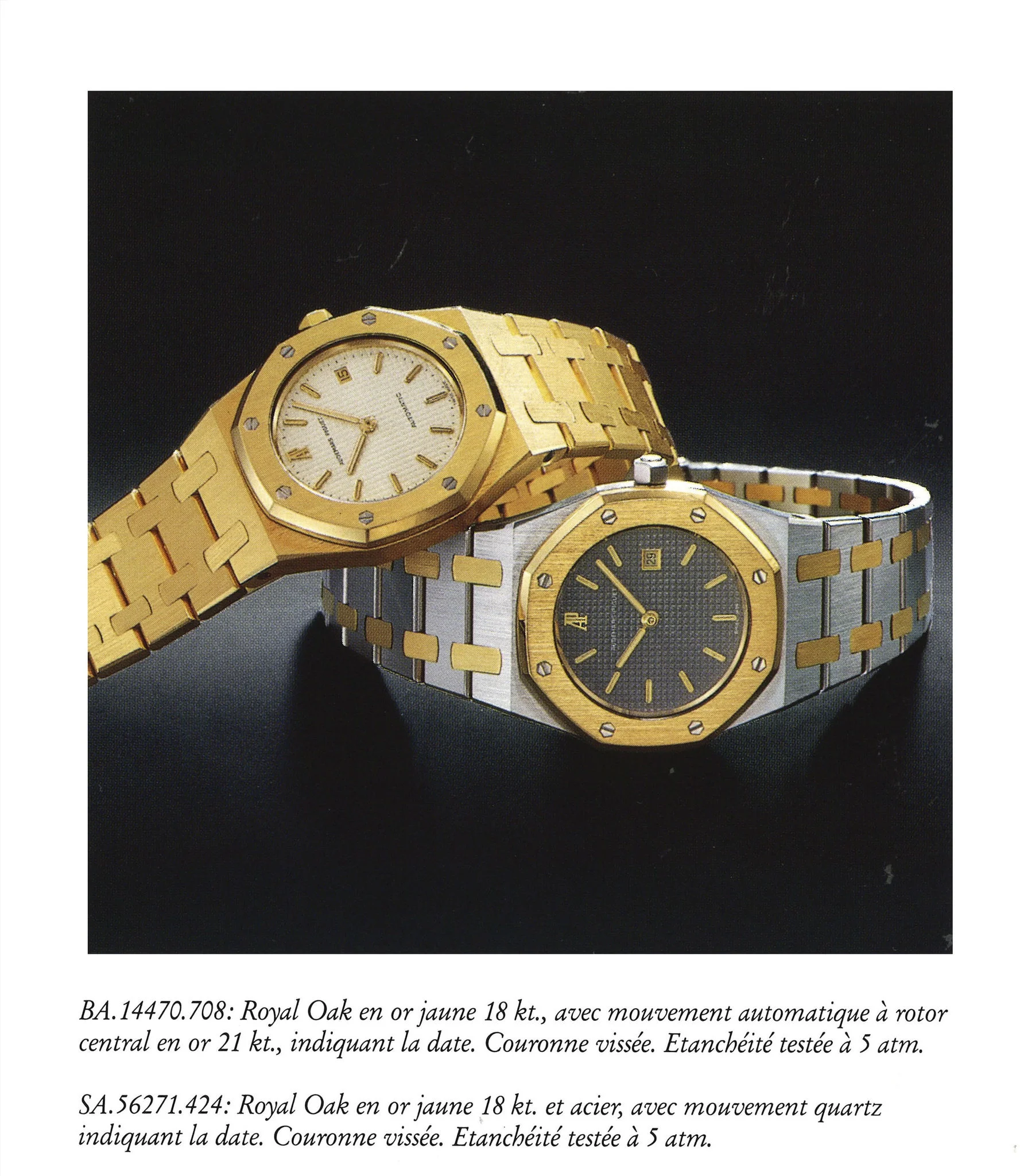
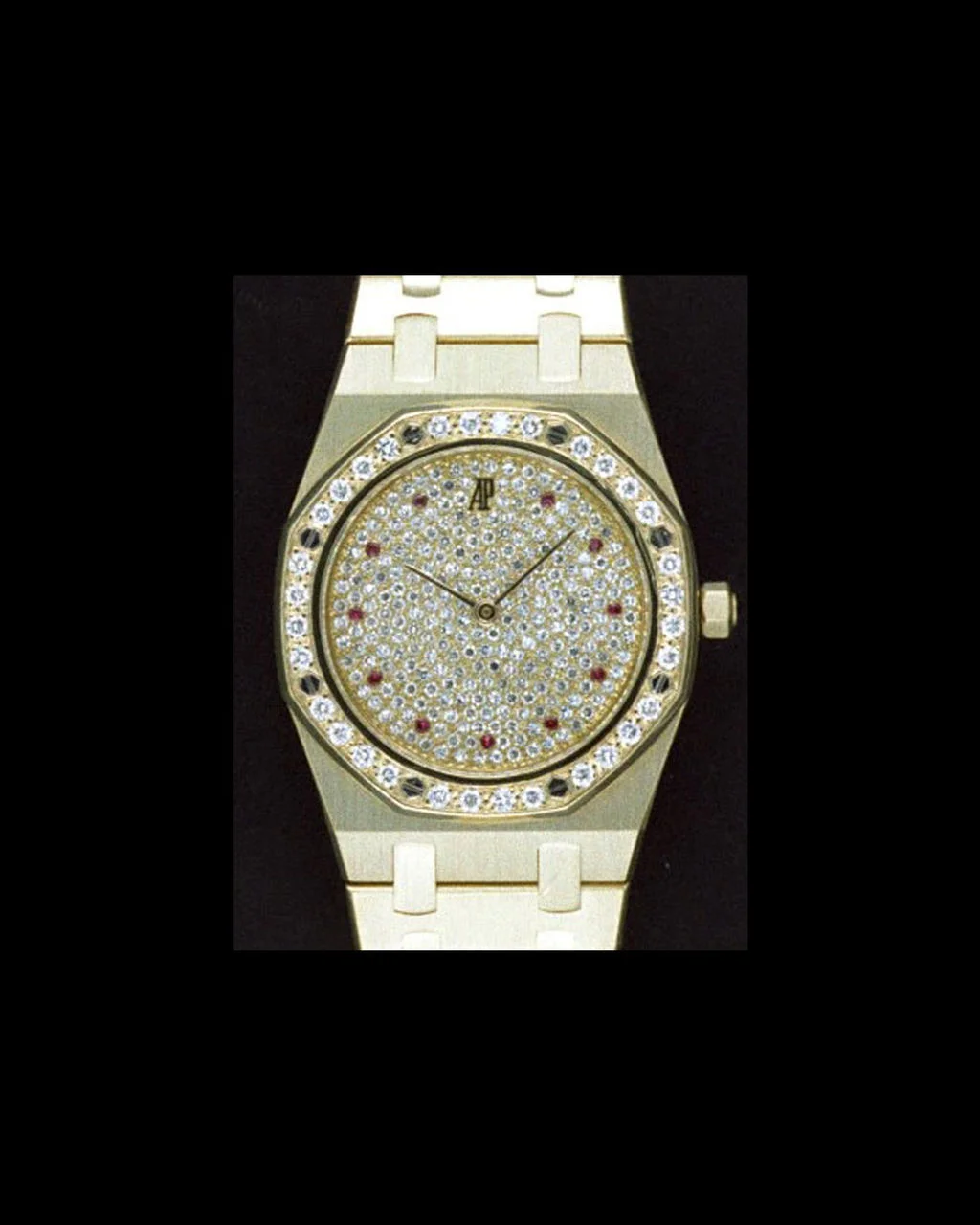
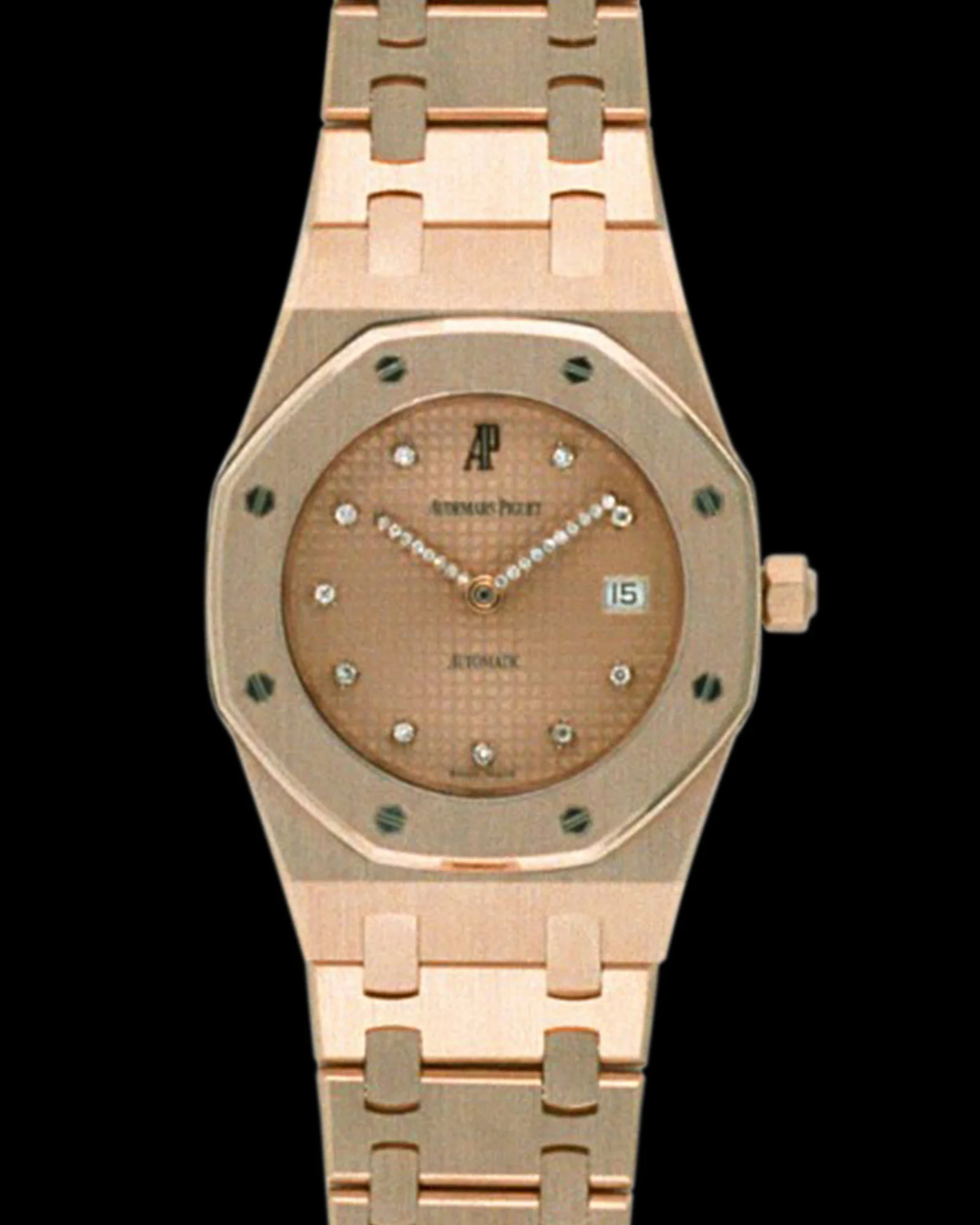
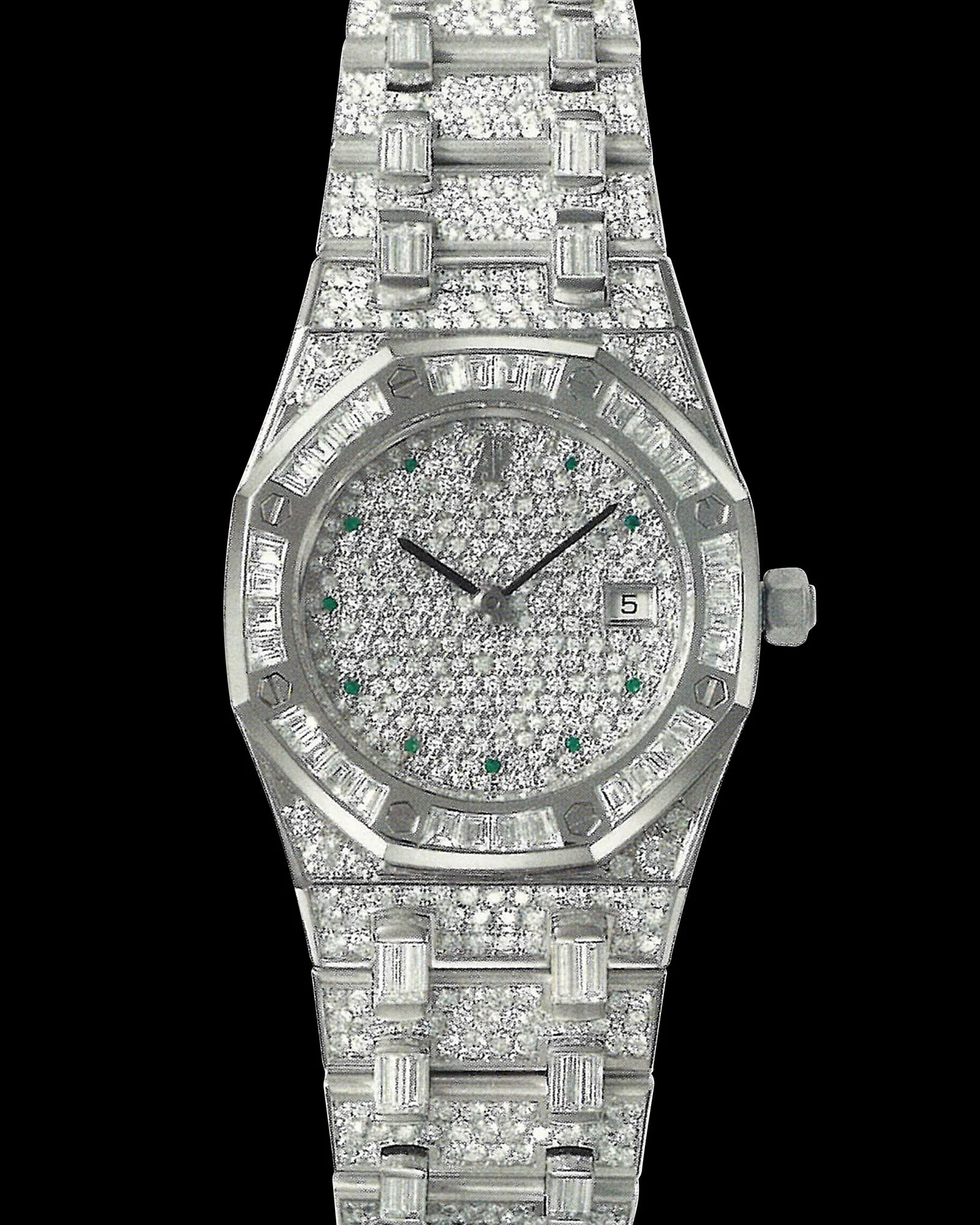
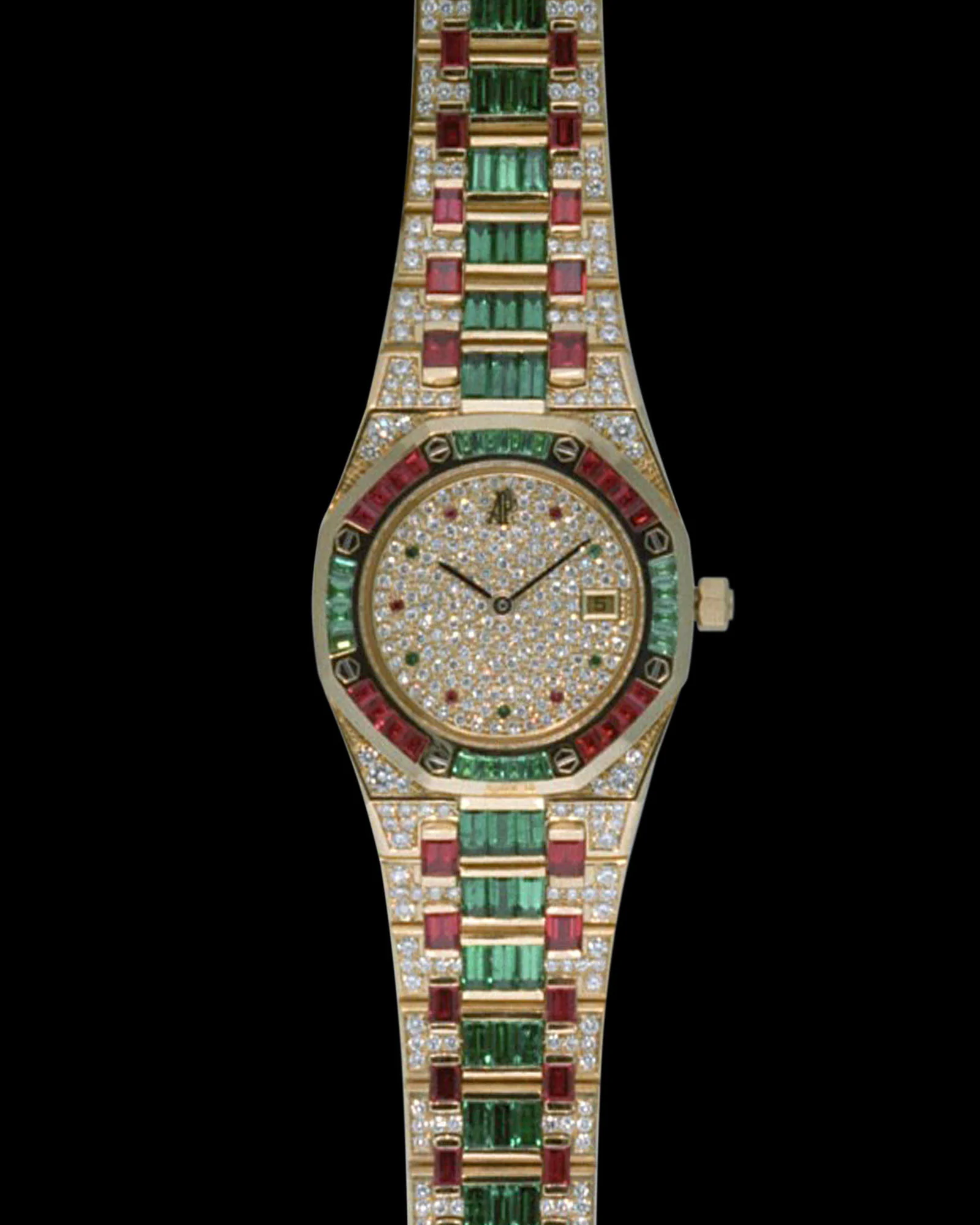
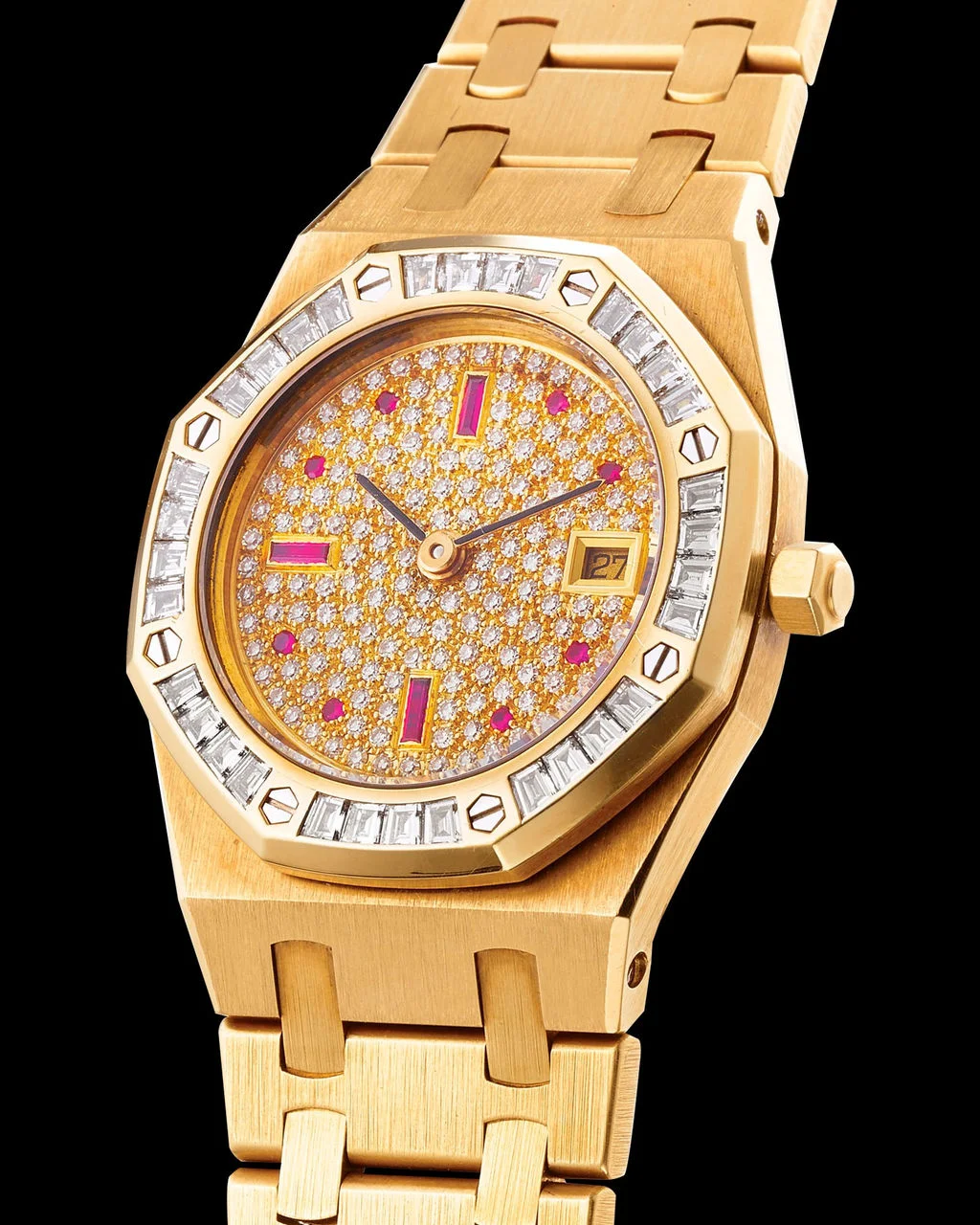
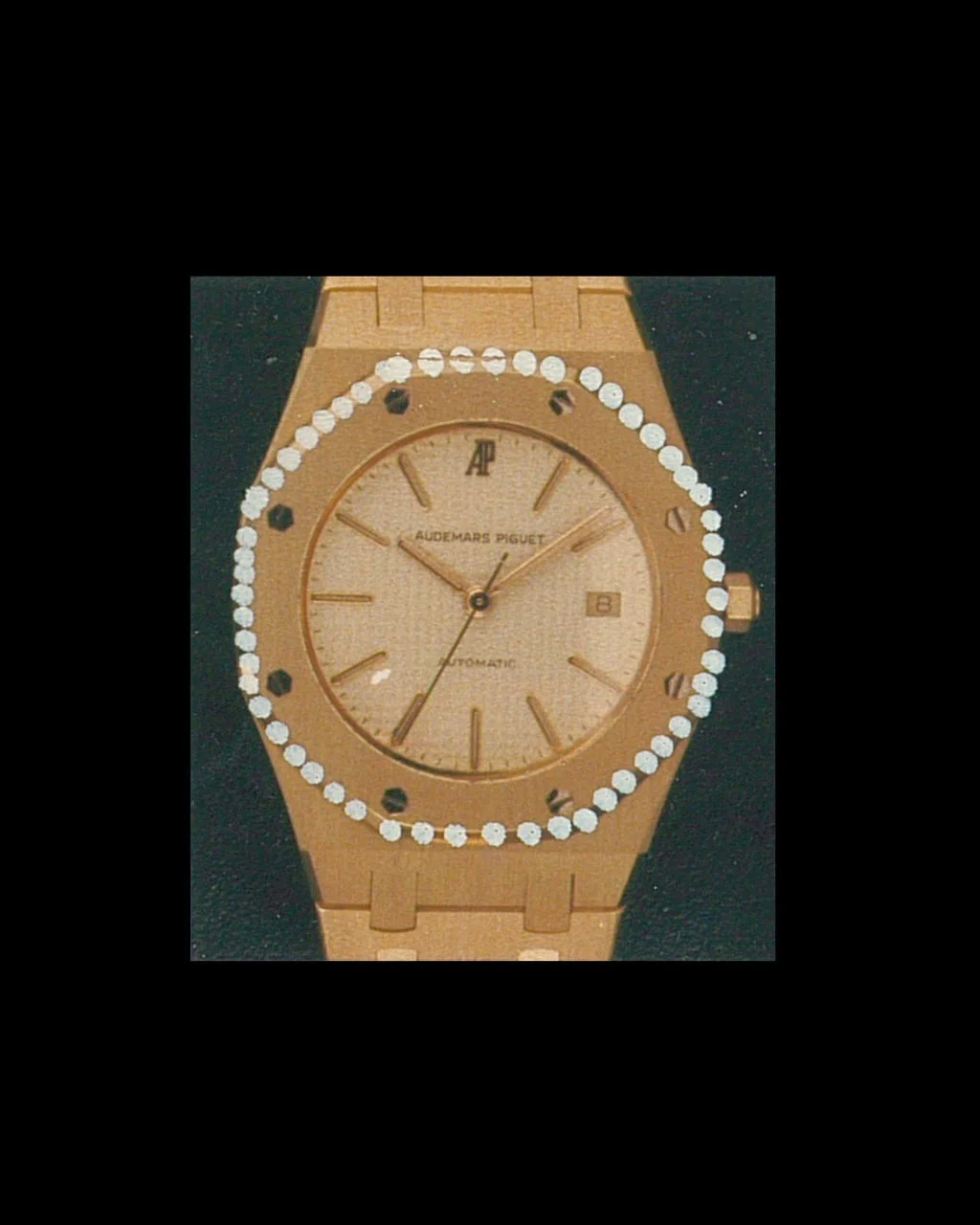
1988. Royal Oak Models 14470 and 56271. Image published in a promotional brochure. Audemars Piguet Archives.

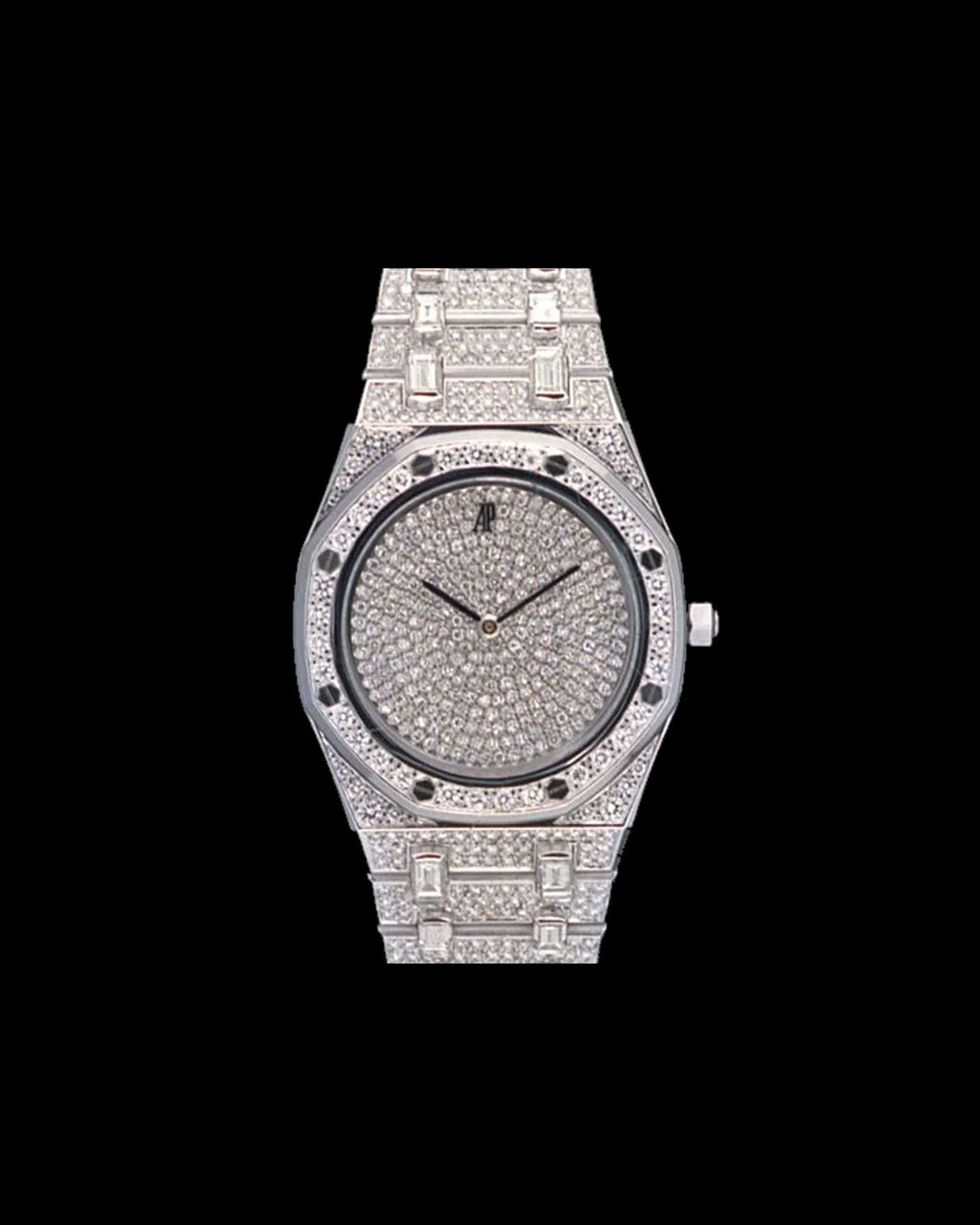
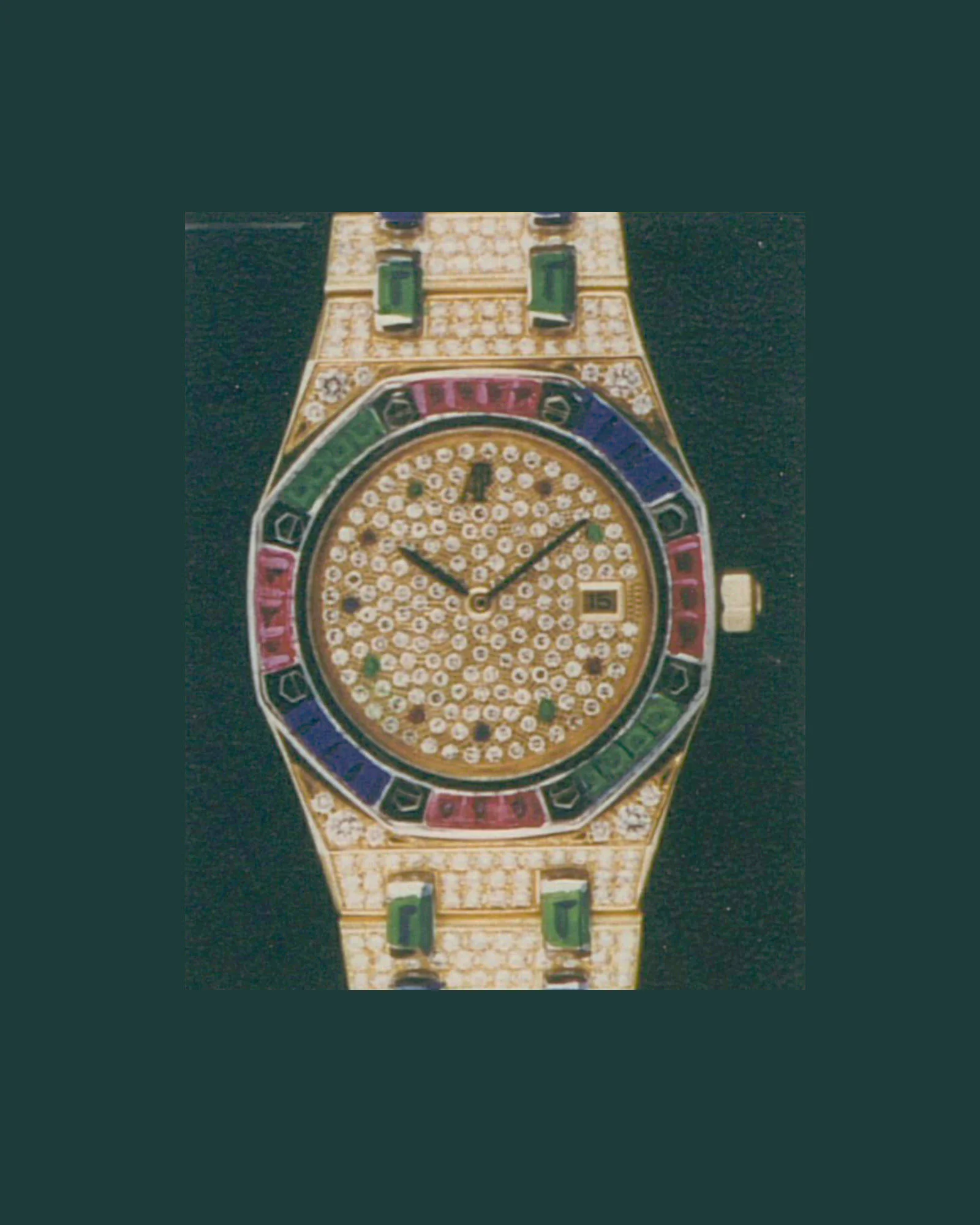
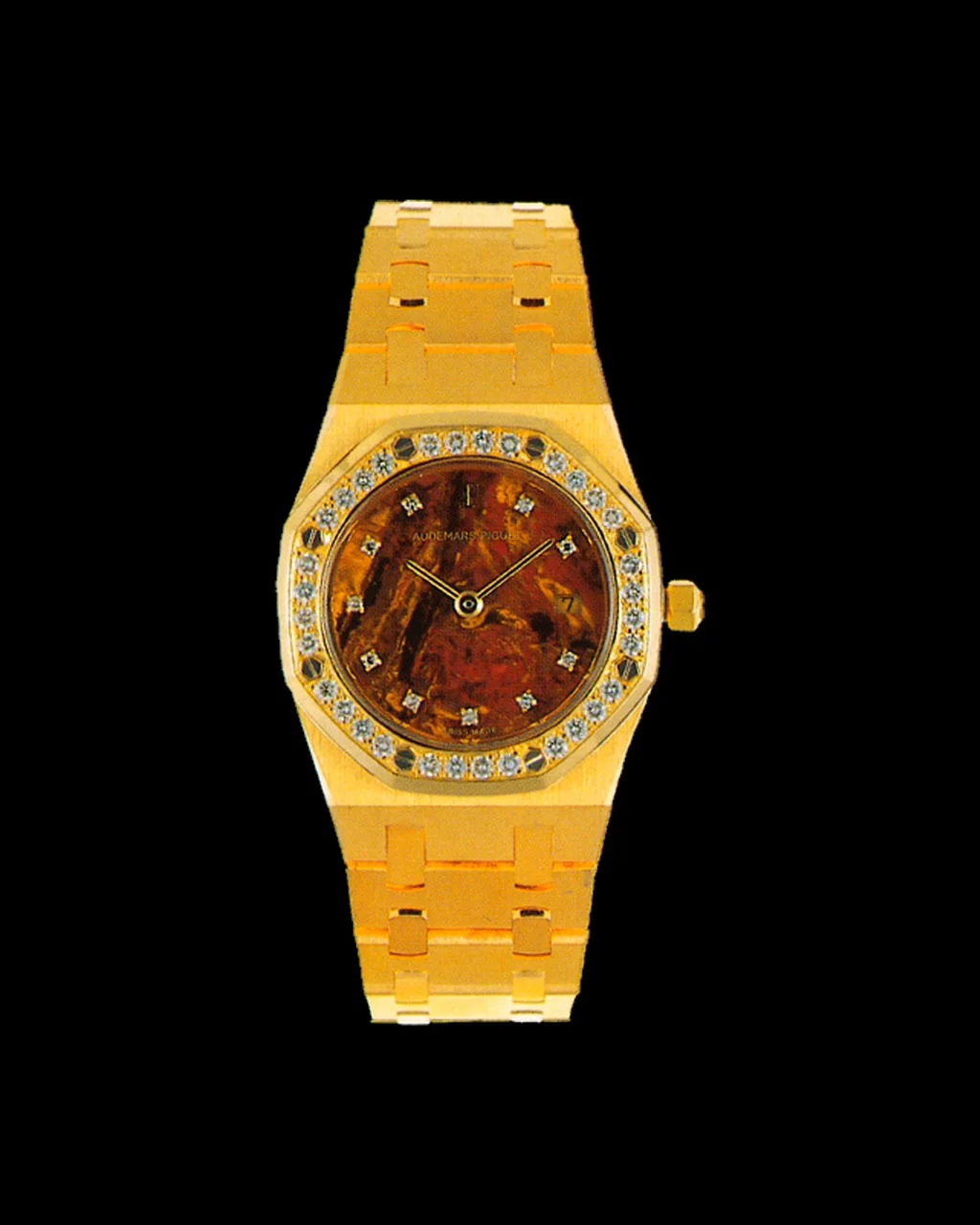
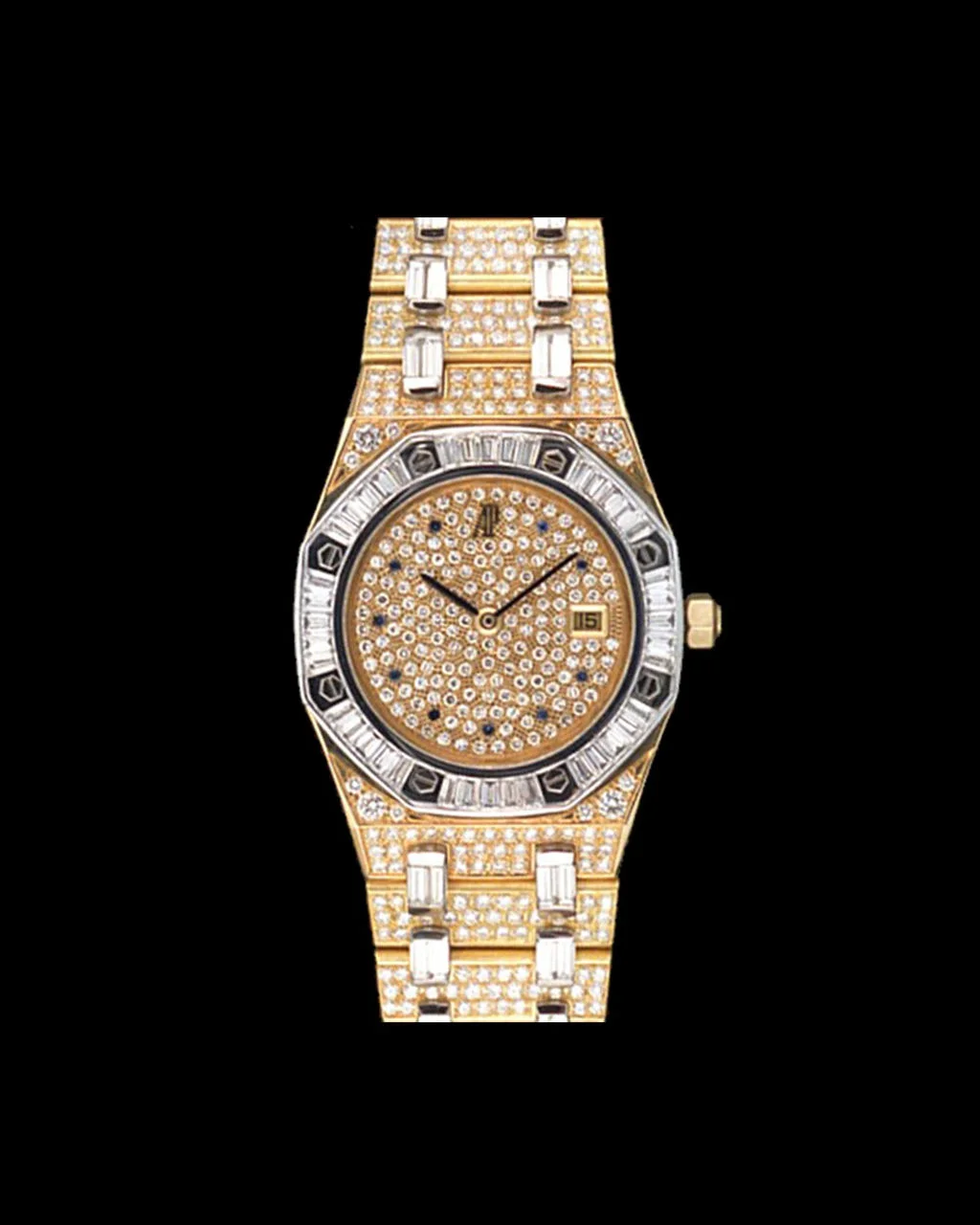
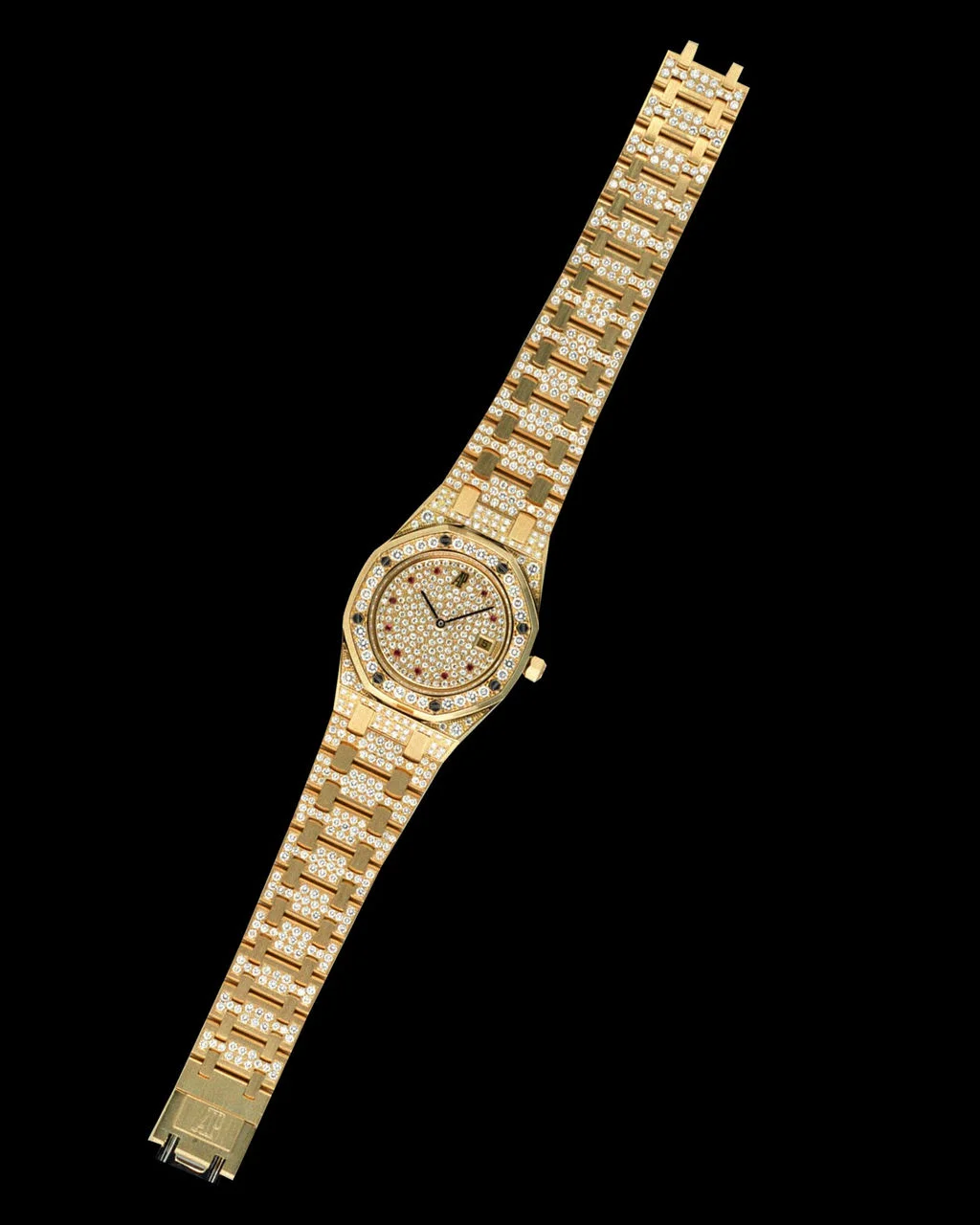
1986-1987. Variations on Royal Oak Model 14470 (30 mm) presented in the 1986-87 and 1987-88 Audemars Piguet catalogues. Audemars Piguet Archives.

1993-1994. Variations on Models 14470 and 56271 (30 mm) presented in the 1986-87 Audemars Piguet catalogue. Audemars Piguet Archives.

1990. Variations on Royal Oak dials. Intended for retailers, the Audemars Piguet catalogue presents a selection of dials intended to equip, on request, Models 14470, 14700, 56721, 66270, 14486, 56175, 56323, 66319, 66351, etc. Audemars Piguet Archives.

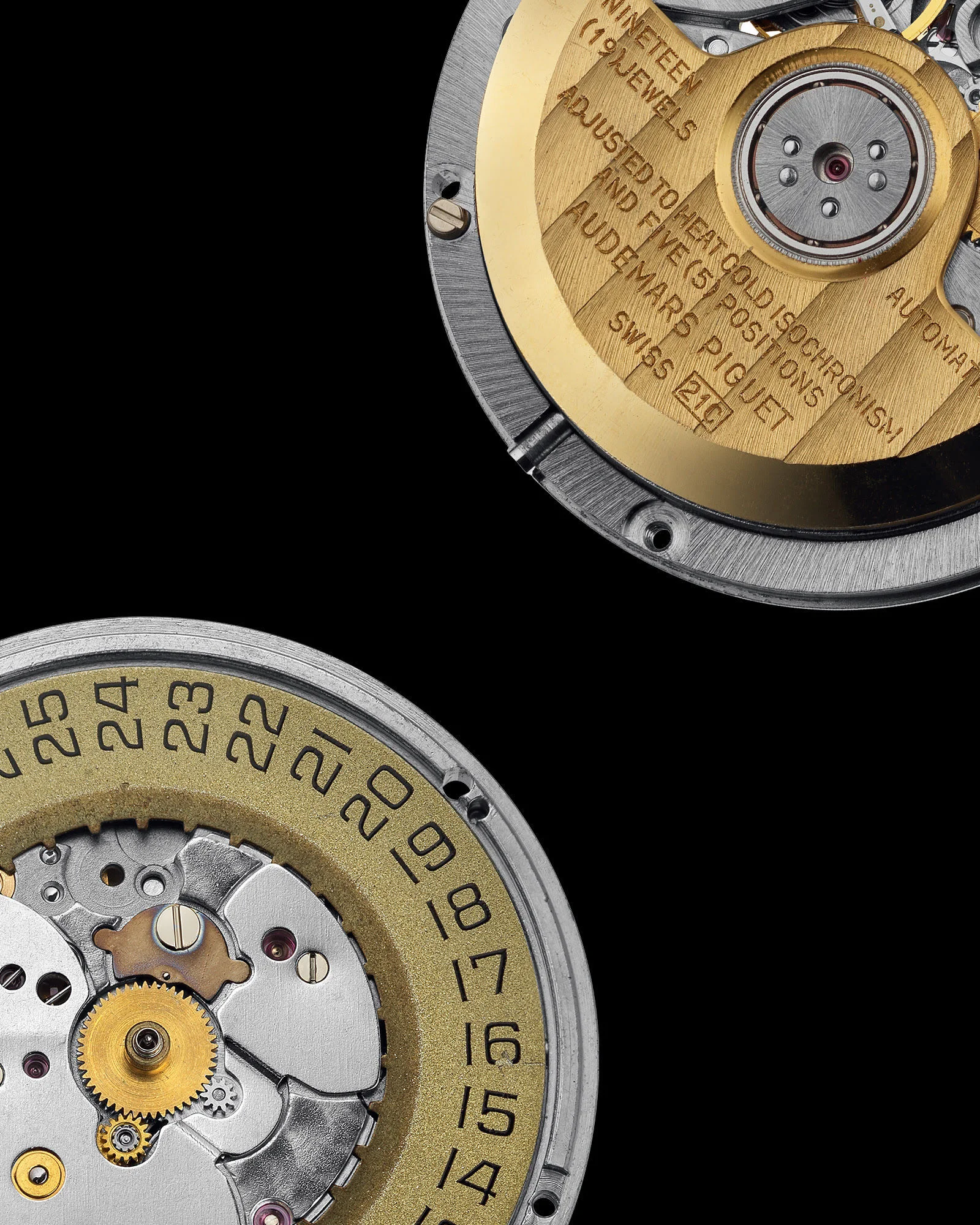
1988. Calibre 2130. 1988-89 and 1990-91 Audemars Piguet catalogues. Audemars Piguet Archives.

Circa 2000. Technical data for Royal Oak Model 14470. After-sales service document. Audemars Piguet Archives.
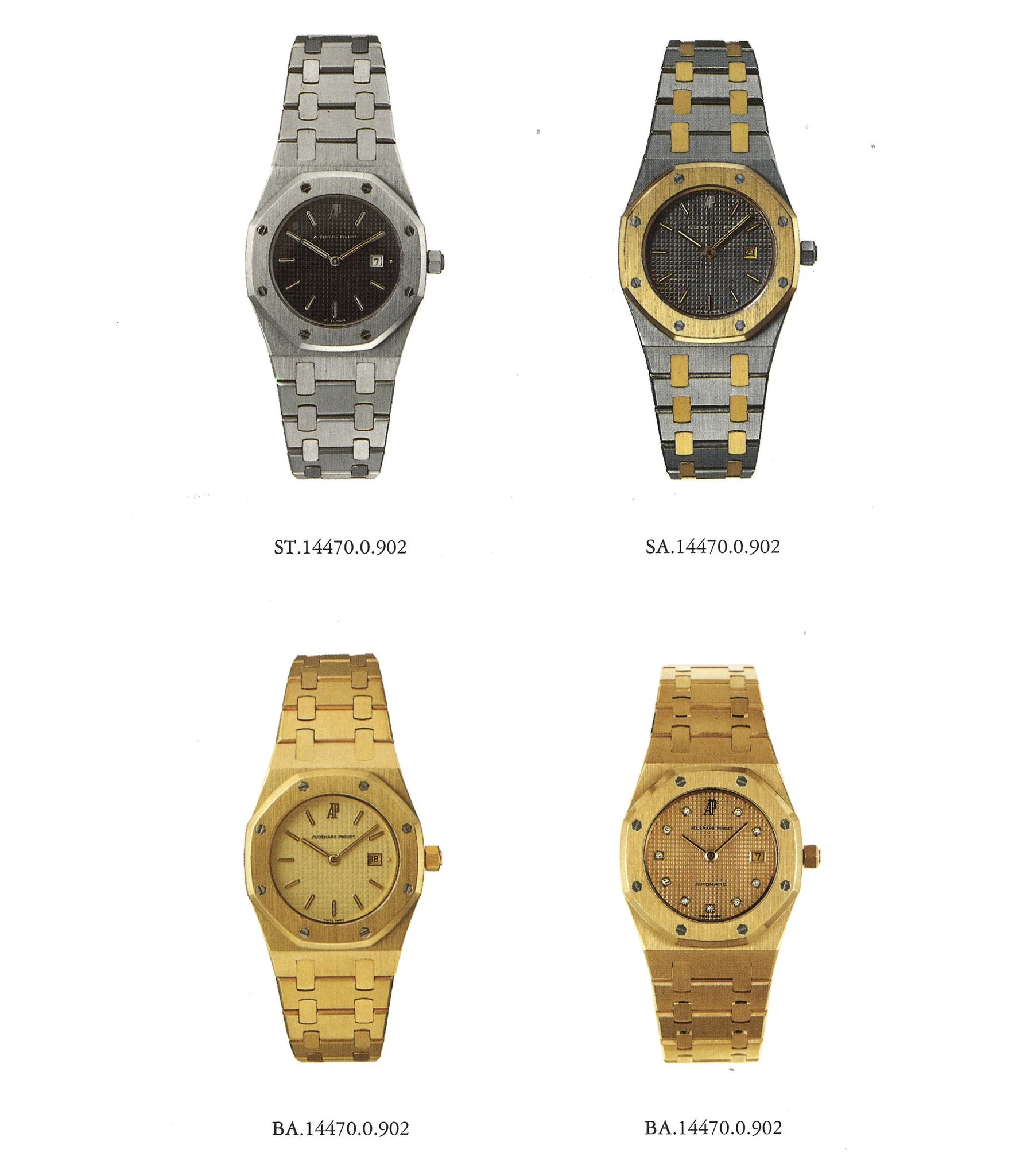
1994. Variations on Royal Oak Model 14470. 1994 Audemars Piguet catalogue. Audemars Piguet Archives.

1993. Variations on Royal Oak Model 14470, 30mm. Audemars Piguet catalogue. Audemars Piguet Archives.

1986. Technical data for Royal Oak Model 14470, 30 mm. Audemars Piguet Archives.
Between 1980 and 1986, a dozen Royal Oak 30mm models were created (Models 6008, 6013, 6020, 6033, 6035, 6046, 56048, 56120, 66154). While they were an extension of the history of the first Royal Oak for women (Model 8638, 29 mm), all were equipped with quartz calibres.
In 1986, the Royal Oak 14470 introduced a selfwinding calibre for the first time in the 30 mm category. From then on, the majority of models of this diameter were mechanical and a handful of these were equipped from 1992 onwards with the extraordinary ultra-thin, finely openworked Calibre 2003.
The Royal Oak 14470 quickly became the centrepiece of the ladies' collection. More than 2,800 units equipped with Calibres 2130, 2131 and 2150 were sold between 1986 and 2003, alongside numerous examples driven by quartz Calibre 2610 (sometimes under the name 56721). Not only was the model interpreted in multiple material and dial variations, but it also gave rise to nine derived Royal Oak versions (listed below).
The 30 mm Royal Oak gradually disappeared from the early 2000s onwards, giving way to models with a larger diameter.
2,878 models sold between 1986 and 2003 (excluding quartz versions): 1 (1986), 215 (1987), 155 (1988), 117 (1989), 202 (1990), 232 (1991), 343 (1992), 285 (1993), 472 (1994), 447 (1995), 114 (1996), 147 (1997), 108 (1998), 38 (1999), 1 (2000) and 1 (2003)
Derived models: 14587 (1988), 14708 (1992), 14845 (1993), 14847 (1993), 14846 (1994), 14913 (1995), 79313 (1995), 79320 (1995) and 14922 (1997).
Between 1980 and 1986, a dozen Royal Oak 30mm models were created (Models 6008, 6013, 6020, 6033, 6035, 6046, 56048, 56120, 66154). While they were an extension of the history of the first Royal Oak for women (Model 8638, 29 mm), all were equipped with quartz calibres.
In 1986, the Royal Oak 14470 introduced a selfwinding calibre for the first time in the 30 mm category. From then on, the majority of models of this diameter were mechanical and a handful of these were equipped from 1992 onwards with the extraordinary ultra-thin, finely openworked Calibre 2003.
The Royal Oak 14470 quickly became the centrepiece of the ladies' collection. More than 2,800 units equipped with Calibres 2130, 2131 and 2150 were sold between 1986 and 2003, alongside numerous examples driven by quartz Calibre 2610 (sometimes under the name 56721). Not only was the model interpreted in multiple material and dial variations, but it also gave rise to nine derived Royal Oak versions (listed below).
The 30 mm Royal Oak gradually disappeared from the early 2000s onwards, giving way to models with a larger diameter.
2,878 models sold between 1986 and 2003 (excluding quartz versions): 1 (1986), 215 (1987), 155 (1988), 117 (1989), 202 (1990), 232 (1991), 343 (1992), 285 (1993), 472 (1994), 447 (1995), 114 (1996), 147 (1997), 108 (1998), 38 (1999), 1 (2000) and 1 (2003)
Derived models: 14587 (1988), 14708 (1992), 14845 (1993), 14847 (1993), 14846 (1994), 14913 (1995), 79313 (1995), 79320 (1995) and 14922 (1997).
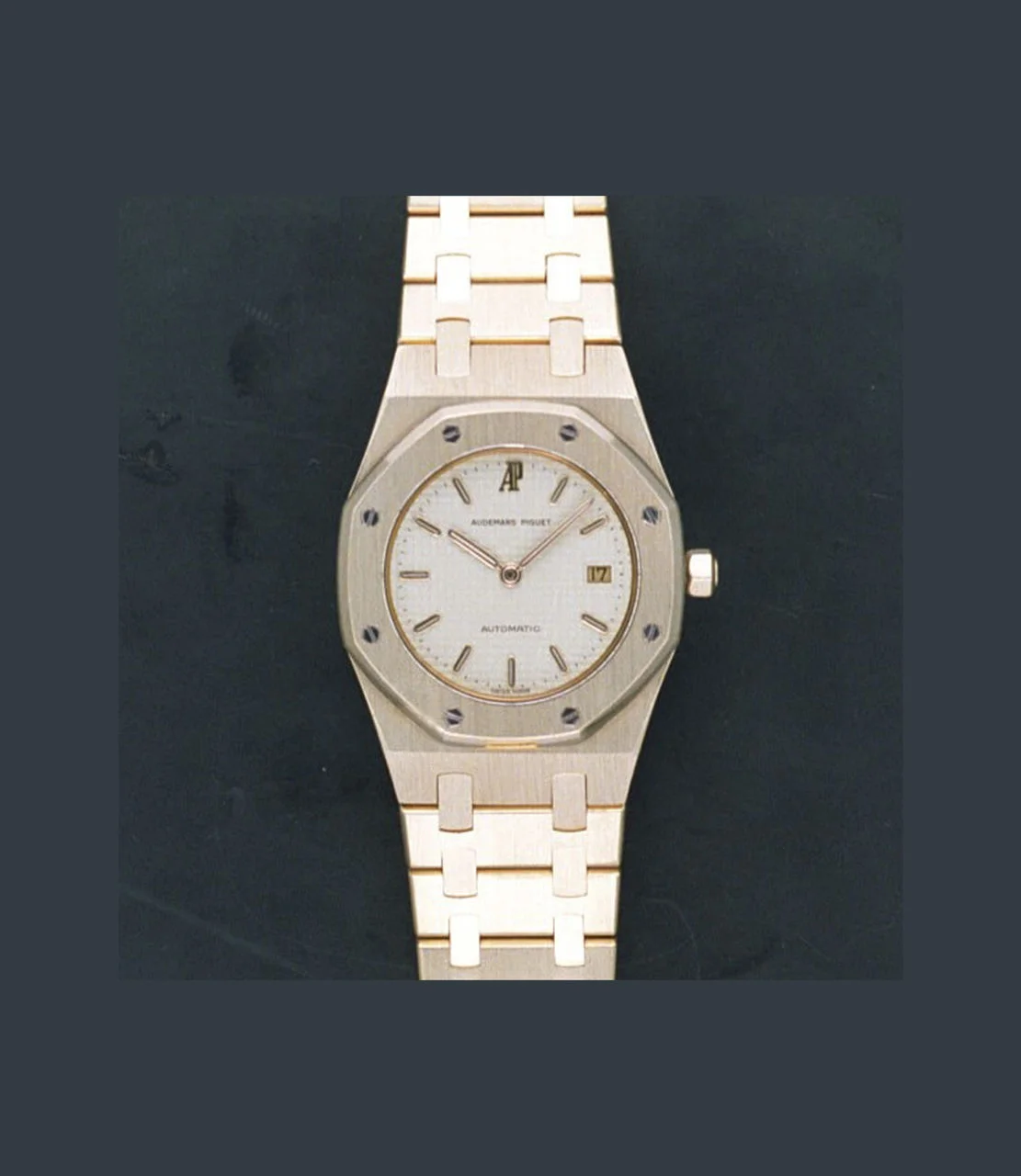
Circa 1986. Identification photograph of Model 14470BA. Audemars Piguet Archives.
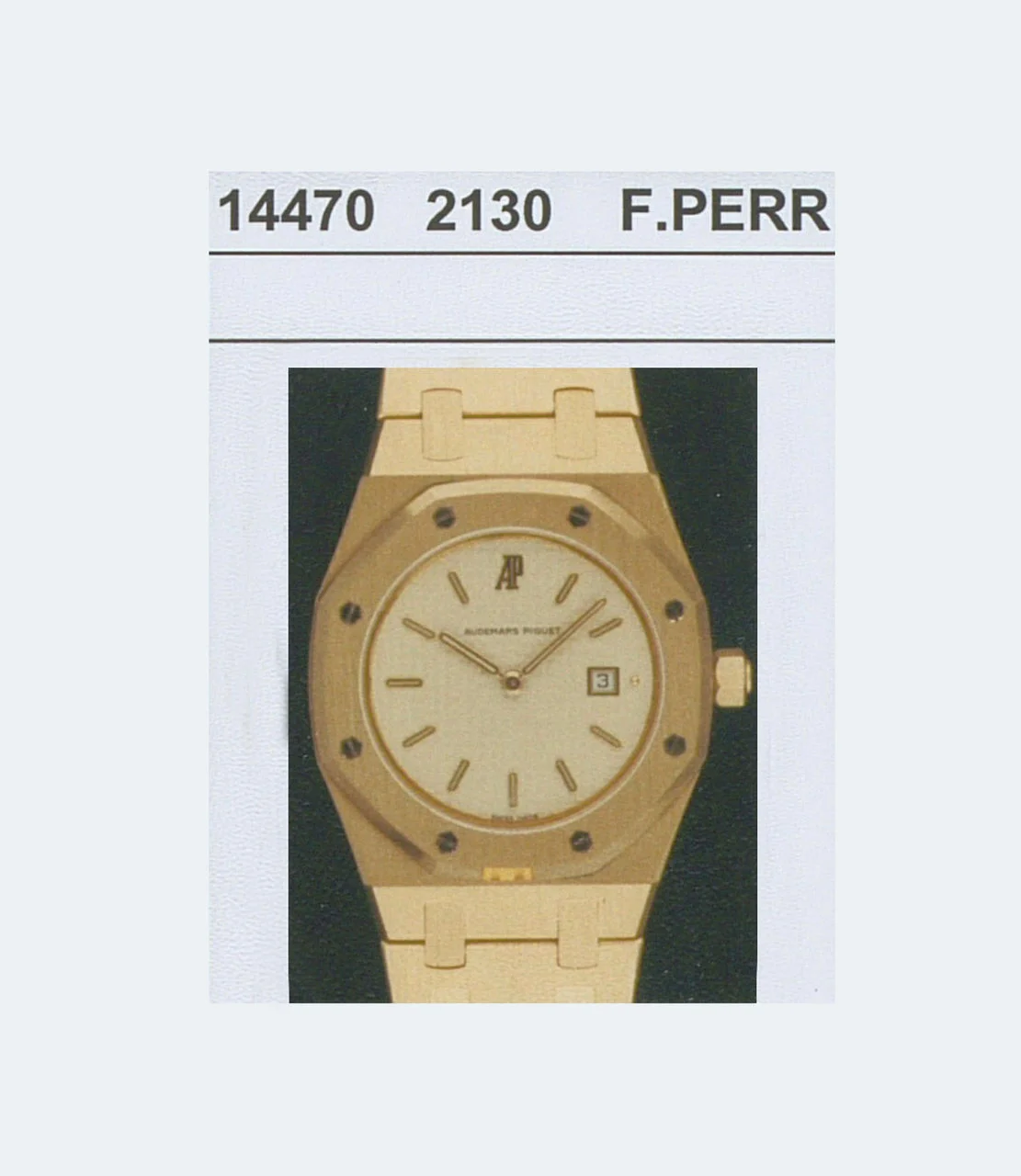
Circa 1986. Identification photograph of Model 14470BA. Audemars Piguet Archives.

1992. Technical data for Royal Oak Model 14470BA. Audemars Piguet Archives.
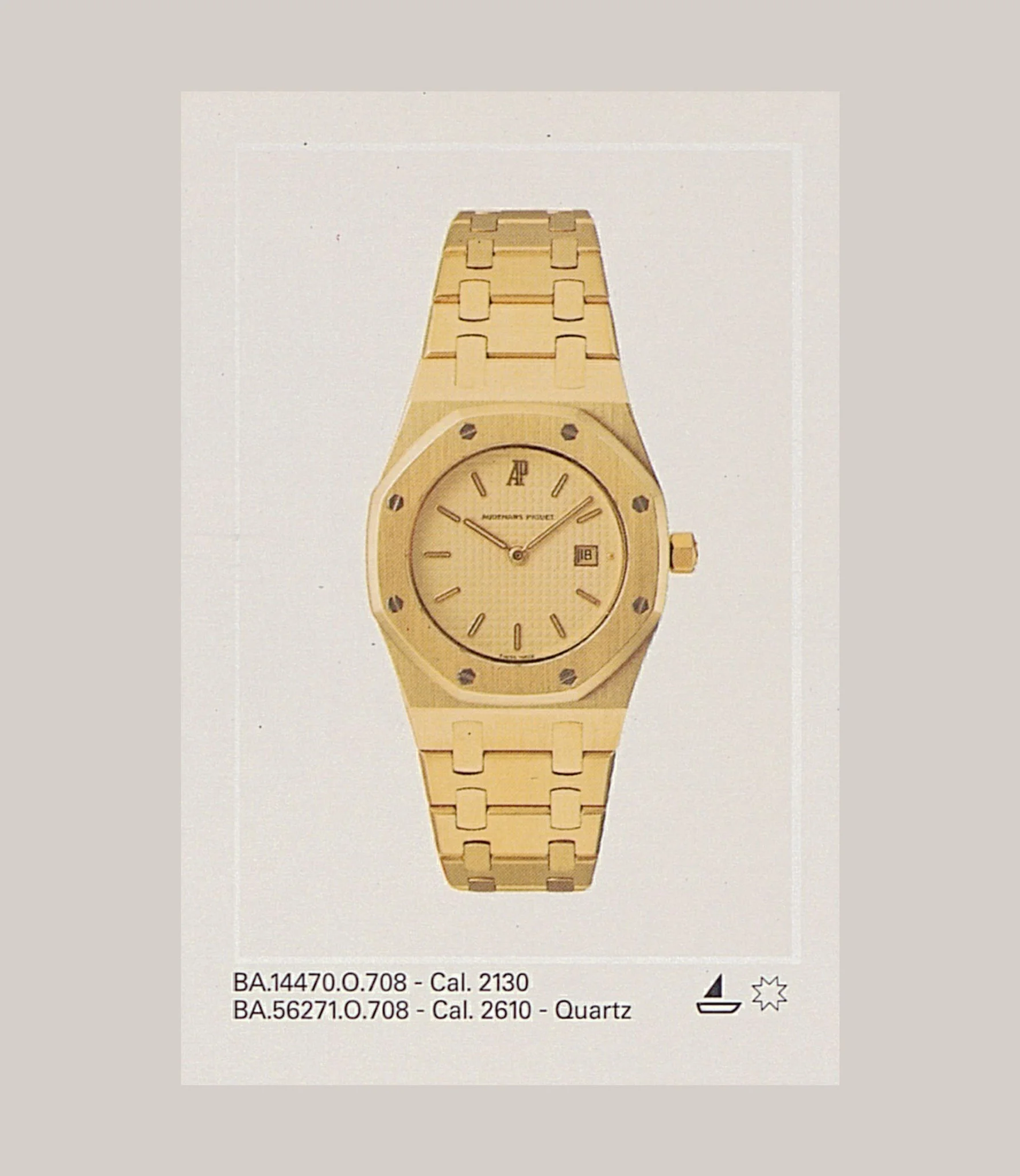
1990. Identification photograph of Royal Oak Model 14470BA presented in the 1990-1991 and 1993-94 Audemars Piguet catalogues. Audemars Piguet Archives.
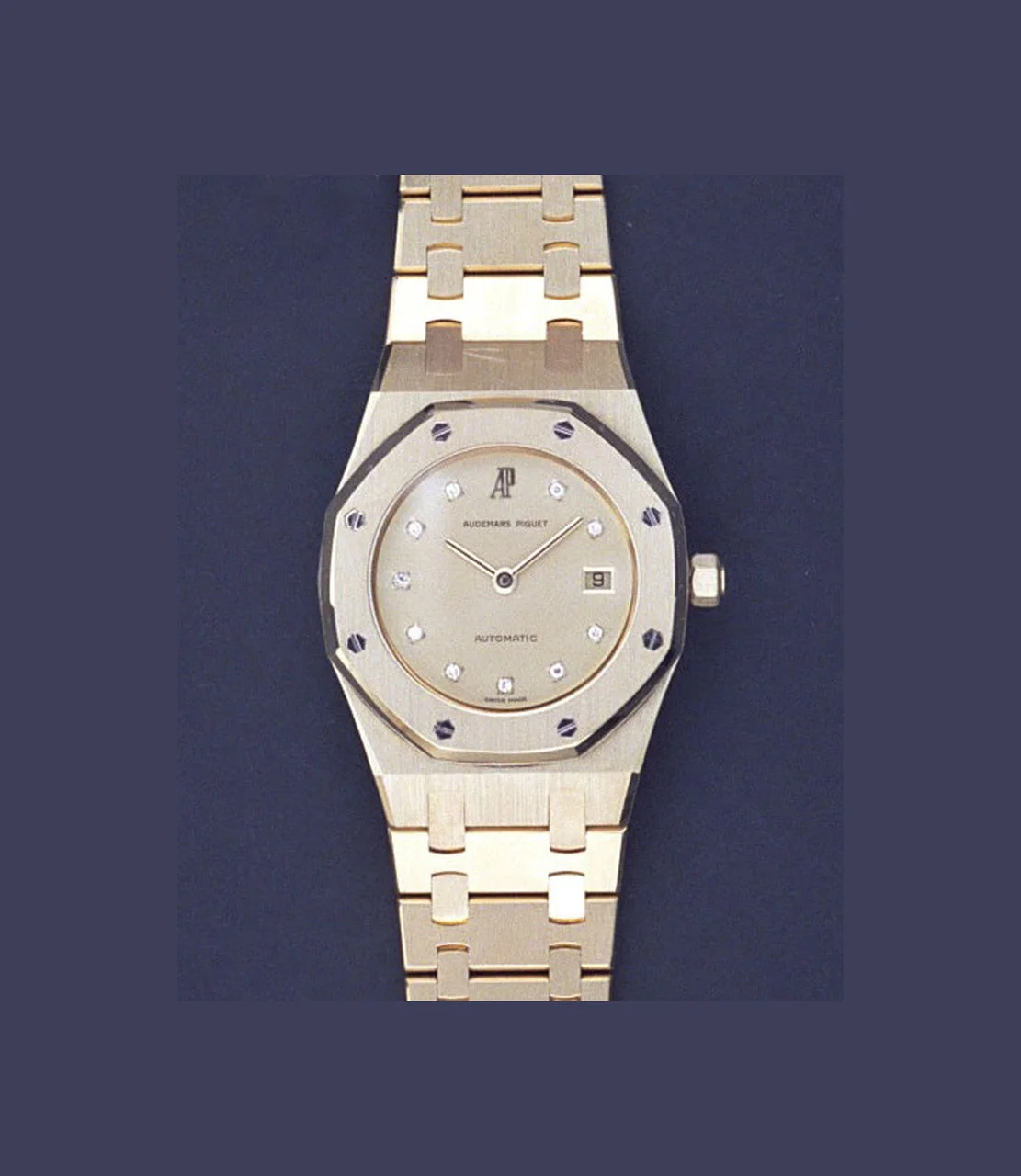
1990. Identification photograph of Model 14470BA. Audemars Piguet Archives.
In 1986, the first and only Model 14470 delivered that year featured an all-yellow gold finish.
Nearly 600 examples followed in the subsequent 10 years. Most of the time, the dial is ivory white, highlighting the brilliance of the gold and lighting up the entire timepiece. The gold-toned background of the date disc matches the colour of the hour-markers, hands and case.
Sales from 1986 to 1997: a total of 591 units, of which 1 (1986), 55 (1987), 43 (1988), 30 (1989), 102 (1990), 51 (1991), 112 (1992), 30 (1993), 70 (1994), 55 (1995), 23 (1996) and 19 (1997).
In 1986, the first and only Model 14470 delivered that year featured an all-yellow gold finish.
Nearly 600 examples followed in the subsequent 10 years. Most of the time, the dial is ivory white, highlighting the brilliance of the gold and lighting up the entire timepiece. The gold-toned background of the date disc matches the colour of the hour-markers, hands and case.
Sales from 1986 to 1997: a total of 591 units, of which 1 (1986), 55 (1987), 43 (1988), 30 (1989), 102 (1990), 51 (1991), 112 (1992), 30 (1993), 70 (1994), 55 (1995), 23 (1996) and 19 (1997).
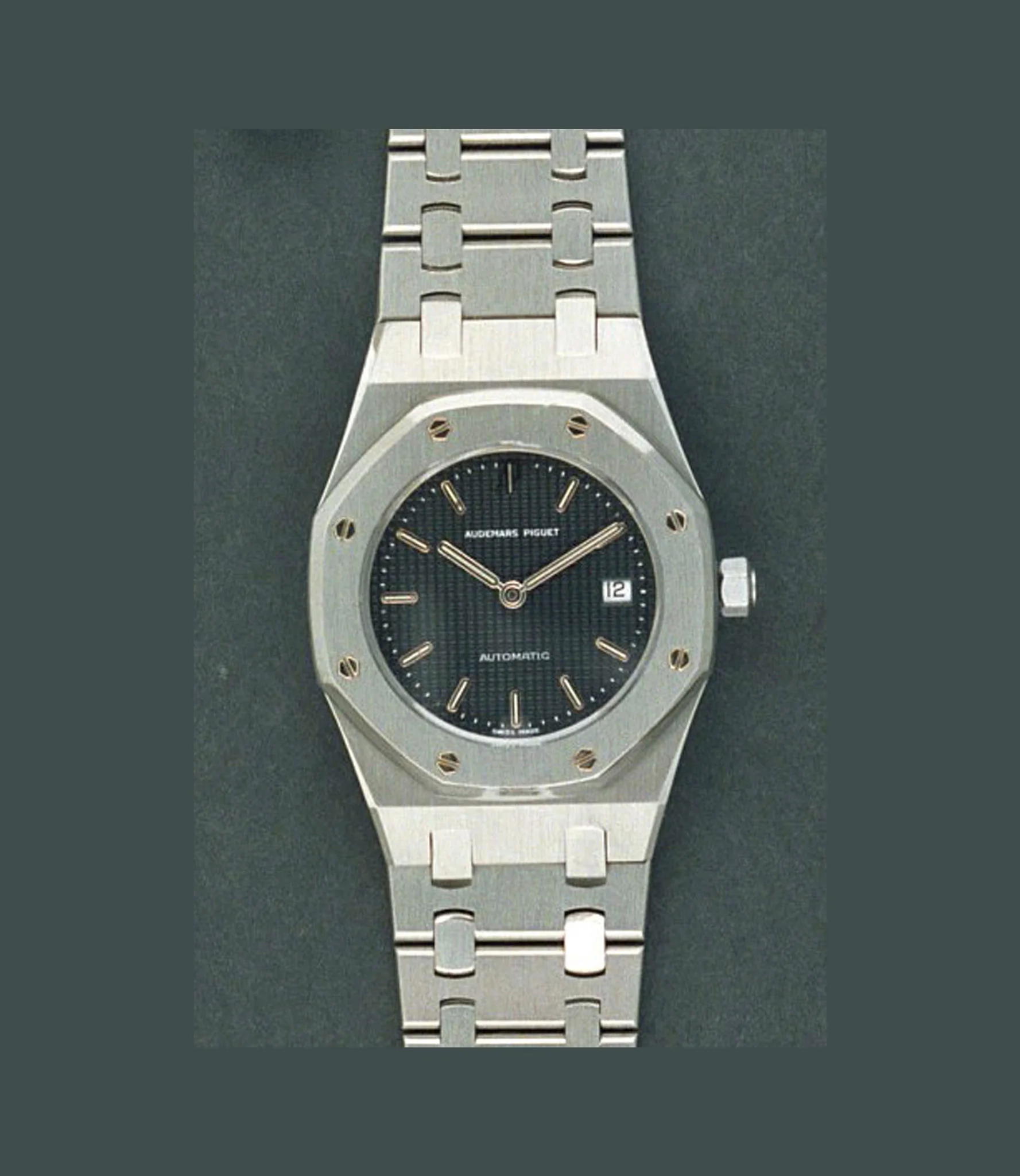
Circa 1986. Identification photograph of Royal Oak Model 14470ST. Audemars Piguet Archives.

1986. Photograph of Royal Oak Model 14470ST presented in the 1986-87, 1987-88 and 1988-89 Audemars Piguet catalogues. Audemars Piguet Archives.
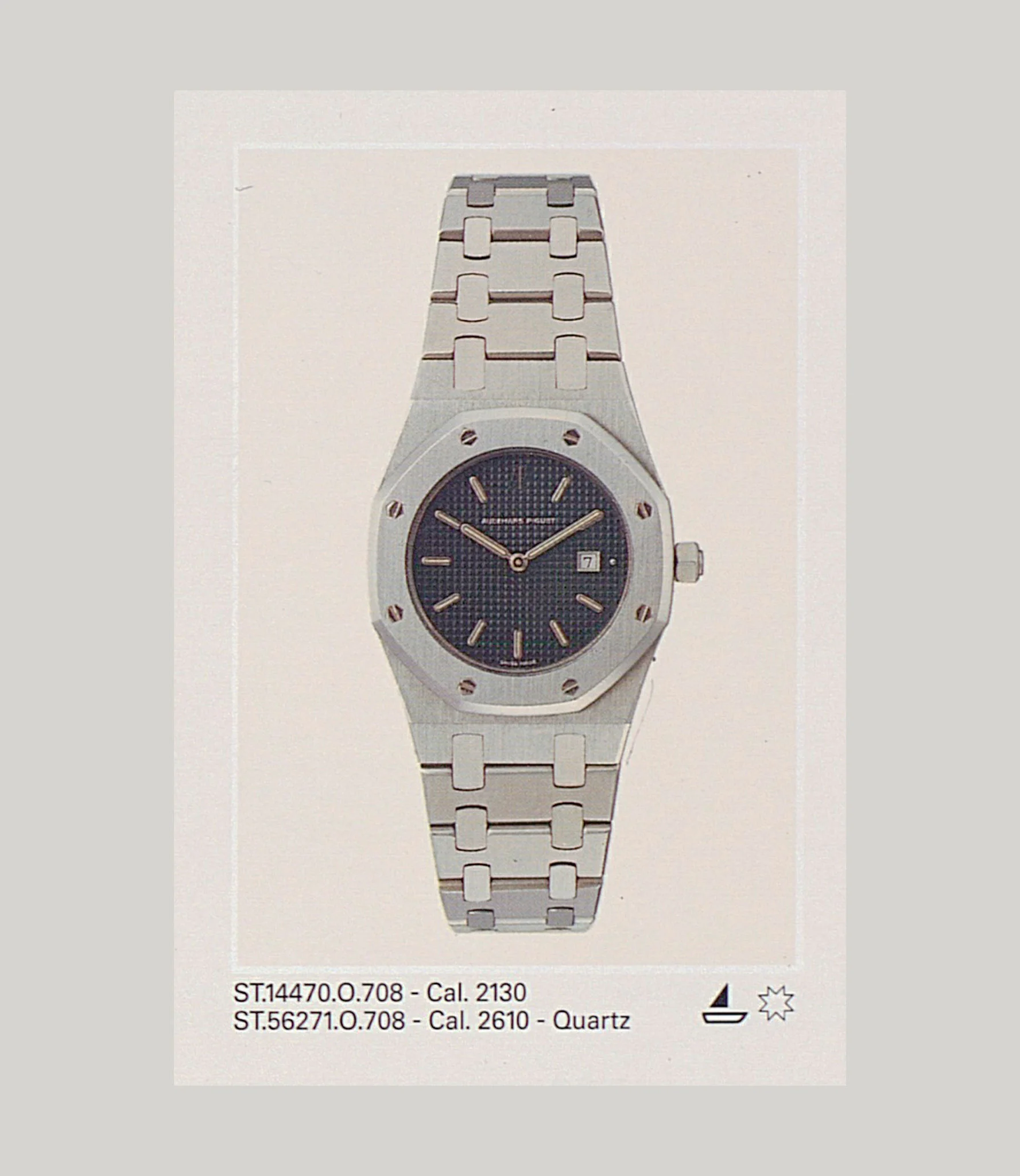
1990. Royal Oak 14470ST and 56271ST. The same photograph illustrates the two models, one of which is equipped with a mechanical calibre, the other with a quartz movement. 1990-1991 and 1993-94 Audemars Piguet catalogues. Audemars Piguet Archives.
The steel version of Model 14470 features many similarities with the very first female Royal Oak 8638 that appeared in 1976: Night Blue, Cloud 50 Tapisserie dial; bathtub-shaped, tritium-filled hands and hour-markers, steel case and bracelet with alternating polished and satin-brushed finishes, absence of a seconds hand, selfwinding calibre...
However, two small details distinguish them from each other. The Royal Oak 14470 is one millimetre larger in diameter and, above all, has a date indication at 3 o'clock.
Sales from 1987 to 2003: a total of 881 units, of which 49 (1987), 42 (1988), 29 (1989), 52 (1990), 88 (1991), 69 (1992), 67 (1993), 184 (1994), 160 (1995), 57 (1996), 30 (1997), 35 (1998), 18 (1999) and 1 (2003).
The steel version of Model 14470 features many similarities with the very first female Royal Oak 8638 that appeared in 1976: Night Blue, Cloud 50 Tapisserie dial; bathtub-shaped, tritium-filled hands and hour-markers, steel case and bracelet with alternating polished and satin-brushed finishes, absence of a seconds hand, selfwinding calibre...
However, two small details distinguish them from each other. The Royal Oak 14470 is one millimetre larger in diameter and, above all, has a date indication at 3 o'clock.
Sales from 1987 to 2003: a total of 881 units, of which 49 (1987), 42 (1988), 29 (1989), 52 (1990), 88 (1991), 69 (1992), 67 (1993), 184 (1994), 160 (1995), 57 (1996), 30 (1997), 35 (1998), 18 (1999) and 1 (2003).

1990. Royal Oak 14470SA and 56271SA. The same photograph illustrates the two 30 mm models, one of which is equipped with a mechanical calibre and the other with a quartz movement. 1990-91 and 1993-94 Audemars Piguet catalogues. Audemars Piguet Archives.
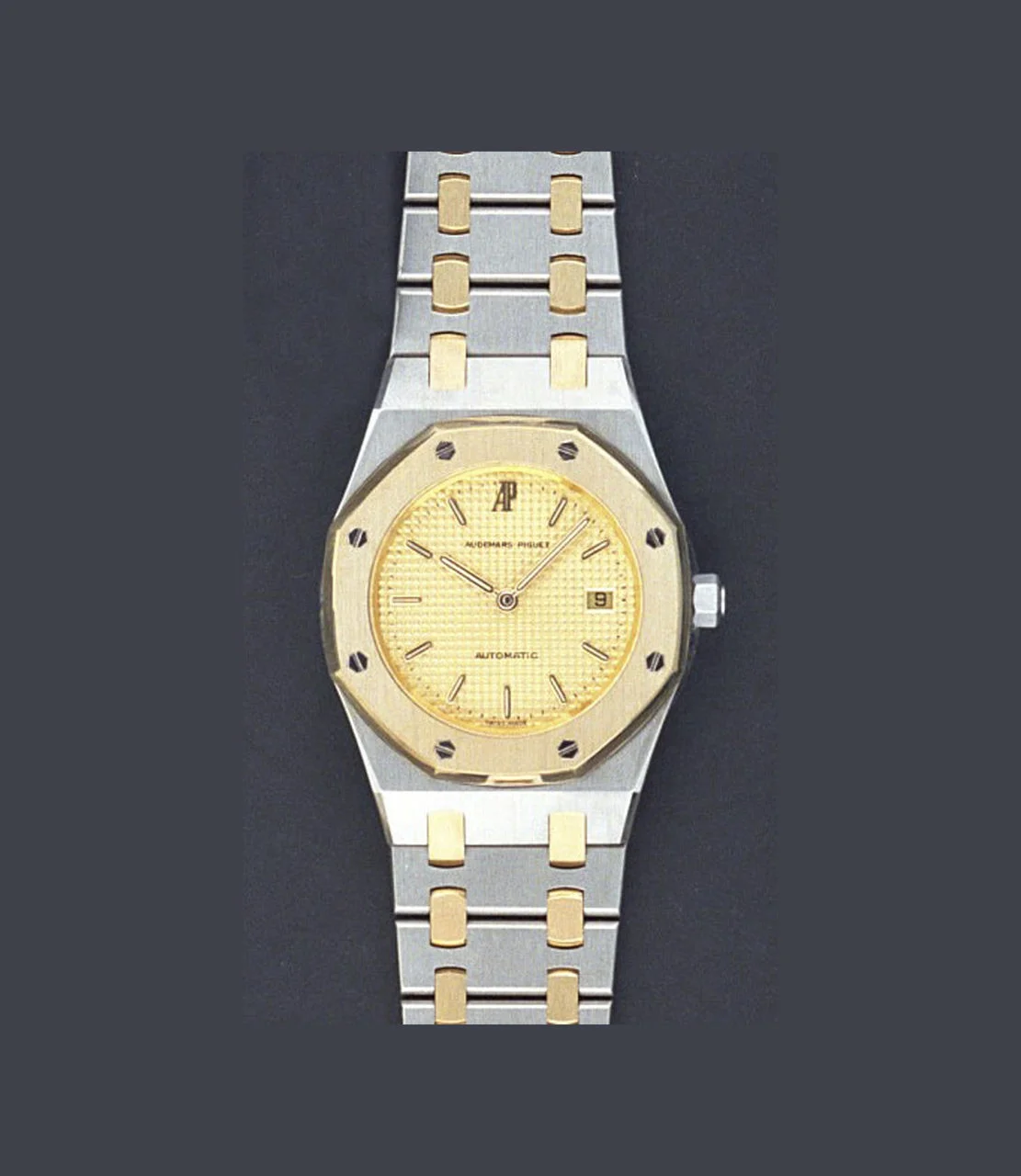
Circa 1987. Identification photograph of Royal Oak Model 14470SA. Audemars Piguet Archives

Circa 1992. Technical data for Royal Oak Model 14470SA. Audemars Piguet Archives.

1995. Photograph of Models 14790SA, 15000SA, 1440SA and 66270SA, presented in a promotional brochure. Audemars Piguet Archives.
More than 40% of the Royal Oak 14470s feature two-tone cases. The case middle and links are made of steel, while the bezel and studs are made of 18-carat yellow gold. This combination of materials dominated the 1980s before gradually becoming less frequent from the mid-1990s onwards.
The dial always matches one of the two case colours.
Sales from 1987 to 2000: a total of 1,155 units, of which 110 (1987), 70 (1988), 58 (1989), 48 (1990), 88 (1991), 132 (1992), 156 (1993), 186 (1994), 164 (1995), 20 (1996), 50 (1997), 62 (1998), 10 (1999) and 1 (2000).
More than 40% of the Royal Oak 14470s feature two-tone cases. The case middle and links are made of steel, while the bezel and studs are made of 18-carat yellow gold. This combination of materials dominated the 1980s before gradually becoming less frequent from the mid-1990s onwards.
The dial always matches one of the two case colours.
Sales from 1987 to 2000: a total of 1,155 units, of which 110 (1987), 70 (1988), 58 (1989), 48 (1990), 88 (1991), 132 (1992), 156 (1993), 186 (1994), 164 (1995), 20 (1996), 50 (1997), 62 (1998), 10 (1999) and 1 (2000).

1987. Royal Oak 14470PT. Only one platinum example has been found in the Production Registers. Audemars Piguet Archives
Destined for the German market, the only documented Royal Oak 14470 in platinum left Le Brassus in April 1987. No photographs were taken before its departure.
Sales: 1 unit in 1987.
Destined for the German market, the only documented Royal Oak 14470 in platinum left Le Brassus in April 1987. No photographs were taken before its departure.
Sales: 1 unit in 1987.

Circa 1991. Royal Oak 14470BC. Identification photograph. Audemars Piguet Archives.
The 90 examples of Royal Oak 14470 in white gold were distributed during the 1990s. The special brilliance of this noble material is highlighted by black dials – sometimes guilloché, sometimes smooth – and by 11 diamond hour-markers.
Sales from 1991 to 1998: a total of 90 units, of which 5 (1991), 30 (1992), 3 (1993), 6 (1994), 12 (1995), 4 (1996), 27 (1997) and 3 (1998).
The 90 examples of Royal Oak 14470 in white gold were distributed during the 1990s. The special brilliance of this noble material is highlighted by black dials – sometimes guilloché, sometimes smooth – and by 11 diamond hour-markers.
Sales from 1991 to 1998: a total of 90 units, of which 5 (1991), 30 (1992), 3 (1993), 6 (1994), 12 (1995), 4 (1996), 27 (1997) and 3 (1998).
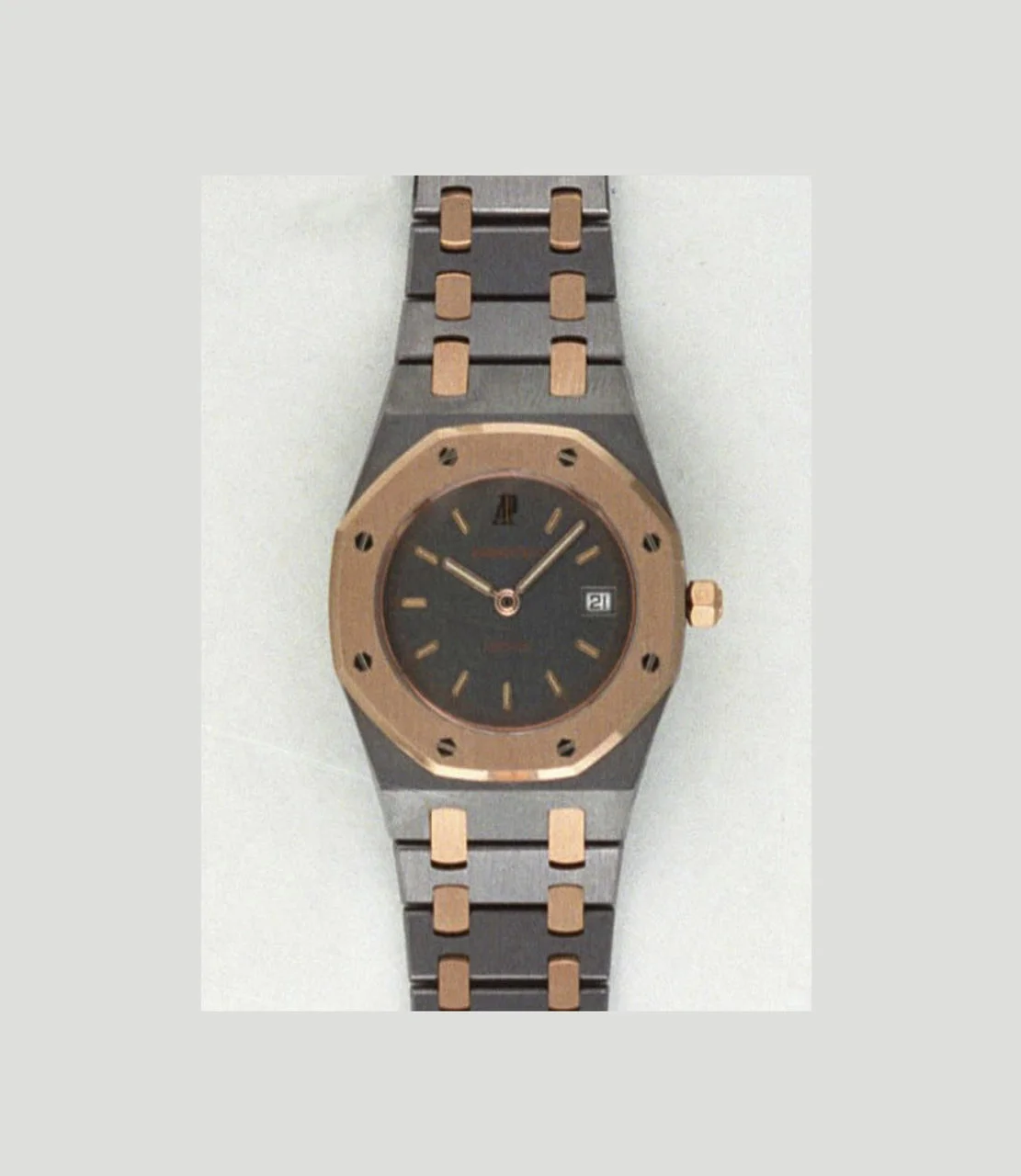
Circa 1993. Royal Oak 14470TR. Identification photograph. Audemars Piguet Archives.

1993. Technical data for Royal Oak Model 14470TR. Audemars Piguet Archives.
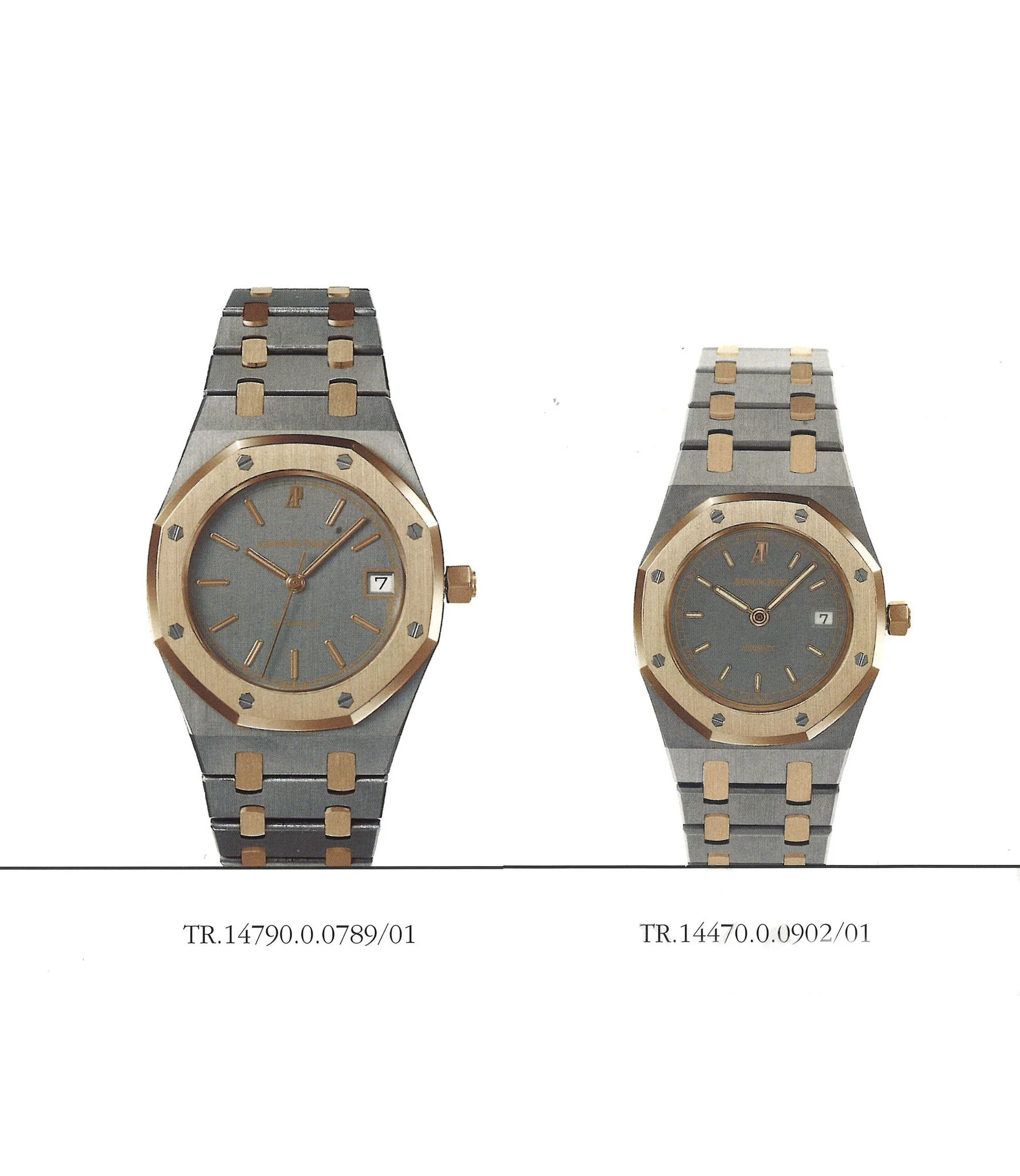
Circa 1995. Royal Oak 14790TR and 14470TR. The pink gold/tantalum combination with a slate dial is found on several models of different sizes. Undated promotional brochure. Audemars Piguet Archives.
The slate-coloured dial is finely satin-brushed and appears like an extension of the tantalum strap and case middle. The pink gold elements stand out, punctuating the time and highlighting the watch's rounded octagonal shape.
This minimalist two-tone variant perpetuates the Royal Oak's pioneering vocation in the field of unconventional materials.
Sales from 1993 to 1999: a total of 114 units, of which 29 (1993), 26 (1994), 31 (1995), 4 (1996), 6 (1997), 8 (1998) and 10 (1999).
The slate-coloured dial is finely satin-brushed and appears like an extension of the tantalum strap and case middle. The pink gold elements stand out, punctuating the time and highlighting the watch's rounded octagonal shape.
This minimalist two-tone variant perpetuates the Royal Oak's pioneering vocation in the field of unconventional materials.
Sales from 1993 to 1999: a total of 114 units, of which 29 (1993), 26 (1994), 31 (1995), 4 (1996), 6 (1997), 8 (1998) and 10 (1999).
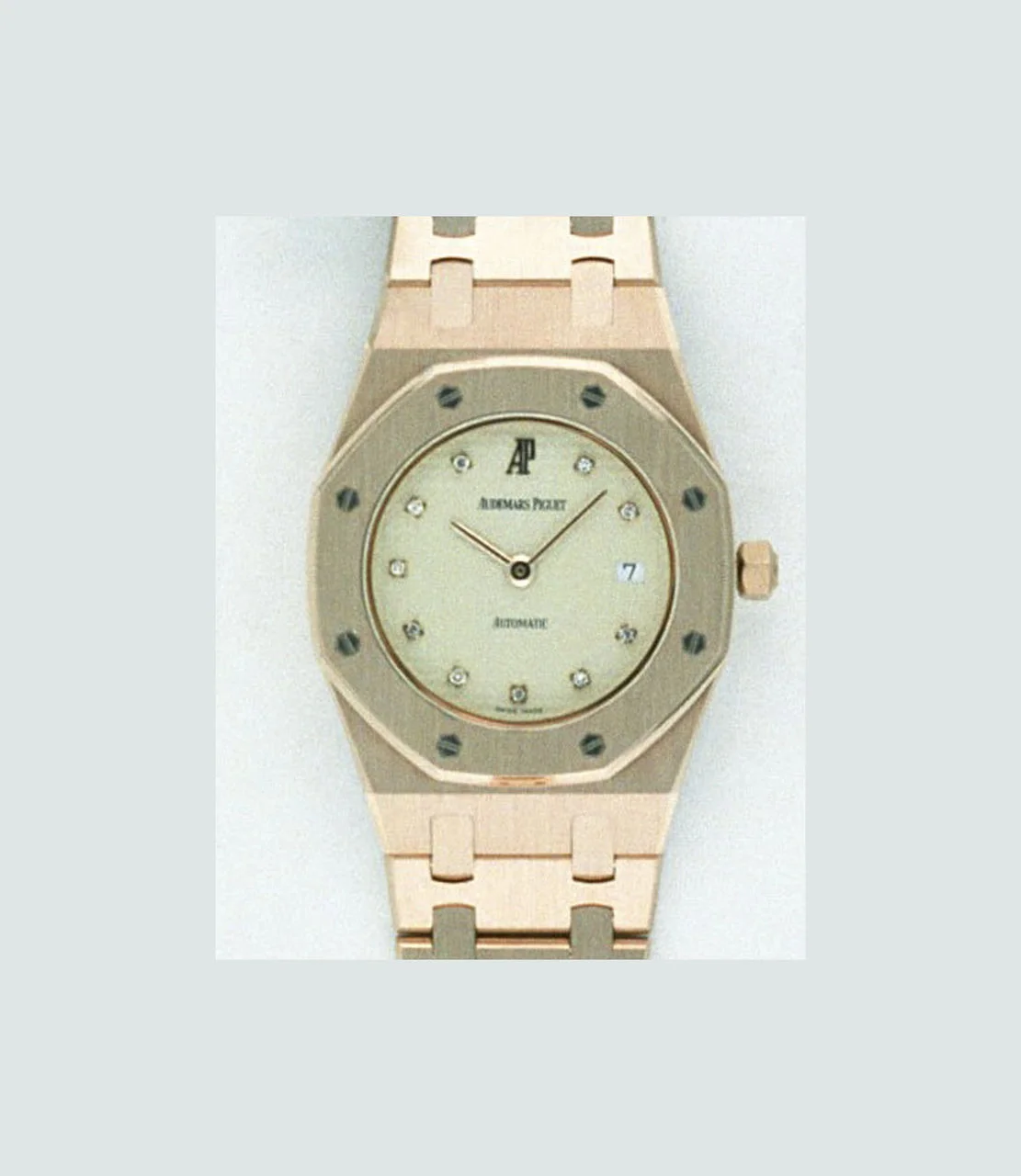
Circa 1995. Identification photograph of Royal Oak Model 14470OR. Audemars Piguet Archives.

Circa 1995. Identification photograph of Royal Oak Model 14470OR. Audemars Piguet Archives.
The last variant of Model 14470 was introduced in 1995, almost a decade after the launch of the model. Only 46 examples left Le Brassus in the years, the first ones being delivered to Hong Kong and Singapore.
Sales from 1995 to 1997: a total of 46 units, of which 25 (1995), 6 (1996) and 15 (1997).
The last variant of Model 14470 was introduced in 1995, almost a decade after the launch of the model. Only 46 examples left Le Brassus in the years, the first ones being delivered to Hong Kong and Singapore.
Sales from 1995 to 1997: a total of 46 units, of which 25 (1995), 6 (1996) and 15 (1997).