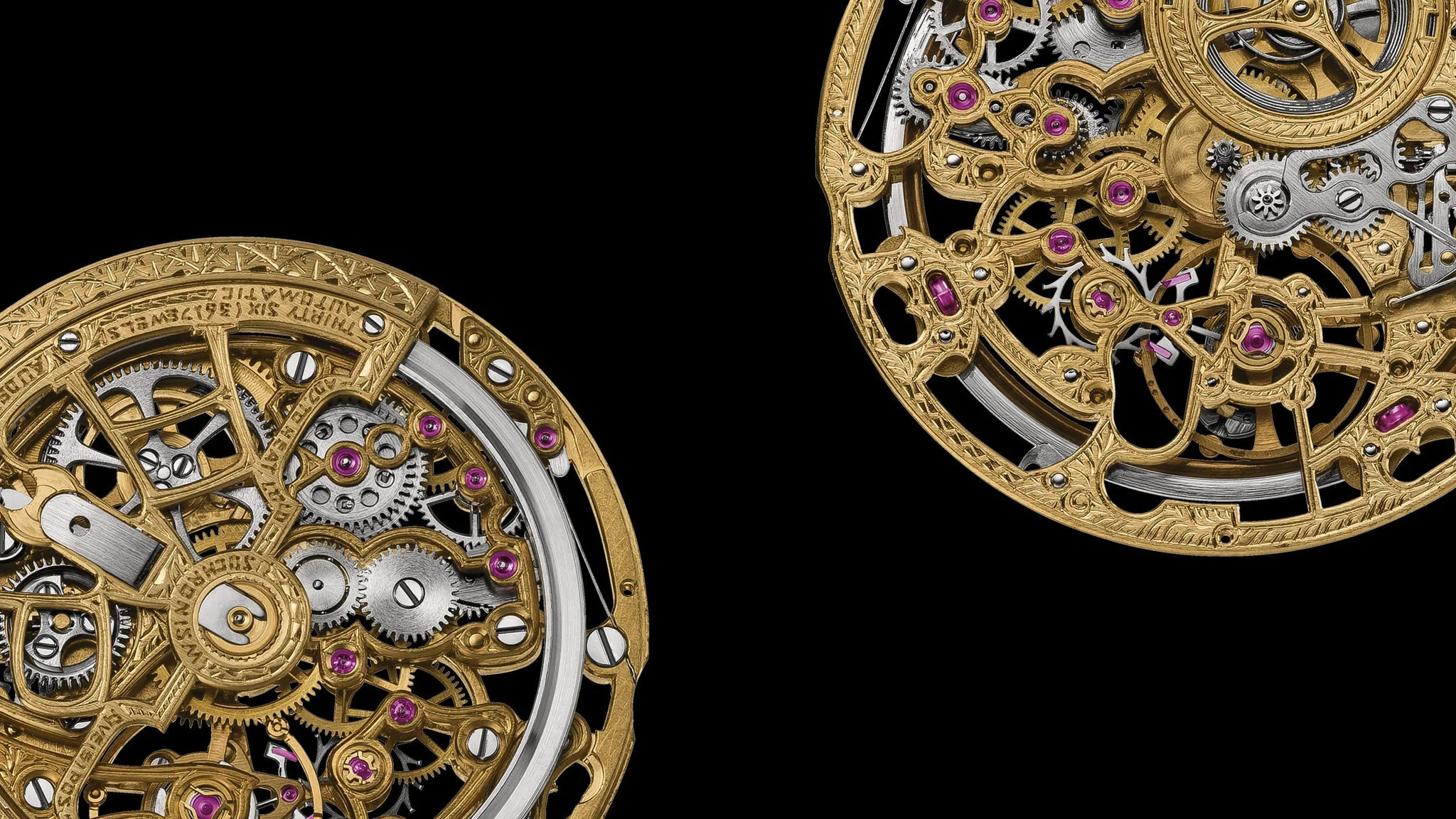
Calibre 2120SQ

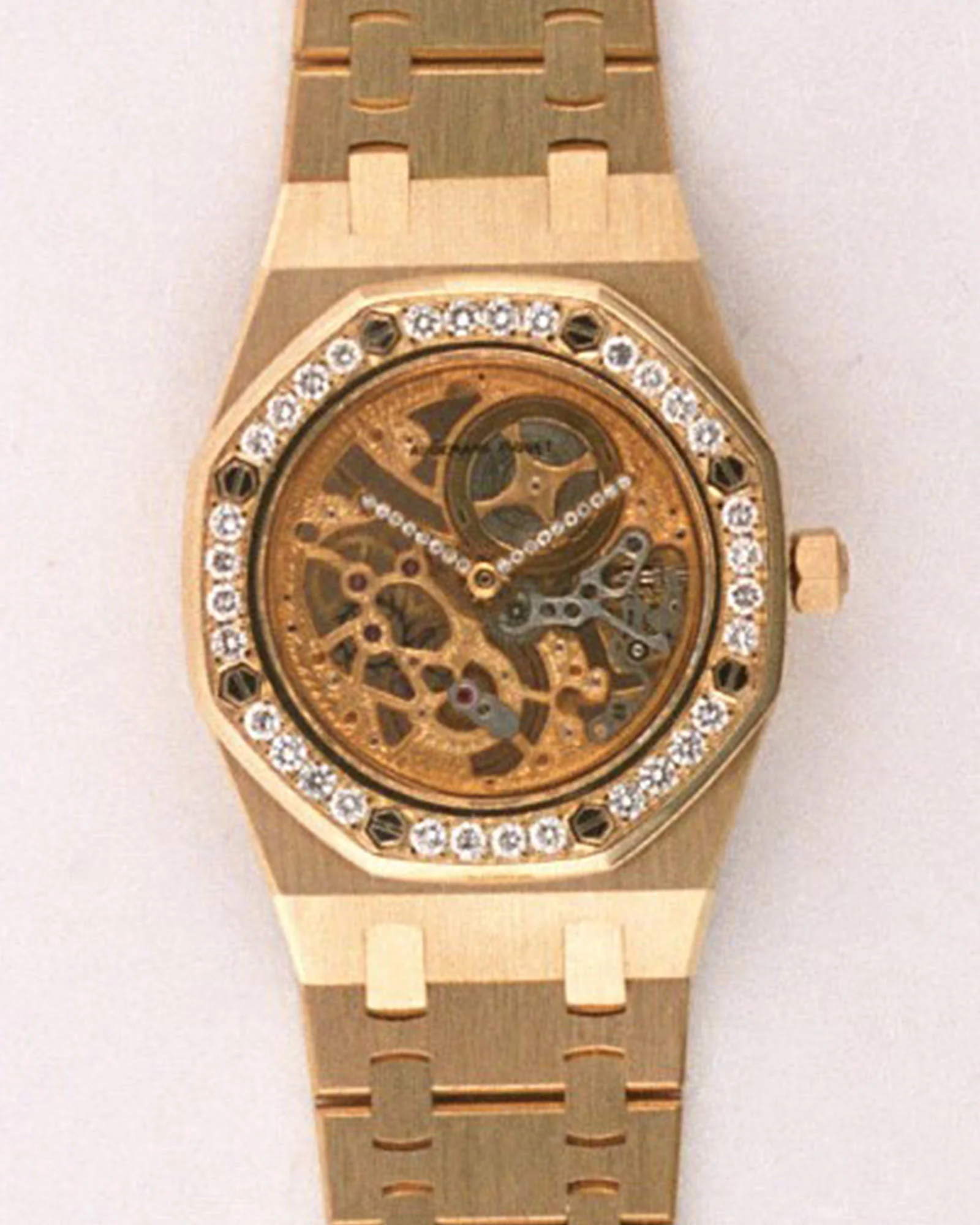
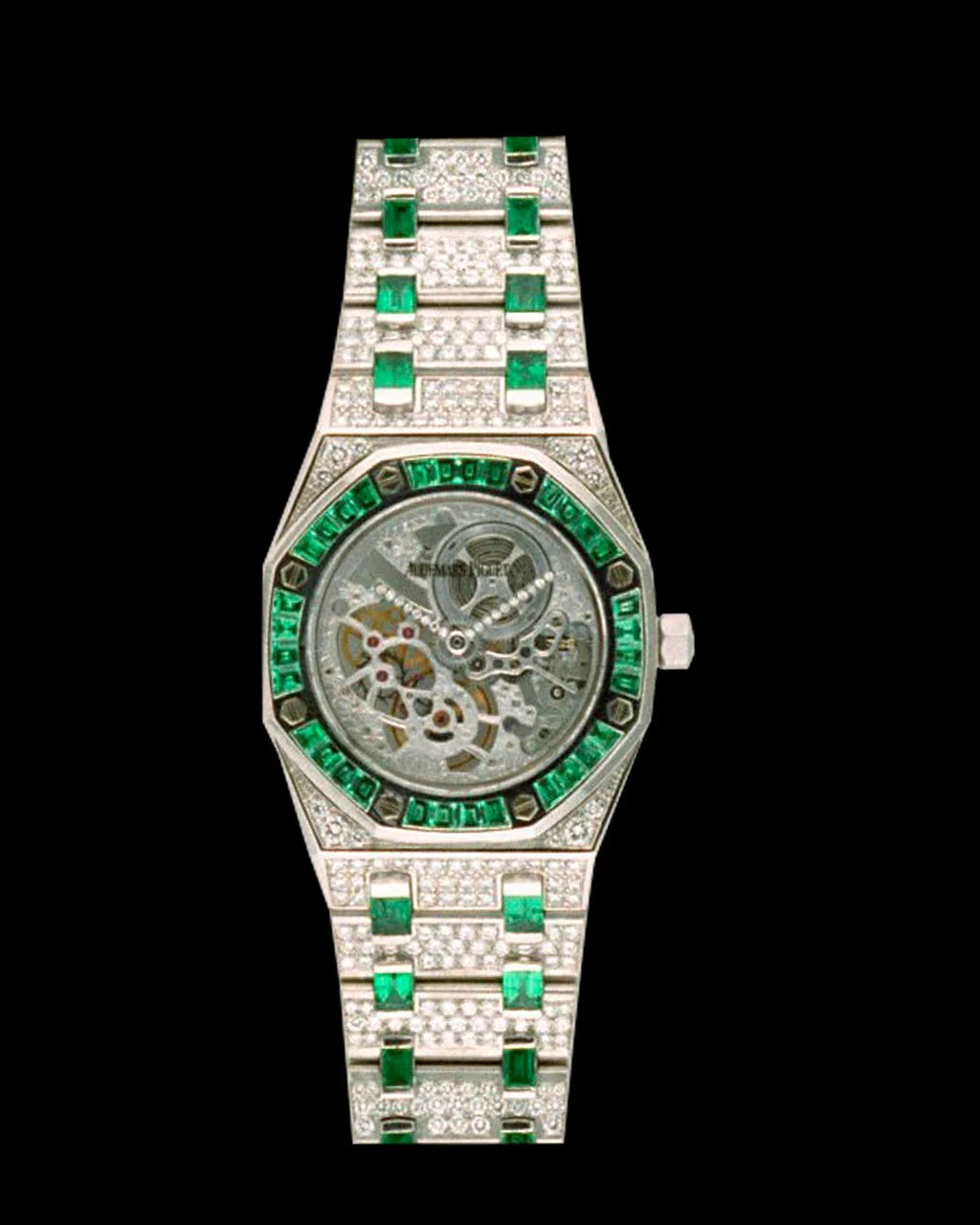
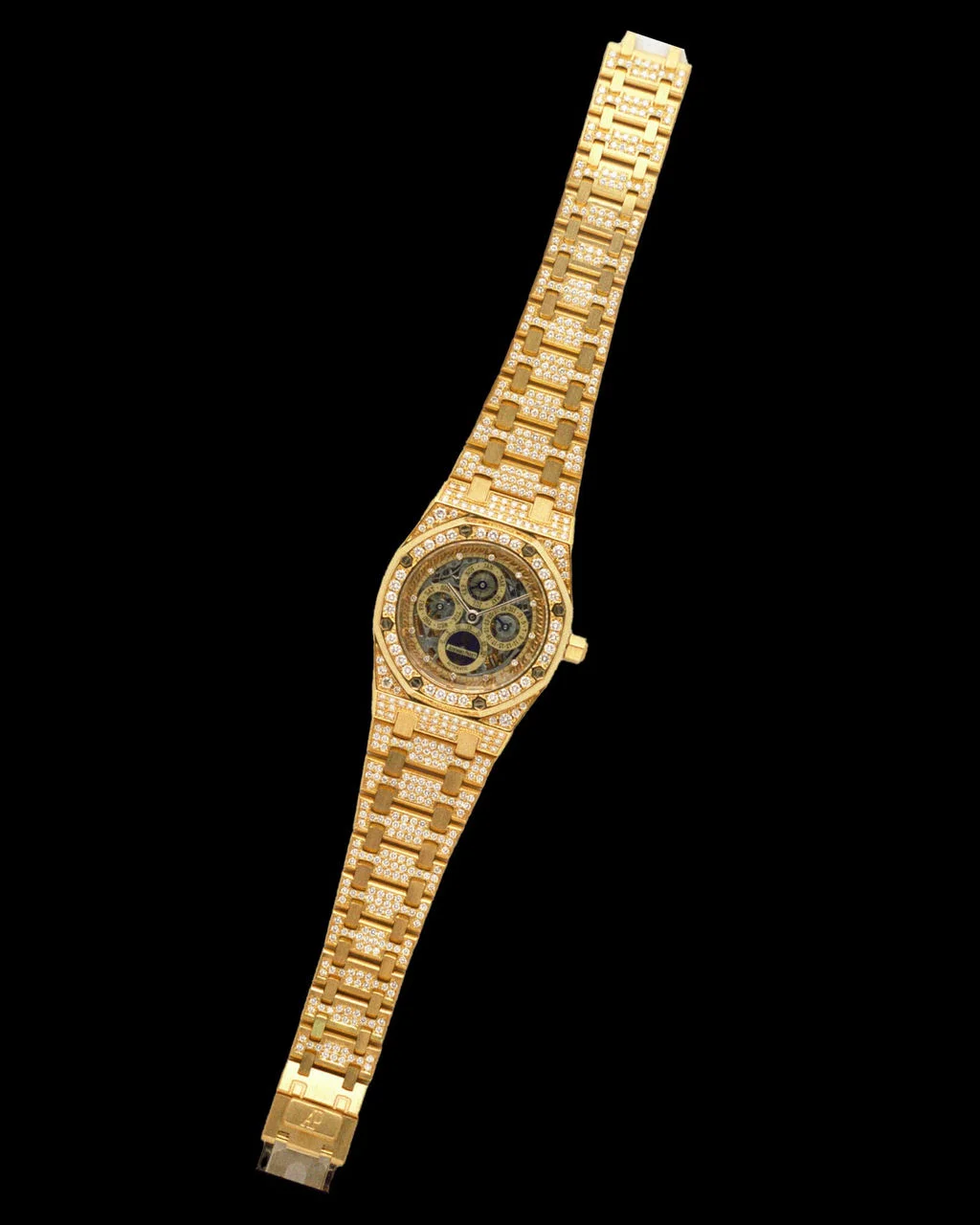
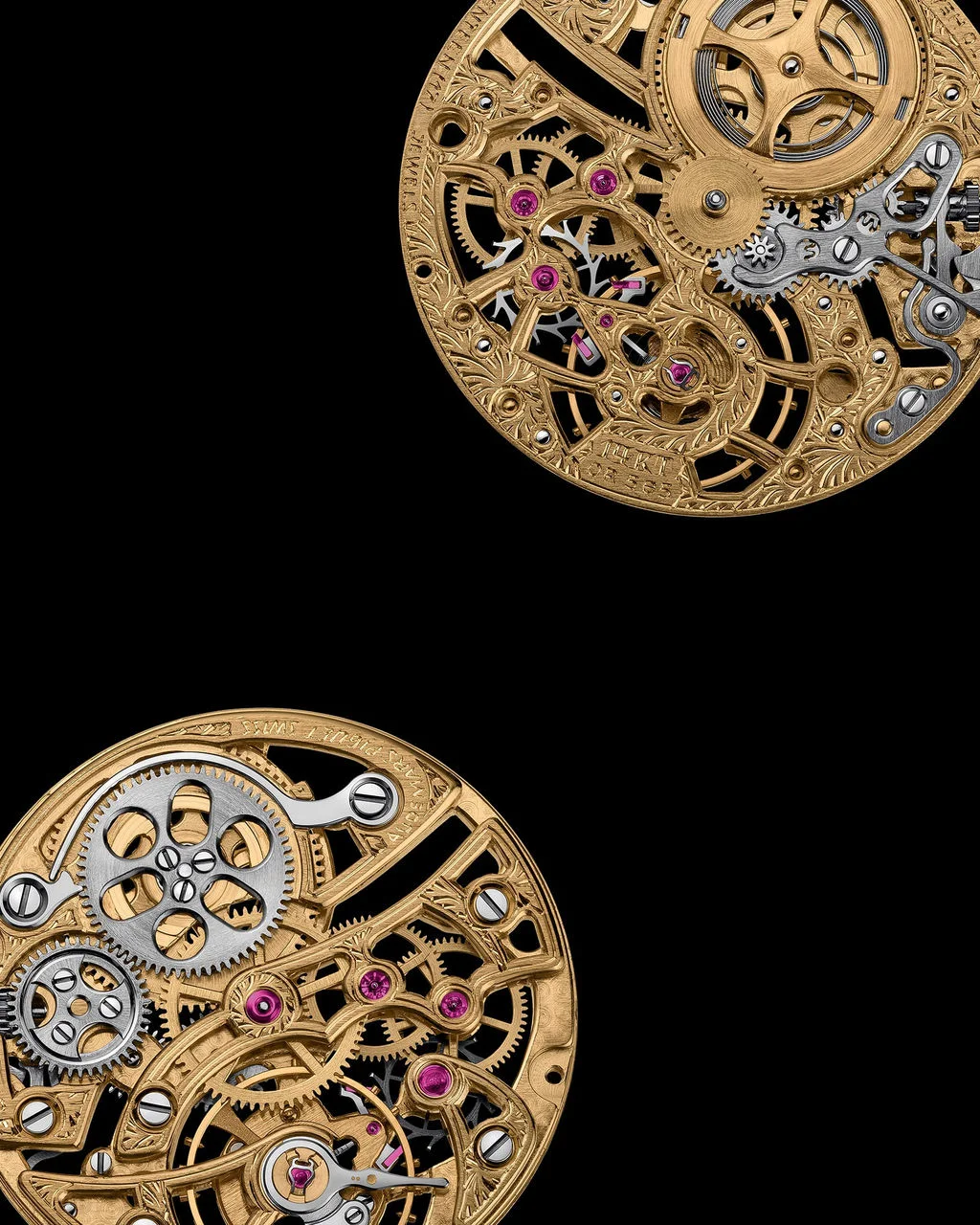
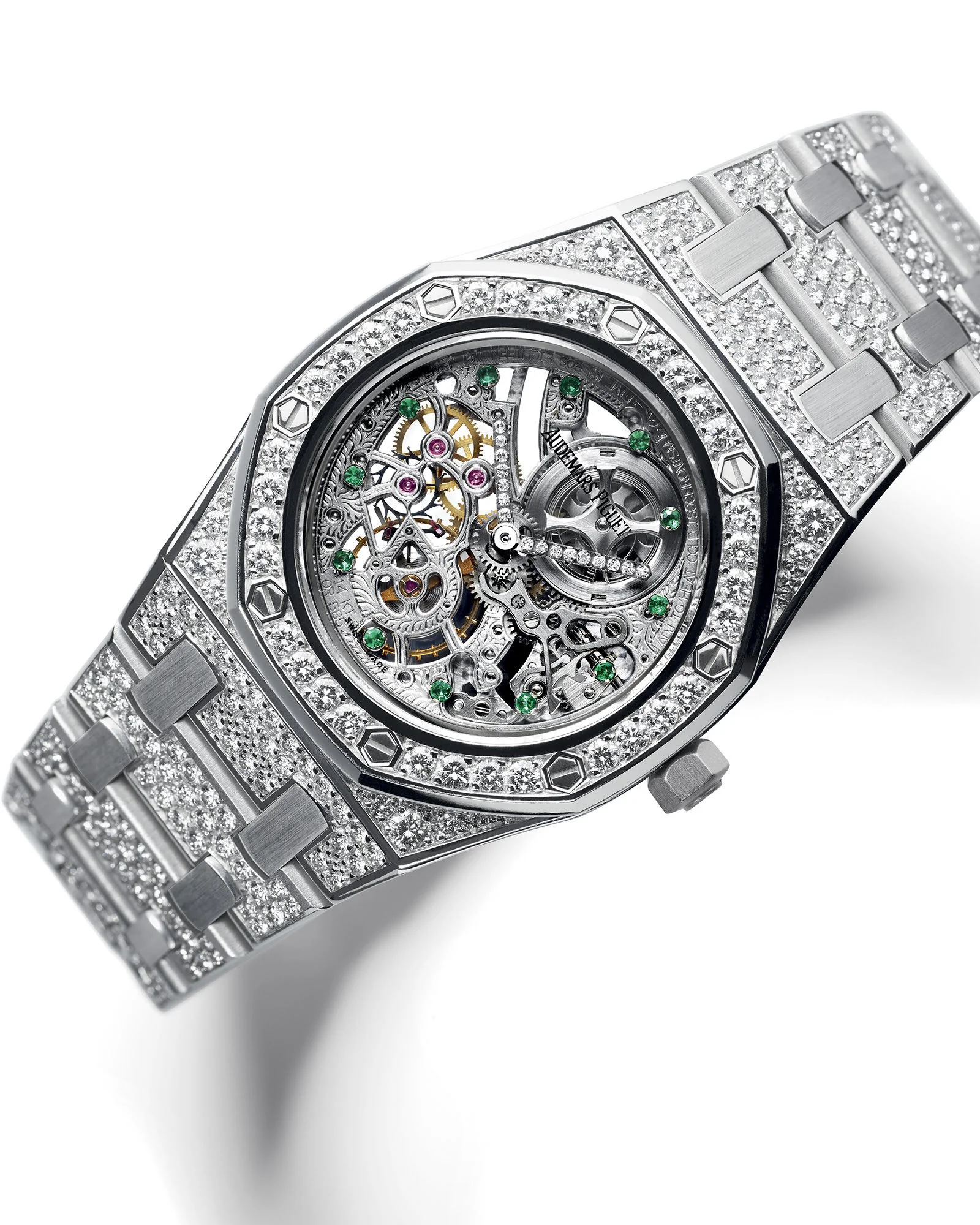
1976. Selfwinding openworked Calibre 2120SQ. 28 mm diameter (12½ lignes), 2.45 mm thick. Hours, minutes. 36 jewels. Central rotor on jewelled rollers oscillating on a circular rail. Movement 136093. Audemars Piguet Heritage, inv. 1123.
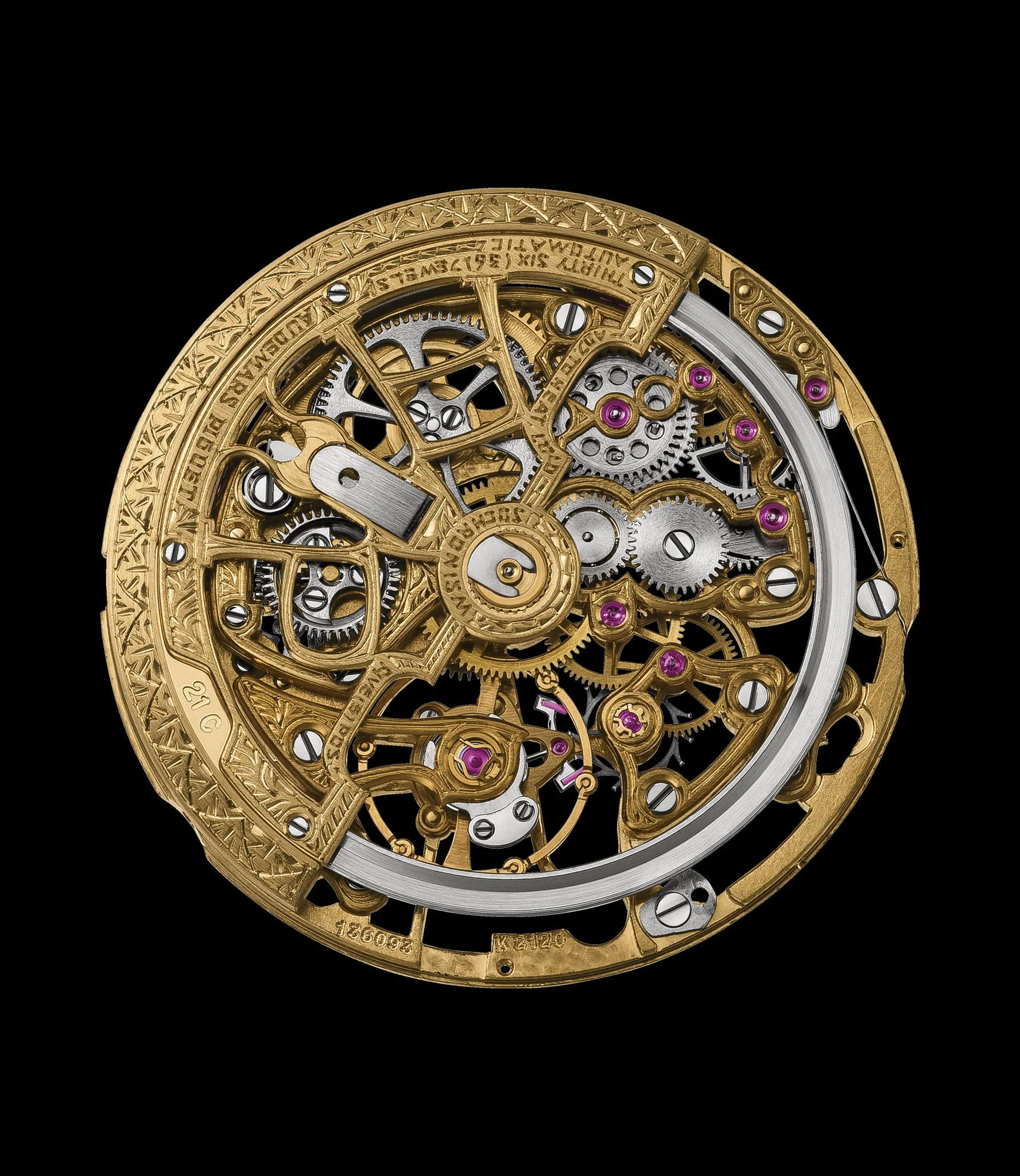
1976. Selfwinding openworked Calibre 2120SQ. 28 mm diameter (12½ lignes), 2.45 mm thick. Hours, minutes. 36 jewels. Central rotor on jewelled rollers oscillating on a circular rail. Movement 136093. Audemars Piguet Heritage, inv. 1123.
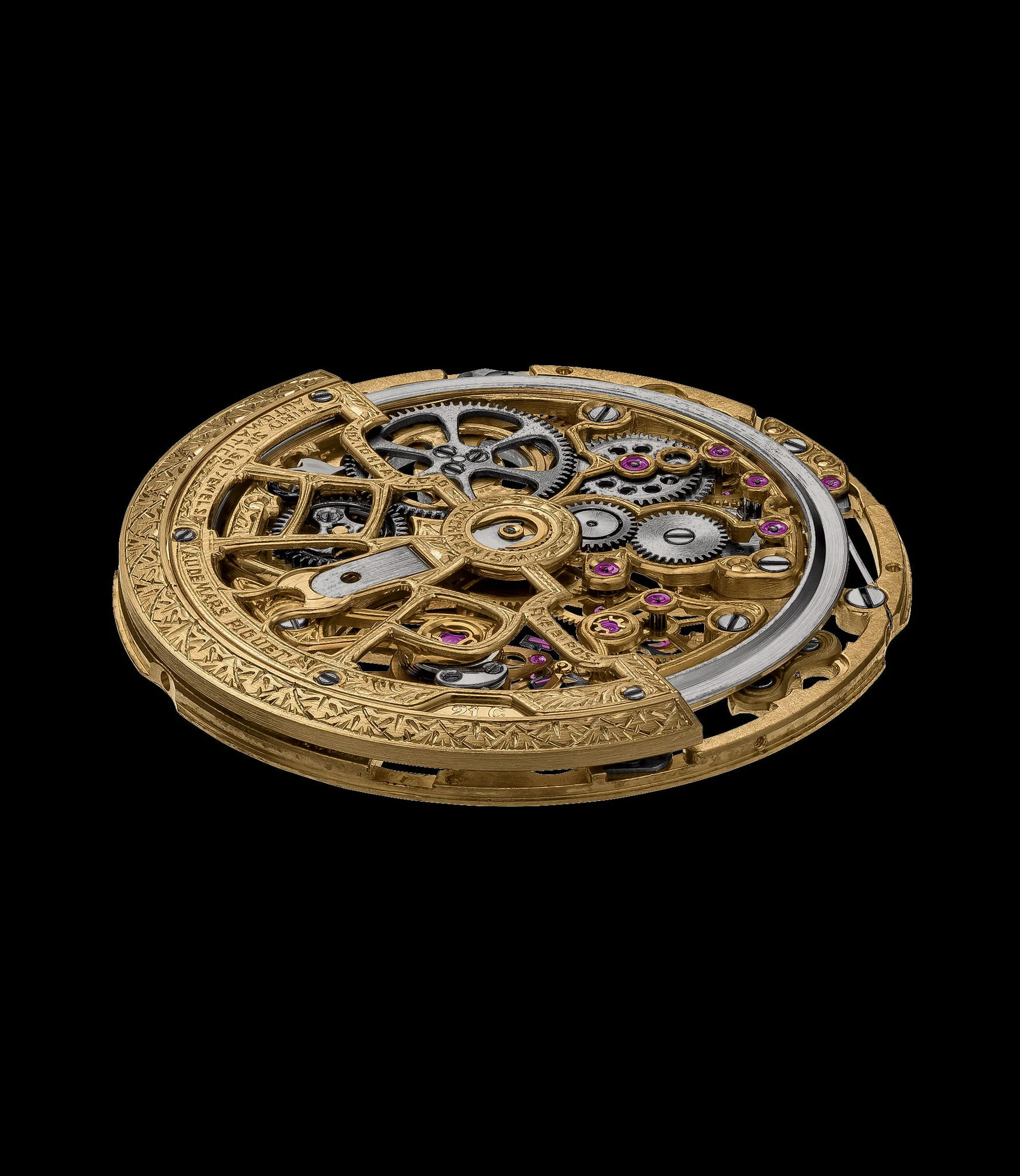
1976. Selfwinding openworked Calibre 2120SQ. 28 mm diameter (12½ lignes), 2.45 mm thick. Hours, minutes. 36 jewels. Central rotor on jewelled rollers oscillating on a circular rail. Movement 136093. Audemars Piguet Heritage, inv. 1123.

1976. Selfwinding openworked Calibre 2120SQ. 28 mm diameter (12½ lignes), 2.45 mm thick. Hours, minutes. 36 jewels. Central rotor on jewelled rollers oscillating on a circular rail. Movement 136093. Audemars Piguet Heritage, inv. 1123.
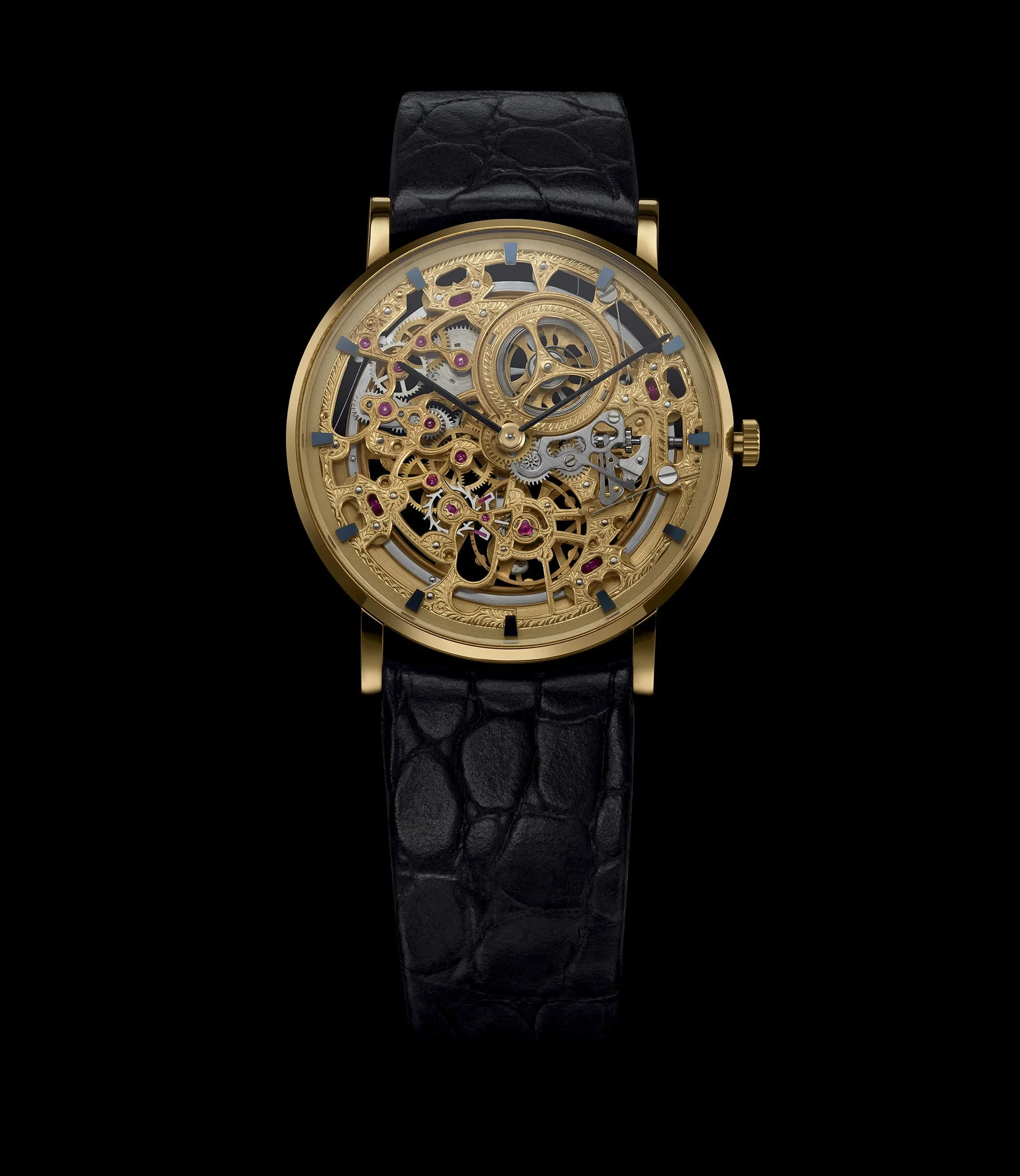
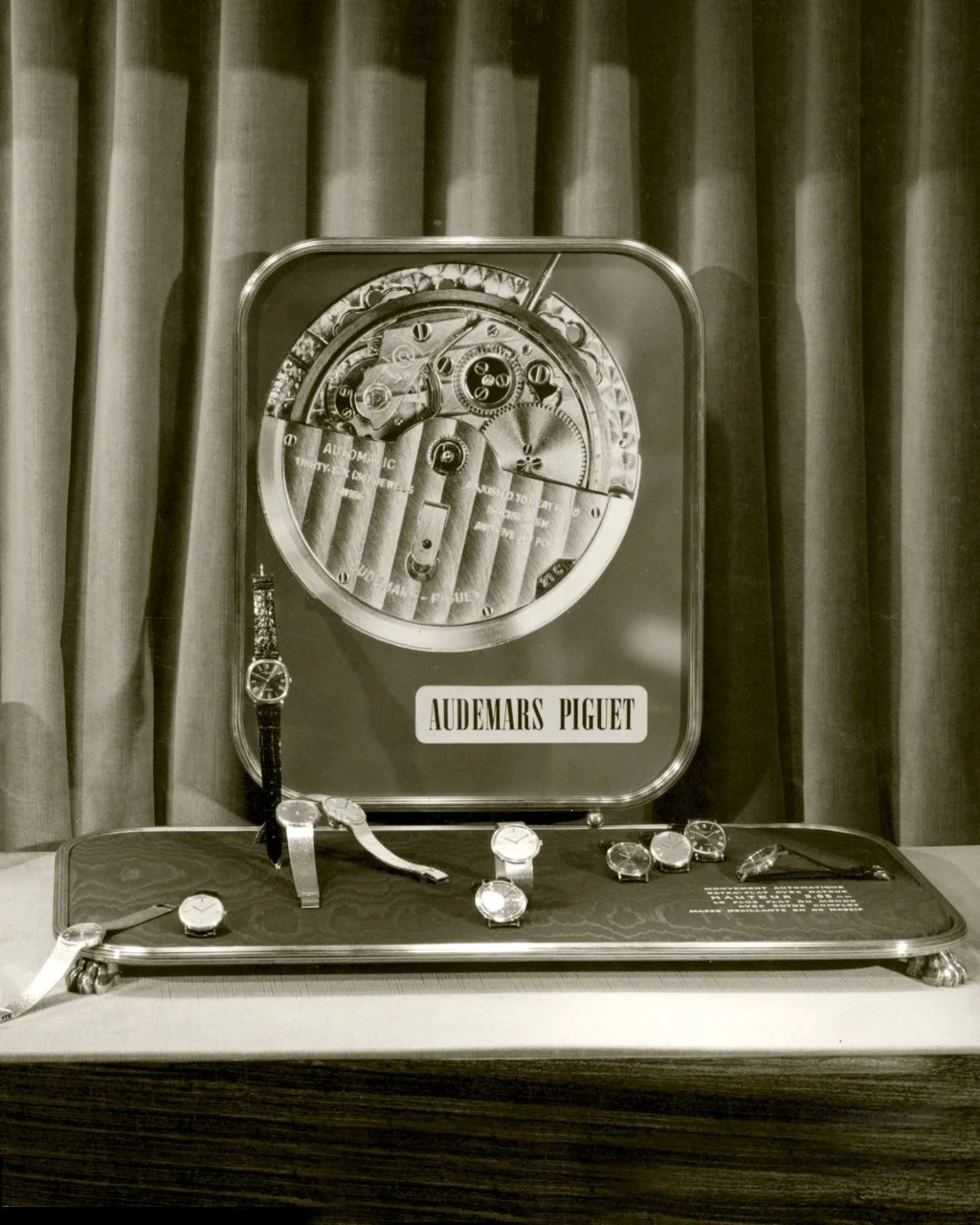
1976. Ultra-thin openworked 5542BA wristwatch (1972). Calibre 2120SQ, movement 136093 belonging to the first batch of 100 openworked movement "ébauches" for Calibre 2120. Case B4502. 18-carat yellow gold. Sold in Germany in 1976. Audemars Piguet Heritage, inv. 1123.
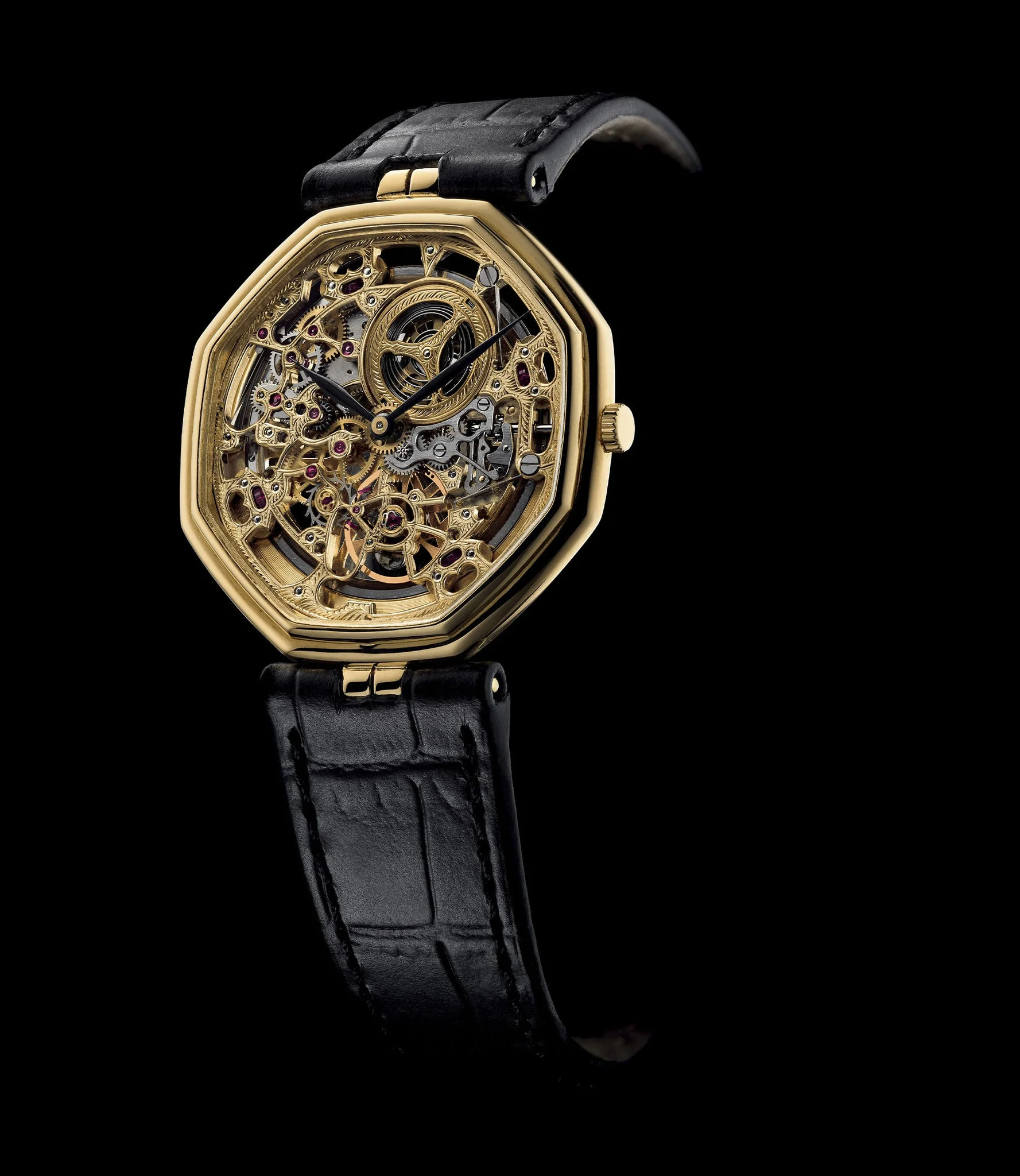
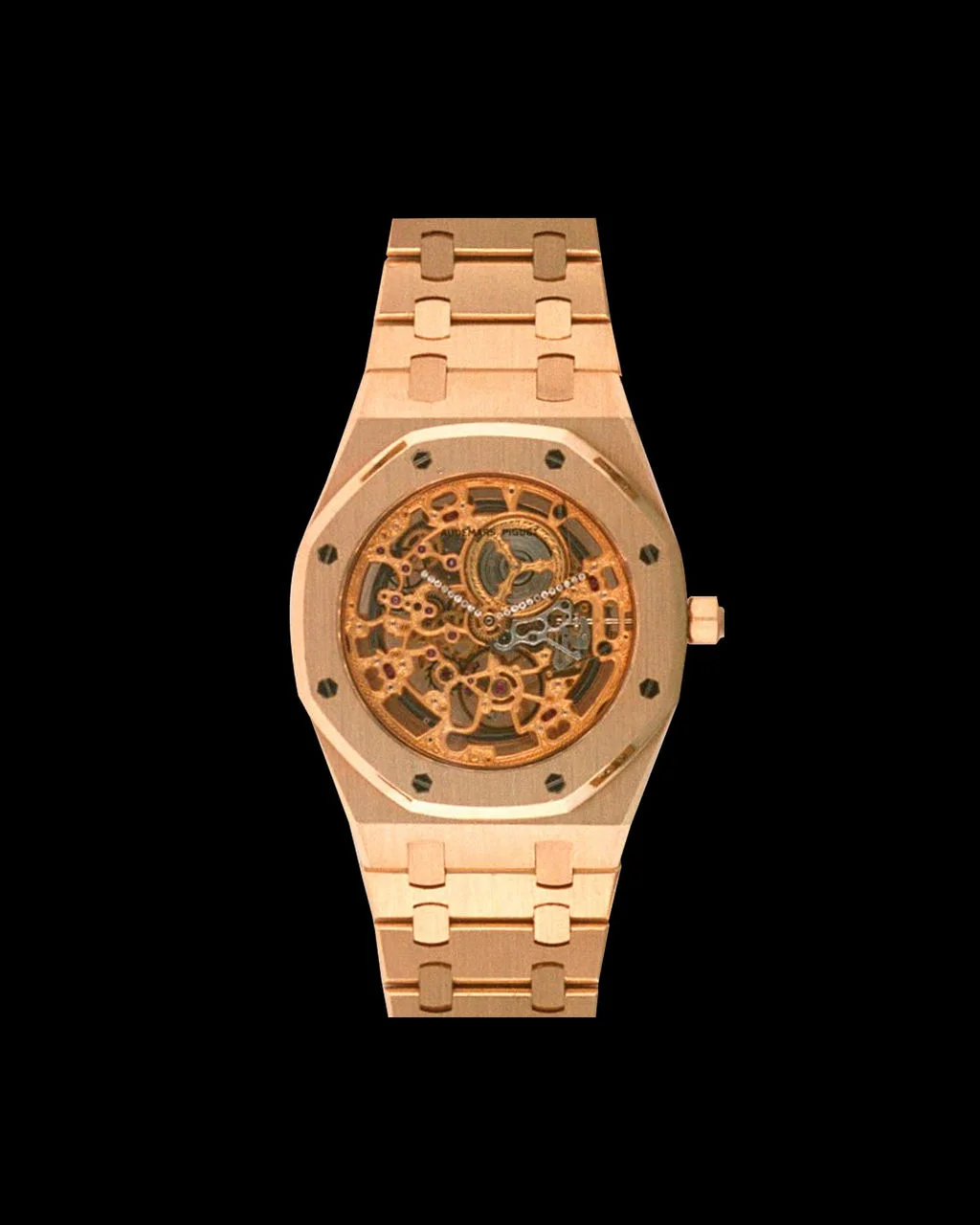
1980. Openworked octagonal 4122BA wristwatch. Calibre 2120SQ, movement 174862. Case B38196 in 18-carat yellow gold. Sold to Darcal (Swiss market) in September 1980. Audemars Piguet Heritage, inv. 1788.

1984. Openworking workshop. To accompany the renewal of openworking, Audemars Piguet created a workshop entirely dedicated to this art. Audemars Piguet Archives.
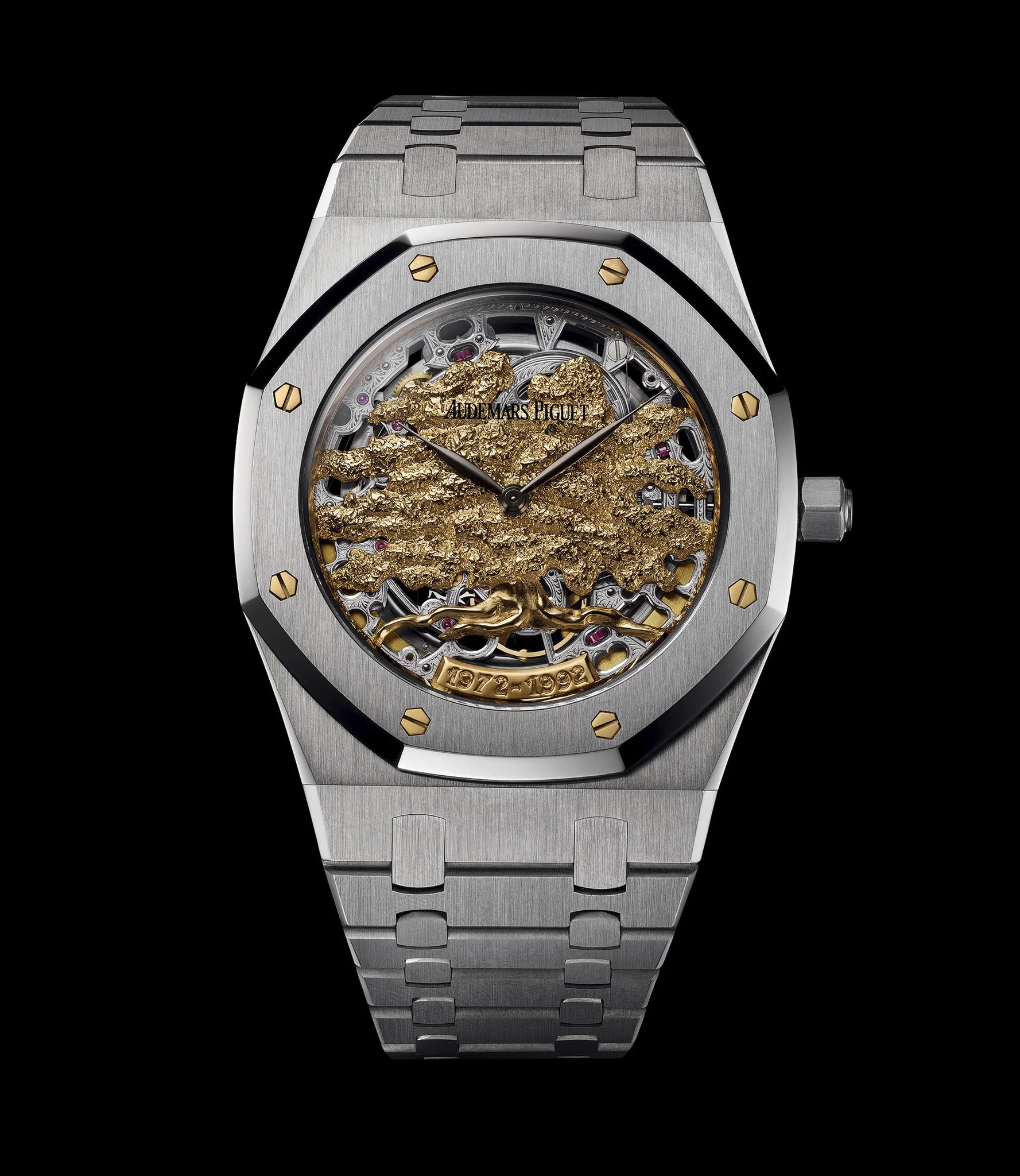
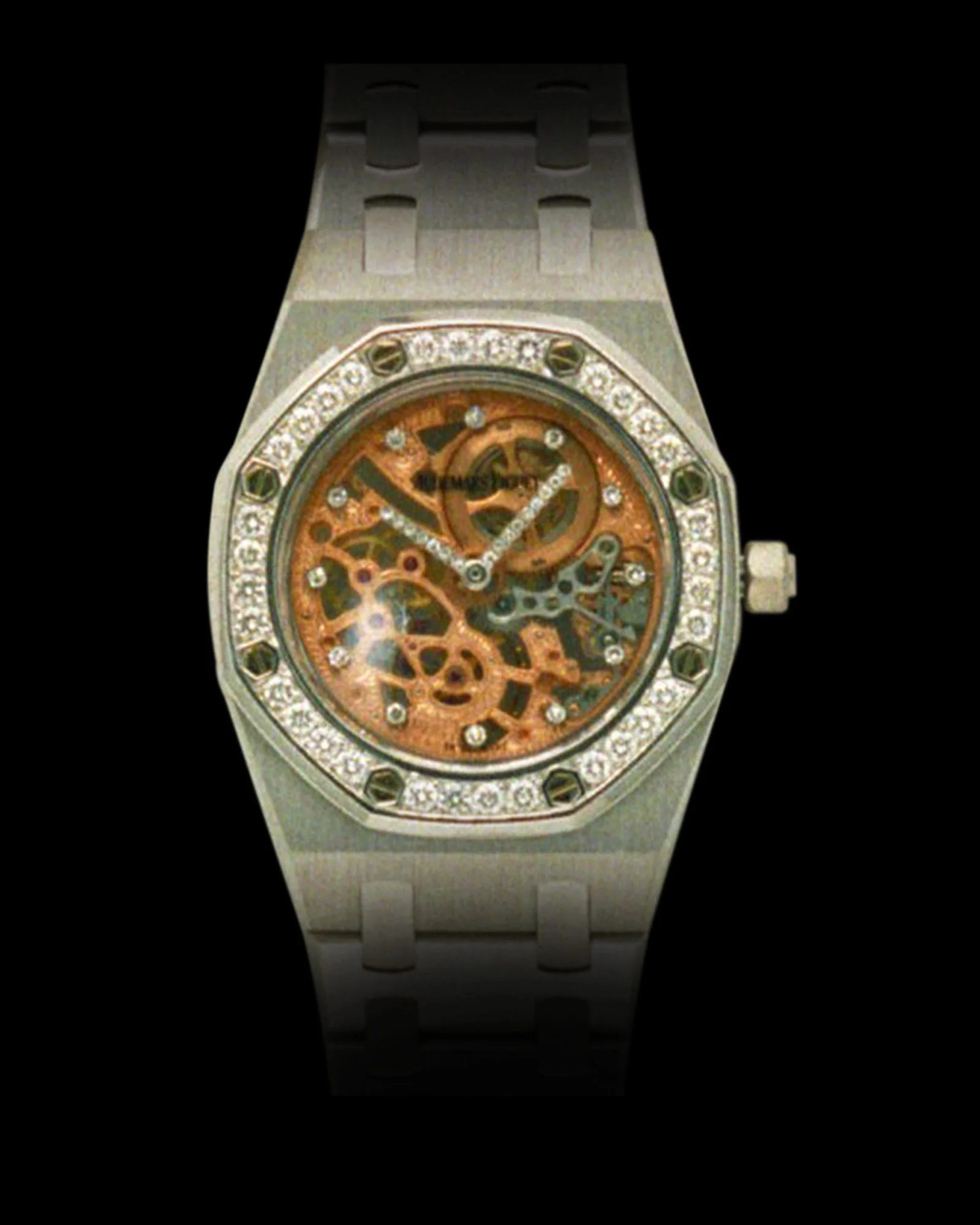
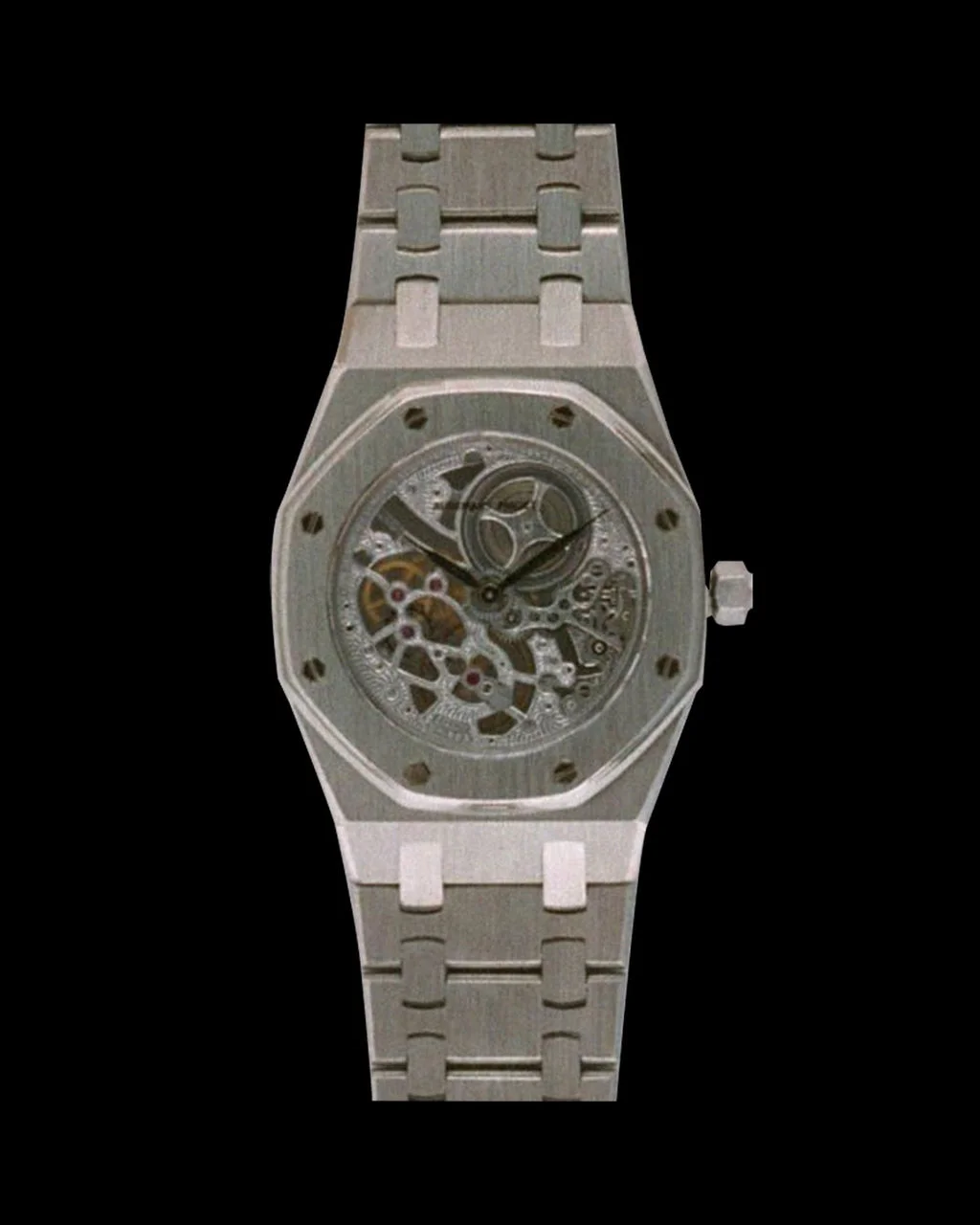
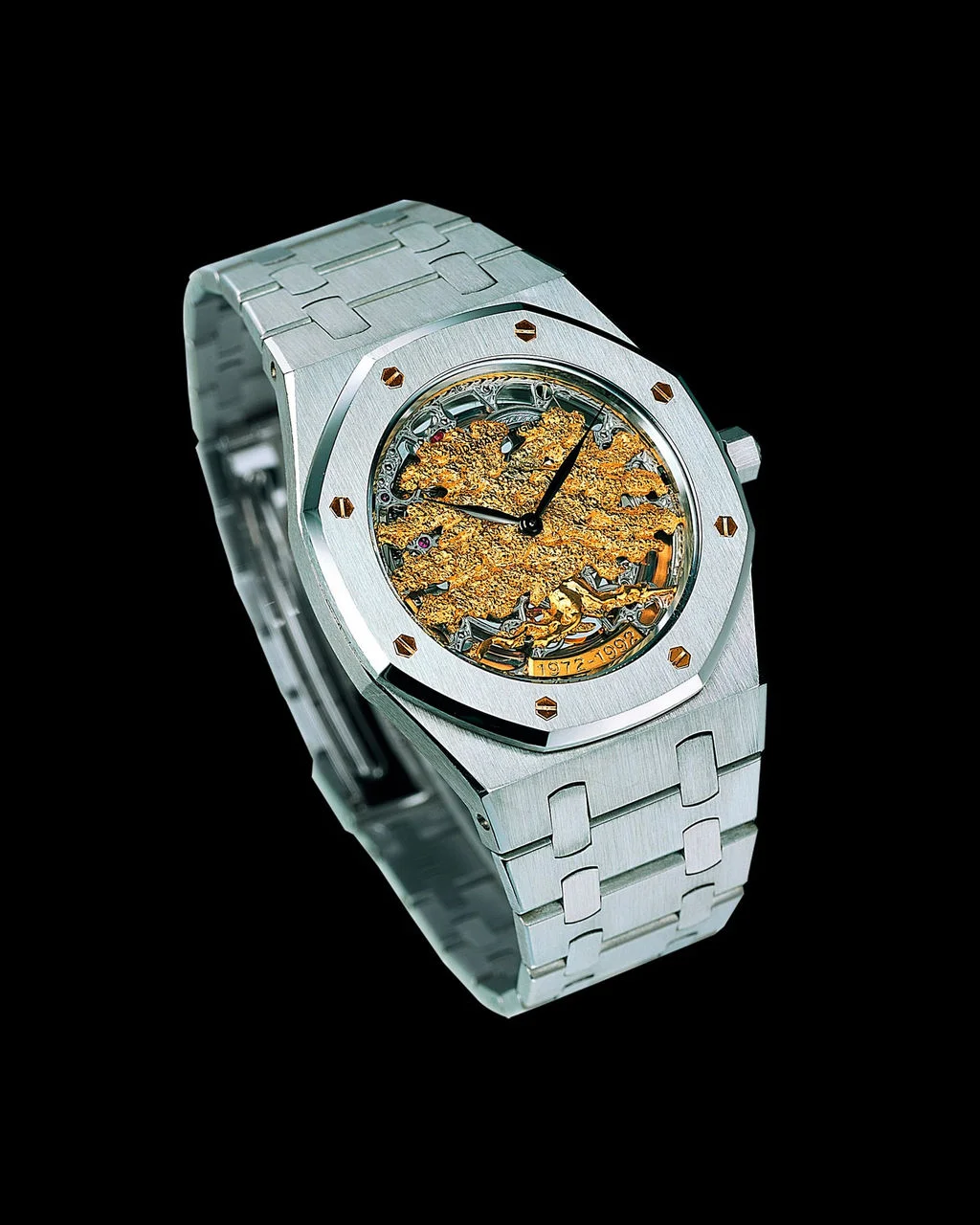
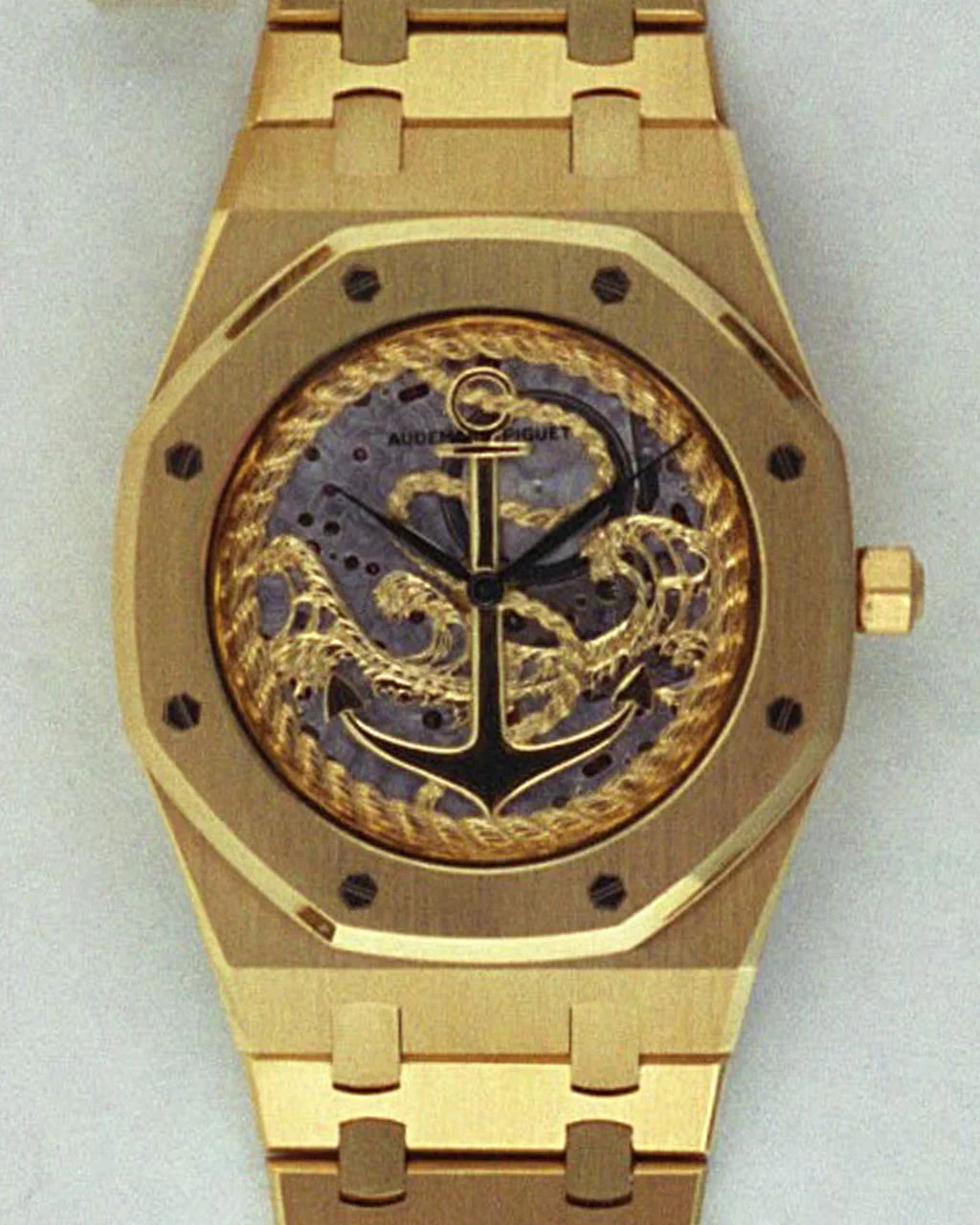
1992. Royal Oak Audemars Piguet Foundation 14811ST (replica of a one-of-a-kind timepiece). Calibre 2120SQ. Engraved and gilded Royal Oak dial. Bracelet 944. Case D30241, 39 mm. Steel. Audemars Piguet Heritage, inv. 1193.
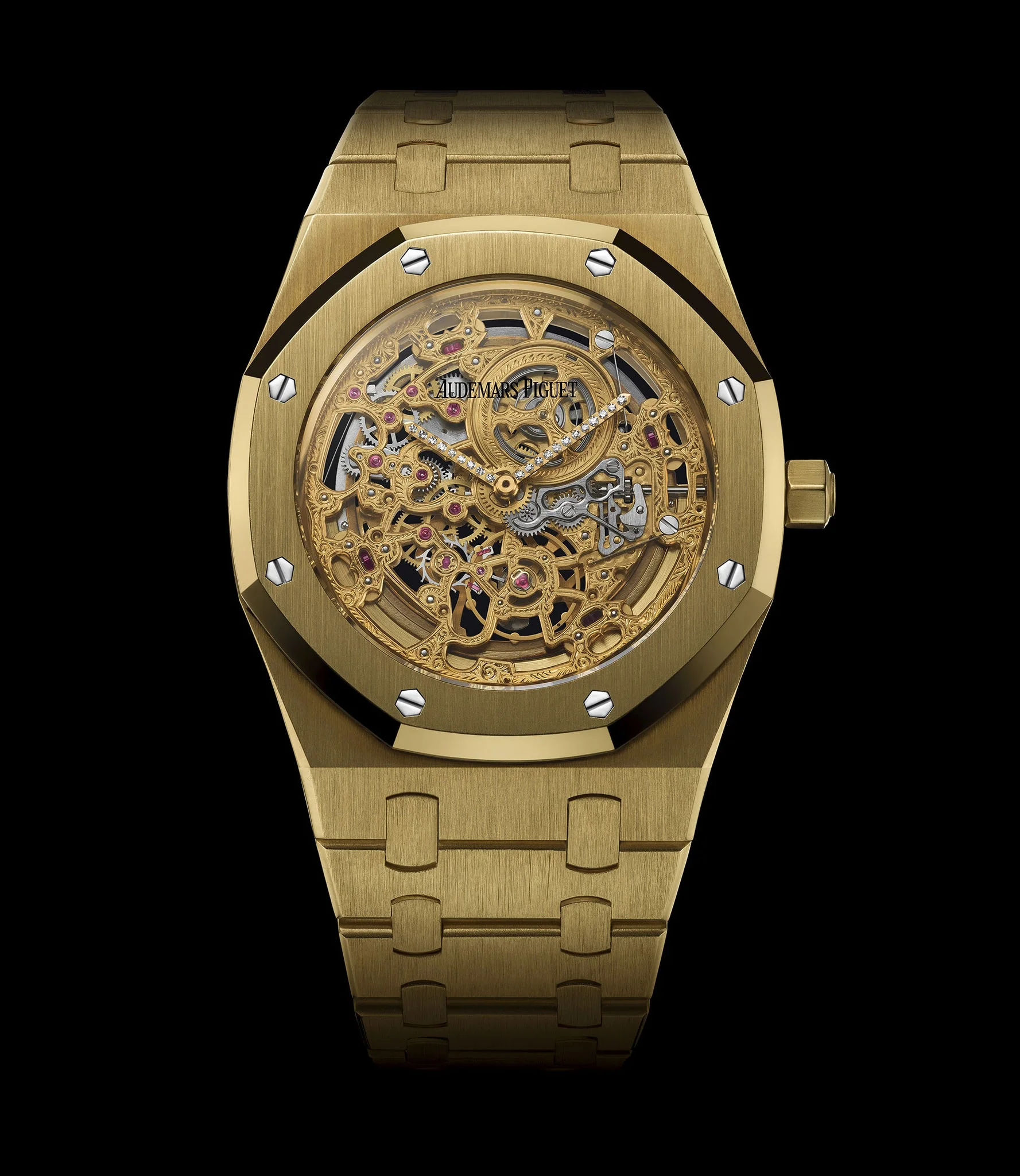
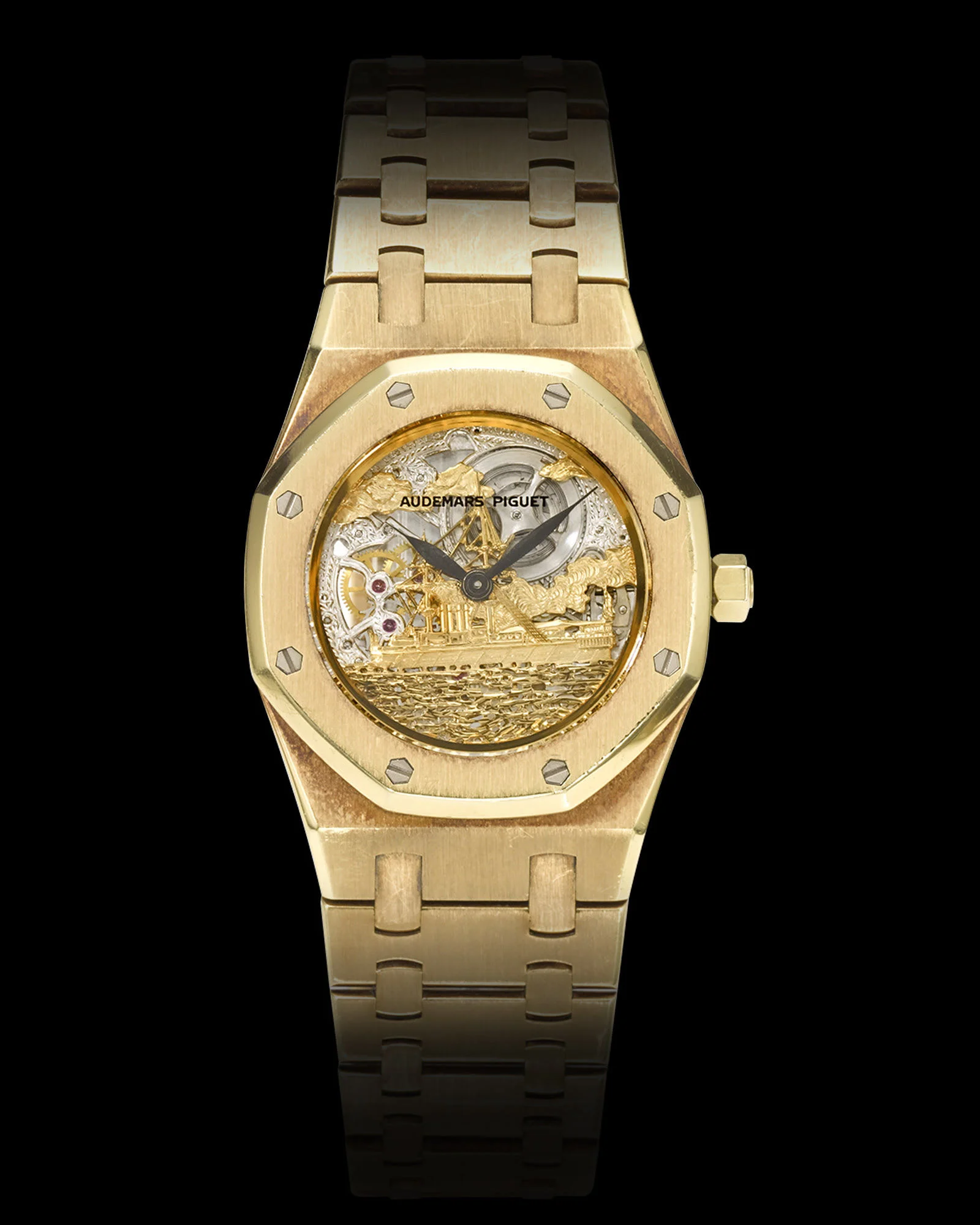
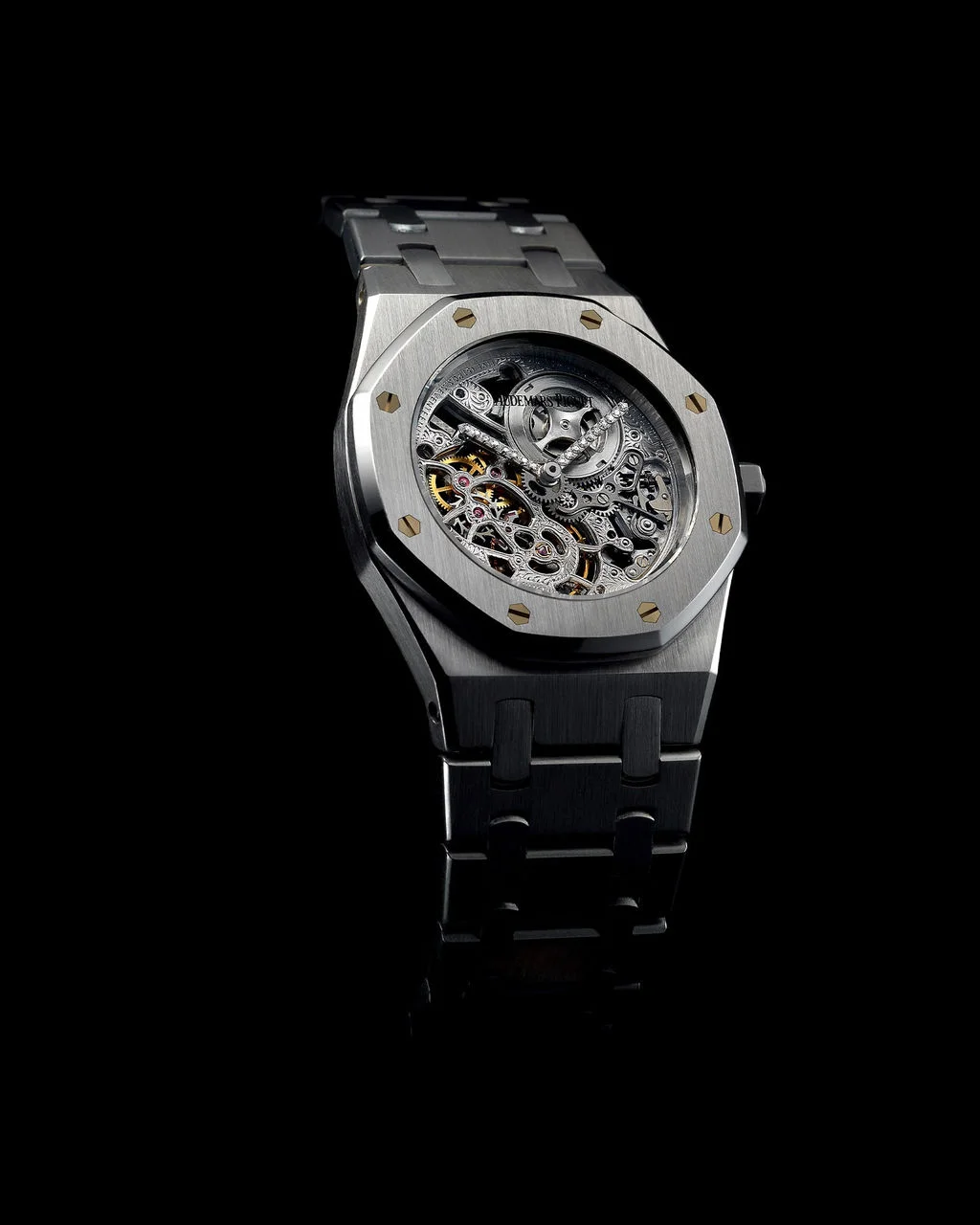
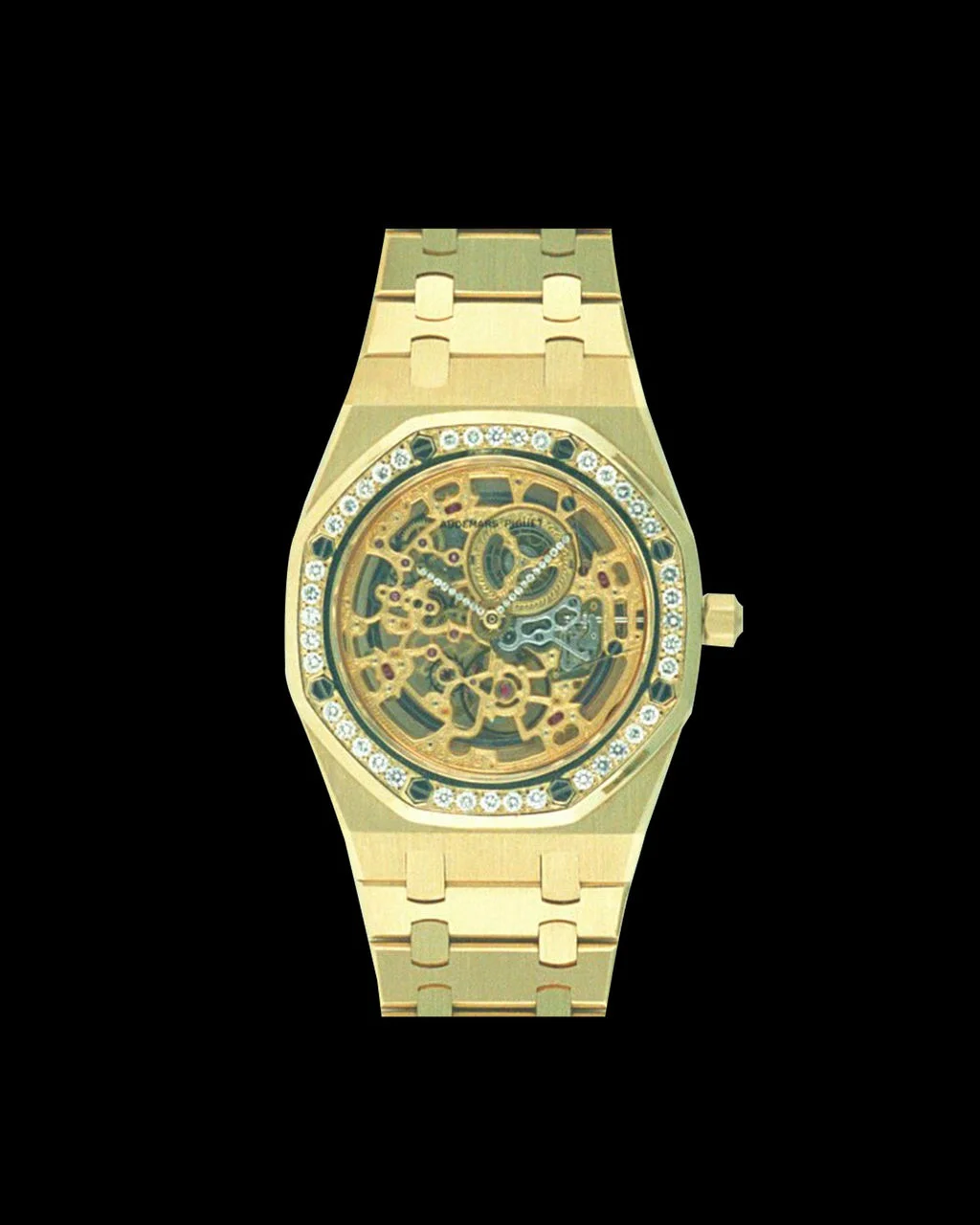
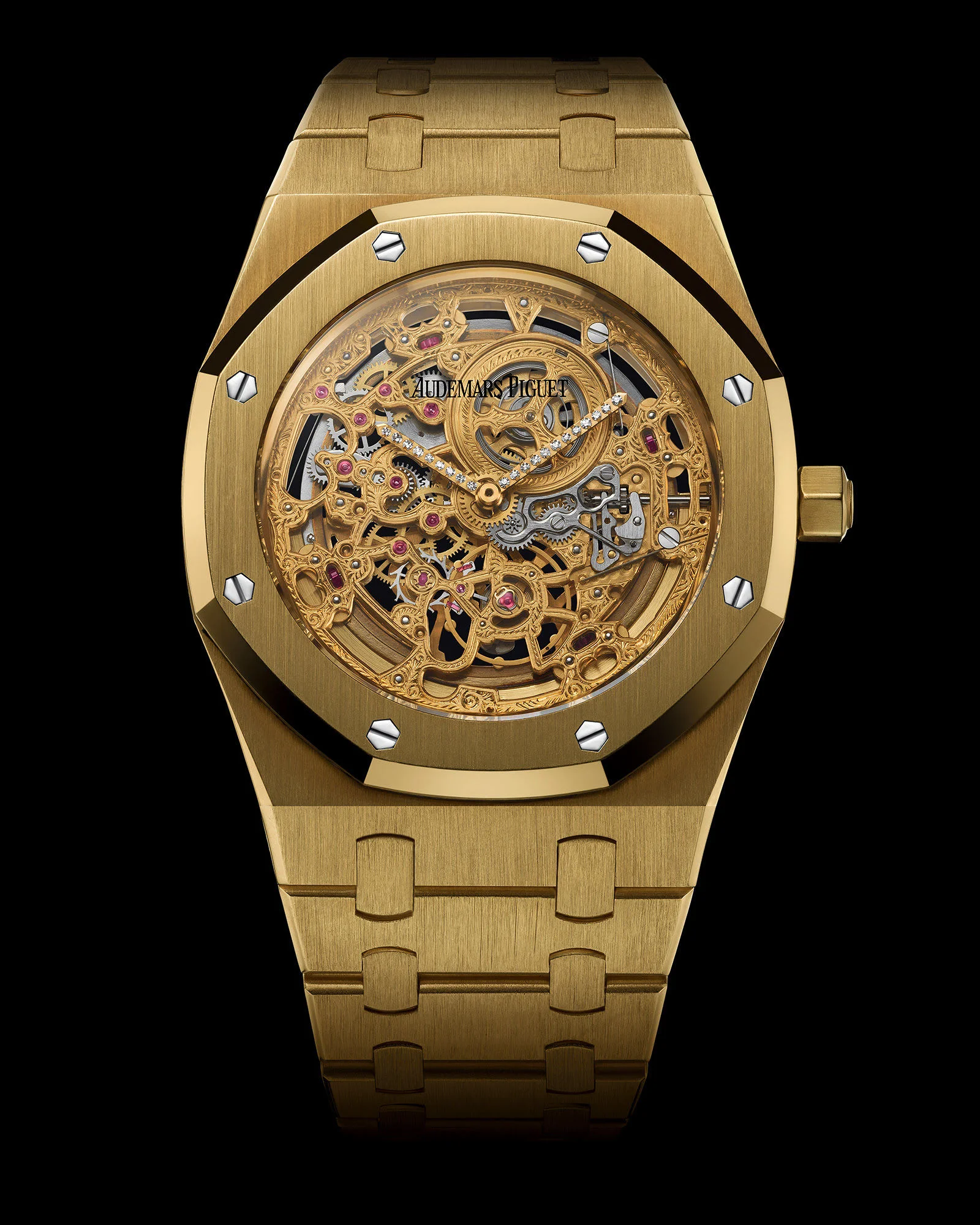
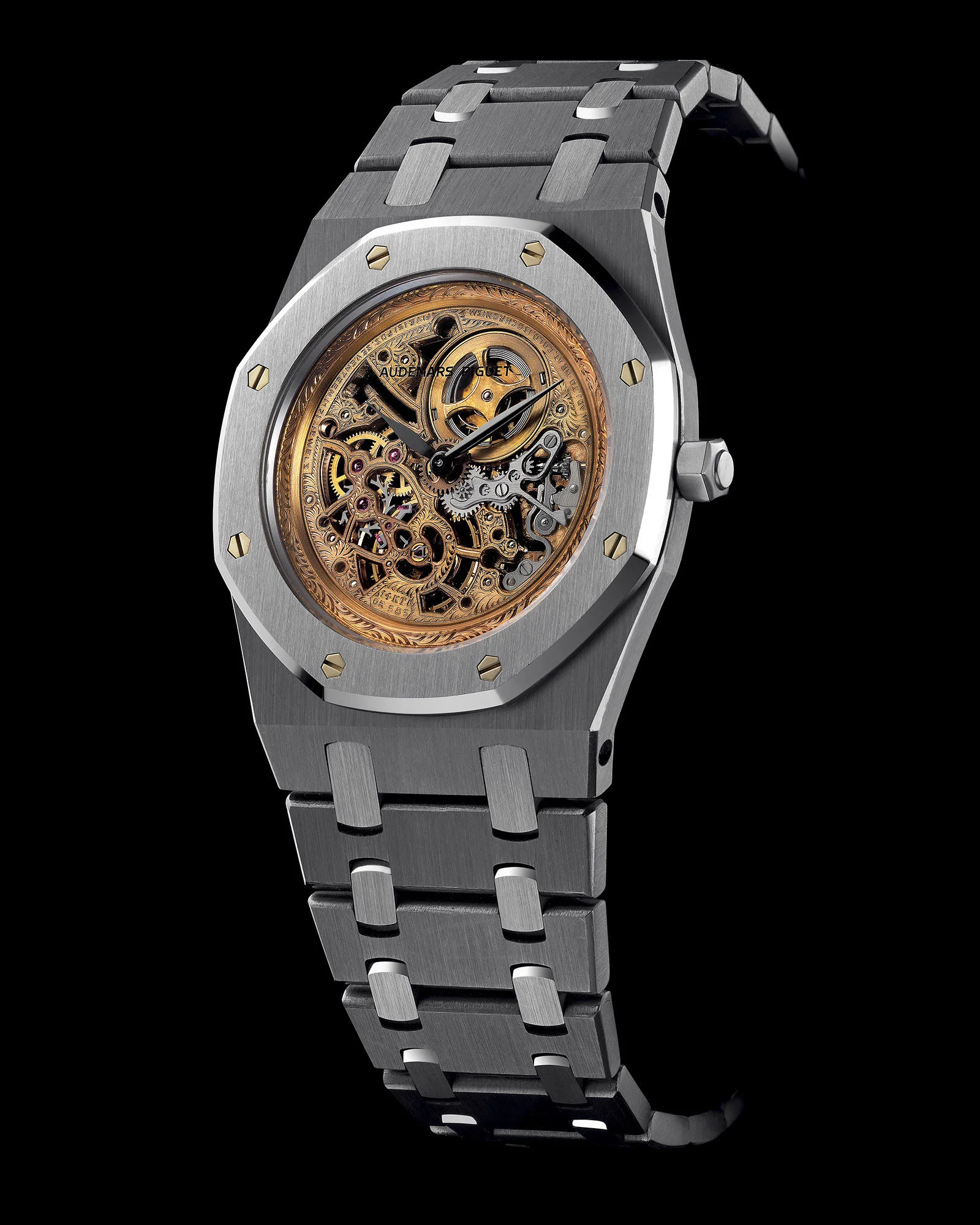
1997. Openworked Royal Oak 14814BA Date. Calibre 2120SQ, mouvement 367889, entirely openworked and gilded. Hands set with brilliant-cut diamonds. Case D93405, 39 mm. 18-carat yellow gold. Audemars Piguet Heritage. inv. 1216.
Mechanism
Selfwinding Openworked
Functions
Hours, minutes
Diameter
28 mm (12½ lignes)
Thickness
2.45 mm
Frequency
19,800 vph (2.8 Hz)
Power Reserve
40 h
Jewels
36
Dates
1973 – circa 2010
Movement Blank
LeCoultre & Cie (Calibre 920), then Audemars Piguet from the beginning of the 21st century.
In the 1970s–1980s, when quartz technology was threatening the very existence of Swiss watchmaking, gold-plated brass Calibre 2120SQ acted as an ambassador for watchmaking tradition by revealing its mechanism. Each movement takes around 150 hours to openwork: hand-cutting with a small hand saw, followed by engraving, bevelling and other operations.
The openworked variation of Calibre 2120 made its debut in 1973 in the round wristwatch Model 5442. It appeared in several other models, such as the octagonal 4122 in 1980. It made its debut in a Royal Oak in 1986. Base Calibre 2120SQ is complemented here by a perpetual calendar under-dial mechanism 25636, forming Calibre 2120/2800SQ.
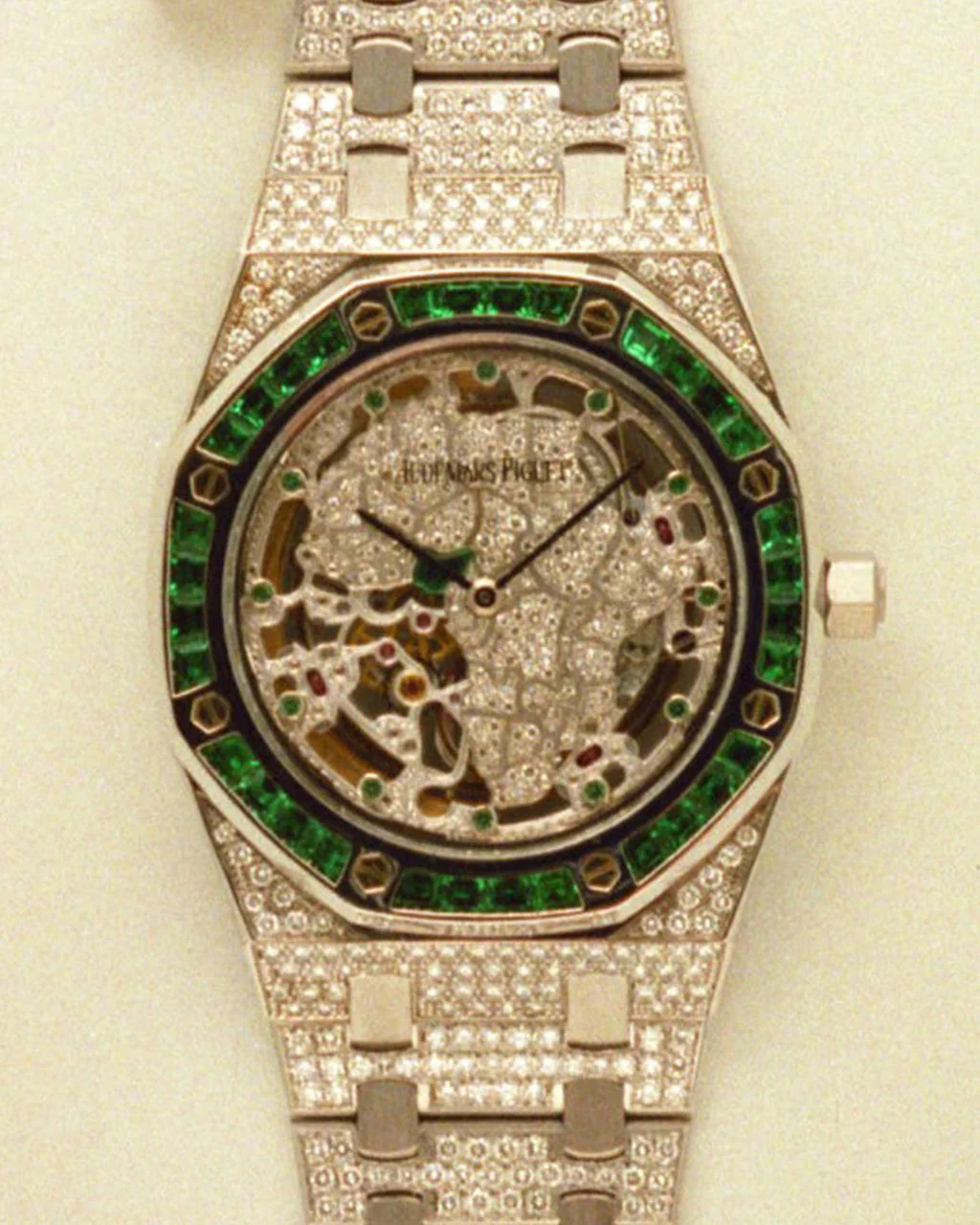
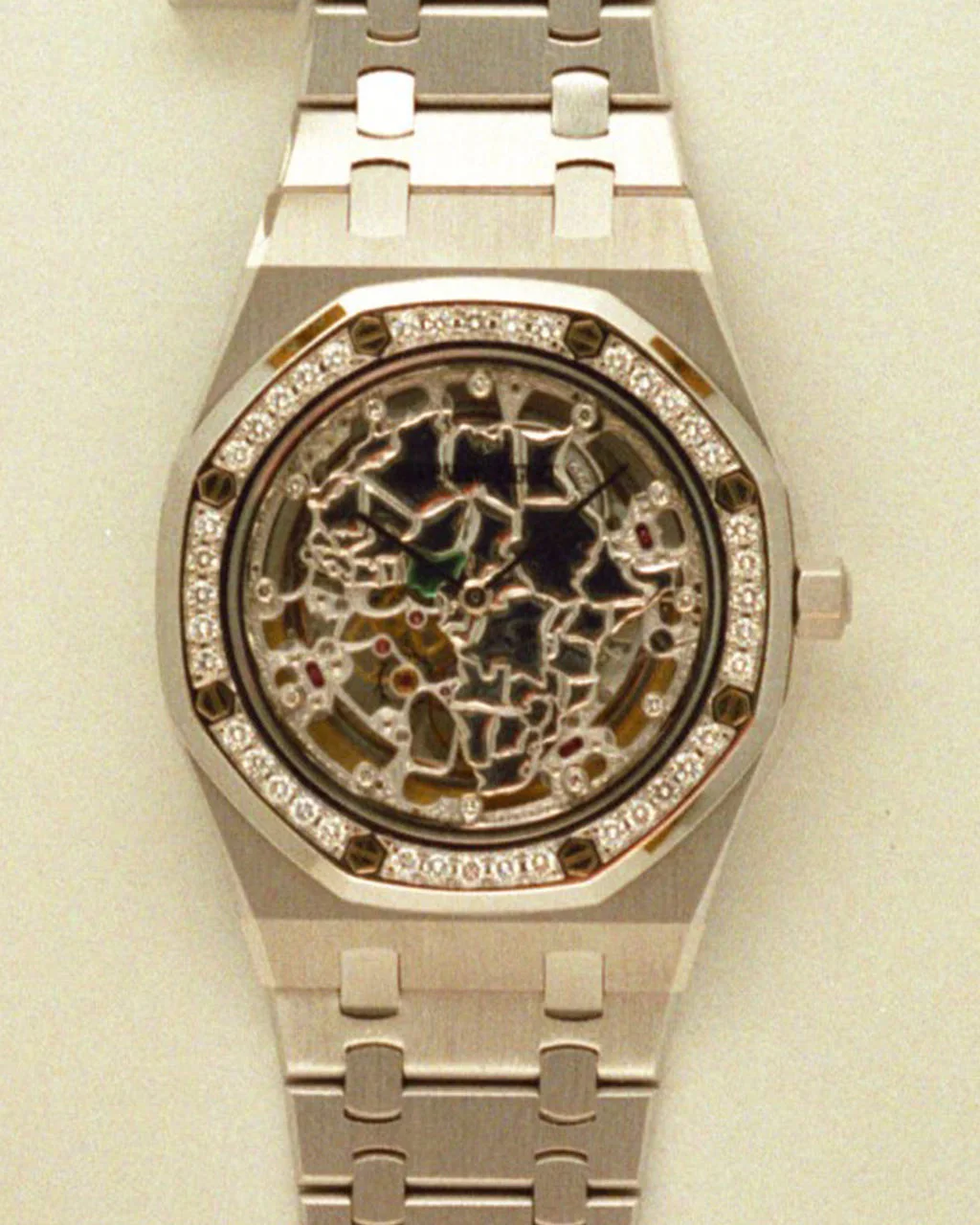
From 1992 onwards, the 2120SQ was fitted in Royal Oak "Jumbo" watches (ultra-thin, 39 mm), indicating only the hours and minutes. One of the first examples (Model 14811) was auctioned off to mark the launch of the Audemars Piguet Foundation. In just over a decade, ten models were created, all produced in very limited numbers.
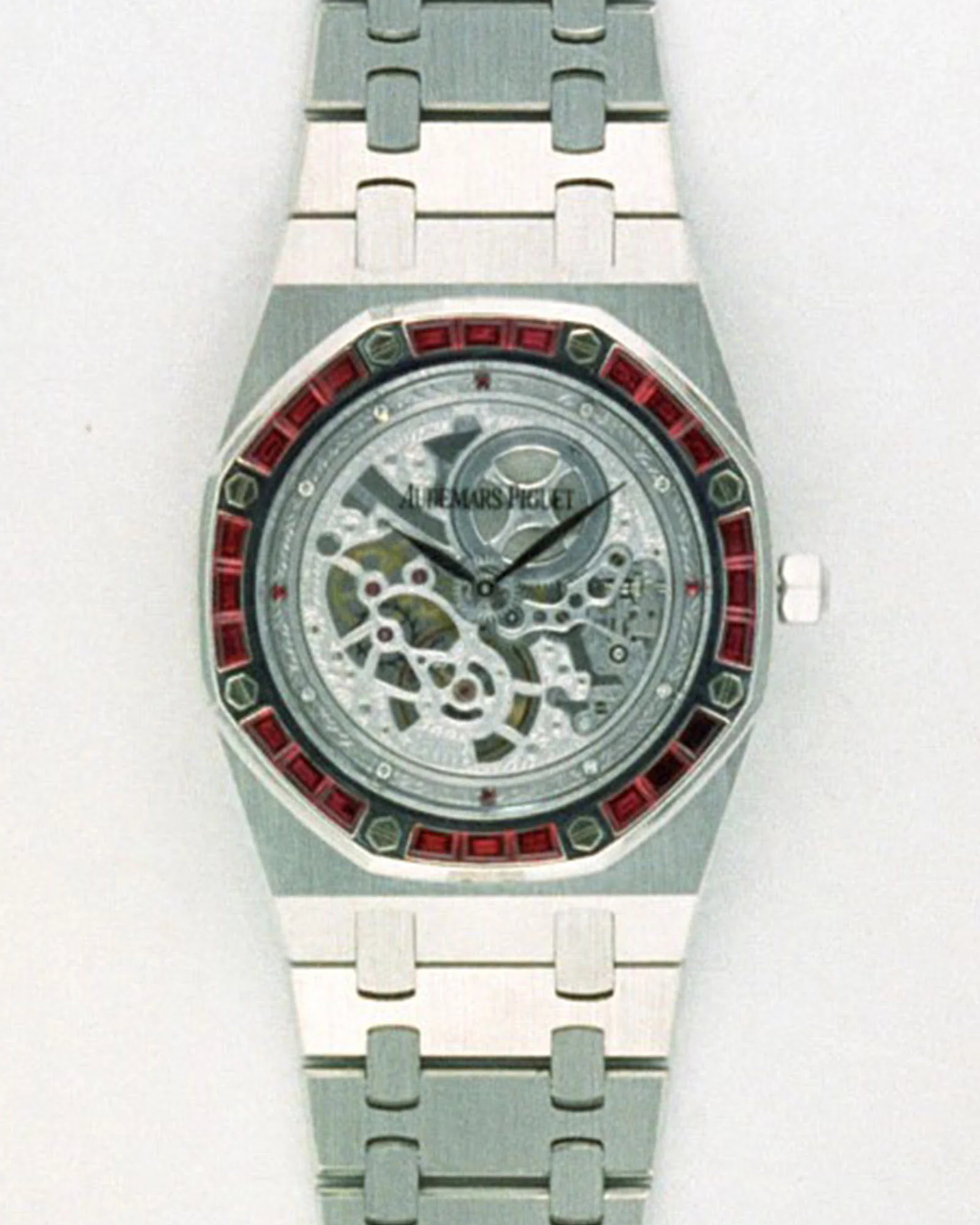
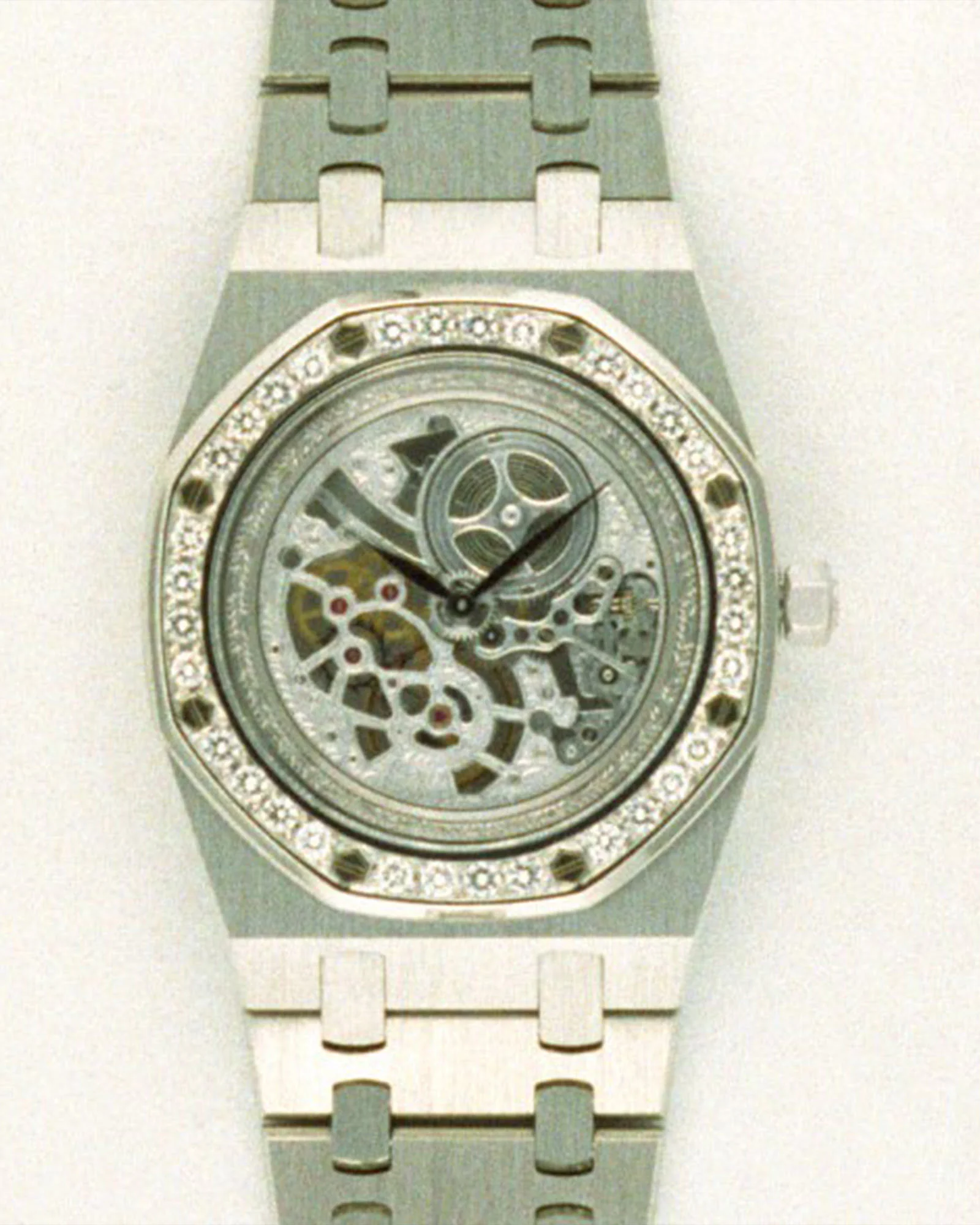
Royal Oak models equipped with Calibre 2120SQ: 14789 (1992, 40 units); 14811 (1992, 22 units); 14793 (1992, 1 unit); 14814 (1993, 28 units); 15075 (prob. 1998); 15052 (1998, 5 units); 15053 (1998, 1 unit); 15076 (prob. 1998); 12517 (2000, 1 unit); 15136 (prob. 2004, 30 units).
Only four Royal Oak models have adopted the non-openworked version of Calibre 2120: 14884 (1993, 2 units), 12518 (2000, one-of-a-kind), 12530 (2000, one-of-a-kind) and 15154 (2009, 136 units).
In 2012, Calibre 2120SQ was replaced by a revisited variant: Calibre 5122. In 2022, a new generation made its appearance: Calibre 7124 is the openworked variant of Calibre 7121.
In the 1970s–1980s, when quartz technology was threatening the very existence of Swiss watchmaking, gold-plated brass Calibre 2120SQ acted as an ambassador for watchmaking tradition by revealing its mechanism. Each movement takes around 150 hours to openwork: hand-cutting with a small hand saw, followed by engraving, bevelling and other operations.
The openworked variation of Calibre 2120 made its debut in 1973 in the round wristwatch Model 5442. It appeared in several other models, such as the octagonal 4122 in 1980. It made its debut in a Royal Oak in 1986. Base Calibre 2120SQ is complemented here by a perpetual calendar under-dial mechanism 25636, forming Calibre 2120/2800SQ.
From 1992 onwards, the 2120SQ was fitted in Royal Oak "Jumbo" watches (ultra-thin, 39 mm), indicating only the hours and minutes. One of the first examples (Model 14811) was auctioned off to mark the launch of the Audemars Piguet Foundation. In just over a decade, ten models were created, all produced in very limited numbers.
Royal Oak models equipped with Calibre 2120SQ: 14789 (1992, 40 units); 14811 (1992, 22 units); 14793 (1992, 1 unit); 14814 (1993, 28 units); 15075 (prob. 1998); 15052 (1998, 5 units); 15053 (1998, 1 unit); 15076 (prob. 1998); 12517 (2000, 1 unit); 15136 (prob. 2004, 30 units).
Only four Royal Oak models have adopted the non-openworked version of Calibre 2120: 14884 (1993, 2 units), 12518 (2000, one-of-a-kind), 12530 (2000, one-of-a-kind) and 15154 (2009, 136 units).
In 2012, Calibre 2120SQ was replaced by a revisited variant: Calibre 5122. In 2022, a new generation made its appearance: Calibre 7124 is the openworked variant of Calibre 7121.